Yellow twig dogwood (Cornus sericea 'Silver and Gold')
Cornus sericea 'Silver and Gold' offers stunning yellow winter stems and variegated foliage, ideal for wet sites in USDA Zones 3-8.

Bloom Boldly, No Matter the Season - Sweatshirt
Cozy organic cotton sweatshirt featuring our exclusive Purple Coneflower design. Perfect for gardeners who bloom year-round.
Inspired by the beautiful Yellow twig dogwood
Limited first batch (50) — join the waitlist for early access
Waitlist closes Feb 15, 2026.
Complete Plant Information
Field Guide Continues
Ready for care notes, companion picks, and planting tips?
The map is just the start. The full guide below covers growth habits, seasonal performance, and landscape uses.
Overview
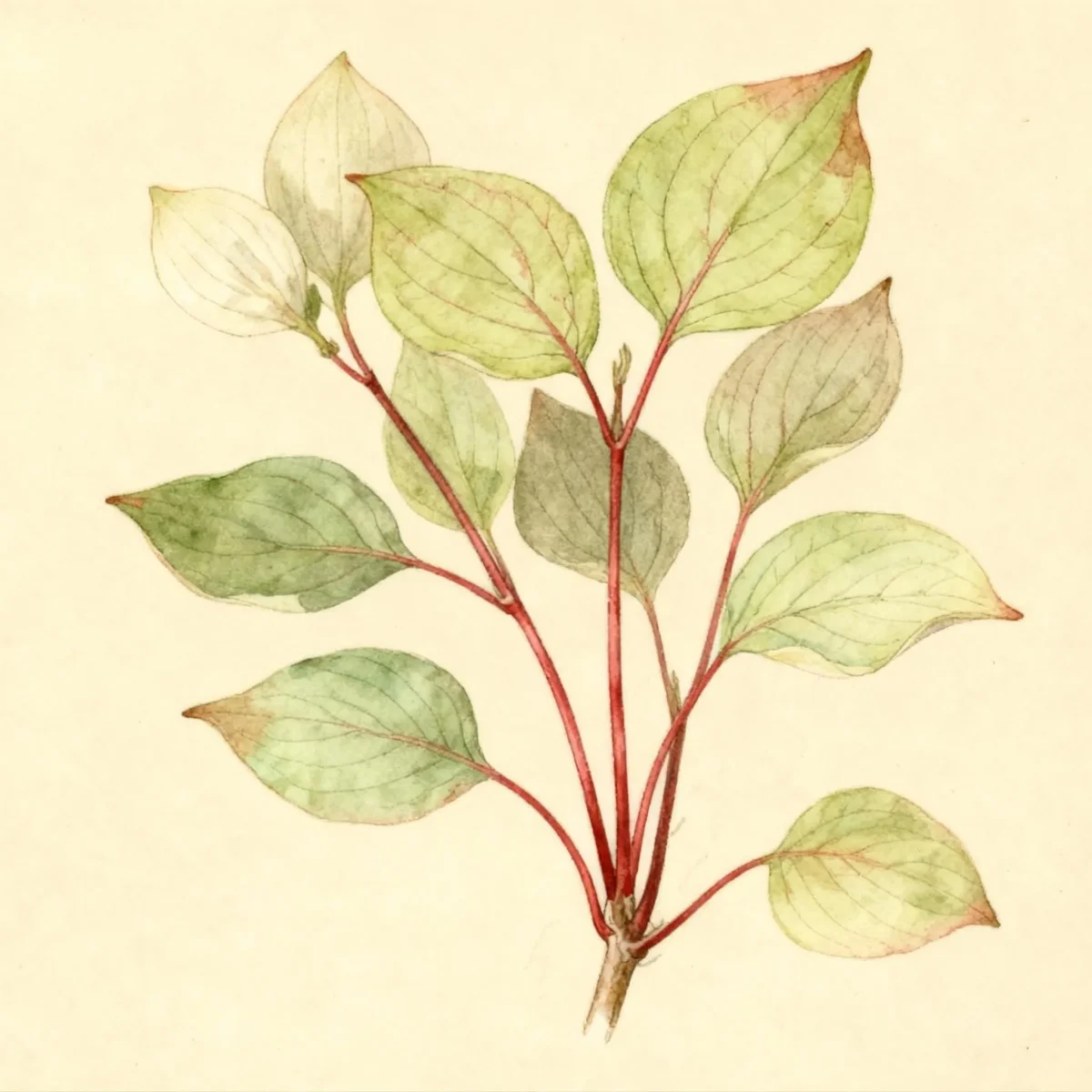
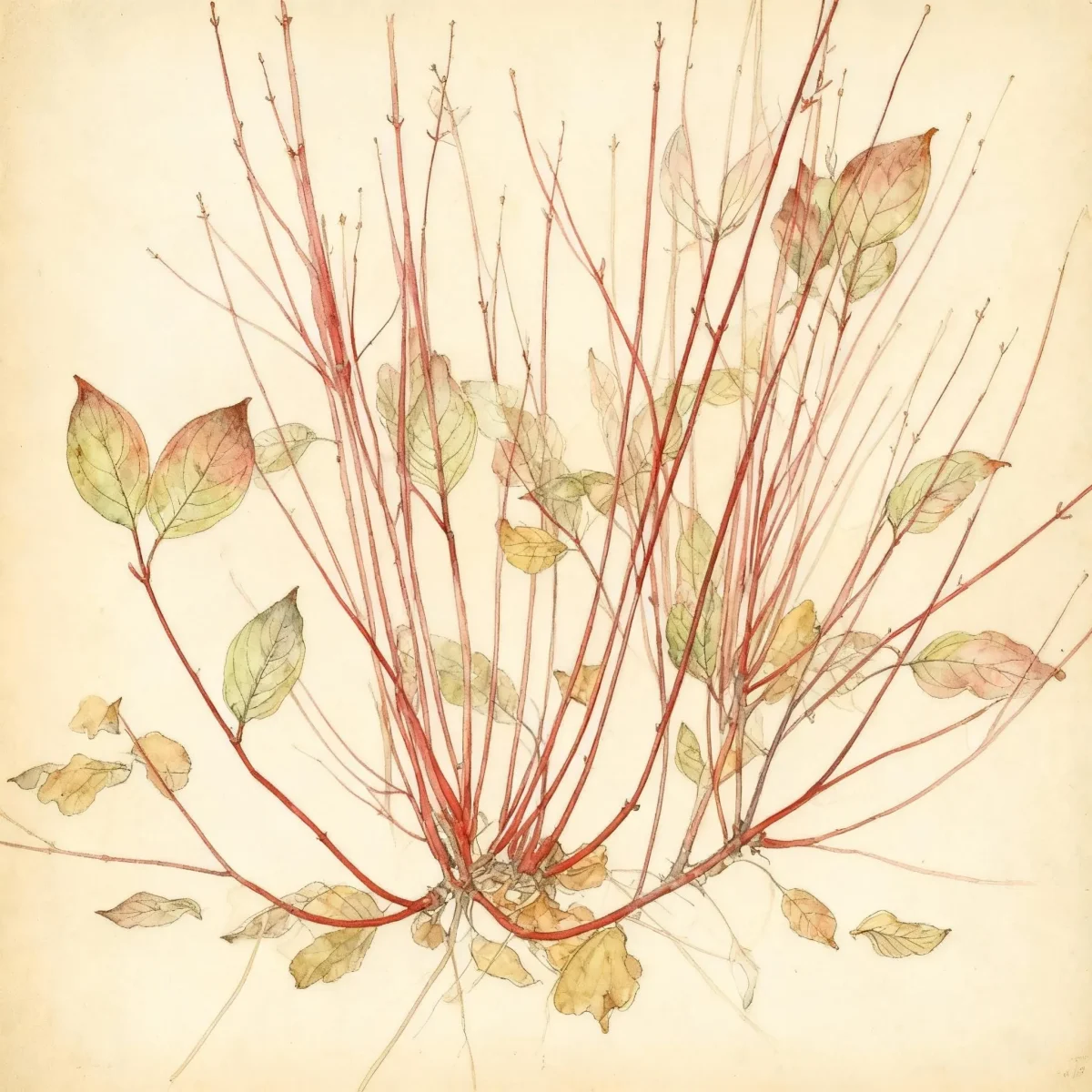
The Yellow twig dogwood, botanically known as Cornus sericea ‘Silver and Gold’, is a highly valued deciduous shrub prized for its exceptional winter interest. Unlike its red-stemmed relatives, this cultivar showcases brilliant yellow stems that provide striking contrast against snow or evergreen plantings. It is a vigorous, suckering shrub that fits beautifully into both formal structural plantings and naturalistic settings.
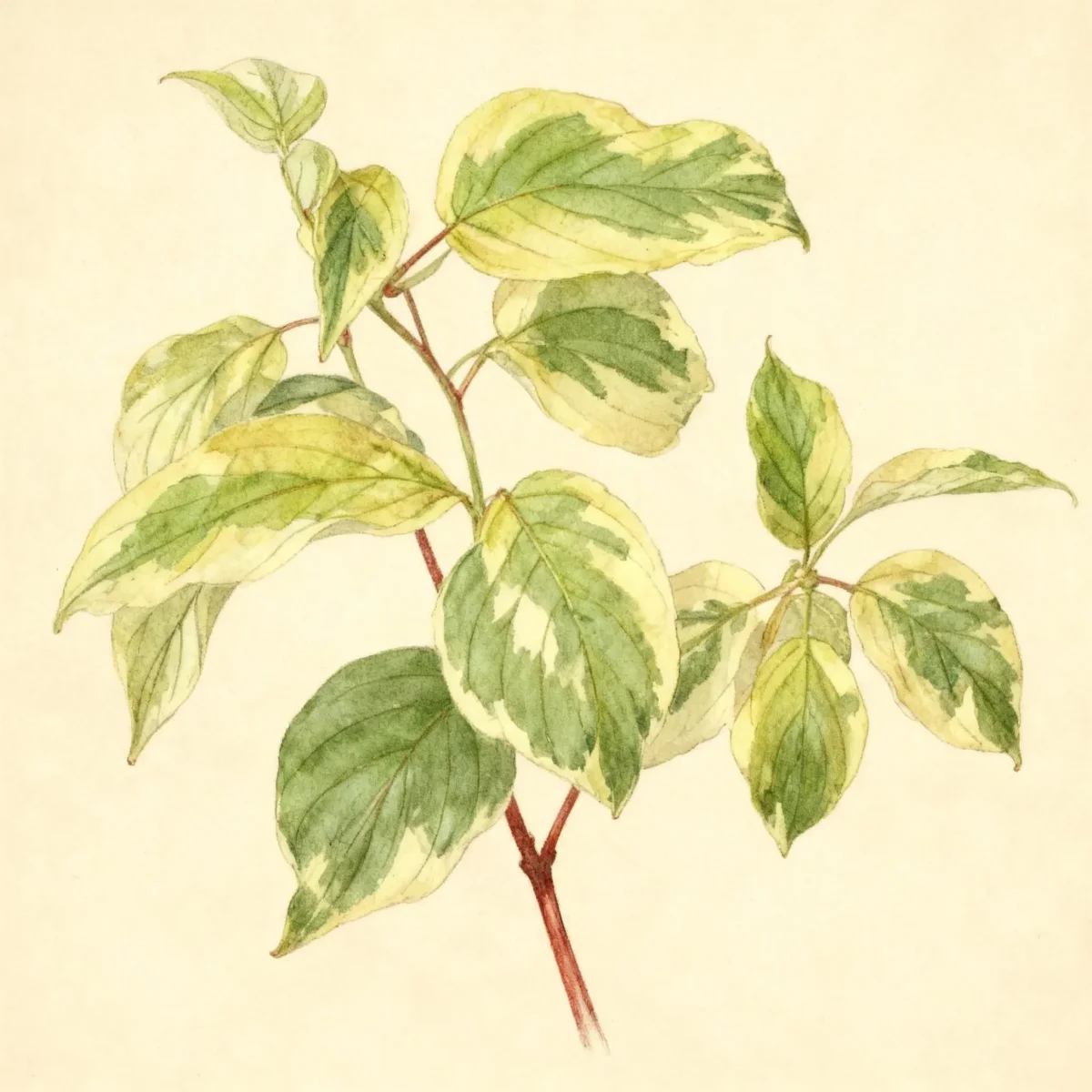
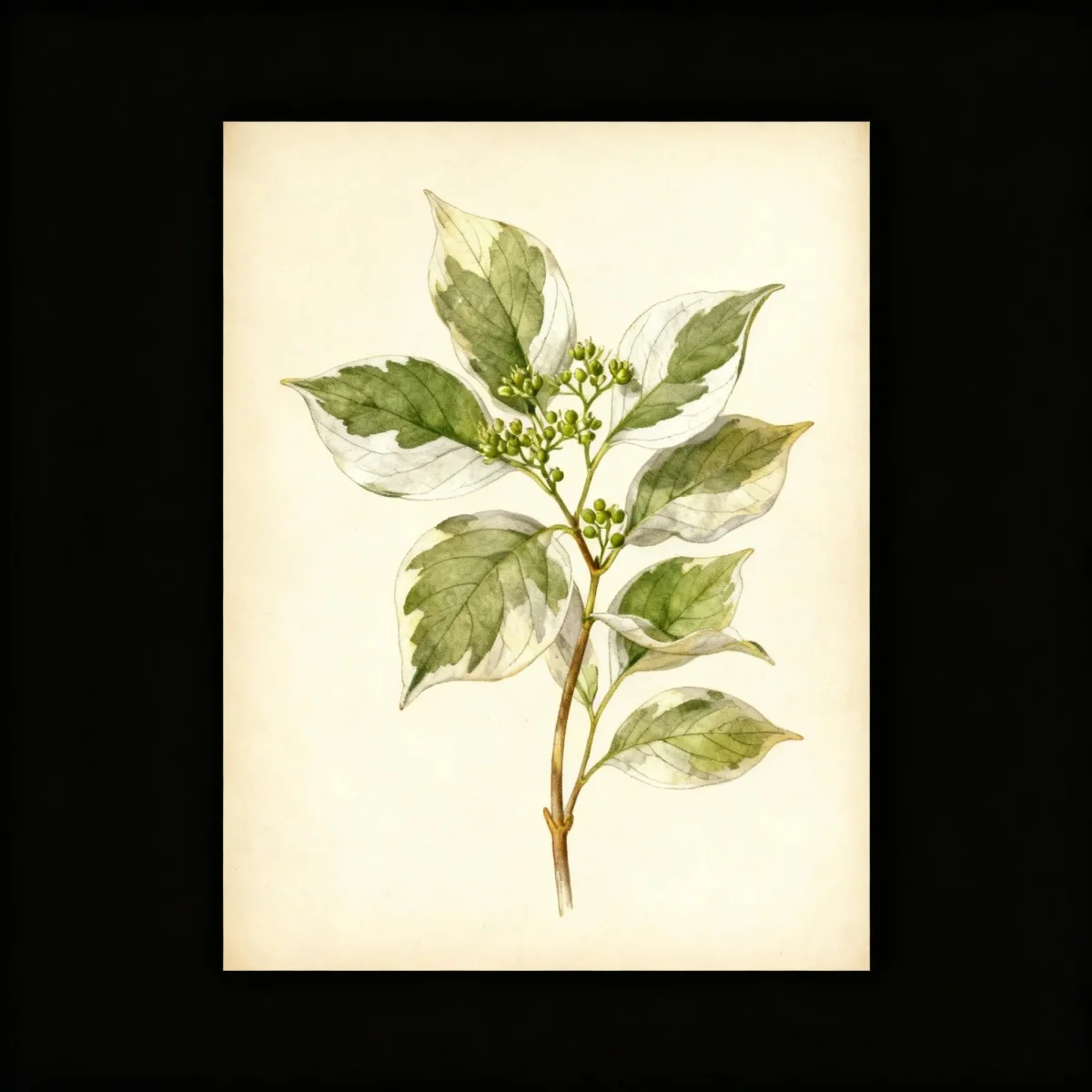
Cornus sericea ‘Silver and Gold’ features bold variegated foliage during the growing season, with creamy white margins surrounding the green centers, adding texture until autumn color emerges. This variety excels in challenging landscape conditions, particularly wetter soils where many shrubs struggle. Gardeners rely on this dogwood for year-round structure and vibrant color.
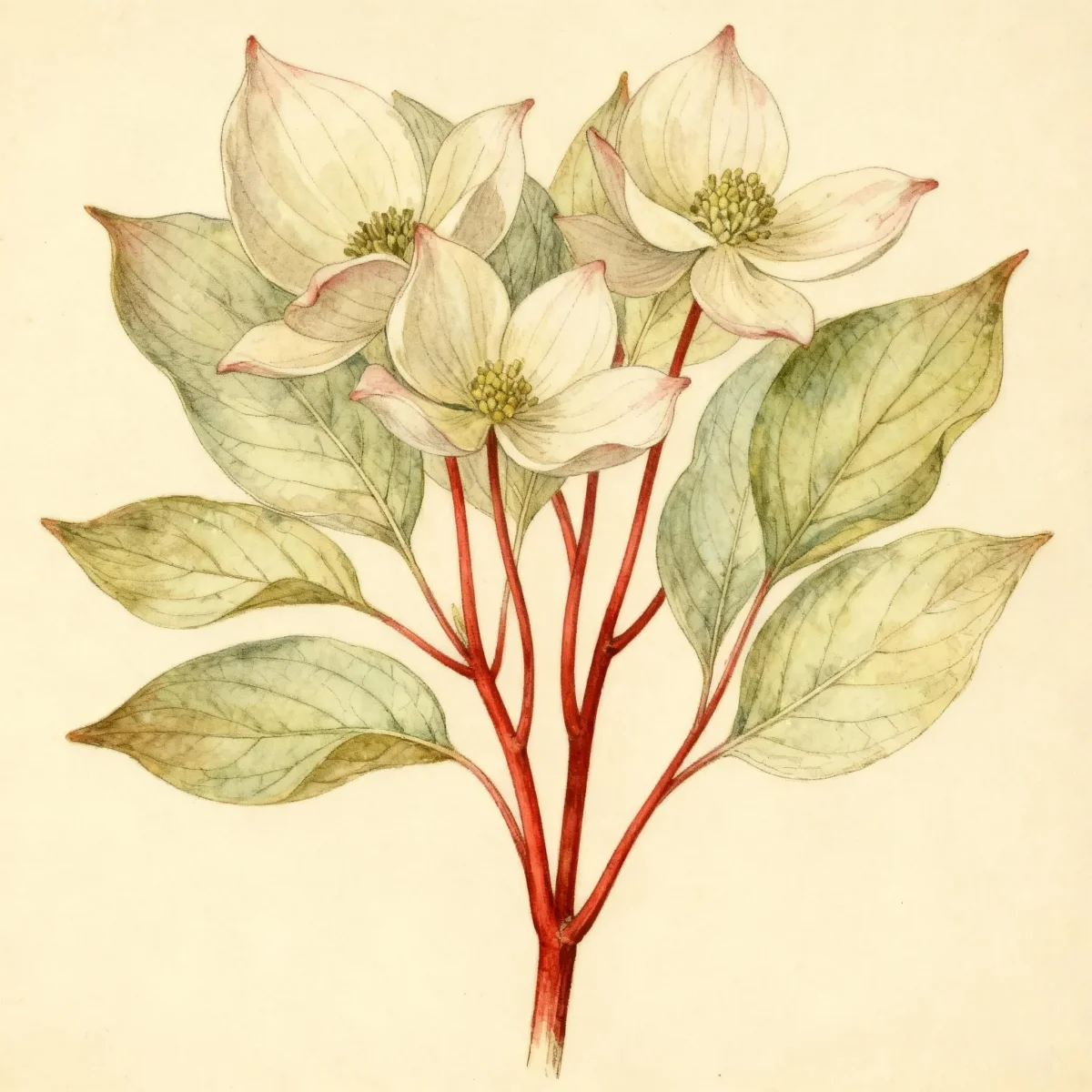
Although it offers small white flowers in late spring, the primary ornamental value of Cornus sericea ‘Silver and Gold’ lies in its foliage and its radiant winter stems. Its adaptability, coupled with its robust nature, makes it a worthwhile medium-maintenance addition to moist or rain garden areas.
Fast Facts
- Plant Family: Cornaceae
- Plant Type: Deciduous shrub
- Hardiness Zones: USDA Zones 3-8
- Size at Maturity:
- Height: 5-7 ft
- Spread: 6-8 ft
- Bloom Time: May to June
- Bloom Description: White
- Sun Exposure: Full sun to part shade
- Water Needs: Medium to wet
- Maintenance Level: Medium
How to Grow
Cornus sericea ‘Silver and Gold’ establishes best when planted in spring or fall selections when temperatures are mild. It thrives in organically rich, fertile, and consistently moist soils. While it tolerates a wide range of soil conditions, including boggy sites, ensure it receives ample moisture, especially when newly planted. Full sun promotes the best stem color, though it tolerates partial shade.
Maintenance is generally medium, largely revolving around managing its colonial spread and encouraging new stem growth for maximum color. If you wish to prevent aggressive spreading, trim roots with a spade and immediately remove any suckers that emerge outside the desired planting area. Do not be alarmed by sparse summer flowering, as this is normal for this cultivar.
The key to maintaining the bright yellow winter stems on Cornus sericea ‘Silver and Gold’ is selective pruning. To encourage the brightest new wood, remove 20-25% of the oldest stems each early spring. Alternatively, you can employ a harder coppice prune, cutting all stems down to about 8 inches above the ground every two to three years in early spring to fully renew the shrub. Be aware that heavy pruning can remove any potential summer flowers.
Avoid planting this dogwood in hot, humid climates south of USDA Zone 7, as stress in these areas makes the plants more vulnerable to diseases like canker. Consistent moisture is vital, particularly during dry summer spells.
Landscape Uses
The vibrant winter presence of Yellow twig dogwood makes it an excellent specimen plant where its bright stems can be viewed against a muted backdrop. It is particularly effective when massed or used in shrub borders where it can partner with darker green evergreens or contrasting red-twig dogwoods for dynamic winter interest. Consider combining Cornus sericea ‘Silver and Gold’ with darker purple-leaved shrubs to enhance the variegation during the summer months.
This dogwood excels in naturalistic plantings where it can be allowed to colonize and form thickets, which helps stabilize banks and filter runoff. Its preference for wet conditions means it is perfectly suited for rain gardens, the margins of ponds, or low spots in the landscape that retain water. When used in these wet locations, its spreading roots help combat soil erosion effectively.
For property lines or screening, Cornus sericea ‘Silver and Gold’ creates a dense, fast-growing hedge that offers visual appeal across all four seasons. Its tolerance for varied soils, including heavy clay, increases its utility in challenging residential spaces.
Standout Features
Flower Qualities
- Showy
Fruit Qualities
- Showy
Noteworthy Characteristics
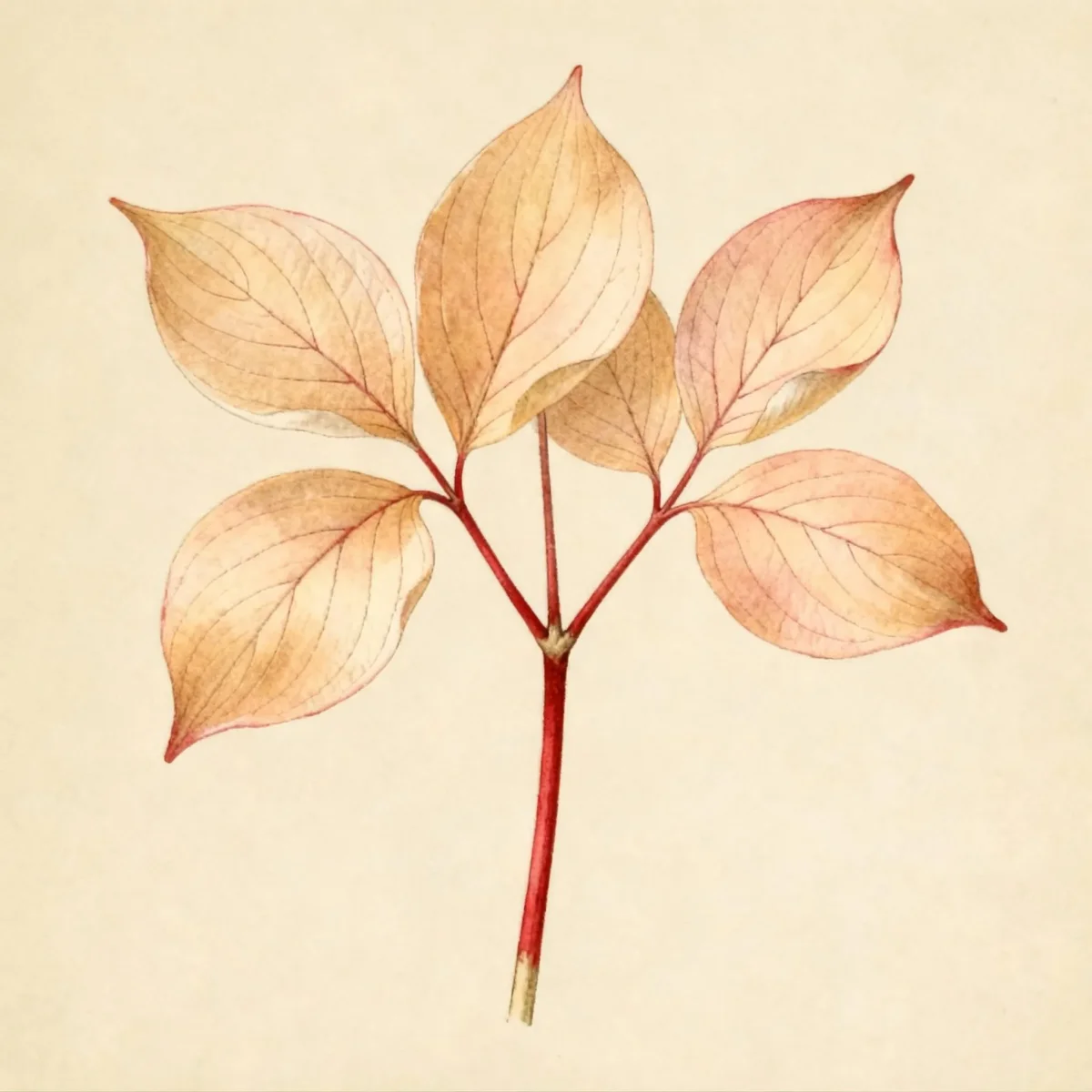
As a sport of C. Sericea ‘Flaviramea’, the cultivar ‘Silver and Gold’ is primarily celebrated for its striking variegated foliage, featuring creamy white margins, and its brilliant yellow winter stems. This suckering shrub typically matures to 5-7 feet tall and 6-8 feet wide, displaying leaves that turn shades of yellow in the autumn before leaf drop. This cultivar is recognized by the Pennsylvania Horticultural Society with a Gold Medal awarded in 1990, confirming its ornamental merit.
Tolerances
- Deer
- Erosion
- Clay Soil
- Wet Soil
Potential Problems
Cornus sericea ‘Silver and Gold’ can occasionally be challenged by various fungal diseases, including susceptibility to leaf and twig blights, leaf spots, and canker. These issues are often exacerbated by high humidity or excessive moisture retention without good air circulation. Occasional insect pests may include scale insects, leaf miners, or bagworms.
Prevention relies heavily on good cultural practices. Ensuring adequate airflow through judicious pruning in the early spring is crucial for disease management. When selecting a site, avoid cramped locations prone to stagnant air. Monitor new plantings closely for signs of scale or miners and treat promptly according to horticultural recommendations to protect the health of your Yellow twig dogwood.
Frequently Asked Questions
What hardiness zones is Yellow twig dogwood suitable for?
Cornus sericea ‘Silver and Gold’ is hardy across a wide range, thriving in USDA Zones 3 through 8.
How large does Cornus sericea ‘Silver and Gold’ grow?
This deciduous shrub typically reaches a mature height between 5 and 7 feet, spreading to a width of 6 to 8 feet.
What sun exposure does Yellow twig dogwood need?
For the most vibrant stem color and foliage variegation, plant Cornus sericea ‘Silver and Gold’ in full sun, though it performs adequately in partial shade.
When does Yellow twig dogwood bloom?
The small, white flowers of this variety typically appear in clusters from May through June.
Conclusion
The Cornus sericea ‘Silver and Gold’ delivers phenomenal multicolor interest, moving from variegated summer foliage to brilliant yellow stems in the winter landscape. Planning where to place this dynamic Yellow twig dogwood, particularly ensuring it has sufficient moisture and ample pruning attention, will guarantee its seasonal performance. Check your local USDA hardiness zone compatibility before integrating this spectacular shrub into your garden design.
Companion Planting
When designing a landscape around Cornus sericea ‘Silver and Gold’, consider pairing it with plants that provide dense support or contrasting winter color. Because this dogwood enjoys wet to medium soil, excellent companions include moisture-loving perennials like Siberian Iris or native grasses such as Switchgrass (Panicum virgatum). For a dramatic winter contrast, plant it near cultivars of red-twig dogwood or upright evergreens that can set off its bright yellow stems.
Wildlife Benefits
While the tiny white flowers of this dogwood are not primary pollinator magnets, they do offer early season nectar. More significantly, the summer fruit, which is whitish with a bluish tinge, is attractive to many bird species, providing an important late-season food source. Allowing this shrub to naturalize and form thickets offers excellent cover and nesting materials for small wildlife throughout the year.