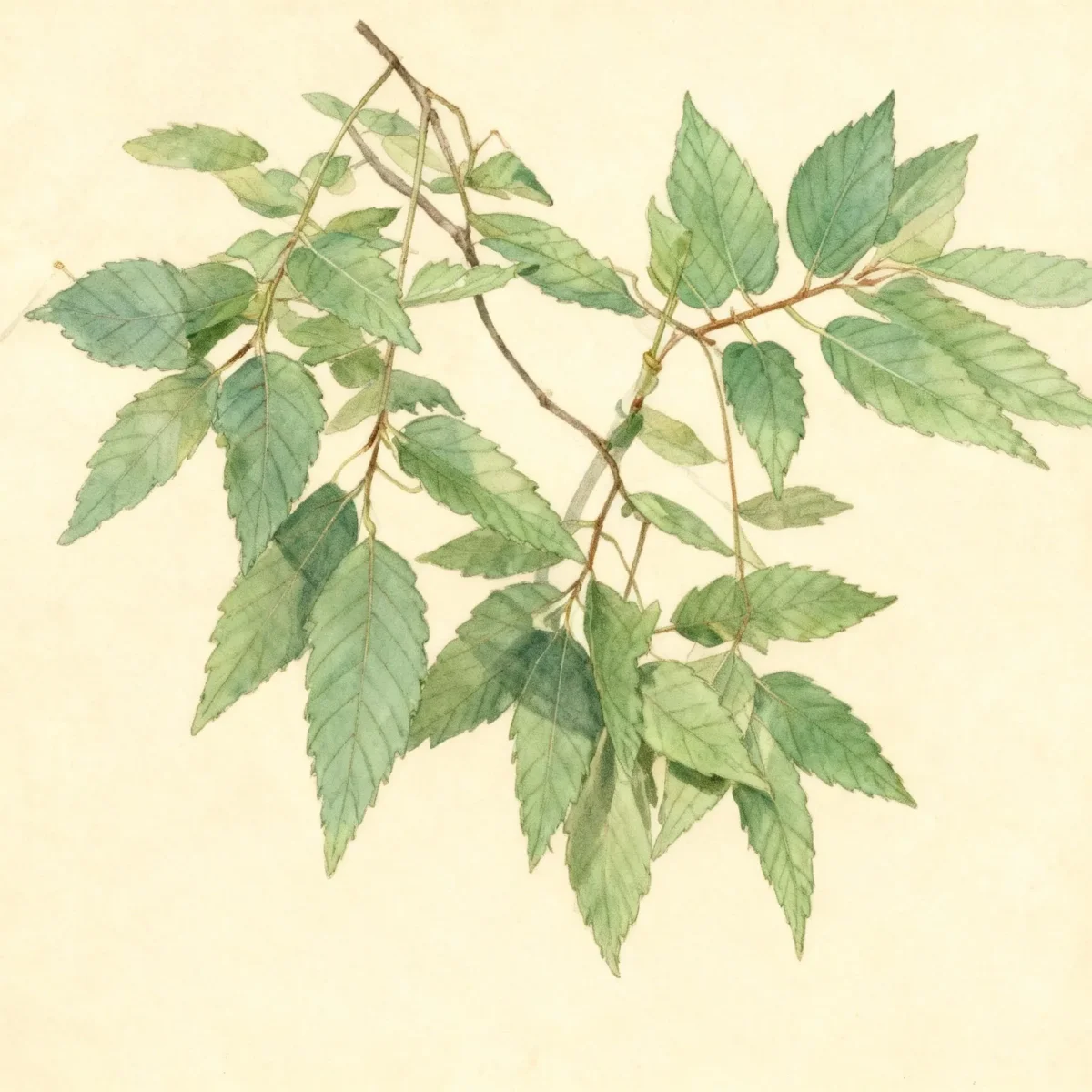
Chinese elm (Ulmus parvifolia 'Seiju')
Ulmus parvifolia 'Seiju' is a dwarf Chinese elm perfect for rock gardens and bonsai, offering low maintenance care in USDA zones 4-9.

Bloom Boldly, No Matter the Season - Sweatshirt
Cozy organic cotton sweatshirt featuring our exclusive Purple Coneflower design. Perfect for gardeners who bloom year-round.
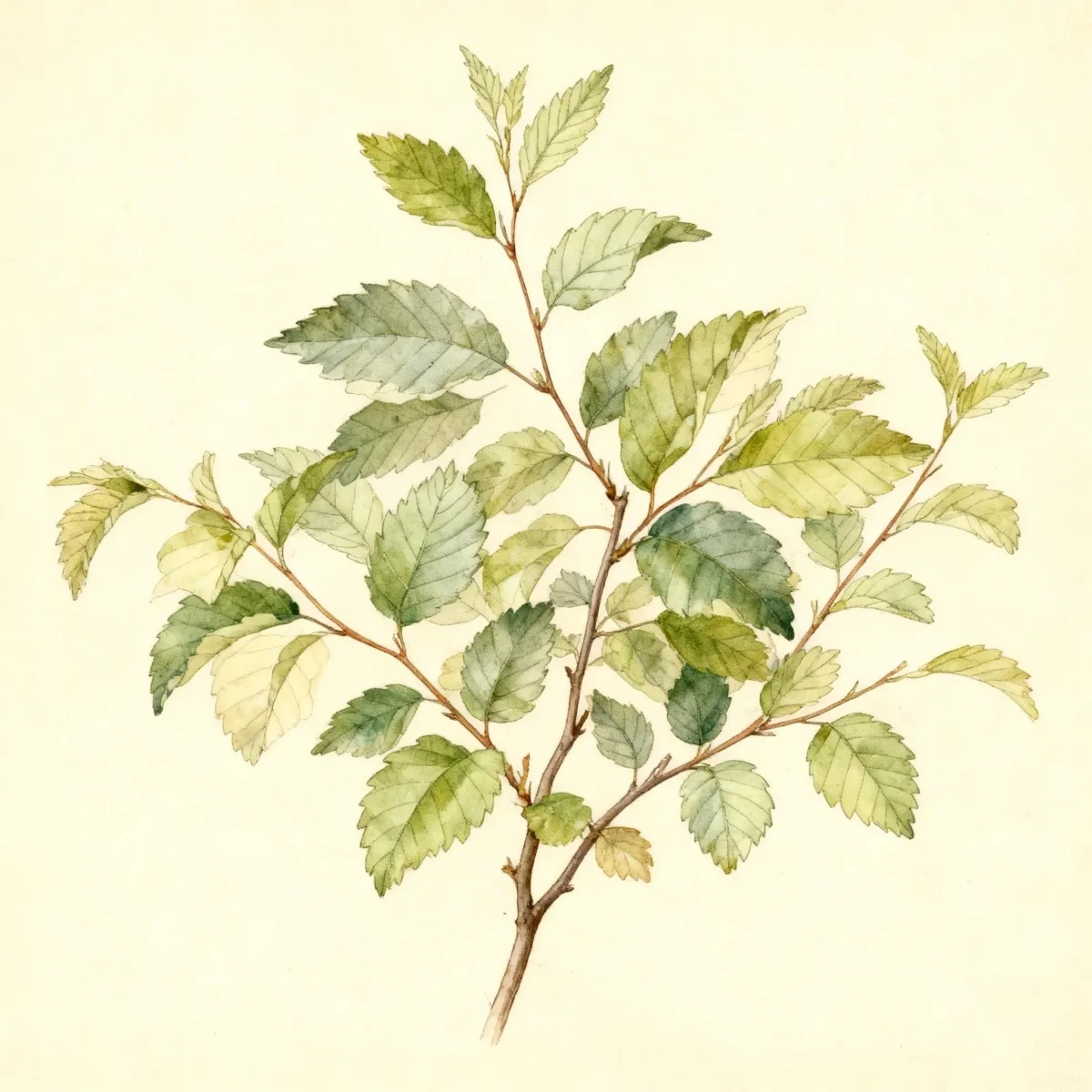
Inspired by the beautiful Chinese elm
Limited first batch (50) — join the waitlist for early access
Waitlist closes Feb 15, 2026.
Complete Plant Information
Field Guide Continues
Ready for care notes, companion picks, and planting tips?
The map is just the start. The full guide below covers growth habits, seasonal performance, and landscape uses.
Overview
The Ulmus parvifolia ‘Seiju’, a dwarf cultivar of the popular Chinese elm, is highly valued for its compact size, making it an exceptional choice where space is limited. Unlike its larger cousins, this cultivar remains small, often reaching only 10 feet, which excels in rock gardens or as a foundation specimen. It inherits the superior qualities of the Chinese elm, including vigorous growth potential relative to its size and admirable resistance to several serious elm diseases.
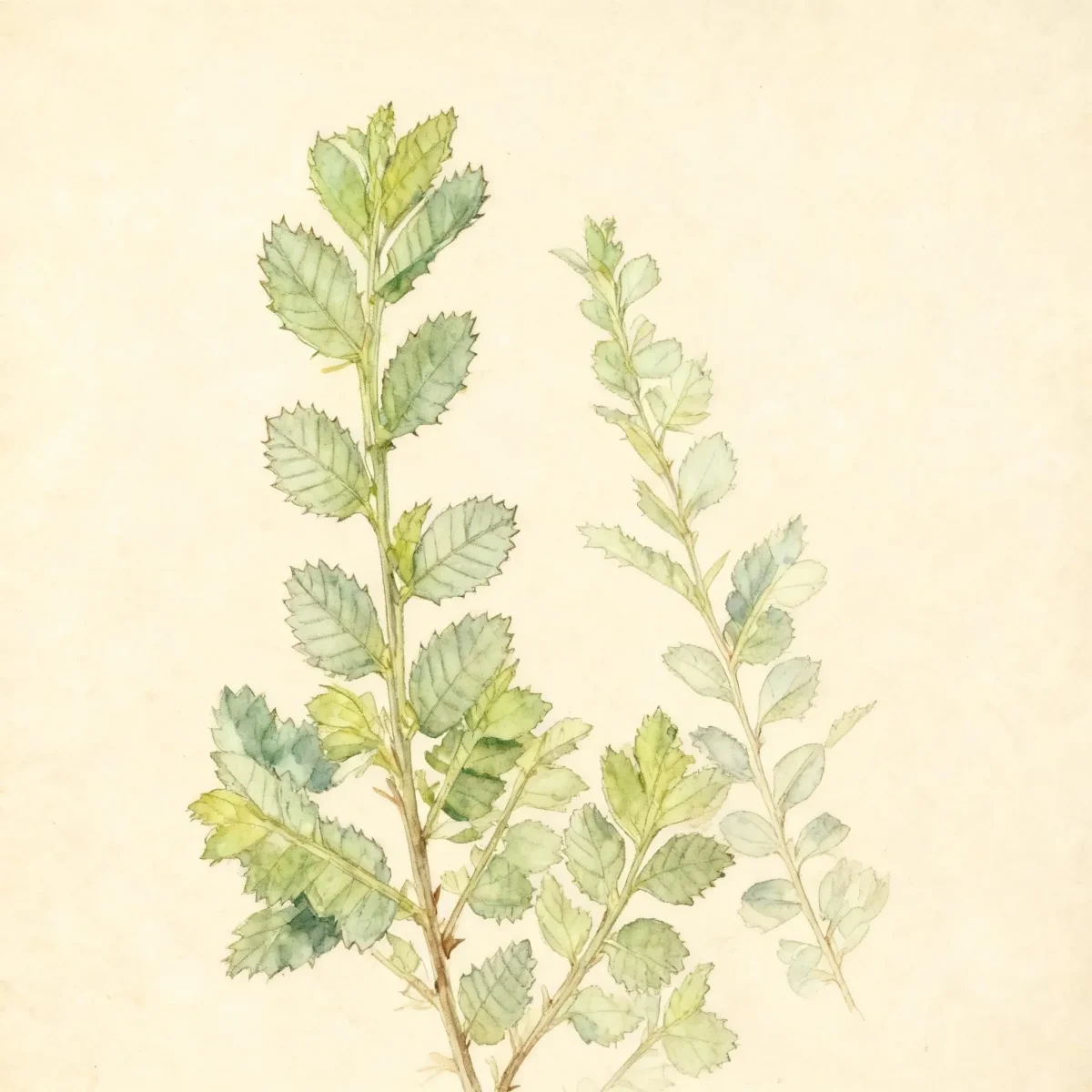
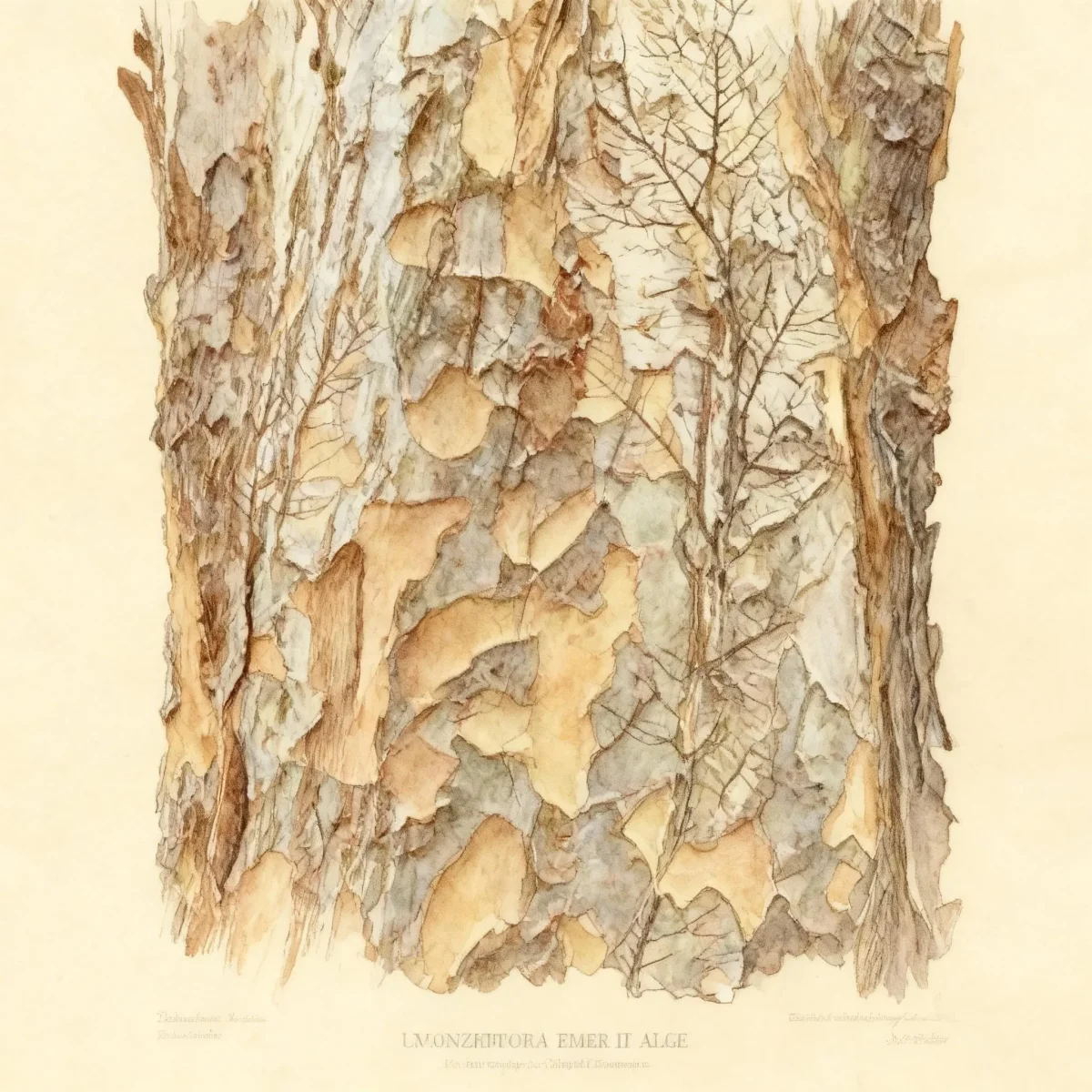
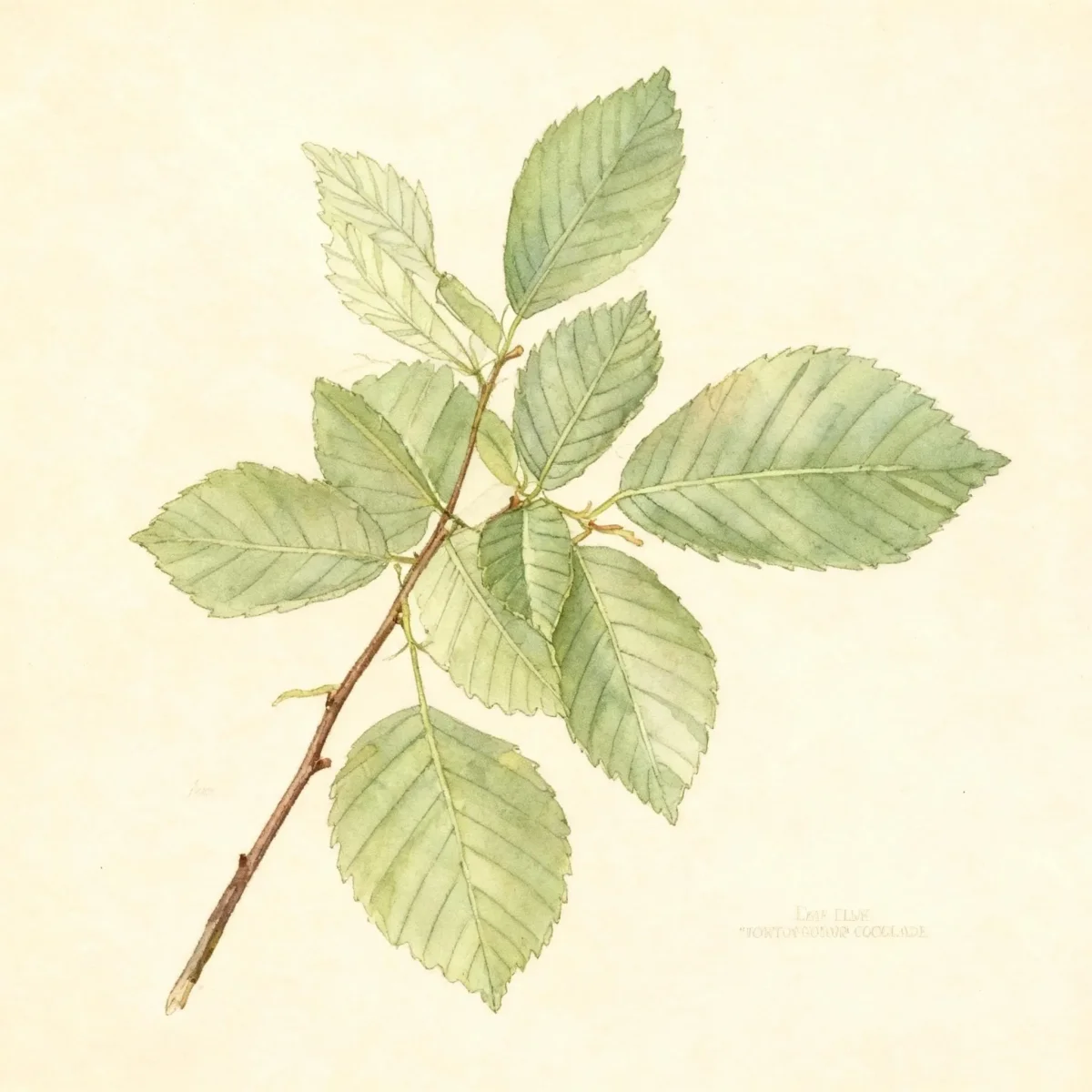
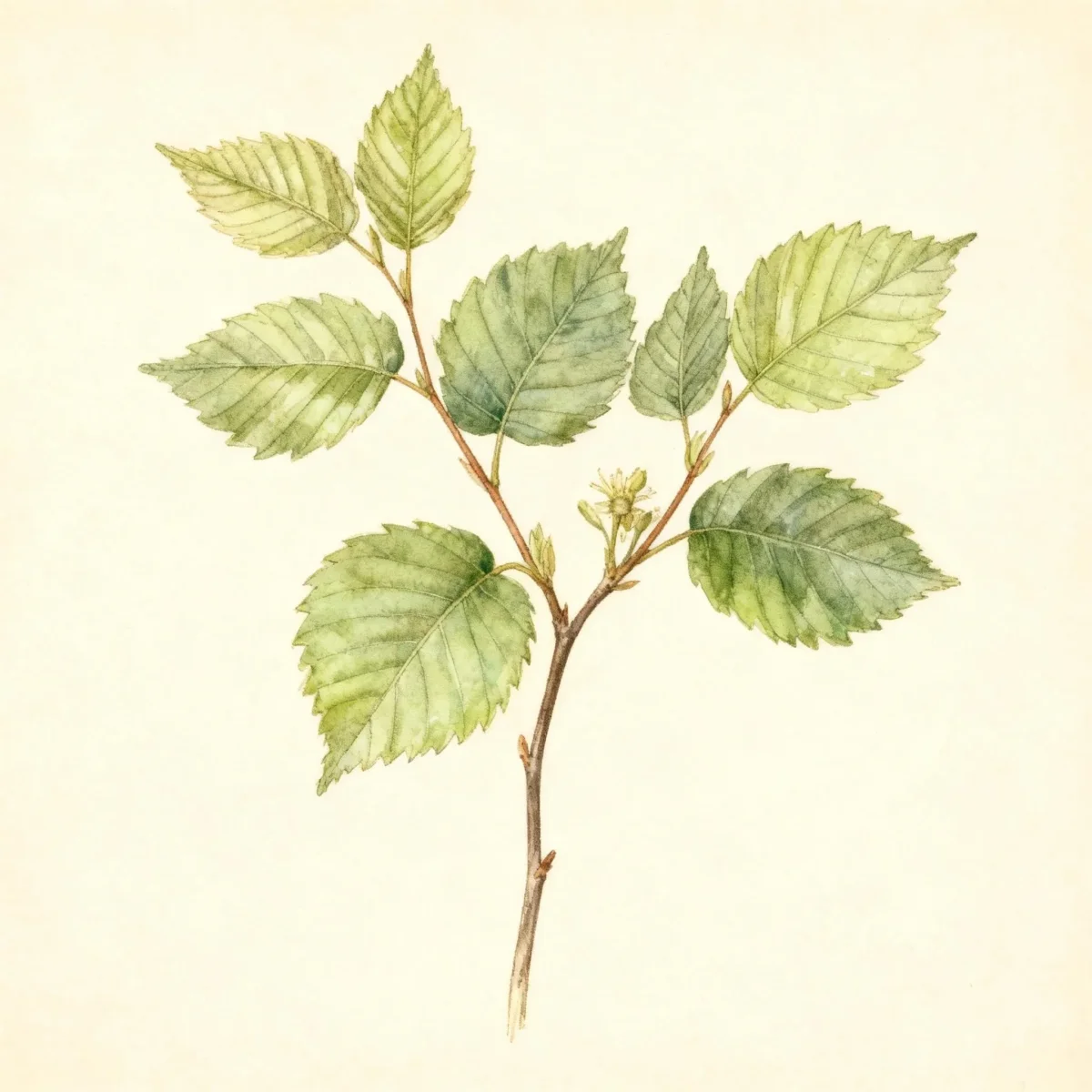
This resilient tree provides year-round interest, demonstrating excellent adaptation to various urban environments and soil types. Its small, slightly glossy dark green leaves contrast nicely with the developing mottled, exfoliating bark that becomes a significant ornamental feature on mature specimens. Gardeners appreciate the Ulmus parvifolia ‘Seiju’ for its low maintenance level combined with its unique architectural potential in specialized plantings.
The inherent toughness of the Chinese elm means the ‘Seiju’ selection carries forward excellent survivability, tolerating periods of dryness and pollution better than many landscape trees. Its suitability for detailed work like bonsai highlights the structure and fine branching habit, even in this smaller form of Ulmus parvifolia ‘Seiju’.
Fast Facts
- Plant Family: Ulmaceae
- Plant Type: Tree
- Hardiness Zones: USDA Zones 4-9
- Size at Maturity:
- Height: 2-10 ft
- Spread: 2-10 ft
- Bloom Time: August
- Bloom Description: Reddish
- Sun Exposure: Full sun
- Water Needs: Medium
- Maintenance Level: Low
How to Grow
For optimal health, plant Ulmus parvifolia ‘Seiju’ during the dormant season—late fall or early spring—ensuring the root ball is established before summer heat. This cultivar thrives best when situated in full sun, though it tolerates very light shade. It prefers soil that is average, medium moisture, and well-drained, though the Chinese elm is remarkably adaptable, preferring rich, moist loams but managing both notably wet and dry sites.
Routine care centers on consistent moisture, especially when young, though established plants only require medium watering. Fertilization is rarely necessary if the soil is adequate, but a balanced, slow-release fertilizer in early spring can encourage good early season growth. Pruning for this dwarf variety is often cosmetic or structural for bonsai applications; otherwise, minimal intervention is needed beyond removing crossing or damaged limbs.
Being generally tolerant of urban conditions, this tree handles pollution well. In winter, mulch around the base to help regulate soil temperature and protect shallow roots in extremely cold zones (Zone 4). The low maintenance level of Ulmus parvifolia ‘Seiju’ allows gardeners to focus more on styling and placement than intensive correction.
Landscape Uses
The small stature and excellent disease resistance of the Ulmus parvifolia ‘Seiju’ make it an invaluable material for specialized landscape applications. Due to its mature height of only 2 to 10 feet, this dwarf cultivar is the ideal centerpiece for rock gardens, tucked between stones where its developing corky bark can be admired up close. Furthermore, its refined branching structure makes it perhaps the premier choice among elms for serious bonsai enthusiasts wishing to capture the look of a mature tree in miniature.
When designing smaller gardens or urban courtyards, this Chinese elm offers year-round structure without overwhelming the space. Consider pairing it with low-growing, textural groundcovers that thrive in sun and tolerate dryness, such as creeping thyme or sedums, which visually accentuate the fine scale of the ‘Seiju’ foliage. Its use near patios or walkways is excellent, given its urban toughness.
Standout Features
Flower Qualities
- Insignificant
Noteworthy Characteristics
The Ulmus parvifolia, commonly known as Chinese elm or lacebark elm, is renowned for its ornamental qualities, even in the full-sized species. The ‘Seiju’ cultivar retains these features in a compact package, showcasing shiny dark green foliage that sometimes offers muted yellow or reddish-purple fall color. One of the most distinct late-season features is the mottled bark on mature trees, which flakes to expose beautiful patches of gray, cream, orange, and green. This dwarf sport reaches only about 10 feet tall over time and develops corky bark with age, highly desirable for miniature tree display.
Tolerances
- Drought
- Clay Soil
- Air Pollution
Potential Problems
The Chinese elm variety, including the Ulmus parvifolia ‘Seiju’ cultivar, possesses strong natural resistance to Dutch elm disease, which is a major benefit compared to other elm species. It also typically resists common pests like the Japanese beetle and elm leaf beetle well. Potential issues are generally minor and may include occasional leaf spots, wilts, or cankers, often linked to poor air circulation or overly saturated soil conditions, though its general adaptability is high. Growers must be cautious not to confuse this robust Chinese elm selection with the much less desirable Siberian elm (Ulmus pumila). Structural weakness related to heavy snow or ice load is very rare in this dwarf form, though general pruning of crossing limbs can preempt any minor storm damage.
Frequently Asked Questions
What hardiness zones is Ulmus parvifolia ‘Seiju’ suitable for?
The Ulmus parvifolia ‘Seiju’ is hardy and well-suited for cultivation across USDA Hardiness Zones 4 through 9.
How large does Chinese elm grow?
This specialized cultivar, the Ulmus parvifolia ‘Seiju’, is dwarf, generally reaching a height between 2 and 10 feet with a corresponding spread of 2 to 10 feet at maturity.
What sun exposure does Ulmus parvifolia ‘Seiju’ need?
This Chinese elm cultivar performs best when provided with Full sun exposure, although it can tolerate light shade within the landscape.
When does Chinese elm bloom?
The flowers of the Chinese elm typically appear later in the season, during August, and are described as Reddish.
Conclusion
The Ulmus parvifolia ‘Seiju’ offers gardeners a truly rewarding specimen, combining the hardiness and disease resistance of the Chinese elm with a perfectly scaled, low-maintenance footprint ideal for small spaces. Its exfoliating bark and compact habit ensure visual appeal across all seasons, especially in rockeries or as a bonsai subject. Before installing, always verify that your growing location falls within USDA Zones 4 to 9 to ensure the long-term success of your Ulmus parvifolia ‘Seiju’.
Companion Planting
Selecting appropriate companions helps enhance the aesthetic appeal and cultural conformity of plantings featuring Ulmus parvifolia ‘Seiju’. Since this dwarf Chinese elm prefers well-drained soil and full sun, pair it with other drought-tolerant species that enjoy similar conditions. Low-growing ornamental grasses, particularly fine-textured fescues or Japanese forest grass (where slight shade tolerance is needed), create excellent textural contrast beneath its canopy.
Alternatively, focus on groundcovers that benefit from excellent drainage and do not require constant heavy watering. Succulents, alpine plants, or creeping juniper varieties that thrive in rocky, bright environments complement the rock garden setting where Ulmus parvifolia ‘Seiju’ often resides. These choices help suppress weeds without competing heavily for the medium water needs of the elm.
Design Ideas for Dwarf Elms
Utilizing Ulmus parvifolia ‘Seiju’ in formal designs, such as miniature landscapes or woodland scenes within containers, leverages its unique natural branching pattern. For bonsai enthusiasts, techniques focusing on nebari (surface root flare) development and ramification are key to maximizing the “old tree in miniature” effect that this species provides. Keep pruning for bonsai focused during the growing season to control leaf size and density.
When incorporating this dwarf tree into a mixed border or rock garden, place it at a higher elevation or focal point where its bark can be clearly observed as the tree matures. Its relatively fast growth rate for a dwarf cultivar means it can quickly anchor a small stone grouping. Ensure adequate spacing, even though it is small, to allow air circulation, which helps mitigate any potential fungal issues that might otherwise affect the Chinese elm.