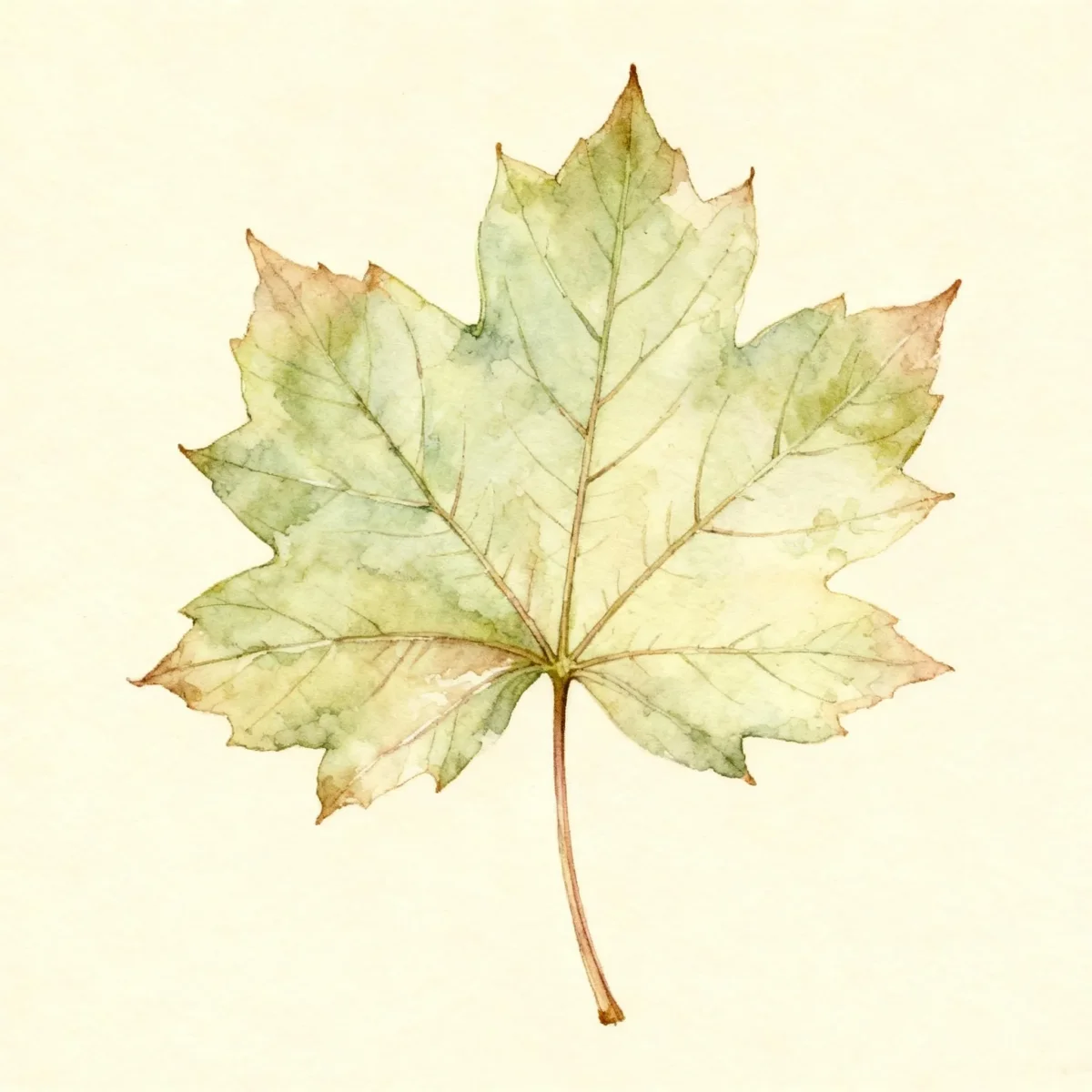
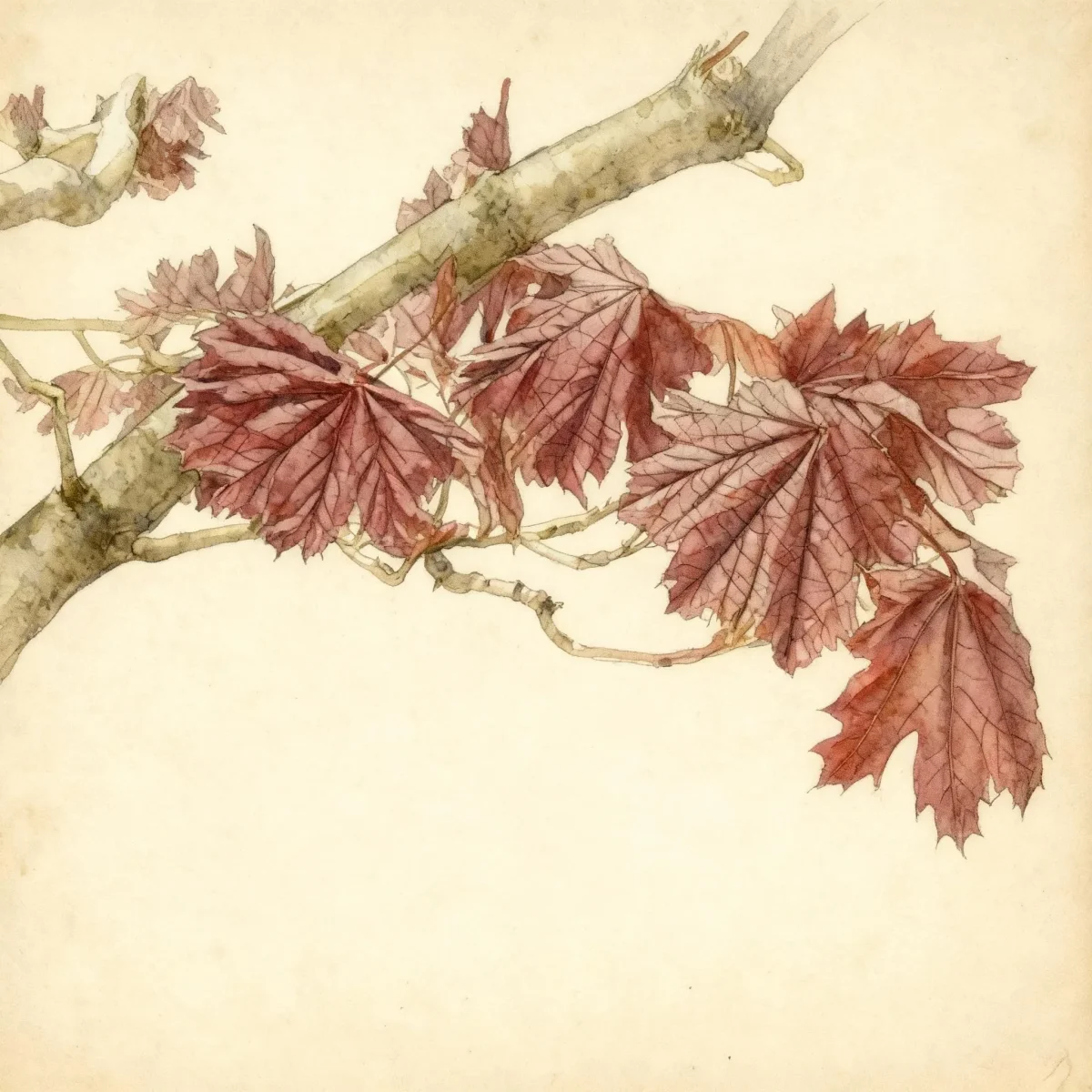
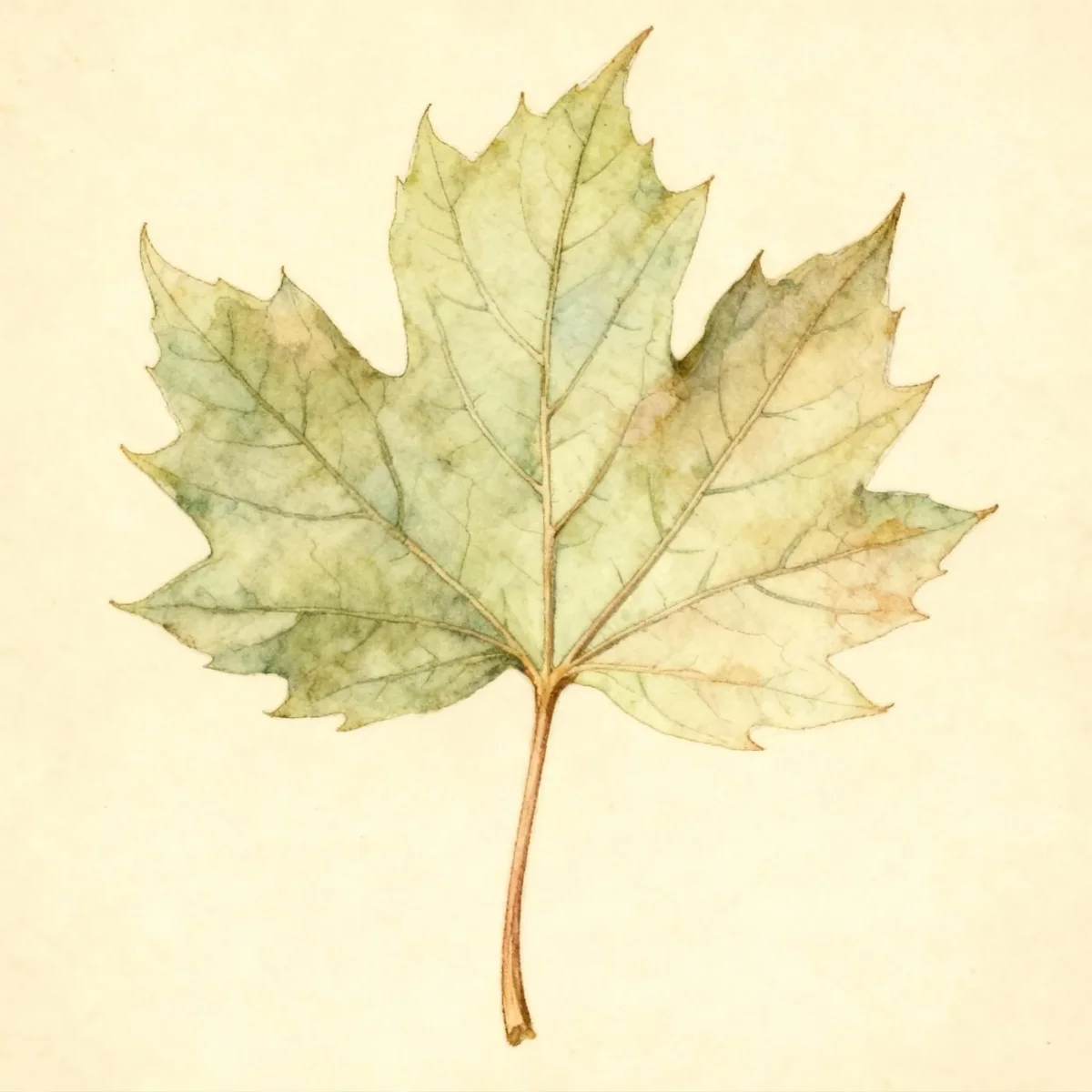
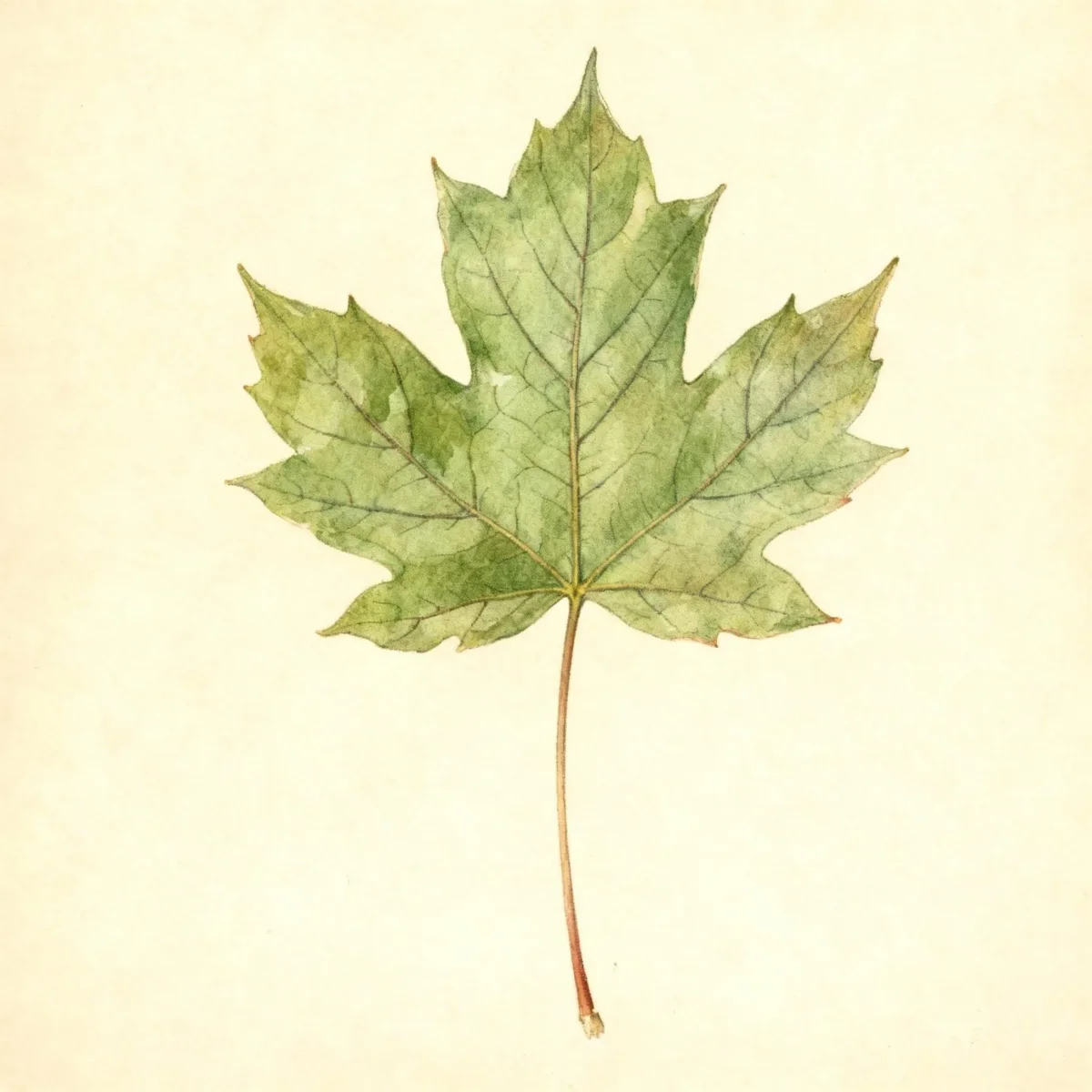
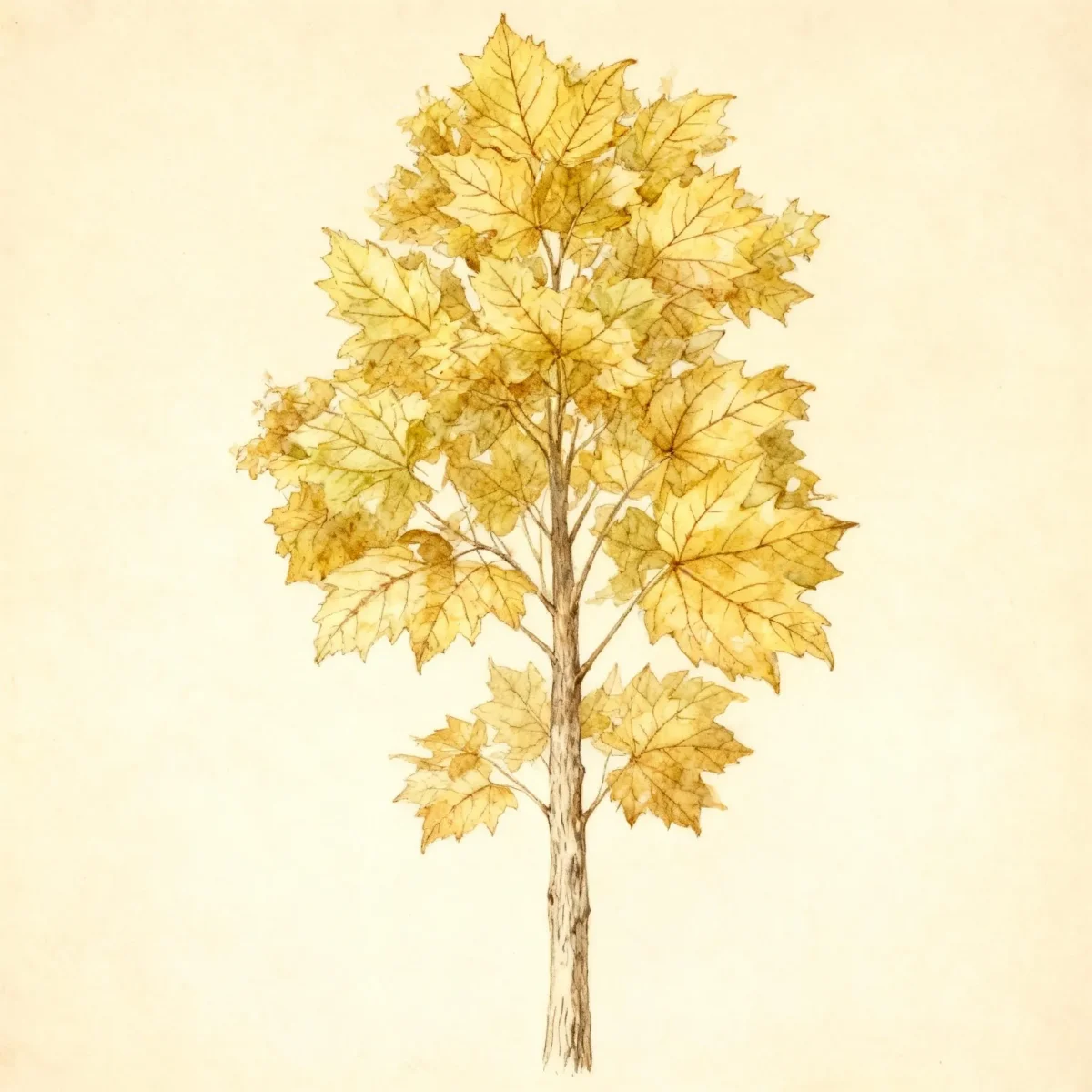
Norway maple (Acer platanoides 'Emerald Maple')
The fast-growing Acer platanoides 'Emerald Queen' is a robust Norway maple, offering dense shade, deep green foliage, and low maintenance suitability for urban landscapes.

Bloom Boldly, No Matter the Season - Sweatshirt
Cozy organic cotton sweatshirt featuring our exclusive Purple Coneflower design. Perfect for gardeners who bloom year-round.
Inspired by the beautiful Norway maple
Limited first batch (50) — join the waitlist for early access
Waitlist closes Feb 15, 2026.
Complete Plant Information
Field Guide Continues
Ready for care notes, companion picks, and planting tips?
The map is just the start. The full guide below covers growth habits, seasonal performance, and landscape uses.
Overview
Acer platanoides ‘Emerald Queen’, a highly regarded cultivar of the common Norway maple, stands out for its dense, symmetrical, rounded crown, making it an excellent specimen for large landscapes needing reliable shade. As a medium-sized deciduous tree, it grows vigorously, often reaching 40 to 50 feet tall, providing significant coverage relatively quickly. Gardeners appreciate the consistent, deep, glossy green foliage that holds well through the summer heat.
This Norway maple has adapted exceptionally well to challenging environments, tolerating city pollutants and dry conditions once established. Its resilience makes the Acer platanoides ‘Emerald Queen’ a workhorse tree, though its vigor requires thoughtful placement due to its shallow root structure. While its main aesthetic appeal is its strong architectural form and shade capabilities, small greenish-yellow blooms precede the leaves in early spring.
Though native to Europe, the Norway maple has become deeply ingrained in the North American landscape, valued for its low maintenance requirements and imposing structure. When selecting Acer platanoides ‘Emerald Queen’, anticipate a substantial specimen that brings dependable, broad shade and clean lines to its planting site.
Fast Facts
- Plant Family: Sapindaceae
- Plant Type: Tree
- Hardiness Zones: USDA Zones 3-7
- Size at Maturity:
- Height: 40-50 ft
- Spread: 35-45 ft
- Bloom Time: March to April
- Bloom Description: Greenish-yellow
- Sun Exposure: Full sun to part shade
- Water Needs: Medium
- Maintenance Level: Low
How to Grow
Planting of the Norway maple should occur ideally in spring or fall when temperatures are moderate, ensuring the tree establishes its root system before facing temperature extremes. Choose a location providing full sun for the best display of foliage, though it tolerates partial shade. This species adapts well to a wide range of soils, provided they are average and well-drained; avoid consistently soggy sites.
Established Acer platanoides ‘Emerald Queen’ requires medium water, especially during establishment or during prolonged dry spells, as it needs consistent moisture for optimal growth. Due to its low maintenance nature, heavy fertilization is generally unnecessary unless the soil is severely deficient. Prune primarily to remove crossing or dead branches, typically performed in late winter when the tree is dormant to minimize sap flow.
Be aware that this tree develops a shallow root system. Planting far enough away from hardscaping is crucial, as these surface roots can crack or heave adjacent sidewalks and driveways over time. Furthermore, the dense canopy and shallow roots severely limit what turf or understory plantings can thrive directly beneath the drip line of the mature Norway maple.
Landscape Uses
The primary function of the Acer platanoides ‘Emerald Queen’ in the landscape is providing extensive overhead canopy. It excels as a robust shade tree situated in lawns or open areas where its vast crown can spread unimpeded. While historically favored as a street tree due to its tolerance for urban pollutants and tough nature, this use is now often discouraged in favor of cultivars with less aggressive root systems that damage infrastructure.
For large properties, the Norway maple works well as a specimen tree, anchoring corners of a yard or framing entrances. When using Acer platanoides ‘Emerald Queen’, it is essential to select appropriate underplantings that can handle significant shade and root competition, or plan for planting beds around the perimeter where roots are less likely to interfere with maintenance activities.
Its formal, dense habit means it pairs well with looser, more informal plantings nearby to provide textural contrast. Consider utilizing its size to screen less desirable views or to create cool microclimates in sunny areas of the landscape.
Standout Features
Flower Qualities
- Showy
Noteworthy Characteristics
Acer platanoides, commonly called Norway maple, has been widely planted across the U.S. for its dense, symmetrical, rounded crown typical of this medium-sized deciduous shade tree. The cultivar ‘Emerald Queen’ specifically offers deep, glossy green leaves and attractive yellow fall color, distinguishing itself from the generally unremarkable yellow fall tones of the species. Small, greenish-yellow flowers appear in erect clusters before the foliage emerges in spring, followed by winged seeds known as samaras.
Tolerances
- Drought
- Air Pollution
Potential Problems
One significant health concern for the Norway maple family is susceptibility to Verticillium wilt, a soil-borne fungus that can be fatal to infected trees. Management involves ensuring good air circulation and avoiding excessive nitrogen fertilization, which can encourage weak, rapid growth vulnerable to infection.
The shallow root system is a major cultural challenge associated with this tree. These roots concentrate near the surface, which can interfere with traditional turf maintenance, compete heavily with shallow-rooted perennials, and potentially lift paved surfaces like patios or sidewalks. Planting younger specimens only where significant space exists away from hardscaping is the best preventative measure.
Bark cracking, or sunscald, can afflict the trunk, particularly on younger Acer platanoides ‘Emerald Queen’ specimens during sharp winter temperature fluctuations. Protecting the lower trunk with tree wraps during the first few winters can offer protection until the bark matures enough to withstand environmental stress.
Frequently Asked Questions
What hardiness zones is Norway maple suitable for?
The Acer platanoides ‘Emerald Queen’ is hardy and suitable for cultivation in USDA Zones 3 through 7.
How large does Acer platanoides ‘Emerald Queen’ grow?
Upon maturity, this cultivar typically reaches heights between 40 to 50 feet, with a spread ranging from 35 to 45 feet.
What sun exposure does Norway maple need?
This tree thrives best when grown in full sun, although it is adaptable and will tolerate part shade conditions.
When does Acer platanoides ‘Emerald Queen’ bloom?
Flowering occurs relatively early in the season, usually from March to April, displaying small greenish-yellow flowers before the leaves fully emerge.
Conclusion
The Acer platanoides ‘Emerald Queen’ remains a low-maintenance, potent choice for gardeners needing large-scale shade provided by a tough, pollution-tolerant tree. Its vigorous growth and dense canopy define its primary value in the landscape. Before planting this reliable Norway maple cultivar, carefully assess your site considerations, particularly regarding potential root interference with hardscapes.
Companion Planting
Given the dense shade and competitive shallow roots of the Norway maple, companion plants must be selected carefully. Focus on groundcovers or shade-tolerant shrubs that thrive in medium moisture but can tolerate root competition. Hostas, ferns (like Japanese Painted Ferns), and Epimedium (Barrenwort) are excellent choices as they establish well in dappled shade and are not heavily dependent on surface soil nutrients.
Avoid planting shallow, thirsty annuals directly against the trunk, as the maple will quickly outcompete them for water. Instead, consider mulching the root zone with a thick layer of organic material, which helps conserve moisture for the maple while suppressing weed growth in the shaded understory area.
Design Ideas
The strong architectural silhouette of the Acer platanoides ‘Emerald Queen’ makes it an ideal candidate for formal landscape designs or as a stately entry accent. Plantings around its base should be kept simple to avoid cluttering the clean lines of the tree. Consider using contrasting textures, such as fine-bladed ornamental grasses that are shade tolerant, or mass plantings of low-growing bulbs that flower early before the maple’s canopy fully closes.
In large, open parks or estate settings where infrastructure is not a concern, a single specimen Norway maple acts as a powerful focal point, drawing the eye upward. Its deep green summer color provides a cool visual anchor suitable for pairing with structures built using lighter-colored stone or brick.