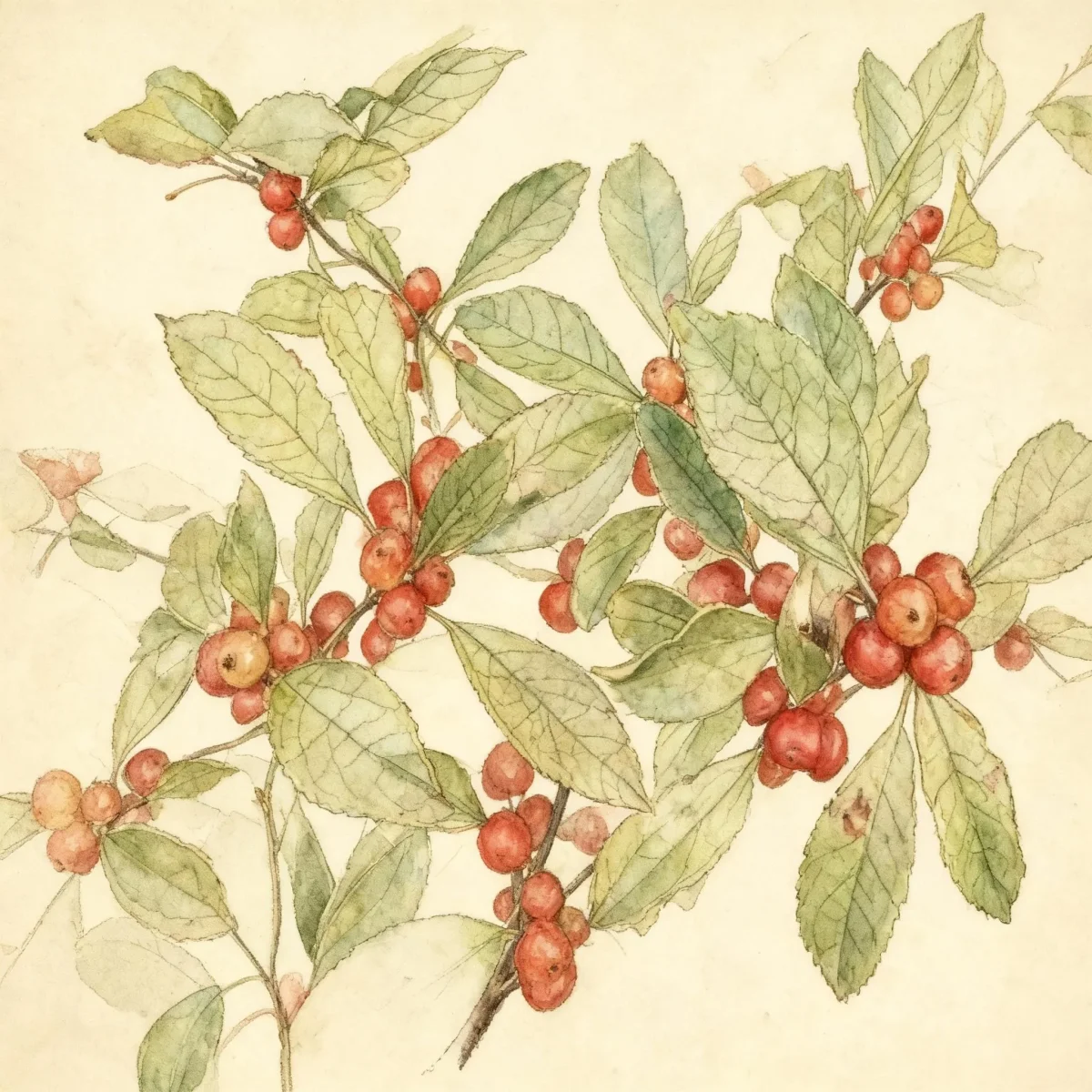
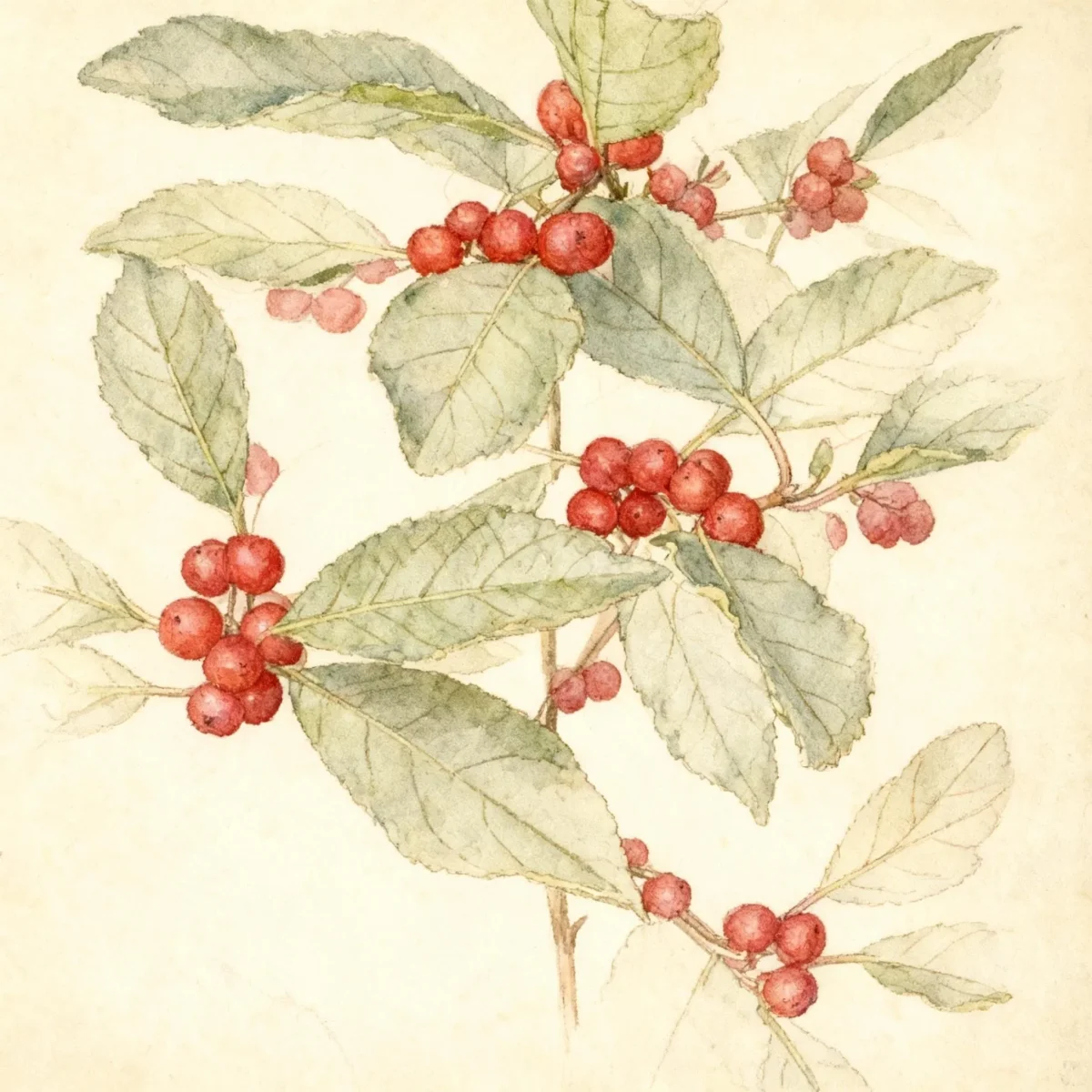
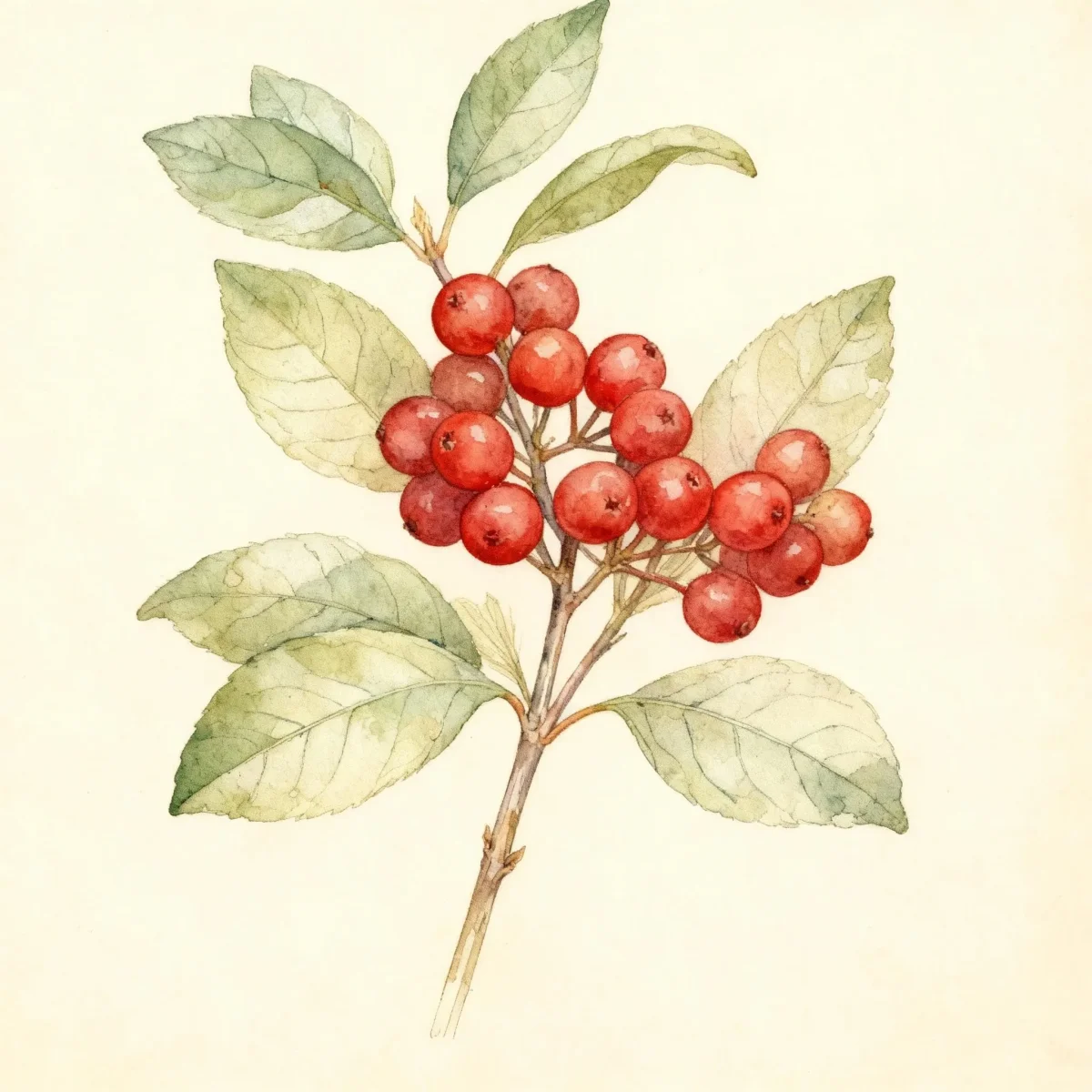
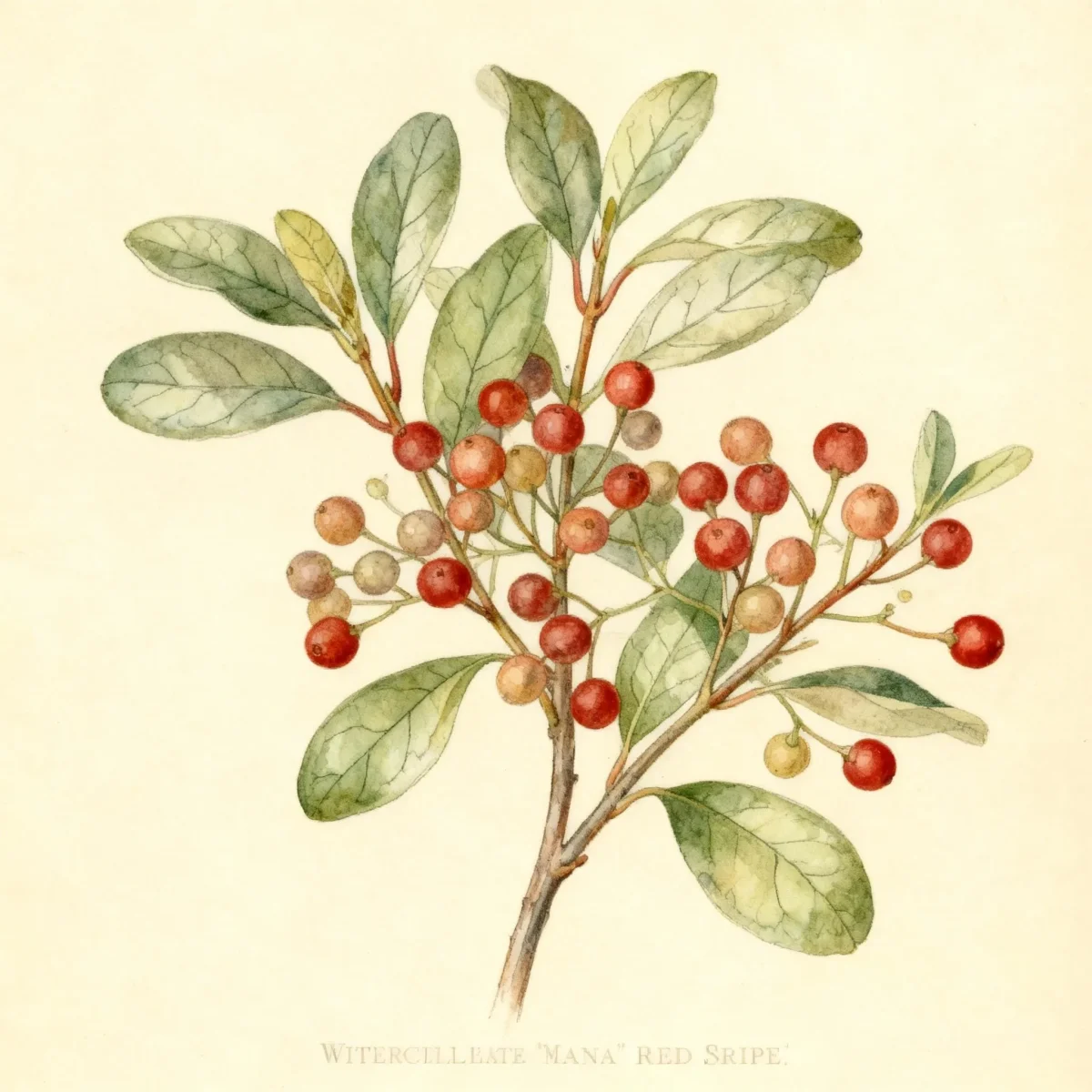
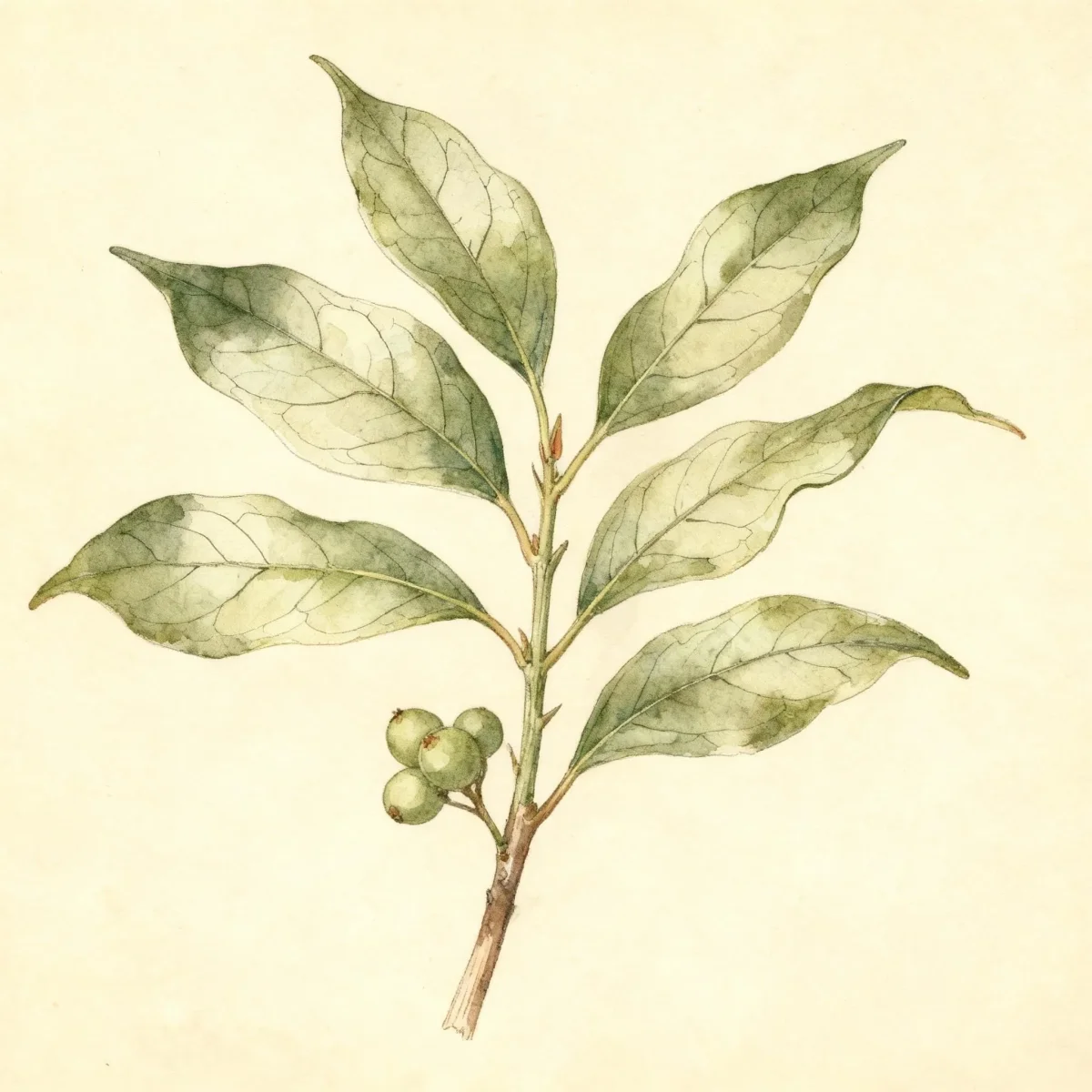
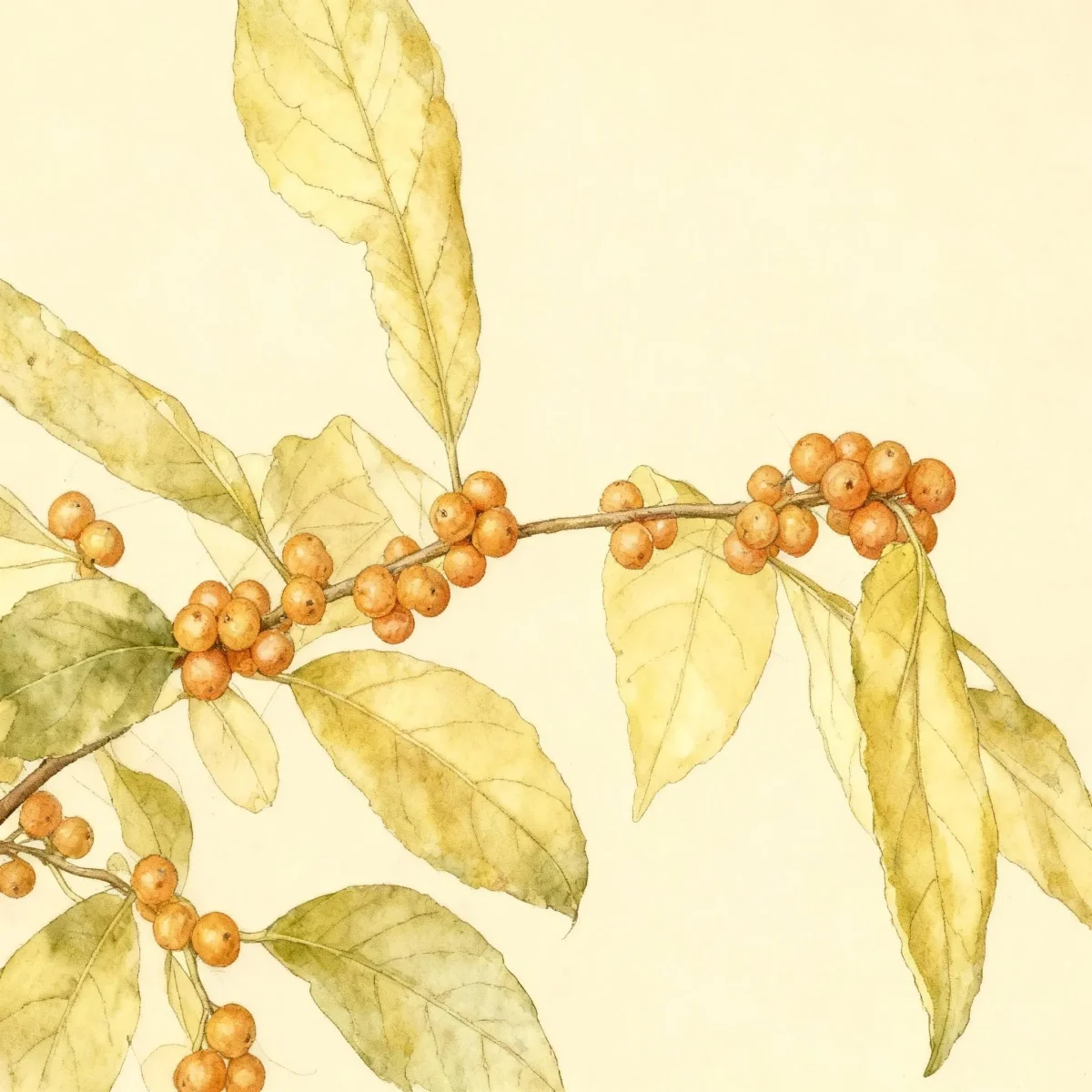
Winterberry (Ilex verticillata 'Shortcake')
Ilex verticillata 'Shortcake' is a compact Winterberry prized for abundant winter red berries and low maintenance.
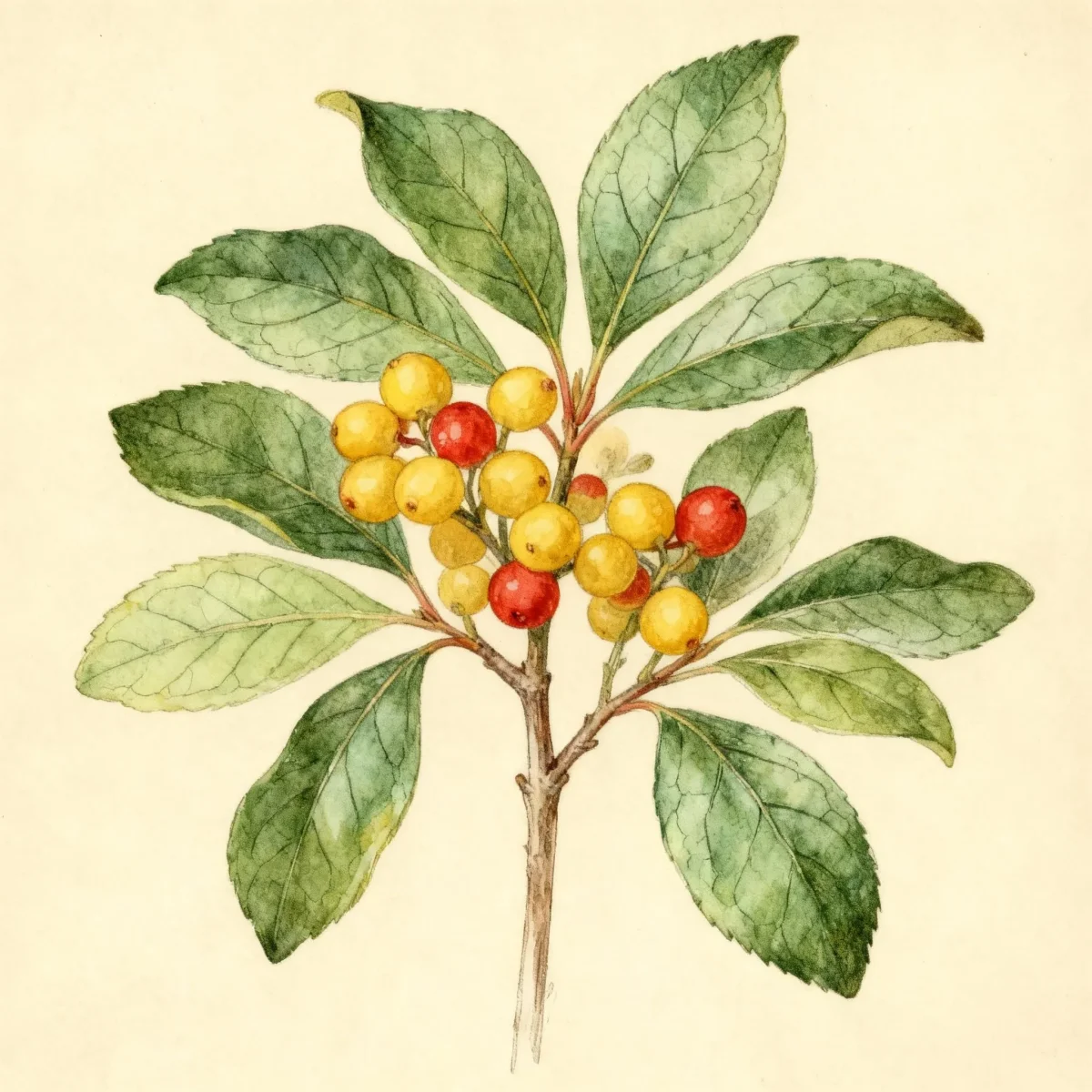

Bloom Boldly, No Matter the Season - Sweatshirt
Cozy organic cotton sweatshirt featuring our exclusive Purple Coneflower design. Perfect for gardeners who bloom year-round.
Inspired by the beautiful Winterberry
Limited first batch (50) — join the waitlist for early access
Waitlist closes Feb 15, 2026.
Complete Plant Information
Field Guide Continues
Ready for care notes, companion picks, and planting tips?
The map is just the start. The full guide below covers growth habits, seasonal performance, and landscape uses.
Overview
The compact Ilex verticillata ‘Shortcake’, commonly known as Winterberry, offers unparalleled winter visual interest thanks to its prolific display of bright red berries persisting after leaf drop. This deciduous holly is highly valued by landscape designers for its manageable size and adaptability, especially in challenging moist locations. Maintaining an upright-rounded habit, the ‘Shortcake’ cultivar is a slower-growing selection perfect for smaller gardens or defined borders, providing significant seasonal impact.
As a native shrub of eastern North America, Winterberry thrives in conditions that many other ornamentals shun, including swampy, wet locations. Its primary aesthetic contribution arrives late in the season, turning drab winter landscapes into vibrant showcases. Successful cultivation of Ilex verticillata ‘Shortcake’ relies on ensuring proper pollination between male and female plants to guarantee the signature berry production.
This adaptability, combined with its stunning fruit display, makes the ‘Shortcake’ Winterberry an excellent structural element for native plantings and water-adjacent gardens. Its low maintenance profile further cements its status as a must-have for gardeners seeking long-term impact with minimal effort across a wide range of hardiness zones.
Fast Facts
- Plant Family: Aquifoliaceae
- Plant Type: Deciduous shrub
- Hardiness Zones: USDA Zones 3-9
- Size at Maturity:
- Height: 3-5 ft
- Spread: 2-4 ft
- Bloom Time: June to July
- Bloom Description: Greenish-white
- Sun Exposure: Full sun to part shade
- Water Needs: Medium to wet
- Maintenance Level: Low
How to Grow
Planting Ilex verticillata ‘Shortcake’ is best achieved in the early spring or fall to allow roots to establish before temperature extremes. This shrub performs best in average, acidic soils and absolutely thrives in moist, organic loams. It shows excellent tolerance for poorly drained or wet, boggy conditions, making it ideal for rain gardens or low spots where water collects.
This Winterberry requires minimal attention once established, falling clearly into the low maintenance category. Water needs range from medium to wet; ensure consistent moisture, especially during dry spells in its first few years. Pruning should be conducted in early spring just before new growth begins to maintain its desired shape and density.
A critical consideration for any gardener growing Winterberry is sex identification. Plants are dioecious, meaning male and female flowers occur on separate plants. To ensure the gorgeous red berries develop on your female ‘Shortcake’ plants, a single nearby male pollinator, such as ‘Jim Dandy’, will suffice for several females. Flowers develop on new growth, so avoid late-season trimming.
Landscape Uses
The key selling point for Ilex verticillata ‘Shortcake’ is its year-round interest, dramatically highlighted when snow reveals the abundant, rich red berries against the bare, dark stems throughout winter. Due to its ideal size (3-5 feet tall), this compact Winterberry performs excellently when massed to create a vibrant, eye-catching hedge or screen along property lines or in shrub borders.
Its profound tolerance for moist and wet soils makes it an indispensable feature in functional landscape areas, specifically rain gardens or along the edges of ponds and streams where standing water is common. Shrub borders benefit from its texture, and thoughtful placement near foundations can soften harsh lines while providing seasonal color. Furthermore, cut branches of the berry-laden stems are superb material for fresh winter floral arrangements, bringing the garden indoors.
Standout Features
Flower Qualities
- Insignificant
Fruit Qualities
- Showy
Noteworthy Characteristics
Ilex verticillata, commonly called winterberry, is a deciduous holly native to eastern North America where it favors swamps and damp thickets. The ‘Shortcake’ variety is significantly more compact than wild types, typically reaching only 5 feet tall, and produces an abundant crop of rich, red berries (1/4” diameter). These berries are crucial winter food sources for wildlife and persist well into spring, providing late-season color attraction.
Tolerances
- Erosion
- Clay Soil
- Wet Soil
- Air Pollution
Potential Problems
This Winterberry variety generally resists serious pest or disease issues, which contributes to its low maintenance rating. However, in humid conditions, occasional problems like leaf spots or powdery mildew can appear on the foliage during the growing season. The most significant cultural problem arises if the plant is sited in neutral or alkaline soils; these conditions induce chlorosis, causing the leaves to yellow, and can eventually stunt or kill the plant. Always amend the soil to ensure acidity for optimal health.
Frequently Asked Questions
What hardiness zones is Winterberry (Ilex verticillata ‘Shortcake’) suitable for?
Ilex verticillata ‘Shortcake’ is adaptable and hardy across USDA Zones 3 through 9.
How large does Ilex verticillata ‘Shortcake’ grow?
This specific compact cultivar matures to a manageable height between 3 and 5 feet, with a spread ranging from 2 to 4 feet wide.
What sun exposure does Winterberry need?
For the best berry production and overall health, ensure your planting receives full sun to partial shade exposure.
When does Ilex verticillata ‘Shortcake’ bloom?
The inconspicuous flowers of this Winterberry appear from June into July, typically presenting as greenish-white clusters.
Conclusion
The Ilex verticillata ‘Shortcake’ offers unparalleled seasonal drama, transforming drab winter vistas with its prolific display of persistent red fruit, all while demanding remarkably low maintenance. Site this versatile, compact Winterberry correctly in acidic, moist soil and ensure a pollinator is nearby to guarantee the stunning bDecember through February show. Check your local hardiness zone soon and plan to integrate this excellent native shrub into your landscape design this coming planting season.
Companion Planting
When designing a garden around Ilex verticillata ‘Shortcake’, focus on partners that share its love for moisture and acidic soil. Plants that thrive in rain gardens or near water features provide excellent textural contrast during the summer growing season. Consider using ferns, which appreciate similar damp conditions, or moisture-loving evergreens to provide a green backdrop that enhances the visibility of the red berries later on.
Deciduous companion shrubs that leaf out at different times can also extend seasonal interest beyond the berries. Look for early spring bloomers or plants with attractive fall foliage that overlaps with the time the Winterberry leaves are dropping. The key is ensuring that any companion selection is not overly competitive in dry soil, as the Winterberry thrives when regularly moist.
Wildlife Benefits
Beyond its ornamental value for the gardener, the Winterberry provides critical ecological services, particularly in the dormant season. The persistent berries serve as an essential, high-energy food source for various bird species throughout the lean months of late winter and early spring when other food sources are scarce. While the flowers are small, they still attract beneficial small bees and flies during their June to July bloom window.
Furthermore, the dense structure of the deciduous shrub, even when bare of foliage, offers essential shelter and cover for small birds and beneficial garden creatures during harsh winter weather. Planting native species like Ilex verticillata ‘Shortcake’ supports local insect populations, as the foliage serves as a larval food source for specific native moths.