Tetrapoild daylily (Hemerocallis 'Golden Tear Drops')
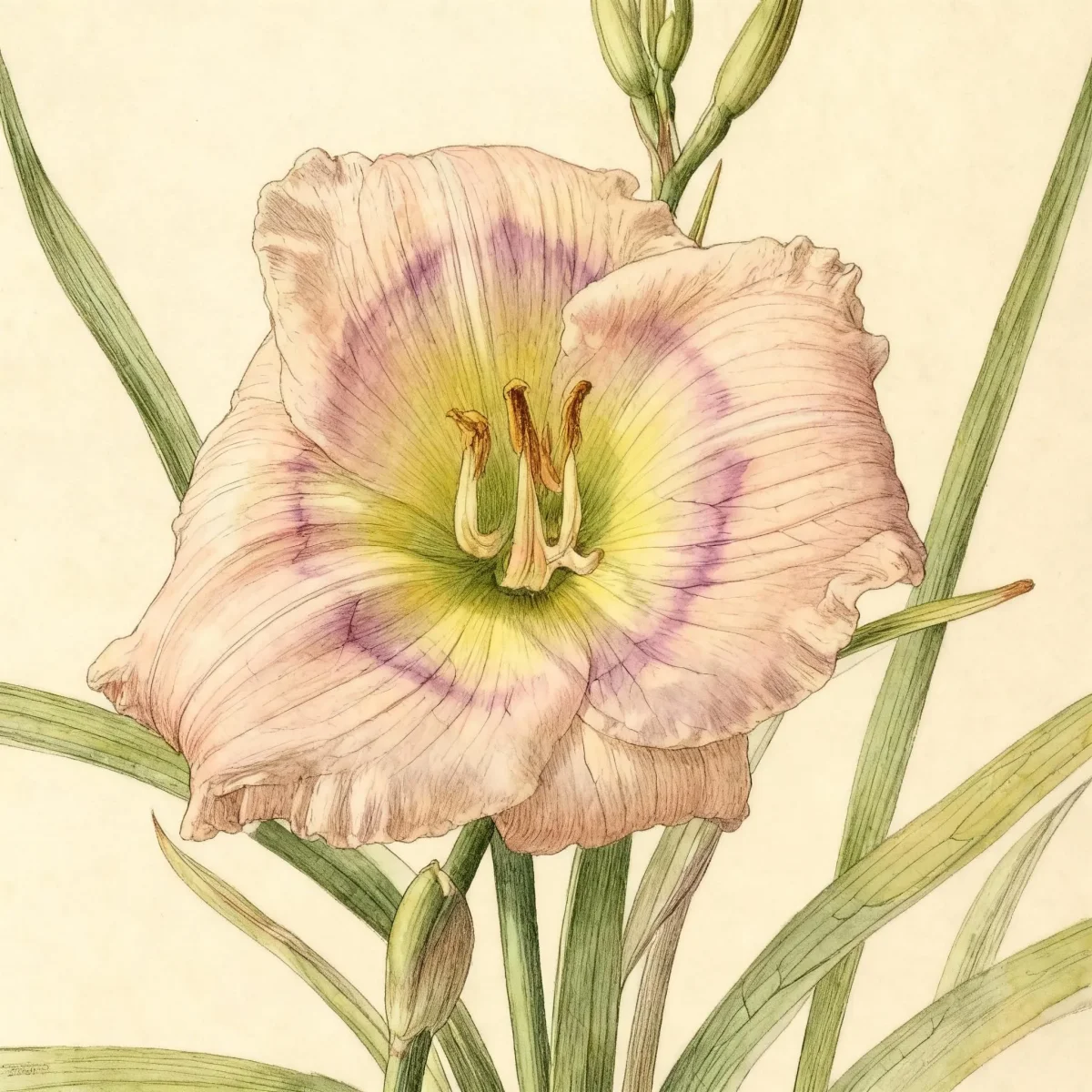
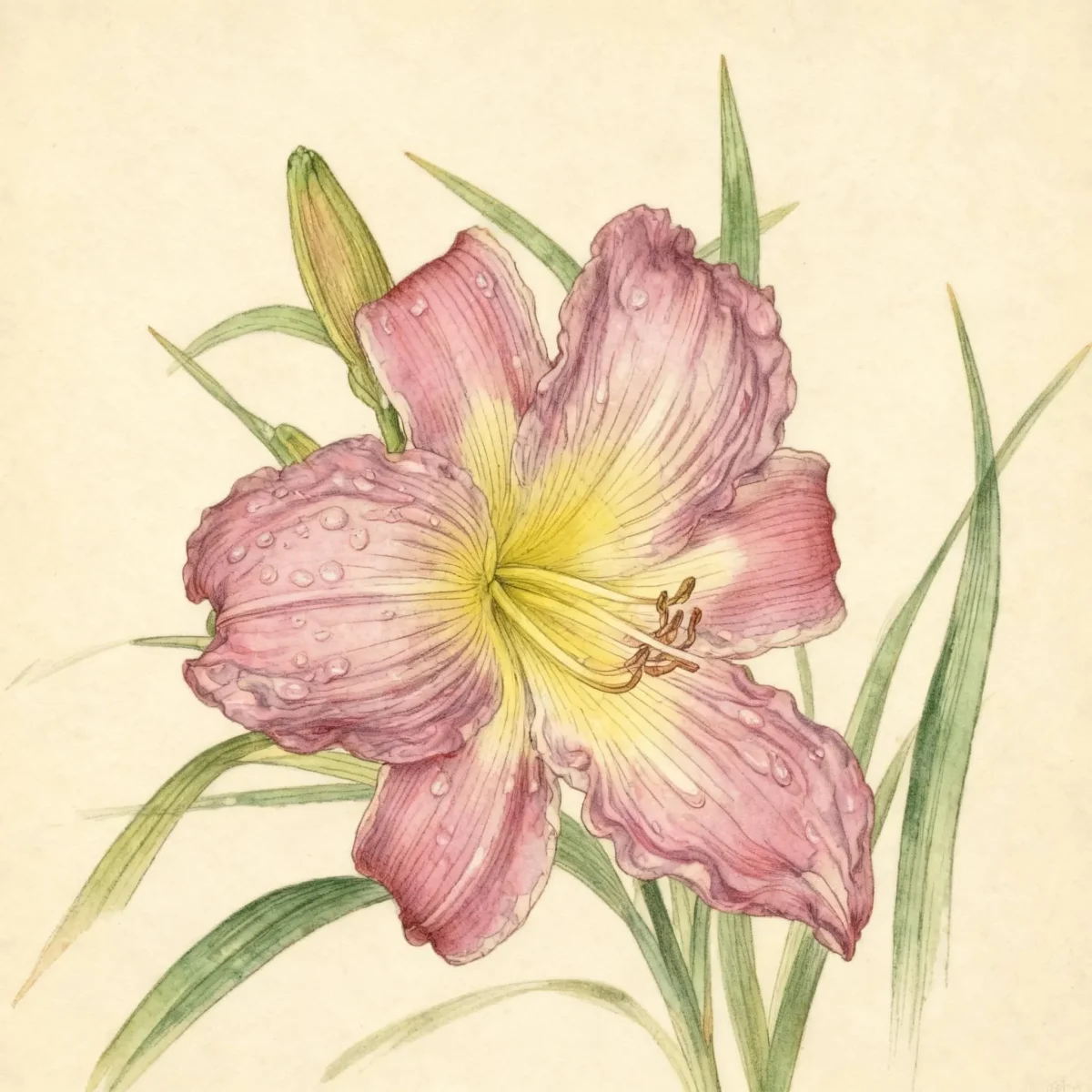
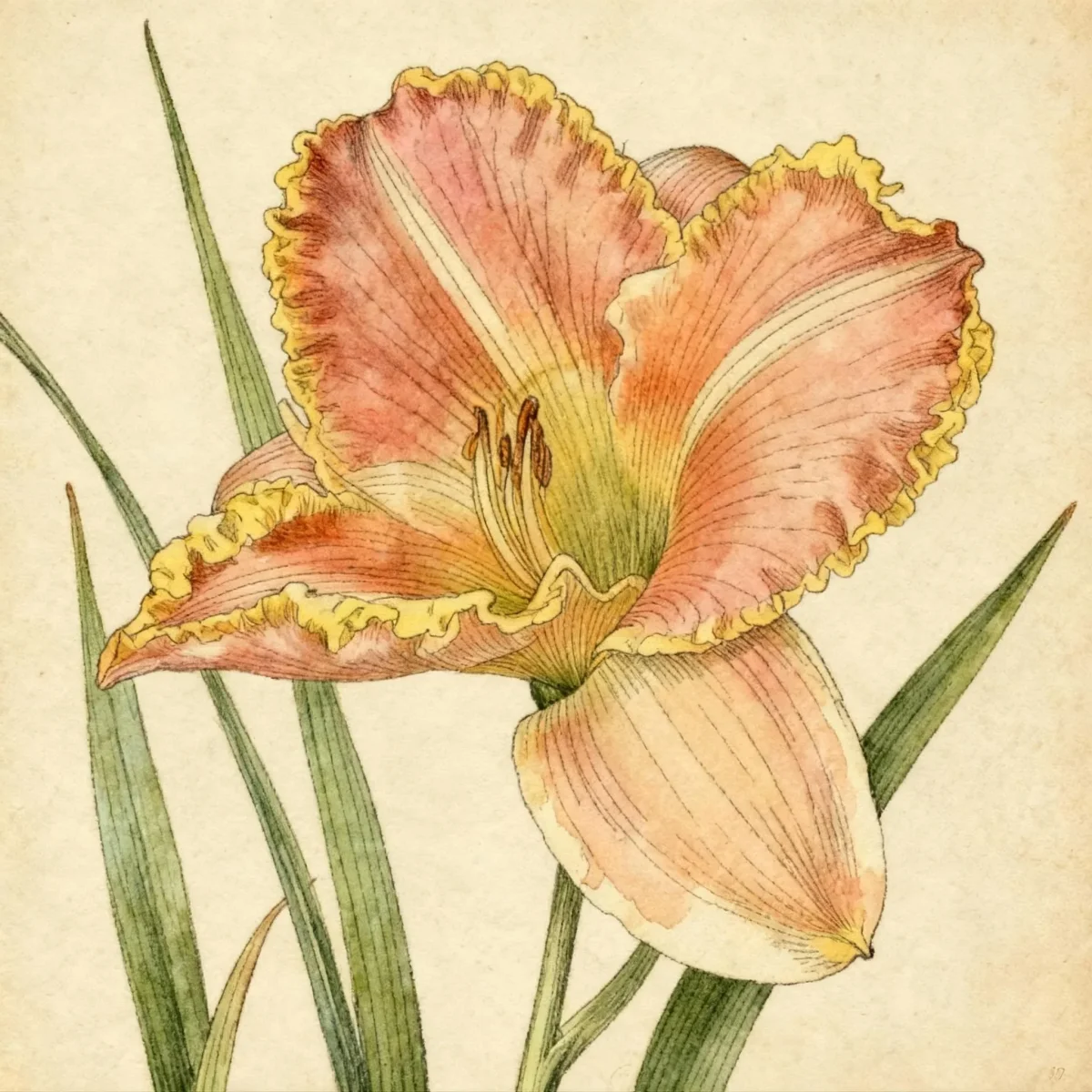
A showy, fragrant Tetrapoild daylily, Hemerocallis 'Golden Tear Drops' offers pink blooms w/yellow edges. Low maintenance, Zones 3-9.

Bloom Boldly, No Matter the Season - Sweatshirt
Cozy organic cotton sweatshirt featuring our exclusive Purple Coneflower design. Perfect for gardeners who bloom year-round.
Inspired by the beautiful Tetrapoild daylily
Limited first batch (50) — join the waitlist for early access
Waitlist closes Feb 15, 2026.
Complete Plant Information
Field Guide Continues
Ready for care notes, companion picks, and planting tips?
The map is just the start. The full guide below covers growth habits, seasonal performance, and landscape uses.
Overview
The Tetrapoild daylily, specifically the cultivar Hemerocallis ‘Golden Tear Drops’, is a highly valued addition to the perennial garden, celebrated for its ease of cultivation and attractive floral display. This variety produces showy, fragrant blooms, a hallmark of quality hybrid daylilies developed by extensive hybridizing efforts within the genus. As a vigorous herbaceous perennial, Hemerocallis ‘Golden Tear Drops’ provides reliable season-long color without demanding excessive attention from the gardener.
Culturally, this cultivar thrives across a wide range of conditions, performing well in USDA Zones 3 through 9. It is relatively low maintenance, provided it receives adequate sun and moisture during dry periods. The arching, linear foliage creates a neat clump, making it an excellent structural plant even when not in bloom. Gardeners appreciate the dependable performance of this Tetrapoild daylily for borders and mass plantings.
Hemerocallis ‘Golden Tear Drops’ offers significant aesthetic impact with its unique color pattern—pink petals gently kissed with golden yellow edges. Furthermore, its robust nature means it tolerates many environmental stresses, including air pollution and occasional rabbit browsing, adding functional value to your landscape design. Ensure you select the right location to maximize the lengthy bloom period extending from May into July.
Fast Facts
- Plant Family: Asphodelaceae
- Plant Type: Herbaceous perennial
- Hardiness Zones: USDA Zones 3-9
- Size at Maturity:
- Height: 2-2.5 ft
- Spread: 1.5-2 ft
- Bloom Time: May to July
- Bloom Description: Pink with yellow edges
- Sun Exposure: Full sun to part shade
- Water Needs: Medium
- Maintenance Level: Low
How to Grow
Planting Tetrapoild daylilies like Hemerocallis ‘Golden Tear Drops’ is best done in spring or fall, allowing the fibrous roots time to establish before summer heat or hard winter freezes. They perform best in deep, fertile loams but are highly adaptable and will grow easily in average, well-drained soils. Full sun exposure promotes the best flowering, though they tolerate part shade, which might slightly reduce bloom quantity.
Regular care focuses primarily on moisture management and tidiness. While tolerant of summer heat and humidity, daylilies benefit greatly from deep watering during dry spells to maintain attractive foliage, as they require medium water intake overall. Deadheading spent flowers daily is recommended for neatness, and spent scapes should be removed once blooming is finished to direct the plant’s energy efficiently.
For optimal performance, plan to divide clumps of Hemerocallis ‘Golden Tear Drops’ every three to four years, preferably in the spring in harsher winter climates. Remember that hybrid daylilies will not breed true from seed, so division is key for maintaining the characteristics of the cultivar. If you are in a colder region, be aware that winter dormant varieties require that necessary cold period for maximizing next season’s display, though this particular variety is suitable for most zones.
Landscape Uses
The versatility of the Tetrapoild daylily makes it a cornerstone plant in many landscape designs. Hemerocallis ‘Golden Tear Drops’ is perfectly suited for planting along borders where its compact, manageable size (2 to 2.5 feet tall) provides excellent mid-story structure. They also excel when massed over large areas, creating rivers of color, or planted individually in specimen clumps for focal points.
Because of their tolerance for different soil conditions and air quality, these plants are excellent choices for softening hard edges along walkways or driveways. While they are extremely popular in traditional garden beds, dwarf cultivars (though this specific one is medium-sized) are particularly excellent for rock gardens. Consider pairing Hemerocallis ‘Golden Tear Drops’ with slower-growing, low-maintenance perennials like Sedum or ornamental grasses that share similar sun and water needs.
Standout Features
Flower Qualities
- Showy
- Fragrant
Noteworthy Characteristics
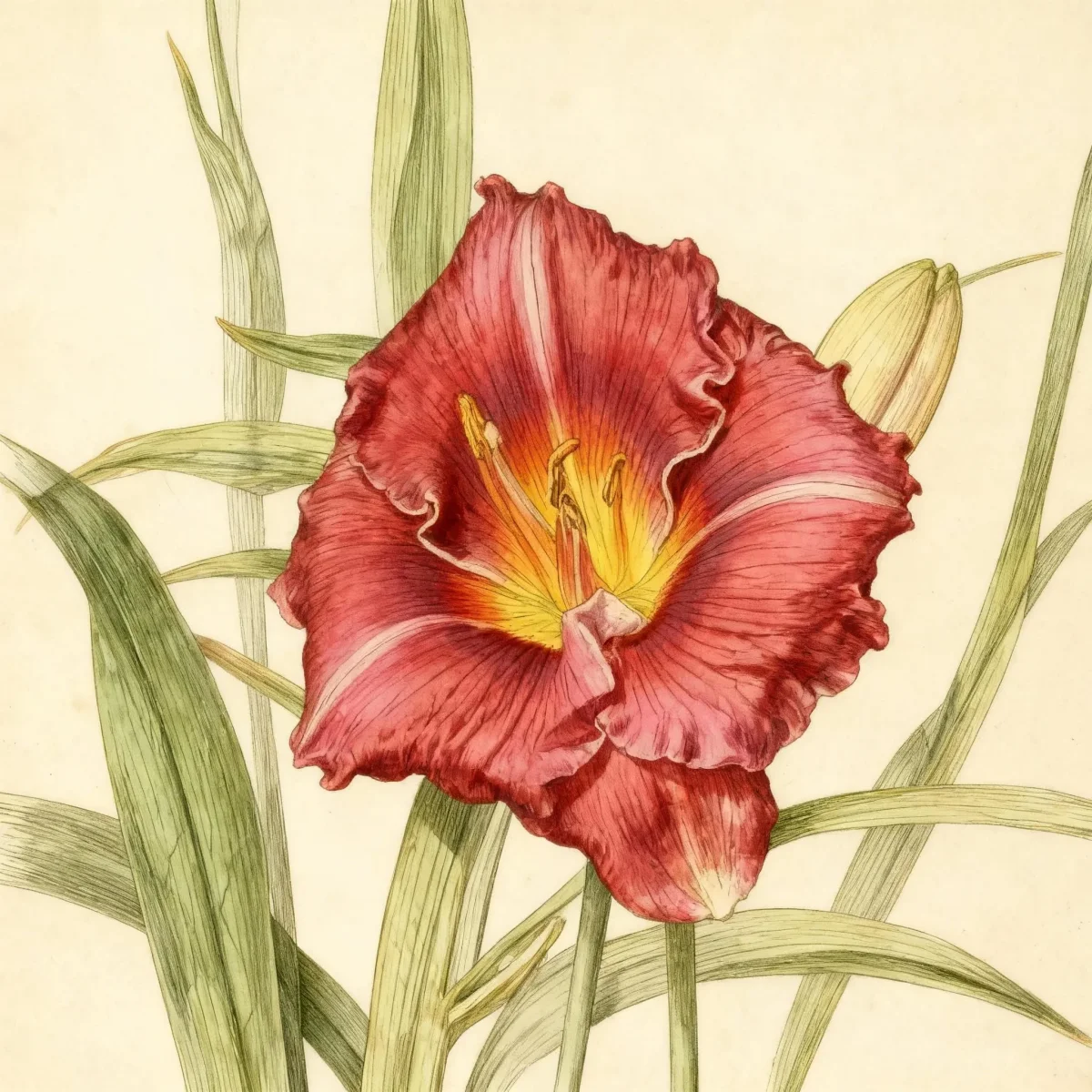
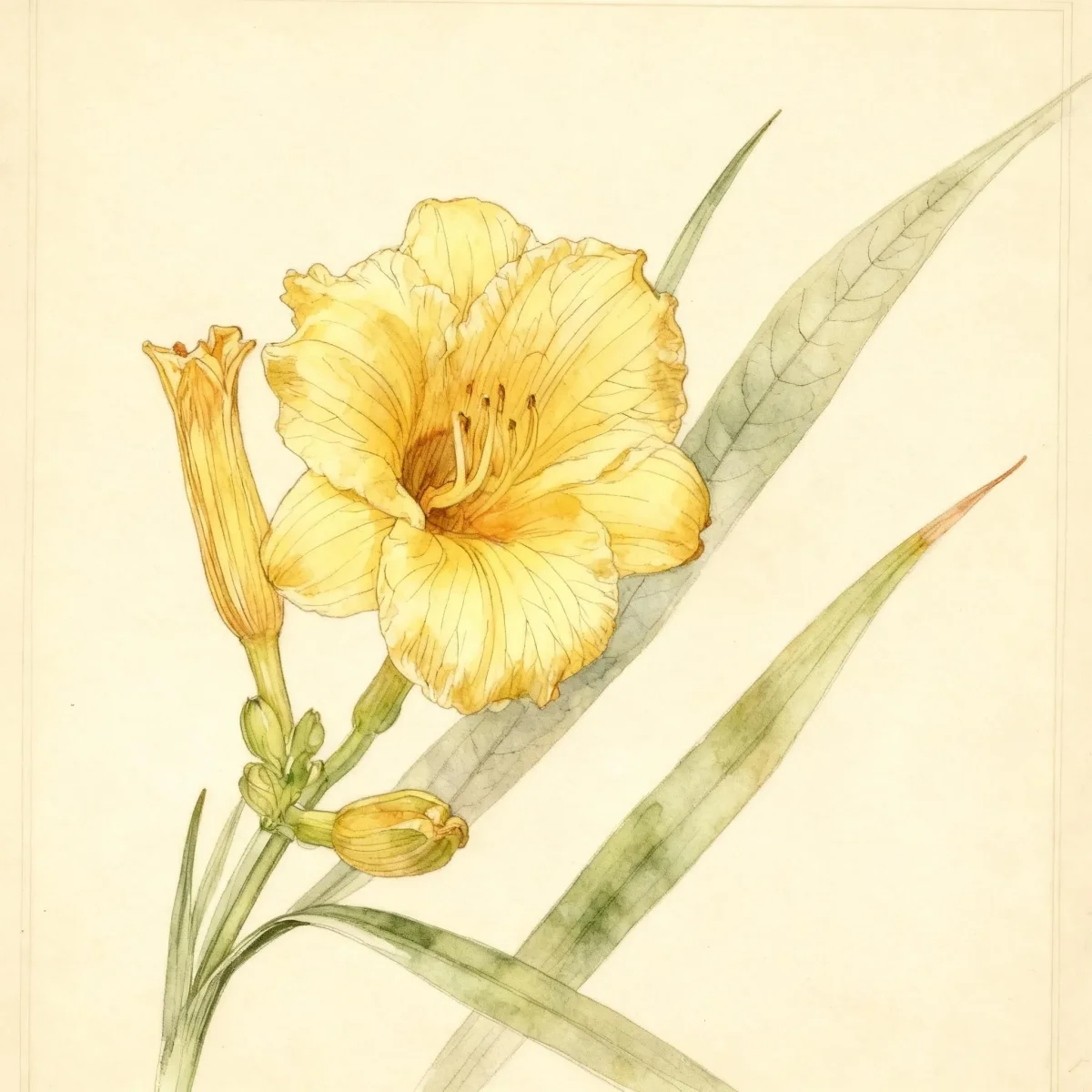
Hemerocallis is a genus of about 15 species of herbaceous perennials commonly known as daylilies. Hybridizers have expended considerable effort over the years creating new daylilies featuring flowers with new colors, color combinations, shapes and patterns. ‘Golden Tear Drops’ is a tetraploid daylily cultivar that features pink flowers (to 5.5”) with golden yellow edges, with individual flowers opening for just one day, blooming early to midseason, and registered as a rebloomer.
Tolerances
- Rabbit
- Erosion
- Air Pollution
Potential Problems
Daylilies are famously adaptable and relatively pest-free, making them a gardener’s friend. The most common issues involve minor insect pests such as mites, aphids, and thrips, which usually only require spot treatment if they become severe. In certain climates, Daylily rust can become problematic, requiring monitoring and appropriate fungicide application if symptoms appear. It is worth noting to potential owners that rabbits tend to avoid daylilies entirely, offering a natural defense.
To manage pests, use insecticidal soap or strong water sprays for quick infestations. When dealing with rust, ensure good air circulation around the plants and prune out heavily infected foliage immediately to prevent spread to neighboring plants. Given the overall hardiness of this Tetrapoild daylily, cultural issues are far more common than pest problems, usually stemming from poor drainage or insufficient water during drought.
Frequently Asked Questions
What hardiness zones is Tetrapoild daylily suitable for?
Hemerocallis ‘Golden Tear Drops’ is suitable for growing in USDA Hardiness Zones 3 through 9.
How large does Hemerocallis ‘Golden Tear Drops’ grow?
This cultivar typically reaches a height between 2 and 2.5 feet, with a spread between 1.5 and 2 feet at maturity.
When does Tetrapoild daylily bloom?
This plant blooms reliably from May through July, offering pink flowers accented with yellow edges.
What sun exposure does Hemerocallis ‘Golden Tear Drops’ need?
This daylily prefers full sun but can tolerate partial shade quite well.
Conclusion
Hemerocallis ‘Golden Tear Drops’ stands out as a reliably low-maintenance, high-impact perennial due to its showy flowers, manageable size, and broad adaptability. This Tetrapoild daylily provides excellent color contrast throughout the early summer months. Before planting, confirm your site conditions match the full sun to part shade requirement and ensure excellent soil drainage for the best display of your new Hemerocallis ‘Golden Tear Drops’.
Companion Planting
Selecting appropriate neighbors is key to maximizing the visual effect of Hemerocallis ‘Golden Tear Drops’ while maintaining healthy growing conditions. Daylilies pair beautifully with plants that offer contrasting foliage texture, such as fine-bladed ornamental grasses or broad-leaved hostas, even though hostas prefer more shade than the daylily needs for optimum bloom. Other good companions suited to full sun include Salvias, Coneflowers (Echinacea), and Russian Sage (Perovskia), as they all share similar medium water needs and flourish in well-drained soil.
When planning mass plantings, utilize the color palette of the grouping to enhance the pink and yellow tones of this specific cultivar. For instance, planting deep purple or blue companions will make the golden edges of the Tetrapoild daylily appear even brighter. Ensure you leave adequate space, as clumps of daylilies will spread to nearly 2 feet wide and benefit from air circulation.
Propagation Tips
The primary method for maintaining the genetic integrity of Hemerocallis ‘Golden Tear Drops’ is through division, as hybrid cultivars do not grow “true to seed.” This process should ideally be performed in the spring, especially in colder regions, or in the fall in milder climates, every 3 to 4 years. Begin by slightly trimming back the foliage to make the clump easier to handle before carefully digging around the plant to lift the entire mass.
After lifting the clump, gently pull the divisions apart by hand, ensuring each new section has a healthy root base and several crown fans. Replant these divisions immediately, setting the crown no deeper than one inch below the soil surface, which is critical for optimal performance. Water the newly planted sections thoroughly to settle the soil and reduce transplant shock.