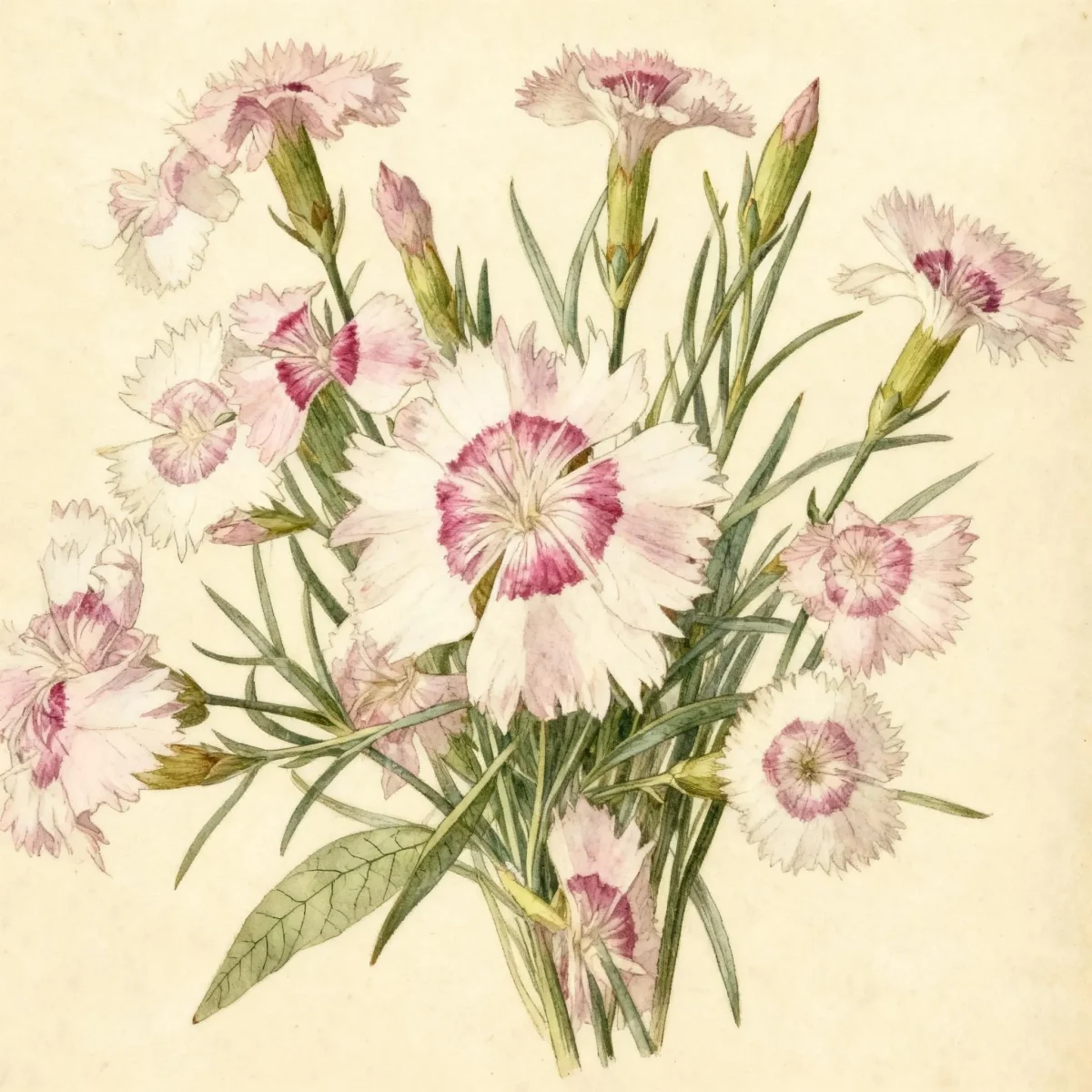
Pink (Dianthus 'Ipswich Pink')
Dianthus 'Ipswich Pink' is a low-maintenance perennial Pink, prized for fragrant, showy flowers in sunny borders. Thrives in zones 3-8.

Bloom Boldly, No Matter the Season - Sweatshirt
Cozy organic cotton sweatshirt featuring our exclusive Purple Coneflower design. Perfect for gardeners who bloom year-round.
Inspired by the beautiful Pink
Limited first batch (50) — join the waitlist for early access
Waitlist closes Feb 15, 2026.
Complete Plant Information
Field Guide Continues
Ready for care notes, companion picks, and planting tips?
The map is just the start. The full guide below covers growth habits, seasonal performance, and landscape uses.
Overview
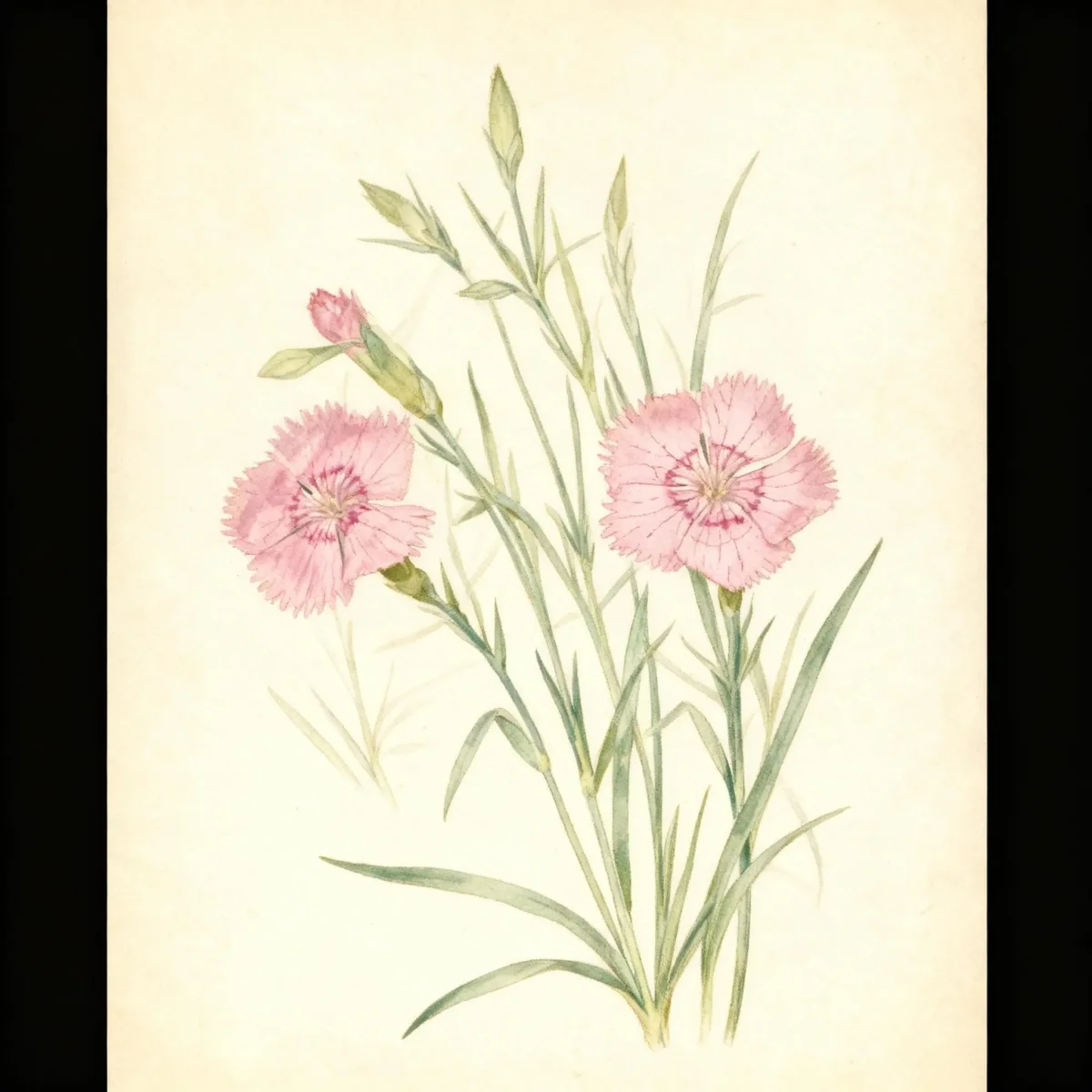
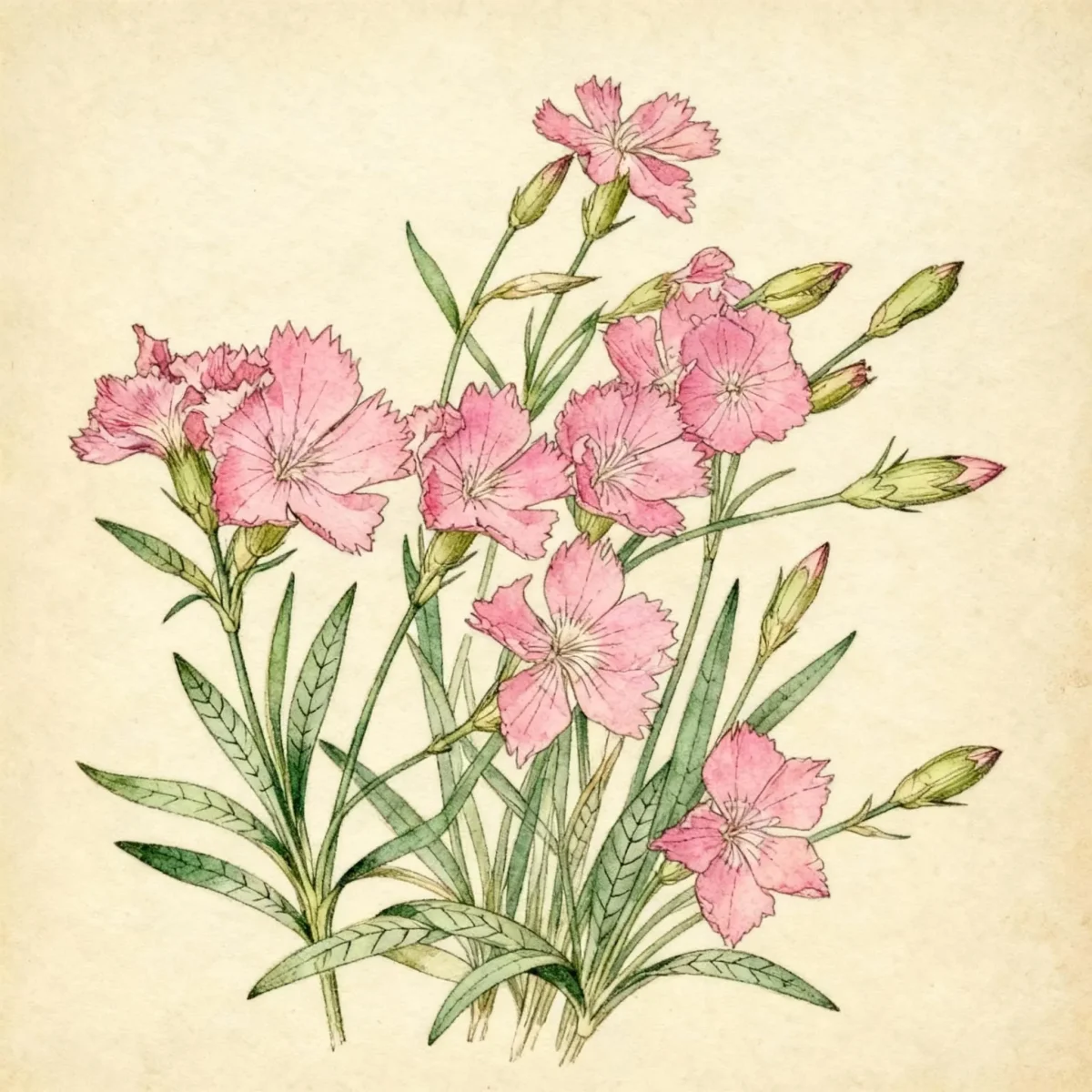
Dianthus ‘Ipswich Pink’ offers gardeners a compact, tufted perennial beloved for its richly fragrant blooms, typically appearing from May into June. Known generally as a Pink, this cultivar forms attractive mounds of narrow, bluish-green foliage that remains appealing throughout the growing season when given consistent moisture. Its ease of care and stellar fragrance make Dianthus ‘Ipswich Pink’ a staple for rockeries and border fronts.
As a type of perennial dianthus, this plant fits well into many garden settings, thriving where it receives plenty of sun but avoids excessive summer heat stress. Gardeners seeking low-commitment, high-impact flowering plants will appreciate the reliable performance of Dianthus ‘Ipswich Pink’.
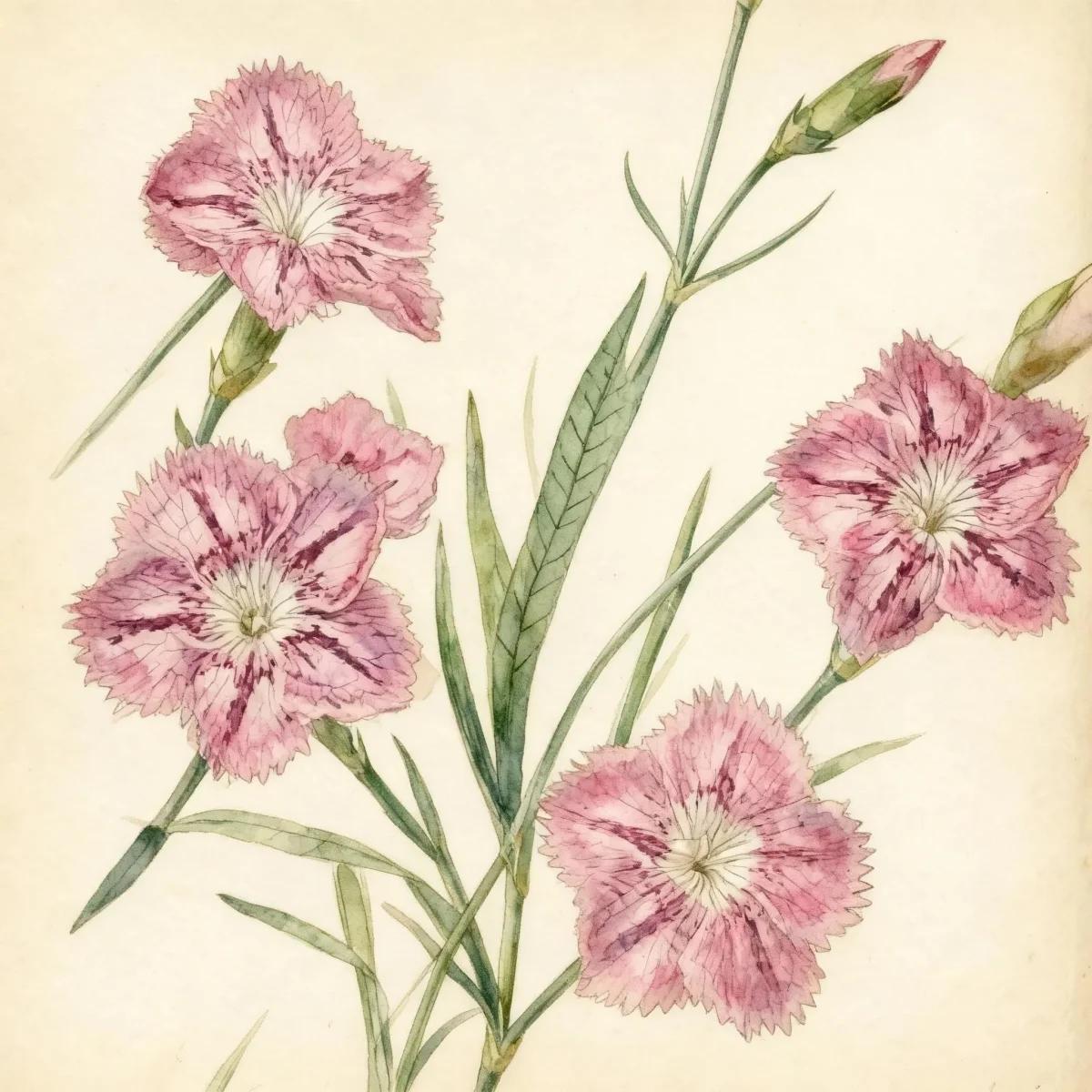
This variety provides wonderful color contrast, with masses of single, fringed flowers offering shades ranging from red to pink to bicolors. Its compact habit ensures it won’t overwhelm neighboring plants, making it an excellent choice for edging defined garden beds.
Fast Facts
- Plant Family: Caryophyllaceae
- Plant Type: Herbaceous perennial
- Hardiness Zones: USDA Zones 3-8
- Size at Maturity:
- Height: 0.5-0.75 ft
- Spread: 0.5-2 ft
- Bloom Time: May to June
- Bloom Description: Red, pink, white, bicolor
- Sun Exposure: Full sun
- Water Needs: Medium
- Maintenance Level: Low
How to Grow
Plant Dianthus ‘Ipswich Pink’ during cooler seasons, ensuring the chosen location receives full sun exposure for best flowering results. This Pink performs optimally in organically rich, gritty loams that are neutral to slightly alkaline in pH. Excellent drainage is absolutely critical; incorporating amendments like leaf mold can improve moisture retention slightly while maintaining the necessary gritty texture.
Water needs are medium, meaning soil should remain evenly moist, particularly during hot summer spells. While establishing, maintain consistent moisture levels. Fertilization is rarely necessary if the native soil is adequately improved with organic matter prior to planting.
Deadheading spent flowers is a key cultural practice; this encourages the plant to produce a second flush of bloom later in the summer or into early fall. For tidiness and to promote further flowering after the main spring flush, gardeners can shear the plants back lightly.
Dianthus ‘Ipswich Pink’ is generally well-suited for outdoor garden culture where it experiences garden conditions rather than the high-humidity environment of a greenhouse. Proper air circulation and good soil structure are the best defenses against potential fungal issues.
Landscape Uses
The compact size and vibrant spring displays make Dianthus ‘Ipswich Pink’ exceptionally useful along border fronts and as edging material where its foliage can be appreciated year-round. Beyond standard borders, this Pink is highly recommended for rock gardens, where excellent drainage mimics its preferred natural habitat.
When allowed to naturalize, the clumping foliage of Dianthus ‘Ipswich Pink’ can transition into an effective, low-growing ground cover throughout the summer and fall months. Plant it alongside companion species that also prefer sharp drainage and full sun, such as sedums or creeping thyme, to create textured, drought-tolerant displays.
Consider mass plantings of Dianthus ‘Ipswich Pink’ to achieve a flowing river of color along pathways or the edges of mixed perennial beds. The range of colors found in its blooms—including hues of pink—allows for integration into cottage or formal garden designs alike.
Standout Features
Flower Qualities
- Showy
- Fragrant
Noteworthy Characteristics
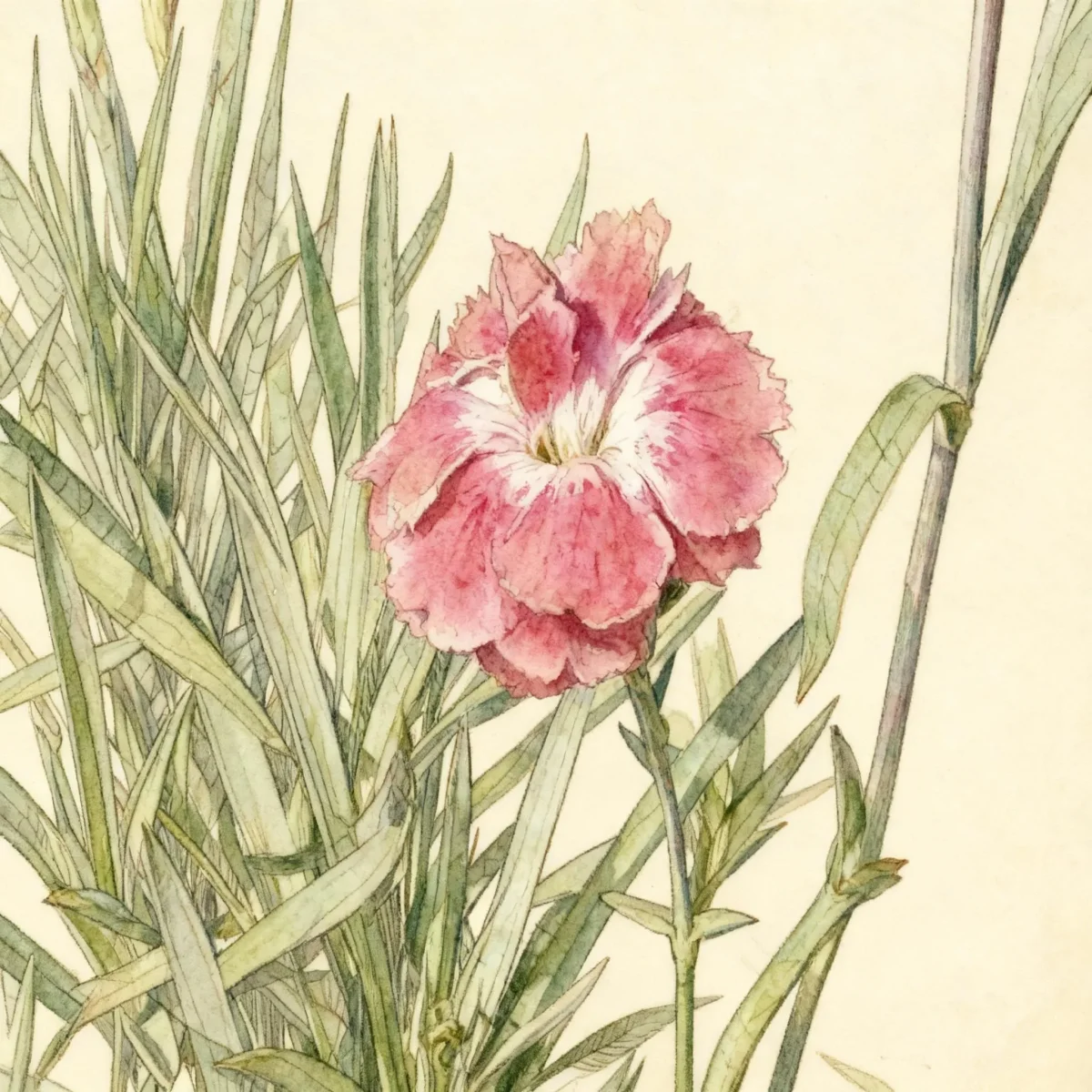
Perennial dianthus, commonly called carnations or pinks, are loosely-tufted, herbaceous perennials that features fragrant, often double flowers on stiff stems clad with narrow, linear, gray-green leaves. The genus name originates from the Greek words dios (divine) and anthos (flower). The common name ‘pink’ likely refers to the delicately fringed petal margins resembling pinking shears cuts. Dianthus ‘Ipswich Pink’ specifically is notable for forming foliage mounds up to 9 inches tall, covered by masses of single, fringed, fragrant flowers in spring.
Tolerances
- Deer
Potential Problems
While generally robust outdoors, Dianthus ‘Ipswich Pink’ can be susceptible to various pathogens, including botrytis, rust, and leaf spots, especially in humid or poorly draining conditions. Vigilance regarding soil moisture management is the primary preventative step against fungal diseases.
Pests such as aphids, caterpillars, and scale insects may occasionally find this plant appealing, though infestations are typically less severe than when grown under glass. Good gardening practices, like immediate removal of diseased foliage and ensuring strong air flow, keep populations low. Deer generally avoid consuming this species.
Frequently Asked Questions
What hardiness zones is Pink suitable for?
Dianthus ‘Ipswich Pink’ is hardy and thrives in USDA Zones 3 through 8.
How large does Dianthus ‘Ipswich Pink’ grow?
This variety typically reaches a height between 0.5 and 0.75 feet and spreads between 0.5 and 2 feet wide.
When does Pink bloom?
Blooms usually appear from May to June, presenting a lovely mix of red, pink, and white bicolor flowers.
What sun exposure does Dianthus ‘Ipswich Pink’ need?
This plant requires full sun exposure to produce the best possible flowering display throughout its season.
Conclusion
Dianthus ‘Ipswich Pink’ stands out as an exceptionally fragrant, low-maintenance perennial Pink perfect for sunny spots needing textural contrast. The beautiful, fringed flowers and attractive foliage provide significant garden value with minimal fuss. Before planting, ensure your site offers the full sun and excellent drainage that this superb Dianthus variety requires to flourish reliably.
Companion Planting
Selecting companions for Dianthus ‘Ipswich Pink’ should focus on plants that share similar needs for full sun and sharp drainage. Consider pairing it with low-growing succulents like various Sedum species or trailing Thyme varieties; these create beautiful, textured mats around the base of the Pink.
For mid-border height amongst the Dianthus plants, look towards drought-tolerant herbs or sub-shrubs that do not require heavy moisture. Lavender (Lavandula) or small ornamental grasses that tolerate lean, gritty soil will provide vertical interest without competing aggressively for resources.
When designing a rock garden scheme, placing Dianthus ‘Ipswich Pink’ near alpine plants ensures that the entire planting benefits from excellent soil aeration. This strategy helps prevent the crown rot that is the main threat to this cultivar in overly damp environments.
Seasonal Care Calendar
Early Spring: After the last threat of hard frost has passed, conduct a light tidy-up, removing any spent winter debris. This is the ideal time to incorporate a small amount of lime if your soil requires slight alkalinity adjustment for optimal growth.
Late Spring/Early Summer: Focus on deadheading the spent flowers regularly as they fade. This action is crucial for promoting the secondary, late-season bloom cycle of the Dianthus ‘Ipswich Pink’. Apply only minimal fertilizer, if any, at this stage.
Mid-Summer: During dry spells, ensure deep, infrequent watering to encourage the root system to seek moisture, but cease heavy watering once summer heat peaks if the drainage is poor. If the spring flush was particularly heavy, consider a light shearing to tidy up the foliage mound.
Fall: Allow the foliage to remain intact over winter, as it often provides good winter coloration and protection for the crown. Ensure the area stays dry as temperatures drop, as excessive winter wetness is detrimental to herbaceous perennials like this Pink.