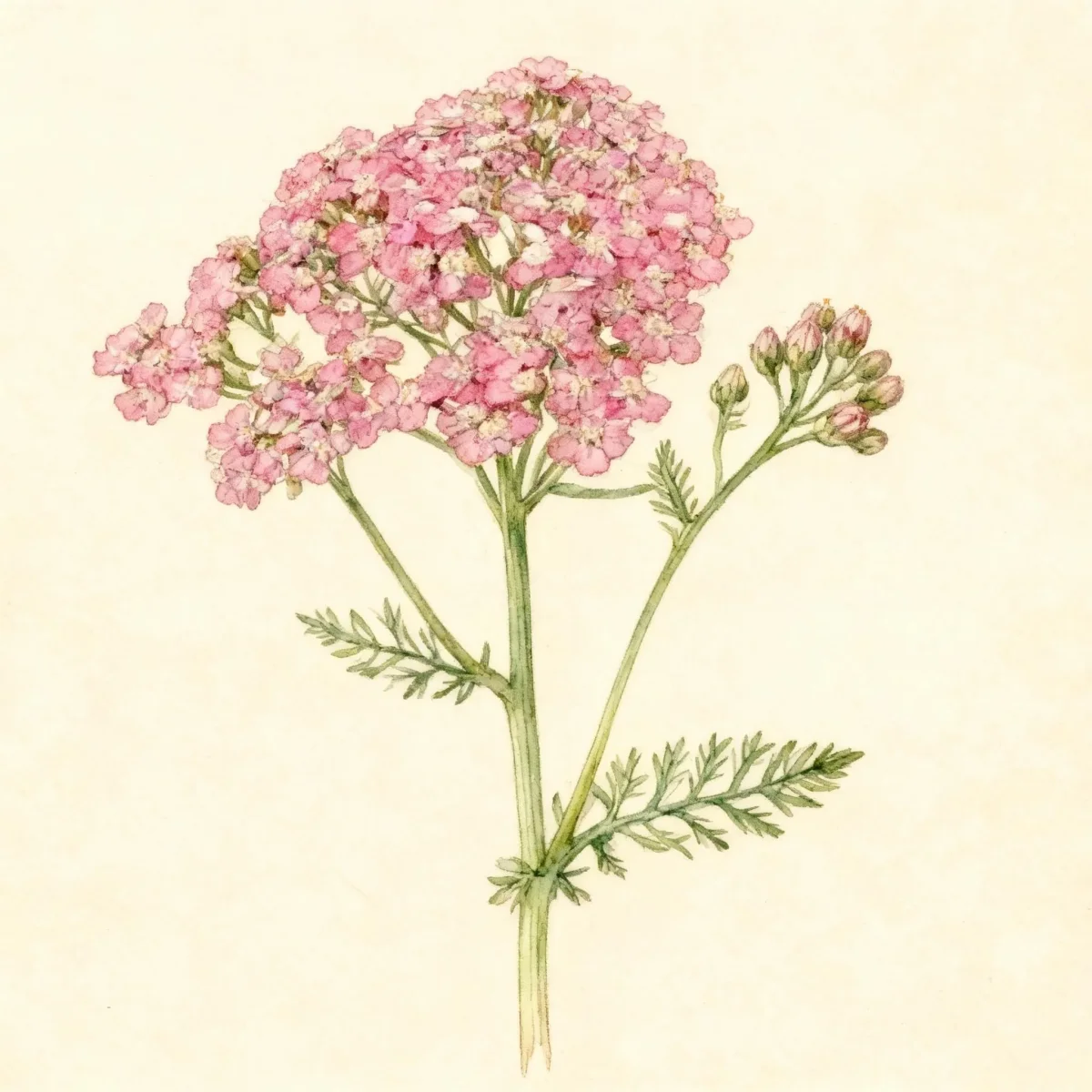
Yarrow (Achillea 'Walther Funcke')
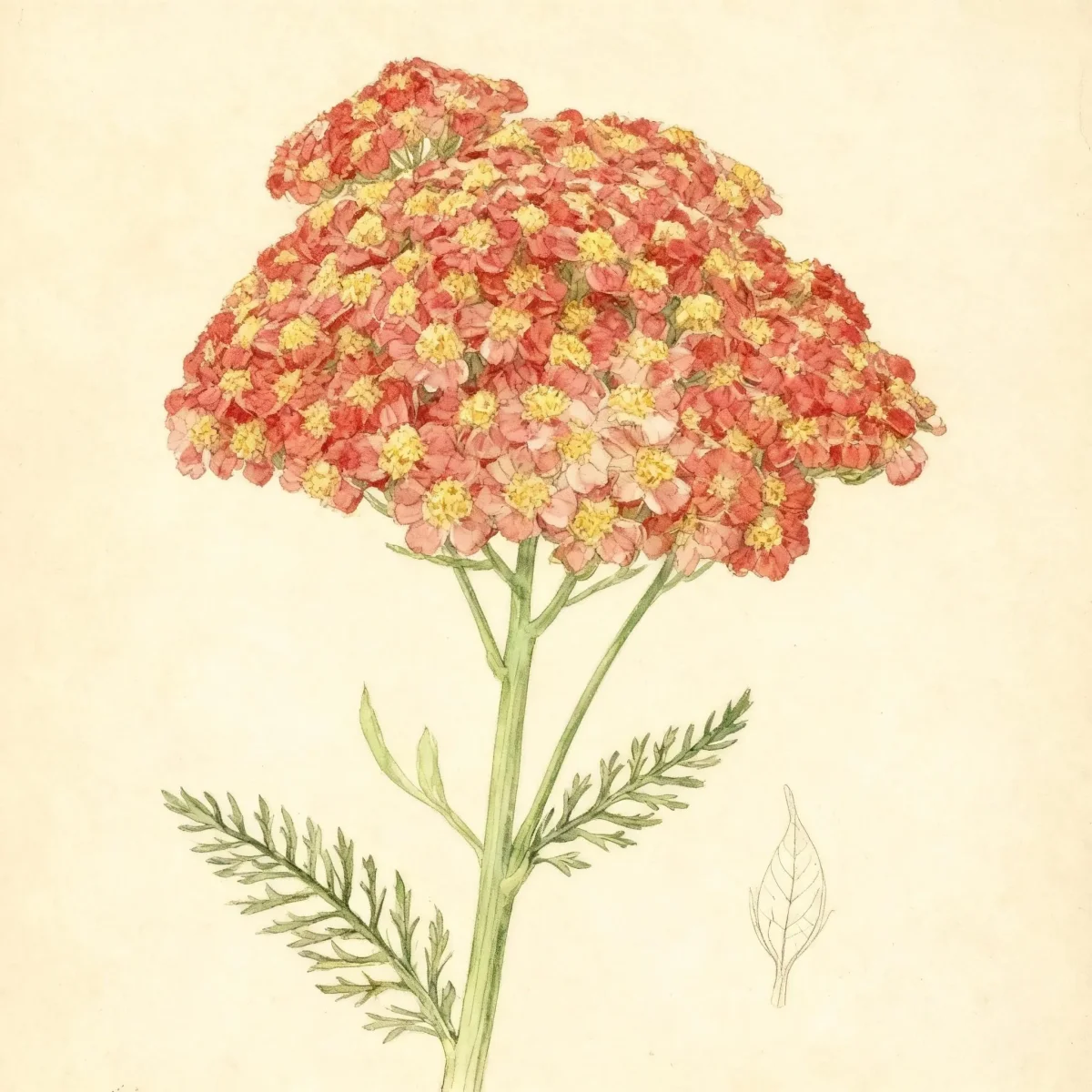
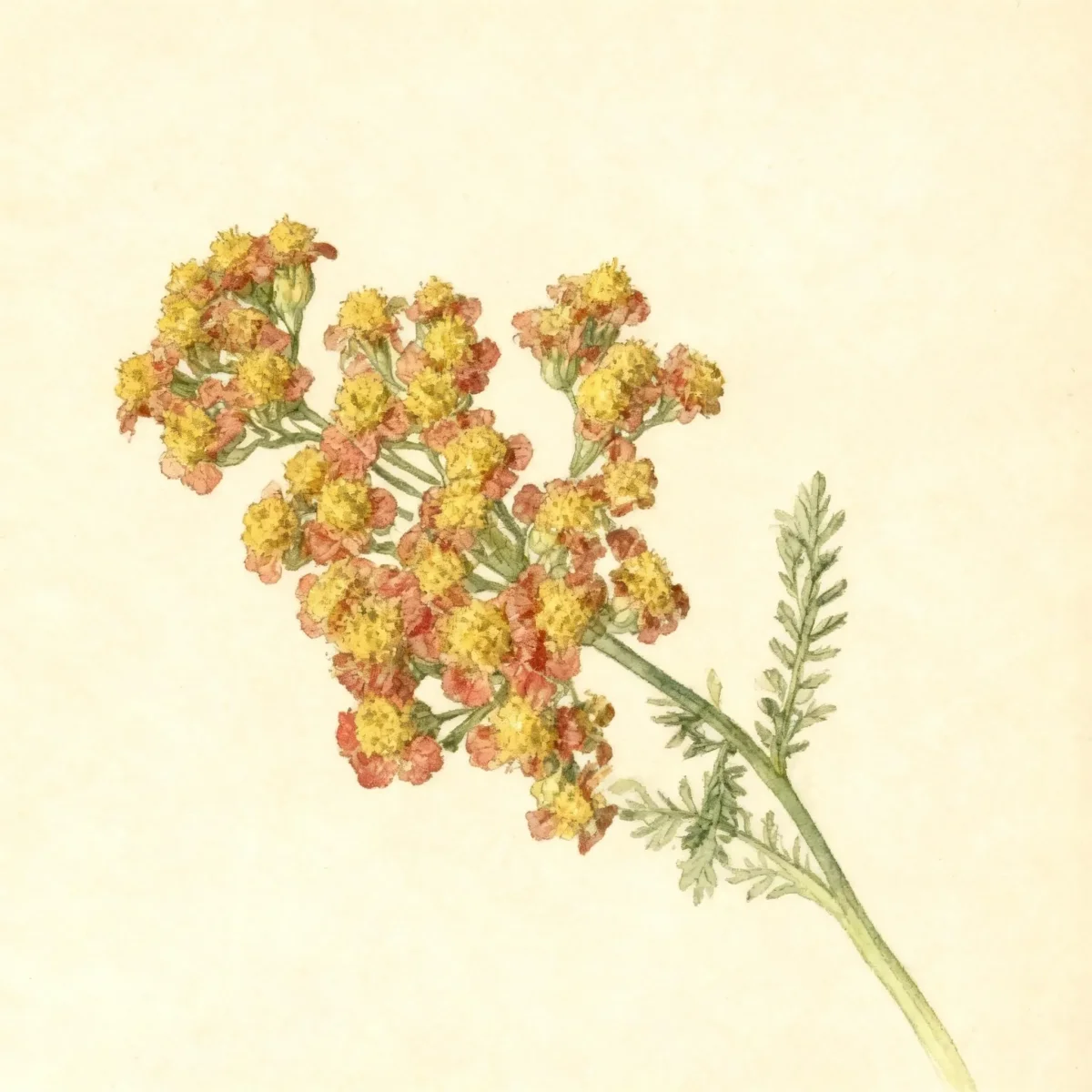
Achillea 'Walther Funcke' Yarrow offers vibrant brick-red flowers and low maintenance in sunny, dry spots, thriving in Zones 3-8.

Bloom Boldly, No Matter the Season - Sweatshirt
Cozy organic cotton sweatshirt featuring our exclusive Purple Coneflower design. Perfect for gardeners who bloom year-round.
Inspired by the beautiful Yarrow
Limited first batch (50) — join the waitlist for early access
Waitlist closes Feb 15, 2026.
Complete Plant Information
Field Guide Continues
Ready for care notes, companion picks, and planting tips?
The map is just the start. The full guide below covers growth habits, seasonal performance, and landscape uses.
Overview
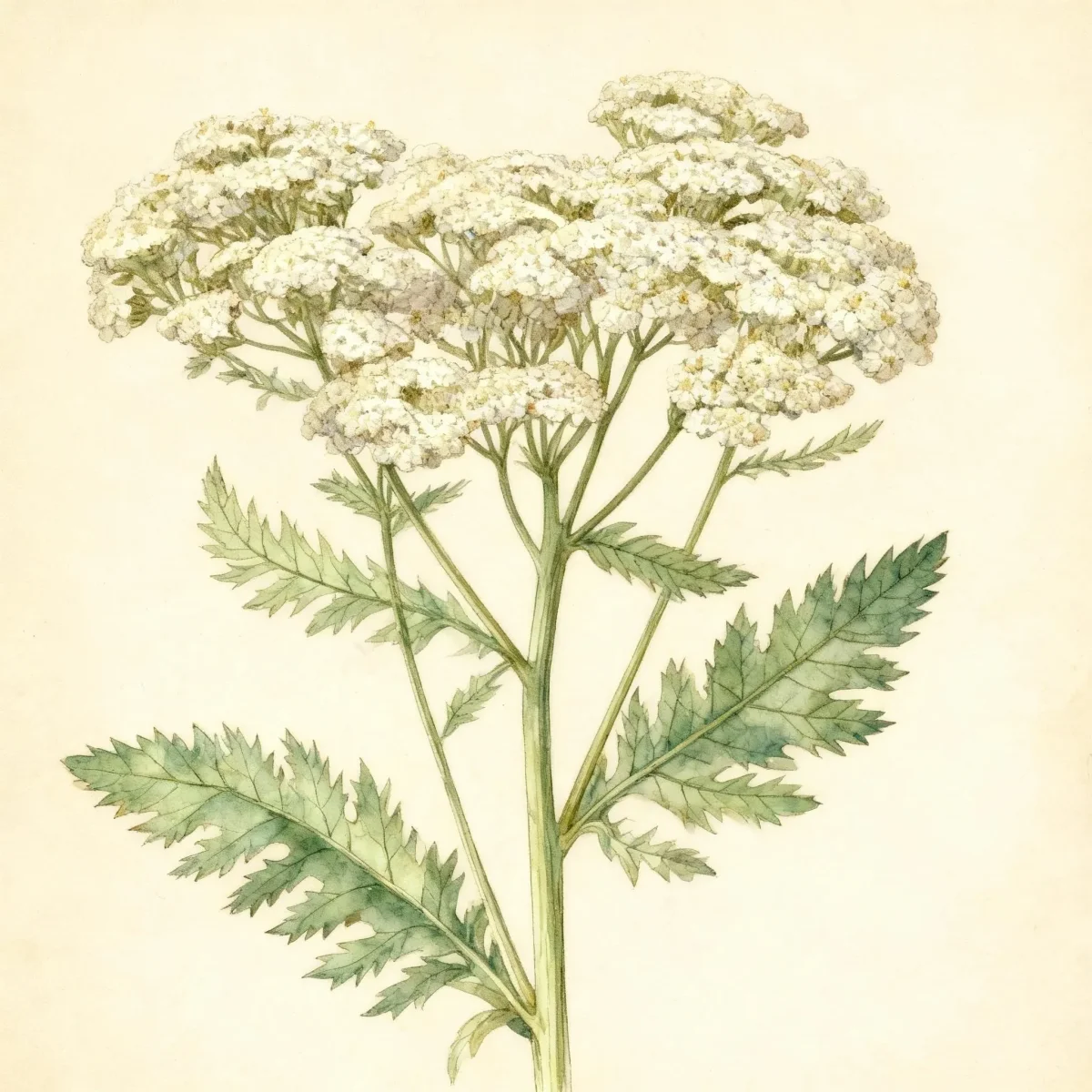
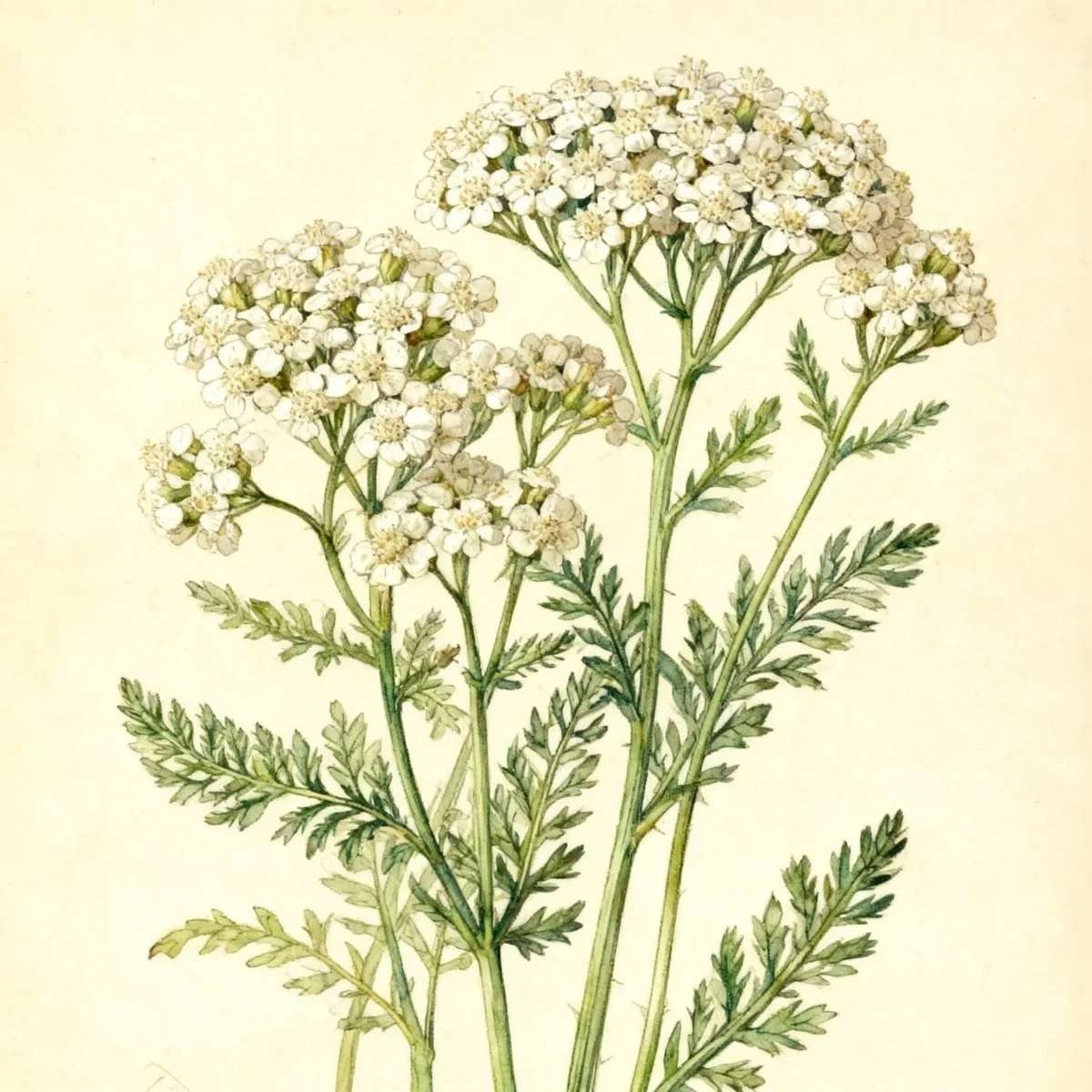
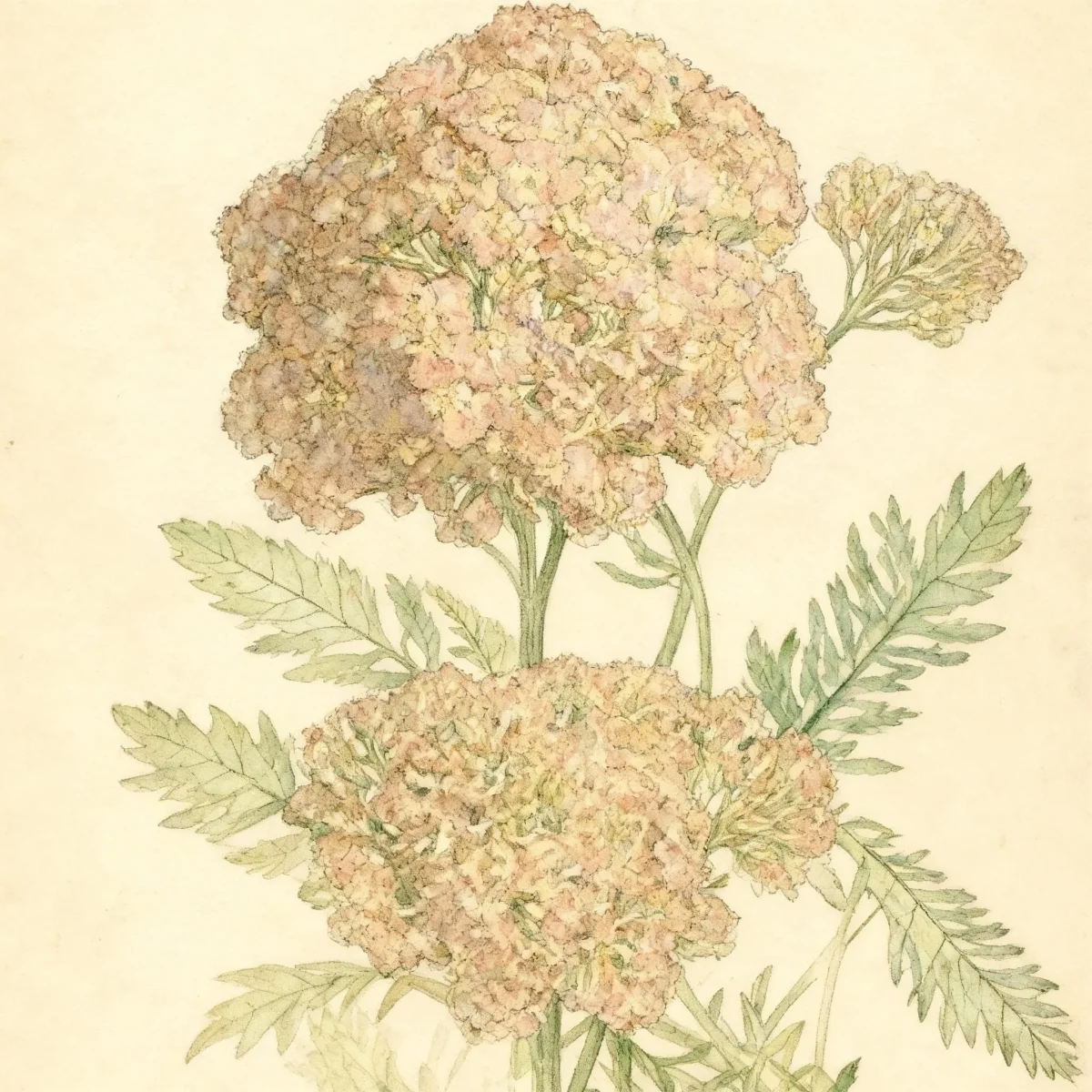
Achillea ‘Walther Funcke’, commonly known as Yarrow, is a highly valued herbaceous perennial celebrated for its resilient nature and long-lasting, colorful blooms. This cultivar stands out due to its striking brick-red flower heads and more compact habit compared to many taller Yarrow varieties, reducing the risk of flopping. It provides excellent texture with its deeply-dissected, fern-like, aromatic, gray-green foliage.
Gardeners appreciate Achillea ‘Walther Funcke’ for its ability to thrive in challenging conditions where other plants might struggle, including hot, dry exposures once established. As a low-maintenance perennial, it offers reliable summer color, making it crucial for drought-tolerant or naturalized landscape designs.
Furthermore, this tough Yarrow hybrid contributes nicely to cottage and wildflower gardens, providing dense, flat flower clusters that attract beneficial insects while resisting common browsing pests like deer. Cultivating Achillea ‘Walther Funcke’ ensures robust structure and vibrant color across many hardiness zones.
Fast Facts
- Plant Family: Asteraceae
- Plant Type: Herbaceous perennial
- Hardiness Zones: USDA Zones 3-8
- Size at Maturity:
- Height: 1-2 ft
- Spread: 1-2 ft
- Bloom Time: May to July
- Bloom Description: Brick red
- Sun Exposure: Full sun
- Water Needs: Dry to medium
- Maintenance Level: Low
How to Grow
Achillea ‘Walther Funcke’ performs best when planted in lean, dry to medium moisture, well-drained sandy loams situated in full sun. Good drainage is paramount; the plant tolerates poorer soils well but strongly dislikes heavy clay textures or areas that remain moist or rich. Site your Yarrow where it is somewhat protected from extremely strong winds to ensure stems remain crisp.
Water sparingly once established, as this plant is highly drought-tolerant and thrives on drier conditions. Avoid over-fertilizing, as nutrient-rich soil encourages excessive leafy growth and may actually promote flopping in this otherwise sturdy cultivar. Minimal intervention is required for successful culture.
To encourage repeat blooming into the early fall, deadhead the spent flower heads by cutting them back cleanly to lateral buds. After the main flowering season concludes, cut the stems back to the basal leaves. This tidies the planting area, promotes healthy new foliage, and prepares the Achillea ‘Walther Funcke’ for winter dormancy. Divide clumps every three to four years to keep the planting vigorous.
Landscape Uses
Achillea ‘Walther Funcke’ is incredibly versatile, perfectly suited for mass plantings where its vibrant brick red color can create a substantial tapestry effect. It shines in borders, lending mid-level structure and dependable summer interest without demanding constant attention. Consider using this Yarrow in cottage gardens or wild gardens where its rugged nature complements informal plantings beautifully.
Its drought tolerance makes it an outstanding component for xeriscaping and naturalized meadows, pairing well with other sun-loving, tough perennials like Rudbeckia, Sedum, and ornamental grasses. Since the compact stems of Achillea ‘Walther Funcke’ resist lodging, it can be effectively used near paths or edges where a neat appearance is desired.
While it serves excellently in group plantings, a single specimen can anchor a dry corner of the garden, highlighting its textural foliage against softer neighbors. This Yarrow is also excellent for creating long-lasting cut arrangements, whether fresh or dried.
Standout Features
Flower Qualities
- Showy
Noteworthy Characteristics
Achillea is a genus of about 85 species of mostly herbaceous perennial from the Northern Hemisphere. ‘Walther Funcke’ is a rhizomatous, spreading, upright yarrow cultivar noted for its brick-red flowers and gray-green foliage. It features deeply-dissected, fern-like, aromatic leaves and tiny, long-lasting, brick-red flowers with contrasting yellow centers atop stems rising to 15-24” tall. This cultivar is often favored as its shorter stems are less apt to lodge than older Achillea varieties.
Tolerances
- Deer
- Drought
- Dry Soil
Potential Problems
Potential issues for Achillea ‘Walther Funcke’ primarily revolve around fungal diseases if cultural needs are ignored. Botrytis, stem rot, powdery mildew, and rust can occur occasionally, especially in humid or overly shaded conditions. Good air circulation and planting in full sun are the best preventatives.
The greatest cultural pitfall is poor drainage; this plant does poorly in wet sites or heavy, poorly drained soils, which can quickly lead to stem rot. Additionally, while this specific Yarrow is shorter, intense summer rain storms coupled with high winds can flatten exposed plantings, so careful siting is recommended.
Frequently Asked Questions
What hardiness zones is Yarrow (Achillea ‘Walther Funcke’) suitable for?
Achillea ‘Walther Funcke’ Yarrow is robustly hardy and suitable for USDA Zones 3 through 8.
How large does Achillea ‘Walther Funcke’ grow?
This cultivar typically reaches a mature height between 1 and 2 feet tall, with a spread of 1 to 2 feet wide.
What sun exposure does Yarrow need?
Achillea ‘Walther Funcke’ requires full sun exposure to maintain its compact form and provide the best flowering display.
When does Achillea ‘Walther Funcke’ bloom?
This Yarrow blooms reliably from May into July, presenting dense clusters of brick red flowers.
Conclusion
The Achillea ‘Walther Funcke’ Yarrow is an indispensable choice for gardeners seeking low-maintenance beauty that thrives in heat and dry conditions. Its compact structure and persistent brick-red color ensure reliable garden performance. Before planting, verify that your site offers full sun and sharp drainage to maximize the health and longevity of your Achillea ‘Walther Funcke’.
Companion Planting
When designing borders, consider planting Achillea ‘Walther Funcke’ alongside companions that share its preference for lean soil and full sun. Plants like Lavender (Lavandula spp.) or Russian Sage (Perovskia atriplicifolia) provide contrasting silvery textures and bloom later in the season, extending visual interest.
To complement the bold texture of Yarrow foliage, try pairing it with lower-growing, finer-textured plants that still demand well-drained conditions. Low-growing creeping Thyme (Thymus serpyllum) or Artemsia varieties make excellent front-of-border foils for the sturdy stems of Achillea ‘Walther Funcke’.
Avoid pairing this dry-lover with moisture-loving plants like Hostas or Ligularias, as fluctuating water needs will stress one or the other. Successful companion schemes rely on respecting the dry, sunny requirements of this excellent Yarrow cultivar.
Wildlife Benefits
The flattened corymbs of Achillea ‘Walther Funcke’ flowers are highly attractive to beneficial insects, making them superstars in ecological gardening plans. These dense landing pads are favored by many tiny predatory wasps and hoverflies, which help control garden pests naturally.
While deer typically avoid browsing Yarrow due to its aromatic, sometimes unpalatable foliage, the nectar-rich flowers actively draw pollinators. Bees and butterflies frequent the blooms from May through July, contributing to local ecosystem health.
Integrating this Yarrow into a native-style planting scheme ensures consistent sustenance for pollinators throughout the early and mid-summer months. Utilizing Achillea ‘Walther Funcke’ maximizes garden utility while minimizing effort.