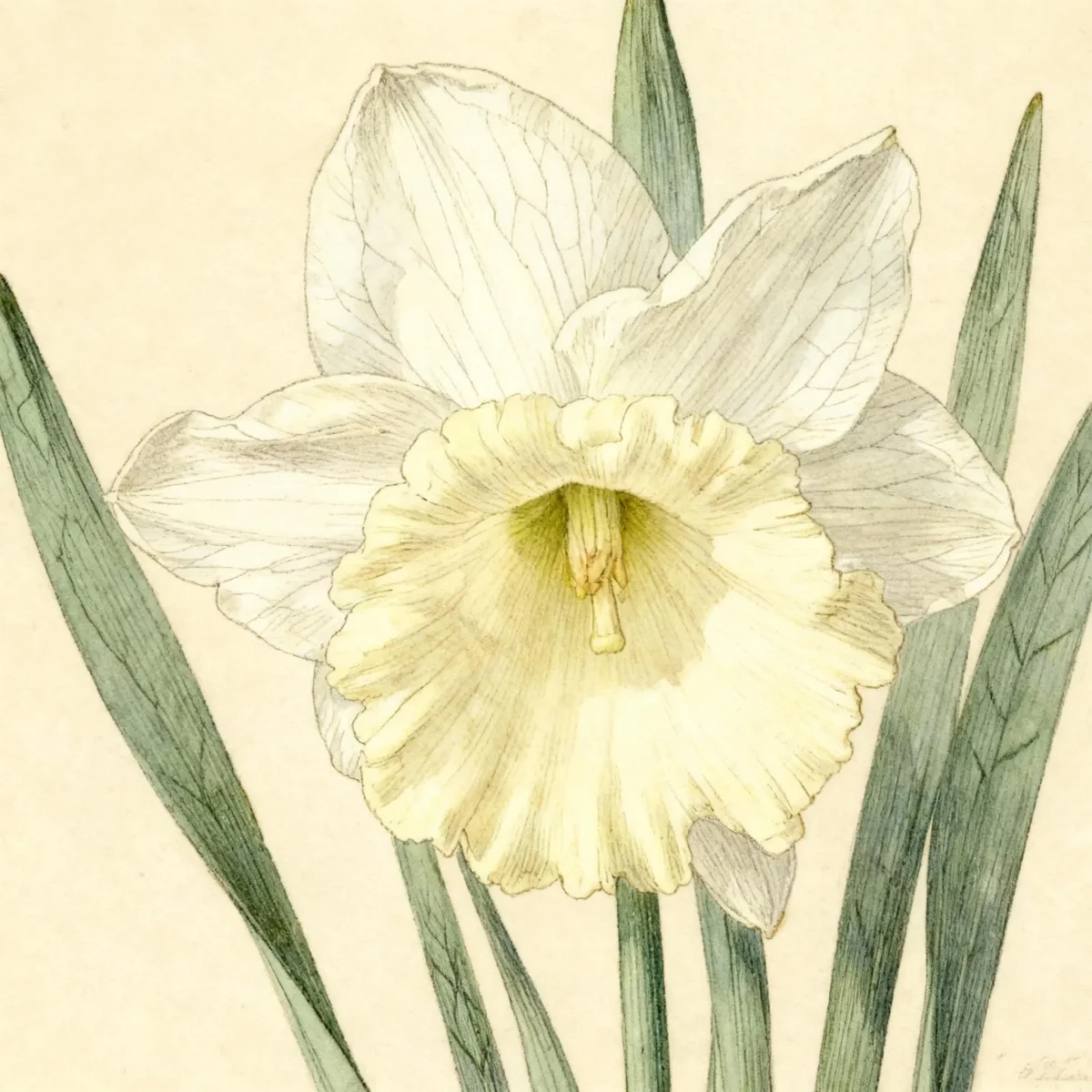
Trumpet daffodil (Narcissus 'Carrickbeg')
The vibrant Narcissus 'Carrickbeg' is a low-maintenance Trumpet daffodil blooming yellow in spring, ideal for Zones 3-8.
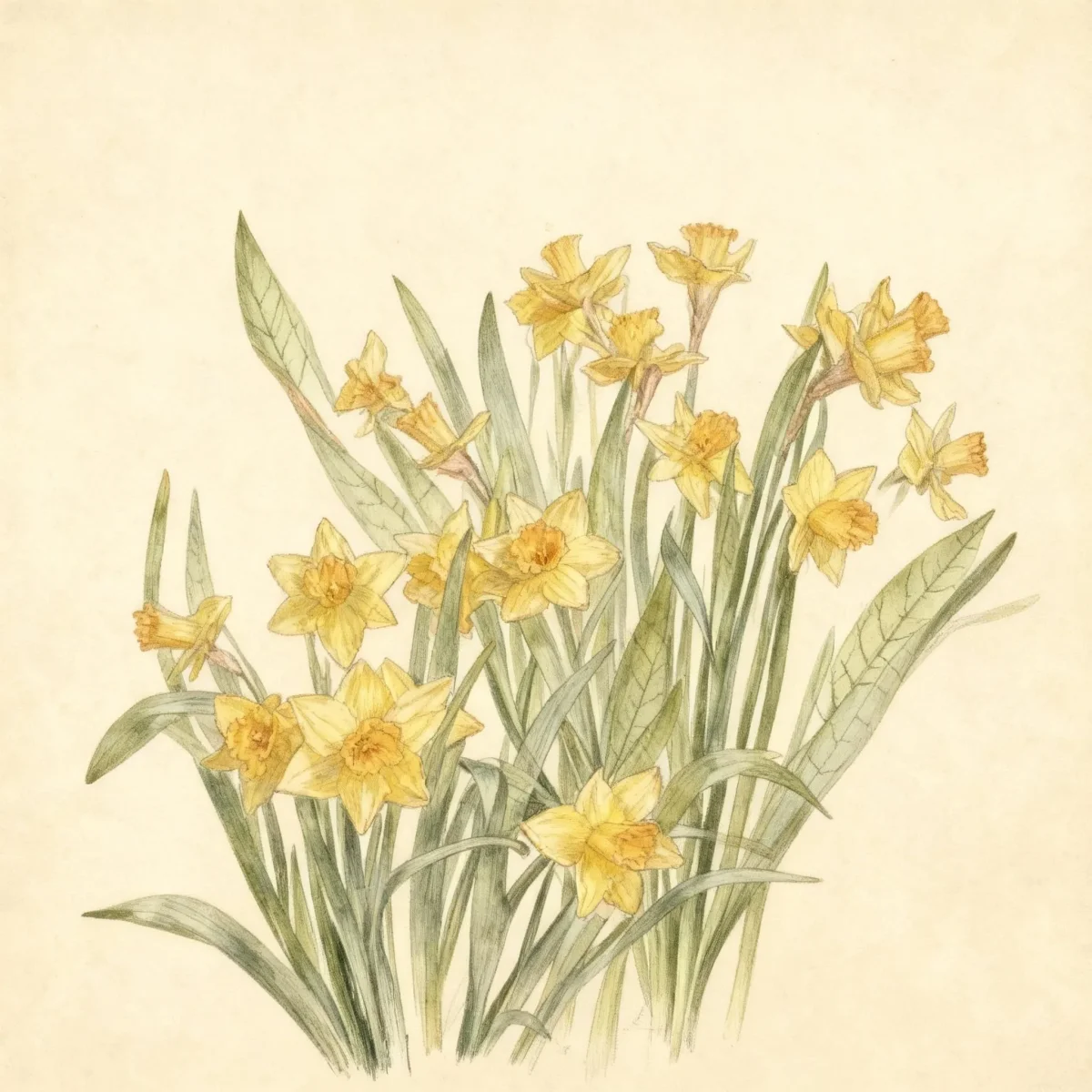

Bloom Boldly, No Matter the Season - Sweatshirt
Cozy organic cotton sweatshirt featuring our exclusive Purple Coneflower design. Perfect for gardeners who bloom year-round.
Inspired by the beautiful Trumpet daffodil
Limited first batch (50) — join the waitlist for early access
Waitlist closes Feb 15, 2026.
Complete Plant Information
Field Guide Continues
Ready for care notes, companion picks, and planting tips?
The map is just the start. The full guide below covers growth habits, seasonal performance, and landscape uses.
Overview
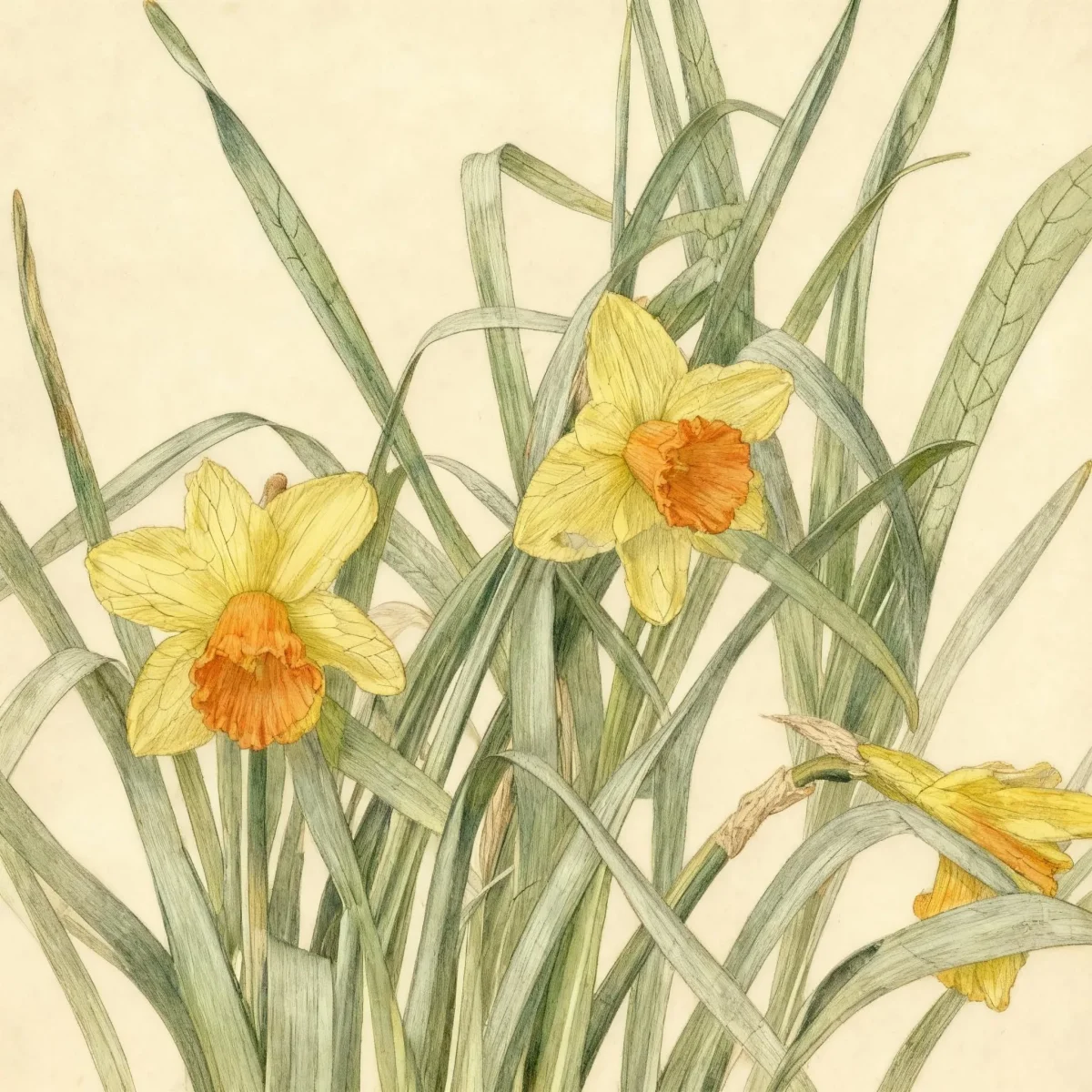
Narcissus ‘Carrickbeg’ stands out as a classic, robust choice for welcoming spring, belonging to the highly recognizable Trumpet daffodil group. This cultivar is prized for its strong, fully yellow coloration, featuring broad petals perfectly balanced by an equally bright yellow trumpet (corona). As a bulb perennial, it offers reliable, low-maintenance color year after year once established in the landscape.
Gardeners value the Trumpet daffodil for its stately presence in early to mid-spring displays. Reaching heights between 1 and 1.5 feet, Narcissus ‘Carrickbeg’ performs best when planted in masses, allowing its cheerful blooms to naturalize and fill gaps left by winter dormancy. Its resilience to common garden pests like deer and rabbits further secures its place as a dependable garden staple.
This specific Narcissus ‘Carrickbeg’ hybrid showcases excellent longevity, requiring minimal intervention apart from allowing the foliage to naturally yellow after flowering. Successfully growing this variety involves ensuring excellent drainage, as these bulbs thrive in well-drained loams and do not tolerate wet, soggy conditions over winter.
Fast Facts
- Plant Family: Amaryllidaceae
- Plant Type: Bulb
- Hardiness Zones: USDA Zones 3-8
- Size at Maturity:
- Height: 1-1.5 ft
- Spread: 0.5-1 ft
- Bloom Time: April
- Bloom Description: Yellow petals and yellow trumpet
- Sun Exposure: Full sun to part shade
- Water Needs: Medium
- Maintenance Level: Low
How to Grow
Planting Narcissus ‘Carrickbeg’ bulbs should occur in early to mid-fall, ideally before the ground freezes hard. Location selection is crucial: ensure the site receives full sun to partial shade, remembering that the flowers naturally face the sun, so any surrounding shade should be positioned behind the planting area. Good soil drainage is essential; amend heavy soils with organic matter to create an organically rich loam, as bulb rot can occur in poorly-drained areas.
The general planting rule for bulbs applies here: place each bulb 2 to 3 times as deep as the bulb is tall, ensuring at least 3 inches of soil covers the top. Spacing should range from 4 to 10 inches apart, depending on the final desired density; wider spacing allows clumps to fill in gradually, often reducing the need for future division. Keep the soil uniformly moist during the active spring growing season, though the bulbs tolerate drought once they go dormant.
Post-bloom care is straightforward for this Trumpet daffodil. Once the yellow flowers fade, you may pinch off the spent flower stem to prevent unwanted seed production. Crucially, the narrow, strap-shaped foliage must be left intact until it begins to yellow naturally—often weeks later—as this process replenishes the bulb’s energy stores for next year’s display.
Landscape Uses
Daffodils, including this sturdy Narcissus ‘Carrickbeg’, are exceptional naturalizing bulbs that increase in number and vigor over time, unlike many tulips. They are best planted in large, sweeping drifts rather than small, isolated groupings, requiring a minimum of six bulbs to look impactful in the early years. This variety excels in mixed perennial borders, softening the transition between emerging perennials and providing necessary early-season color.
Consider massing Narcissus ‘Carrickbeg’ beneath deciduous shrubs or trees where they receive full sun during the spring bloom but benefit from afternoon shade during the heat of summer. They pair wonderfully with early-blooming spring ephemerals or later-flowering companion bulbs. Because they naturalize so gracefully, they are perfect for woodland edges or wilder garden sections that require minimal intervention.
Standout Features
Flower Qualities
- Showy
Noteworthy Characteristics
Narcissus is a genus of about 50 species of bulbous perennials from Europe and North Africa, renowned as mainstays of the spring garden. Narcissus ‘Carrickbeg’ is classified as a trumpet daffodil (Division I), meaning its central corona (trumpet) is equal to or longer than the surrounding six petals (perianth segments). This specific cultivar exhibits broad yellow petals and a prominent yellow trumpet with a distinctive flanged and dentate rim, blooming reliably in mid-season April.
Tolerances
- Rabbit
- Deer
- Drought
Potential Problems
Daffodils, specifically the Trumpet daffodil type like Narcissus ‘Carrickbeg’, are generally resistant to serious insect or disease issues provided they are grown under suitable soil conditions. The primary issue is bulb rot, which signals poor drainage; ensuring the soil is well-drained and organically rich mitigates this risk significantly. Infrequent pests may include slugs, snails, or narcissus flies, though pests tend to avoid the foliage due to mild toxicity. Be vigilant about allowing foliage to yellow before cutting it back to maintain bulb health and prevent infrequent viral issues like Narcissus yellow stripe.
Frequently Asked Questions
What hardiness zones is Trumpet daffodil suitable for?
The Narcissus ‘Carrickbeg’ is reliably hardy across USDA Zones 3 through 8, making it suitable for a wide range of Northern and Central gardens.
How large does Narcissus ‘Carrickbeg’ grow?
This Trumpet daffodil typically reaches a mature height between 1 and 1.5 feet tall, with a spread between 0.5 and 1 foot wide.
When does Trumpet daffodil bloom?
Narcissus ‘Carrickbeg’ blooms in April, presenting characteristic bright yellow petals and a central yellow trumpet.
What sun exposure does Narcissus ‘Carrickbeg’ need?
This bulb thrives best when planted in locations receiving full sun to part shade exposure.
Conclusion
The Narcissus ‘Carrickbeg’ offers dependable, cheerful yellow color as one of the most enduring spring bulbs available to gardeners. As a classic Trumpet daffodil, it requires low maintenance and provides excellent pest resistance, making it invaluable for early-season displays. Plan your site selection this fall, focusing on excellent soil drainage, to ensure your Narcissus ‘Carrickbeg’ clumps return year after year.
Design Ideas
When planning spring bulb layers, position these 14-16 inch sturdy flowers toward the middle or back of a border. Because of their height, they act as excellent vertical accents just before deciduous shrubs leaf out fully. Pair them with low-growing companions that bloom simultaneously or slightly later, such as Grape Hyacinths (Muscari) or early Tulips, creating layers of contrasting texture and form.
For formal settings, plant Narcissus ‘Carrickbeg’ in strictly bordered geometric patterns, allowing them to naturalize slowly within the confines of the bed edge. In cottage gardens, scatter bulbs liberally to allow for a more informal, cottage-style drift. Their bright yellow hue blends well with white and blue companions, ensuring the early garden remains vibrant and inviting.
Companion Planting
Since daffodils emerge before many summer perennials wake up, companion planting focuses on filling the ground space when the daffodil foliage begins to die back. Pair Narcissus ‘Carrickbeg’ with summer-blooming plants that have fine, delicate foliage, such as cosmos or coreopsis, whose emerging stems will gently obscure the unattractive yellowing daffodil leaves. Good companions also include early-blooming low herbs like chives, which share similar sun and water requirements but emerge later in the season.