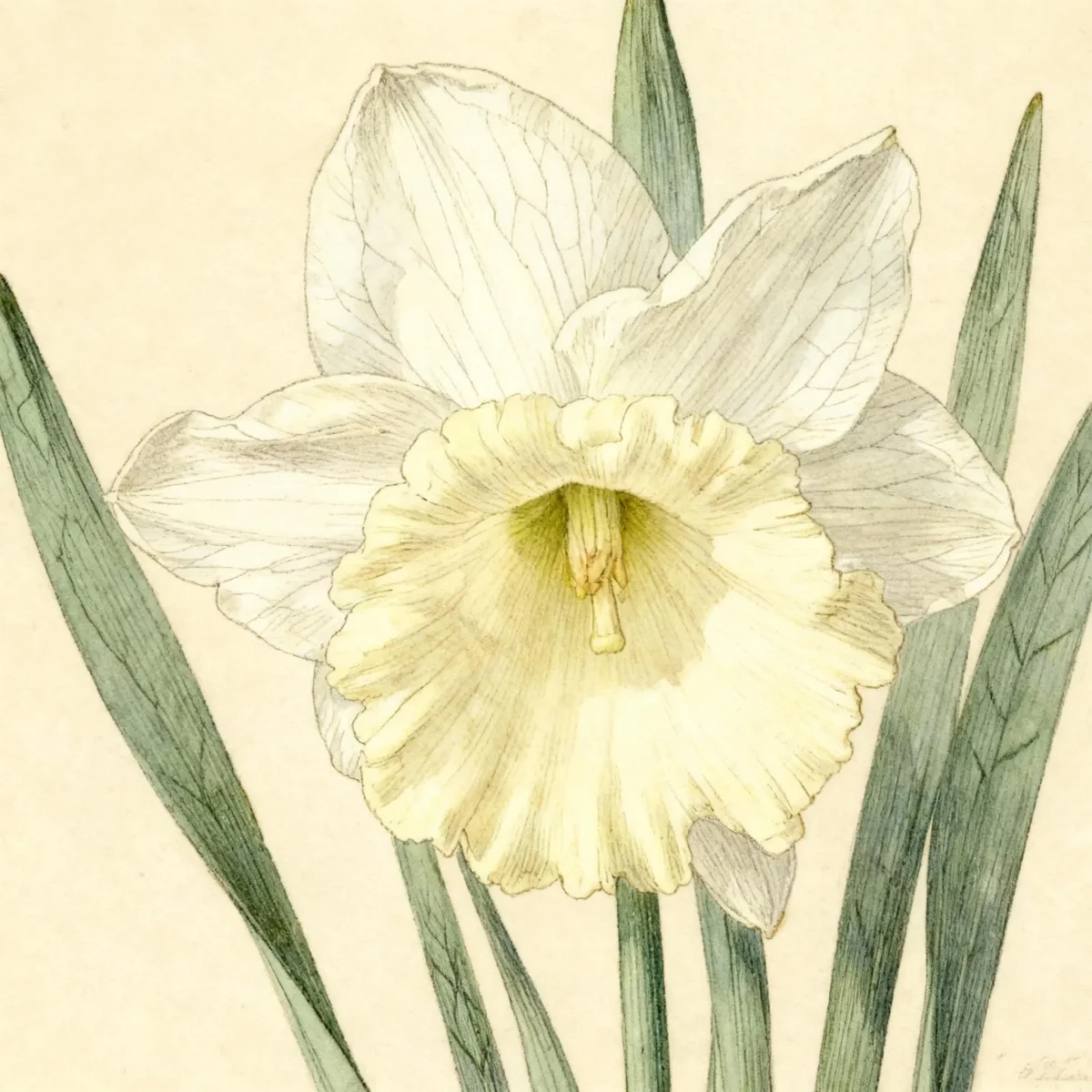
Trumpet daffodil (Narcissus 'Pops Legacy')
The Narcissus 'Pops Legacy' Trumpet daffodil brings brilliant yellow trumpets to early spring gardens. Low maintenance and deer resistant.
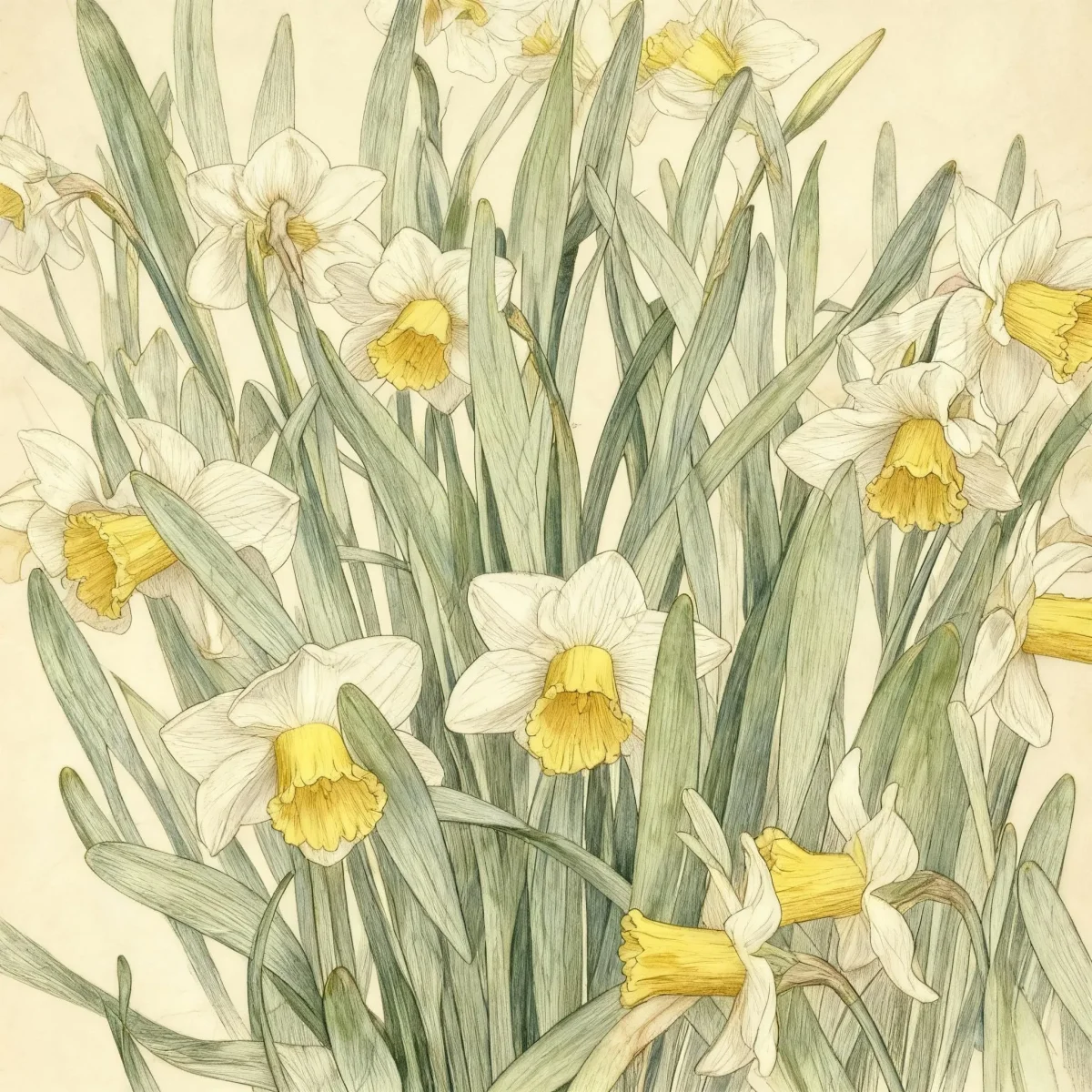

Bloom Boldly, No Matter the Season - Sweatshirt
Cozy organic cotton sweatshirt featuring our exclusive Purple Coneflower design. Perfect for gardeners who bloom year-round.
Inspired by the beautiful Trumpet daffodil
Limited first batch (50) — join the waitlist for early access
Waitlist closes Feb 15, 2026.
Complete Plant Information
Field Guide Continues
Ready for care notes, companion picks, and planting tips?
The map is just the start. The full guide below covers growth habits, seasonal performance, and landscape uses.
Overview
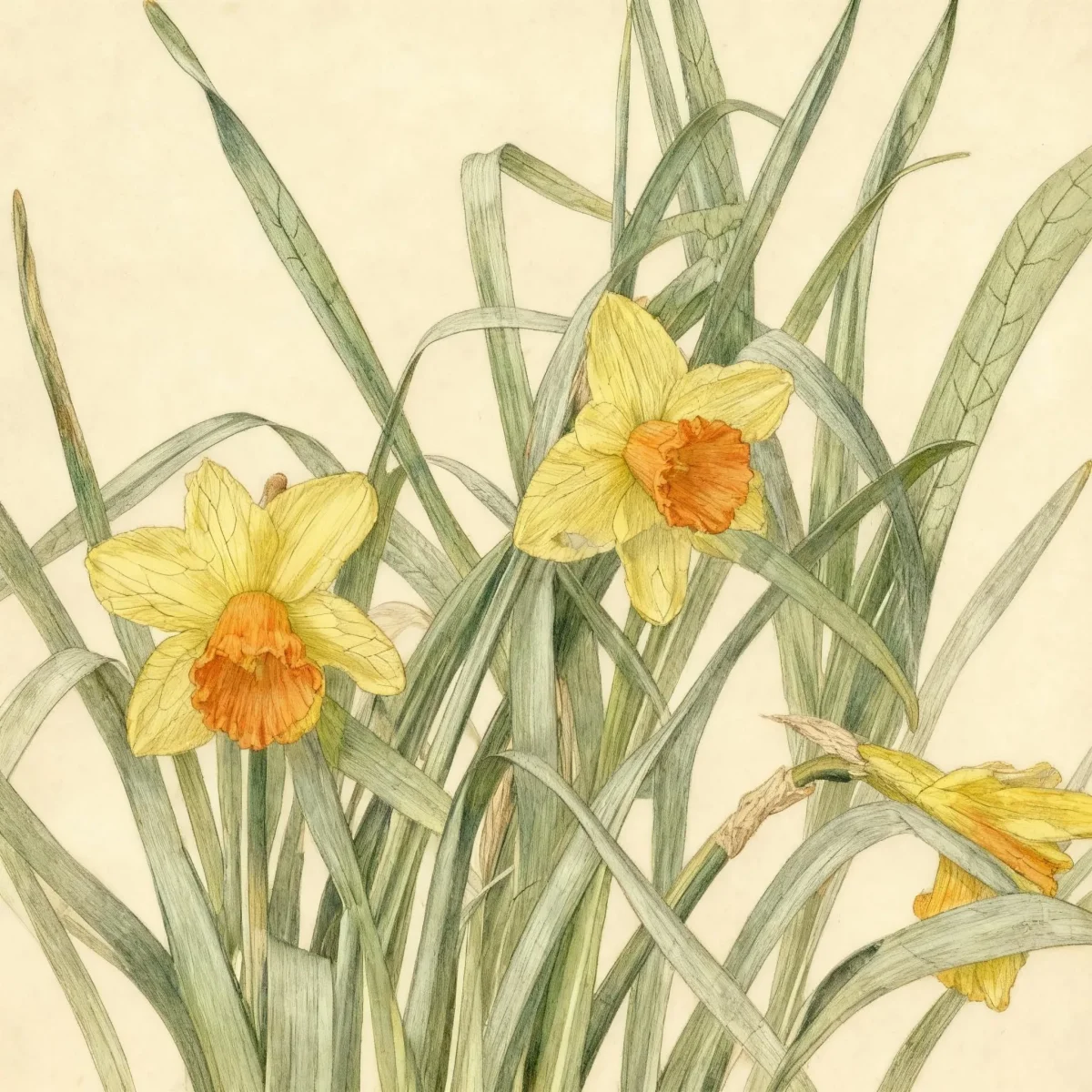
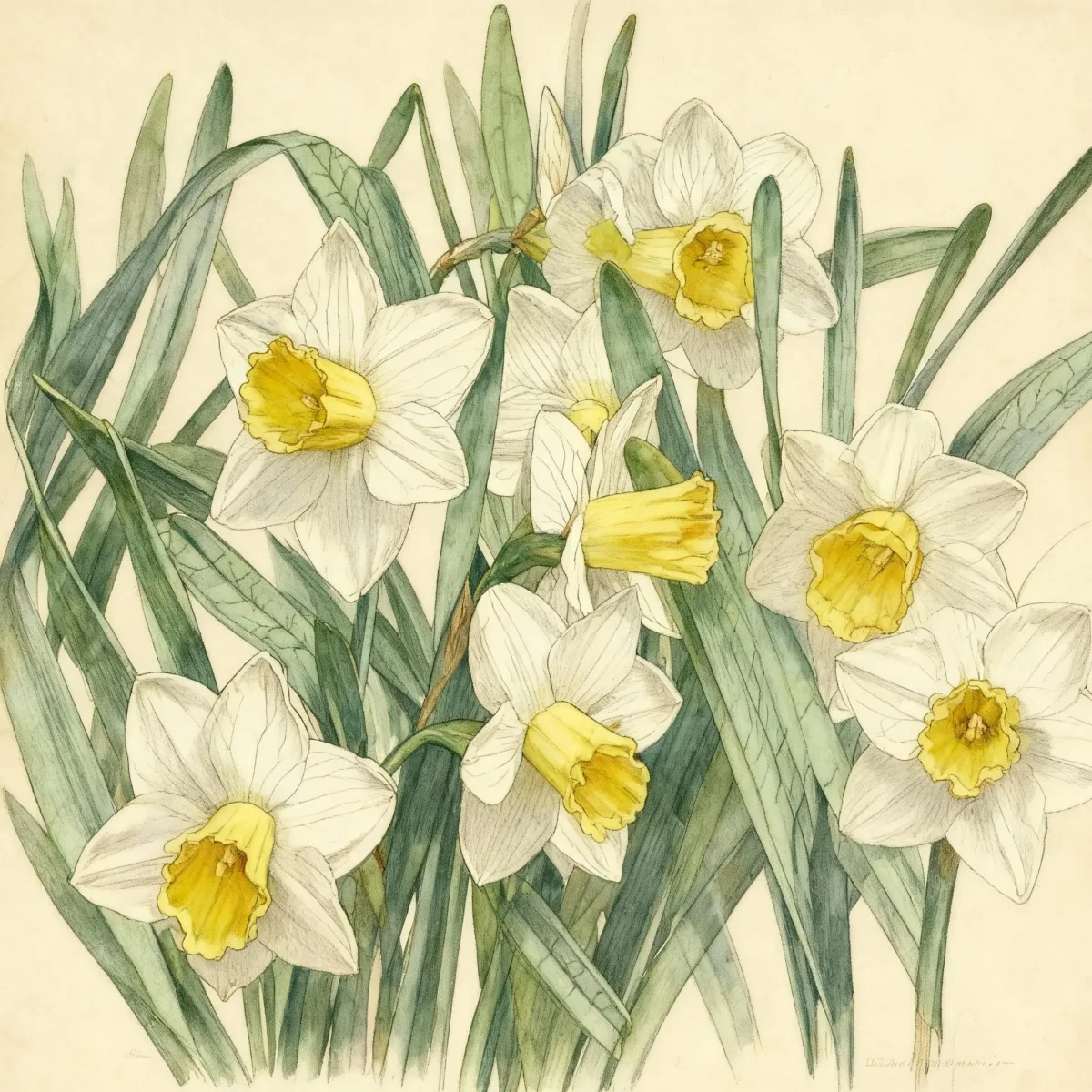
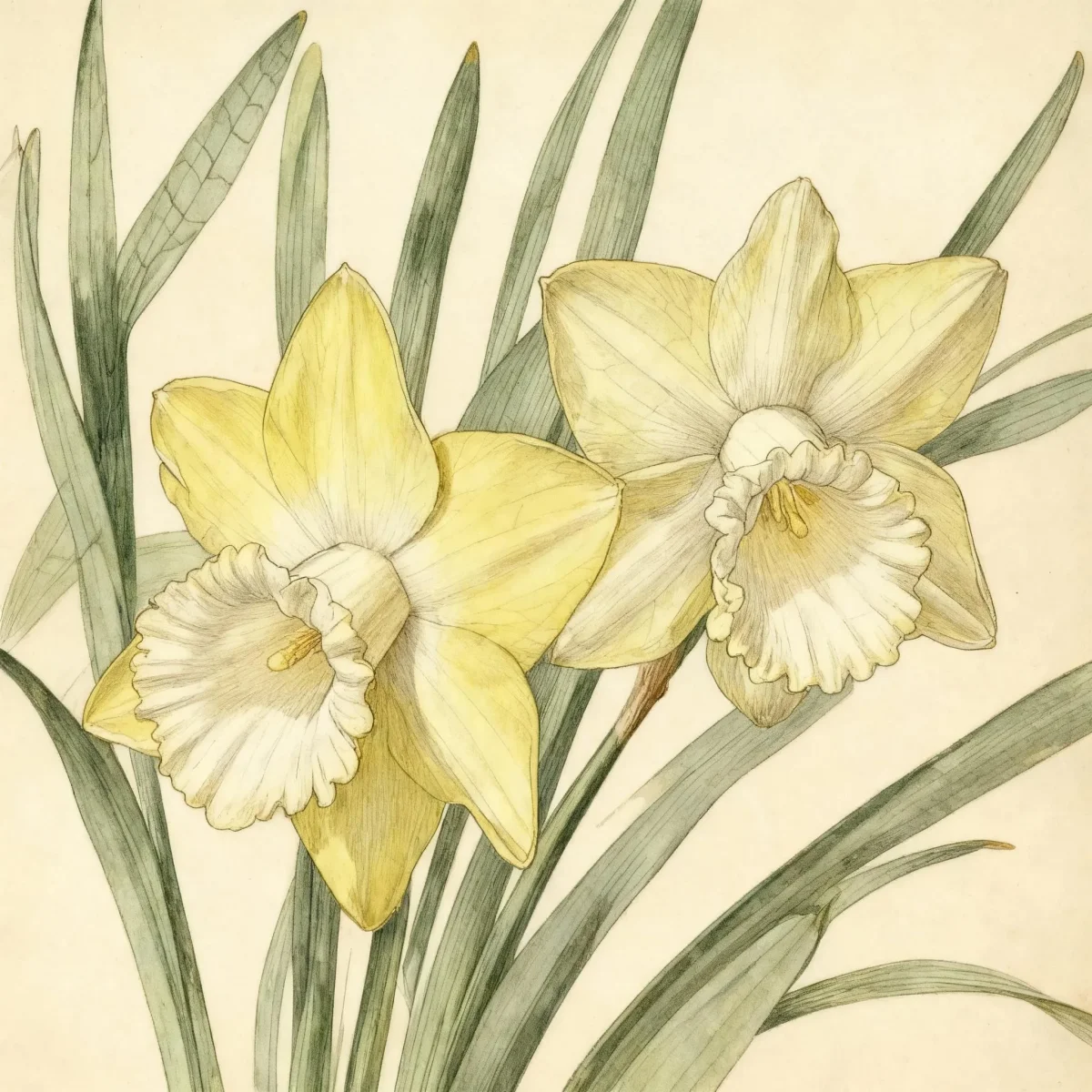
The Narcissus ‘Pops Legacy’ is a spectacular early-season performer, belonging to the celebrated Trumpet daffodil group (Division I). These reliable bulbs herald the arrival of spring with distinctive flowers featuring brilliant yellow trumpets contrasting against greenish-white petals. As a low-maintenance perennial, Narcissus ‘Pops Legacy’ provides consistent, pest-free color year after year without demanding intensive care.
This cultivar offers excellent naturalizing capabilities, allowing it to spread gracefully over time, filling garden spaces with vibrant color. Its upright habit and striking bloom structure make it an indispensable element for early spring interest in borders and woodland settings. Gardeners value the resilience of the Trumpet daffodil, especially its noted resistance to rabbits and deer.
Planting Narcissus ‘Pops Legacy’ creates long-lasting spring impact. These bulbs thrive with minimal intervention once established, preferring to be left undisturbed to multiply. Incorporating this classic daffodil ensures a dependable splash of cheerful yellow as the garden awakens from winter dormancy.
Fast Facts
- Plant Family: Amaryllidaceae
- Plant Type: Bulb
- Hardiness Zones: USDA Zones 3-8
- Size at Maturity:
- Height: 1-1.5 ft
- Spread: 0.5-1 ft
- Bloom Time: March to April
- Bloom Description: Greenish-white petals and yellow trumpet
- Sun Exposure: Full sun to part shade
- Water Needs: Medium
- Maintenance Level: Low
How to Grow
Planting bulbs is best scheduled for early to mid-fall before the ground freezes solid. For Narcissus ‘Pops Legacy’, ensure you select a location with full sun exposure or partial shade, providing afternoon shade if planted in very hot climates. These daffodils thrive in average, medium moisture, well-drained soils, ideally organically rich loams, as excellent drainage is critical to prevent bulb rot. Plant each bulb 2 to 3 times as deep as the bulb is tall, aiming for about 3 inches of soil over the top, spacing them 4 to 8 inches apart.
During the active growing season in spring, keep the soil uniformly moist. However, this Trumpet daffodil tolerates drought well once the foliage has yellowed and the plant enters dormancy. After the stunning flowers fade, remove the spent flower heads to prevent seed production, but critically, leave the foliage intact. Allow the leaves to yellow naturally, as this process replenishes energy reserves in the bulb for next year’s display of Narcissus ‘Pops Legacy’.
Bulbs can be left undisturbed for many years, allowing drifts to naturalize beautifully. If bloom quantity diminishes after several seasons, divide the clumps. This division should be performed immediately after the foliage completely dies back in late spring or early summer. Remember that the flowers naturally face the sun, so position these showy displays knowing the flowers will turn toward your brightest light source.
Landscape Uses
Daffodils like Narcissus ‘Pops Legacy’ are exceptional for mass plantings, offering a stronger visual impact than scattered individuals. Plant them in drifts of six or more bulbs to create sweeping statements along borders or in beds. Their vertical spring presence works wonderfully placed in front of later-blooming shrubs, where the foliage of the shrubs can help mask the daffodil leaves as they senesce.
Because they naturalize so well, they are suitable for less formal settings, such as open woodland areas or naturalized lawns, mixing seamlessly with other early spring bulbs like species tulips or grape hyacinths. Planting Narcissus ‘Pops Legacy’ in quantity ensures an exuberant, welcoming display that requires minimal effort to maintain season after season, unlike many annuals.
Standout Features
Flower Qualities
- Showy
Noteworthy Characteristics
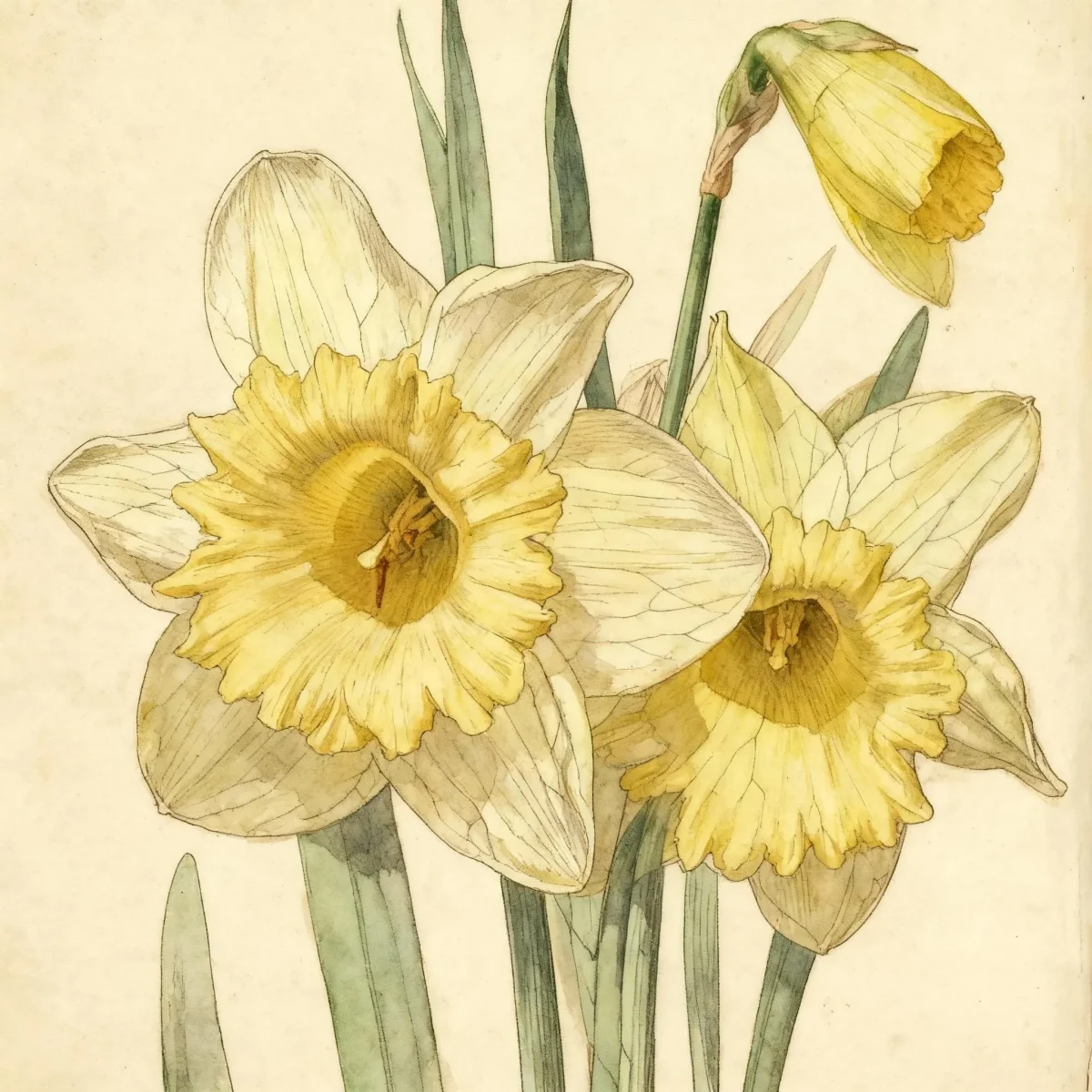
Narcissus is a diverse genus of bulbous perennials, and this specific introduction, ‘Pops Legacy’, falls under Division I as a classic trumpet daffodil. This means its central corona (trumpet) is equal to or longer than the surrounding perianth segments (petals). Each bloom on Narcissus ‘Pops Legacy’ presents bright yellow trumpets against greenish-white petals, rising on stems about 14-16 inches tall in early spring.
Tolerances
- Rabbit
- Deer
- Drought
Potential Problems
Daffodils are generally robust plants with few serious disease or insect concerns, provided they are planted in well-drained soil. The biggest threat to the health and longevity of Narcissus ‘Pops Legacy’ is poorly drained conditions, which can lead directly to bulb rot. Infrequent pests might include slugs and snails, especially when growth is young. If virus issues like Narcissus yellow stripe disease appear, it is best practice to remove and destroy the affected plants immediately to prevent spread.
Frequently Asked Questions
What hardiness zones is Trumpet daffodil suitable for?
The Narcissus ‘Pops Legacy’ is highly adaptable and suitable for widespread cultivation across USDA Zones 3 through 8.
How large does Narcissus ‘Pops Legacy’ grow?
This magnificent Trumpet daffodil typically reaches a mature height between 1 and 1.5 feet tall, with a spread of 0.5 to 1 foot.
What sun exposure does Narcissus ‘Pops Legacy’ need?
For the best bloom performance of Narcissus ‘Pops Legacy’, plant it where it will receive full sun to light partial shade throughout the day.
When does Trumpet daffodil bloom?
You can expect blooms from this early season variety between March and April, showcasing its characteristic greenish-white petals and striking yellow trumpet.
Conclusion
The Narcissus ‘Pops Legacy’ Trumpet daffodil is a superior choice for revitalizing any garden setting early in the season. Its resistance to common pests like deer, combined with its low maintenance needs, makes it an effortless provider of brilliant yellow color. Ensure you plant your bulbs in well-drained soil this fall to enjoy the reliable splendor of Narcissus ‘Pops Legacy’ next spring.
Companion Planting for Daffodils
To maximize your spring display, companion planting with other early bloomers that thrive in similar conditions is highly recommended. Tulips (especially early blooming varieties) offer contrasting shapes near the classic cup structure of the Trumpet daffodil. Consider interplanting with Muscari (grape hyacinths) or Scilla siberica; these smaller bulbs naturally fill the ground space between the larger daffodil clumps, providing a lower layer of blue or purple that contrasts beautifully with the yellow of Narcissus ‘Pops Legacy’.
Crucially, select companions that do not require division or soil disturbance in summer, as daffodils dislike having their established root systems disturbed once dormant. Lily-of-the-Valley (Convallaria majalis) is an excellent groundcover companion that tolerates similar shade levels and stays entirely out of the way of the daffodil foliage during its crucial summer ripening period.
Seasonal Care Calendar
Success with this perennial bulb relies on seasonal awareness, though maintenance remains low. In early spring, as soon as you notice green shoots emerging, ensure the area receives adequate moisture if winter was unusually dry, keeping the soil medium moist while flowering occurs. Immediately after blooming in late spring, resist the urge to cut back the foliage; this step is necessary for bulb energy storage, so allow the leaves to yellow completely over several weeks. In late summer or early fall, you can top-dress the planting area with a thin layer of compost, but avoid heavy nitrogen fertilizers near the bulb zone during the active growth phase. If division becomes necessary due to overcrowding, timing this task between late spring and early summer provides the best opportunity for success before the bulbs re-initiate strong spring growth.