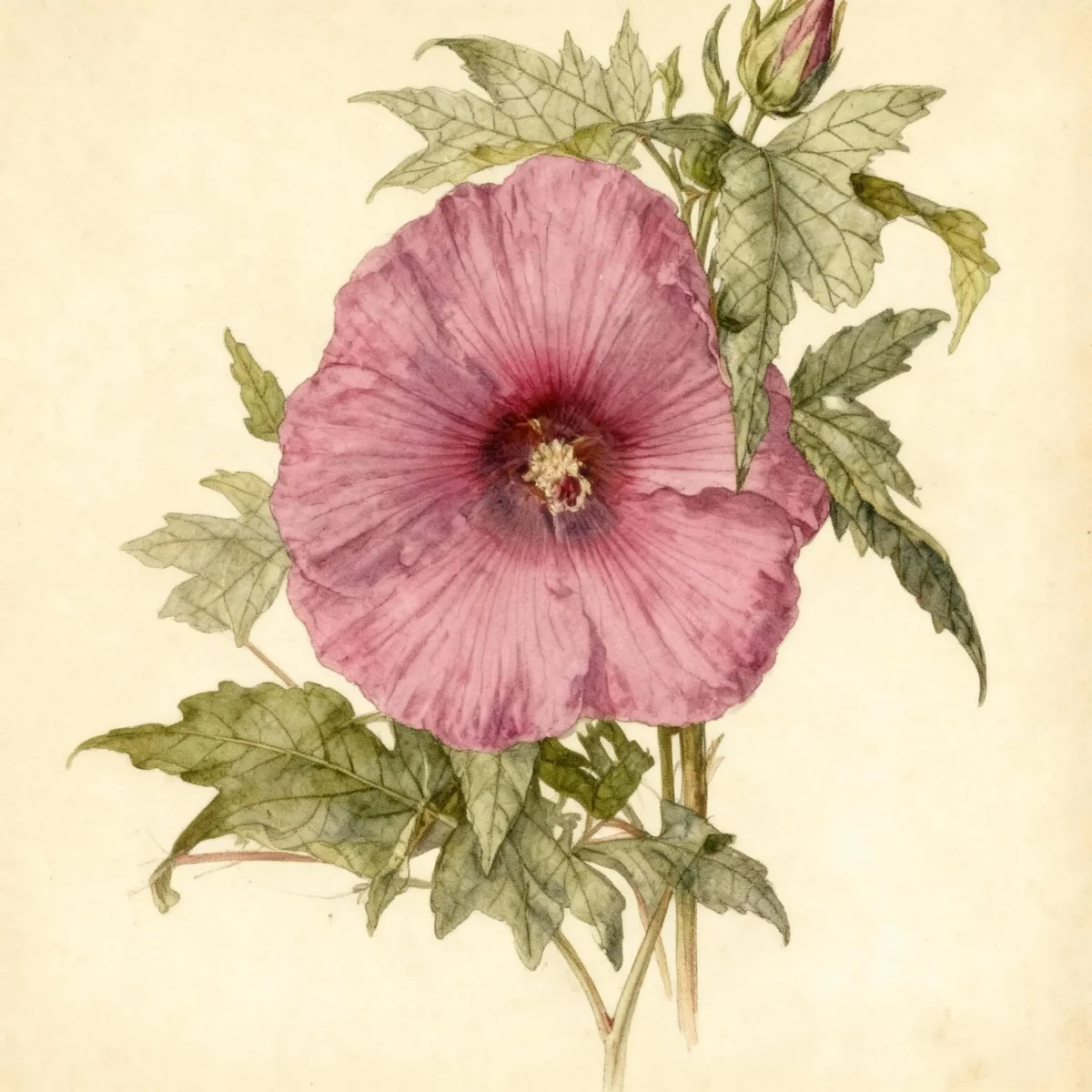
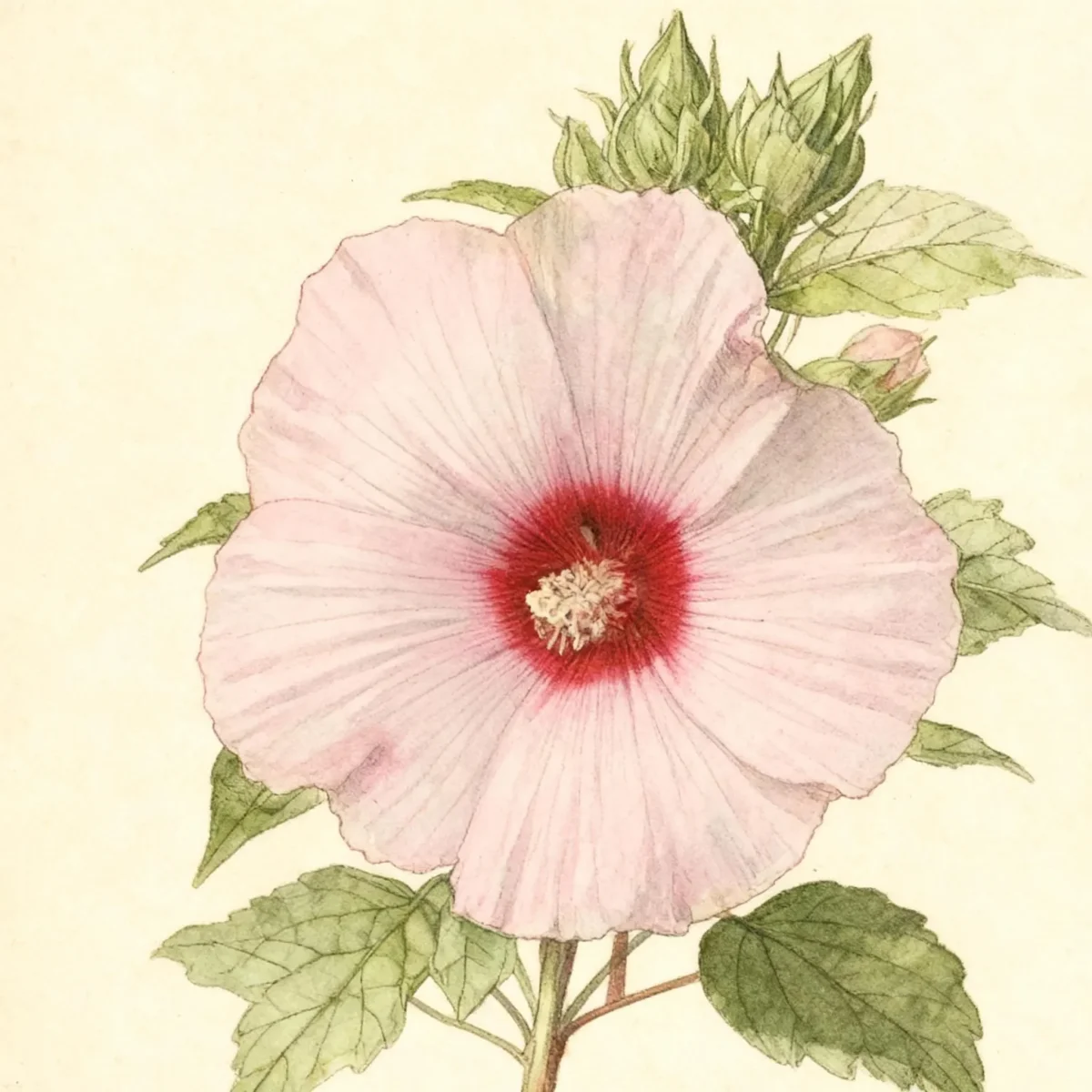
Hardy hibiscus (Hibiscus 'Pitter Patti')
Hibiscus 'Pitter Patti' is a stunning Hardy hibiscus prized for huge, long-blooming white flowers with red striations in zones 5-9.

Bloom Boldly, No Matter the Season - Sweatshirt
Cozy organic cotton sweatshirt featuring our exclusive Purple Coneflower design. Perfect for gardeners who bloom year-round.
Inspired by the beautiful Hardy hibiscus
Limited first batch (50) — join the waitlist for early access
Waitlist closes Feb 15, 2026.
Complete Plant Information
Field Guide Continues
Ready for care notes, companion picks, and planting tips?
The map is just the start. The full guide below covers growth habits, seasonal performance, and landscape uses.
Overview
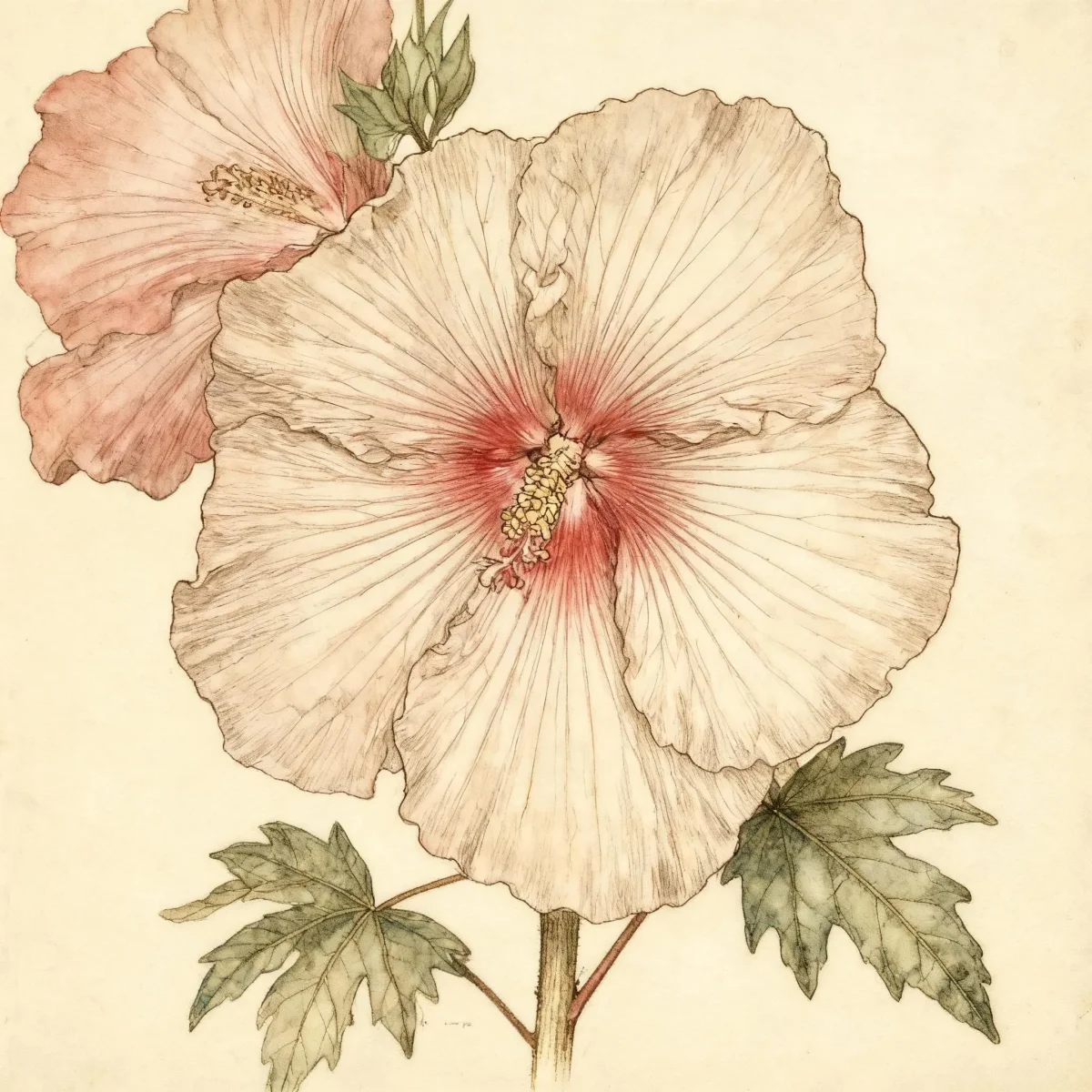
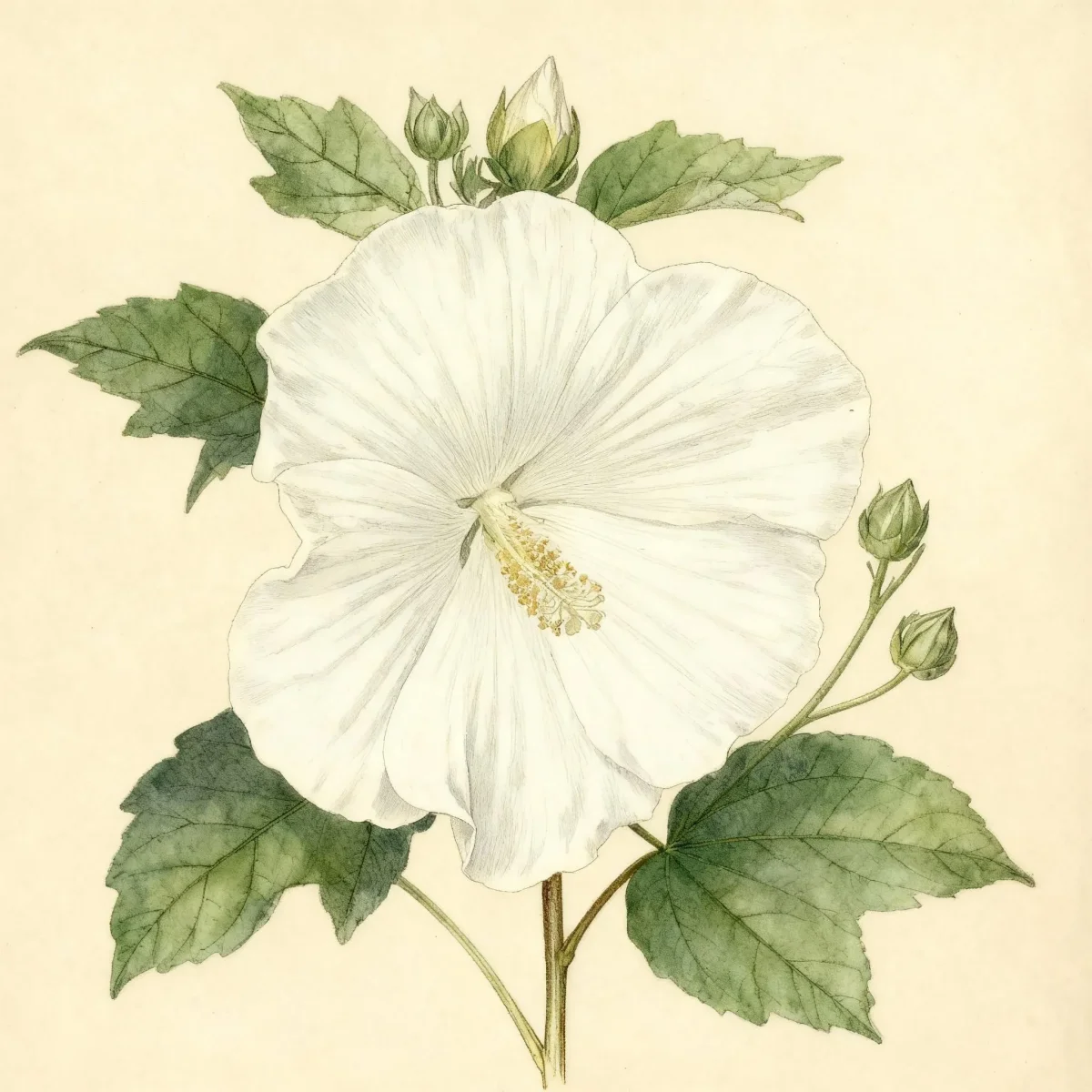
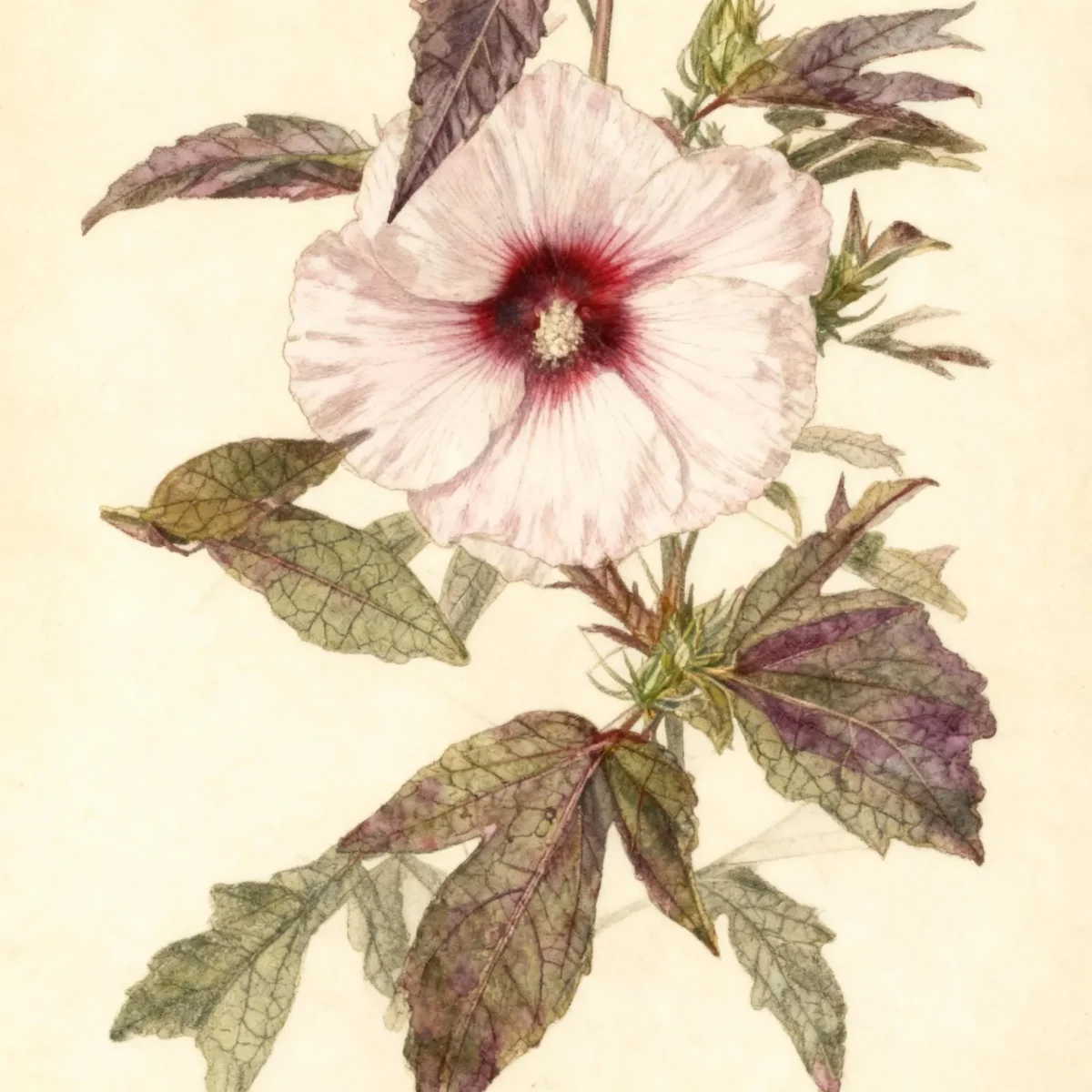
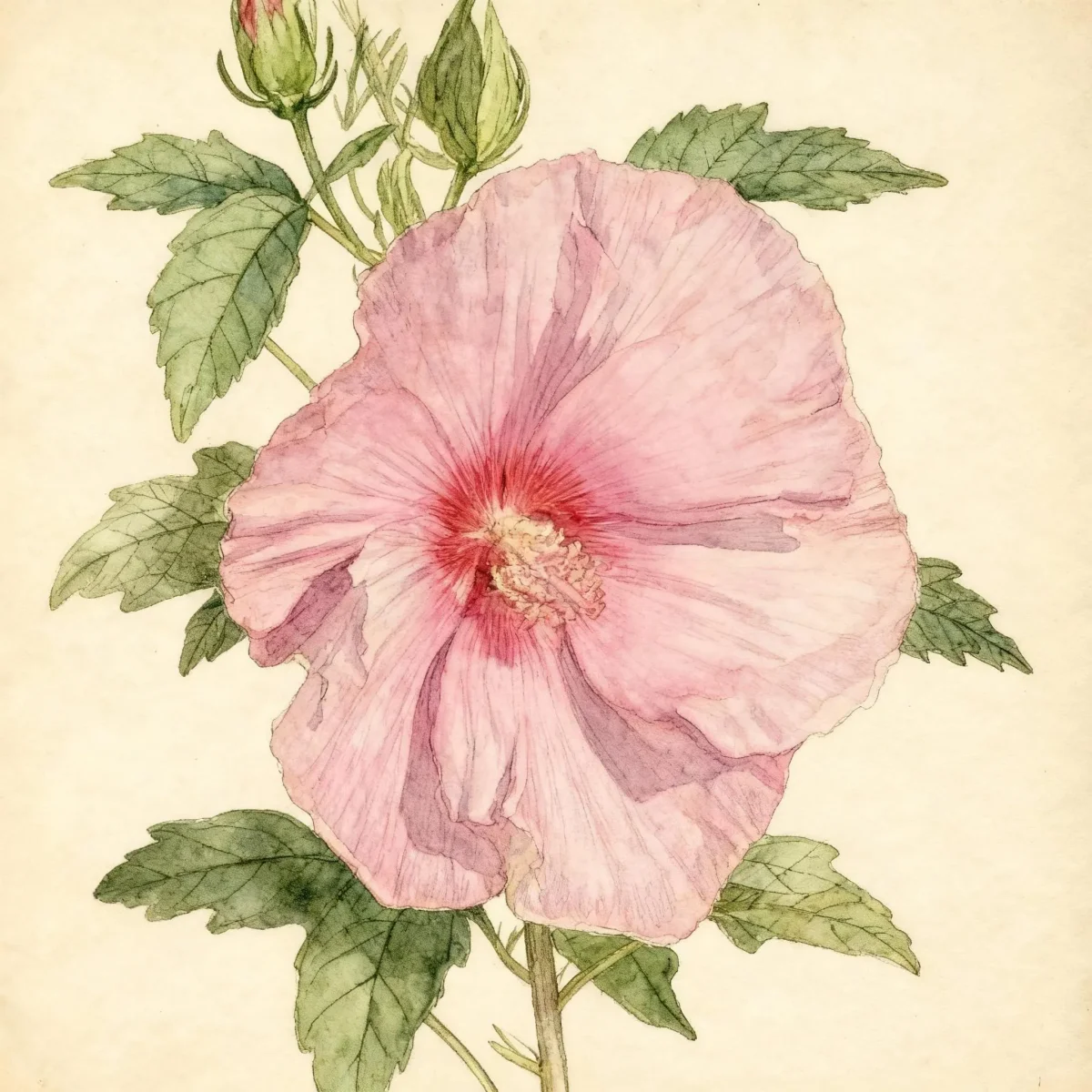
Hibiscus ‘Pitter Patti’ is a highly desirable herbaceous perennial, belonging to the group known as Hardy hibiscus. This cultivar stands out because it produces exceptionally large, dinner-plate-sized flowers, reaching up to 10 inches in diameter, offering incredible late-season color when many other perennials are fading. Its striking bloom pattern features pure white petals beautifully accentuated by fine red striations radiating from a vibrant pink eye.
As a sturdy, woody-based perennial, the Hardy hibiscus offers significant stature in the garden, typically reaching 3 to 5 feet tall, making it a fantastic structural element. It thrives in full sun and requires consistent moisture, making it an outstanding choice for rain gardens or areas where other sun-loving perennials might struggle due to damp soil conditions.
The long and prolific bloom period, running from mid-summer well into autumn, ensures continuous visual interest. Gardeners appreciate the low maintenance required for Hibiscus ‘Pitter Patti’, especially given the magnificent scale of its blossoms, establishing it as a show-stopping, reliable performer in zones 5 through 9.
Fast Facts
- Plant Family: Malvaceae
- Plant Type: Herbaceous perennial
- Hardiness Zones: USDA Zones 5-9
- Size at Maturity:
- Height: 3-5 ft
- Spread: 2-3 ft
- Bloom Time: July to September
- Bloom Description: White with red striation and pink eyes
- Sun Exposure: Full sun
- Water Needs: Medium to wet
- Maintenance Level: Low
How to Grow
Planting Hibiscus ‘Pitter Patti’ should be done in the spring after the danger of frost has passed, ensuring it receives full sun exposure for the best flower production and stem strength. This plant performs excellently in average, medium to wet soils, though it strongly prefers moist, organically rich conditions. If your soil composition is less than ideal, amending heavily with compost will aid water retention and nutrient availability.
Consistent moisture is crucial for this plant; deep and frequent watering is advisable, especially during dry spells, as allowing the soil to dry out will result in leaf scorch. While Hibiscus ‘Pitter Patti’ tolerates light shade, full sun coupled with good air circulation helps maximize flower count and minimize the risk of fungal issues. Protect the plant from strong winds, as the large blooms and stems can suffer wind burn if exposed.
Maintenance is generally low throughout the growing season. Deadheading individual flowers can help maintain a neater appearance, although the plant will naturally drop its blossoms. Since new growth is slow to emerge in spring, avoid premature digging; once shoots appear, they grow rapidly and will benefit from regular feeding throughout the summer months to support the heavy flowering.
Prepare the plant for winter by cutting back all stems to about 3 to 4 inches above the ground in late autumn. This perennial is relatively easy to propagate, either through simple division of established clumps or by taking cuttings.
Landscape Uses
The dramatic size and color of Hibiscus ‘Pitter Patti’ make it incredibly versatile in landscape design. It excels as a focal point specimen plant, drawing immediate attention with its massive blooms, or it can be used in groups or mass plantings for a bold accent near patios or entryways. Because of its need for consistent moisture, this Hardy hibiscus is perfectly suited for use in rain gardens or low spots in the landscape where water tends to collect.
Consider using this variety to create a temporary hedge or a striking border along property lines or against a fence. Its upright, sometimes shrubby habit allows it to screen less attractive elements effectively during the late summer months. For a harmonious design, pair your Hibiscus ‘Pitter Patti’ with other moisture-loving companions that have contrasting foliage texture or bloom times, such as ornamental grasses or irises that finish blooming earlier in the season.
The fact that this plant thrives near water features makes it an excellent choice for flanking streams or ponds, integrating seamlessly into water-wise or naturalistic garden styles.
Standout Features
Flower Qualities
- Showy
Noteworthy Characteristics
Hybrid hardy hibiscus cultivars, including Hibiscus ‘Pitter Patti’, represent complex breeding involving native U.S. species, resulting in vigorous, sturdy, woody-based perennials notable for surviving harsh winters where tropical hibiscus cannot. Each flower is disc-shaped, up to 10 inches across, featuring five flat, overlapping petals surrounding a prominent, showy central staminal column that lasts only one day, but the overall succession provides blooms from mid-summer until frost. Specific to this variety are the large, hollyhock-like flowers that are white, splashed with fine red striations, and highlighted by pink eyes, making the bloom display unforgettable.
Tolerances
- Deer
- Wet Soil
Potential Problems
This magnificent Hardy hibiscus variety is generally robust, but gardeners should watch for specific cultural issues and pests. Susceptibility exists for common fungal ailments such as leaf spots, blights, rusts, and canker, often mitigated by providing good air circulation and avoiding overhead watering late in the day. Insect pests are occasionally drawn to the plant, including aphids, whiteflies, and notably, Japanese beetles, which can rapidly defoliate the foliage if their presence is ignored. The most common cause of decline is improper watering; be aware that allowing soils to dry out will cause distinct leaf scorch. Remember that healthy plants grown in optimal, moist conditions usually do not require staking.
Frequently Asked Questions
What hardiness zones is Hardy hibiscus suitable for?
Hibiscus ‘Pitter Patti’ is hardy and reliable across USDA Zones 5 through 9.
How large does Hibiscus ‘Pitter Patti’ grow?
This perennial typically reaches a mature height between 3 to 5 feet tall, with a spread of 2 to 3 feet wide.
What sun exposure does Hibiscus ‘Pitter Patti’ need?
This type of Hardy hibiscus requires full sun exposure to produce the strongest stems and the absolute best flower display.
When does Hibiscus ‘Pitter Patti’ bloom?
You can expect stunning blooms from July through September, featuring unique flowers that are white with red striation and soft pink eyes.
Conclusion
Hibiscus ‘Pitter Patti’ offers unparalleled late-season drama in the perennial garden, delivering massive, intricate flowers with relatively low maintenance, provided its primary need for consistent moisture is met. Successfully integrating this Hardy hibiscus into your landscape means enjoying weeks of tropical-looking splendor without managing winter dieback common to less hardy varieties. Before planting, always confirm that your growing area falls within USDA Zones 5-9 and that you can provide the required full sun and moist soil conditions.
Propagation Tips
Propagation of Hibiscus ‘Pitter Patti’ can be achieved through vegetative means to ensure the clonal characteristics of this specific cultivar are maintained. Division of the woody-based clumps is effective when the plant is dormant, ideally in early spring just before new growth begins, though it can be somewhat slow to establish post-division. Alternatively, taking cuttings (softwood or semi-hardwood depending on the season) offers another reliable method for increasing your stock of stunning Hibiscus ‘Pitter Patti’ plants. Ensure cuttings are placed in a moist medium under high humidity to encourage successful rooting.
Companion Planting
Due to the medium to wet water requirements of this Hardy hibiscus variety, select companions that prefer similar conditions, particularly during the hot, dry parts of summer when diligent watering is necessary. Excellent companions for anchoring landscape beds include Switchgrass (Panicum virgatum) or Joe-Pye Weed (Eutrochium species), both of which offer vertical interest and tolerate moist soils. For color contrast beneath the massive blooms of Hibiscus ‘Pitter Patti’, consider planting shorter groundcovers or perennials that thrive in partial shade, as the hibiscus structure can provide light dappled cover during the afternoon.