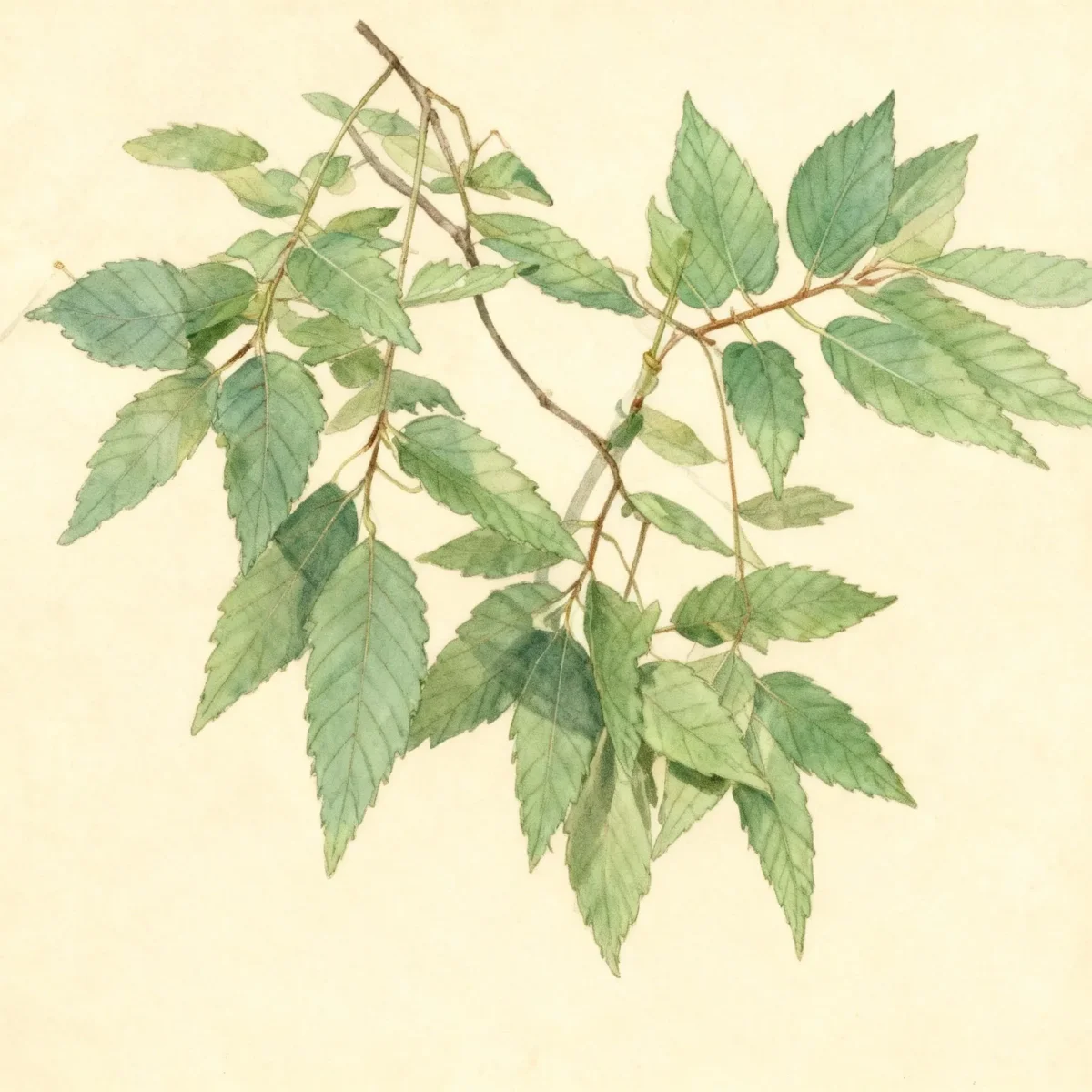
Chinese elm (Ulmus parvifolia 'Emer II' ALLEE)
The Ulmus parvifolia 'Emer II' ALLEE, or Chinese elm, offers fast growth and stunning exfoliating bark, reaching 60-70 ft tall.

Bloom Boldly, No Matter the Season - Sweatshirt
Cozy organic cotton sweatshirt featuring our exclusive Purple Coneflower design. Perfect for gardeners who bloom year-round.
Inspired by the beautiful Chinese elm
Limited first batch (50) — join the waitlist for early access
Waitlist closes Feb 15, 2026.
Complete Plant Information
Field Guide Continues
Ready for care notes, companion picks, and planting tips?
The map is just the start. The full guide below covers growth habits, seasonal performance, and landscape uses.
Overview
The Ulmus parvifolia ‘Emer II’ ALLEE, widely recognized as the Chinese elm, is a highly valued specimen tree prized for its outstanding aesthetic qualities and vigorous growth habit. This cultivar exhibits rapid growth, often achieving significant height quickly, and possesses a pleasing, vase-shaped architecture reminiscent of the American elm. Its longevity and architectural beauty make it an enduring feature in large landscapes.
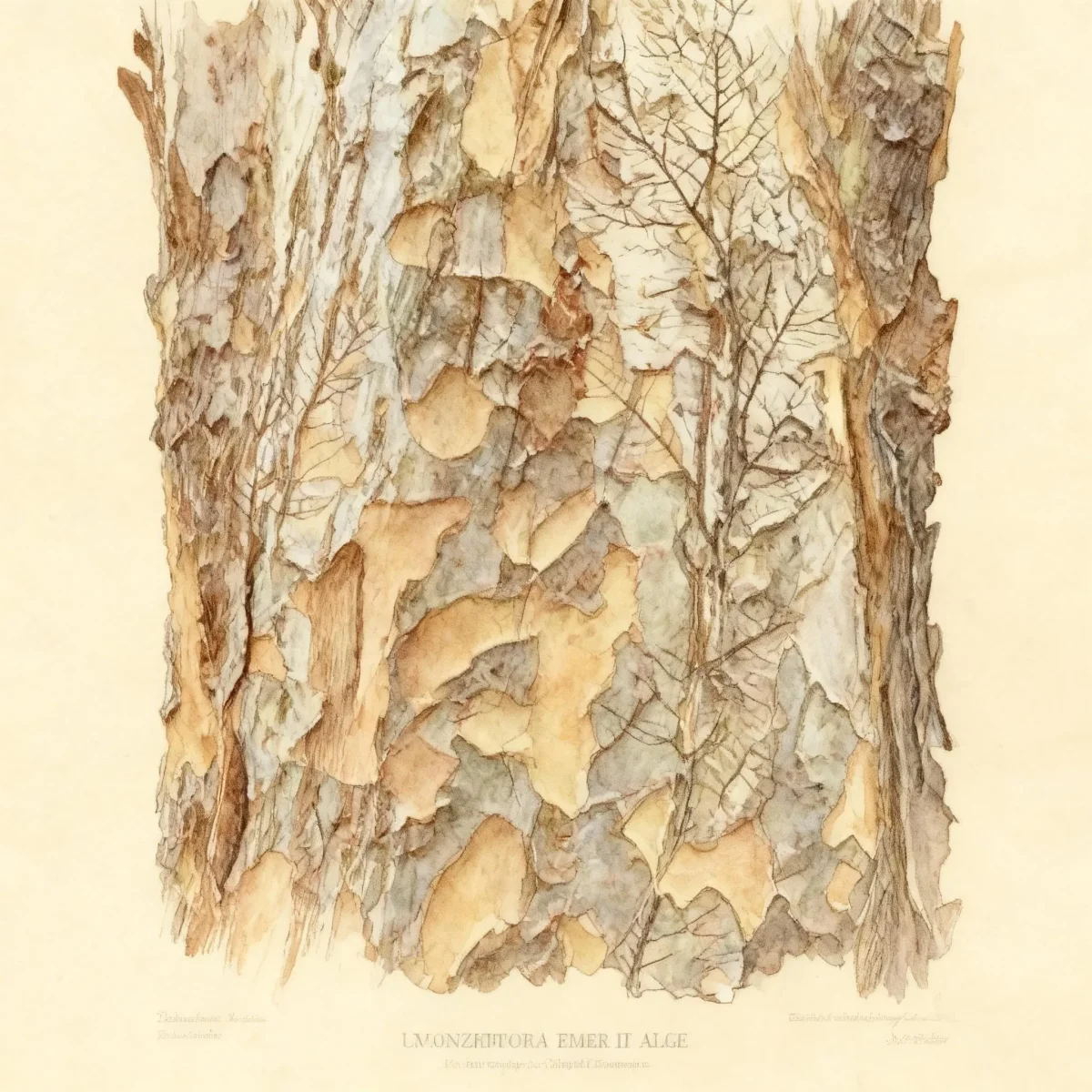
A key distinguishing feature of the mature Ulmus parvifolia ‘Emer II’ ALLEE is its spectacular, exfoliating bark, which peels back to reveal attractive patches of gray, cream, orange, and green tones throughout the year. Beyond its visual appeal, this specific selection, the ALLEE cultivar, is noted for excellent resistance to common elm ailments, reducing long-term maintenance concerns for property owners.
This robust deciduous tree adapts well to diverse urban settings and various soil conditions, confirming its status as a practical and ornamental choice. Whether serving as a monumental shade provider or adding multi-seasonal interest near structures, the Chinese elm remains a dependable cornerstone in temperate zone horticulture.
Fast Facts
- Plant Family: Ulmaceae
- Plant Type: Tree
- Hardiness Zones: USDA Zones 4-9
- Size at Maturity:
- Height: 60-70 ft
- Spread: 35-55 ft
- Bloom Time: September
- Bloom Description: Green
- Sun Exposure: Full sun
- Water Needs: Medium
- Maintenance Level: Low
How to Grow
Planting new Ulmus parvifolia ‘Emer II’ ALLEE specimens is best done in spring or fall, allowing the roots time to establish before extreme heat or cold arrives. This tree thrives best when situated in full sun, though it can tolerate light shade. While it prefers rich, moist loams, its adaptability allows it to perform decently in average, medium-moisture, well-drained soils. Proper siting that accommodates its eventual large size is critical for long-term health.
Care for the Chinese elm centers around consistent watering, particularly during establishment, as it requires medium water input. Once mature, the tree exhibits moderate drought tolerance thanks to its adaptable nature. Fertilization is usually unnecessary unless the soil is severely nutrient-deficient. Minimal pruning is required; focus only on removing crossing or damaged limbs, as the inherent structure of the ALLEE cultivar is highly desirable.
The tolerance demonstrated by this cultivar toward urban stresses, including compacted soil and air pollution, makes it an excellent street tree candidate. Gardeners should ensure it has adequate space, as its size and spreading canopy require considerable room to develop its signature vase shape fully.
Landscape Uses
The primary recommendation for Ulmus parvifolia ‘Emer II’ ALLEE is as a substantial shade tree, providing expansive canopy coverage for large yards, parks, and public squares. Its robust nature and inherent disease resistance also make it an exemplary street tree, capable of standing up to the challenges of paved environments. The attractive exfoliating bark ensures that this tree remains a focal point even when deciduous in winter.
When designing large spaces, pair the majestic stature of the Chinese elm with lower-growing, shade-tolerant shrubs or perennial groundcovers beneath its canopy where deep shade occurs. For settings where pavement is a concern, ensure the correct root barrier is in place, though the species is generally adaptable. Utilizing the ALLEE cultivar near building entrances highlights its elegant, pendulous branching structure.
Standout Features
Flower Qualities
- Insignificant
Noteworthy Characteristics
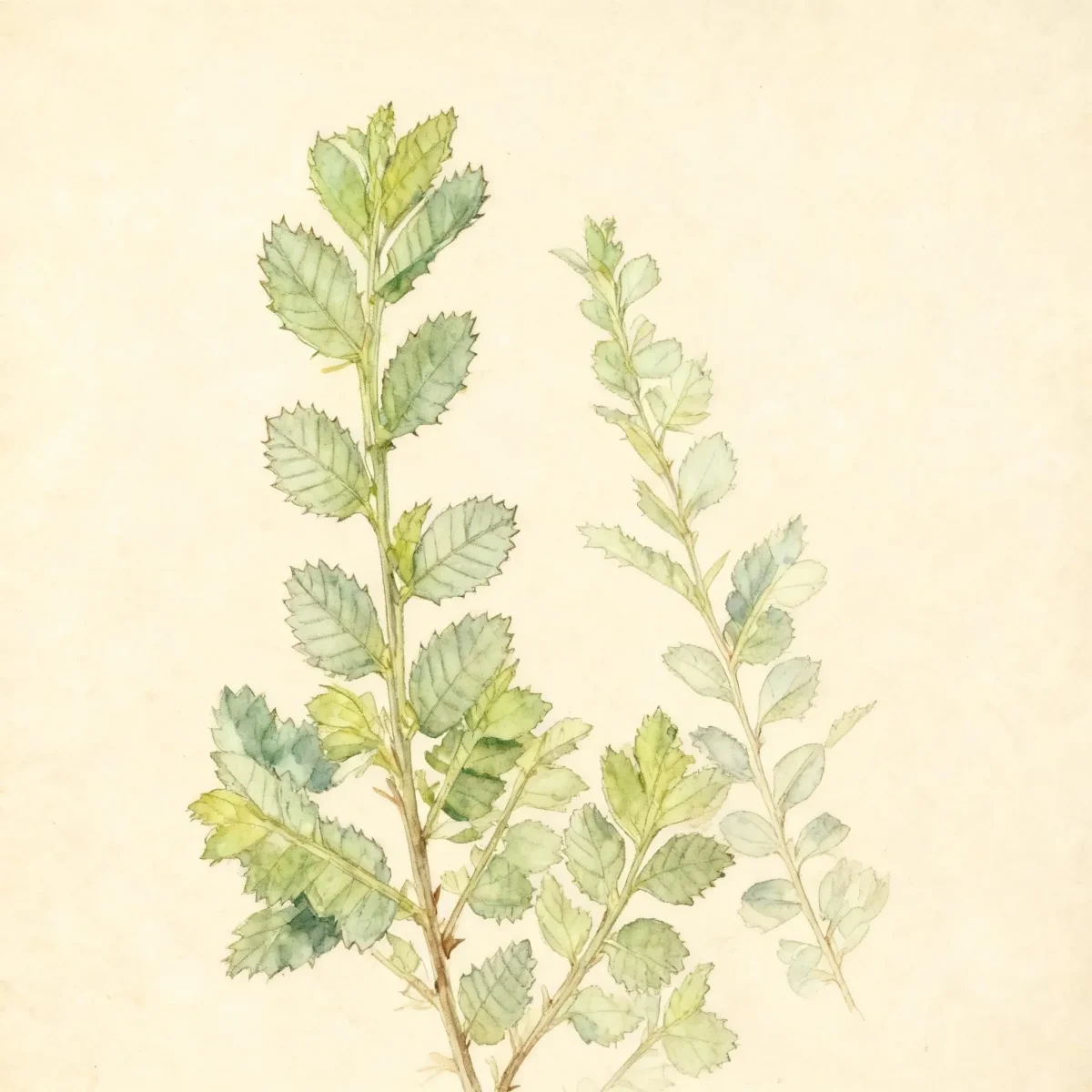
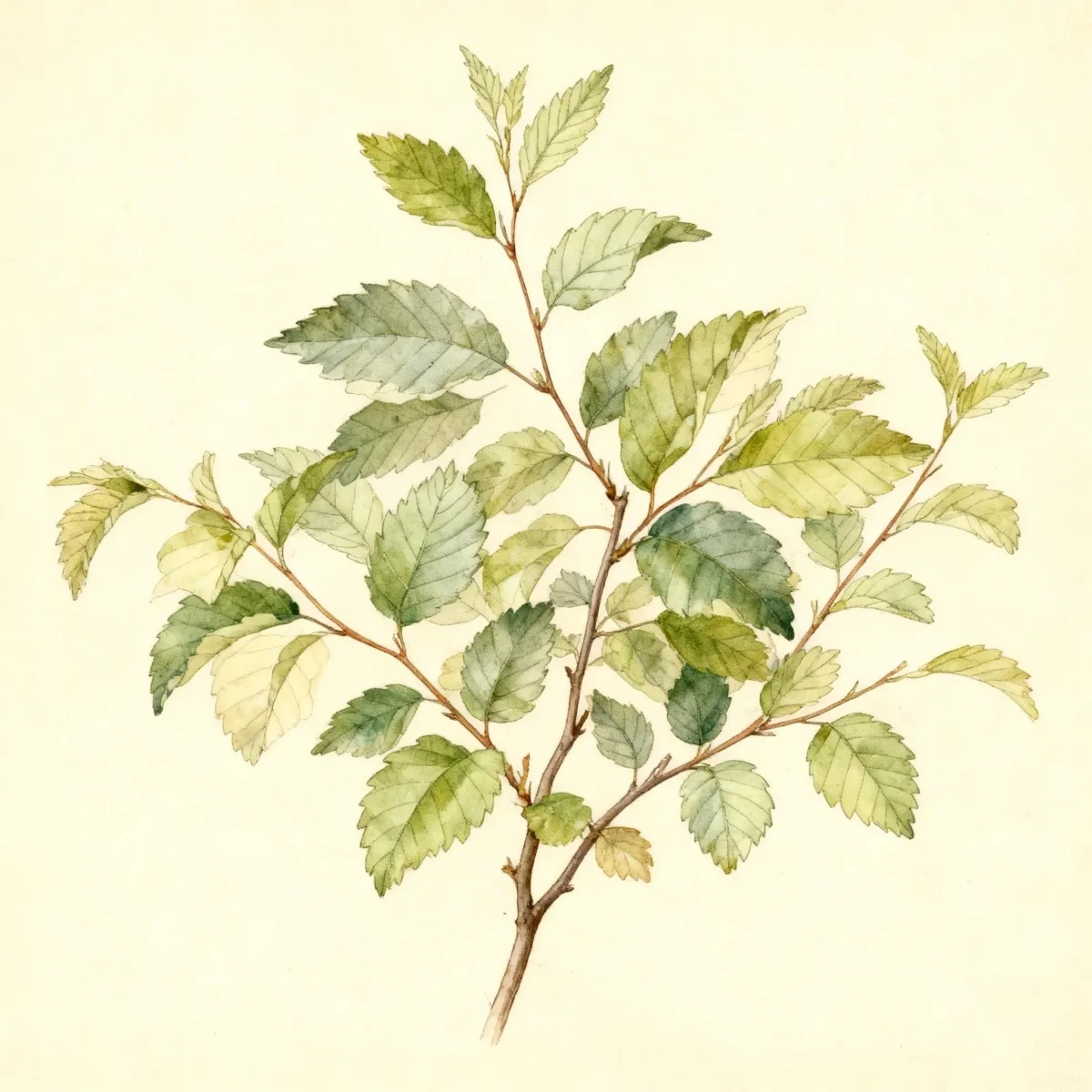
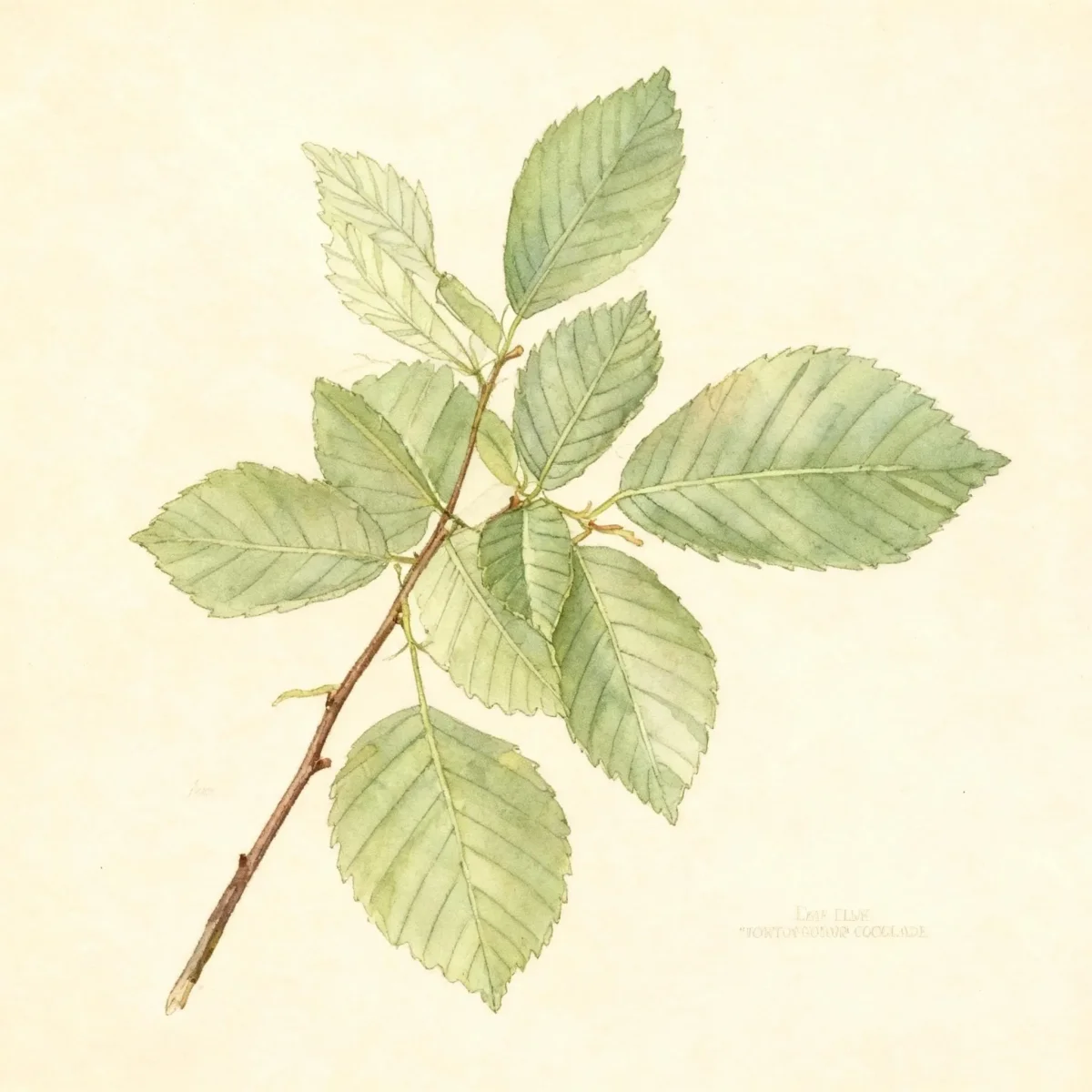
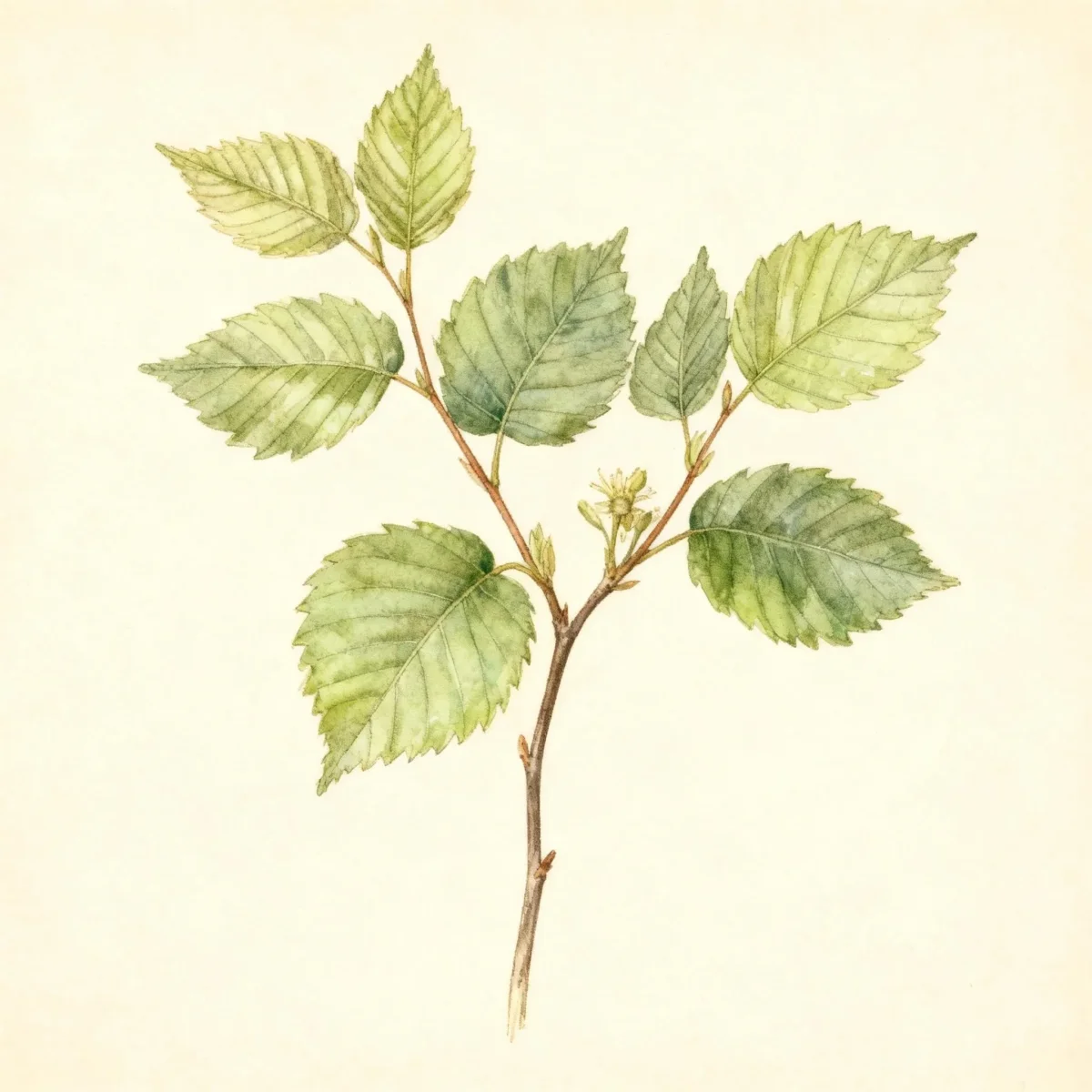
Ulmus parvifolia, commonly called Chinese elm or lacebark elm, is a medium-sized deciduous tree that typically grows to 40-50’ (less frequently to 70’) tall with a rounded crown and long pendulous branching. It is native to China, Korea and Japan. It is noted for its excellent foliage, multi-colored bark, rapid growth and good resistance to Dutch elm disease. Insignificant, small, reddish-green flowers appear in late summer. Flowers give way to single-seeded wafer-like samaras (each tiny seed is surrounded by a flattened circular papery wing) that mature in fall. Elliptic to ovate, shiny dark green leaves (to 3” long) have small teeth. Leaves typically turn an undistinguished dull yellow in fall, but sometimes produce more interesting yellows or reddish-purples. One of the most ornamental features of this tree is its mottled bark. On mature trees, bark flakes to reveal patches of gray, cream, orange, brown and green.Genus name comes from the Latin name.Specific epithet means small leaf in reference to the small leaves of this species.ALLEE is a cultivar that typically matures over time to 60-70’ tall and to 35-55’ wide. It resembles American elm (Ulmus americana) with its vase shaped growing habit. ALLEE was cloned from a tree growing at the University of Georgia campus at Athens. It is noted for its fluted trunk, exfoliating bark (shades of grays, gray greens and orange-browns), narrow leaves and resistance to the common pests and diseases of elm trees. It reportedly has excellent resistance to Dutch elm disease and elm leaf beetle. U.S. Plant Patent PP07,552 was issued on June 11, 1991.
Tolerances
- Drought
- Clay Soil
- Air Pollution
Potential Problems
The Ulmus parvifolia ‘Emer II’ ALLEE is specifically cultivated for its excellent resistance profiles, notably against Dutch elm disease and the elm leaf beetle. Furthermore, it shows remarkable resilience to leaf scorch, dieback symptoms, and cold winter weather, making it highly reliable.
However, no tree is entirely immune. Potential, though less frequent, issues may include phloem necrosis, wetwood, and various localized wilts, rots, or cankers. Gardeners should also remain aware of potential insect visitors such as borers, leaf miners, beetles, mealybugs, caterpillars, and scale insects, monitoring new growth regularly for early detection.
Frequently Asked Questions
What hardiness zones is Chinese elm suitable for?
The Ulmus parvifolia ‘Emer II’ ALLEE is suitable for USDA Hardiness Zones 4 through 9.
How large does Ulmus parvifolia ‘Emer II’ ALLEE grow?
This cultivar is large, reaching mature heights between 60 and 70 feet, with a substantial spread ranging from 35 to 55 feet wide.
What sun exposure does Chinese elm need?
The species requires full sun for optimal performance, although it can tolerate brief periods of light shade throughout the day.
When does Chinese elm bloom?
Bloom time occurs in September, characterized by small, green flowers.
Conclusion
The Chinese elm, particularly the highly resilient Ulmus parvifolia ‘Emer II’ ALLEE cultivar, provides unparalleled multi-season interest through its exfoliating bark and vigorous, stately form. Given its low maintenance requirements and exceptional urban adaptability, this tree excels where many other shade trees struggle. Remember to check your local USDA hardiness zone compatibility before planning your planting site for this magnificent specimen.
Container Growing
While the ultimate goal for the ALLEE cultivar is establishment in the ground due to its 60-70 foot mature height, young Chinese elm trees can be successfully cultivated in large containers for several years. Use high-quality potting mix amended with organic matter to support its preference for rich soils. Container placement must be in full sun, and container specimens will require more vigilant watering than their in-ground counterparts, as potting media dries out rapidly.
Repotting or root pruning may become necessary as the tree grows; this process should ideally occur in early spring before new growth begins. Moving the containerized Ulmus parvifolia ‘Emer II’ ALLEE during winter dormancy to a protected but unheated spot (like a garage) can offer extra protection in the colder ends of its hardiness range (Zones 4-5), preventing excessive freeze-thaw cycles.
Design Ideas for the ALLEE Elm
The distinctive vase shape of the Ulmus parvifolia ‘Emer II’ ALLEE makes it an excellent specimen anchor in large lawn areas or open parks where its silhouette can be fully appreciated without obstruction. Its relatively narrow spread compared to its height can allow for placement closer to property lines than some older elm cultivars, though adequate room for its 55-foot maximum spread is still crucial. Consider using uplighting beneath the canopy during the evening to showcase the dramatic, colorful exfoliation of the bark.
This tree integrates beautifully into mixed-planting schemes where structural height is needed, provided companion plants tolerate the shade cast beneath a mature crown or are situated at the dripline. Due to its high tolerance for air pollution, the Chinese elm serves as a valuable green buffer or shade provider along busy boulevards and commercial center medians.