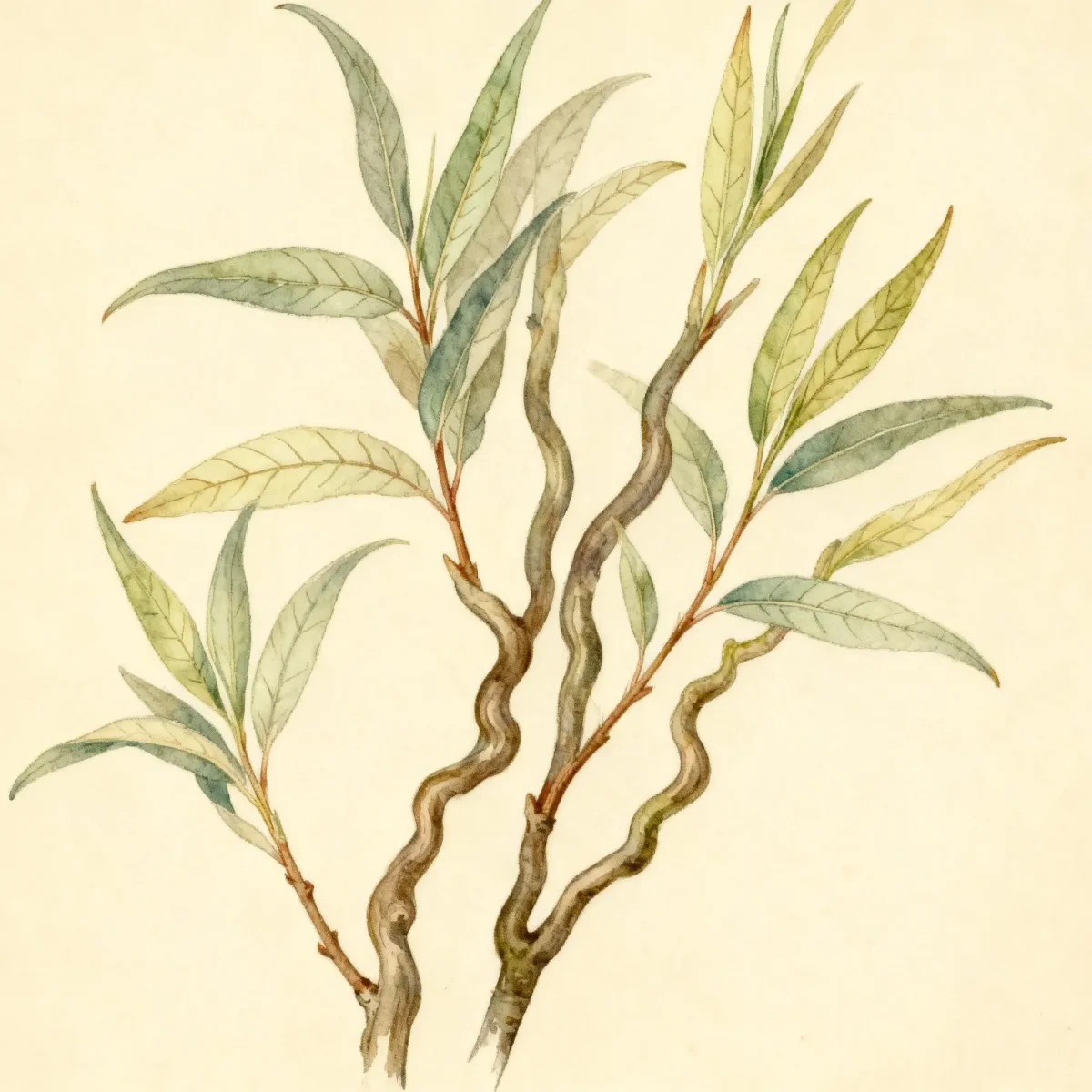
Dappled willow (Salix integra 'Hakuro-nishiki')
Discover the stunning Salix integra 'Hakuro-nishiki' (Dappled willow), a compact shrub famed for its pink, white, and green variegated foliage.
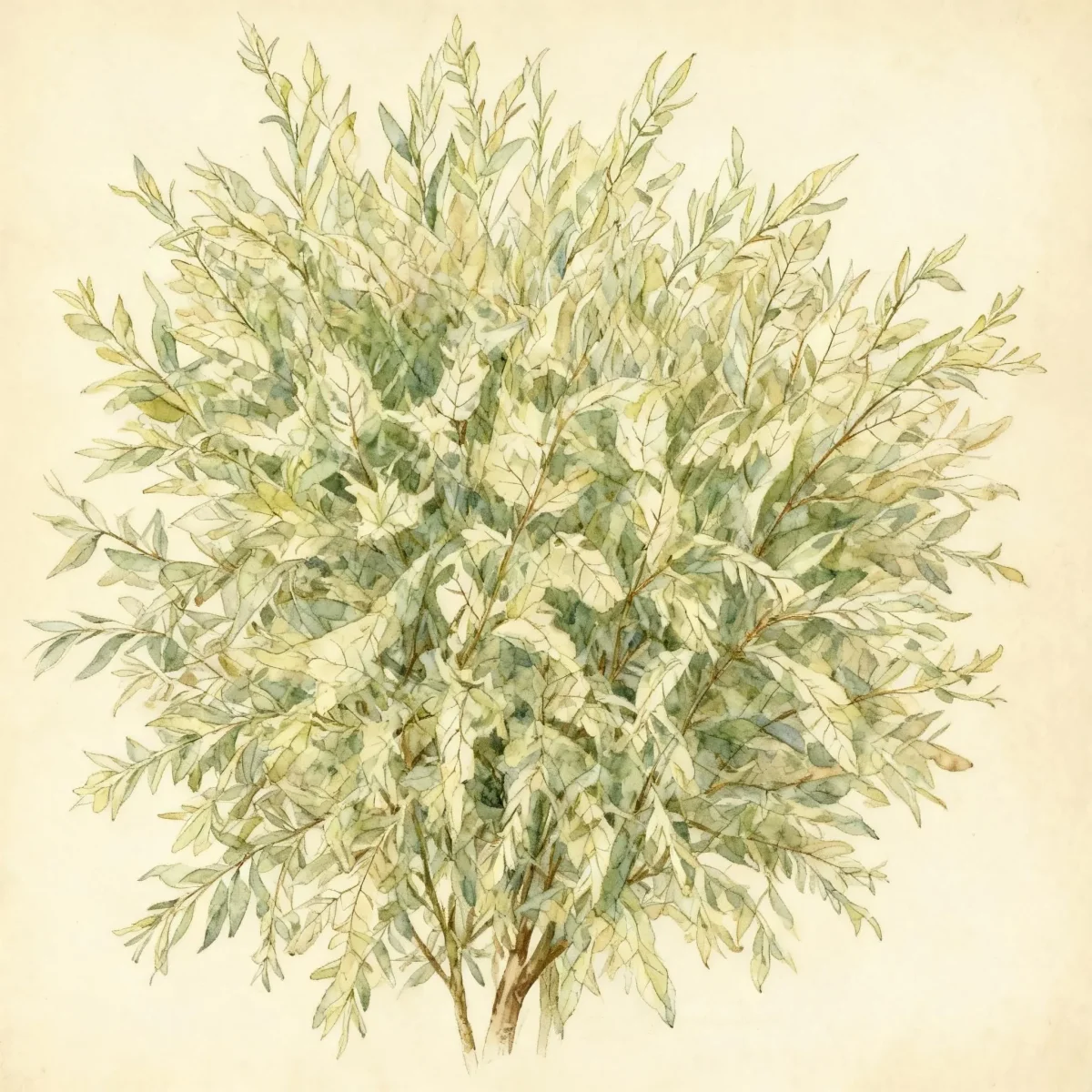

Bloom Boldly, No Matter the Season - Sweatshirt
Cozy organic cotton sweatshirt featuring our exclusive Purple Coneflower design. Perfect for gardeners who bloom year-round.
Inspired by the beautiful Dappled willow
Limited first batch (50) — join the waitlist for early access
Waitlist closes Feb 15, 2026.
Complete Plant Information
Field Guide Continues
Ready for care notes, companion picks, and planting tips?
The map is just the start. The full guide below covers growth habits, seasonal performance, and landscape uses.
Overview
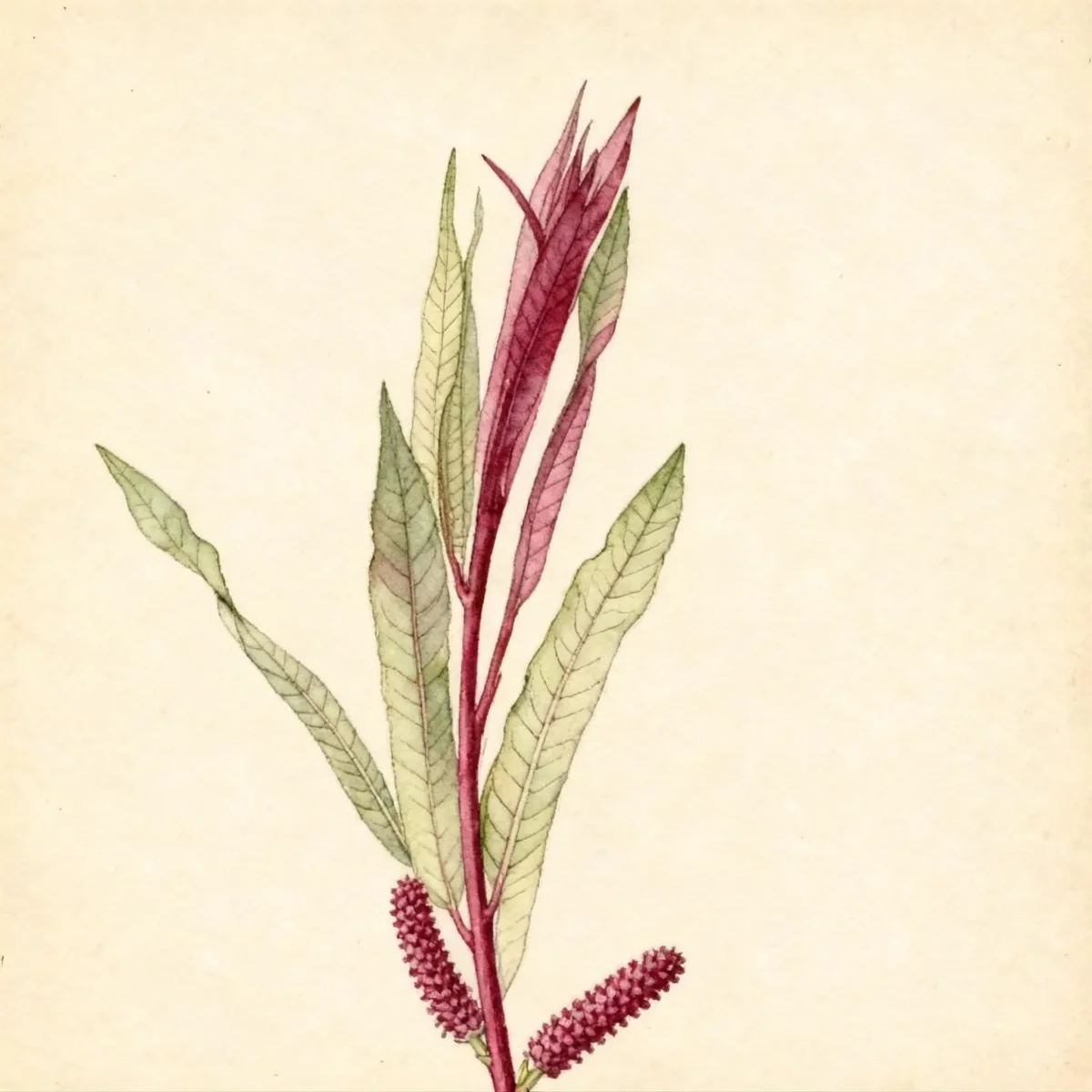
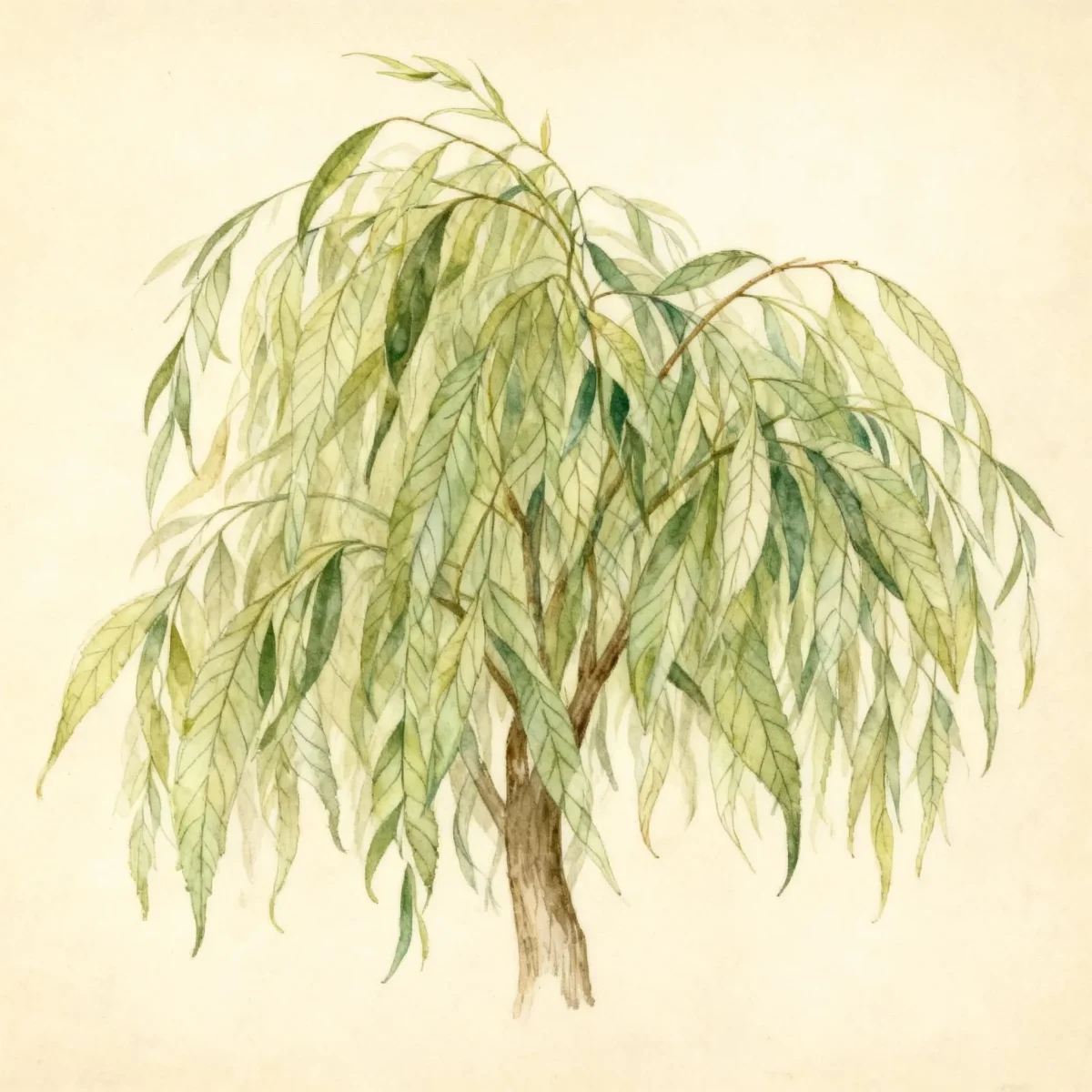
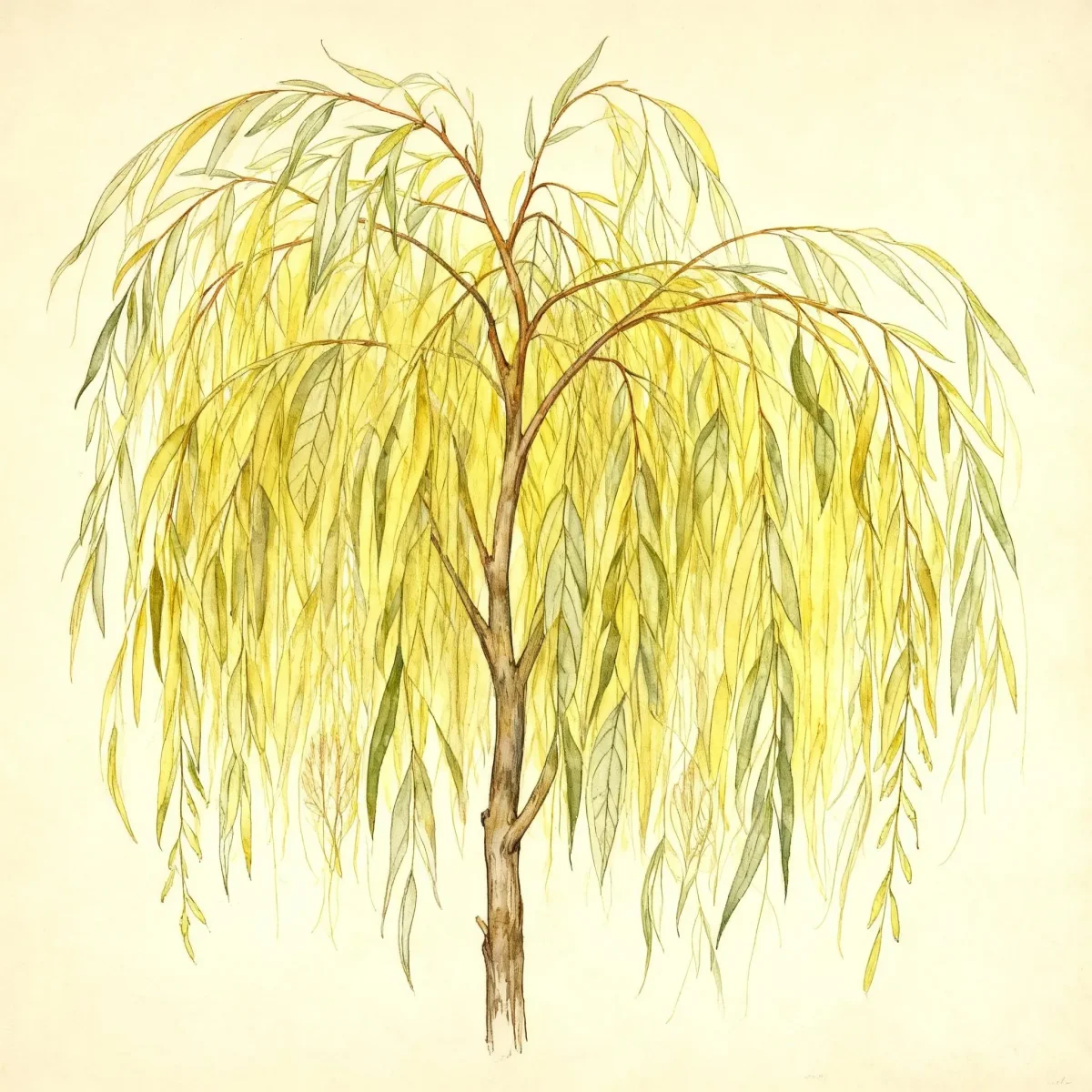
The Dappled willow, scientifically known as Salix integra ‘Hakuro-nishiki’, is highly valued in modern landscapes for its dramatic, colorful foliage that provides three-season interest. This shrub sets itself apart as new growth emerges bright pink before settling into creamy white and green variegation, an effect that justifies the common name Dappled willow. This specific cultivar, Salix integra ‘Hakuro-nishiki’, maintains a manageable, relatively compact size compared to many upright willows, making it an excellent choice for structure in smaller gardens or as an outstanding specimen.
As a deciduous shrub, it offers consistent beauty, peaking in spring and early summer when the variegation is most intense, but it also provides visual warmth via its red winter stems. It thrives best in consistently moist environments, making it indispensable near water features or in areas of the landscape that receive ample moisture. Gardeners seeking year-round visual appeal should consider incorporating the beautiful Salix integra ‘Hakuro-nishiki’ into their planting schemes.
Fast Facts
- Plant Family: Salicaceae
- Plant Type: Deciduous shrub
- Hardiness Zones: USDA Zones 5-7
- Size at Maturity:
- Height: 4-6 ft
- Spread: 5-7 ft
- Bloom Time: March to April
- Bloom Description: Yellowish
- Sun Exposure: Full sun to part shade
- Water Needs: Medium to wet
- Maintenance Level: Medium
How to Grow
To ensure optimal performance for your Salix integra ‘Hakuro-nishiki’, plant it during the cooler seasons—early spring or fall—in a location that receives full sun, though some afternoon shade is appreciated in the hottest climates. This shrub is happiest in moist, fertile, well-drained soils. While it thrives in consistently moist ground, it exhibits better drought tolerance than many other willow species once established.
Watering should be consistent, especially during extended dry periods, as even though it tolerates some dryness, the best foliage color—particularly the pink and white variegation—occurs when moisture is plentiful. Fertilizing is generally unnecessary if the native soil is fertile; heavy fertilization can lead to leggy growth which compromises the dense, mounding habit of the Dappled willow.
For maintenance, pruning is key to maximizing the colorful new growth. Many gardeners employ hard pruning in late winter or very early spring to cut stems back significantly, encouraging a flush of vigorous, highly colored new shoots when the leaves emerge. If you prefer a larger, more natural, arching shrub habit, minimal pruning can be employed, but be aware that the foliage may become greener as the season progresses.
Landscape Uses
The variegated foliage of the Dappled willow makes it a spectacular focal point, suitable for use as a specimen plant where its color can be appreciated up close. It works beautifully planted in small groups to create an eye-catching color mass. Functionally, the Salix integra ‘Hakuro-nishiki’ excels in shrub borders, where its moderate size provides good transitional height between groundcovers and larger background plants.
Due to its love for moisture, this Dappled willow is an excellent selection for planting near the edge of a pond, stream, or other body of water where the soil naturally stays wetter. Furthermore, its capacity to handle erosion and wet soil means it is perfectly suited for use in rain gardens, acting as both an attractive feature and a functional element that manages stormwater runoff.
Standout Features
Flower Qualities
- Insignificant
Noteworthy Characteristics
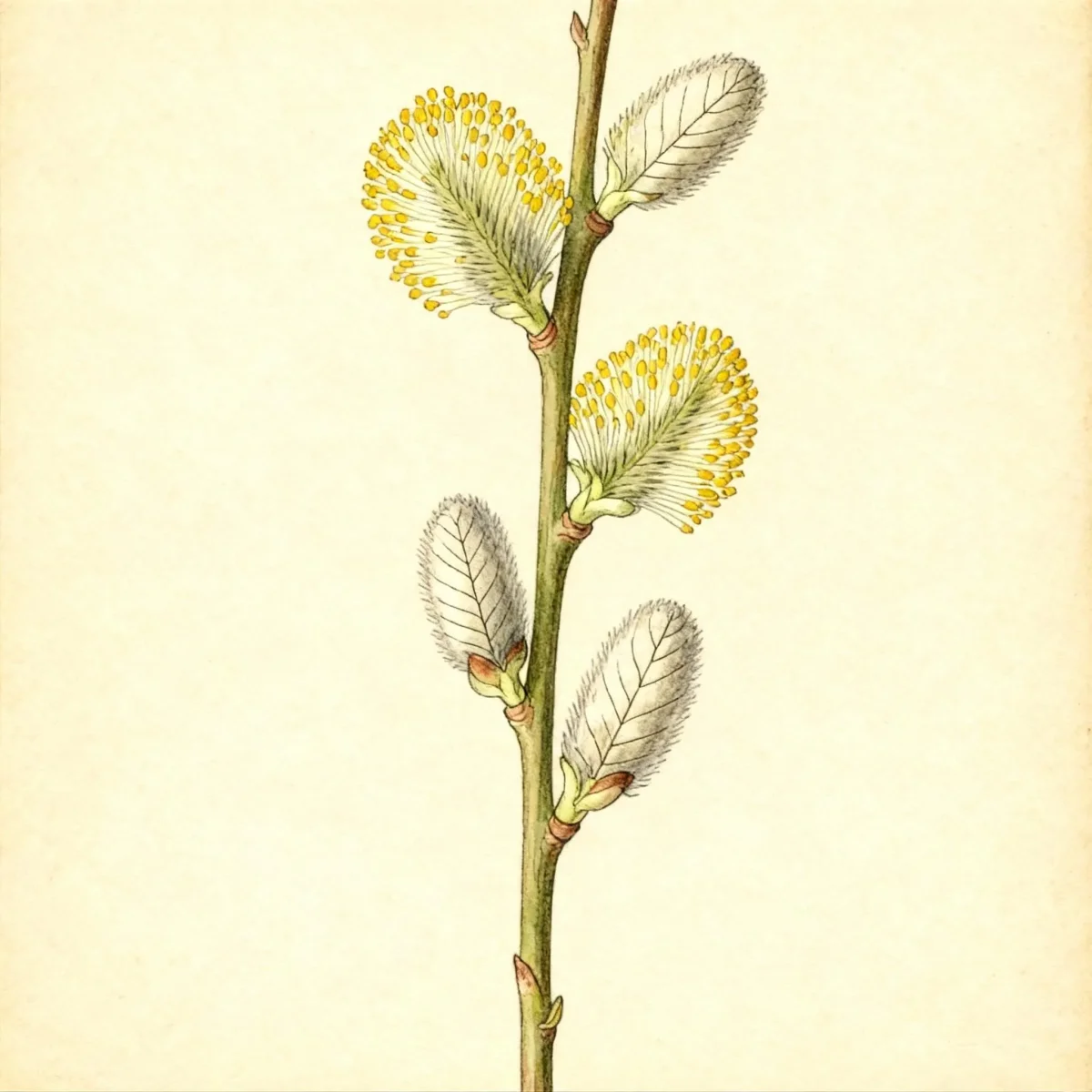
Salix integra, commonly known as willow, is a deciduous shrub featuring yellowish flowers in small catkins (to 1” long) in spring (April-May), narrow pale green leaves (to 4” long) throughout the growing season, yellow fall color with late leaf drop, gray-green bark on trunks, and showy red stems in winter. This willow is very similar in appearance to Salix purpurea which is native to Europe, northern Africa and central Asia. The cultivar ‘Hakuro-nishiki’, commonly called dappled Japanese willow or variegated willow, is a more compact cultivar that typically grows to 4-6’ tall and features attractive variegated foliage throughout the growing season; new foliage emerges pink in spring, maturing to variegated shades of pink, creamy white and green. Stems displaying red color in fall provide excellent winter interest, contrasting beautifully against the winter landscape.
Tolerances
- Erosion
- Wet Soil
- Black Walnut
Potential Problems
Willows are susceptible to numerous disease problems including blights, crown gall, powdery mildew, leaf spots, scab, rust and cankers. These fungal and bacterial issues often present when humidity is high or if air circulation around the shrub is poor. Proper pruning, emphasized by cutting back stems in late winter, helps open up the canopy and improve air flow, mitigating some disease pressure.
Insect pests commonly noted on the Salix integra ‘Hakuro-nishiki’ include aphids, scale, borers, lace bugs, beetles, and caterpillars. Regular inspection, especially of new growth where aphids often congregate, allows for early intervention using horticultural oils or targeted organic insecticides if necessary. Maintaining good soil moisture prevents drought stress, which can make the Dappled willow more vulnerable to pest infestation.
Frequently Asked Questions
What hardiness zones is Dappled willow suitable for?
The Salix integra ‘Hakuro-nishiki’ is best suited for USDA Hardiness Zones 5 through 7.
How large does Dappled willow grow?
This compact cultivar typically reaches a mature height between 4 to 6 feet tall, with a spread ranging from 5 to 7 feet wide.
What sun exposure does Salix integra ‘Hakuro-nishiki’ need?
This plant prefers full sun but can successfully grow in partial shade, performing best when protected from the harshest intense afternoon sun in hot climates.
When does Dappled willow bloom?
The yellowish flowers of the Dappled willow typically appear relatively early in the season, blooming from March to April.
Conclusion
The striking, multi-hued foliage of the Salix integra ‘Hakuro-nishiki’ ensures it remains a standout feature in any garden design, offering brightness from spring emerging pinks through to its attractive red winter stems. Because the best color is achieved with regular pruning and consistent water, planning your cultural care for this Dappled willow is essential for success. Before planting, confirm that your site falls within USDA Zones 5-7 and ensure soil moisture levels meet its medium to wet requirements.
Companion Planting
When selecting plants to accompany the Dappled willow, focus on species that share similar moisture needs—namely plants that thrive in wet soil or are suited for rain garden margins. Consider pairing Salix integra ‘Hakuro-nishiki’ with moisture-loving natives such as various Iris species or moisture-tolerant grasses like Miscanthus sinensis cultivars that prefer similar sun exposure. The finer texture and bright foliage of the willow contrast nicely with broader-leafed, deep green shrubs that can handle wet feet, such as certain cultivars of Ilex verticillata (Winterberry Holly), which also offer winter interest.
Design Ideas
Beyond its use as a specimen or in hedges, the coloration of the Dappled willow lends itself perfectly to contemporary, minimalist garden designs where high contrast is desired. Planting it against a backdrop of dark green evergreen shrubs or a dark fence helps the pink and white variegation truly pop. For Asian-inspired gardens, the naturally arching form, especially when lightly pruned, mimics the effect of trained specimens, providing movement and softness along flowing lines, particularly when placed near gravel or water features.