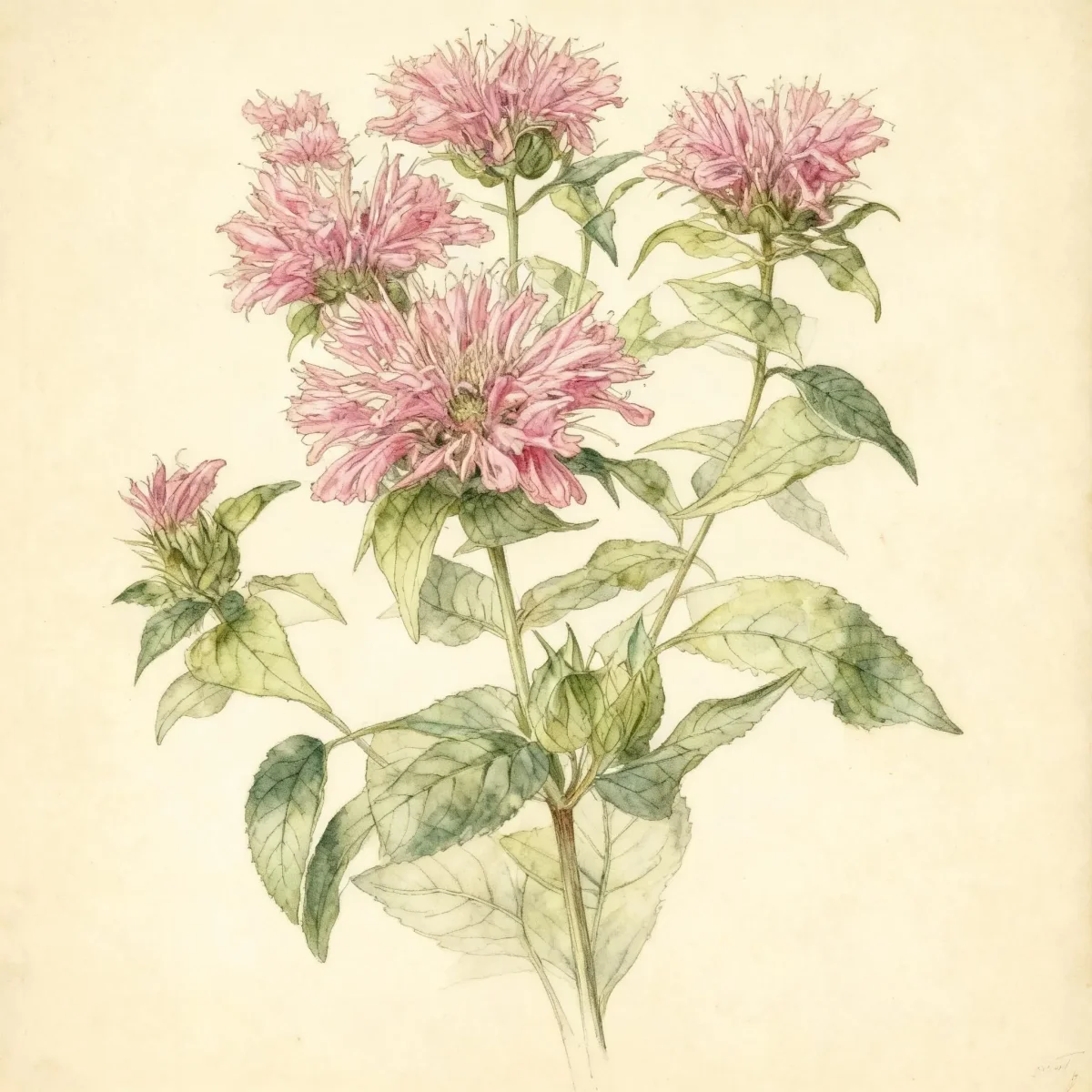
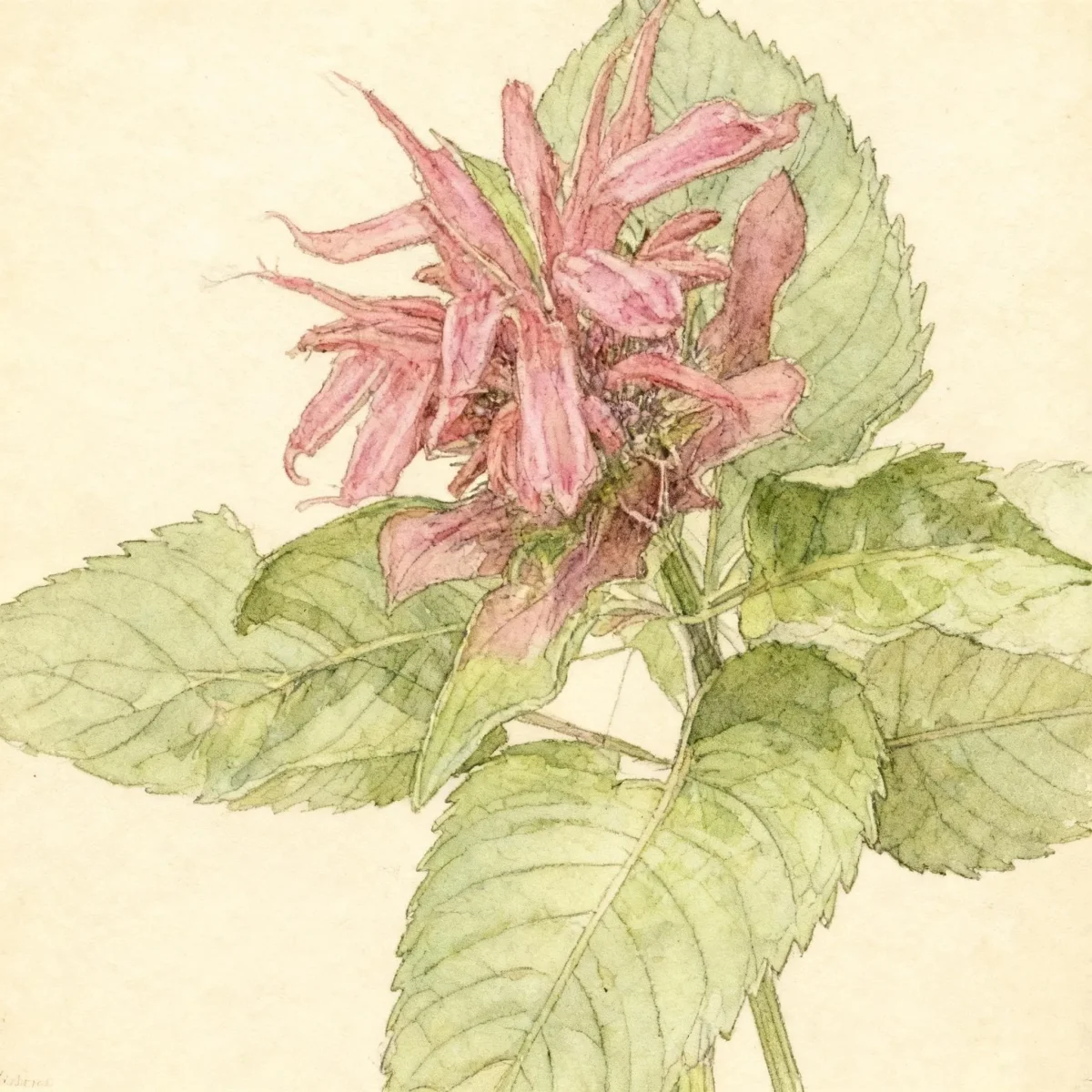
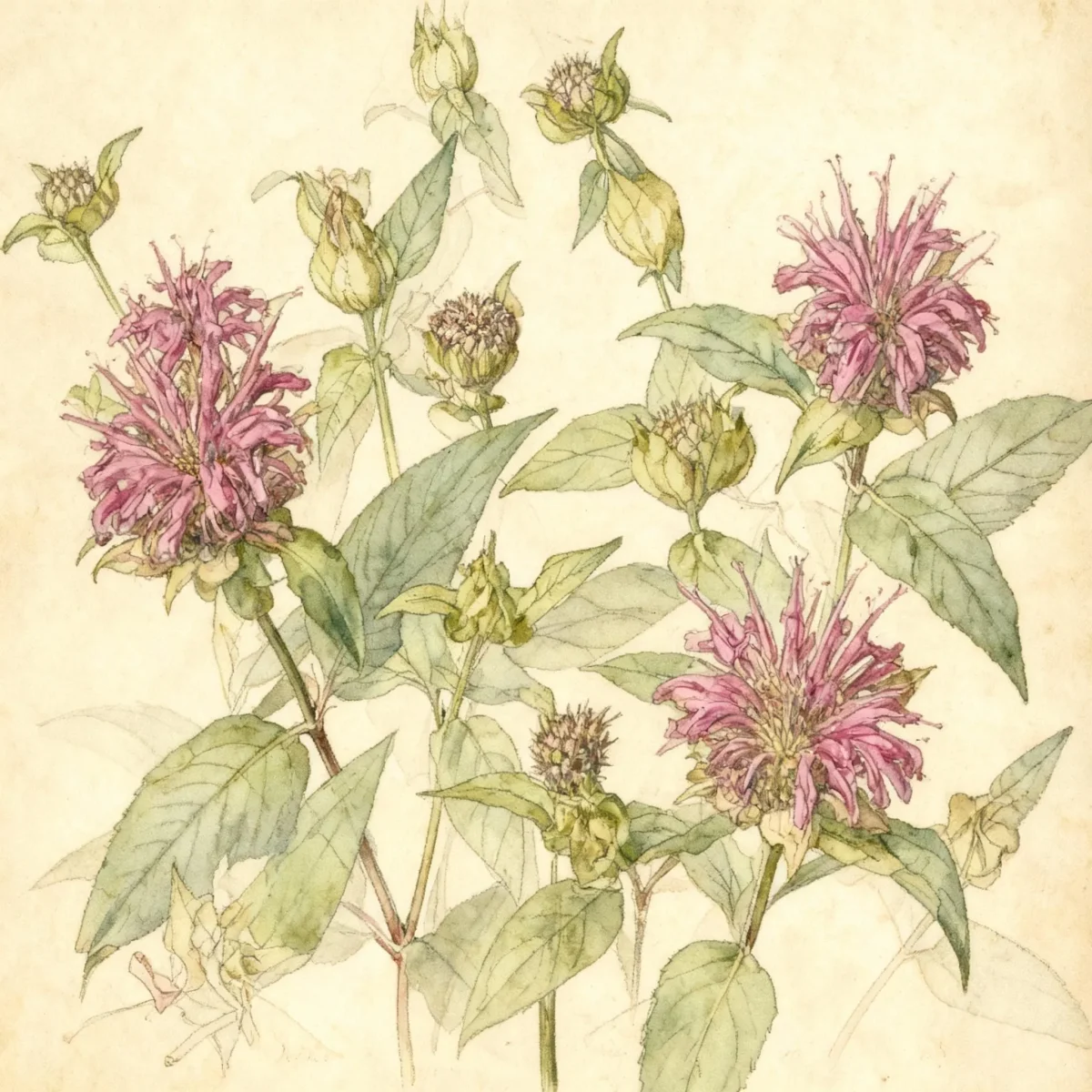
Wild bergamot (Monarda 'Petite Red Supreme')
Dwarf Wild bergamot, Monarda 'Petite Red Supreme', features showy red summer blooms. This low-maintenance perennial thrives in moist areas and attracts pollinators.
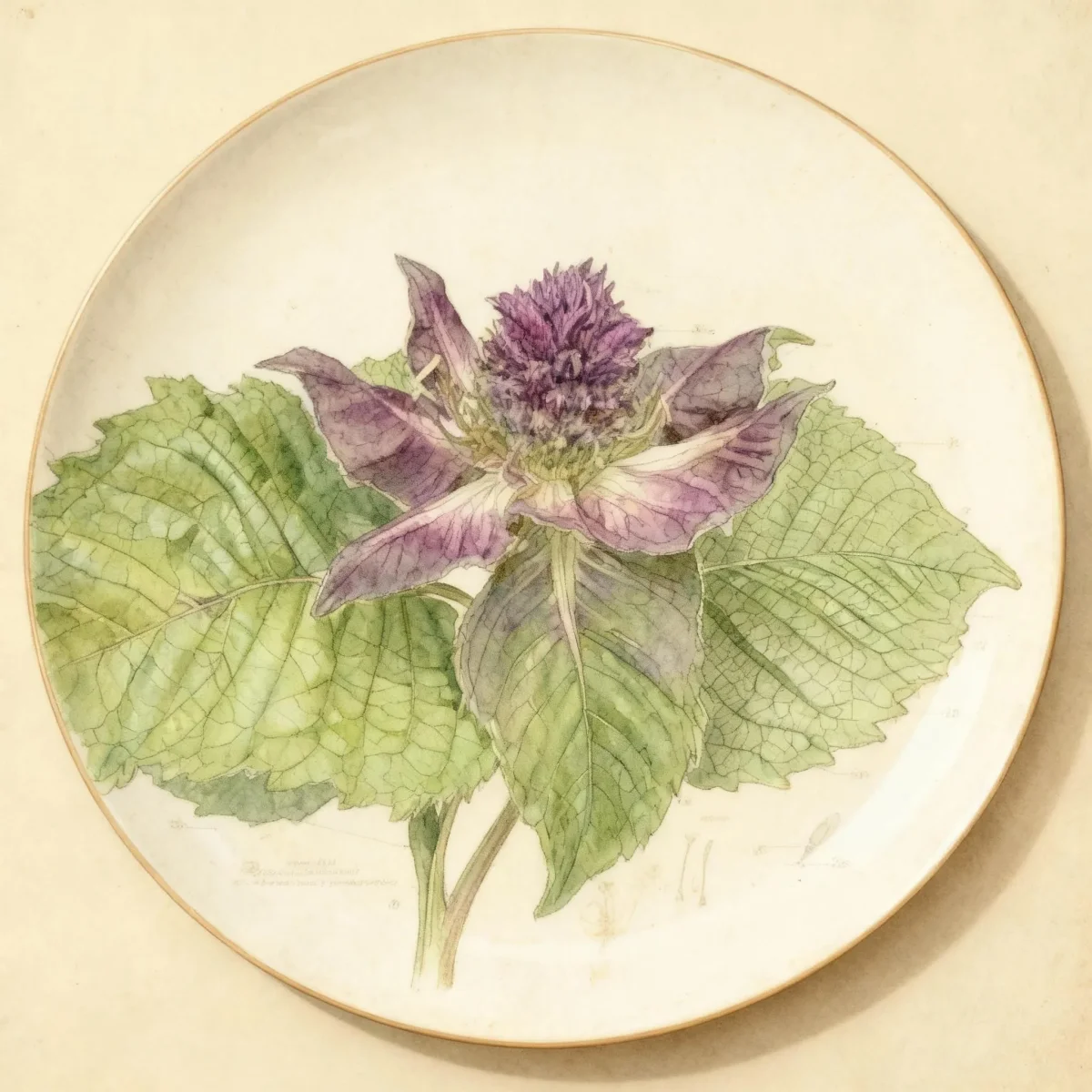

Bloom Boldly, No Matter the Season - Sweatshirt
Cozy organic cotton sweatshirt featuring our exclusive Purple Coneflower design. Perfect for gardeners who bloom year-round.
Inspired by the beautiful Wild bergamot
Limited first batch (50) — join the waitlist for early access
Waitlist closes Feb 15, 2026.
Complete Plant Information
Field Guide Continues
Ready for care notes, companion picks, and planting tips?
The map is just the start. The full guide below covers growth habits, seasonal performance, and landscape uses.
Overview
Monarda ‘Petite Red Supreme’ is a captivating dwarf cultivar of Wild bergamot, valued for its dense mounds of rich red, tubular flowers that appear reliably throughout mid-summer. This herbaceous perennial brings strong vertical interest and aromatic foliage to the garden landscape while serving as a magnet for beneficial wildlife. As a member of the mint family, Monarda ‘Petite Red Supreme’ offers an easy-care solution for gardeners seeking vibrant color without demanding excessive attention.
This compact variety typically reaches only 15 inches in height, making it much more manageable than some of its taller relatives. It thrives best when provided with consistently moist, humus-rich soil, although it tolerates a range of conditions if kept damp. Its intense red blooms significantly boost summer color palettes, making this specific Wild bergamot highly desirable.
With aromatic leaves and flowers, this cultivar offers year-round sensory appeal beyond its showy July and August display. Furthermore, Monarda ‘Petite Red Supreme’ is famous for attracting essential pollinators like bees, butterflies, and hummingbirds, enhancing biodiversity wherever it is planted. Its low maintenance needs ensure that gardeners can enjoy its benefits with minimal fuss.
Fast Facts
- Plant Family: Lamiaceae
- Plant Type: Herbaceous perennial
- Hardiness Zones: USDA Zones 4-8
- Size at Maturity:
- Height: 0.75-1.5 ft
- Spread: 0.75-1 ft
- Bloom Time: July to August
- Bloom Description: Red
- Sun Exposure: Full sun to part shade
- Water Needs: Medium to wet
- Maintenance Level: Low
How to Grow
Plant Monarda ‘Petite Red Supreme’ in the spring or fall once the danger of hard frost has passed. Locate it where it receives full sun for the best flower production, though a touch of afternoon shade is appreciated in the hottest climates. The key to success is achieving a medium to wet, moisture-retentive soil that is rich in humus. Ensure your planting site does not dry out, as consistent moisture is critical for this variety.
Maintenance for this Wild bergamot is generally low. Water regularly to keep the soil consistently damp, especially during dry spells. Fertilizing is rarely necessary if the soil is rich. To maintain a tidy appearance and potentially encourage a slight repeat bloom, promptly remove the spent flower heads.
Be mindful of its natural spreading habit; Monarda ‘Petite Red Supreme’ slowly expands via rhizomes. To keep clumps vigorous and prevent overcrowding, plan to divide them every three to four years. Good air circulation is vital, as this helps mitigate the risk of fungal issues that can plague some Monarda species.
Landscape Uses
The compact stature of Monarda ‘Petite Red Supreme’ makes it an excellent mid-border plant for perennial borders, offering a burst of red color where taller plants might overwhelm smaller neighbors. It performs exceptionally well in cottage gardens, complementing softer textures with its stiff stems and vibrant flower heads. Due to its preference for moisture, this plant is perfectly suited for planting alongside streams, ponds, or in designated rain garden locations.
Consider mass planting this dwarf beebalm for maximum visual and pollinator impact. The uniform height of Monarda ‘Petite Red Supreme’ allows it to anchor container plantings beautifully, contrasting nicely with trailing annuals or finer-textured foliage plants. Its deer resistance adds security when designing borders near wooded edges.
Standout Features
Flower Qualities
- Showy
- Fragrant
Noteworthy Characteristics
Monarda is renowned for flowering from mid-summer into early fall, providing critical sustenance for bees, hummingbirds, and butterflies. The genus name honors the physician Nicholas Monardes, and some species are known as beebalm due to traditional uses for stings. ‘Petite Red Supreme’ is a cultivar noted for being dwarf, typically reaching only 15 inches, and features dense globular heads of red, two-lipped flowers atop stiff, square stems.
Tolerances
- Deer
- Wet Soil
Potential Problems
While some Monarda types struggle with powdery mildew, this cultivar, Monarda ‘Petite Red Supreme’, is reported to have good resistance. However, rust remains an occasional concern across the genus. Susceptibility to any foliar disease increases dramatically if the plant experiences dry soil conditions or poor air movement. To proactively manage health, ensure good spacing between plants to promote airflow, and never let the root zone dry out completely.
Frequently Asked Questions
What hardiness zones is Wild bergamot suitable for?
Monarda ‘Petite Red Supreme’ is reliably hardy in USDA Zones 4 through 8.
How large does Monarda ‘Petite Red Supreme’ grow?
This dwarf beebalm typically matures to a height between 0.75 and 1.5 feet tall, with a spread of 0.75 to 1 foot wide.
When does Wild bergamot bloom?
This variety produces its showy red flowers throughout July and August, adding intense summer color.
What sun exposure does Monarda ‘Petite Red Supreme’ need?
It performs best in full sun but will tolerate part shade, especially where summer heat is intense.
Conclusion
Monarda ‘Petite Red Supreme’ stands out as a wonderfully compact and colorful addition to any garden focusing on moisture retention and pollinator support. Its low maintenance requirements and vibrant red summer display make this Wild bergamot an excellent choice for borders or rain gardens. Ensure you confirm suitability for your USDA zone and prioritize consistent moisture levels for optimal performance from your Monarda ‘Petite Red Supreme’.
Companion Planting
Selecting companions that share the preference for medium to wet soil will ensure all plants thrive together. Consider Iris species (especially moisture-loving types), Astilbe, Ligularia, or Joe-Pye Weed (Eutrochium) as excellent neighbors. These plants provide varied textures and heights around the central mass of Monarda ‘Petarda ‘Petite Red Supreme’, creating a lush, vibrant waterside or rain garden feature that benefits pollinators continuously. Avoid pairing it with extremely drought-tolerant species, as the difference in water needs will stress one plant or the other.
Wildlife Benefits
The distinctive, clustered tubular flowers of Monarda ‘Petite Red Supreme’ are perfectly shaped for long-tongued pollinators. This plant is a crucial nectar source during the peak summer months when many earlier perennials have faded. Hummingbirds are especially attracted to the bright red color, using its nectar to fuel their high metabolism. Planting this Wild bergamot in groupings maximizes its visual appeal from a distance and provides a concentrated feeding station for butterflies and native bees.