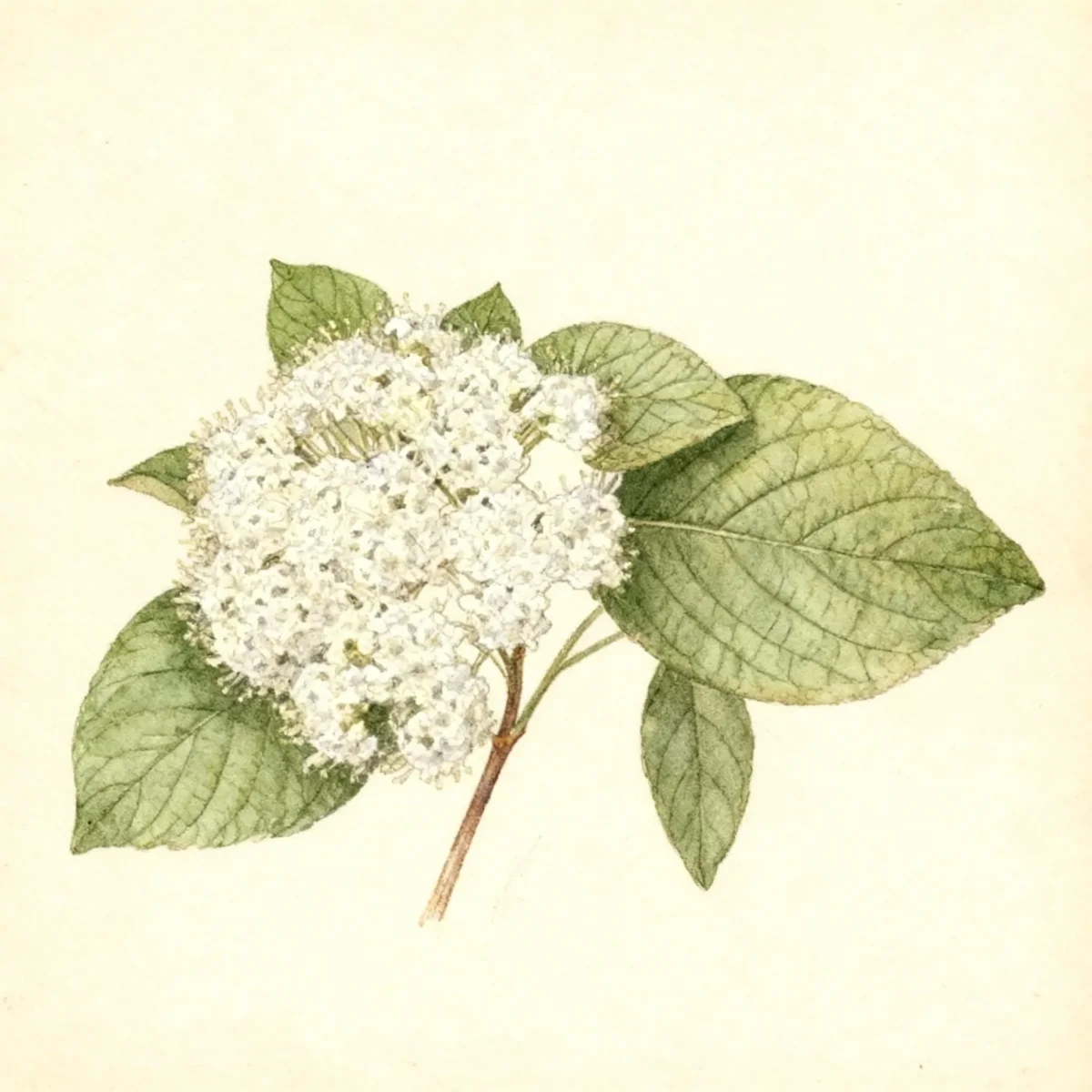
Wayfaringtree viburnum (Viburnum lantana 'Mohican')
Viburnum lantana 'Mohican' is a low-maintenance, drought-tolerant shrub known for its attractive white spring blooms and durable foliage.

Bloom Boldly, No Matter the Season - Sweatshirt
Cozy organic cotton sweatshirt featuring our exclusive Purple Coneflower design. Perfect for gardeners who bloom year-round.
Inspired by the beautiful Wayfaringtree viburnum
Limited first batch (50) — join the waitlist for early access
Waitlist closes Feb 15, 2026.
Complete Plant Information
Field Guide Continues
Ready for care notes, companion picks, and planting tips?
The map is just the start. The full guide below covers growth habits, seasonal performance, and landscape uses.
Overview
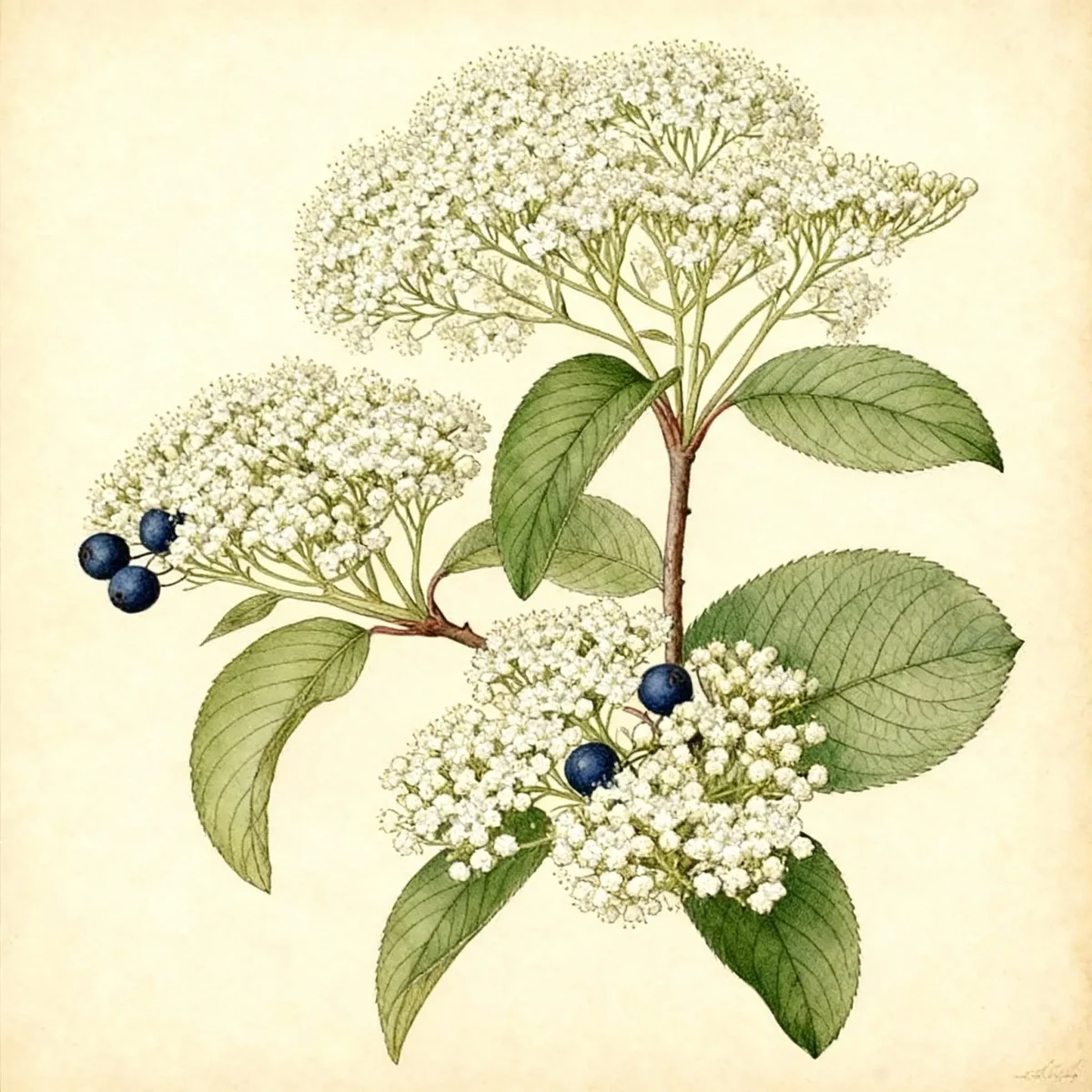
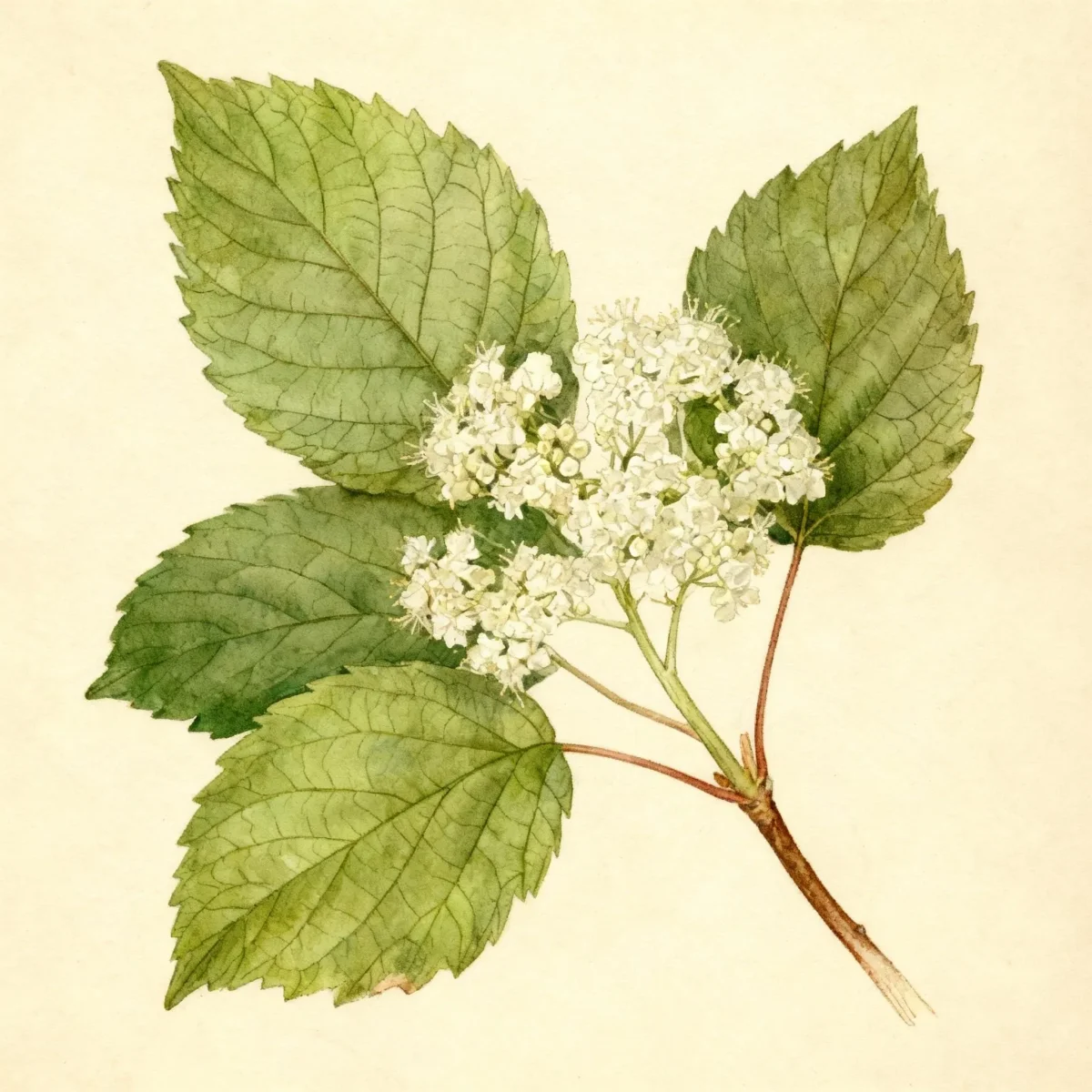
The Viburnum lantana ‘Mohican’, commonly known as Wayfaringtree viburnum, offers gardeners a robust and adaptable deciduous shrub prized for its reliability in challenging conditions. This cultivar maintains a manageable, compact stature compared to its larger parent species, making it ideal for defined spaces where a substantial hedge or screen is needed. It produces clusters of small white flowers in late spring, which mature into persistent, showy fruit, adding multi-seasonal interest.
One of the key benefits of planting Viburnum lantana ‘Mohican’ is its low maintenance requirement and excellent drought tolerance once established. It thrives in a wide range of soil conditions, including those that are alkaline, which can challenge many other ornamental shrubs. Its thick, leathery leaves provide good texture throughout the growing season, ensuring structural impact in the landscape.
Whether utilized in mixed borders or massed as an effective screen, Wayfaringtree viburnum stands out as a dependable workhorse. Gardeners looking for durable foundation plants that offer texture and seasonal color without demanding intensive care will find the Viburnum lantana ‘Mohican’ to be an excellent, long-lived addition to the perennial schedule.
Fast Facts
- Plant Family: Adoxaceae
- Plant Type: Deciduous shrub
- Hardiness Zones: USDA Zones 4-8
- Size at Maturity:
- Height: 7-8 ft
- Spread: 7-10 ft
- Bloom Time: May
- Bloom Description: White
- Sun Exposure: Full sun to part shade
- Water Needs: Dry to medium
- Maintenance Level: Low
How to Grow
Planting Viburnum lantana ‘Mohican’ is best done in the spring or early fall, allowing the root system time to establish before extreme heat or deep freezes. Select a location offering full sun to partial shade, ensuring the soil is well-drained. This shrub tolerates average soils but actually performs better in drier conditions than constantly wet ones, and it shows superior tolerance for alkaline soils compared to many other viburnums.
Routine care for Wayfaringtree viburnum is minimal due to its established nature. Water consistently during the first growing season to encourage deep rooting, but scale back significantly once mature, relying on its drought tolerance. Fertilizing is rarely necessary; excessive richness can sometimes reduce flower and fruit production. Prune only right after flowering concludes, as pruning too late will remove the developing flower buds set for the following year.
For optimal fruit set on your Viburnum lantana ‘Mohican’, it is recommended to plant shrubs in groups to ensure adequate cross-pollination occurs between individuals. While the shrub can self-seed, thoughtful placement in established groupings enhances its aesthetic and reproductive success. Remember that its tolerance to dry soils makes it perfect for lower-water landscape designs or stabilizing slightly drier slopes.
Landscape Uses
The Wayfaringtree viburnum excels in functional landscape roles where bulk and screening are required. Its robust growth habit makes it an exceptional choice for developing dense shrub borders, providing a solid backdrop for smaller perennials and flowering annuals staged in front of it. Because the cultivar Viburnum lantana ‘Mohican’ matures neatly between 7 and 10 feet wide, it functions perfectly as an informal screen or a substantial, low-maintenance hedge.
When mixing this selection with other broadleaf shrubs, consider planting companions that appreciate similar sun and soil profiles. Its texture holds up well against finer-leaved evergreens or shrubs that offer highly contrasting fall color, as the fall display on the Viburnum lantana ‘Mohican’ can occasionally be variable. Utilize groupings of three or more to truly showcase the season-long interest provided by the white spring blooms and subsequent persistent fruit clusters.
Standout Features
Flower Qualities
- Showy
Fruit Qualities
- Showy
Noteworthy Characteristics
Viburnum lantana, commonly known as wayfaringtree viburnum, is native to Europe, western Asia and North Africa. It has naturalized in the northeastern U.S. It is a deciduous, multi-stemmed shrub that typically grows to 10-15’ tall and as wide. Mature shrubs grow large and somewhat coarse. Thick, leathery, rough-textured, finely-toothed, ovate, dark green leaves (to 2-5” long) have rounded to cordate bases. Leaves turn dark green with some purplish-red tones in fall. Quality of fall color often varies from year to year. Small white flowers in flat-topped clusters (cymes to 3-5” diameter) bloom in spring (May in St. Louis). Flowers give way in July to red, berry-like drupes which hold their showy color for about one month before turning black. Fruit set can be disappointing in some years. Although in its native habitat this shrub is somewhat common along waysides, the origin/meaning of the common name of wayfaringtree is unclear. V. Lantana is one of the parents of V. Rhytidophylloides.Genus name comes from the Latin name of a species plant.Specific epithet is a late Latin name for Viburnum.‘Mohican’ is a compact cultivar which typically matures to 7-8’ tall and 9-10’ wide.
Tolerances
- Drought
Potential Problems
This cultivar reports good garden resilience, showing no serious insect or disease problems under normal conditions. However, gardeners should watch for powdery mildew, which can occasionally afflict Viburnum lantana varieties, particularly in humid conditions or when air circulation is poor. Another positive note is that Viburnum lantana ‘Mohican’ reportedly demonstrates good resistance to bacterial leaf spot, a common aggravation for some landscape specimens. Should mildew appear, ensure proper spacing during establishment and avoid overhead watering late in the day.
Frequently Asked Questions
What hardiness zones is Wayfaringtree viburnum suitable for?
This tough shrub is suited for USDA Zones 4 through 8.
How large does Viburnum lantana ‘Mohican’ grow?
The ‘Mohican’ cultivar typically reaches a height of 7 to 8 feet and spreads between 7 and 10 feet wide at maturity.
When does Wayfaringtree viburnum bloom?
The shrub produces its clusters of small white flowers during the month of May.
What sun exposure does Viburnum lantana ‘Mohican’ need?
It performs well in conditions ranging from full sun to partial shade exposure.
Conclusion
The Viburnum lantana ‘Mohican’ offers exceptional value through its low maintenance needs, reliable structure, and tolerance to drier, alkaline soils. Choosing this reliable Wayfaringtree viburnum means securing a dense, attractive screen or border element that requires minimal intervention beyond annual shaping. Before planting, confirm that your site falls within USDA Zones 4-8 and plan your pruning schedule immediately following the May bloom time.
Companion Planting
When integrating Viburnum lantana ‘Mohican’ into a structural planting, pair it with plants that appreciate similar light levels and soil drainage. Consider complementing its mid-season white flowers with early blooming bulbs like Daffodils or Hyacinths, whose foliage will have mostly faded by the assertive growth of the Viburnum lantana ‘Mohican’ begins. For summer contrast, plants like Russian Sage (Perovskia) or Shasta Daisies (Leucanthemum) thrive in sun and tolerate the dry conditions this shrub prefers once established, creating beautiful textural interplay.
Wildlife Benefits
While the primary draw of the Wayfaringtree viburnum is its hardiness, its seasonal offerings provide benefits to local fauna. The spring flowers, although not cited as highly attractive to generalist pollinators, still offer nectar sources early in the season. More significantly, the red, berry-like drupes that appear in July provide crucial summer sustenance. Though they eventually turn black, these fruits are often sought after by birds before the color change, offering a small but reliable food source late in the season for birds visiting shrub borders.