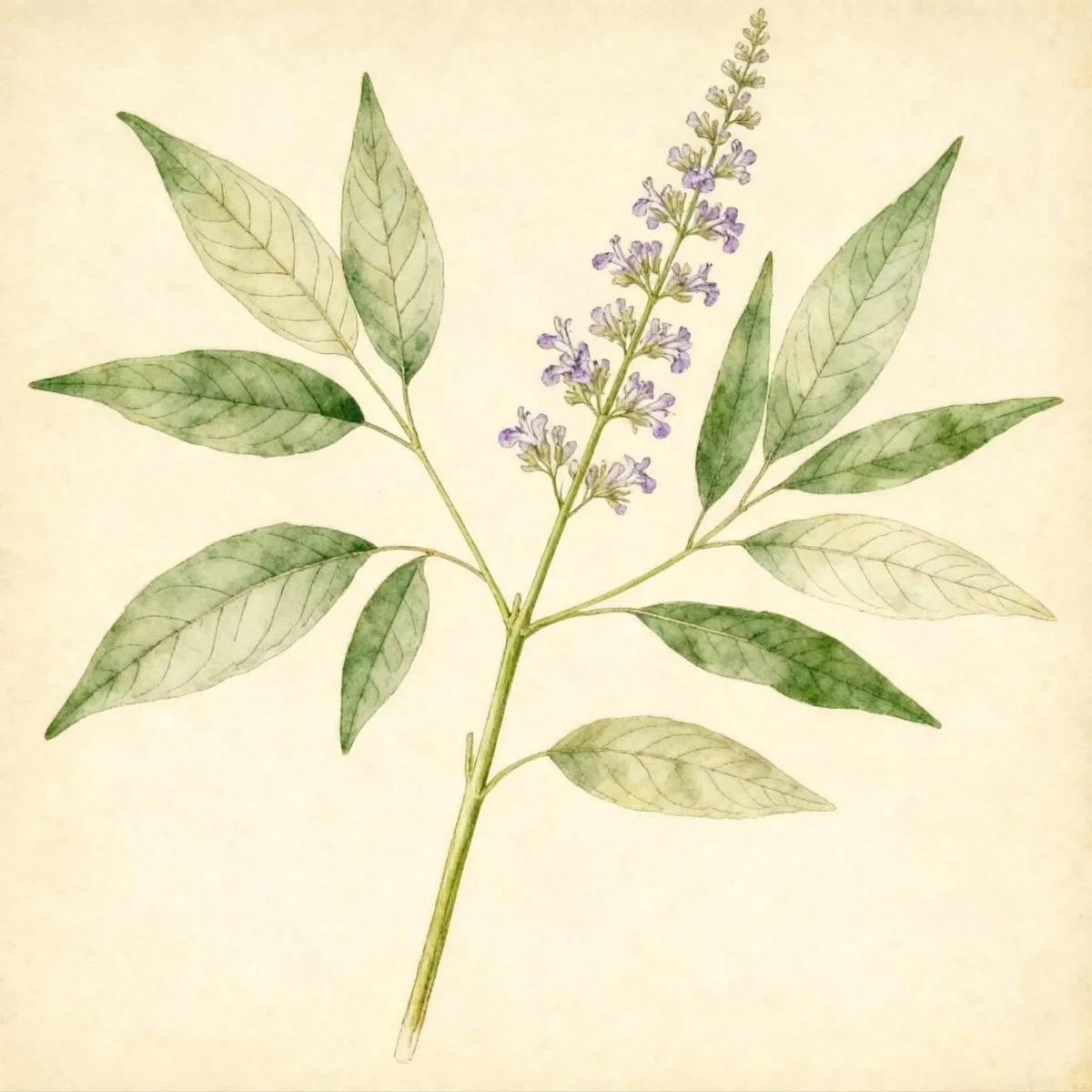
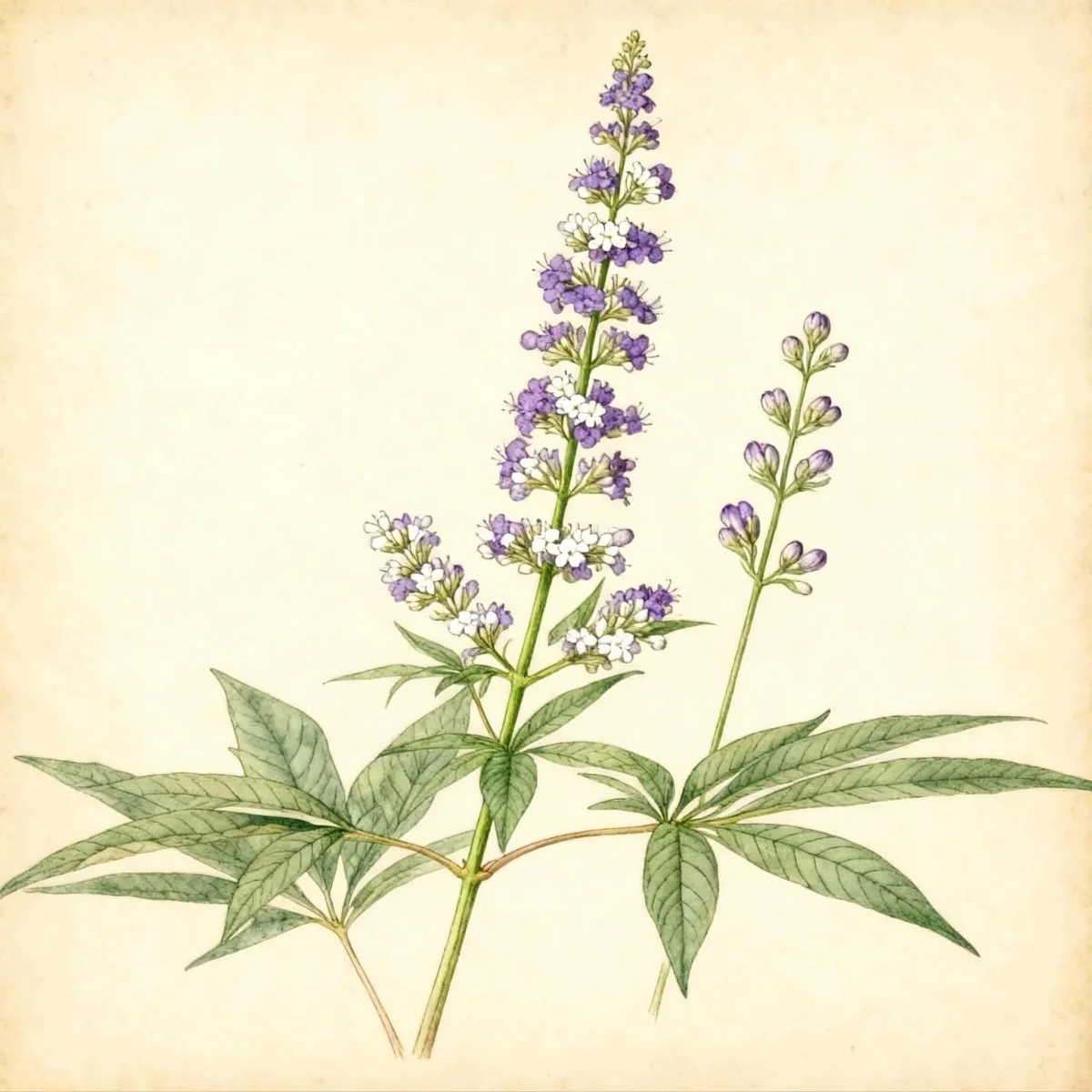
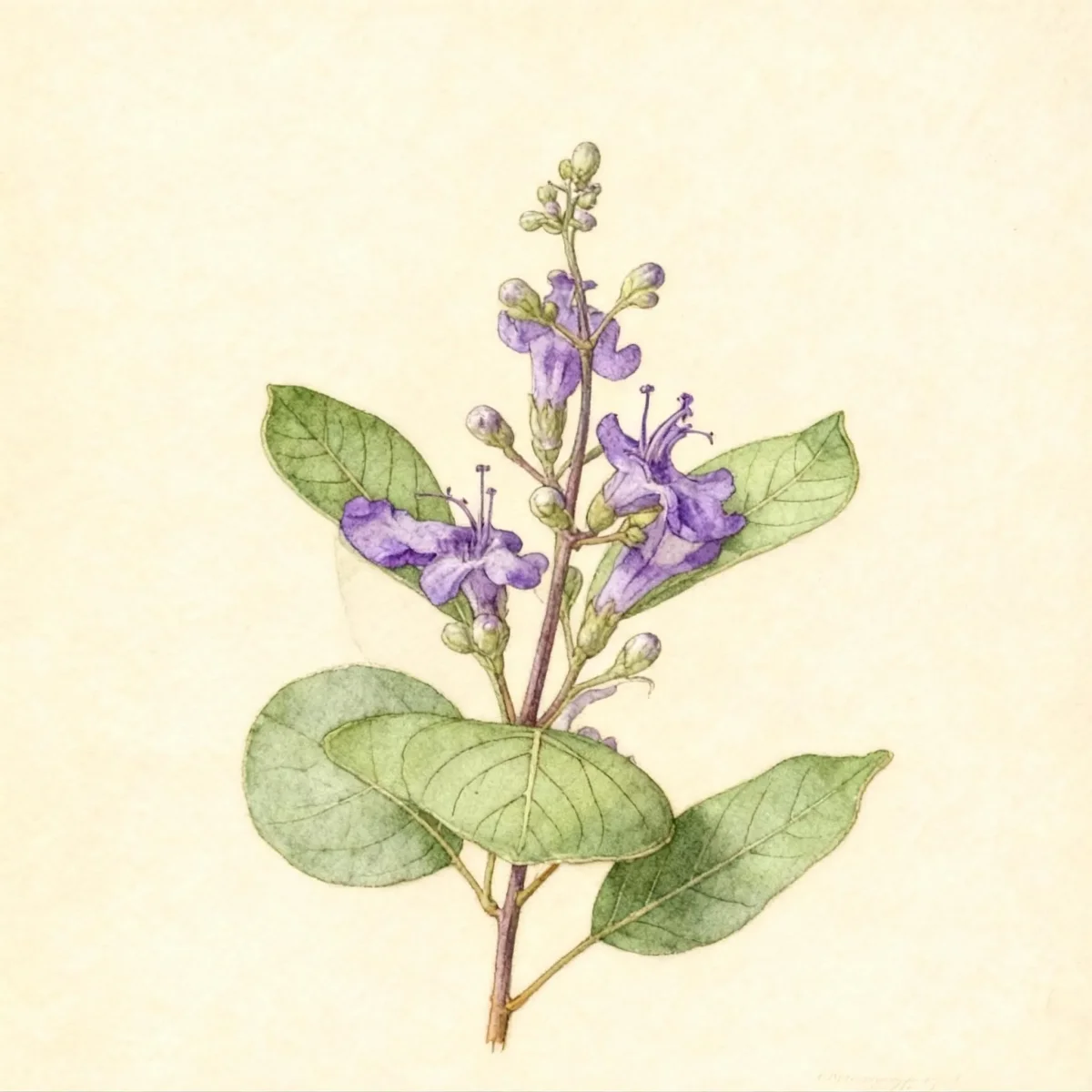
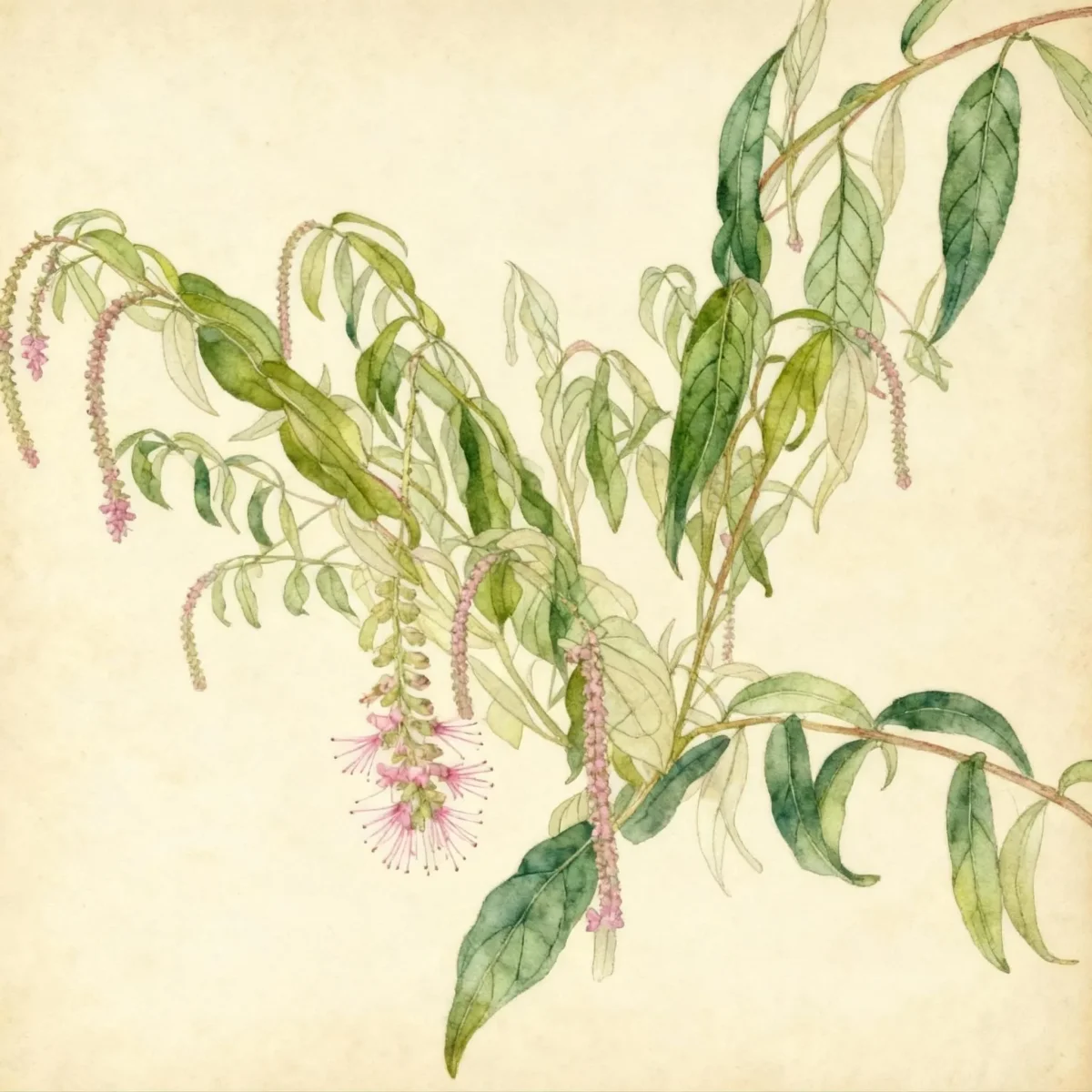
Chastetree (Vitex agnus-castus 'Colonial Blue')
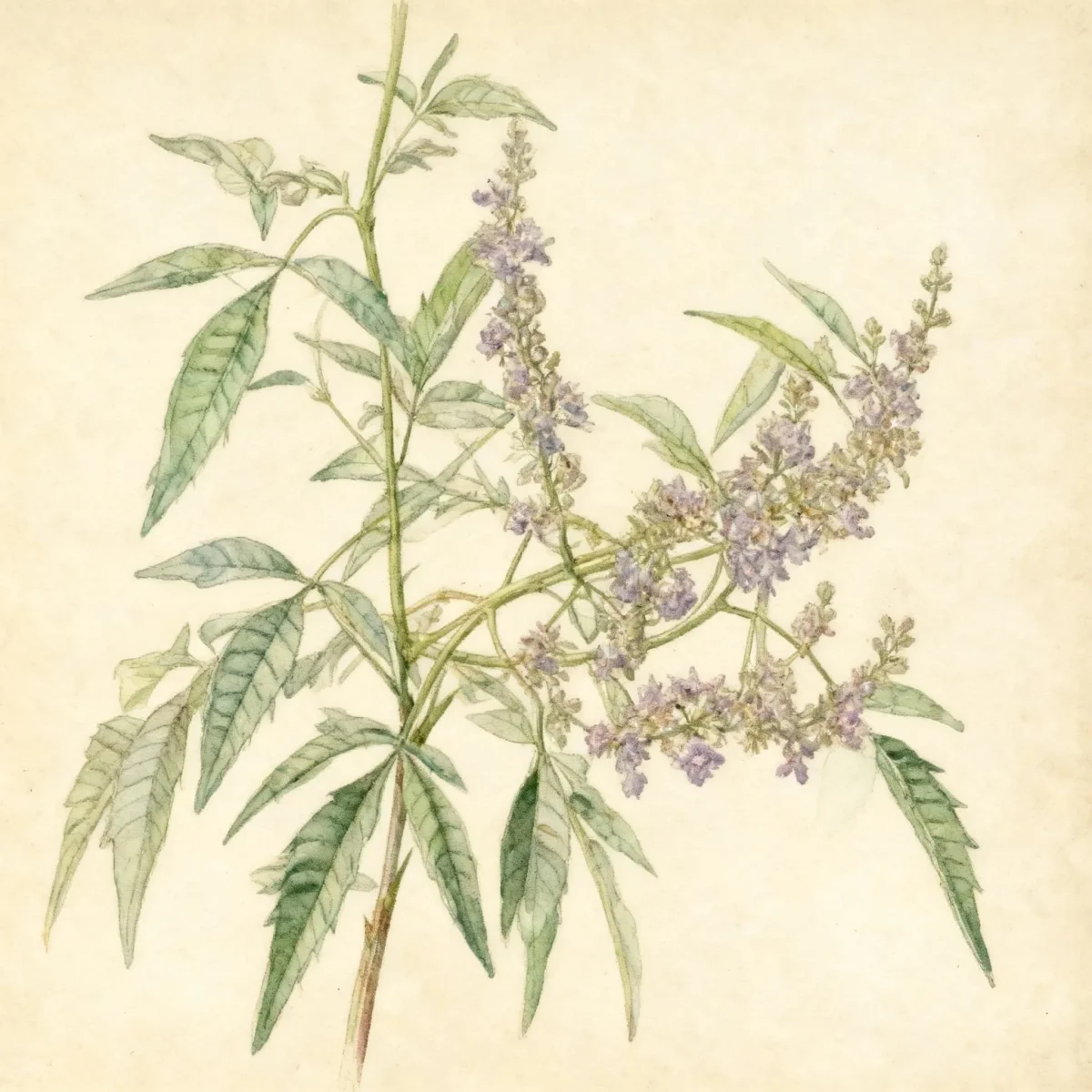
The Chastetree, Vitex agnus-castus 'Colonial Blue', is a striking deciduous shrub prized for its fragrant blue summer flowers and aromatic foliage.

Bloom Boldly, No Matter the Season - Sweatshirt
Cozy organic cotton sweatshirt featuring our exclusive Purple Coneflower design. Perfect for gardeners who bloom year-round.
Inspired by the beautiful Chastetree
Limited first batch (50) — join the waitlist for early access
Waitlist closes Feb 15, 2026.
Complete Plant Information
Field Guide Continues
Ready for care notes, companion picks, and planting tips?
The map is just the start. The full guide below covers growth habits, seasonal performance, and landscape uses.
Overview
The Vitex agnus-castus ‘Colonial Blue’, commonly known as Chastetree, offers a beautiful late-season floral display when many other shrubs are finished blooming. Gardeners value this plant for the masses of fragrant, colonial-blue flowers that appear robustly in mid to late summer. Its aromatic, grayish-green foliage also adds texture and interest to the landscape throughout the growing season.
This deciduous shrub thrives best when sited where it receives full sun, which maximizes its flowering potential. While it can grow quite large in warmer climates, in colder regions like USDA Zones 5 and 6, the Chastetree often experiences winter dieback, functioning closer to a herbaceous perennial. However, even if pruned back severely by winter cold, the roots typically survive, ensuring reliable new growth and rewarding flowering the following year because blooms appear on new wood.
For gardeners in zones 6 through 8, the Vitex agnus-castus ‘Colonial Blue’ provides excellent visual appeal, especially in cottage gardens or as a striking accent near water features. Its attraction to butterflies only enhances its functional value in the ecosystem, making it a worthwhile addition despite moderate maintenance requirements.
Fast Facts
- Plant Family: Lamiaceae
- Plant Type: Deciduous shrub
- Hardiness Zones: USDA Zones 6-8
- Size at Maturity:
- Height: 3-15 ft
- Spread: 3-15 ft
- Bloom Time: July to August
- Bloom Description: Blue
- Sun Exposure: Full sun
- Water Needs: Medium
- Maintenance Level: Medium
How to Grow
Plant the Vitex agnus-castus ‘Colonial Blue’ during the spring or early fall in areas where it is reliably hardy. The key to success rests in soil selection: the Chastetree demands loose, medium-moisture, well-drained soil. Proper drainage is crucial to prevent root rot, a potential issue for this species. When planting north of USDA Zone 7, select the most sheltered location possible to mitigate winter injury.
Water needs are medium; maintain consistent moisture, especially during establishment and dry summer periods. Fertilizing should be light, as heavy feeding can encourage excessive leafy growth at the expense of flowers. For established plants, little supplemental care is typically required beyond thoughtful pruning.
Pruning the Vitex agnus-castus ‘Colonial Blue’ is often essential, particularly in colder zones. If winter dieback occurs in Zones 5 or 6, cut the dead wood back severely in early spring; the plant will push out 4-7 feet of vigorous new flowering growth by summer. In areas with mild winters, shaping should be strategic to maintain desired size, similar to how crape myrtles are often managed, cutting back to the ground in early spring if a smaller, perennial form is preferred.
Landscape Uses
The unique structure and late flowering make the Chastetree an excellent focal point in mixed borders. Its interesting foliage and mid-to-late summer blooms provide significant impact when many other shrubs fade. Consider planting Vitex agnus-castus ‘Colonial Blue’ where its height (up to 15 feet) can anchor a foundation planting or serve as a transition between large trees and smaller perennials.
This species fits beautifully into cottage garden designs due to its informal habit and fragrant flowers. For gardeners focused on ecology, planting the Chastetree near sunny patios or window boxes maximizes enjoyment of its flower fragrance and its attractiveness to butterflies. It serves well in shrub borders, providing vertical interest and seasonal color succession.
Standout Features
Flower Qualities
- Showy
- Fragrant
Noteworthy Characteristics
Vitex agnus-castus, commonly called chaste tree, is typically grown in warm winter climates as a vase-shaped, deciduous shrub (to 10-15’ tall) or trained as a single trunk tree to 20’ tall. Features aromatic, compound, palmate, grayish-green leaves with 5-7 lance-shaped leaflets and tiny, fragrant, pale violet flowers appearing in loose panicles to 12” long in mid to late summer. The ‘Colonial Blue’ variety specifically features colonial-blue flowers that are quite attractive to butterflies.
Tolerances
Potential Problems
The Chastetree generally enjoys good health, suffering from no serious insect or common disease problems in ideal conditions. However, gardeners should watch for occasional fungal issues like leaf spot or, more concerningly, root rot if drainage is poor or overwatering occurs. The primary concern for many growers relates to its reliability in colder areas.
Winter hardiness in the St. Louis area and similar climates (Zones 5-6) is a frequent concern, as plants can suffer significant dieback or even be killed back completely to the ground line. The key management strategy here is patience; avoid pruning out what appears to be dead wood too early in spring, and remember that flowering is not hindered by winter loss, as the Vitex agnus-castus ‘Colonial Blue’ blooms exclusively on new seasonal growth.
Frequently Asked Questions
What hardiness zones is Chastetree suitable for?
The Vitex agnus-castus ‘Colonial Blue’ is typically hardy in USDA Zones 6 through 8.
How large does Chastetree grow?
At maturity, this deciduous shrub can reach heights and spreads ranging from 3 to 15 feet, depending heavily on climate and pruning regime.
When does Chastetree bloom?
The Chastetree provides its signature color display from July through August, featuring pleasing blue blooms.
What sun exposure does Chastetree need?
This plant requires full sun to develop properly and produce its best crop of flowers.
Conclusion
The Vitex agnus-castus ‘Colonial Blue’ brings enduring summer color and distinctive fragrance to the garden, making it a valuable perennial or shrub depending on your latitude. While monitoring winter hardiness in the northern reaches of its range is important, its ability to regenerate ensures beauty even after harsh winters. Before planting, always confirm your USDA hardiness zone compatibility and ensure you have selected a site with excellent drainage to support this lovely Chastetree.
Wildlife Benefits
The intense flowering period of the Chastetree contributes significantly to late-season ecological support in the garden. The tiny, fragrant flowers of the Vitex agnus-castus ‘Colonial Blue’ are highly attractive to nectar feeders when summer resources start to dwindle.
This plant is noted specifically for its ability to draw in various types of butterflies, making it a superb addition to any dedicated butterfly garden design. Planting shrubs that support pollinators during the late summer slump provides critical refueling stops for these insects as they prepare for migration or overwintering.
Seasonal Care Calendar
Early spring is the ideal time to address pruning needs for the Chastetree. If you are expecting winter dieback in Zones 5 or 6, prune the stems back hard to healthy wood or even to the ground before new growth begins. Applying a slow-release fertilizer in early spring is optional; only fertilize if soil tests indicate a deficiency, as phosphorus is the main requirement for flower production.
Summer care focuses primarily on irrigation, particularly during periods of drought, as this plant requires medium water input for consistent performance. Avoid excessive overhead watering late in the day, which can predispose the foliage to potential fungal issues like the occasional leaf spot. Deadheading is generally not required for this species.
In the fall, the plant requires minimal intervention. Once the foliage has dropped naturally, protect the roots by applying a layer of mulch, especially near the outer limits of its hardiness range (Zone 6). Do not heavily prune into the dormant structure in the fall; wait until the danger of hard frost has passed in late winter or early spring to avoid stimulating tender new growth susceptible to immediate cold damage.