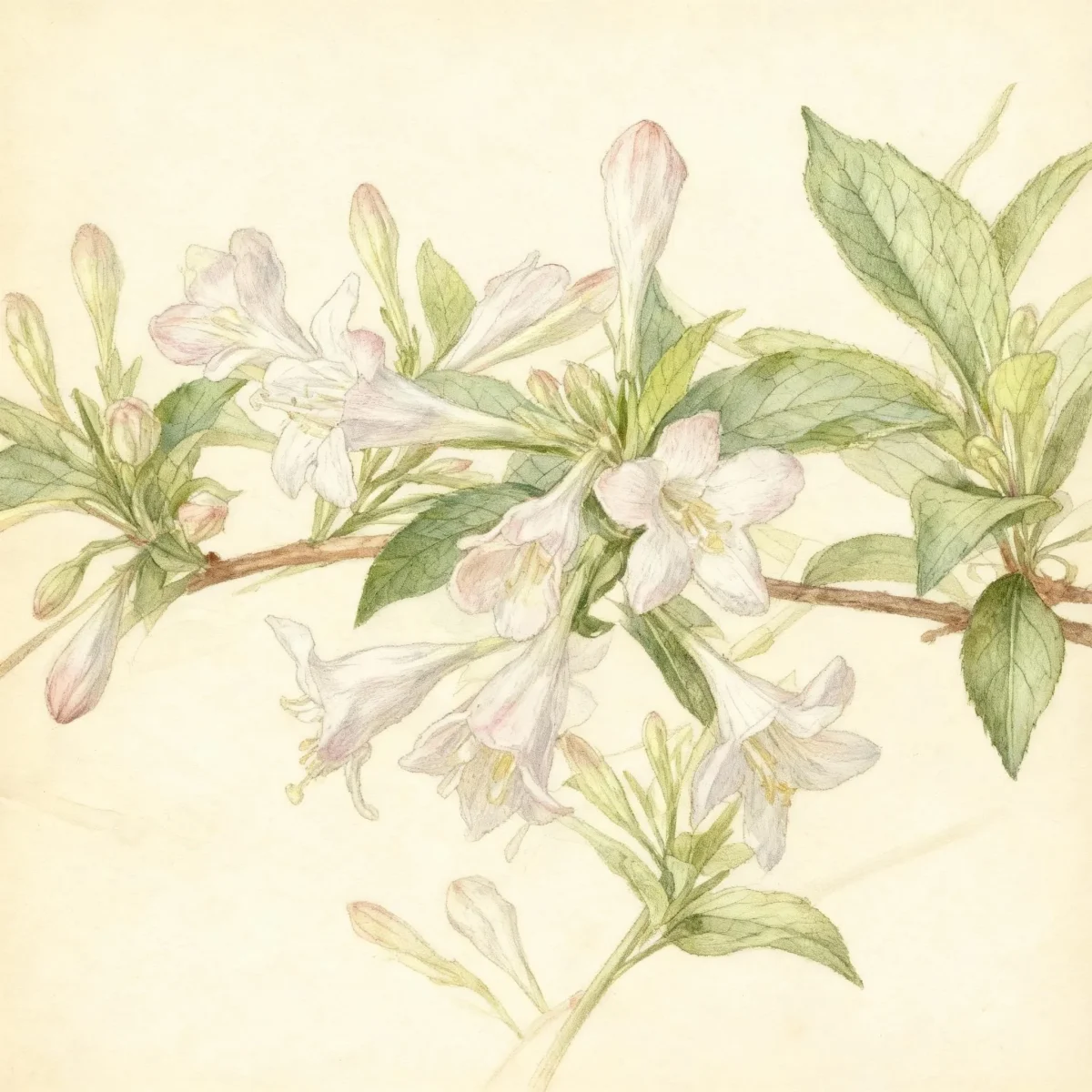
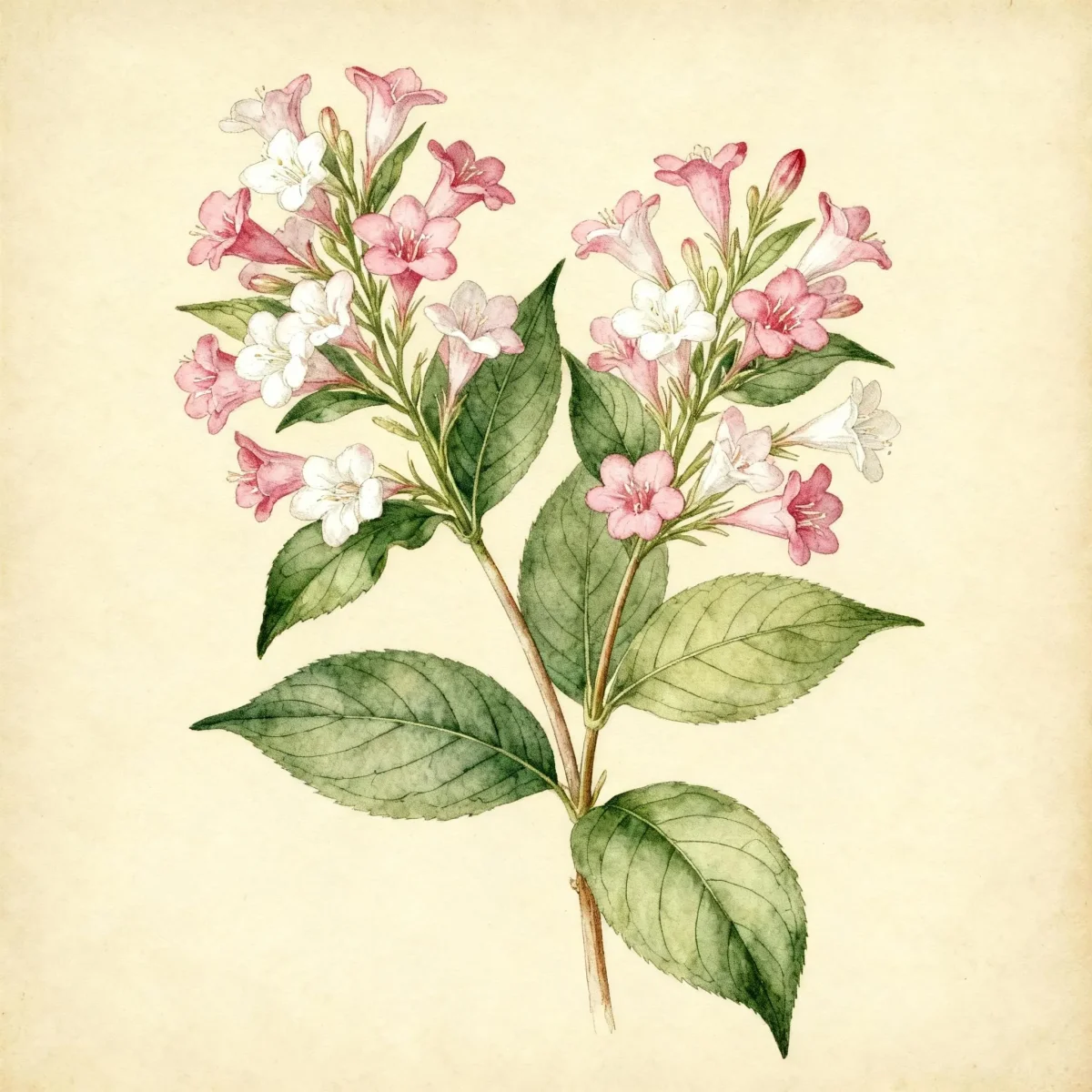
Weigela (Weigela hortensis)
Weigela hortensis offers showy rose-pink blooms in late spring. This low-maintenance, deciduous Weigela shrub thrives in full sun.

Bloom Boldly, No Matter the Season - Sweatshirt
Cozy organic cotton sweatshirt featuring our exclusive Purple Coneflower design. Perfect for gardeners who bloom year-round.
Inspired by the beautiful Weigela
Limited first batch (50) — join the waitlist for early access
Waitlist closes Feb 15, 2026.
Complete Plant Information
Field Guide Continues
Ready for care notes, companion picks, and planting tips?
The map is just the start. The full guide below covers growth habits, seasonal performance, and landscape uses.
Overview
The Weigela hortensis, commonly known simply as Weigela, is a highly valuable deciduous shrub native to Japan, prized for its dense structure and abundant late spring floral display. This robust plant forms a rounded shape, reaching up to ten feet tall and wide, making it an effective structural element in the landscape. Gardeners appreciate its resilience and low management needs, ensuring vibrant color without constant fuss.
The most celebrated feature of the Weigela is its profusion of narrow, tubular, rose-pink flowers that blanket the shrub from May into June. These blooms emerge from old wood, a key factor in successful pruning management. Despite its relatively large mature size, the Weigela hortensis fits well into established borders or as a background specimen.
Functionally, this shrub offers versatility, serving admirably as a summer screen or a formal hedge when kept trimmed. Its dense foliage and reliable flowering habit ensure consistent visual interest throughout the growing season, making the Weigela hortensis a dependable choice for structure and seasonal beauty.
Fast Facts
- Plant Family: Caprifoliaceae
- Plant Type: Deciduous shrub
- Native Range: Japan
- Hardiness Zones: USDA Zones 6-9
- Size at Maturity:
- Height: 8-10 ft
- Spread: 8-10 ft
- Bloom Time: May to June
- Bloom Description: Rose pink
- Sun Exposure: Full sun
- Water Needs: Medium
- Maintenance Level: Low
How to Grow
When planting Weigela hortensis, aim for early spring or fall, allowing the roots time to establish before extreme weather. It thrives best in average, medium moisture, well-drained soils. Crucially, ensure the location receives full sun exposure; while Weigela tolerates light or dappled shade, maximum flowering and optimal foliage color depend on several hours of direct sunlight daily.
Care is generally straightforward due to its low maintenance classification. Provide medium water, especially during establishment and prolonged dry spells. Fertilization is rarely necessary unless the soil is extremely poor. Focus attention on pruning: since Weigela blooms on old wood, shape pruning must be done immediately after the flowering period ends in June. Never prune heavily in late summer or fall, as this removes next year’s flower buds.
If overwintering in colder Zone 6 pockets, ensuring good drainage helps prevent winter root rot. Propagate desirable selections using stem cuttings taken during the growing season, or start new plants from seed if desired, though cultural propagation often maintains desired traits better. Proper location selection is the most critical step for long-term success with this adaptable shrub.
Landscape Uses
The substantial size of the Weigela hortensis makes it an excellent choice for defining property margins or lining walkways. Its upright, dense habit allows it to function perfectly as a low hedge or a semi-private summer screen where a mature height of 8 to 10 feet is needed. Plant several specimens in staggered rows to create an informal woodland garden transition, complementing the native Japanese origin of this Weigela.
For foundation plantings, ensure adequate space is allowed for the mature 8 to 10-foot spread to prevent overcrowding near structures. When used in mixed borders, combine the rosy spring blooms of Weigela hortensis with perennials that provide contrasting summer texture, such as ornamental grasses or late-blooming hydrangeas, which share similar light and moisture requirements. Its strong form ensures year-round structure even when not in flower.
Standout Features
Flower Qualities
- Showy
Noteworthy Characteristics
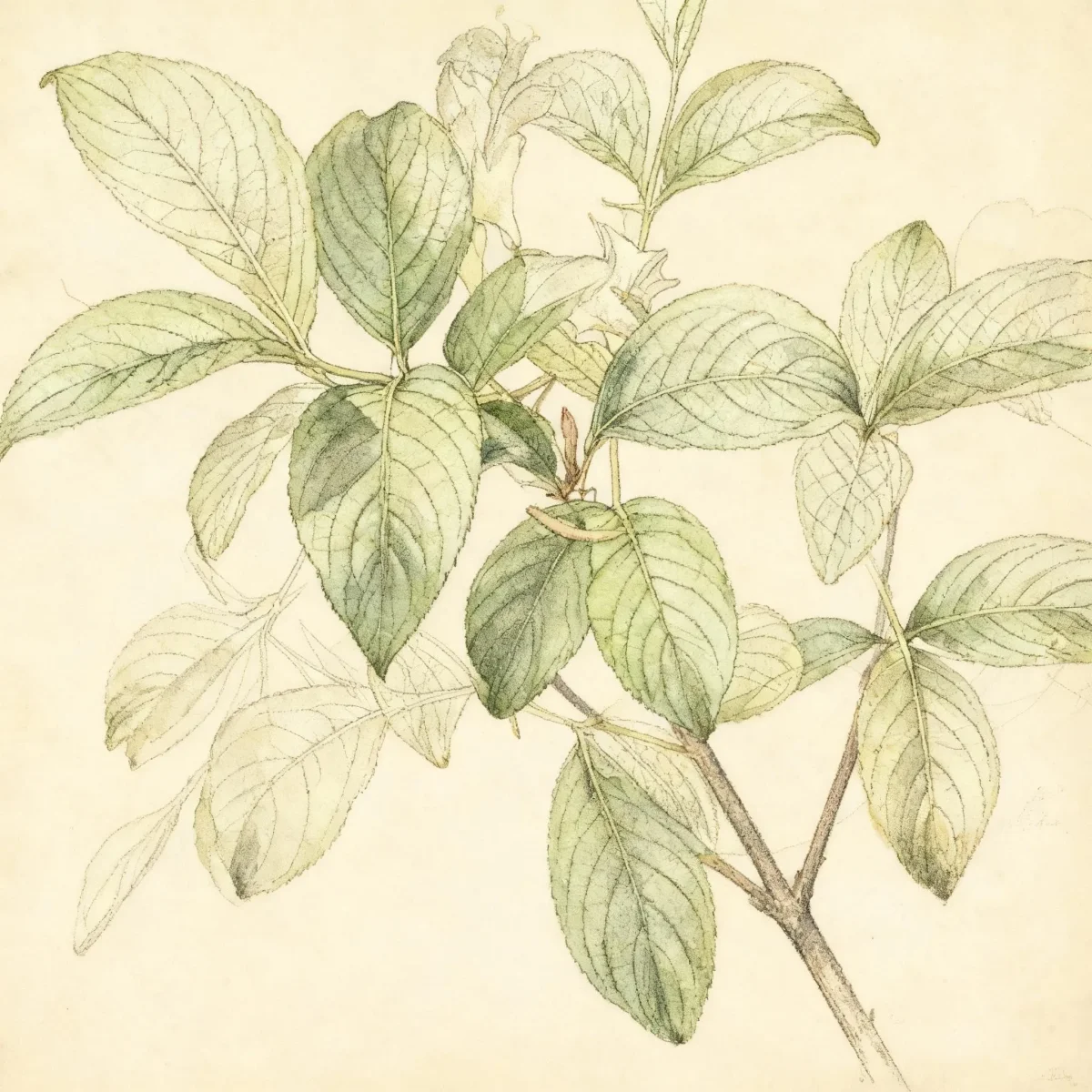
Weigela hortensis, commonly called weigela, is a dense, rounded, multi-stemmed, deciduous shrub in the honeysuckle family that typically grows to 10’ tall and as wide. It is native to Japan. Opposite, acuminate, serrate-margined, ovate to obovate leaves (2-4” long) are subglabrous above but densely pubescent beneath. Narrow, tubular-campanulate, rose-pink flowers (1.5” long) bloom profusely in groups of three atop pubescent stalks rising from the branch ends and leaf axils in late spring to early summer (May-June). Some authorities consider Diervilla hortensis to be a synonym of this plant. The genus name Weigela honors Christian Ehrenfried Weigel (1748-1831), German professor at the University of Geifswald. The specific epithet from Latin means belonging to a garden.
Tolerances
- Clay Soil
Potential Problems
This variety of Weigela is fortunate in that it generally experiences no serious insect or disease problems, which significantly contributes to its low maintenance ranking. Gardeners should monitor for common pests like aphids occasionally, although major infestations are rare. Good air circulation, achieved by proper spacing and avoiding over-fertilization, is the best preventative measure against potential foliar issues.
Management should focus on sanitation rather than chemical intervention. Should leaf spot or minor pest issues arise, a strong blast of water or horticultural oil treatment is typically sufficient. Because this plant is tough and adaptable, cultural excellence—providing the right sun and soil drainage—prevents most potential issues associated with this handsome Weigela hortensis.
Frequently Asked Questions
What hardiness zones is Weigela suitable for?
The Weigela hortensis is reliably hardy in USDA Zones 6 through 9.
How large does Weigela grow?
This deciduous shrub will typically mature to a height and spread between 8 and 10 feet in optimal conditions.
When does Weigela bloom?
The showy flowers of the Weigela hortensis bloom profusely every year from May to June, presenting lovely rose-pink coloration.
What sun exposure does Weigela need?
For the very best performance, including abundant flowering, Weigela requires full sun, though it can tolerate light, dappled shade.
Conclusion
The Weigela hortensis is an excellent choice for gardeners seeking a large, resilient shrub that delivers spectacular spring color with minimal effort. Its robust nature and tolerance for average conditions, including clay soil, make the Weigela a dependable landscape anchor. Before planting, confirm your location falls within USDA Zones 6 to 9 and ensure you plan your pruning schedule immediately following the May-June bloom.
Propagation Tips
Stem cuttings provide a reliable method for increasing your stock of Weigela hortensis. The best time to take semi-hardwood cuttings is usually mid to late summer, after the initial flush of flowering has passed but while the stems still possess some flexibility. Select healthy, non-flowering new growth that is about 4 to 6 inches long.
Prepare the cuttings by removing the lower leaves and making a slanted cut just below a node. Dipping the base of the cutting into root-inducing hormone powder significantly increases success rates. Plant the cuttings in a well-drained potting medium, such as a mix of peat and perlite, and place them in a protected location with bottom heat and high humidity to encourage root development.
Once roots have formed, the new Weigela plants can be gradually hardened off and transplanted to their permanent location, ideally in the following spring or fall, allowing them to establish their root systems before facing harsh summer or winter conditions.
Design Ideas
When incorporating Weigela hortensis into larger landscape designs, consider its substantial mature spread of up to 10 feet. Use this size to your advantage by planting it behind medium-sized shrubs or perennials that can handle partial shade as the sun moves throughout the day. Companion plants that thrive in similar conditions (medium moisture, full sun to part shade) include Peonies or other spring-blooming shrubs like Lilacs, which finish flowering as the Weigela begins.
For a structured look, plant Weigela hortensis in an all-shrub border where its strong outline can provide year-round mass. If you are seeking a cottage garden feel, allow it to mingle with taller summer bloomers like tall phlox or delphiniums; however, remember that diligent deadheading and pruning of the Weigela immediately after bloom is essential to maintain vigor and shape among these competitors.