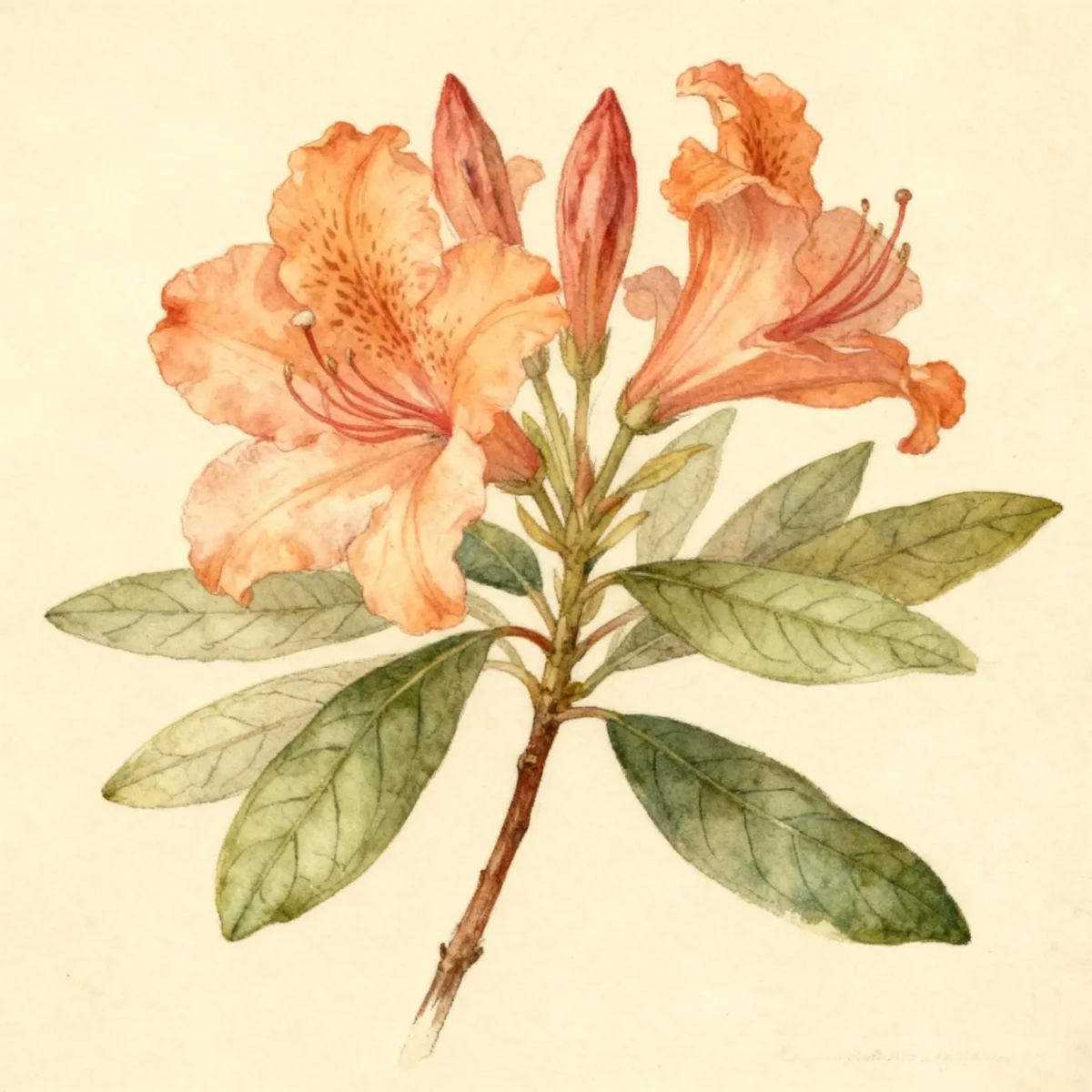
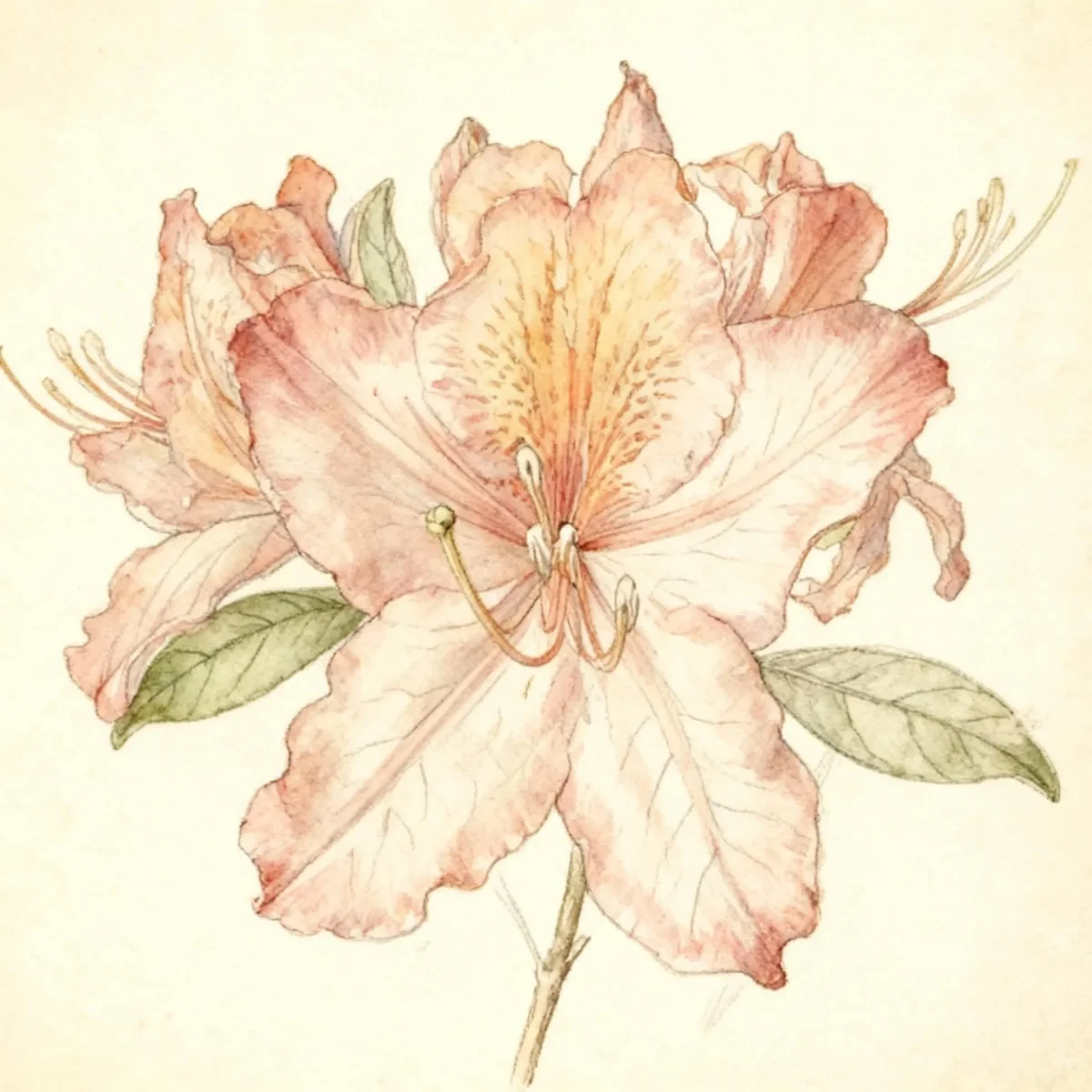
Azalea (Rhododendron 'Rosy Cheeks')
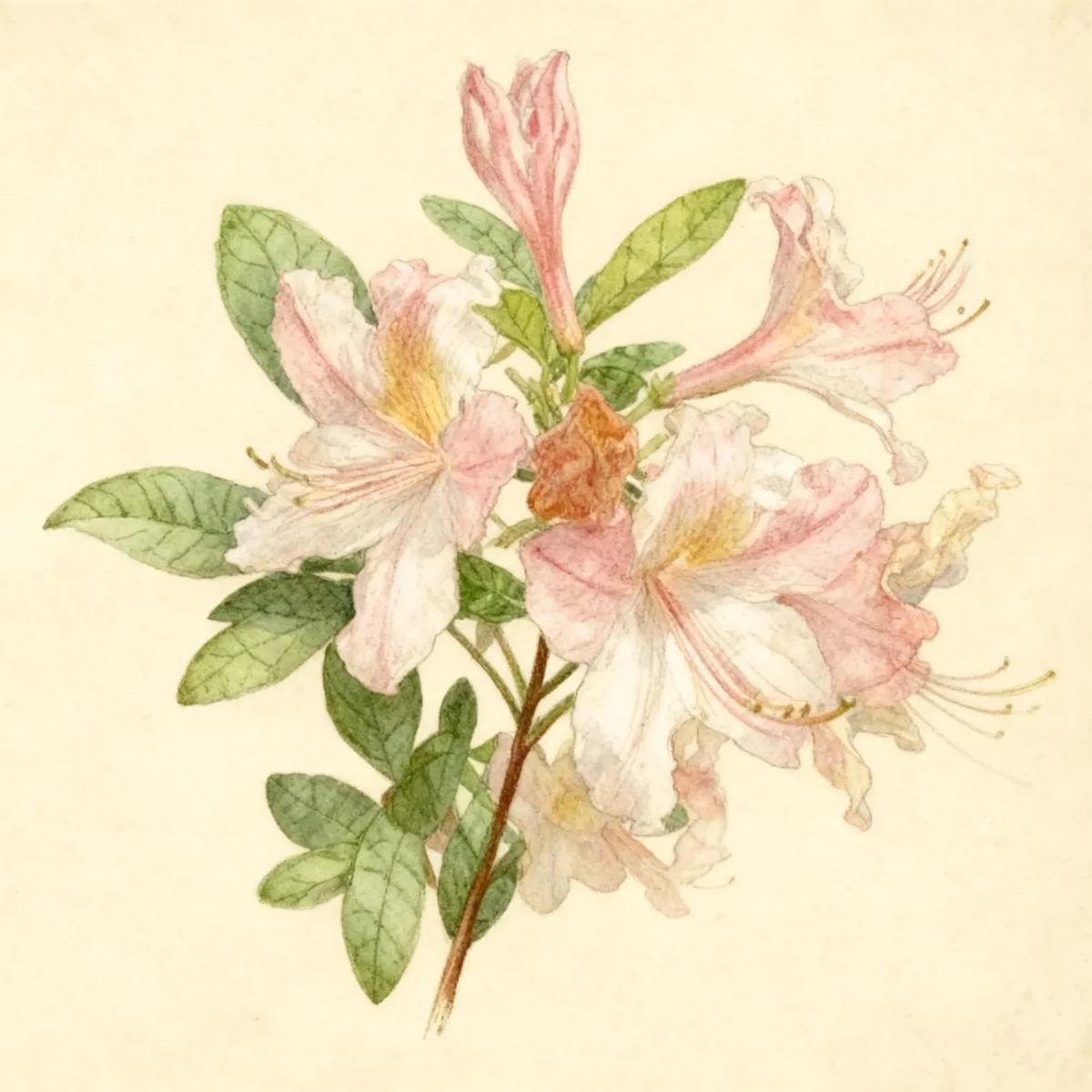
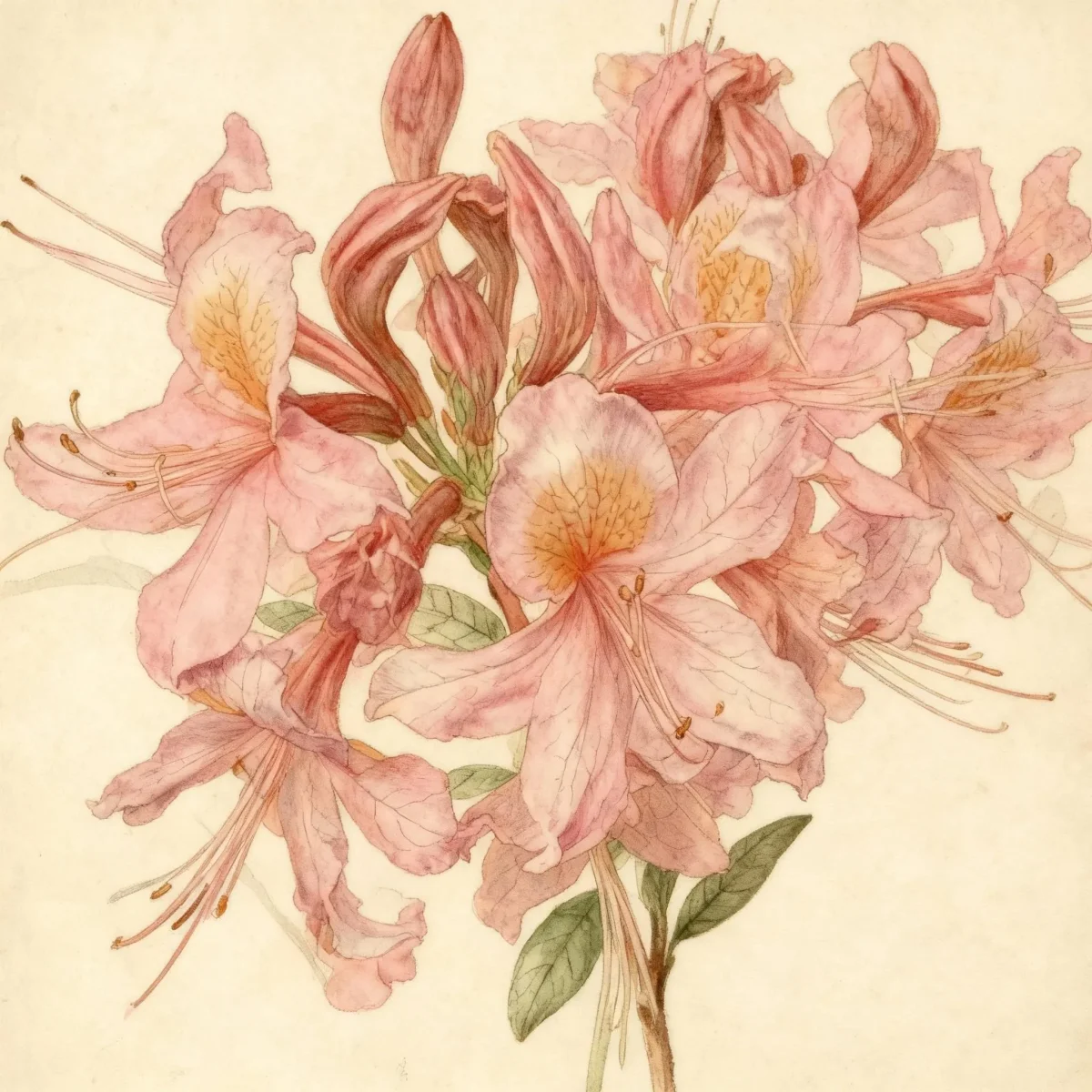
Rhododendron 'Rosy Cheeks' Azalea is a deciduous shrub featuring showy, fragrant, soft rose flowers in April. Ideal for USDA zones 5-7.
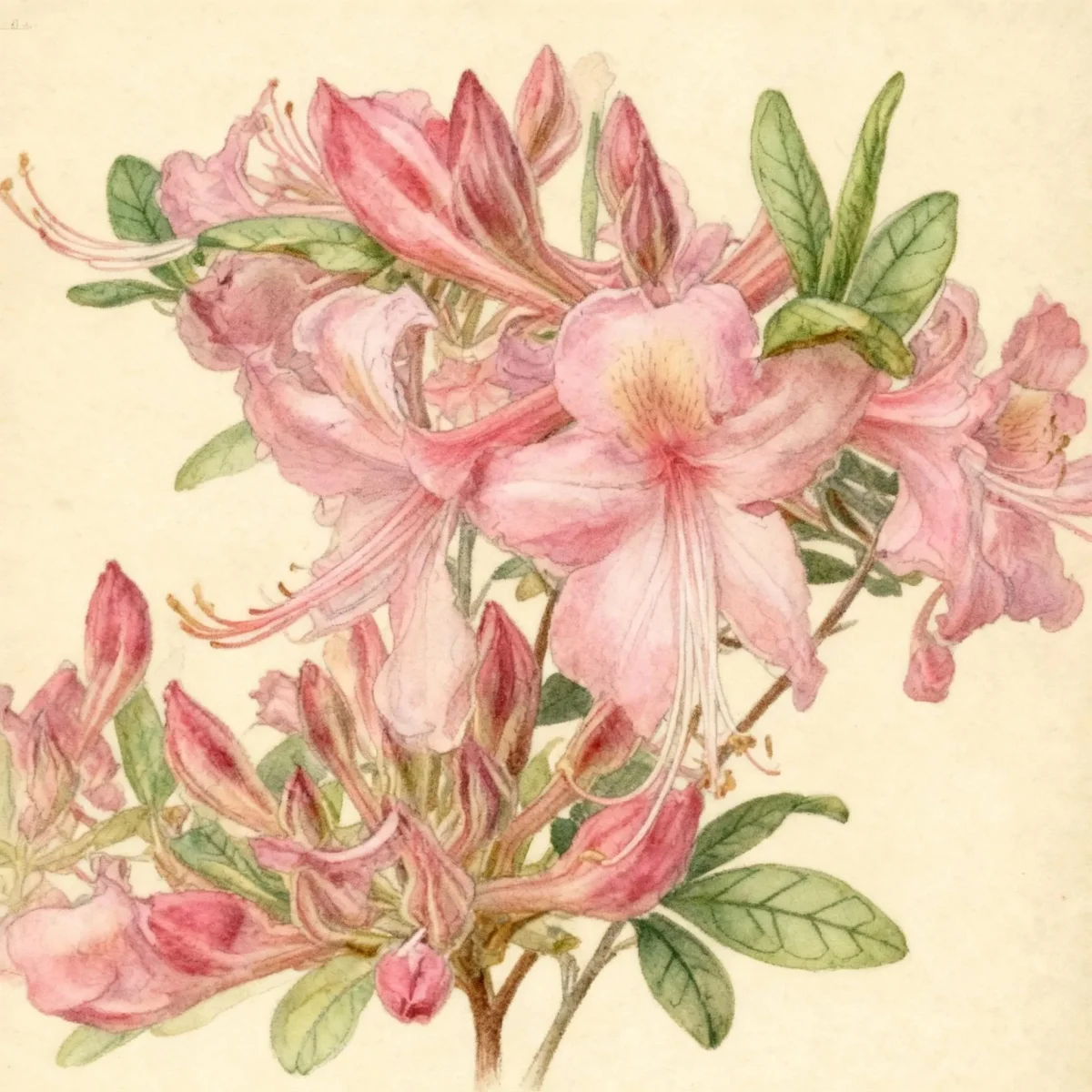

Bloom Boldly, No Matter the Season - Sweatshirt
Cozy organic cotton sweatshirt featuring our exclusive Purple Coneflower design. Perfect for gardeners who bloom year-round.
Inspired by the beautiful Azalea
Limited first batch (50) — join the waitlist for early access
Waitlist closes Feb 15, 2026.
Complete Plant Information
Field Guide Continues
Ready for care notes, companion picks, and planting tips?
The map is just the start. The full guide below covers growth habits, seasonal performance, and landscape uses.
Overview
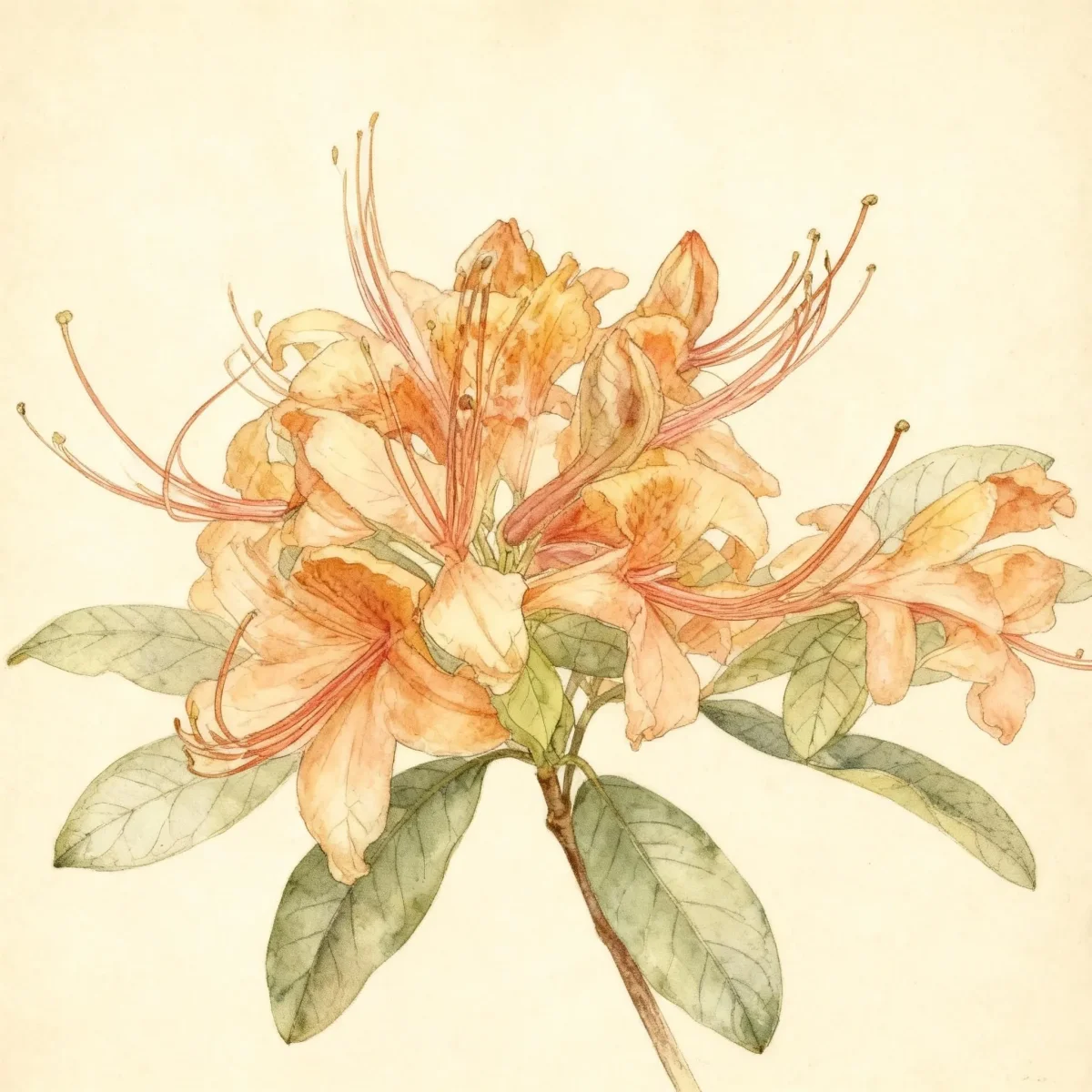
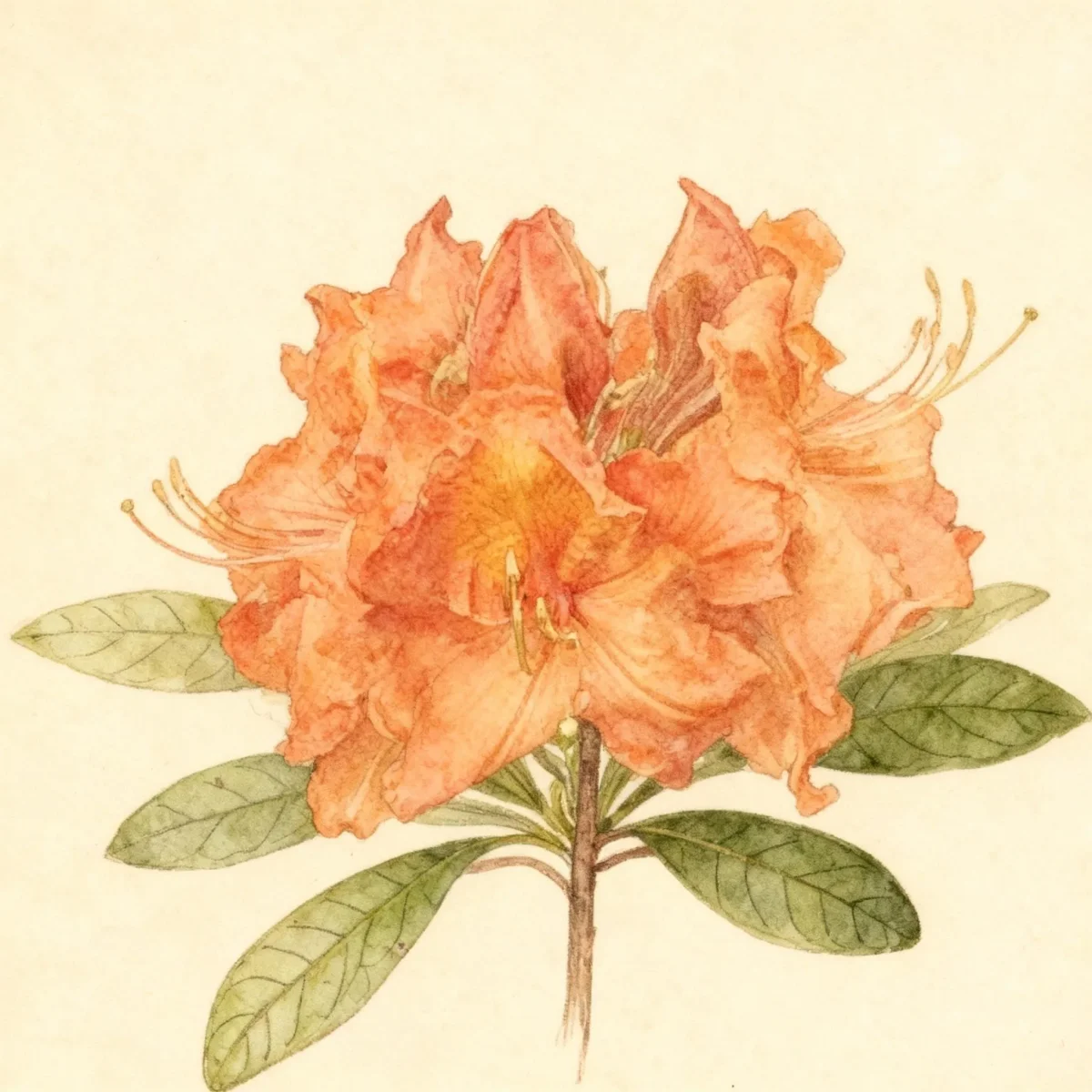
Rhododendron ‘Rosy Cheeks’ is a spectacular deciduous Azalea, prized by gardeners for its lavish spring display. This cultivar produces clusters of soft rose blooms accented by a distinctive golden blotch, making it a true highlight in the mid-spring landscape. As a deciduous type, it offers seasonal interest by shedding its leaves in the fall, contrasting with its evergreen cousins.
This variety typically matures into a substantial shrub, reaching heights and spreads between six and eight feet. Proper siting is crucial for establishing healthy growth of this Azalea. It thrives best when protected from harsh elements, favoring dappled sunlight over intense, blasting afternoon heat.
The primary value of Rhododendron ‘Rosy Cheeks’ lies in its significant aesthetic impact during bloom time, combined with its versatility in mixed plantings. Ensuring the correct acidic soil conditions will maximize flower production and plant vigor, rewarding the gardener with consistent performance year after year.
Fast Facts
- Plant Family: Ericaceae
- Plant Type: Deciduous shrub
- Hardiness Zones: USDA Zones 5-7
- Size at Maturity:
- Height: 6-8 ft
- Spread: 6-8 ft
- Bloom Time: April
- Bloom Description: Soft rose with golden blotch
- Sun Exposure: Part shade
- Water Needs: Medium
- Maintenance Level: Medium
How to Grow
Planting should occur when the soil is workable, ideally in spring or early fall, ensuring Rhododendron ‘Rosy Cheeks’ receives its preferred location: part shade where it receives sun dappled or high open shade. The single most critical factor for success is soil composition; aim for acidic, organically rich, humusy soil that is moisture-retentive but drains exceptionally well. Good drainage is essential to prevent root rot, making raised beds advisable in heavy clay soils.
Watering requirements are medium; keep the soil consistently moist but avoid sogginess, as fibrous, shallow roots must never be allowed to dry out. A thick layer of mulch, such as pine needles or bark chips, is highly beneficial for stabilizing soil temperatures and retaining necessary moisture, especially since cultivation around the root zone must be avoided. Acidify the soil as needed to maintain a pH between 5.0 and 5.5, using sulfur or iron sulfate.
Pruning for this Azalea focuses mainly on aesthetic cleanup. Clip off spent flower clusters immediately after they fade, a process known as deadheading, which encourages better energy use for the following year’s bloom. Protect plants from strong winds and avoid siting them near walnut family trees due to sensitivity to toxic juglones.
Landscape Uses
Rhododendron ‘Rosy Cheeks’ is highly adaptable, fitting well into various landscape roles. It performs excellently as a specimen focal point, especially where its spring fragrance can be appreciated, or massed plantings create bold sweeps of color. Its height and structure make it suitable for shrub borders, providing excellent mid-to-back-layer interest.
This Azalea is a natural fit for woodland gardens or shady borders where its foliage and flowers can be highlighted beneath taller deciduous trees. It also functions effectively as a foundational planting or when utilized specifically as a robust, medium-sized hedge, provided the density and height goals align with its 6-8 foot mature size.
Pairing this plant effectively involves selecting companions that share its need for acidic soil and partial shade, such as ferns, heucheras, or other shade-loving ericaceous shrubs. Proper site selection ensures that this vibrant Azalea integrates seamlessly into the garden design.
Standout Features
Flower Qualities
- Showy
- Fragrant
Noteworthy Characteristics
Rhododendron is a genus of 500 to 900 species that includes both rhododendrons and azaleas; most are evergreen, though some, like ‘Rosy Cheeks’, are deciduous. This particular variety, Rhododendron ‘Rosy Cheeks’, is a deciduous hybrid that produces lavish displays of flowers early in spring as the new foliage emerges. Its name derives from the Greek words for rose and tree, reflecting its ornamental value in the landscape.
Tolerances
- Rabbit
Potential Problems
Rhododendrons and azaleas are susceptible to a range of issues, encompassing both insect pests (like lacebugs, scale, and borers) and diseases (such as root rot, leaf spot, and powdery mildew). Maintaining a healthy plant in the proper environment mitigates most severe outbreaks.
A very common issue is chlorosis, where leaves turn yellow; this often signals an iron deficiency caused by overly alkaline soil pH levels. Consistent monitoring and correction of the soil pH towards the preferred acidic range (5.0-5.5) are key preventative measures against this and other physiological disorders.
Ensure excellent air circulation and proper soil drainage to reduce the incidence of fungal diseases like crown rot or leaf gall. If pests appear, prompt identification is key, though cultural soundness remains the best defense for your Rhododendron ‘Rosy Cheeks’.
Frequently Asked Questions
What hardiness zones is Azalea (Rhododendron ‘Rosy Cheeks’) suitable for?
Rhododendron ‘Rosy Cheeks’ is best suited for gardeners located within USDA Hardiness Zones 5 through 7.
How large does Azalea (Rhododendron ‘Rosy Cheeks’) grow?
This deciduous shrub typically achieves a mature height ranging from 6 to 8 feet, with a similar spread of 6 to 8 feet wide.
What sun exposure does Azalea (Rhododendron ‘Rosy Cheeks’) need?
For optimal health and flowering, Rhododendron ‘Rosy Cheeks’ requires part shade, ideally benefiting from dappled light or morning sun followed by afternoon shade.
When does Azalea (Rhododendron ‘Rosy Cheeks’) bloom?
This variety is an early bloomer, typically showing off its clusters of soft rose with golden blotch flowers in April.
Conclusion
The Rhododendron ‘Rosy Cheeks’ Azalea offers exceptional ornamental value with its fragrant, striking springtime color, fitting perfectly into woodland or mixed border designs. By adhering strictly to its needs for acidic, well-drained soil and partial shade, gardeners can ensure this six-to-eight-foot shrub thrives for many seasons. Check your local climate and soil profile soon to prepare the perfect spot for planting this beautiful Azalea.
Companion Planting for Acid Lovers
When designing a garden space around Rhododendron ‘Rosy Cheeks’, prioritize companion plants that share the same cultural requirements, particularly low pH soil and partial shade. Excellent partners include native woodland inhabitants like Hellebores (Lenten Rose) and various shade-loving ferns, which offer textural contrast without competing aggressively for nutrients. Consider incorporating plants with different bloom times or foliage textures to maintain visual interest once the Azalea finishes flowering in April.
Other suitable companions in the Ericaceae family, such as Blueberries or Mountain Laurel (Kalmia), thrive in similar conditions and create cohesive, acidic planting zones. Avoid planting shallow-rooted turfgrass directly beneath the shrub, as mowing or excessive root competition can stress the Rhododendron ‘Rosy Cheeks’ roots.
Seasonal Care Calendar Summary
Spring is the active time for Rhododendron ‘Rosy Cheeks’, focusing on deadheading spent blooms immediately after flowering concludes in April/May and monitoring soil moisture closely as temperatures rise. Mid-summer is ideal for applying a slow-release acidifying fertilizer if necessary, ensuring nutrients are available before fall dormancy begins.
In autumn and winter, the focus shifts to protection; ensure a substantial layer of mulch remains intact to insulate the shallow roots from deep freezes, particularly in the colder edges of Zones 5 and 6. Avoid heavy pruning outside of shaping spent blooms, as substantial cuts made late in the season can encourage tender new growth vulnerable to winter damage.