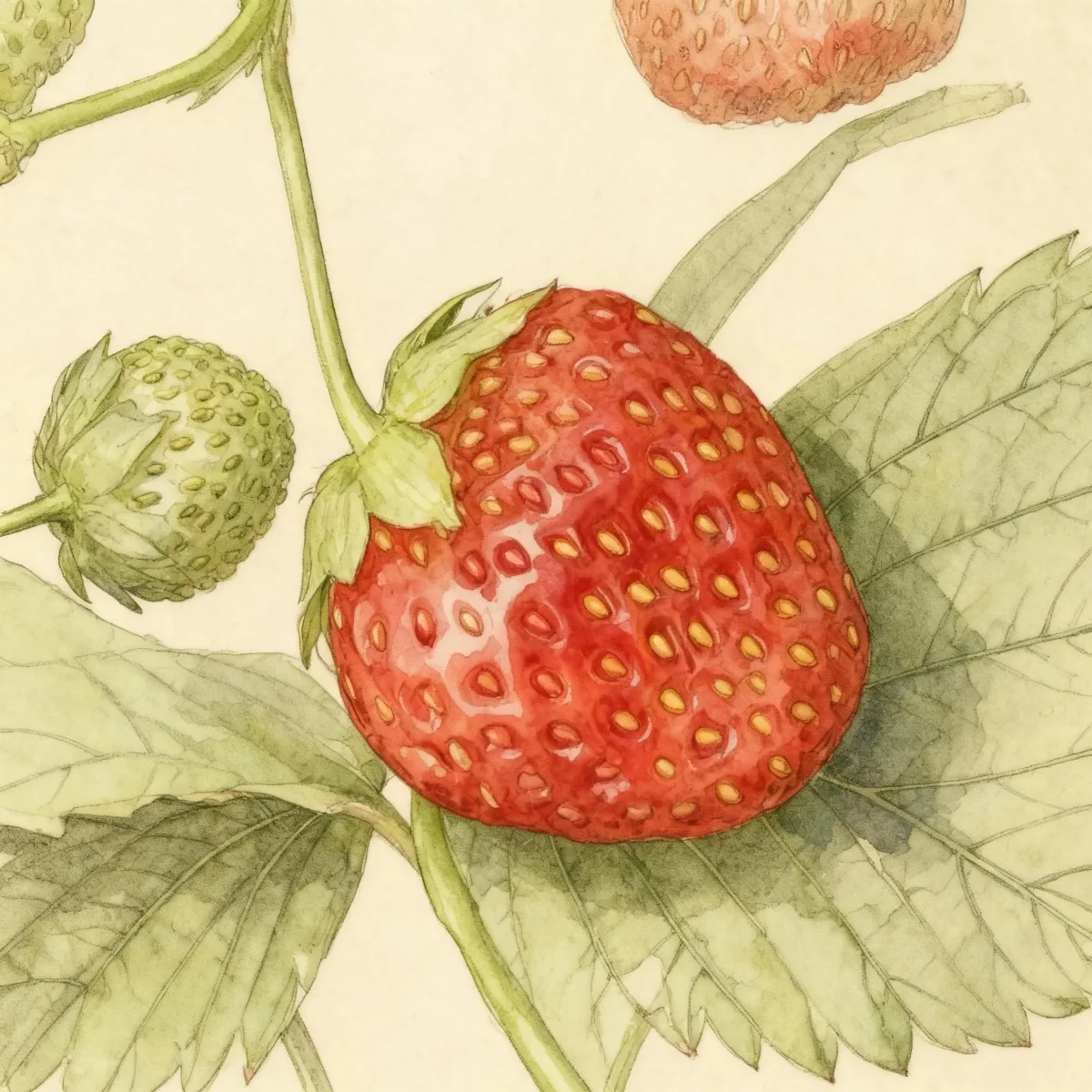
Junebearing strawberry (Fragaria × ananassa 'Honeoye')
Fragaria × ananassa 'Honeoye' is a popular Junebearing strawberry producing large, flavorful berries early in the season.
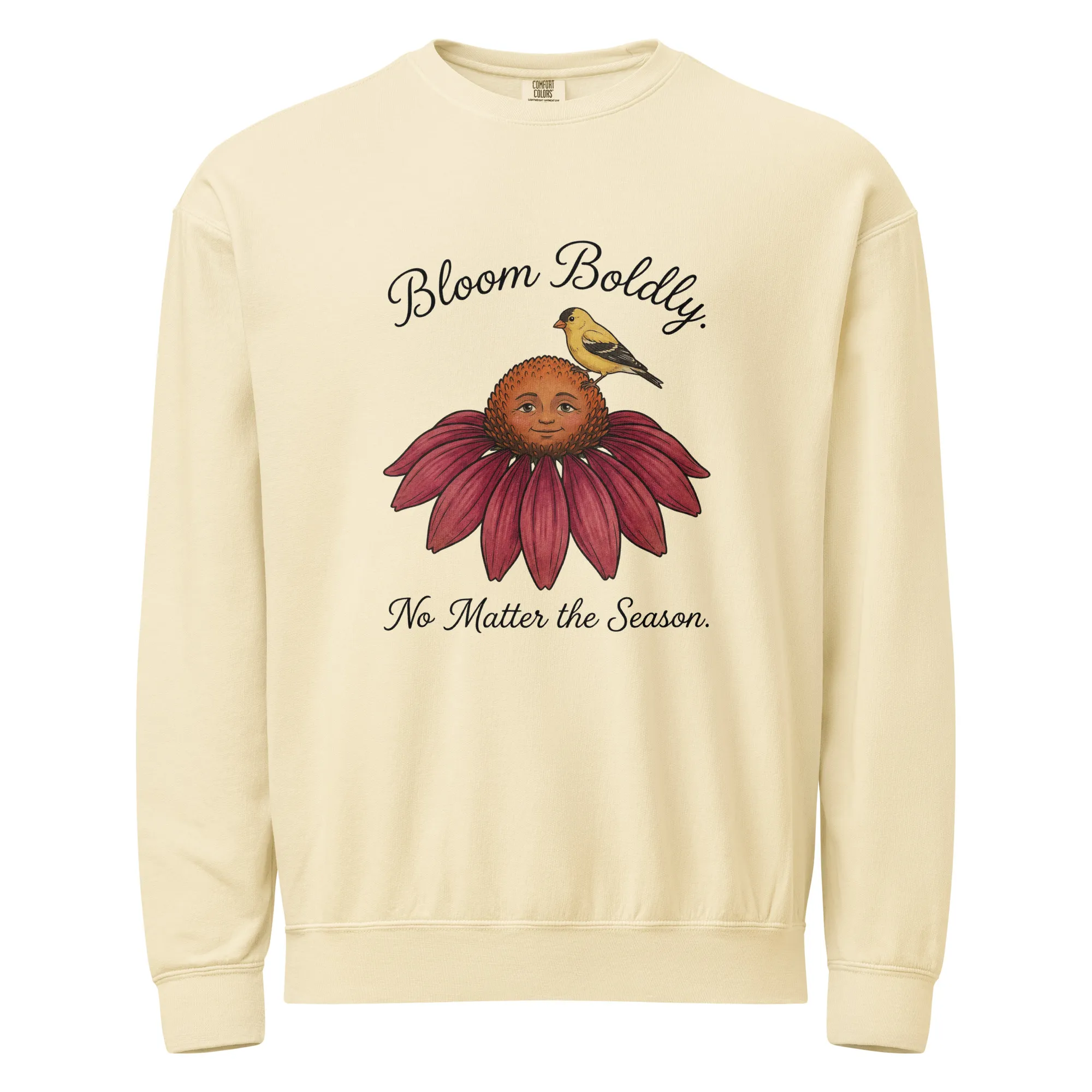
Bloom Boldly, No Matter the Season - Sweatshirt
Cozy organic cotton sweatshirt featuring our exclusive Purple Coneflower design. Perfect for gardeners who bloom year-round.
Inspired by the beautiful Junebearing strawberry
Limited first batch (50) — join the waitlist for early access
Waitlist closes Feb 15, 2026.
Complete Plant Information
Field Guide Continues
Ready for care notes, companion picks, and planting tips?
The map is just the start. The full guide below covers growth habits, seasonal performance, and landscape uses.
Overview
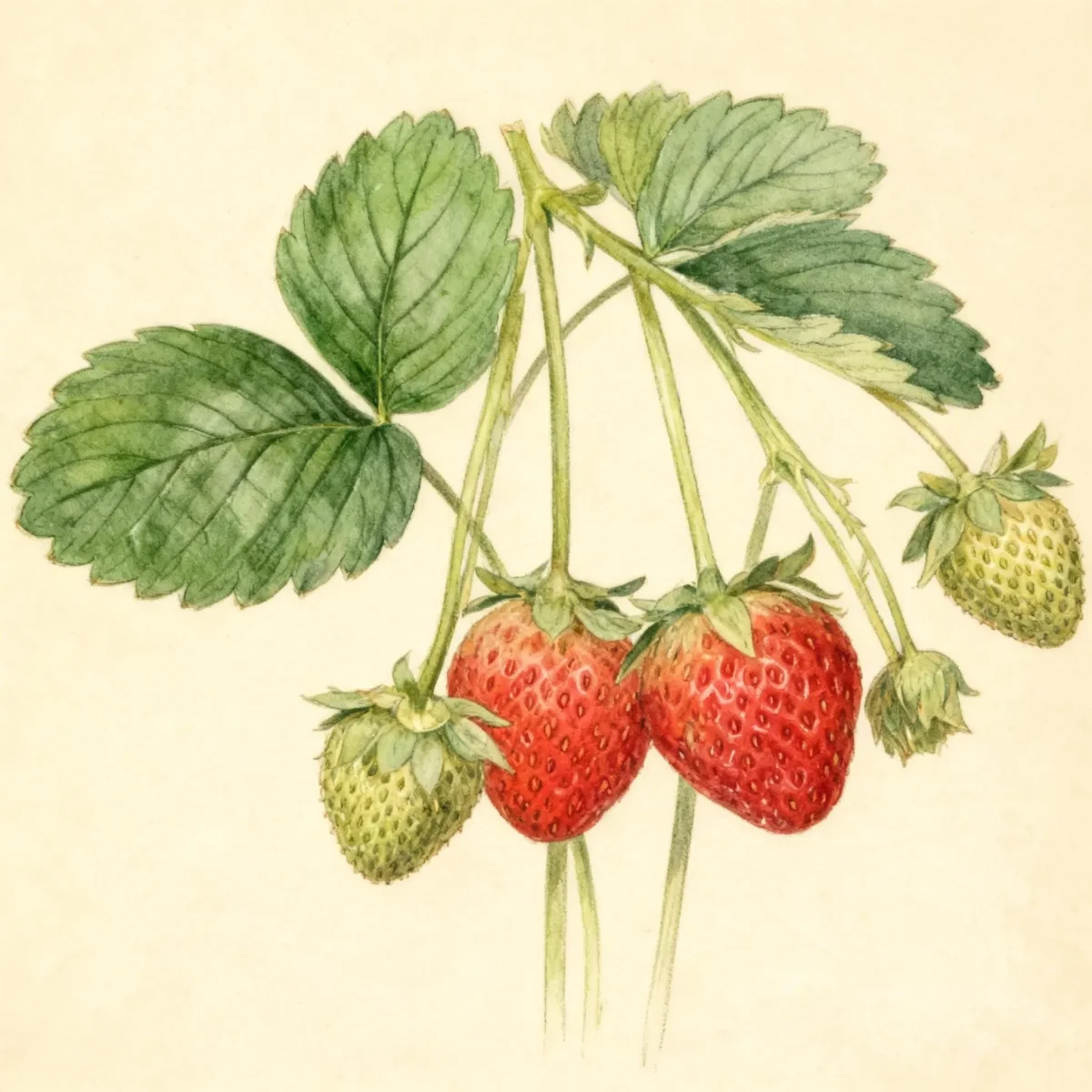
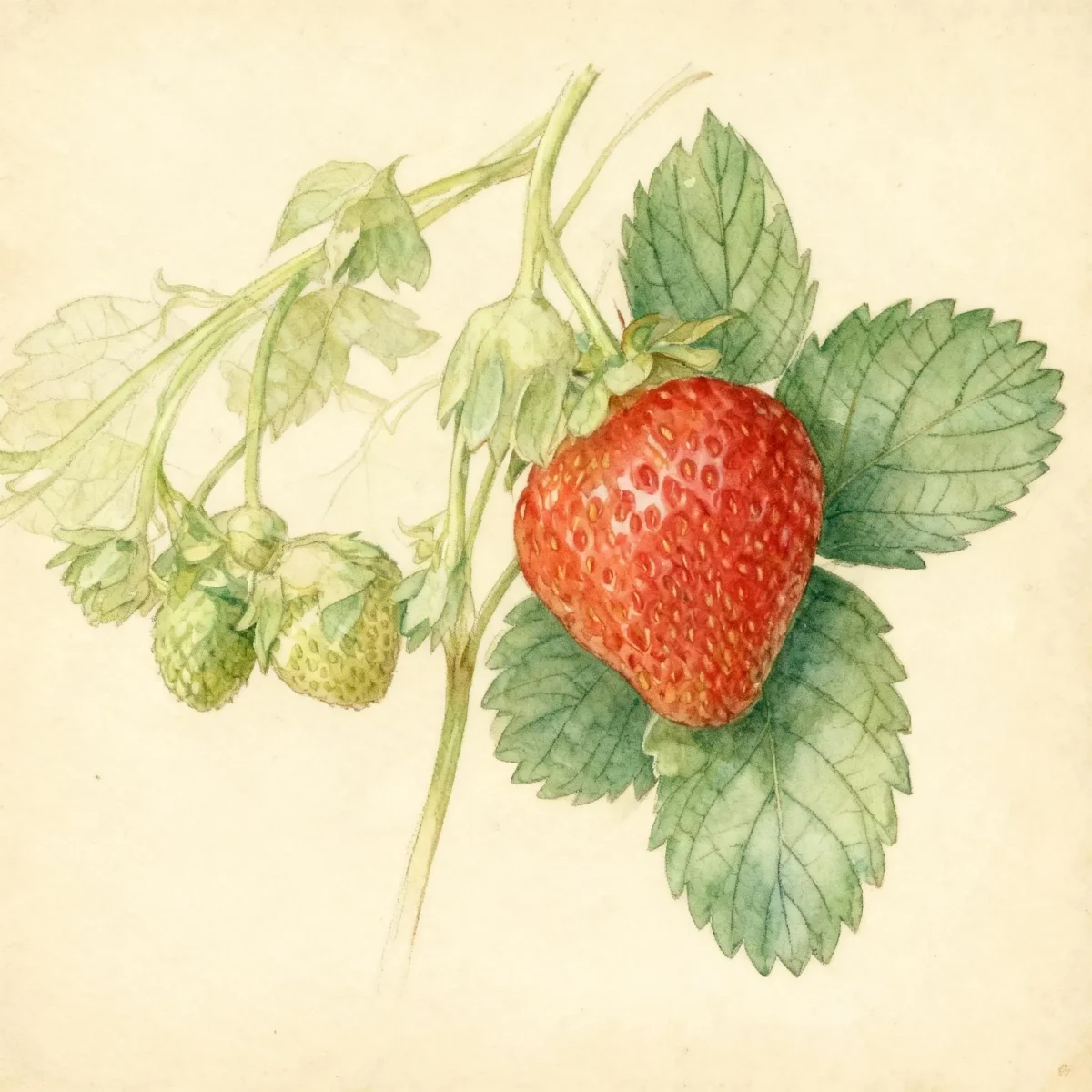
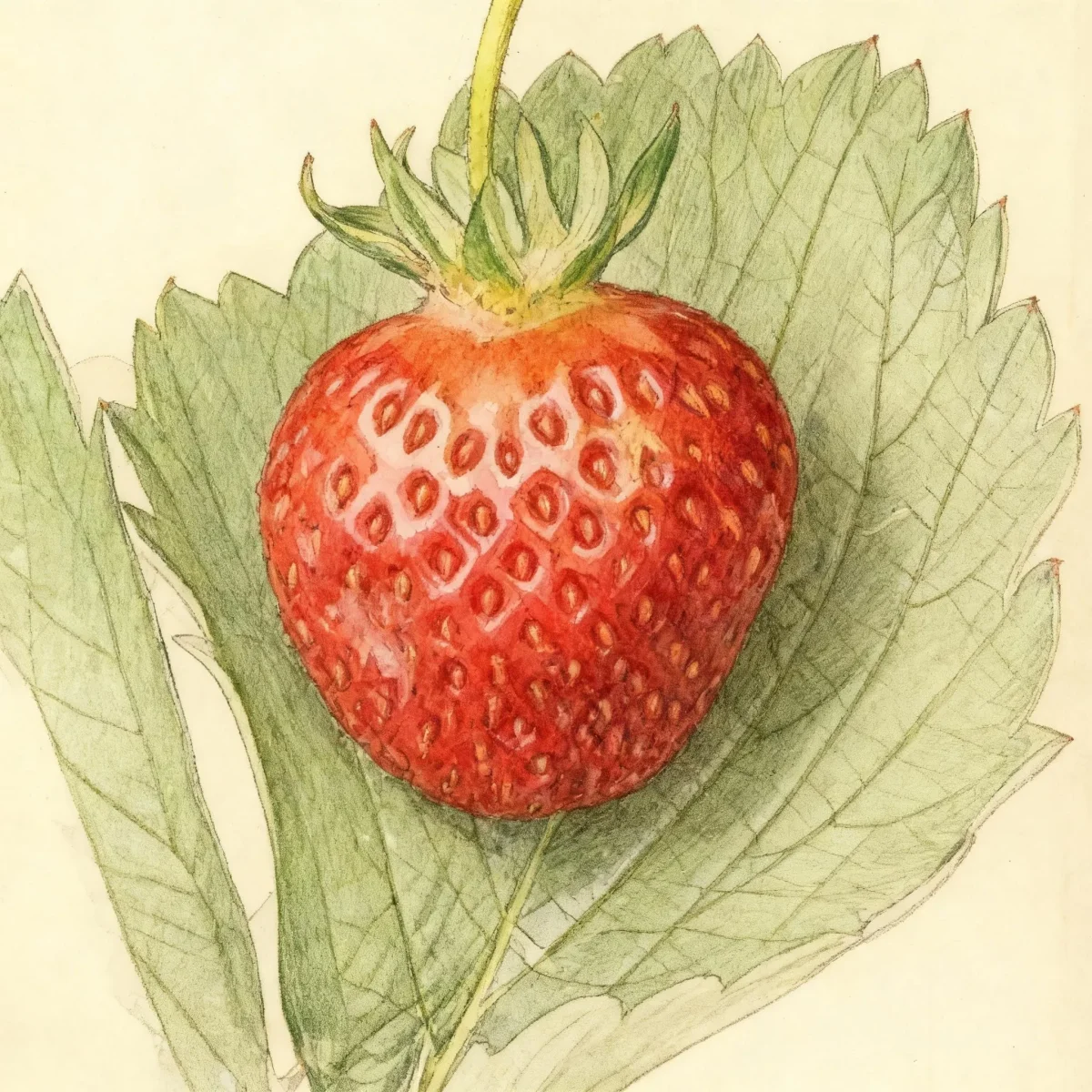
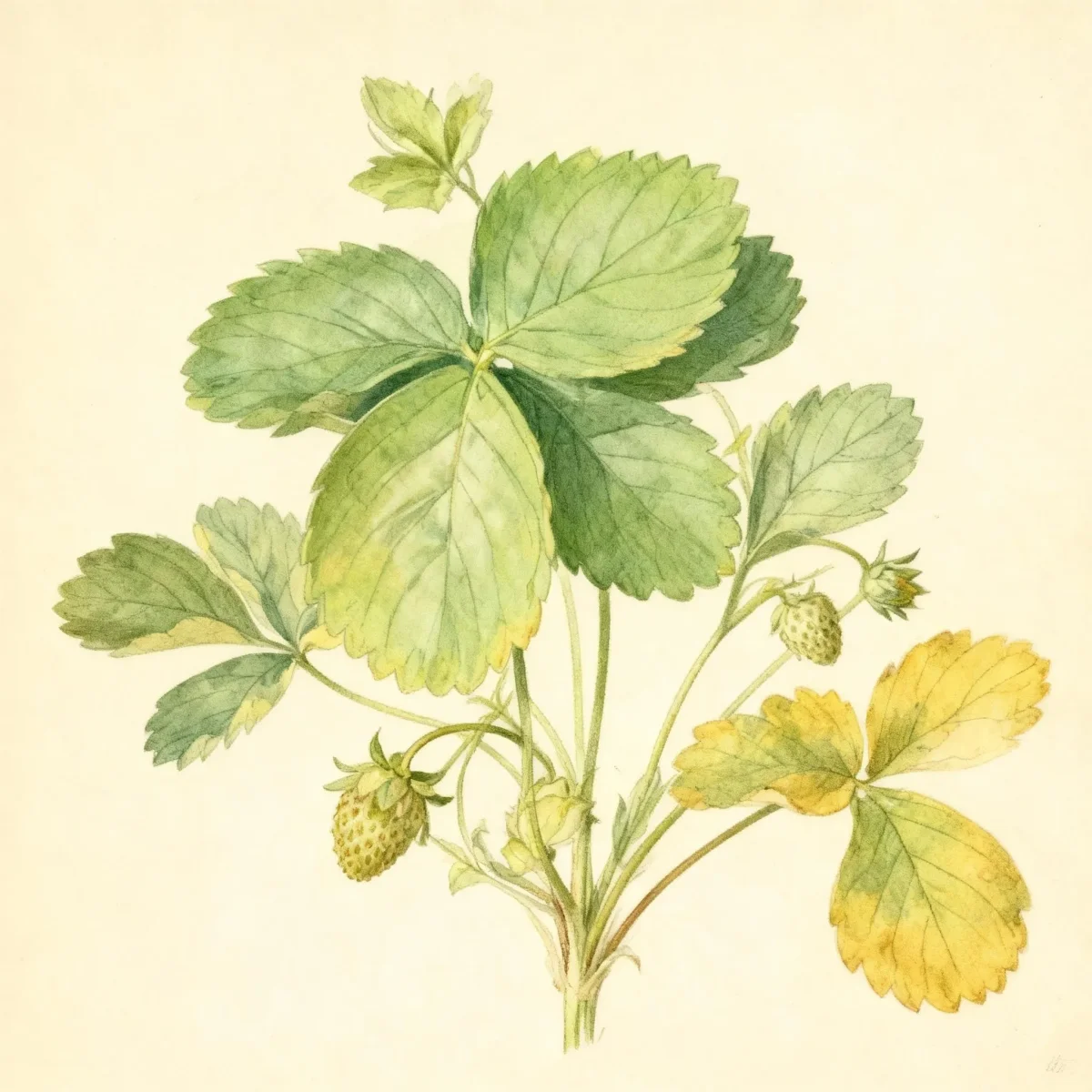
The Fragaria × ananassa ‘Honeoye’ cultivar is a highly valued addition to edible landscapes, recognized primarily as a productive Junebearing strawberry. This variety delivers a substantial, early-season harvest, typically in June, pleasing gardeners eager for fresh fruit. Its low-growing, mounding habit forms a dense rosette from which its attractive flowers and later, its bright red, cone-shaped berries emerge.
As a hybrid perennial, Fragaria × ananassa ‘Honeoye’ spreads via above-ground runners, quickly filling in the designated planting area. While considered high maintenance, the reward is a yield of larger berries compared to some everbearing types. Successful cultivation of this Junebearing strawberry relies on providing optimal conditions to ensure plant vigor and consistent fruit quality.
Gardeners must prioritize certified disease-resistant stock for the best results. Proper management of soil fertility, water, and sunlight is key to maximizing the harvest of this popular fruit crop. The white, five-petaled flowers in spring provide a brief, charming aesthetic before the main fruity event begins.
Fast Facts
- Plant Family: Rosaceae
- Plant Type: Fruit
- Hardiness Zones: USDA Zones 4-9
- Size at Maturity:
- Height: 0.25-0.5 ft
- Spread: 0.5-1 ft
- Bloom Time: May to June
- Bloom Description: White
- Sun Exposure: Full sun
- Water Needs: Medium
- Maintenance Level: High
How to Grow
Planting Fragaria × ananassa ‘Honeoye’ is best done in early spring when soil is workable, though fall planting is possible in milder zones. Select a location providing full sun exposure, as strawberries require ample light for robust fruit production. The soil must be organically rich, fertile, consistently moist, yet exceptionally well-drained to prevent root rot issues common in strawberries. Space individual plants about 12 inches apart to allow for runner development without overcrowding.
Consistent care is crucial for this high-maintenance crop. Maintain medium soil moisture levels; never allow the soil to dry out completely, but avoid soggy conditions. A high level of management includes a commitment to pinching off all flowers during the first growing season. This sacrifice encourages the plant to establish a strong root system, ensuring better vigor and larger yields in subsequent years.
As sensitivity to day length dictates runner production, monitoring environmental cues is important for established Junebearing strawberry patches. Always grow only certified disease-resistant cultivars, especially when dealing with known susceptibilities like red stele found in some ‘Honeoye’ stock. Proper cultural practices throughout the growing season directly impact the quality of the final June harvest.
Landscape Uses
Although hybrid strawberry cultivars are primarily grown for their primary yield, the dense, mounding rosette formed by the compound leaves of Fragaria × ananassa ‘Honeoye’ offers good textural ground cover interest. They are excellent used in dedicated vegetable patches or dedicated soft fruit areas within the garden layout. While not typically used for formal hedges or borders, planting them in rows or wide drifts can create an attractive, productive edible edge near a patio or pathway.
For companion planting, consider integrating low-growing herbs adjacent to your Junebearing strawberry patch. Things like thyme or borage, which do not aggressively compete for resources, can work well. Avoid planting near brassicas or nightshades, which can share disease vulnerabilities or deplete soil nutrients needed by the strawberries.
When planning a food garden, remember that Fragaria × ananassa ‘Honeoye’ spreads via runners, so consider planting borders or sunken containers if you wish to contain its aggressive spread. The collective green foliage provides a uniform carpet until the early summer flush of white flowers and fruit signals the main event.
Standout Features
Flower Qualities
- Showy
Fruit Qualities
- Showy
- Edible
Noteworthy Characteristics
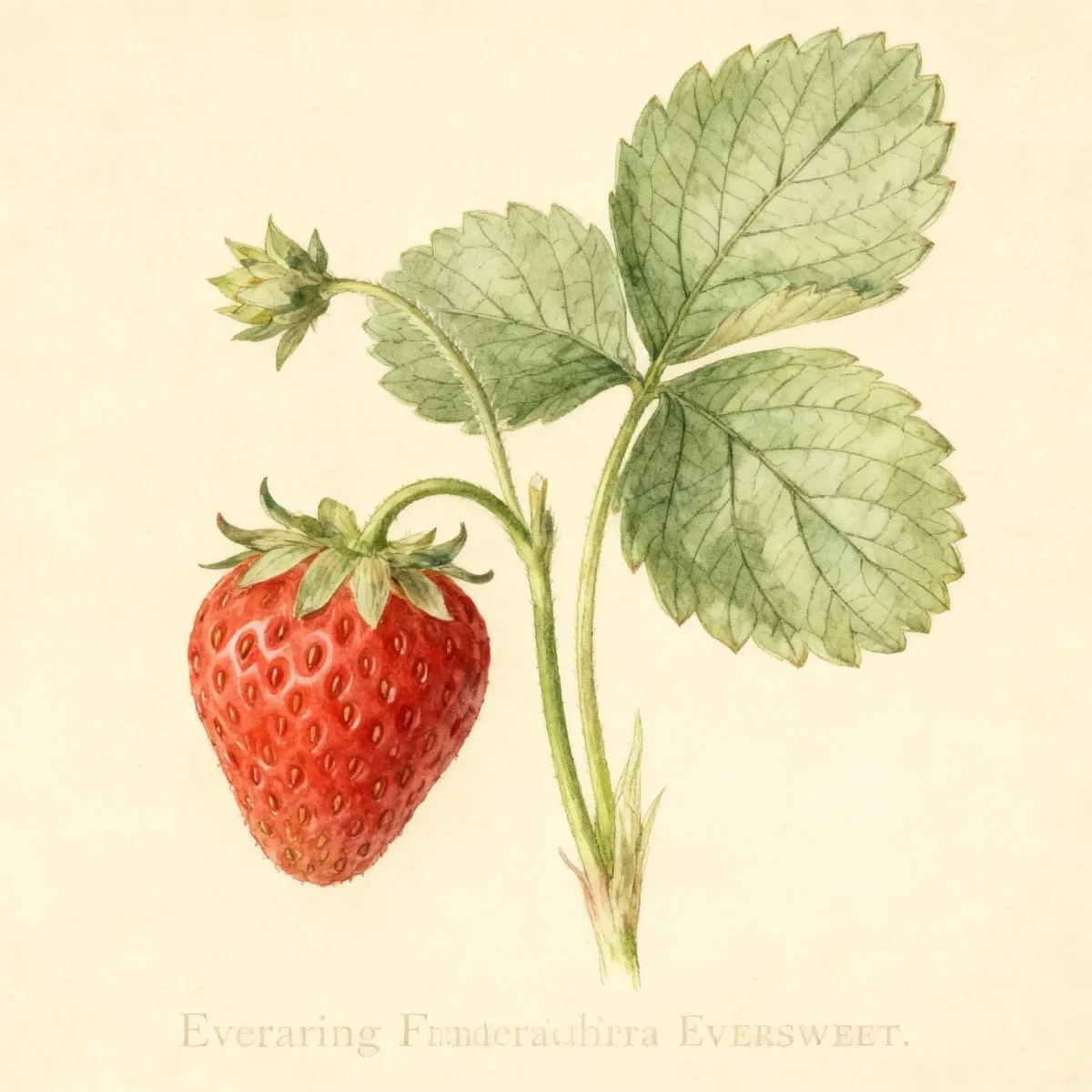
Fragaria × ananassa, commonly called strawberry, is a low-growing, stoloniferous, herbaceous, hybrid perennial of cultivated origin that resulted from a cross between F. Chiloensis and F. Virginiana. This plant is cultivated around the world for its large, sweet, flavorful aggregate fruits. The compound leaves form a dense, mounding rosette and are made up of three, ovate leaflets with toothed margins. The cultivar ‘Honeoye’ is a Junebearing strawberry, meaning it produces one significant crop of larger red berries in late spring to early summer.
Tolerances
- Deer
Potential Problems
Strawberries face a wide range of potential issues, spanning from foliage diseases like leaf spot to destructive root rots such as red stele and black root rot, as well as fruit rots like anthracnose and leather rot. Common pests include slugs, mites, aphids, and the occasional strawberry weevil. For Fragaria × ananassa ‘Honeoye’ specifically, be vigilant regarding red stele and verticillium wilt, even though it generally shows good disease resistance overall.
Management strategies involve meticulous sanitation; remove all diseased foliage promptly and ensure excellent air circulation around the plants. Since this is a high-maintenance crop, routine scouting for insect activity is essential. Always purchase certified disease-free stock to mitigate the risk of introducing viruses or serious root pathogens into your garden.
Frequently Asked Questions
What hardiness zones is Junebearing strawberry suitable for?
Fragaria × ananassa ‘Honeoye’ is reliably hardy in USDA Zones 4 through 9.
How large does Fragaria × ananassa ‘Honeoye’ grow?
This variety typically reaches a mature height between 0.25 and 0.5 feet tall, spreading to an equal width of 0.5 to 1 foot.
What sun exposure does Fragaria × ananassa ‘Honeoye’ need?
This fruit requires full sun exposure to produce its best yield of berries.
When does Junebearing strawberry bloom?
Fragaria × ananassa ‘Honeoye’ blooms from May to June, featuring attractive white flowers.
Conclusion
The Fragaria × ananassa ‘Honeoye’ is an excellent choice for gardeners prioritizing an early, reliable harvest from their Junebearing strawberry patch. Its vigorous growth and substantial fruit size make the high maintenance requirements worthwhile. Before planting, confirm your growing climate falls within USDA Zones 4-9 and prepare high-quality, fertile soil to ensure a successful season.
Companion Planting Strategies
Companion planting with strawberries can help maximize yield and deter minor pests. Herbs that benefit the patch often have strong scents that confuse or repel common strawberry invaders. Chives, for instance, are frequently cited as a beneficial companion, potentially warding off aphids and certain types of beetles due to their pungent nature.
Bush beans planted nearby can also contribute positively to the soil health, although care must be taken to ensure they do not shade out the strawberries, as both require significant sun. Avoid planting carrots or fennel close to your patch, as they may inhibit the growth of the strawberry runners or compete too strongly for nutrients.
Seasonal Care Calendar for Success
Spring preparation is vital for your Junebearing strawberry crop. After clearing away any winter mulch, inspect plants for early signs of disease, and maintain consistent, medium watering as new growth emerges. In early spring, runners will develop; remember the first-year rule: pinch off all flowers to promote strong root development for future years.
Summer management focuses heavily on harvesting the June crop produced by the Fragaria × ananassa ‘Honeoye’. Once the main harvest concludes, allow runners to root to expand your patch if desired, or prune them back to direct energy back into the mother plants for next year’s production. Ensure adequate water during dry spells to support ongoing plant health. Winter preparation involves applying a clean layer of straw mulch after the foliage has hardened off to protect the crowns from extreme freeze-thaw cycles.