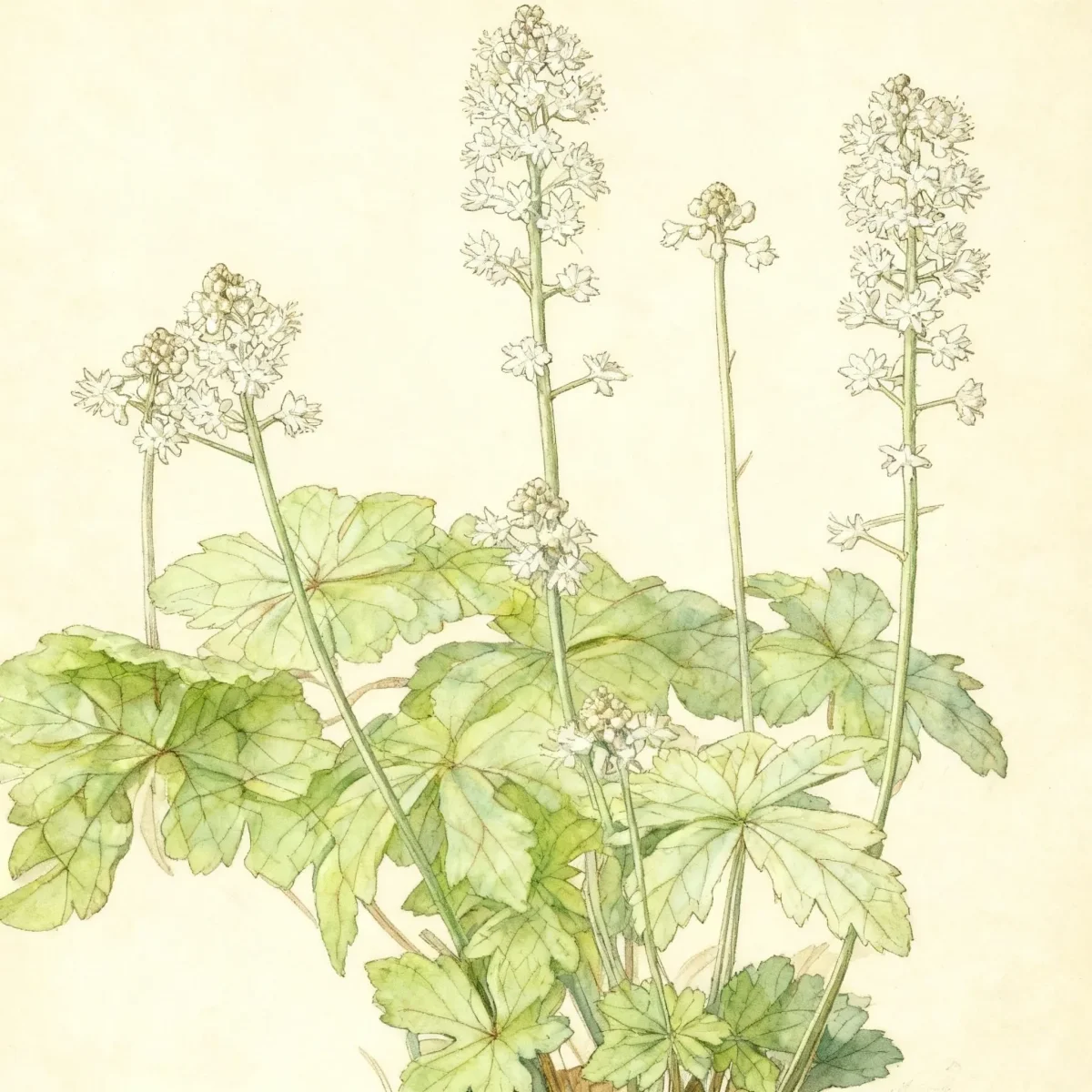
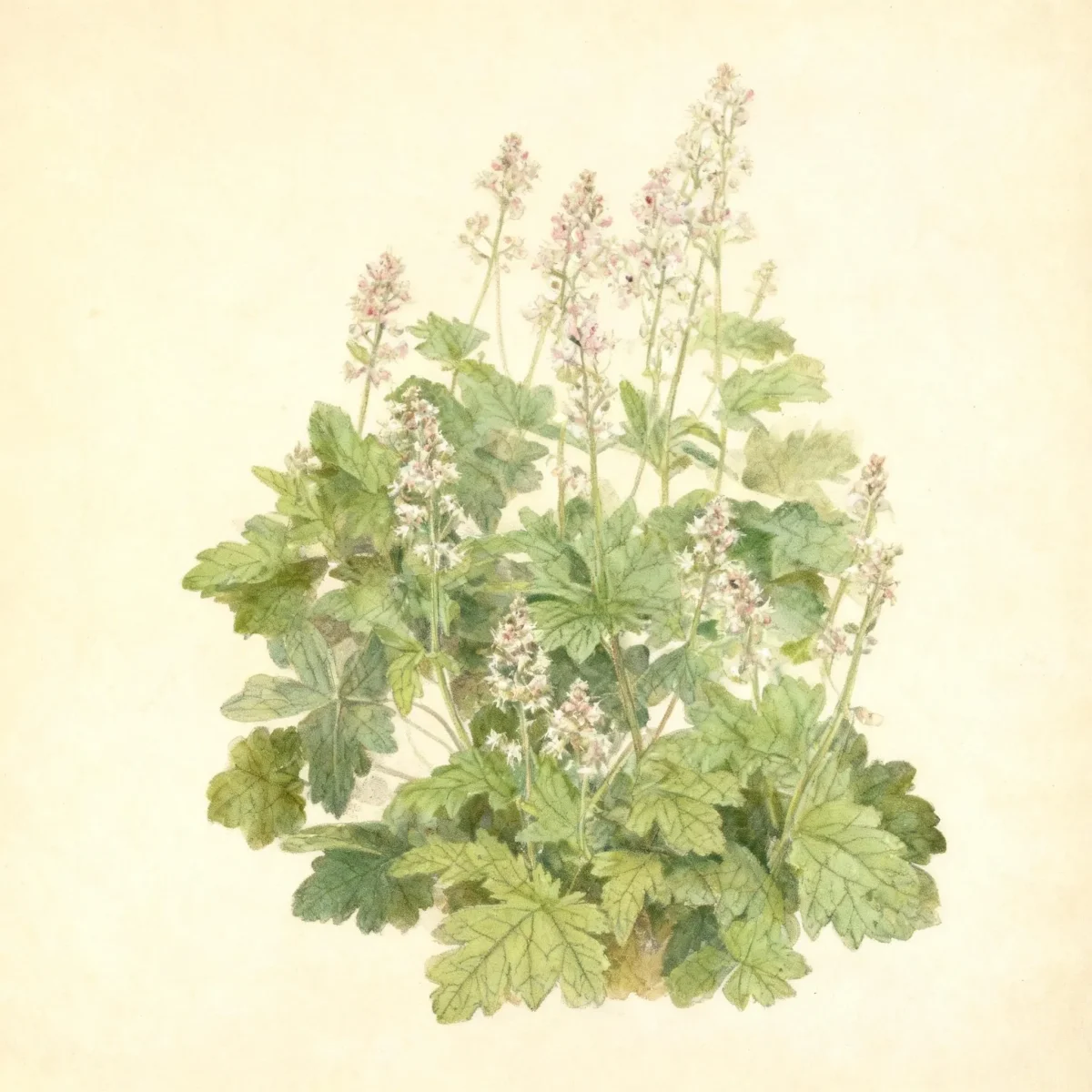
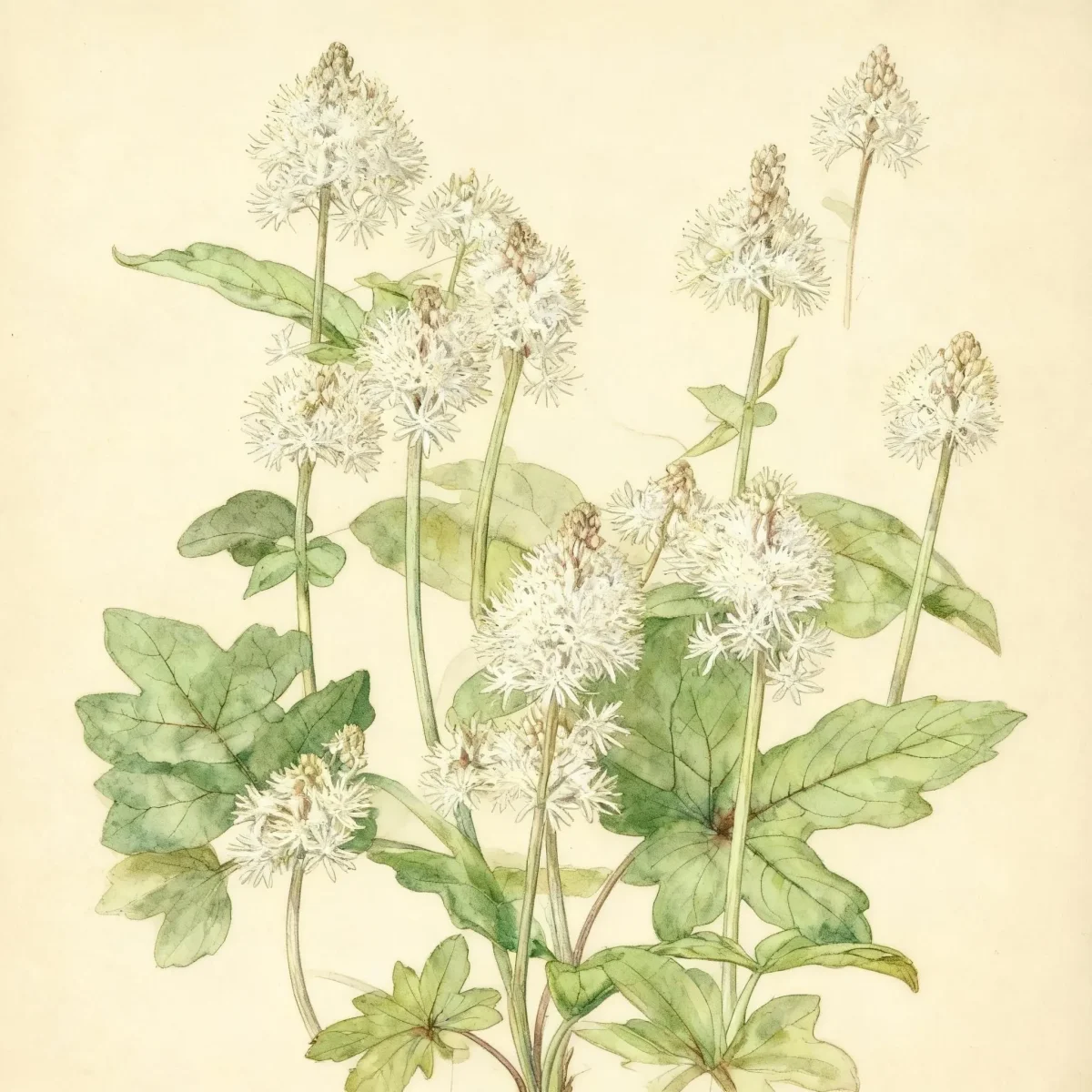
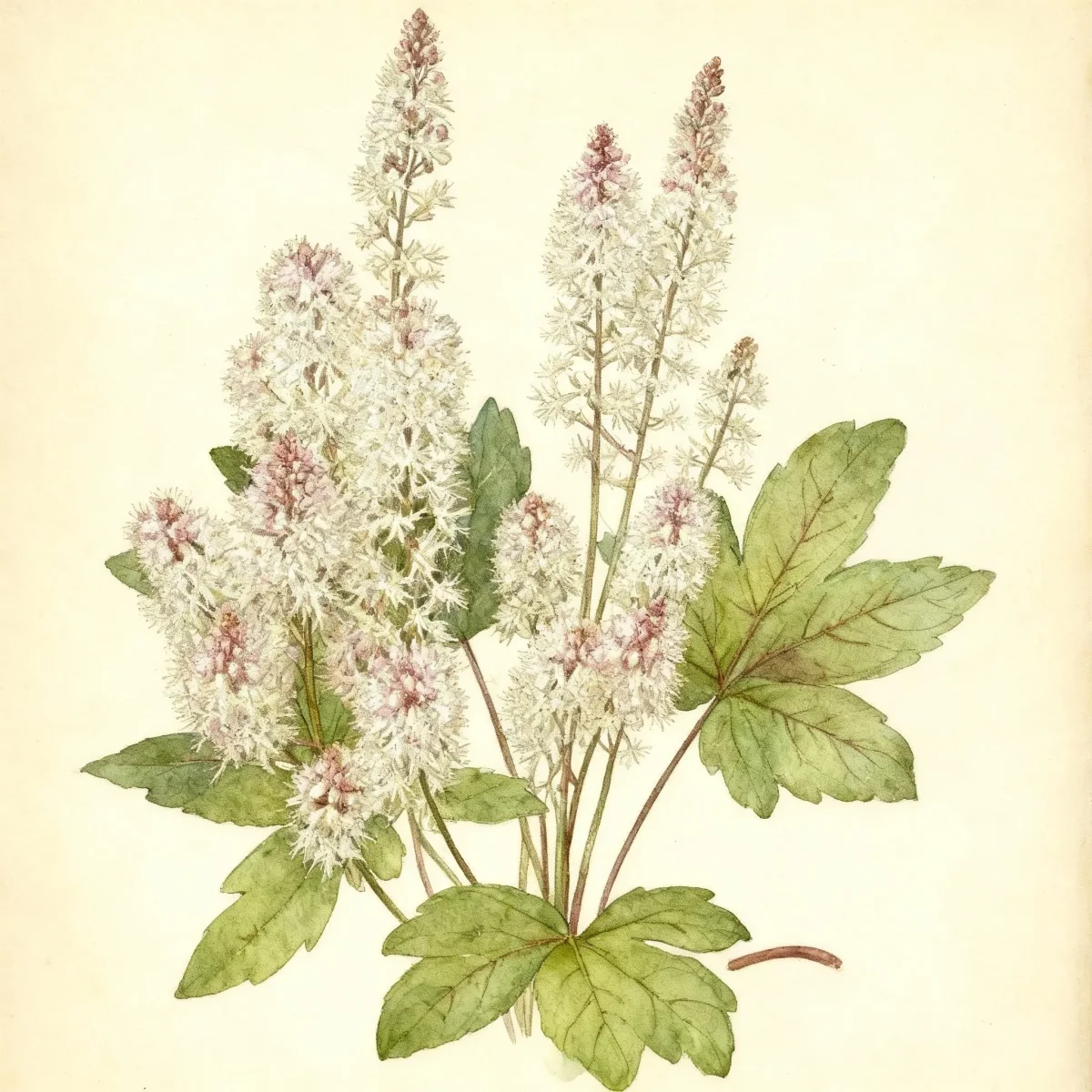
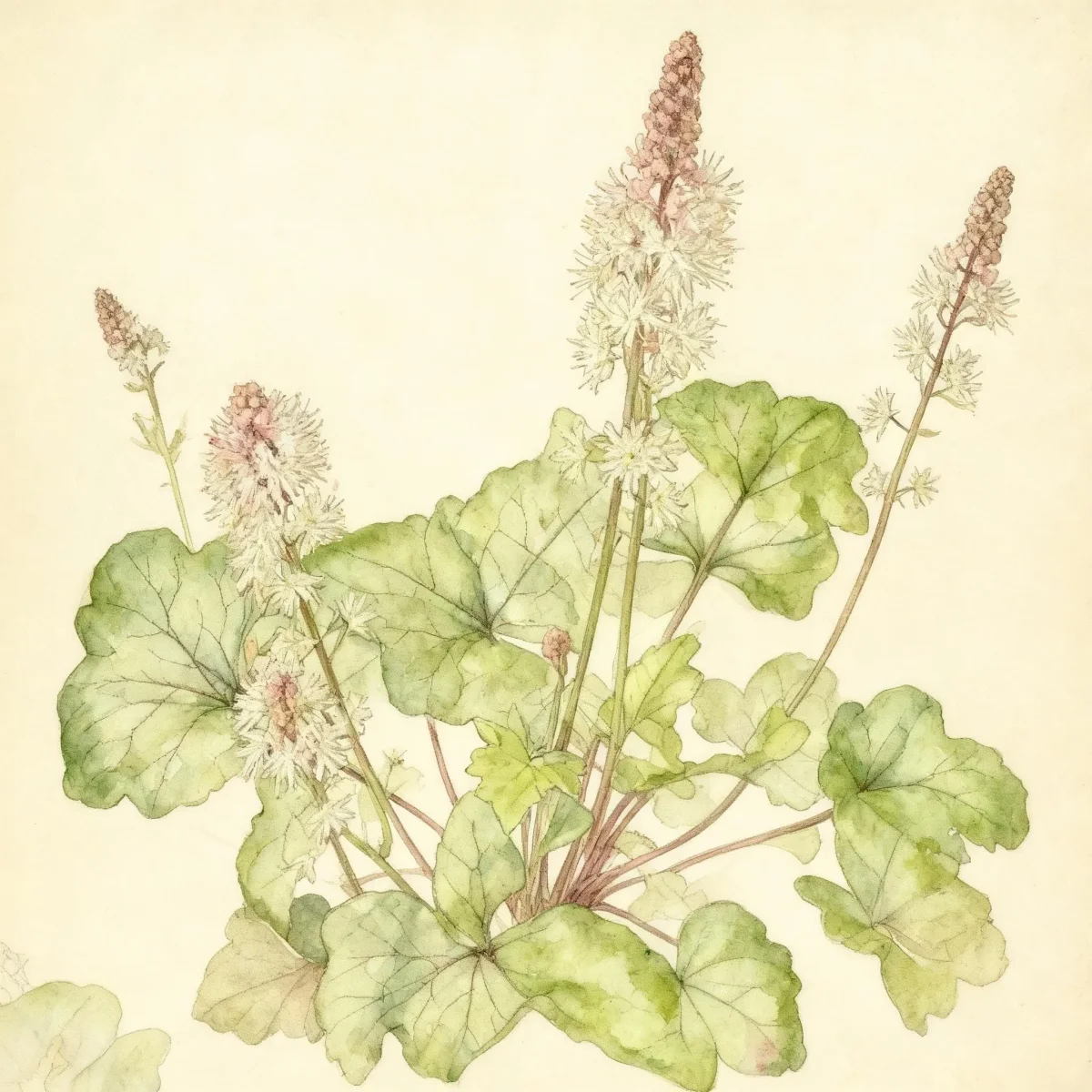
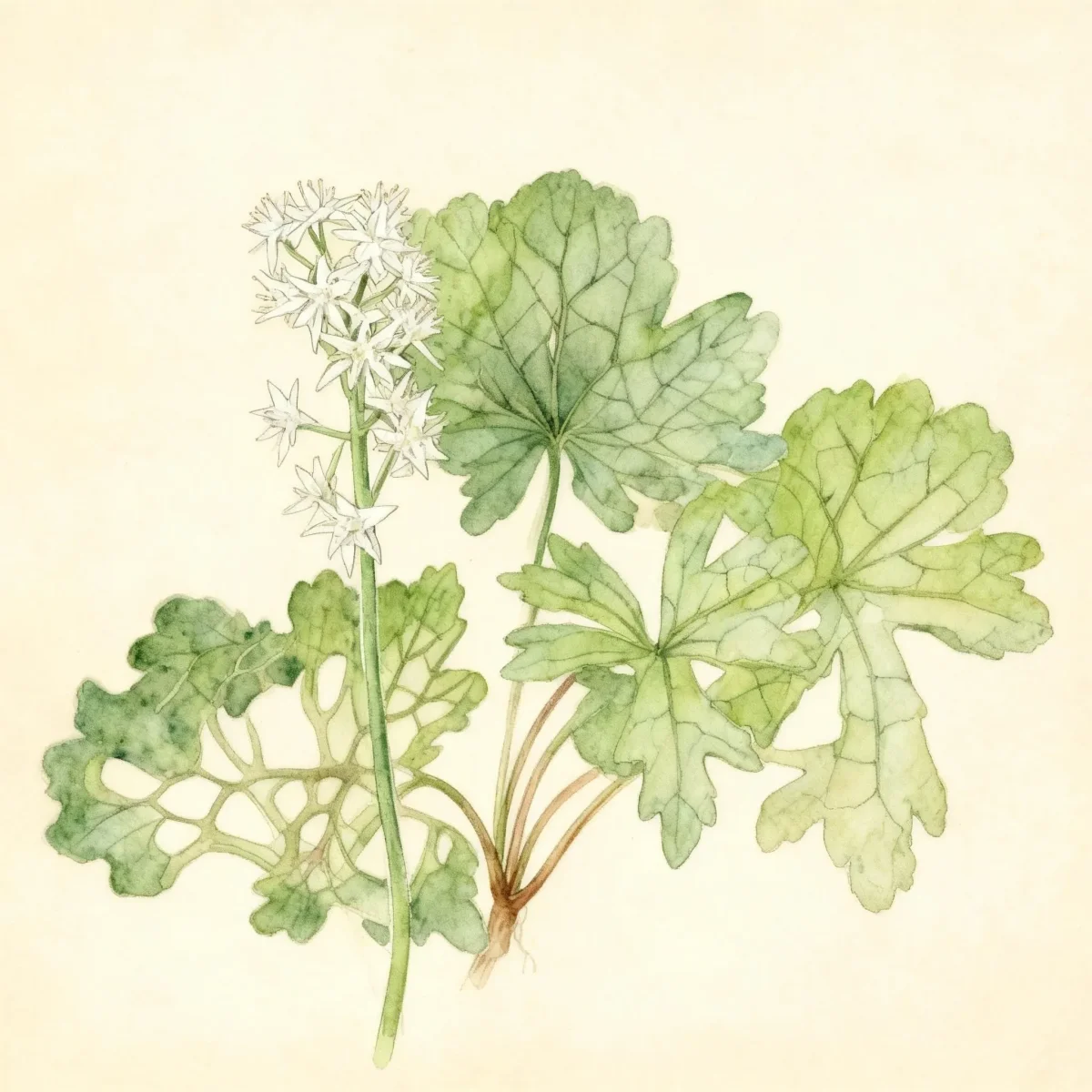
Foam flower (Tiarella 'Cygnet')
Tiarella 'Cygnet' is a low-maintenance Foam flower perennial offering dense spires of pink spring blooms and semi-evergreen foliage.

Bloom Boldly, No Matter the Season - Sweatshirt
Cozy organic cotton sweatshirt featuring our exclusive Purple Coneflower design. Perfect for gardeners who bloom year-round.
Inspired by the beautiful Foam flower
Limited first batch (50) — join the waitlist for early access
Waitlist closes Feb 15, 2026.
Complete Plant Information
Field Guide Continues
Ready for care notes, companion picks, and planting tips?
The map is just the start. The full guide below covers growth habits, seasonal performance, and landscape uses.
Overview
Tiarella ‘Cygnet’ is a highly valued rhizomatous, clump-forming hybrid renowned for adding delicate texture and color to shaded garden spaces. This Foam flower cultivar is particularly noted for its unique foliage—dark green leaves deeply cut into narrow, finger-like lobes that purportedly resemble a young swan in flight, living up to its ‘Cygnet’ name. Gardeners appreciate Tiarella ‘Cygnet’ for its low maintenance needs and its dense spires of tiny pink flowers that appear reliably in May, creating a soft, airy effect above the basal mound.
As an excellent ground cover, this herbaceous perennial thrives where many other plants struggle, preferring the cool conditions of part shade to full shade. Its ability to form attractive, semi-evergreen mounds makes it a superb choice for borders or woodland settings throughout USDA Zones 4 through 9. Planting Tiarella ‘Cygnet’ ensures consistent visual interest across the spring and summer months.
This Foam flower hybrid offers wonderful architectural structure combined with ephemeral spring beauty. It shares family ties with Heuchera and Mitella, often being confused with the latter, leading to its common moniker, false miterwort. Use Tiarella ‘Cygnet’ massed to create a flowing blanket of texture beneath deciduous trees or along moist paths.
Fast Facts
- Plant Family: Saxifragaceae
- Plant Type: Herbaceous perennial
- Hardiness Zones: USDA Zones 4-9
- Size at Maturity:
- Height: 1-1.5 ft
- Spread: 1-1.5 ft
- Bloom Time: May
- Bloom Description: Pink
- Sun Exposure: Part shade to full shade
- Water Needs: Medium
- Maintenance Level: Low
How to Grow
Planting Tiarella ‘Cygnet’ is best accomplished in spring or fall, ensuring that the location offers part shade to full shade conditions to protect the foliage from harsh afternoon sun. The most critical requirement for this Foam flower is soil quality; it thrives in average, moisture-retentive, well-drained soil rich in organic matter. Amending heavy clay or sandy soils with compost is highly recommended to achieve the humusy texture this plant prefers.
Watering should be consistent as Tiarella ‘Cygnet’ requires medium moisture; the soil must not be allowed to dry out, especially during establishment. Conversely, wet, saturated soils, particularly during winter dormancy, can be fatal to the root system. Fertilization is rarely necessary if the soil is consistently enriched with organic material annually.
Regarding maintenance, Tiarella ‘Cygnet’ is naturally tidy. Removing spent flower spikes immediately after blooming helps improve the overall appearance of the foliage mound, promoting a denser habit. Foliage retention over winter depends heavily on temperature severity, but general cleanup of old leaves should be done in early spring before new growth emerges.
Landscape Uses
Tiarella ‘Cygnet’ excels as an understory plant, perfectly suited for woodland gardens where filtered light mimics its native habitat. Its spreading habit makes it an excellent candidate for mass planting, creating a striking, textured ground cover that suppresses weeds effectively. Consider using this Foam flower variety along the fronts of shaded borders where its spring pink flowers can be easily appreciated.
For more structured designs, Tiarella ‘Cygnet’ fits beautifully in shaded rock gardens or along the margins of streams or moist ponds, capitalizing on its preference for consistently moist ground. It also performs well as a filler or spiller in containers situated on shaded patios, though winter protection might be needed in the colder end of its hardiness range.
This plant pairs wonderfully with similar shade lovers that offer contrasting leaf shapes or colors, such as hostas, ferns, or Hellebores. The semi-evergreen foliage of Tiarella ‘Cygnet’ ensures that even after the pink spring flowers fade, the dark green, defined leaf texture remains to anchor the shade border.
Standout Features
Flower Qualities
- Showy
Noteworthy Characteristics
Tiarella is a genus of about 7 species of herbaceous perennials from East Asia and North America known for creating good ground covers in woodland gardens. Tiarella ‘Cygnet’ is specifically a rhizomatous, clump-forming foamflower hybrid celebrated for its narrowly-lobed foliage and dense spires of pink spring flowers. It forms a substantial basal mound of dark green leaves, topped by brilliant racemes of tiny pink flowers rising atop wiry stems, providing abundant seasonal display.
Tolerances
- Deer
Potential Problems
Tiarella ‘Cygnet’ is generally robust, presenting no serious insect or disease problems throughout the growing season. Gardeners should remain vigilant for the potential development of powdery mildew, especially in areas with high humidity and stagnant air circulation. Susceptibility exists to common garden pests such as root weevils and slugs, which can damage the attractive foliage. Management often involves ensuring good garden hygiene and applying appropriate, targeted treatments if infestations become problematic.
Frequently Asked Questions
What hardiness zones is Foam flower suitable for?
Tiarella ‘Cygnet’ is hardy and adaptable across USDA Zones 4 through 9.
How large does Tiarella ‘Cygnet’ grow?
This variety typically reaches a height between 1 and 1.5 feet tall, with a spread of 1 to 1.5 feet, forming a neat mound.
What sun exposure does Foam flower need?
Tiarella ‘Cygnet’ prefers part shade to full shade conditions for optimal growth and best foliage color.
When does Tiarella ‘Cygnet’ bloom?
The Foam flower produces its characteristic pink blooms during the month of May.
Conclusion
Tiarella ‘Cygnet’ provides indispensable texture, reliable spring color, and exceptional low maintenance in shaded landscapes. Incorporating this fine Foam flower hybrid into your garden design adds a layer of sophisticated foliage that complements many woodland companions. Before planting, confirm your soil offers the rich, moist, well-drained conditions necessary for Tiarella ‘Cygnet’ to thrive across its hardy zone range.
Companion Planting
Choosing companions that share the cultural preferences of Tiarella ‘Cygnet’ enhances shaded borders considerably. Plants that benefit from consistent moisture and part to full shade are ideal partners. Consider pairing the delicate pink flowers and textured leaves of this Foam flower with the broad, structural leaves of Hosta cultivars, which provide excellent contrast throughout the summer.
Another strong pairing involves shade-loving woodland bulbs and ephemeral spring bloomers. Incorporating species like Trillium or spring-flowering Astilbe alongside Tiarella ‘Cygnet’ ensures that the shaded area remains visually engaging from very early spring until late summer when bolder perennials take over. Always ensure adequate space for the rhizomatous spread of the Tiarella.
Design Ideas for Shady Borders
Tiarella ‘Cygnet’ functions perfectly as an edging plant due to its compact, uniform mound habit, cleanly defining the transition between lawn or pathway and taller shade plants. Use it in drifts of three or more specimens to emphasize its ground-covering qualities, allowing its pink spring display to read as a cohesive band of color. This plant offers a softer, more delicate look than some of its relatives.
For naturalistic designs, interplant Tiarella ‘Cygnet’ with various native ferns, particularly those with contrasting featheriness, such as Maidenhair or Japanese Painted Ferns. This combination leverages shade tolerance and texture variation, resulting in a woodland floor appearance that requires very little intervention once established. The consistent medium moisture requirement can also guide you toward planting near downspouts or areas that naturally retain water longer.