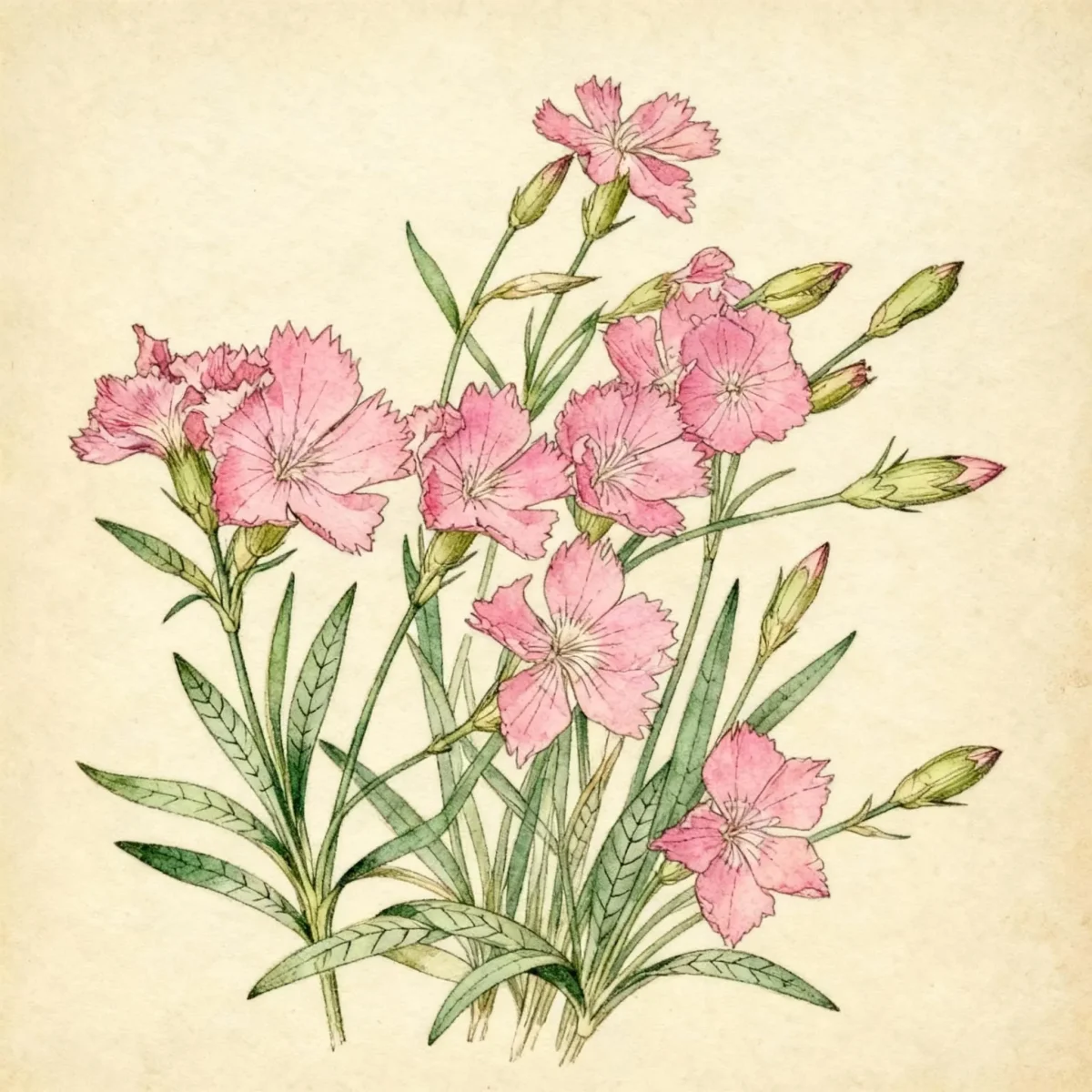

Pink (Dianthus 'Rosish One')
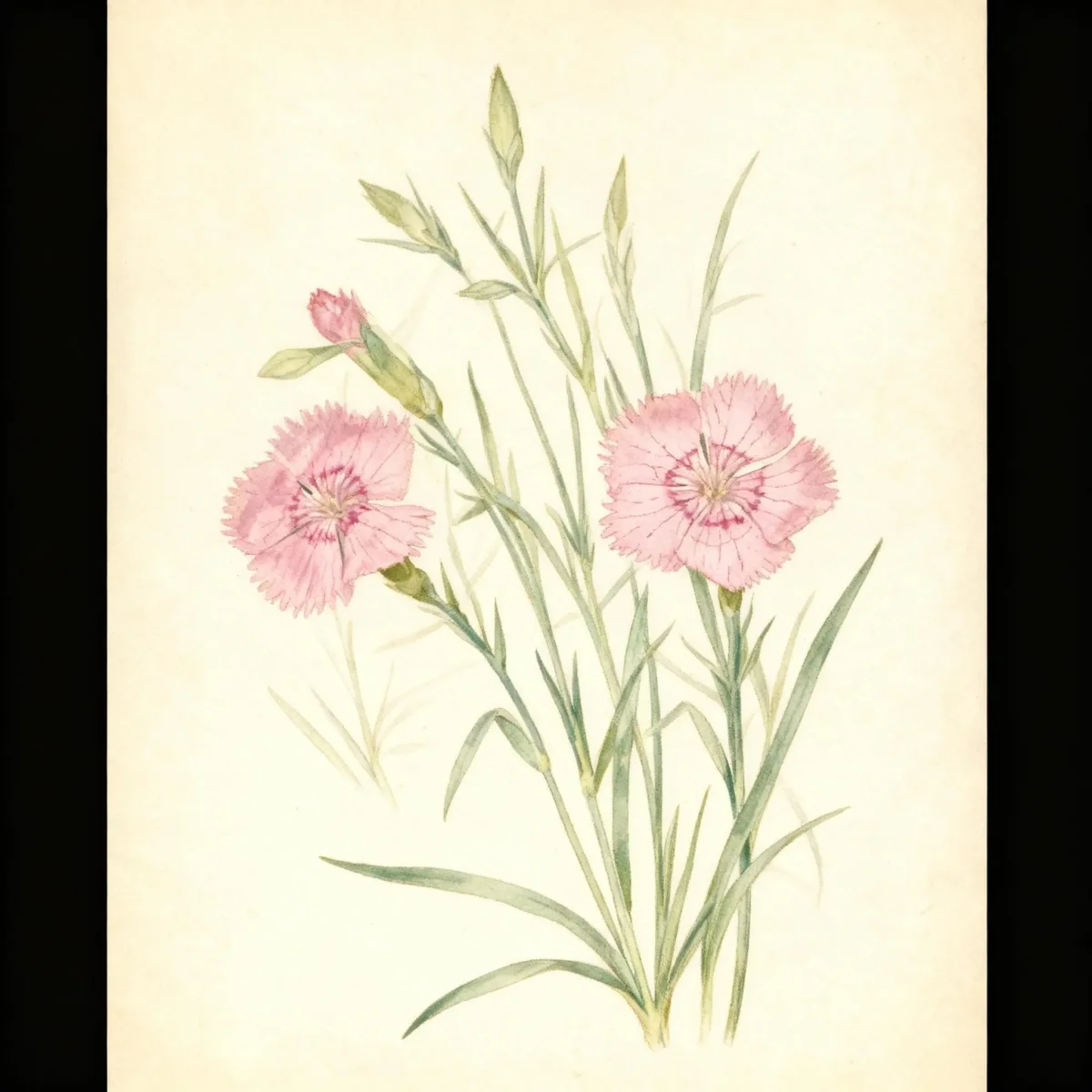
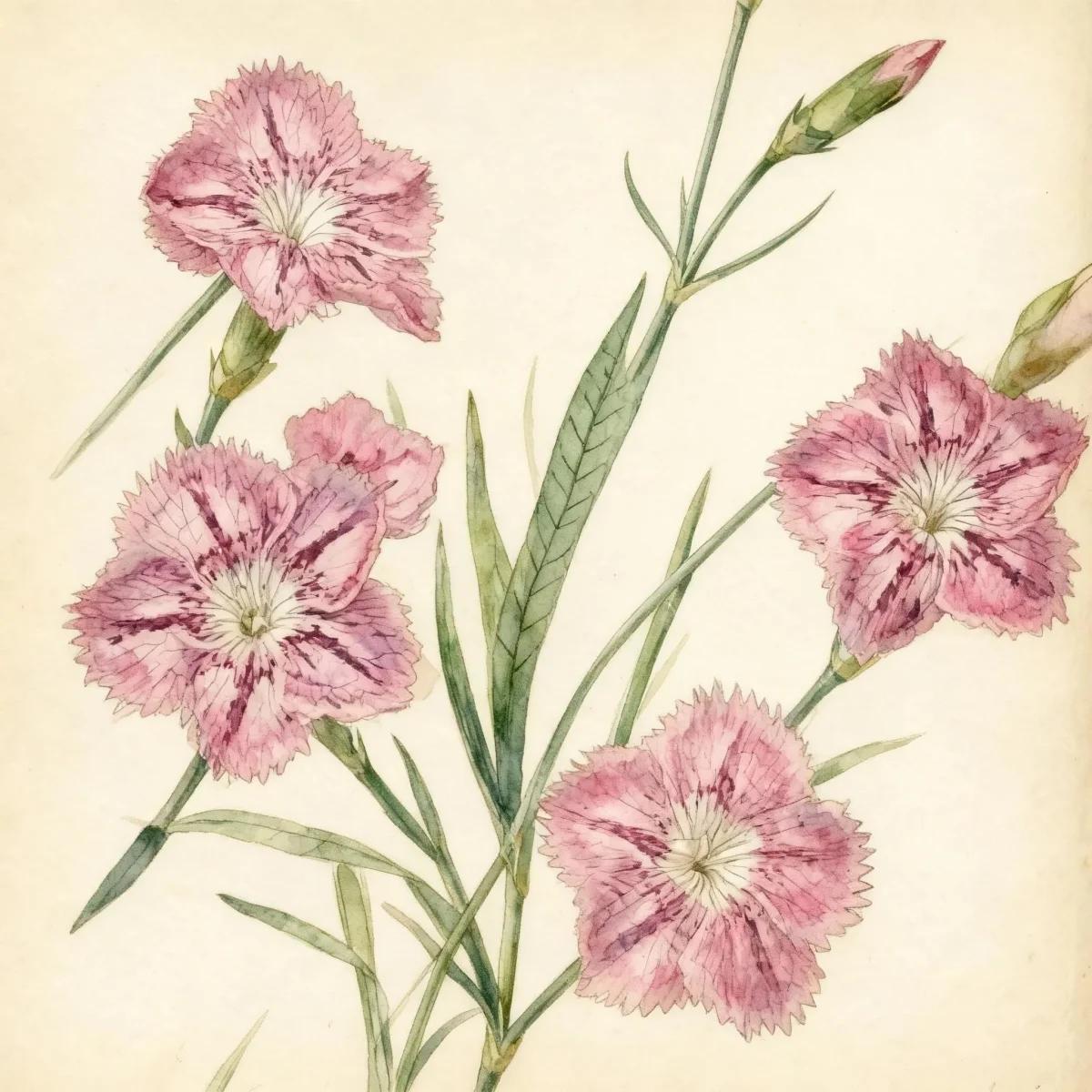
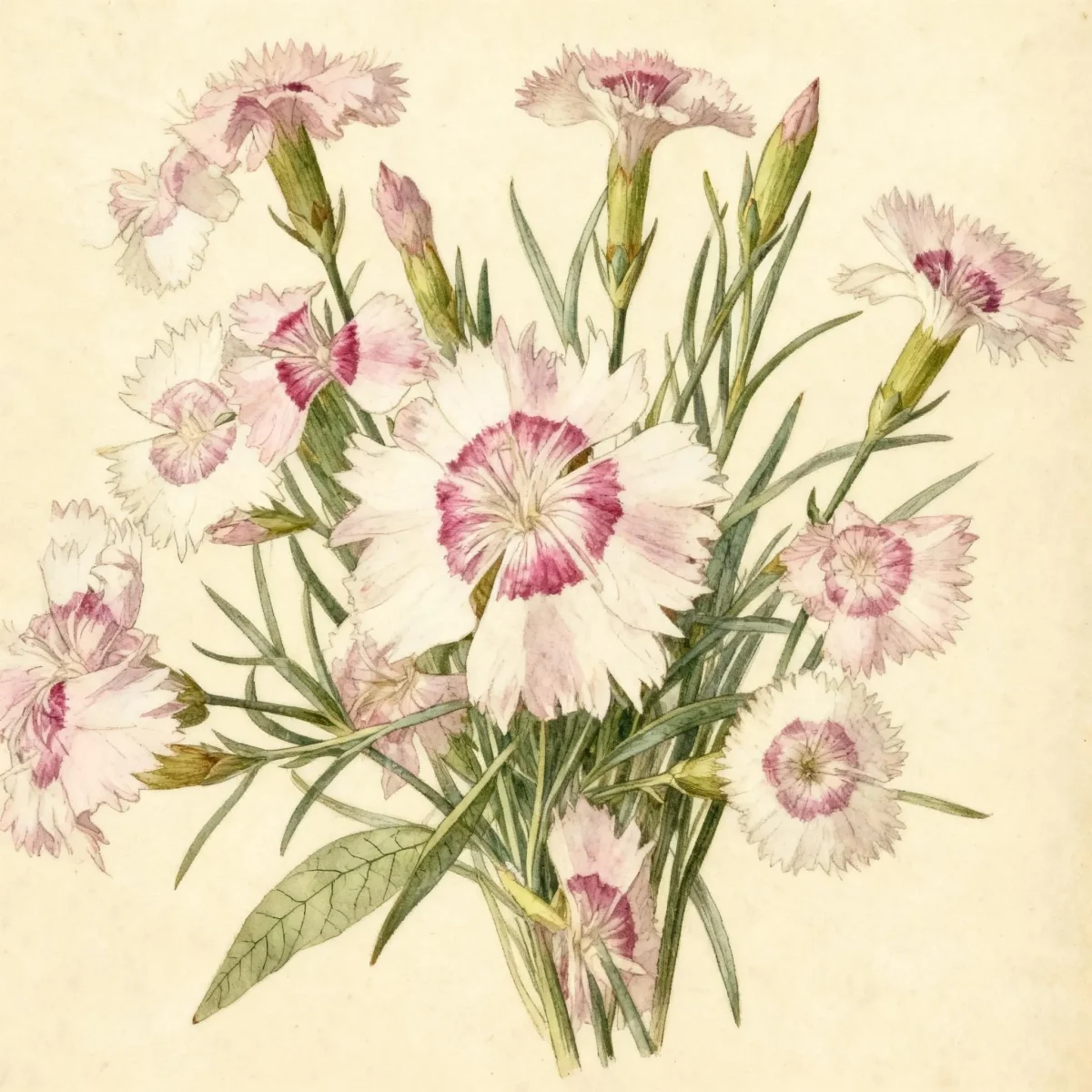
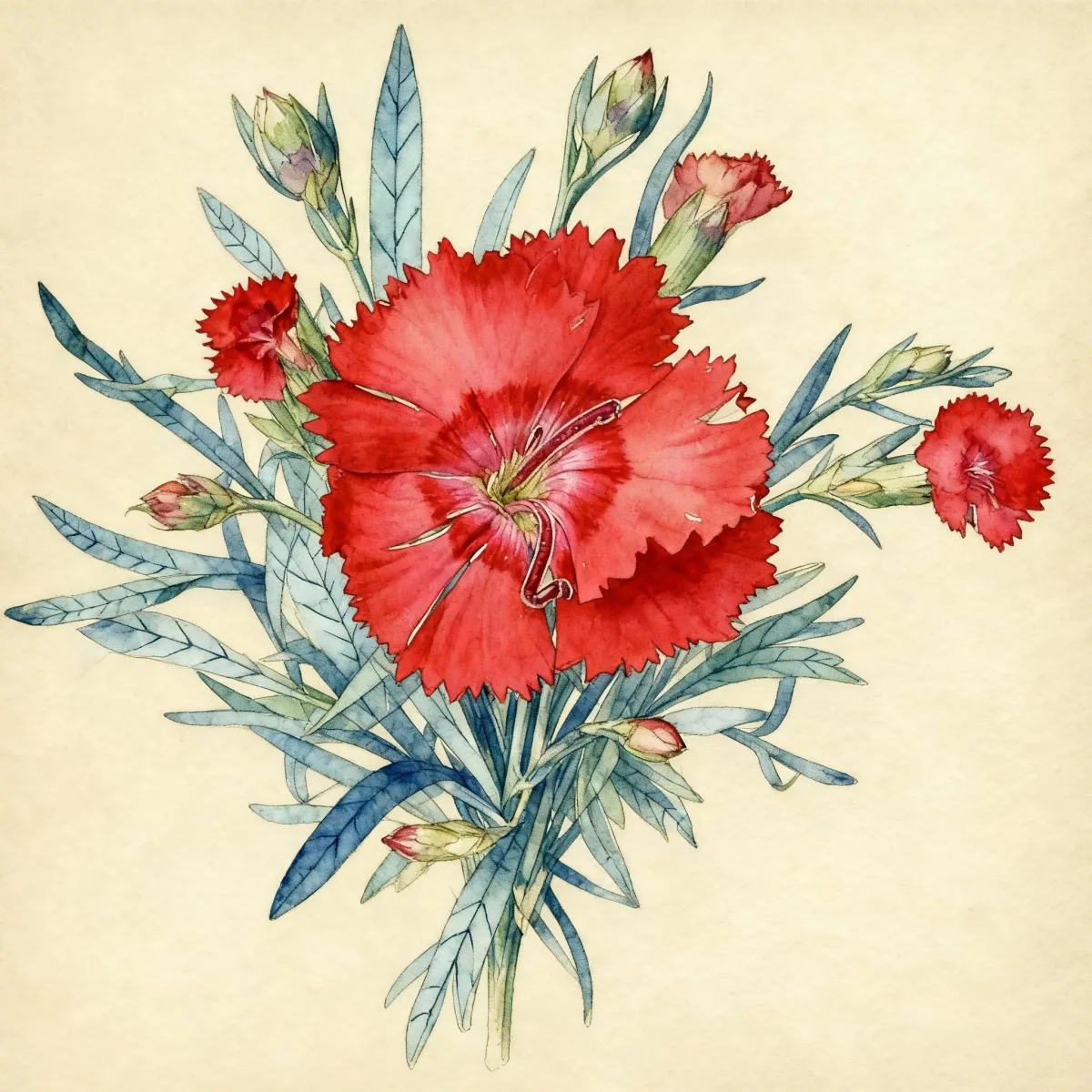
Dianthus 'Rosish One' is a showy, fragrant Pink cottage perennial known for red blooms with white edging.
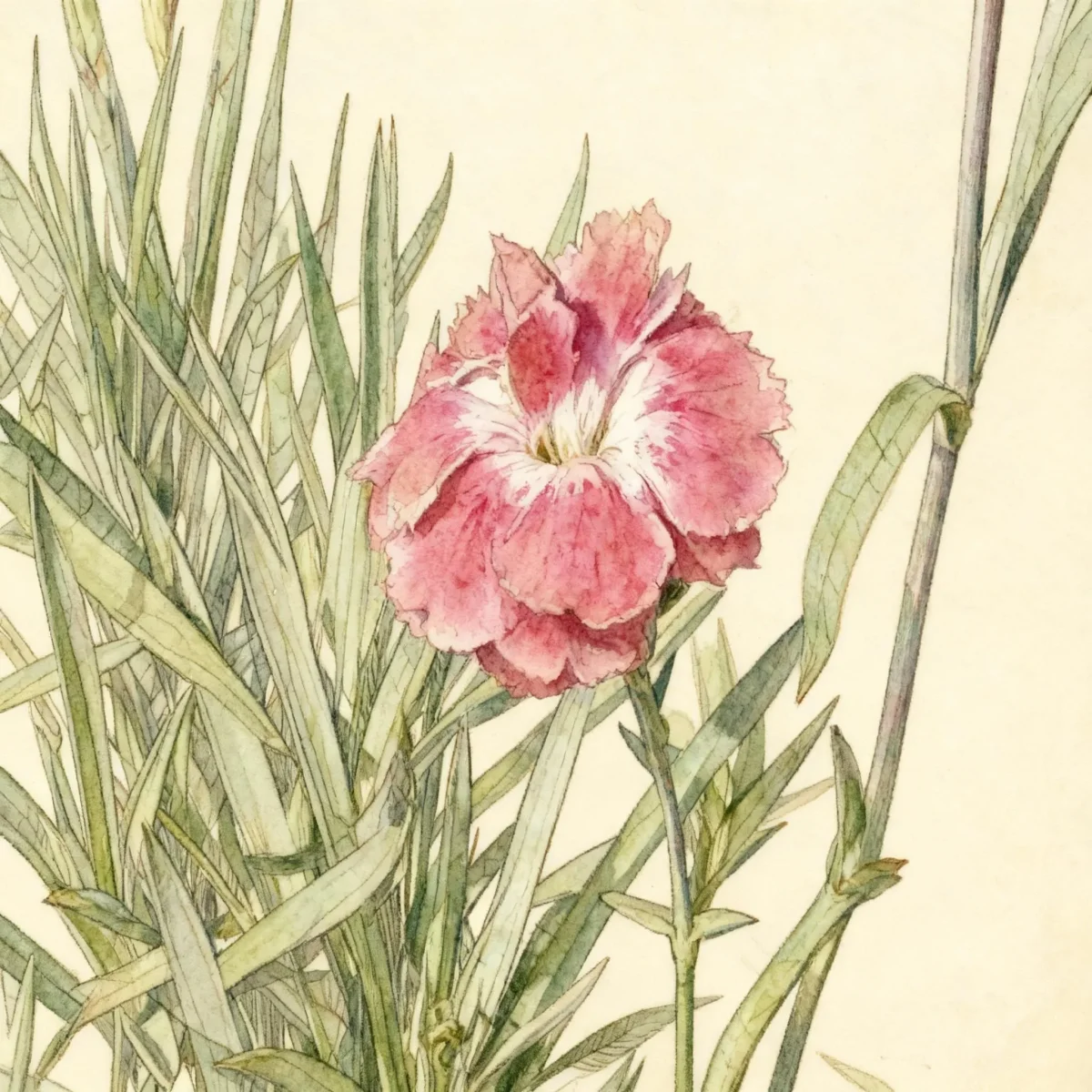

Bloom Boldly, No Matter the Season - Sweatshirt
Cozy organic cotton sweatshirt featuring our exclusive Purple Coneflower design. Perfect for gardeners who bloom year-round.
Inspired by the beautiful Pink
Limited first batch (50) — join the waitlist for early access
Waitlist closes Feb 15, 2026.
Complete Plant Information
Field Guide Continues
Ready for care notes, companion picks, and planting tips?
The map is just the start. The full guide below covers growth habits, seasonal performance, and landscape uses.
Overview
Dianthus ‘Rosish One’, a classic cottage Pink, offers incredible value to the garden with its attractive growth habit and reliable performance. This robust cultivar produces masses of fragrant, showy flowers against a background of narrow, gray-green, grass-like foliage. Gardeners prize this group of Dianthus for their longevity and cheerful seasonal color.
As an herbaceous perennial, Dianthus ‘Rosish One’ thrives when given plenty of sun in regions where summers are not excessively hot. Key to its success is ensuring excellent drainage, as the plant prefers organically rich, gritty loams. Successfully growing this Pink promises vibrant displays from late spring through mid-summer.
This specific variety, often simply referred to as Pink, features distinctive red flowers delicately fringed with a thin white border, providing textural interest. With its low maintenance needs and resistance to deer browsing, Dianthus ‘Rosish One’ is an essential addition to borders and rock gardens seeking fragrant, low-growing color.
Fast Facts
- Plant Family: Caryophyllaceae
- Plant Type: Herbaceous perennial
- Hardiness Zones: USDA Zones 4-8
- Size at Maturity:
- Height: 0.75-1 ft
- Spread: 1-1.5 ft
- Bloom Time: May to July
- Bloom Description: Red with thin white edging
- Sun Exposure: Full sun
- Water Needs: Medium
- Maintenance Level: Low
How to Grow
Plant Dianthus ‘Rosish One’ in the spring or fall in a location that receives full sun exposure. This perennial requires great horticultural attention to drainage; it performs best in average, evenly moist, well-drained soils. Optimize conditions by incorporating leaf mold or other organic matter if your soil tends to dry out quickly, as these Pinks appreciate consistency, especially in hotter summer climates.
Care for Dianthus ‘Rosish One’ involves maintaining medium water requirements, ensuring the soil remains moist but never soggy. While feeding is generally not essential in rich soils, you can encourage heavier blooming by deadheading spent flowers regularly. This simple practice signals the plant to produce more blooms rather than setting seed.
For tidy appearance and to promote potential late-season flowering, consider shearing the plants back lightly after the main flush of bloom concludes in mid-summer. This can tidy up the look of your planting bed. In areas with harsh winters, ensure the plants are well-drained moving into colder weather; Pinks dislike sitting in cold, wet conditions.
Landscape Uses
Dianthus ‘Rosish One’ excels in situations where low-growing, colorful, and fragrant edging is needed. Its compact habit makes it perfect for the front of perennial borders, providing a defined transition between the lawn or pathway and taller plantings. Consider using this robust Pink in mass plantings for a stunning carpet of color during its primary bloom window.
Due to its preference for gritty, well-drained soil, Dianthus ‘Rosish One’ is an ideal choice for rock gardens or xeriscaping where water conservation is a consideration, provided the soil structure is gritty. Its compact 1-1.5 ft spread allows it to weave beautifully among small ornamental grasses or creeping thyme, creating textured cottage garden vignettes.
This variety is also excellent for softening hardscape edges, perfect for lining walkways or low retaining walls where its fragrance can be appreciated up close. When planning companions, look for plants that share similar sun and drainage needs to ensure the entire grouping thrives.
Standout Features
Flower Qualities
- Showy
- Fragrant
Noteworthy Characteristics
Perennial dianthus, commonly called carnations or pinks, are loosely-tufted, herbaceous perennials that features fragrant, often double flowers on stiff stems clad with narrow, linear, gray-green leaves. Most hybrid carnations are crosses between three species: D. Caryophyllus, D. Gratianopolitanus, and D. Plumarius. The common name of pink for plants in the genus Dianthus is in probable reference to the fringed flower petal margins (they appear to have been cut with pinking shears) and not to flower color. ‘Rosish One’ is a cottage pink that typically grows to 10” tall and spreads over time to 16” wide, sporting red flowers with thin white edging.
Tolerances
- Deer
Potential Problems
While Dianthus ‘Rosish One’ is generally low maintenance when grown outdoors, carnations are susceptible to several pathogens, including botrytis, rust, and powdery mildew, especially in humid conditions or if air circulation is poor. Fungal issues are greatly exacerbated if the plants are kept too wet. Management focuses primarily on cultural practices: plant in full sun, ensure excellent drainage, and water at the base of the plant rather than overhead.
Pest issues reported include aphids, caterpillars, leafminers, spidermites, and scale. Regular inspection, particularly during the warm growing season, allows for early intervention using insecticidal soaps if necessary. Remember that deer tend to avoid this particular Pink, which is a significant advantage in many landscapes.
Frequently Asked Questions
What hardiness zones is Pink suitable for?
Dianthus ‘Rosish One’ is suitable for USDA Hardiness Zones 4 through 8.
How large does Dianthus ‘Rosish One’ grow?
This plant typically reaches a height between 0.75 and 1 foot tall, with a spread ranging from 1 to 1.5 feet wide.
What sun exposure does Pink need?
Dianthus ‘Rosish One’ requires full sun to produce the best flowers. Ensure it receives plenty of direct sunlight daily.
When does Dianthus ‘Rosish One’ bloom?
The primary bloom time for this Pink variety is from May through July, offering red flowers with thin white edging.
Conclusion
Dianthus ‘Rosish One’ provides reliable, low-effort blooms that bring fragrance and structure to the sunny border. This particular Pink cultivar is a robust choice prized for its specific red-and-white coloration and resistance to deer. Before planting, confirm your site provides the necessary full sun and excellent drainage required for this beautiful perennial.
Companion Planting
When designing a garden incorporating Dianthus ‘Rosish One’, select neighbors that share its love for full sun and sharp drainage. Low-growing thymes or creeping sedums make excellent groundcover companions that enhance the gritty texture preferred by Pinks. Avoid placing them immediately next to heavy feeders that might overwhelm their modest nutrient requirements.
For mid-level companions, consider Lavender or Russian Sage (Perovskia atriplicifolia), as these aromatic, drought-tolerant plants thrive under similar conditions. Their grayish foliage visually complements the linear, blue-green leaves of the Dianthus, creating a cohesive, water-wise planting scheme perfect for hot, sunny borders.
Seasonal Care Calendar
Spring preparation for Dianthus ‘Rosish One’ should involve a light cleanup of any winter debris and application of a balanced, slow-release fertilizer if growth appears lackluster. Ensure the soil is evenly moist as the growing season begins, but avoid excessive summer irrigation which can lead to rot.
Summer care centers on deadheading spent blooms persistently through May to July to encourage repeat flowering. If the plant begins to look shaggy after the main flush, shear the foliage back lightly; this promotes a neater shape and stimulates a smaller late-summer or early-fall rebloom period for your Pink.
As autumn approaches, reduce watering as necessary, particularly if you live in a region prone to wet fall weather. Minimal winter protection is usually required for Dianthus ‘Rosish One’ in its recommended hardiness zones, provided the soil drainage is exemplary going into dormancy.