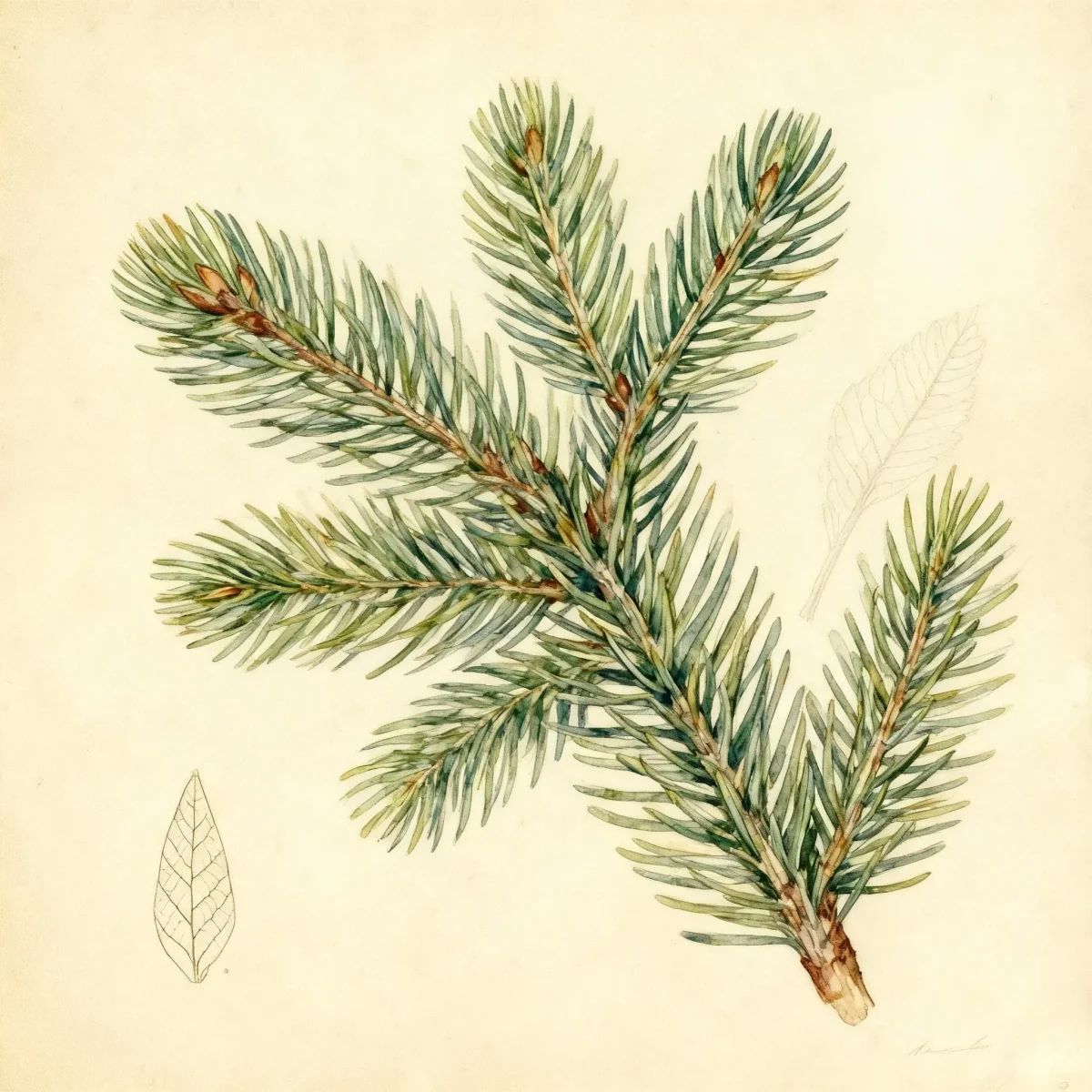
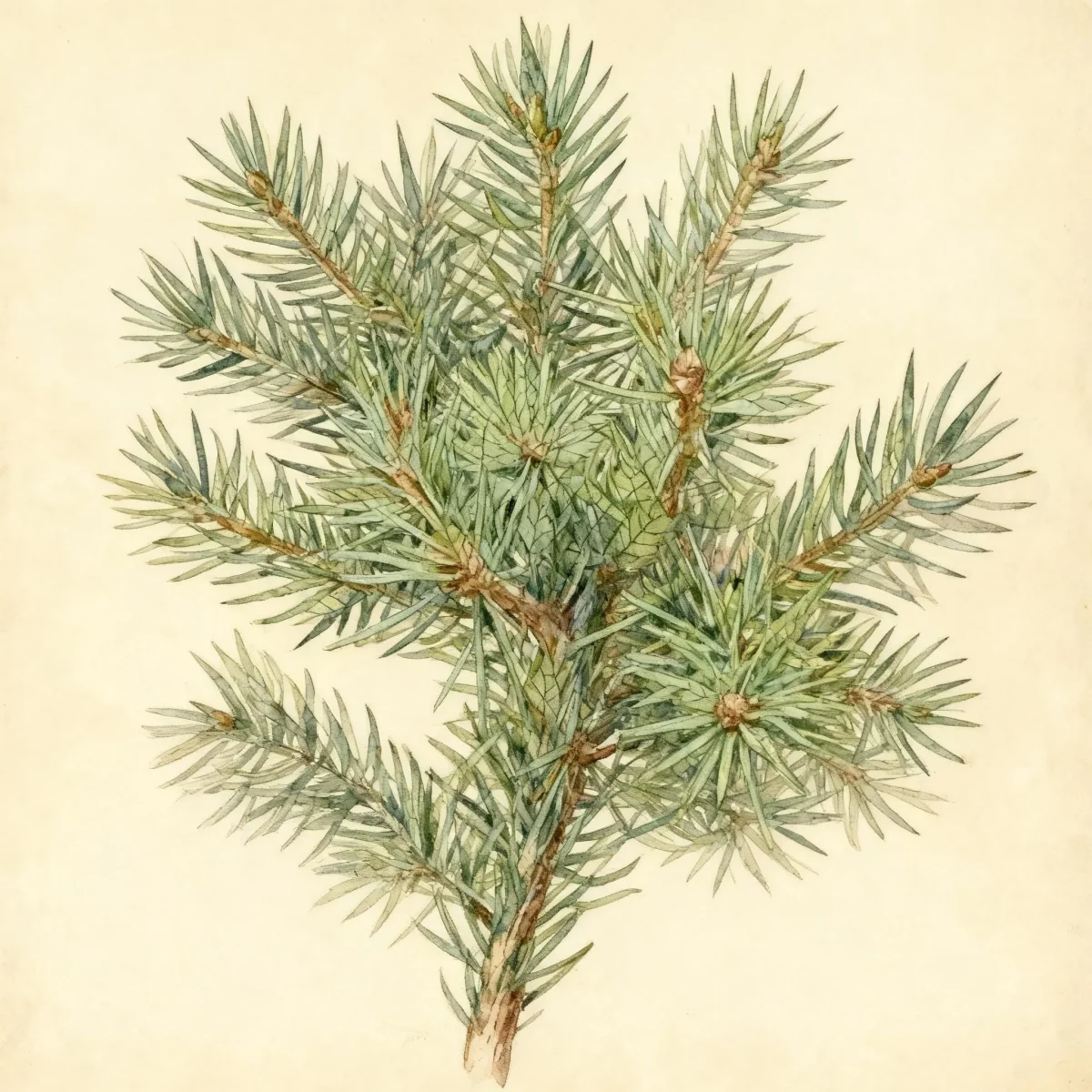
Dwarf Norway spruce (Picea abies 'Elegans')
Discover the Dwarf Norway spruce, Picea abies 'Elegans', a slow-growing, hassock-like evergreen perfect for small gardens and rockeries.

Bloom Boldly, No Matter the Season - Sweatshirt
Cozy organic cotton sweatshirt featuring our exclusive Purple Coneflower design. Perfect for gardeners who bloom year-round.
Inspired by the beautiful Dwarf Norway spruce
Limited first batch (50) — join the waitlist for early access
Waitlist closes Feb 15, 2026.
Complete Plant Information
Field Guide Continues
Ready for care notes, companion picks, and planting tips?
The map is just the start. The full guide below covers growth habits, seasonal performance, and landscape uses.
Overview
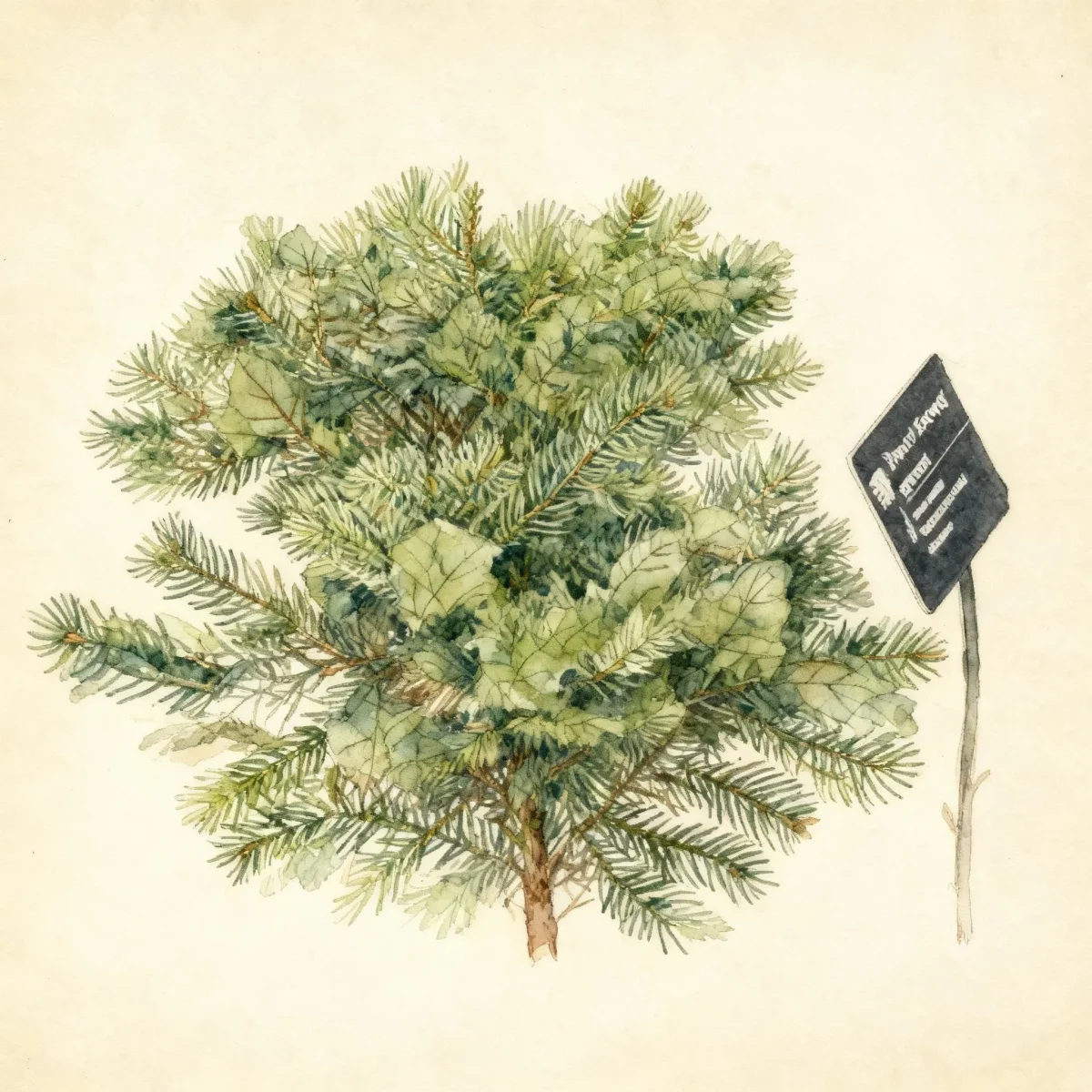
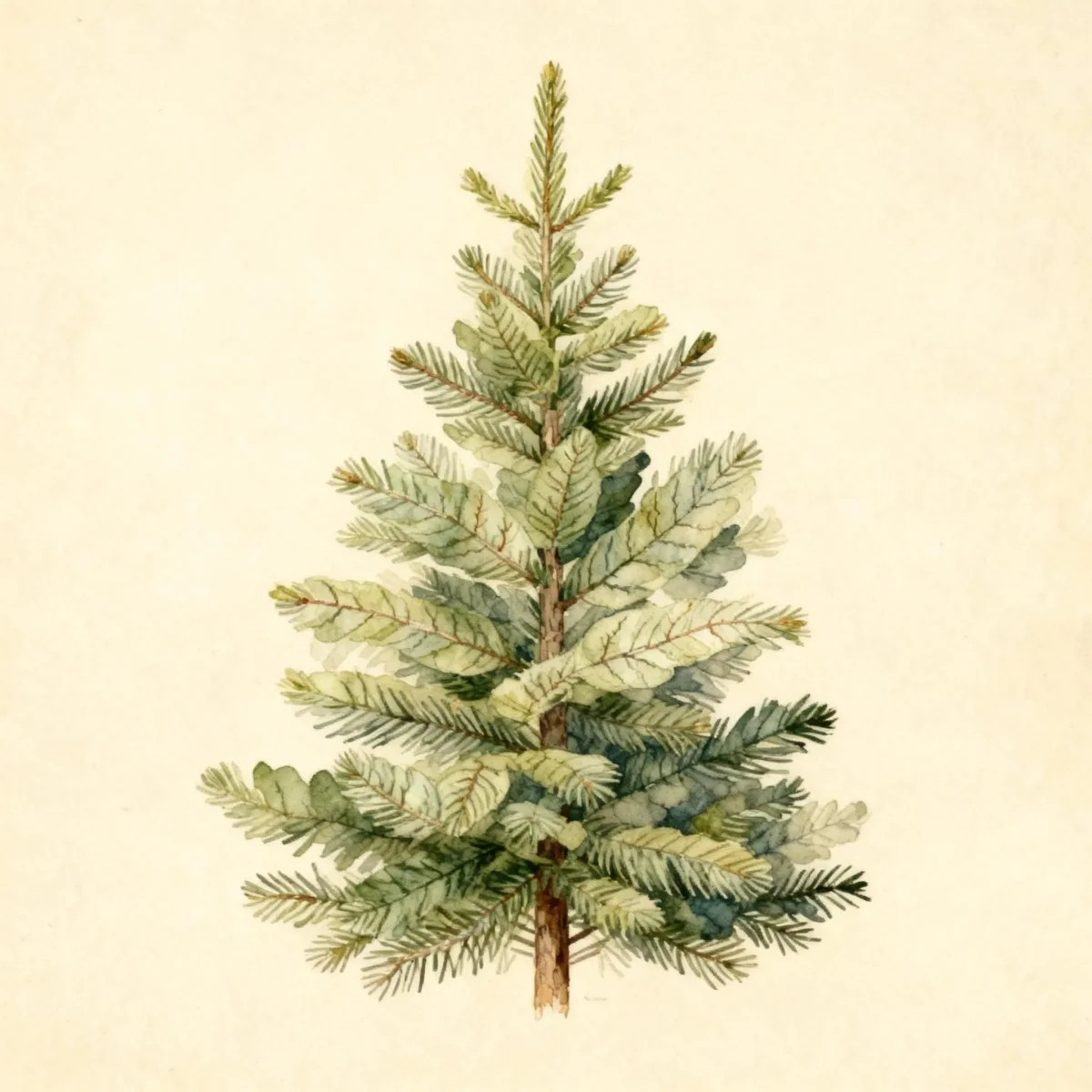
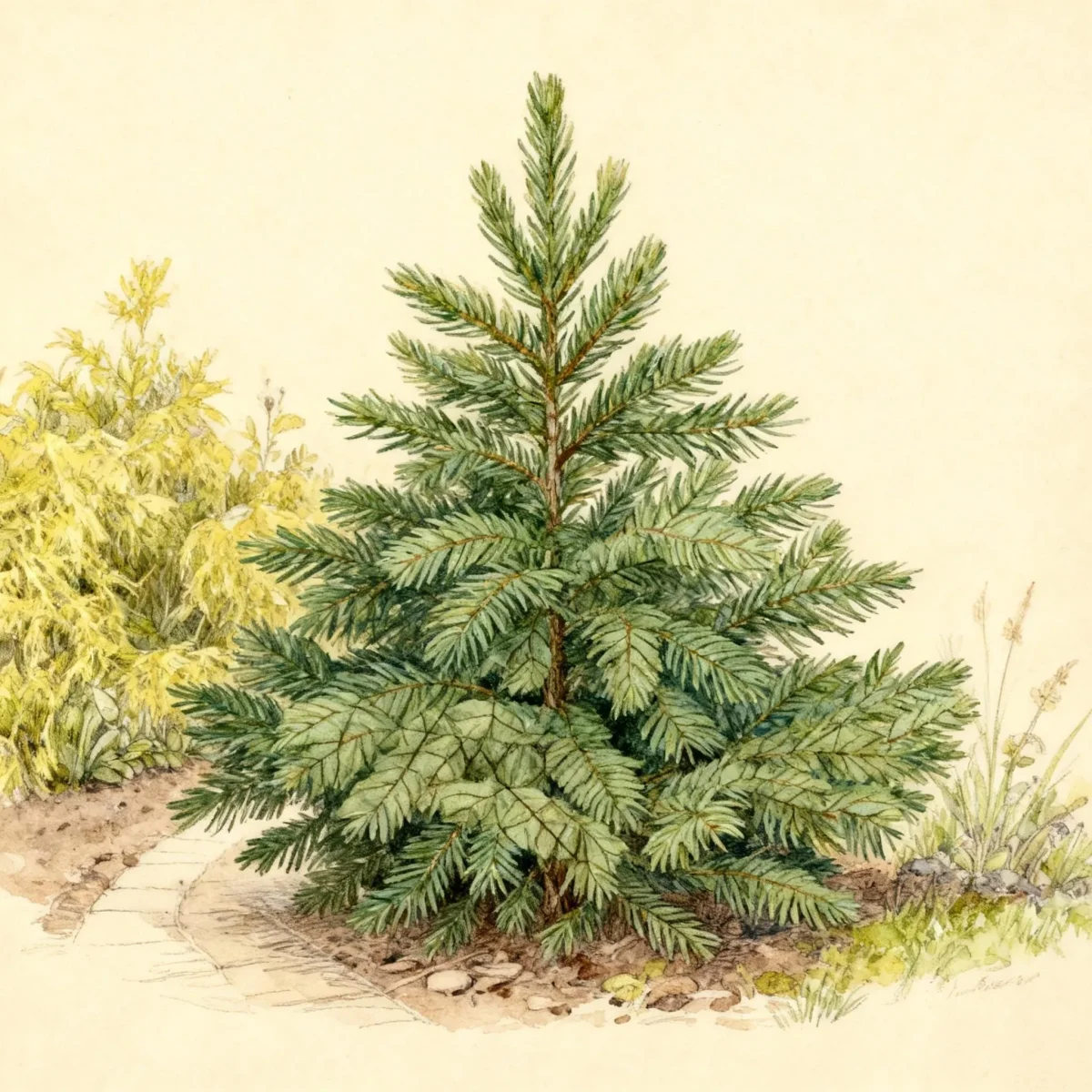
The Dwarf Norway spruce, Picea abies ‘Elegans’, is a highly valued cultivar prized for its compact, manageable, and dense form, making it an excellent choice where the majestic size of the standard Norway spruce is impractical. This slow-growing conifer naturally forms a charming hassock-like mound, providing year-round texture and deep green color to the landscape. Achieving only 2 to 4 feet in height, Picea abies ‘Elegans’ brings classical evergreen structure to tight spaces.
This selection is remarkably adaptable, thriving best in cooler summer climates while maintaining a low maintenance requirement once established. Its uniform, dense branching pattern makes the Dwarf Norway spruce a perfect specimen plant or accent feature, offering reliable structure in foundation plantings or rock gardens. Gardeners will appreciate the dependable, tidy performance this specific cultivar offers, contrasting nicely with finer-textured or deciduous plantings.
Fast Facts
- Plant Family: Pinaceae
- Plant Type: Needled evergreen
- Hardiness Zones: USDA Zones 3-7
- Size at Maturity:
- Height: 2-4 ft
- Spread: 3-4 ft
- Bloom Time: Non-flowering
- Bloom Description: Non-flowering
- Sun Exposure: Full sun
- Water Needs: Medium
- Maintenance Level: Low
How to Grow
The best time to plant the Dwarf Norway spruce is typically in the spring or fall, allowing ample time for root establishment before temperature extremes. Aim for a location that receives full sun exposure, as insufficient light can result in sparser growth. Picea abies ‘Elegans’ performs best in average, acidic, evenly moist, and well-drained soils, though it handles rich sandy textures well.
Maintain a medium watering schedule, especially during the first few seasons, ensuring the soil remains consistently moist but never waterlogged. While established plants show some tolerance for dry spells, consistent moisture is key to maintaining the deep green color and dense habit of this Dwarf Norway spruce. Fertilization is rarely necessary if the soil is reasonably rich, but a balanced, slow-release fertilizer in early spring can benefit struggling specimens.
Prefers cool summer climates; gardeners in the hotter southern reaches of USDA Zone 7 must pay careful attention to afternoon shade and supplemental irrigation to prevent heat stress. Pruning requirements are minimal for Picea abies ‘Elegans’ due to its naturally slow and mounding habit. Focus only on removing dead or damaged branches as needed to maintain its tidy contour.
Landscape Uses
As a dwarf needled evergreen, Picea abies ‘Elegans’ excels in applications demanding permanent, small-scale structure. It is superb when integrated into rock gardens where its mounding form mimics natural alpine growth. For borders fronts, it provides an excellent, dense textural anchor that remains evergreen throughout the year.
Consider using this durable conifer as a specimen or accent plant near entryways or foundations where space is limited. Its compact nature makes it an ideal choice for year-round interest in contemporary or traditional landscape designs. Pair the deep green needles of the Dwarf Norway spruce with plants that offer contrasting fine texture or seasonal color, like heucheras or low-growing deciduous shrubs.
Standout Features
Noteworthy Characteristics
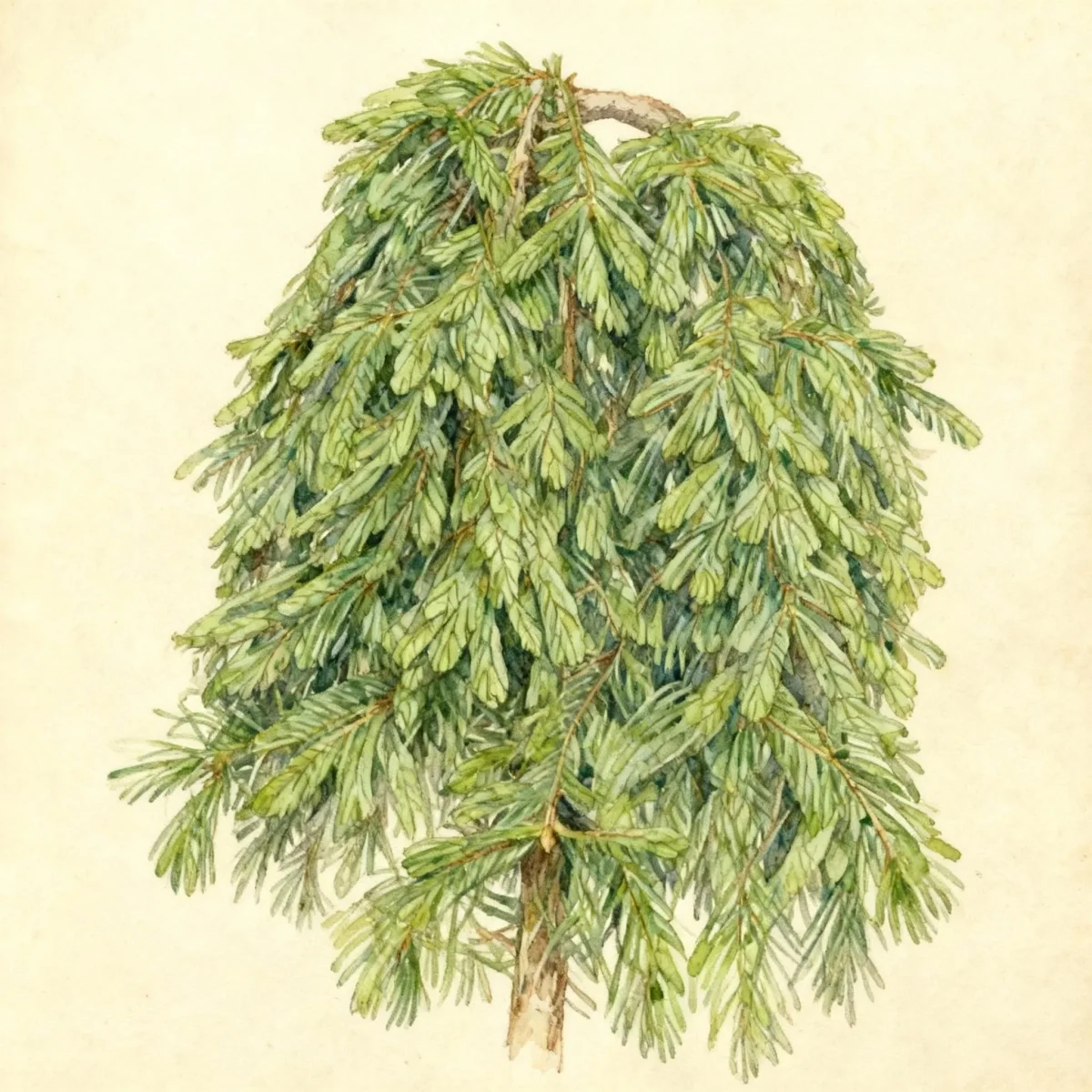
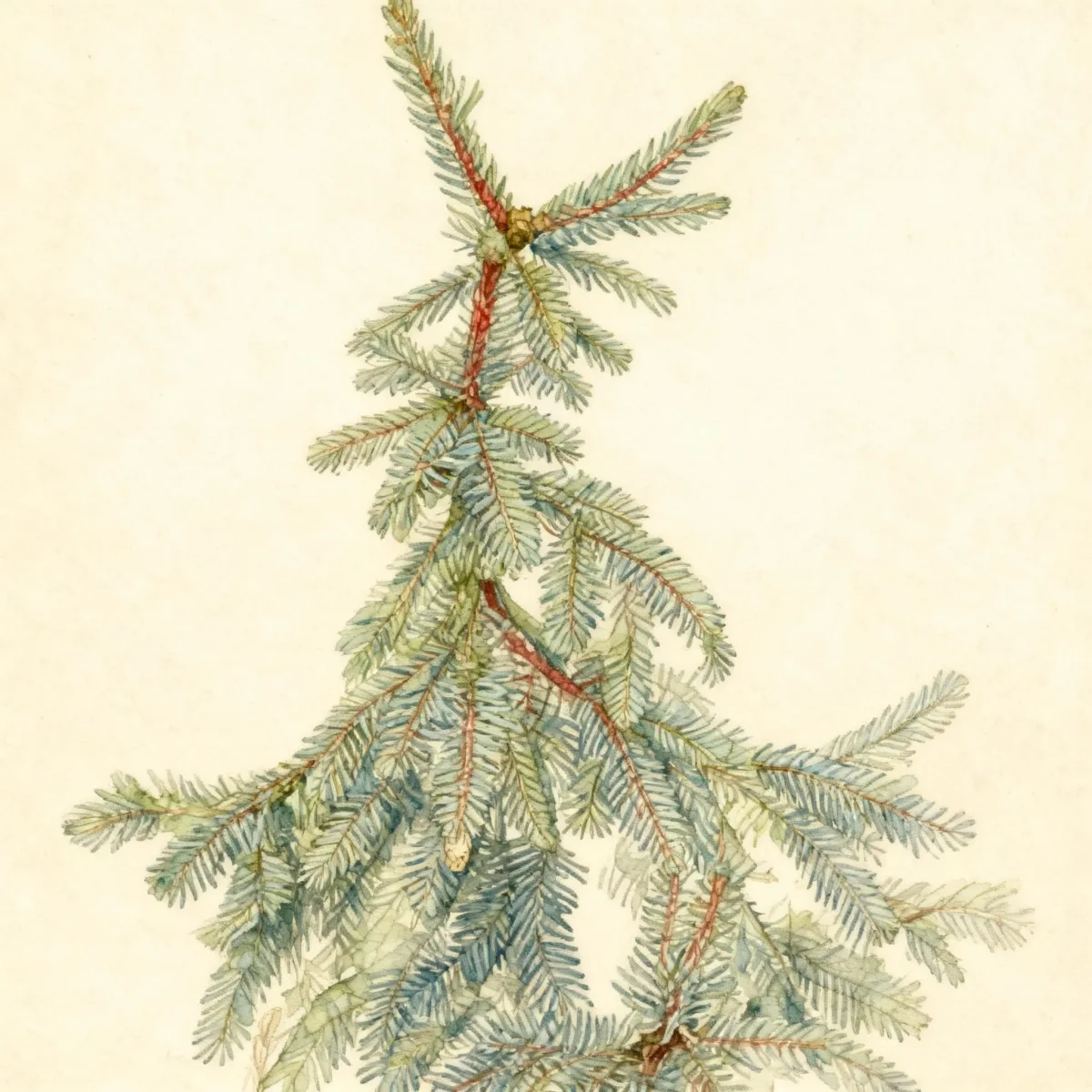
Picea abies, commonly called Norway spruce, is a large pyramidal evergreen conifer that is native to the mountains of northern and central Europe east to the Urals. In its native European habitat, it typically matures to 100-150’ (occasionally to 200’) tall. It has been widely planted in cool and temperate regions of North American where it typically matures to a much shorter 40-60’ (less frequently to 100’) tall. It is noted for its rapid growth. Primary branches are slightly upturned but secondary branches become pendulous as the tree matures. Branches are clad with spirally-arranged, four-sided, needle-like, deep green leaves which are attached at their bases to tiny pegs. Cylindrical seed bearing cones (to 9” long) are pendulous. In excess of 150 cultivars (mostly dwarf) have been named over the years. Cultivars can be very difficult to distinguish.Genus name is reportedly derived from the Latin word pix meaning “pitch” in reference to the sticky resin typically found in spruce bark.Specific epithet refers to its similarity to the genus Abies (fir).’Elegans’ is a slow-growing dwarf cultivar that typically grows in a hassock-like mound to 2-4’ tall and to 3-4’ wide.
Tolerances
- Deer
- Air Pollution
Potential Problems
This conifer generally resists major issues, but gardeners should remain vigilant for specific disease and pest pressures. Cytospora canker, wood decay, and needle cast or rust may appear, often signaling overly wet conditions or poor air circulation around the plant. Ensure proper spacing and drainage when planting Picea abies ‘Elegans’ to mitigate fungal risks.
Watch specifically for common spruce pests, including aphids, bagworms, budworms, and borers. Red spider mites can also become troublesome, particularly during hot, dry summers. If pests are noted, early intervention with appropriate horticultural oils or insecticides specific to the pest identified will yield the best control results for your Dwarf Norway spruce.
Frequently Asked Questions
What hardiness zones is Dwarf Norway spruce suitable for?
The Dwarf Norway spruce (Picea abies ‘Elegans’) is adaptable across USDA Zones 3 through 7.
How large does Picea abies ‘Elegans’ grow?
This cultivar reaches a modest mature size, typically maintaining a height between 2 and 4 feet, and spreading 3 to 4 feet wide.
What sun exposure does Dwarf Norway spruce need?
It requires full sun exposure to develop the most dense and attractive form, although it appreciates some protection from the harshest afternoon sun in very hot climates.
When does Picea abies ‘Elegans’ bloom?
As a needled evergreen, this plant is non-flowering and does not produce conspicuous blooms.
Conclusion
The Dwarf Norway spruce (Picea abies ‘Elegans’) is a superior, low-maintenance evergreen that offers dense, compact structure for small garden spaces or mixed borders. Its ease of care coupled with its beautiful, mounding habit ensures year-round visual interest in challenging spots. Before planting, confirm that your growing site falls comfortably within USDA Zones 3-7 and provides the necessary full sun exposure.
Companion Planting
When selecting partners for your Picea abies ‘Elegans’, look for plants that share similar cultural preferences for acidic soil and medium moisture. Deciduous shrubs with bright fall color, like certain varieties of Japanese Maple (if protected from reflected heat) or dwarf rhododendrons, provide excellent seasonal contrast to the deep green needles. This conifer also pairs beautifully with spreading groundcovers that thrive in partial shade, such as Vinca minor or Ajuga reptans, creating layers beneath its dense canopy.
Design Ideas
The architectural quality of the Dwarf Norway spruce makes it fantastic for symmetrical placements flanking formal paths or entrances where a formal, tidy look is desired. Since it retains its size well, it functions perfectly as a “living foundation plant,” softening the base of a home without ever becoming overgrown or requiring heavy shearing. For a dramatic texture contrast, place it near plants with fine, feathery foliage or those that bloom with bright, large flowers in summer.