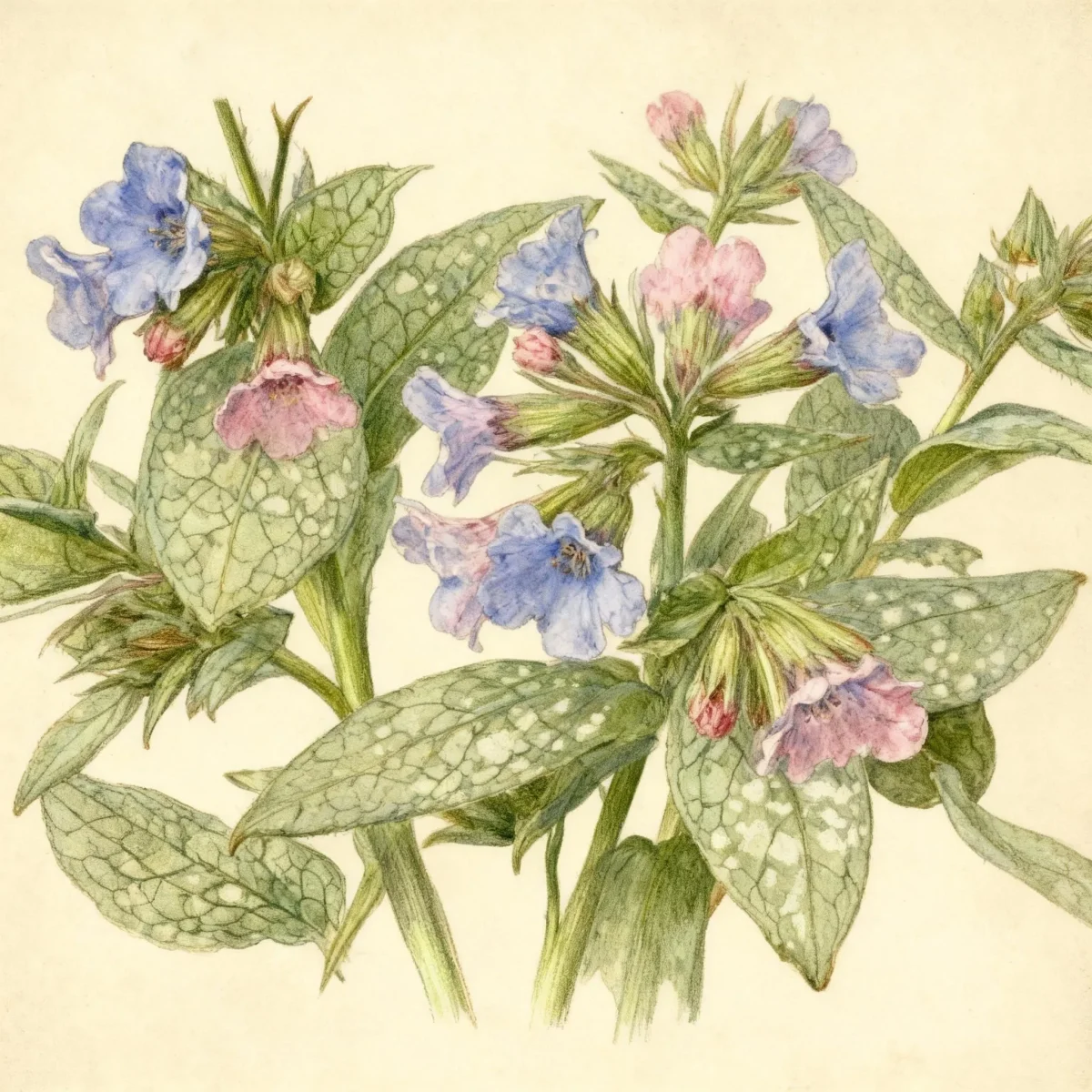
Lungwort (Pulmonaria 'Baby Blue')
Pulmonaria 'Baby Blue' Lungwort is a compact perennial offering silvery foliage and charming blue spring flowers. Low maintenance and shade tolerant.

Bloom Boldly, No Matter the Season - Sweatshirt
Cozy organic cotton sweatshirt featuring our exclusive Purple Coneflower design. Perfect for gardeners who bloom year-round.
Inspired by the beautiful Lungwort
Limited first batch (50) — join the waitlist for early access
Waitlist closes Feb 15, 2026.
Complete Plant Information
Field Guide Continues
Ready for care notes, companion picks, and planting tips?
The map is just the start. The full guide below covers growth habits, seasonal performance, and landscape uses.
Overview
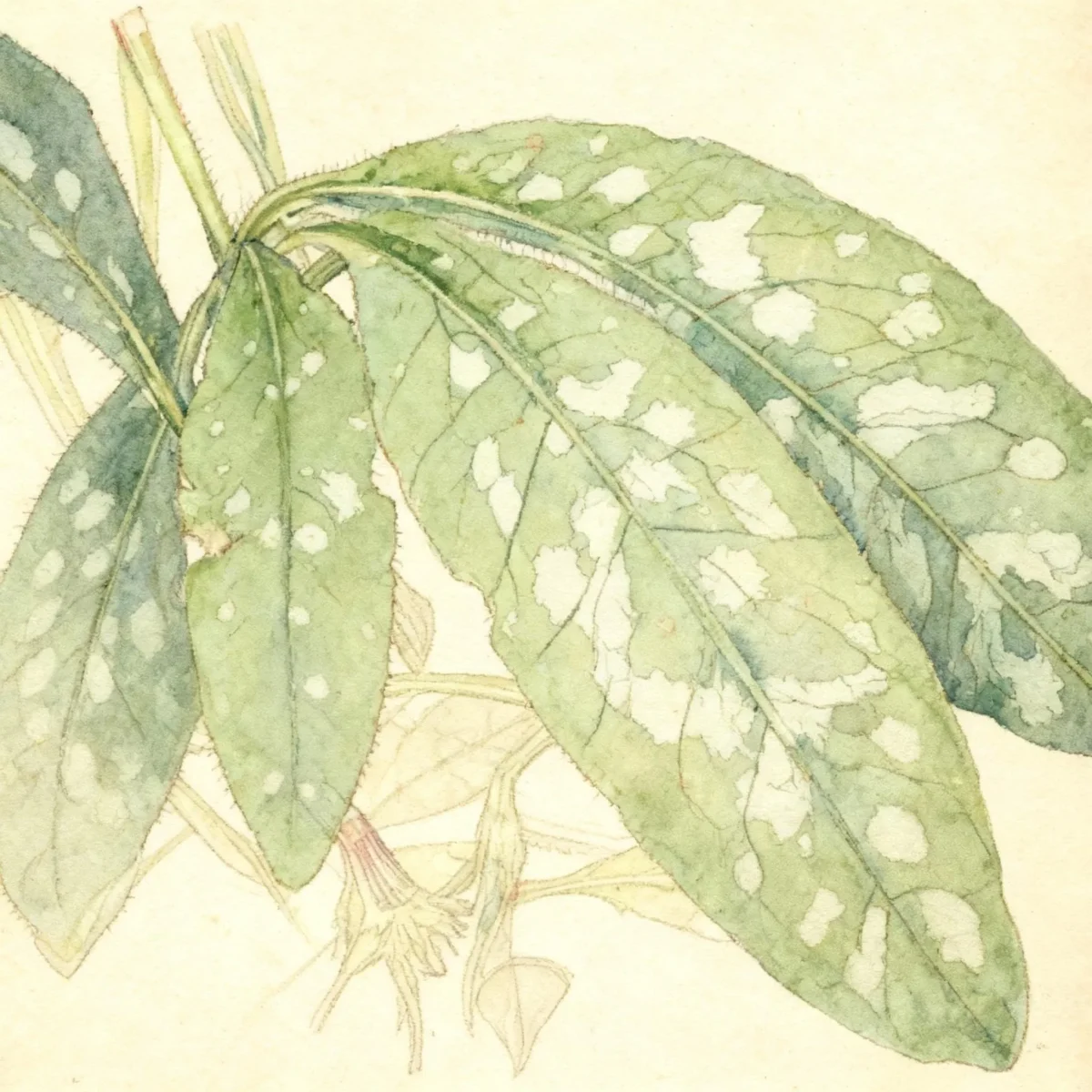
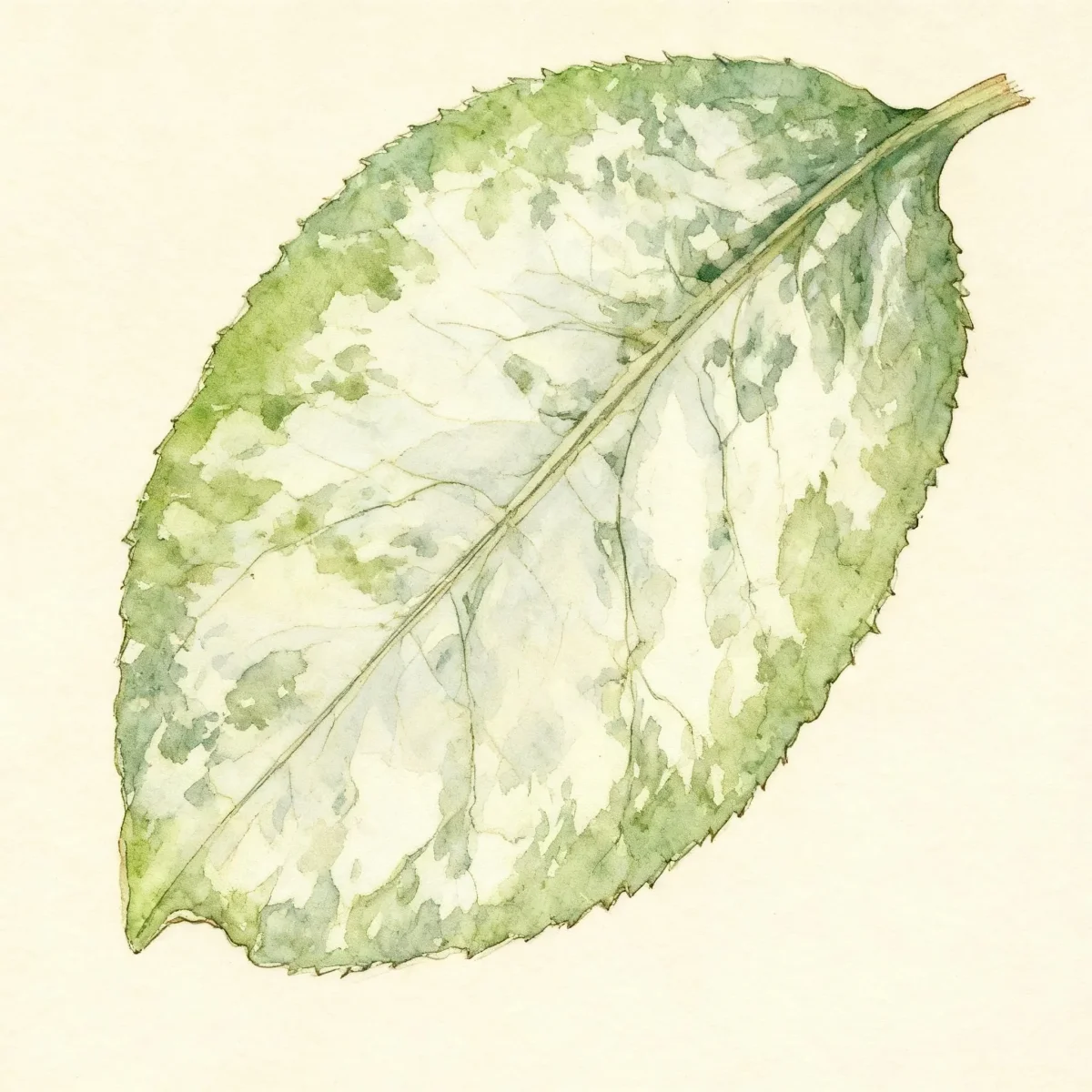
Pulmonaria ‘Baby Blue’, commonly known as Lungwort, is highly valued in shaded landscapes for its attractive, silvery, spotted foliage that outlasts its spring bloom. This compact, mounding variety provides essential texture and brightness where sun-loving plants cannot thrive. It forms a neat basal clump, making it an ideal foundational plant for woodland settings.
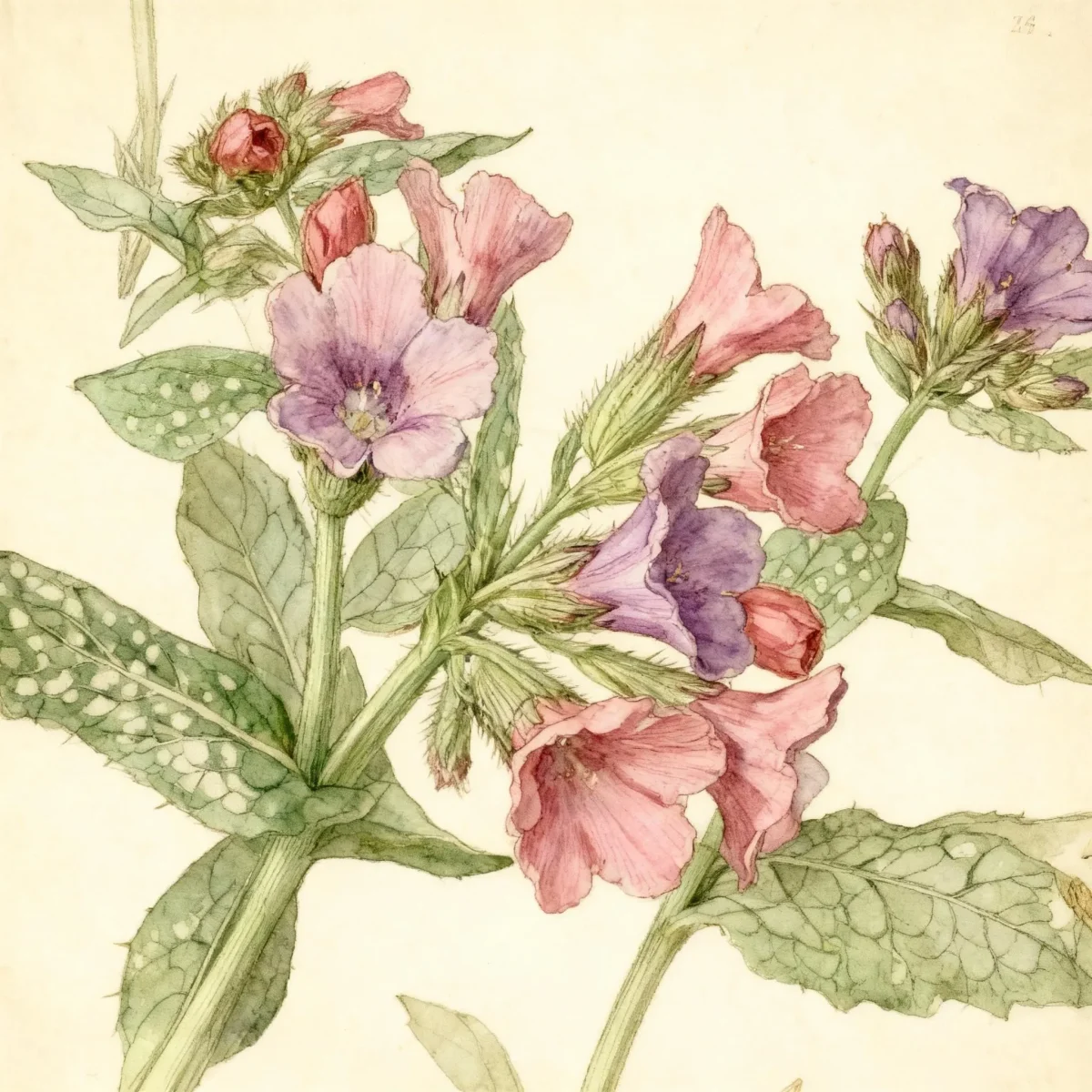
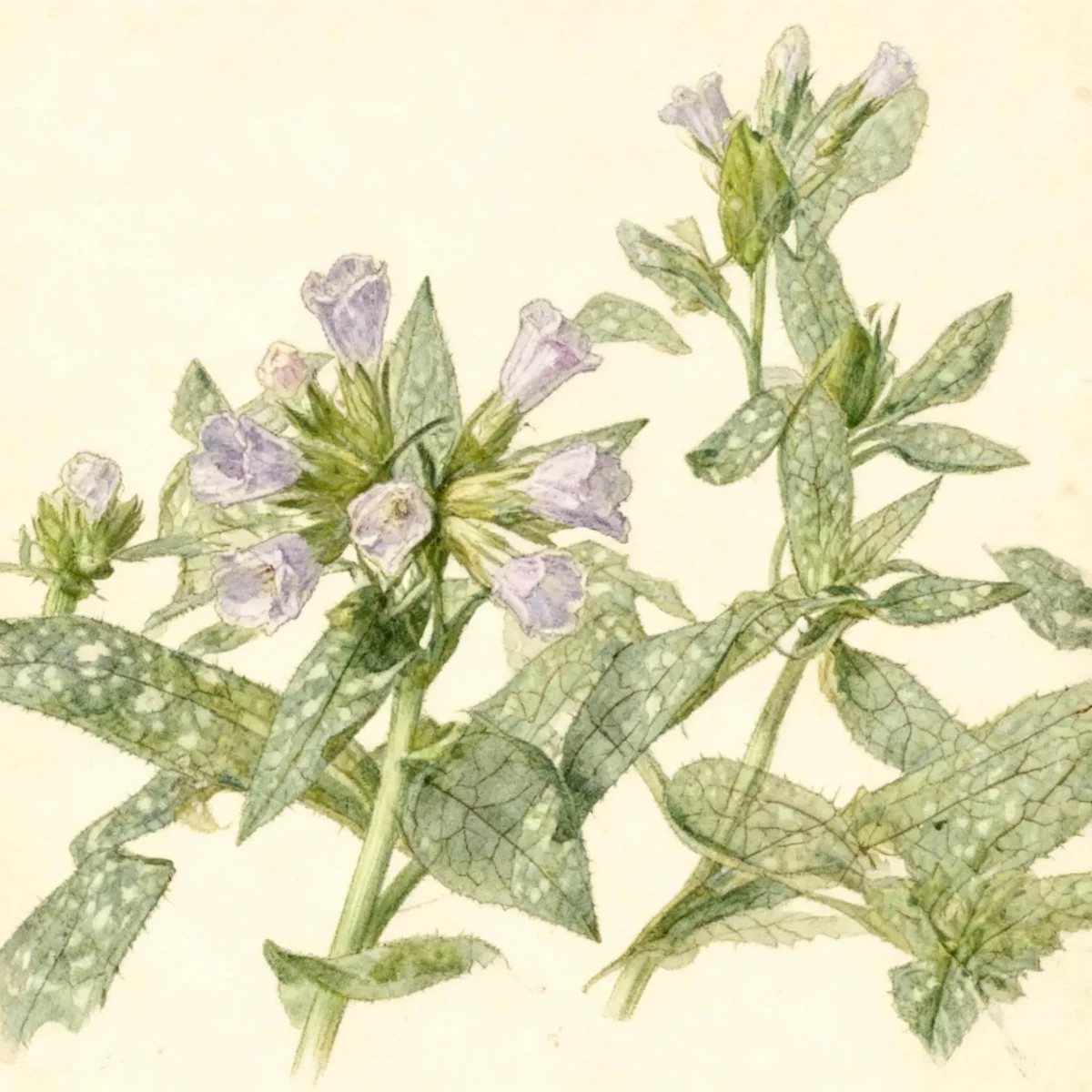
The chief aesthetic appeal of Pulmonaria ‘Baby Blue’ lies in its late spring floral display. Funnel-shaped blossoms emerge pink before maturing to a clear baby blue, often present in both shades simultaneously on the same plant. This low-maintenance perennial spreads slowly via creeping roots, effectively acting as an excellent ground cover in dappled light conditions.
Gardeners appreciate this selection for its resilience and relative ease of care, achieving a tidy look with minimal intervention. Utilizing Pulmonaria ‘Baby Blue’ allows for easy naturalization under mature trees or along the north side of buildings, fulfilling the need for reliable, attractive, low-growing shade interest.
Fast Facts
- Plant Family: Boraginaceae
- Plant Type: Herbaceous perennial
- Hardiness Zones: USDA Zones 4-9
- Size at Maturity:
- Height: 0.5-0.75 ft
- Spread: 0.75-1 ft
- Bloom Time: April
- Bloom Description: Blue
- Sun Exposure: Part shade to full shade
- Water Needs: Medium
- Maintenance Level: Low
How to Grow
Planting Lungwort is best accomplished in spring or fall when conditions are cool and moist, ensuring the plants establish strong roots before summer stress. Locate Pulmonaria ‘Baby Blue’ in light to deep shade, avoiding direct, intense afternoon sun which can scorch the foliage. It thrives in average, medium-moisture, well-drained soils that are rich in organic matter. Maintaining consistent moisture is critical; the soil must not be allowed to dry out, especially during summer heat.
Watering should be regular to keep the soil consistently moist, reflecting its preference for humusy conditions. Little to no fertilizer is usually required if the soil is organically rich. Immediately after flowering concludes, remove the spent flower stems to tidy the appearance, although this is not strictly necessary for plant health.
Because Pulmonaria ‘Baby Blue’ spreads slowly via creeping roots, division offers a great way to propagate new clumps. If plants become overcrowded, divide them in the fall. Be aware that in extremely hot summers, especially if dry, the foliage may depreciate or go dormant; morning sun tolerance is limited, and afternoon shade is essential for maintaining leaf quality.
Landscape Uses
Pulmonaria is an excellent foliage plant for shady areas, though its spring flowers also provide attractive contrast. The compact, mounding habit of Pulmonaria ‘Baby Blue’ makes it perfect for massing as a reliable ground cover, suppressing weeds and unifying planting beds beneath deciduous trees. Consider planting it in woodland gardens, shaded border edges, or the corners of rock gardens where protection from intense sun is guaranteed.
For dynamic design, massing Lungwort creates cool, sophisticated sweeps of silver foliage that contrast beautifully with hostas or ferns that emerge later in the season. Its low profile makes it an effective edging plant along shaded paths, providing year-round interest if planted in areas with mild winters where the leaves retain some color.
Standout Features
Flower Qualities
- Showy
Noteworthy Characteristics
Pulmonaria is a genus of about 17 species of deciduous or evergreen herbaceous perennials from Europe and Asia. Lungworts are shade plants that, like many of the hostas, are often valued more for their attractive foliage than for their spring flowers. The common name of lungwort is in reference to the supposed resemblance of the blotched/spotted leaves to a diseased lung. The cultivar ‘Baby Blue’ is a compact, mounding variety that features silvery foliage and baby blue flowers, typically growing to 8” tall and spreading to 12” wide, with flowers emerging pink and maturing to blue.
Tolerances
- Deer
- Heavy Shade
- Black Walnut
Potential Problems
This Lungwort generally avoids serious insect or disease issues, offering reliable performance. Slugs and snails can occasionally be pests, so monitor developing foliage and use appropriate controls if necessary. The primary cultural threat is improper moisture management; allowing the soil to dry out in summer can lead to powdery mildew, although ‘Baby Blue’ often exhibits good resistance to this fungus compared to older cultivars. Foliage scorch is a risk if the plant receives too much direct or prolonged hot afternoon sun.
Frequently Asked Questions
What hardiness zones is Lungwort suitable for?
Pulmonaria ‘Baby Blue’ is hardy across a wide range, thriving in USDA Zones 4 through 9.
How large does Pulmonaria ‘Baby Blue’ grow?
This compact perennial typically reaches a height between 0.5 and 0.75 feet, with a spread usually between 0.75 and 1 foot wide.
When does Lungwort bloom?
The delightful spring flowers of Pulmonaria ‘Baby Blue’ are typically seen in April, transitioning from pink buds to clear blue blossoms.
What sun exposure does Pulmonaria ‘Baby Blue’ need?
This shade-loving plant prefers part shade to full shade conditions, requiring protection from intense summer afternoon sun.
Conclusion
Pulmonaria ‘Baby Blue’ offers exceptional value to the shade garden, combining year-round foliage appeal with charming spring flowers. This low-maintenance Lungwort is highly adaptable to deep shade and adverse conditions like Black Walnut roots. Before planting, ensure your growing location provides the consistently moist, organic soil that this excellent perennial requires.
Companion Planting
When planning a shade border, pair Pulmonaria ‘Baby Blue’ with plants that appreciate similar cool, moist conditions. Ferns (such as Athyrium) offer contrasting, airy textures against the solid clump of the Lungwort foliage. Bright green ground covers like Ajuga or creeping Jenny can complement the silvery leaves of the Pulmonaria in mass plantings. For vertical contrast in woodland settings, consider grouping it near early-blooming spring ephemerals or taller shade lovers like Astilbe once the Lungwort bloom fades.
Propagation Tips
The primary method for increasing your stock of Pulmonaria ‘Baby Blue’ is division. Since this plant spreads slowly via creeping roots, it naturally forms denser clumps over time. Divide mature clumps in the fall, taking care to ensure each section has adequate roots established. Ensure the newly separated sections are replanted immediately into well-amended, moist soil to minimize transplant shock and promote quick reestablishment.