

Bigleaf hydrangea (Hydrangea macrophylla 'Homigo')
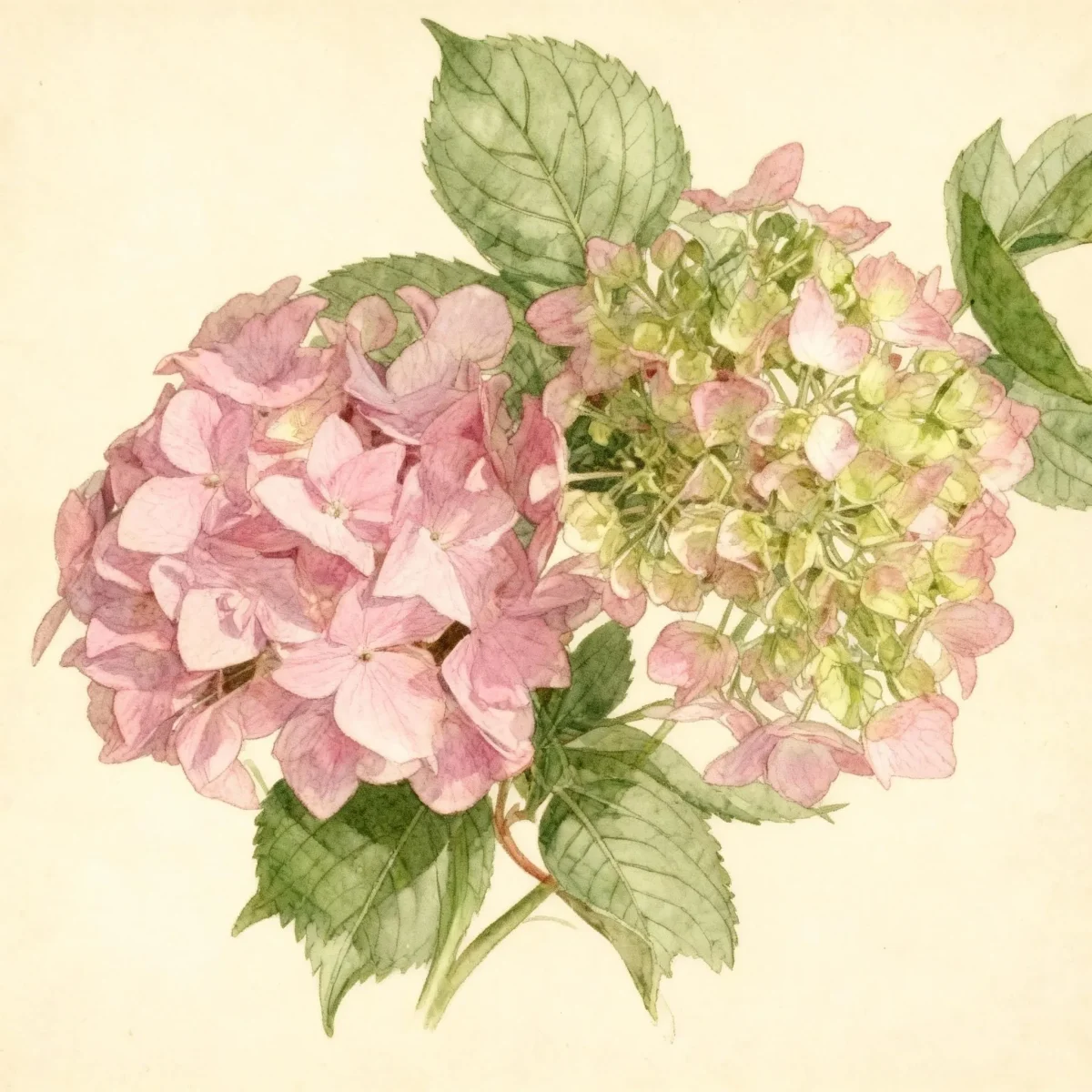
Hydrangea macrophylla 'Homigo' is a stunning Bigleaf hydrangea producing mopheads that shift from pink/blue to green, then red hues.

Bloom Boldly, No Matter the Season - Sweatshirt
Cozy organic cotton sweatshirt featuring our exclusive Purple Coneflower design. Perfect for gardeners who bloom year-round.
Inspired by the beautiful Bigleaf hydrangea
Limited first batch (50) — join the waitlist for early access
Waitlist closes Feb 15, 2026.
Complete Plant Information
Field Guide Continues
Ready for care notes, companion picks, and planting tips?
The map is just the start. The full guide below covers growth habits, seasonal performance, and landscape uses.
Overview
The Hydrangea macrophylla ‘Homigo’, commonly known as Bigleaf hydrangea, offers exceptional visual interest due to its unique, continuously changing flower coloration. This deciduous shrub presents large, rounded mophead clusters that transition from their initial pink or blue hue to light green, and finally mature to a deep red as summer progresses. This trait ensures extended garden appeal, often displaying flowers in multiple stages simultaneously.
Hydrangea macrophylla ‘Homigo’ thrives when provided with rich, well-drained soil and protection from the harshest afternoon sun. While it can tolerate full sun, consistently moist soil is essential in those conditions to support its medium water requirements. Gardeners should be aware that like many bigleaf hydrangeas, flower color variation is a key feature, dictated by soil pH.
Valued for its strong vertical element and persistent color display, this cultivar is perfect for adding structure to the landscape. Its serrated, dark green leaves complement the dramatic floral show throughout the peak growing season. Successful cultivation of Hydrangea macrophylla ‘Homigo’ relies on understanding its specific soil and moisture needs.
Fast Facts
- Plant Family: Hydrangeaceae
- Plant Type: Deciduous shrub
- Hardiness Zones: USDA Zones 5-9
- Size at Maturity:
- Height: 3-6 ft
- Spread: 3-6 ft
- Bloom Time: July to August
- Bloom Description: Pink or blue aging to green then red
- Sun Exposure: Full sun to part shade
- Water Needs: Medium
- Maintenance Level: Medium
How to Grow
Planting the Bigleaf hydrangea should occur in spring or fall, placing it in enriched, well-drained soil. Ideal locations offer morning sun and dappled afternoon shade, though Hydrangea macrophylla ‘Homigo’ can handle more sun if the soil remains adequately moist. Soil treatments to influence color—adding aluminum sulfate for bluer flowers or lime for pinker ones—must begin well in advance, ideally in late autumn or early spring, as pH adjustment takes time.
Care involves maintaining medium moisture levels; deep, regular watering is crucial, especially during hot periods or when sited in sunnier spots. Mulching annually with about 3 inches of shredded bark, compost, or peat helps conserve soil moisture and moderate root temperatures. Fertilization is generally minimal; focus instead on pH manipulation if desired.
Pruning this variety should be approached conservatively. If pruning is necessary, perform it immediately after flowering ceases by cutting stems back only to a pair of healthy buds. In late winter or early spring, remove any obviously weak or winter-damaged wood. For gardeners in Zone 5, provide extra winter protection, such as siting in a sheltered area, as harsh winters can damage flower buds, affecting the next season’s display regardless of protective measures taken.
Landscape Uses
The versatile size and rounded habit of Hydrangea macrophylla ‘Homigo’ make it an excellent choice for various landscape applications. It performs beautifully when massed in a shrub border, creating a continuous, colorful hedge row that anchors the back or middle ground. Because it presents well near structures, it serves effectively as an accent planting near foundations or beside patios where its bloom show can be easily appreciated.
This bigleaf hydrangea also translates well to larger container gardening. When grown in pots, ensure the soil mix is rich and excellent drainage is maintained, giving ample space for the 3 to 6-foot spread. When selecting companions, choose plants that share similar cultural needs regarding moisture and light, such as ferns, hostas, or other shade-tolerant shrubs.
Standout Features
Flower Qualities
- Showy
Noteworthy Characteristics
Hydrangea macrophylla, commonly called big leaf hydrangea, is a deciduous shrub with a rounded habit that, in the St. Louis area, typically grows 3-6’ tall and as wide unless damaged by harsh winters or pruned smaller. It generally features serrate, obovate to elliptic, dark green leaves (4-8” long) and large clusters of long-blooming summer flowers in either lacecap form (flattened flower clusters of small fertile florets with scattered showy sterile florets often forming a marginal ring) or mophead form (globose flower clusters of mostly showy sterile florets). ‘Homigo’ is a mophead-like cultivar that is noted for its changing flower colors. Flowers emerge as either pink or blue (depending on soil acidity), but as they mature change color first to light green and finally to red. Each mophead cluster typically grows 6-8” wide.
Tolerances
Potential Problems
Gardeners should remain vigilant against potential health issues affecting Hydrangea macrophylla ‘Homigo’. Susceptibility includes bud blight, bacterial wilt, leaf spot, and mildew, the latter often encouraged by poor air circulation or overhead watering late in the day. Occasional aphid infestations may also occur. Implementing good horticultural practices, such as ensuring proper spacing and watering at the base of the plant, mitigates many fungal issues.
Frequently Asked Questions
What hardiness zones is Bigleaf hydrangea suitable for?
This Bigleaf hydrangea is suitable for USDA Zones 5 through 9. Gardeners in Zone 5 should take extra care to site plants in sheltered locations and provide winter protection to maximize flower bud survival.
How large does Hydrangea macrophylla ‘Homigo’ grow?
Under ideal conditions, Hydrangea macrophylla ‘Homigo’ typically reaches a mature height between 3 and 6 feet, with a similar spread, forming a neat, rounded shrub shape.
What sun exposure does Bigleaf hydrangea need?
This cultivar prefers full sun to part shade. For the best performance, especially in warmer climates, ensure it receives protection from intense afternoon sun unless the soil can be kept consistently moist.
When does Hydrangea macrophylla ‘Homigo’ bloom?
It blooms reliably from July through August, offering a spectacular display of mophead flowers that cyclically change color from pink or blue through green to a final red stage.
Conclusion
The Hydrangea macrophylla ‘Homigo’ delivers dependable, long-season color transformation, making it a dynamic centerpiece in any garden scheme. Its signature feature is the sequential color change set against dark green foliage, offering interest beyond a single bloom peak. Before planting, confirm your site falls within USDA Zones 5-9 and commit to monitoring soil moisture, ensuring this beautiful Bigleaf hydrangea thrives for years to come.
Companion Planting
Selecting appropriate partners for Hydrangea macrophylla ‘Homigo’ is key to creating a harmonious, low-maintenance garden layer. Since this hydrangea prefers rich, medium moisture soils and protection from intense heat, pair it with other woodland-edge plants. Hostas are excellent companions, offering contrasting leaf textures and staying reliably green in the same shade pockets.
Consider pairing the shrub with shade-tolerant perennials like Astilbe, which echo the hydrangea’s need for consistent moisture without competing heavily for root space. For groundcover beneath the 3-6 foot spread, use creeping varieties of Sedum or Pachysandra to suppress weeds while maintaining a cool, moist soil microclimate around the base of the Bigleaf hydrangea.
Seasonal Care Calendar
Spring preparation is crucial for successful summer blooming. In late winter/early spring, prune out any dead or weak stems from the previous year. As new growth emerges, begin soil amendments needed to adjust pH if you desire a specific flower color for the coming season.
Summer is focused on irrigation management. Because this Bigleaf hydrangea tolerates full sun only with consistently moist soils, deep watering sessions are necessary during dry spells. Monitor the foliage for signs of wilting, which indicates stress, meaning it’s time to water deeply to keep the roots cool and hydrated.
As autumn approaches, focus on protection, especially in colder portions of its range. Apply a fresh 3-inch layer of mulch to insulate the roots before the first hard frost arrives. Avoid any routine pruning after mid-summer, as new growth hardened off in the fall is what sets buds for the following year.


