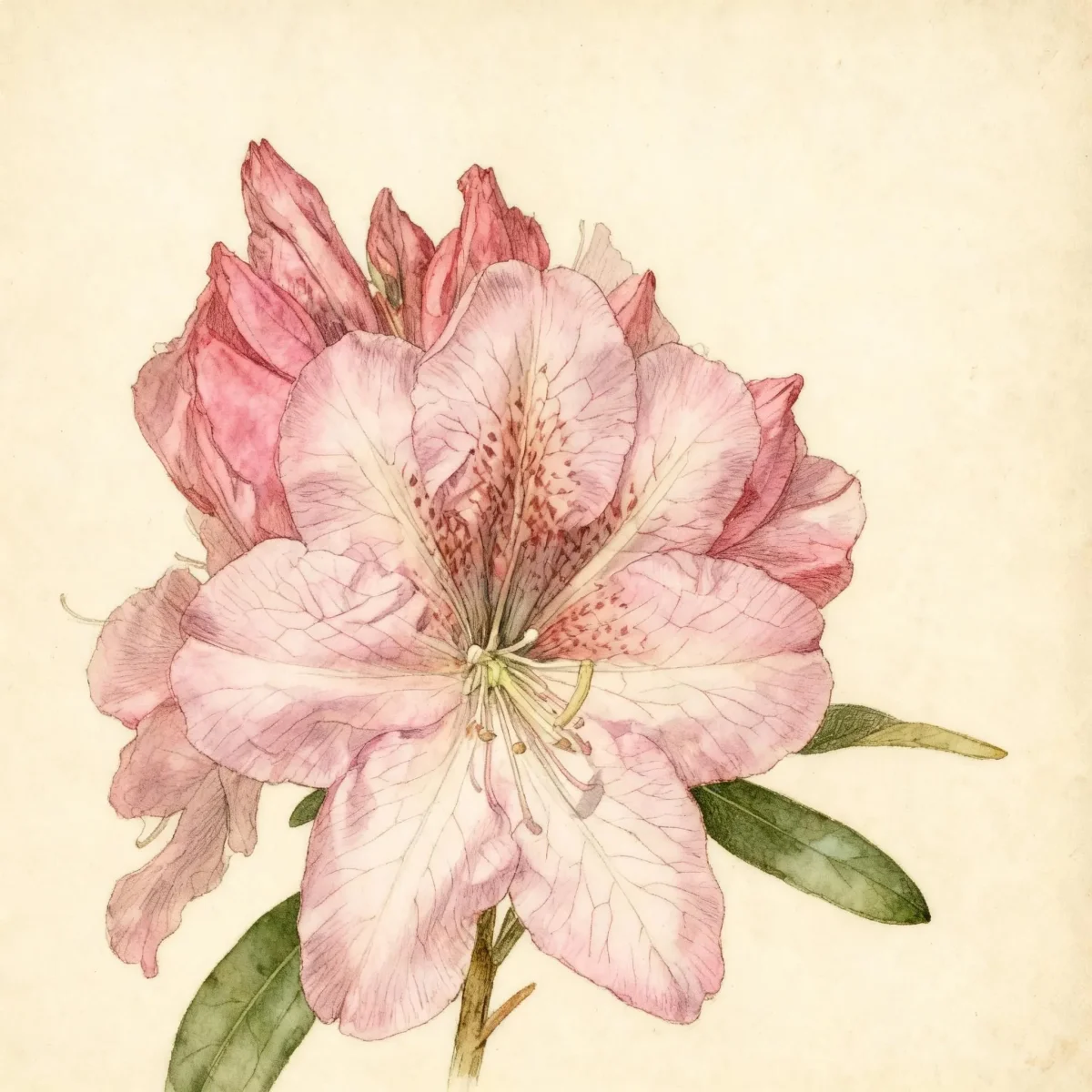
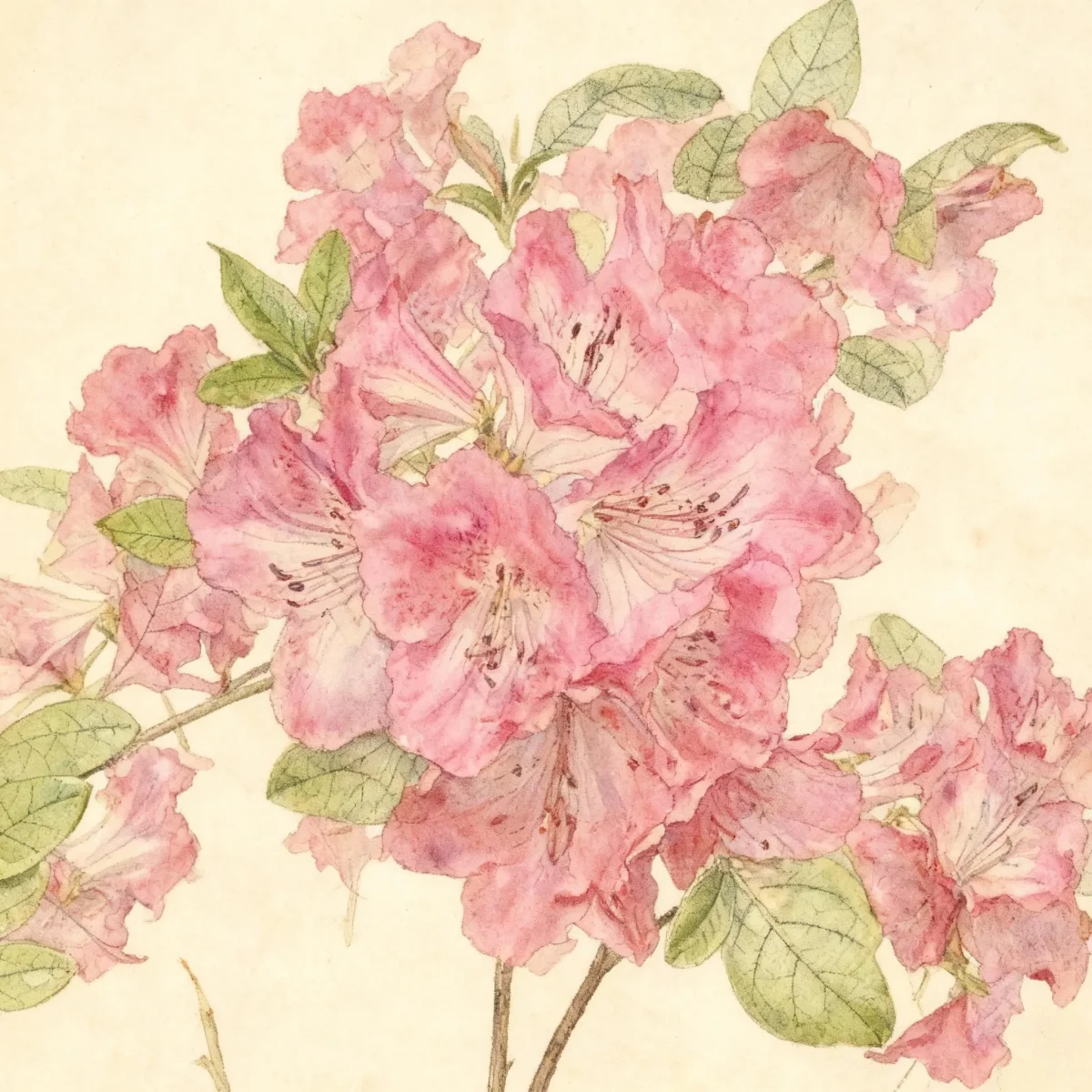
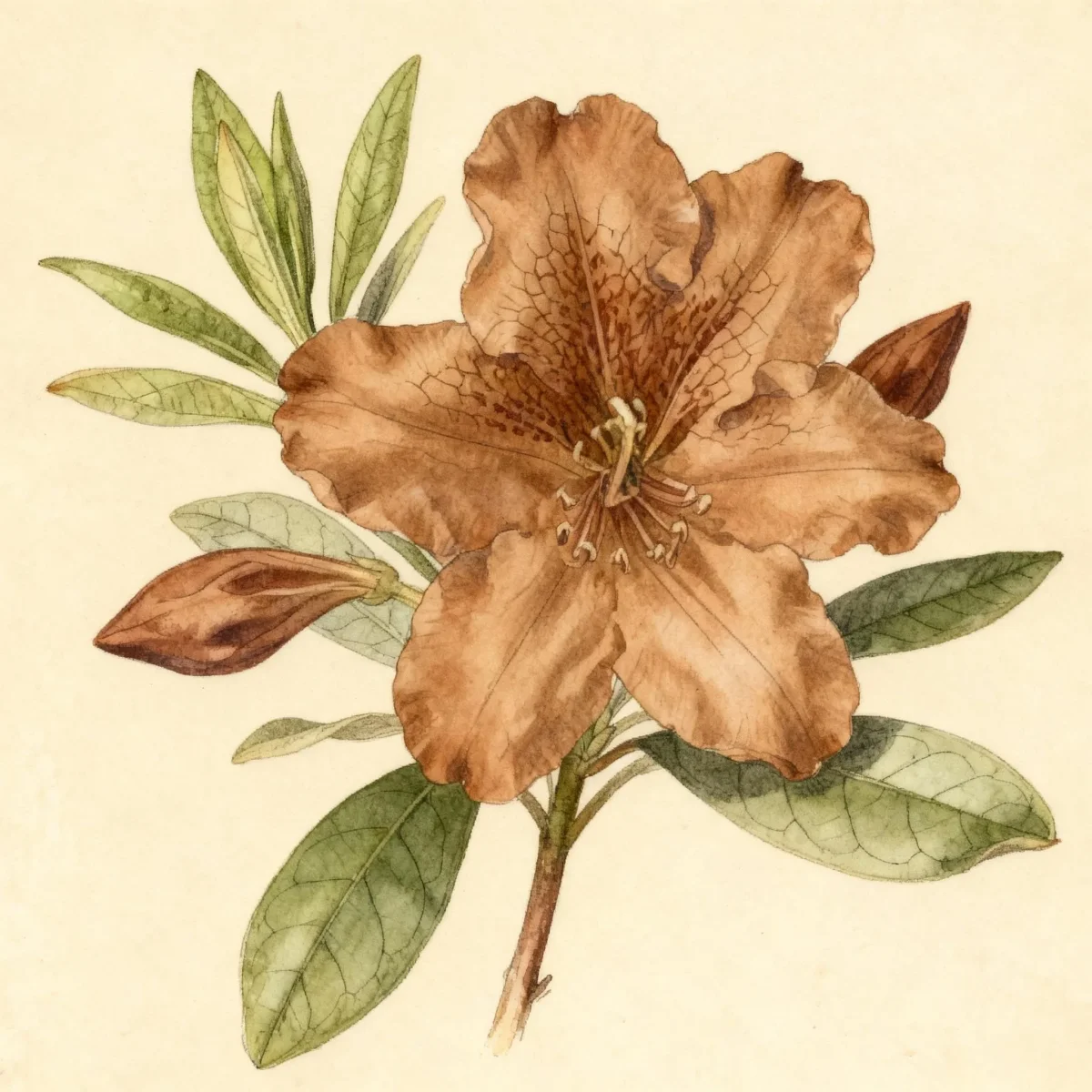
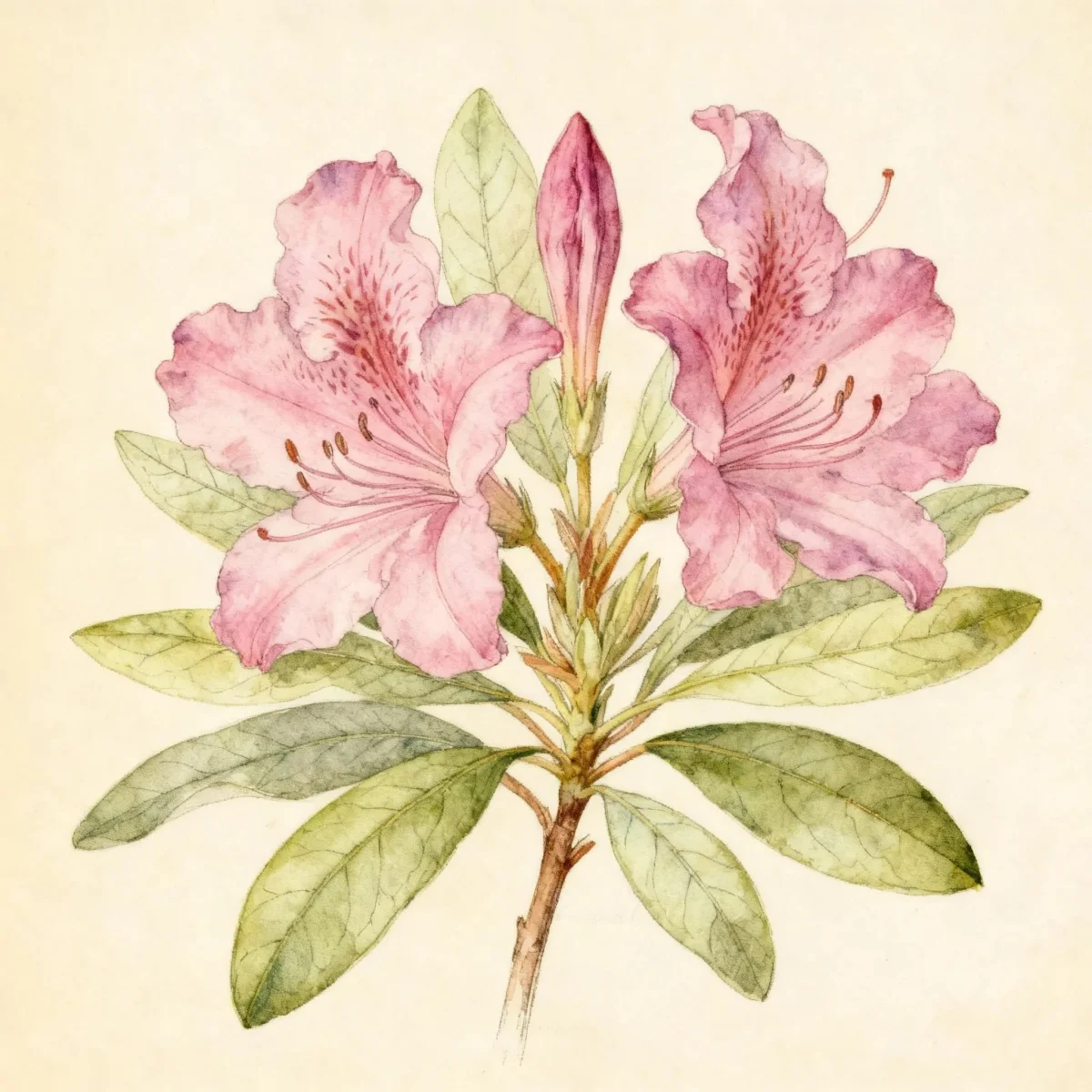
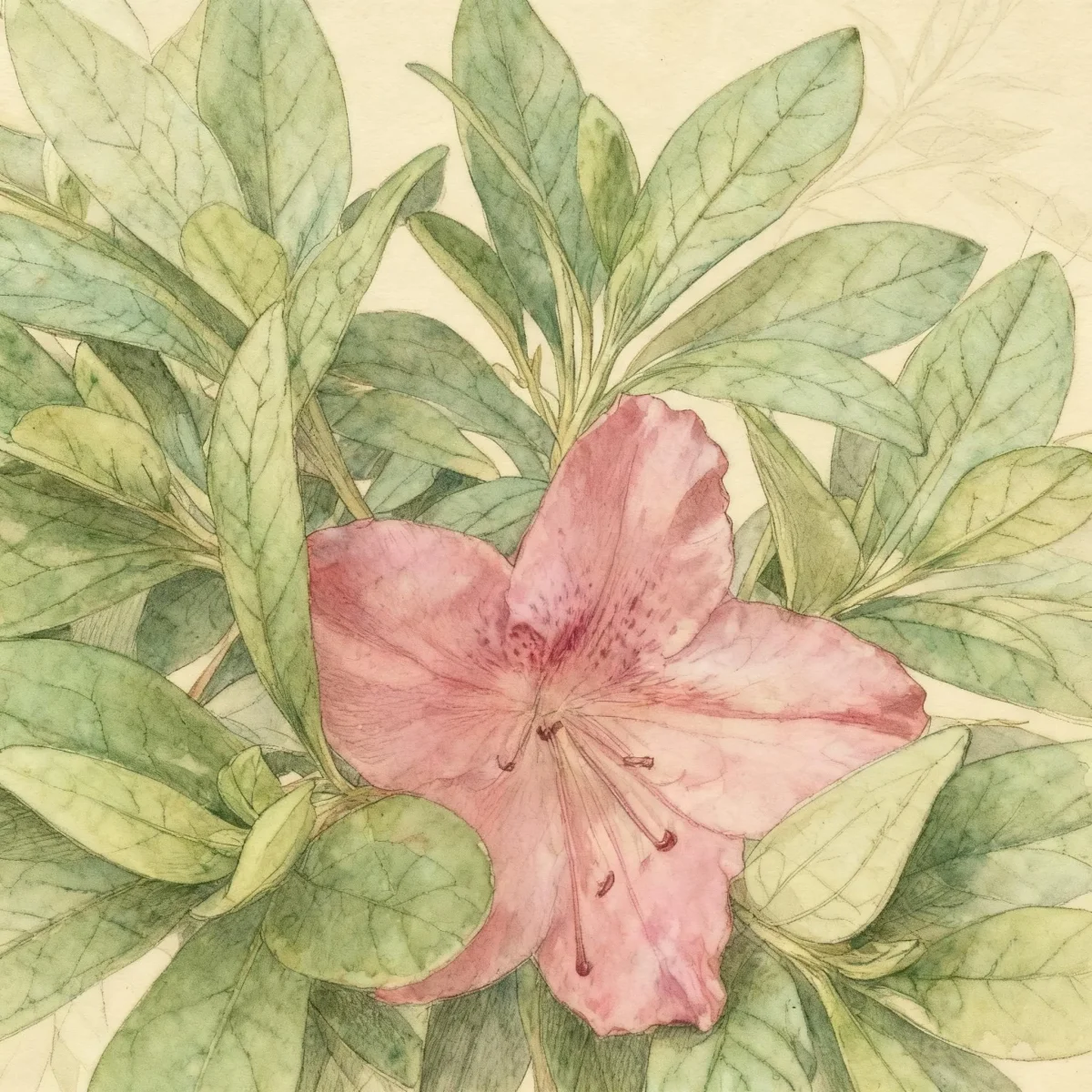
Azalea (Rhododendron 'Anah Kruschke')
Rhododendron 'Anah Kruschke' is a vigorous Azalea, celebrated for its 3-5 ft stature and showy reddish-purple blooms in spring.
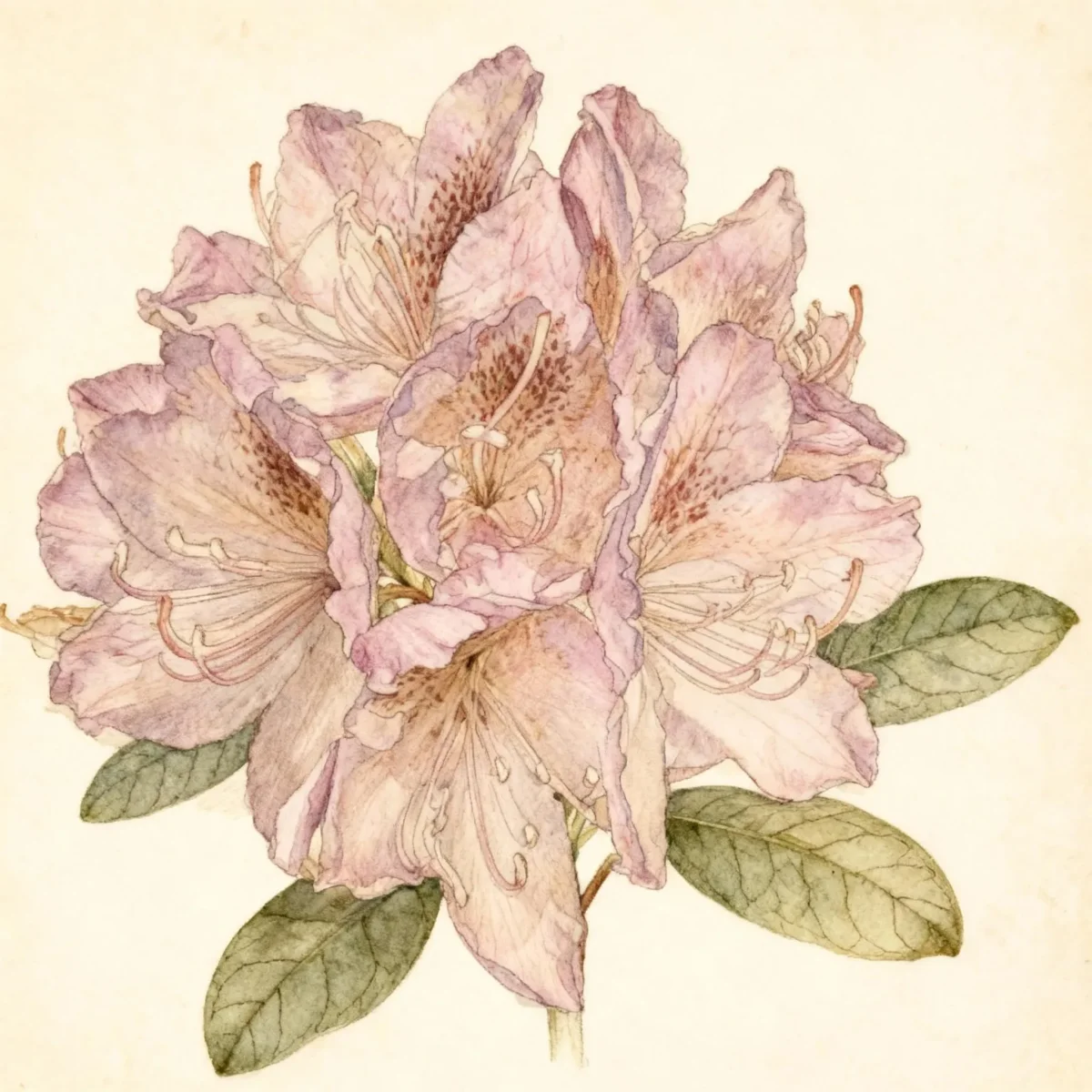

Bloom Boldly, No Matter the Season - Sweatshirt
Cozy organic cotton sweatshirt featuring our exclusive Purple Coneflower design. Perfect for gardeners who bloom year-round.
Inspired by the beautiful Azalea
Limited first batch (50) — join the waitlist for early access
Waitlist closes Feb 15, 2026.
Complete Plant Information
Field Guide Continues
Ready for care notes, companion picks, and planting tips?
The map is just the start. The full guide below covers growth habits, seasonal performance, and landscape uses.
Overview
Rhododendron ‘Anah Kruschke’ is a highly desirable cultivar within the Azalea group, offering dense, rounded structure and outstanding seasonal color. This broadleaf evergreen provides valuable winter interest, setting the stage for its prolific bloom period in mid-to-late spring. Gardeners prize this shrub for its reliably medium size, typically reaching 3 to 5 feet tall, making it versatile for various landscaping roles.
As a cultivar bred in Oregon, Rhododendron ‘Anah Kruschke’ thrives when provided with acidic, well-drained soil and protection from harsh afternoon sun, typical of Azalea requirements. Its flowers are notably showy, appearing reddish-purple, accented by a distinct deep purplish-red blotch. Ensuring proper culture allows this Azalea to function perfectly as a specimen plant or within mixed borders.
The overall value of maintaining this Azalea lies in its manageable growth habit and vibrant display, blending into woodland or shade garden aesthetics seamlessly. Proper siting, especially avoiding walnut tree proximity, is crucial for long-term success with Rhododendron ‘Anah Kruschke’.
Fast Facts
- Plant Family: Ericaceae
- Plant Type: Broadleaf evergreen
- Hardiness Zones: USDA Zones 5-8
- Size at Maturity:
- Height: 3-5 ft
- Spread: 3-4 ft
- Bloom Time: April to May
- Bloom Description: Reddish-purple with a deep purplish-red blotch
- Sun Exposure: Part shade
- Water Needs: Medium
- Maintenance Level: Medium
How to Grow
Planting Rhododendron ‘Anah Kruschke’ requires careful consideration of soil acidity and drainage, as poor conditions quickly lead to root rot. Aim for organically rich, humusy soil with a pH between 5.0 and 5.5. The ideal location receives morning sun followed by afternoon shade, or consistent high open shade throughout the day. If your native soil is heavy clay, plan to plant in raised beds to guarantee essential drainage, as these Azaleas do not tolerate “wet feet.”
Cultural care revolves heavily around moisture management and soil chemistry. Water needs are medium, but the soil must remain consistently moist and never allowed to dry out, especially in the shallow, fibrous root zone. Apply a thick layer of mulch, such as wood chips or pine needles, to help stabilize soil temperature and retain critical moisture. If the soil pH is too high, apply sulfur or iron sulfate to acidify the soil as needed.
Pruning for Rhododendron ‘Anah Kruschke’ is minimal but important for aesthetics: deadhead by clipping off spent flower clusters immediately after blooming concludes. Never cultivate deeply around the plant, as this damages the surface roots. Additionally, select a site protected from strong, drying winds, and critically, avoid planting near any member of the walnut family due to toxic juglone sensitivity common to most Azaleas.
Landscape Uses
Rhododendron ‘Anah Kruschke’ excels in settings where dappled light prevails, such as woodland margins or beneath taller deciduous trees that offer summer shade. Its 3-5 foot stature makes it an excellent choice for use in mass plantings to create flowing drifts of color, or strategically placed as a specimen shrub to highlight an entry point. This Azalea naturally lends itself to shrub borders or mixed borders, providing reliable evergreen structure among deciduous perennials and shrubs.
When designing with Rhododendron ‘Anah Kruschke’, consider companions that share its preference for acidic, well-drained soil. Plants like Japanese Maples (Acer palmatum), ferns, and hostas create excellent textural and color contrast against its dark evergreen foliage. It is also highly effective when utilized in foundation plantings where it can soften hard architectural lines without overwhelming the space due to its moderate spread.
For functional use, this variety performs admirably when employed as a formal or informal hedge—its rounded habit ensures a neat appearance. Planting on north or east-facing slopes can also enhance performance, as these aspects often retain cooler, moister soil conditions favorable to the Azalea.
Standout Features
Flower Qualities
- Showy
Noteworthy Characteristics
The genus Rhododendron encompasses both shrubs commonly known as rhododendrons and azaleas, with most varieties being evergreen staples admired for enduring foliage as well as spring flowers. Rhododendron ‘Anah Kruschke’, introduced in 1973, derives from Rhododendron ponticum and features widely funnel-shaped flowers measuring about 3 inches across. This specific cultivar forms a rounded, well-branched shrub, maintaining excellent shape and color density throughout the growing season.
Tolerances
- Rabbit
Potential Problems
Rhododendrons and Azaleas, including the popular Rhododendron ‘Anah Kruschke’, are susceptible to various environmental stresses and pests. Common insect threats include aphids, lacebugs, and scale, while diseases can manifest as blights, cankers, or root rot, particularly if drainage is inadequate. The most visible symptom of cultural stress is often chlorosis, where leaves turn yellow, typically signaling an iron deficiency caused by high (alkaline) soil pH.
Prevention is key to keeping your Azalea healthy. Ensure soil acidification remains within the desired 5.0 to 5.5 range by testing annually. Always plant in well-drained soil or raised beds to avoid root rot, and protect the shallow root system with a consistent layer of appropriate mulch. A strong, healthy Rhododendron ‘Anah Kruschke’ grown in the correct environment will naturally resist most issues.
Frequently Asked Questions
What hardiness zones is Azalea suitable for?
The Rhododendron ‘Anah Kruschke’ thrives best in USDA Hardiness Zones 5 through 8.
How large does Azalea grow?
This Azalea cultivar typically reaches a mature height between 3 and 5 feet, with a spread ranging from 3 to 4 feet wide.
What sun exposure does Azalea need?
Rhododendron ‘Anah Kruschke’ requires part shade, ideally benefiting from morning sun balanced with afternoon shade to prevent leaf scorch.
When does Azalea bloom?
This beautiful Azalea variety generally blooms between April and May, displaying reddish-purple flowers highlighted by a deep purplish-red blotch.
Conclusion
Rhododendron ‘Anah Kruschke’ offers gardeners reliable evergreen structure and truly spectacular spring color, making it a cornerstone for shaded garden spaces. By respecting its need for acidic, well-drained soil and consistent moisture, you can ensure this Azalea thrives for years. Before planting, always verify your local hardiness zone compatibility and prepare your soil to match the specific requirements of this elegant shrub.
Companion Planting
When selecting companions for Rhododendron ‘Anah Kruschke’, focus on plants that share similar needs for acidic soil and partial shade, particularly those that won’t compete aggressively for surface nutrients. Acid-loving evergreens like Camellias or Pieris japonica offer year-round visual appeal alongside the Azalea. For groundcover beneath the canopy, consider plants tolerant of filtered light such as Hosta varieties with good sun tolerance or various species of woodland Phlox.
Avoid planting invasive or aggressive shallow-rooted growers too close, as the Azalea’s fibrous roots are delicate. Additionally, flowering bulb selections like Snowdrops or Daffodils can provide early spring progression before the main flush of color erupts from your Rhododendron ‘Anah Kruschke’. Careful grouping ensures that maintenance activities, like mulching, benefit all nearby plants equally.
Seasonal Care Calendar
Spring preparation for your Rhododendron ‘Anah Kruschke’ involves gently removing winter debris and applying a fresh layer of acidic mulch, ensuring you do not cover the root crown. After the spectacular bloom fades in late spring, immediately deadhead the spent flowers to encourage energy allocation toward vegetative growth rather than seed production. Summer care centers solely on consistent, deep watering, especially during dry spells, as roots must not dry out.
Fall is the ideal time to monitor soil pH and apply necessary amendments if acidification is required for the coming year; however, avoid pushing heavy fertilization late in the season. In late fall or early winter, apply lightweight organic mulch if needed, but ensure the plant is adequately watered before the ground freezes solid. Protect young or newly planted Azaleas from harsh winter winds, which can dry out evergreen leaves that cannot be easily replenished until spring.