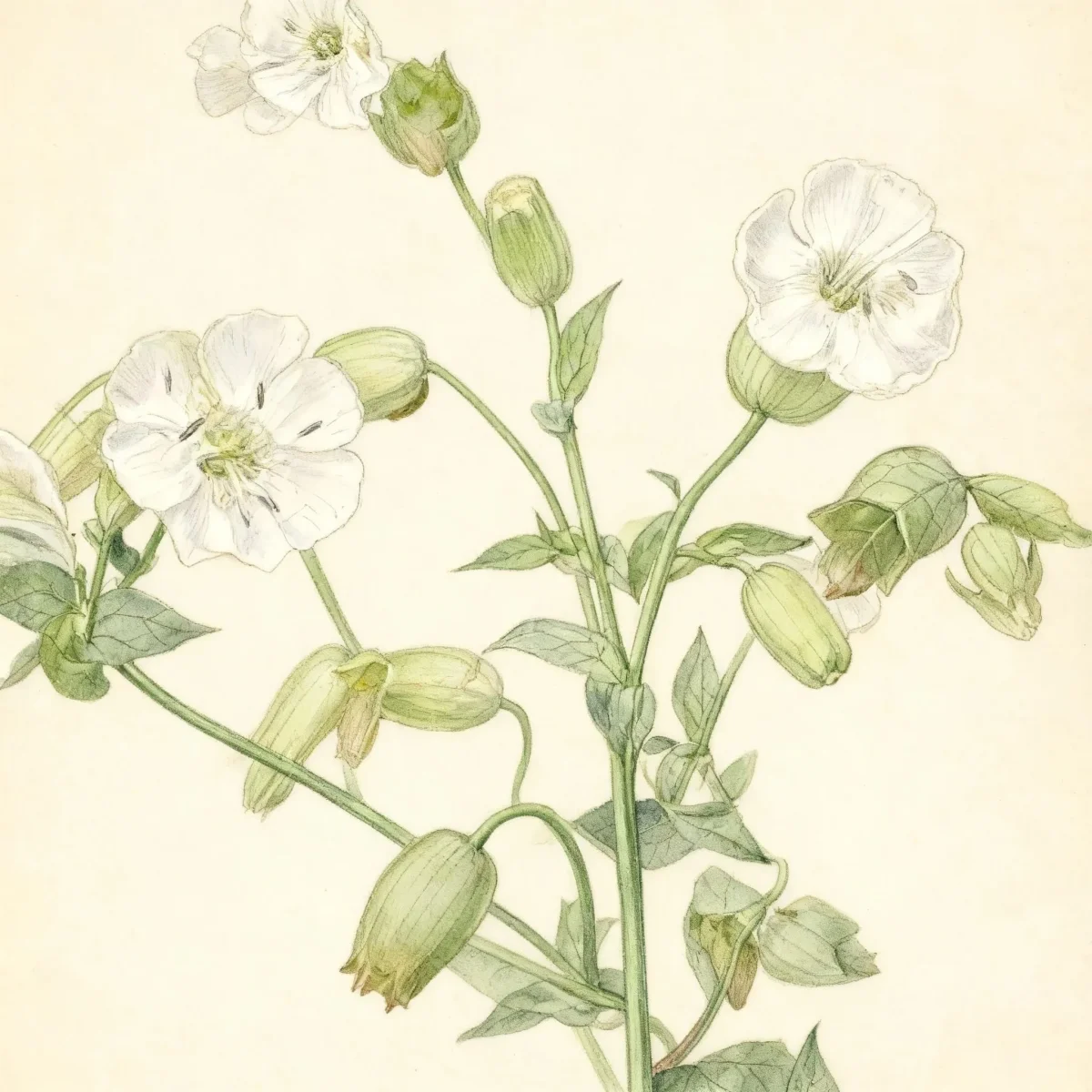
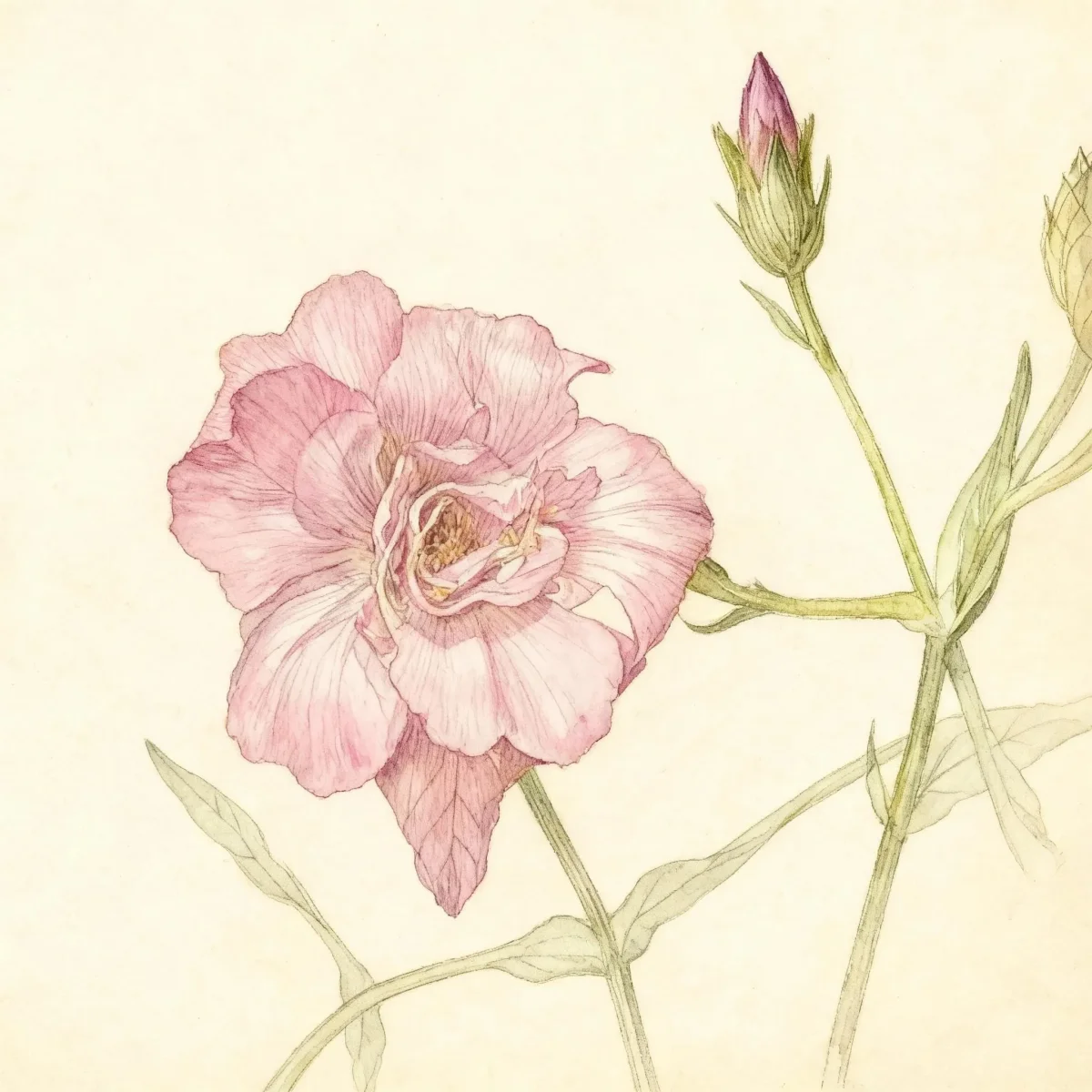
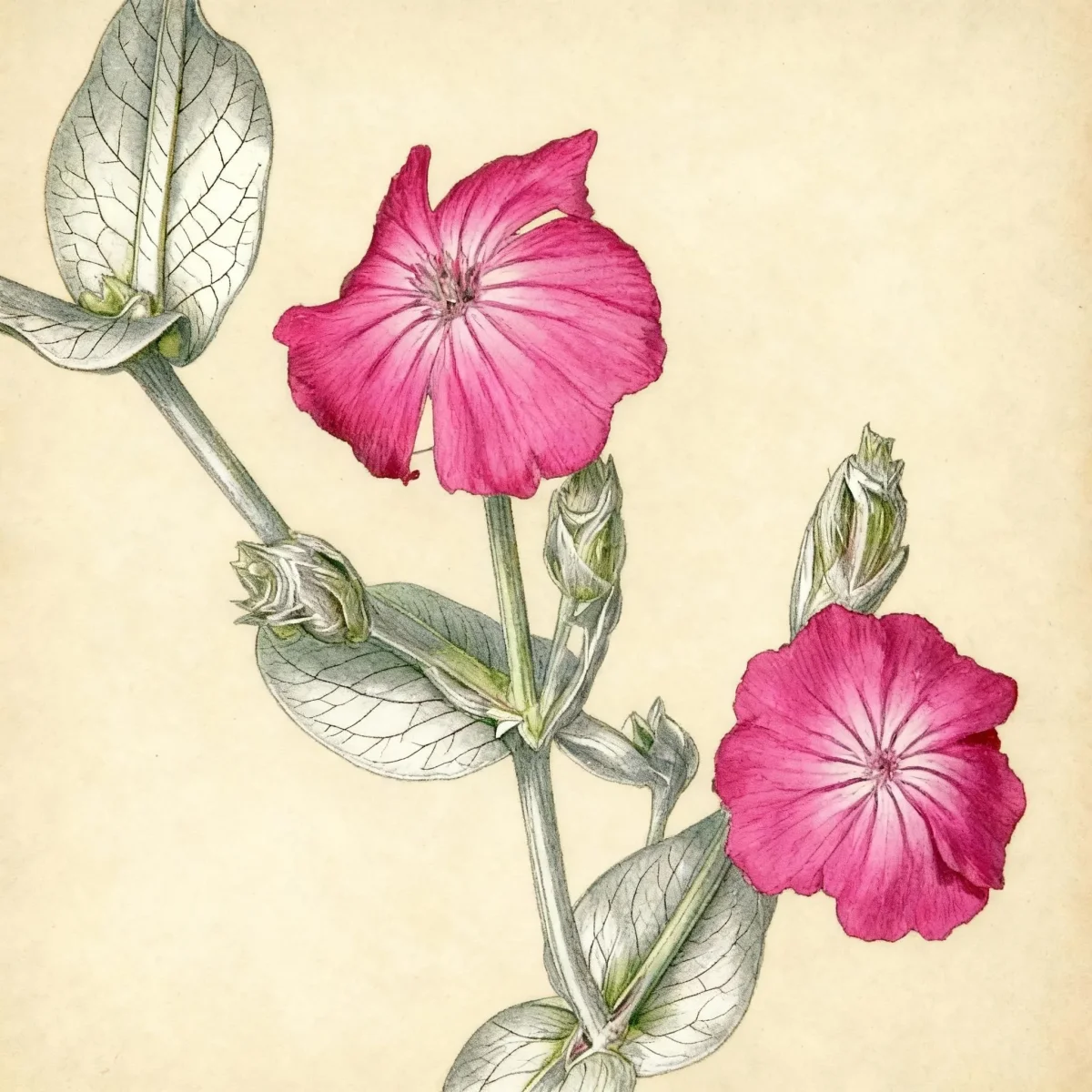
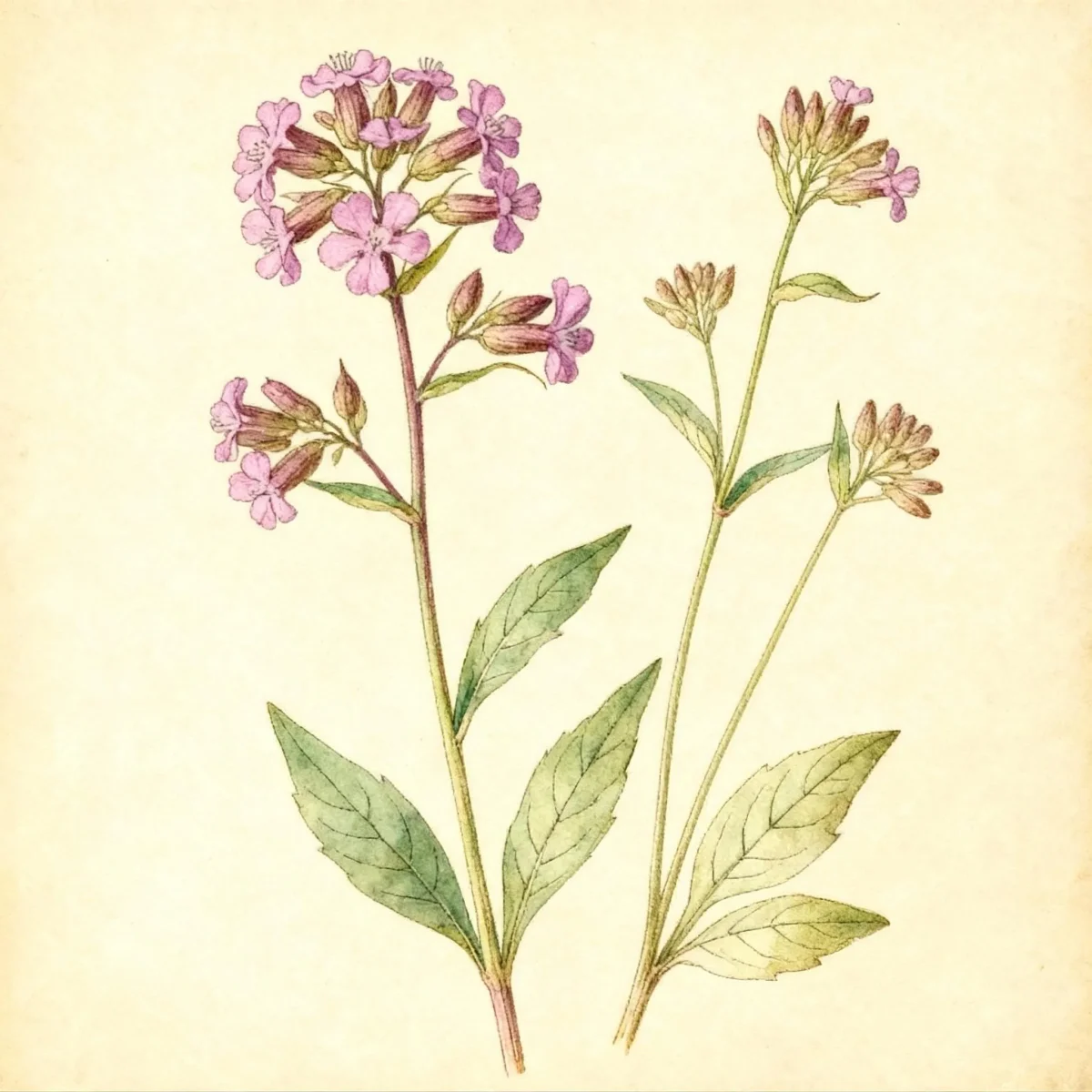
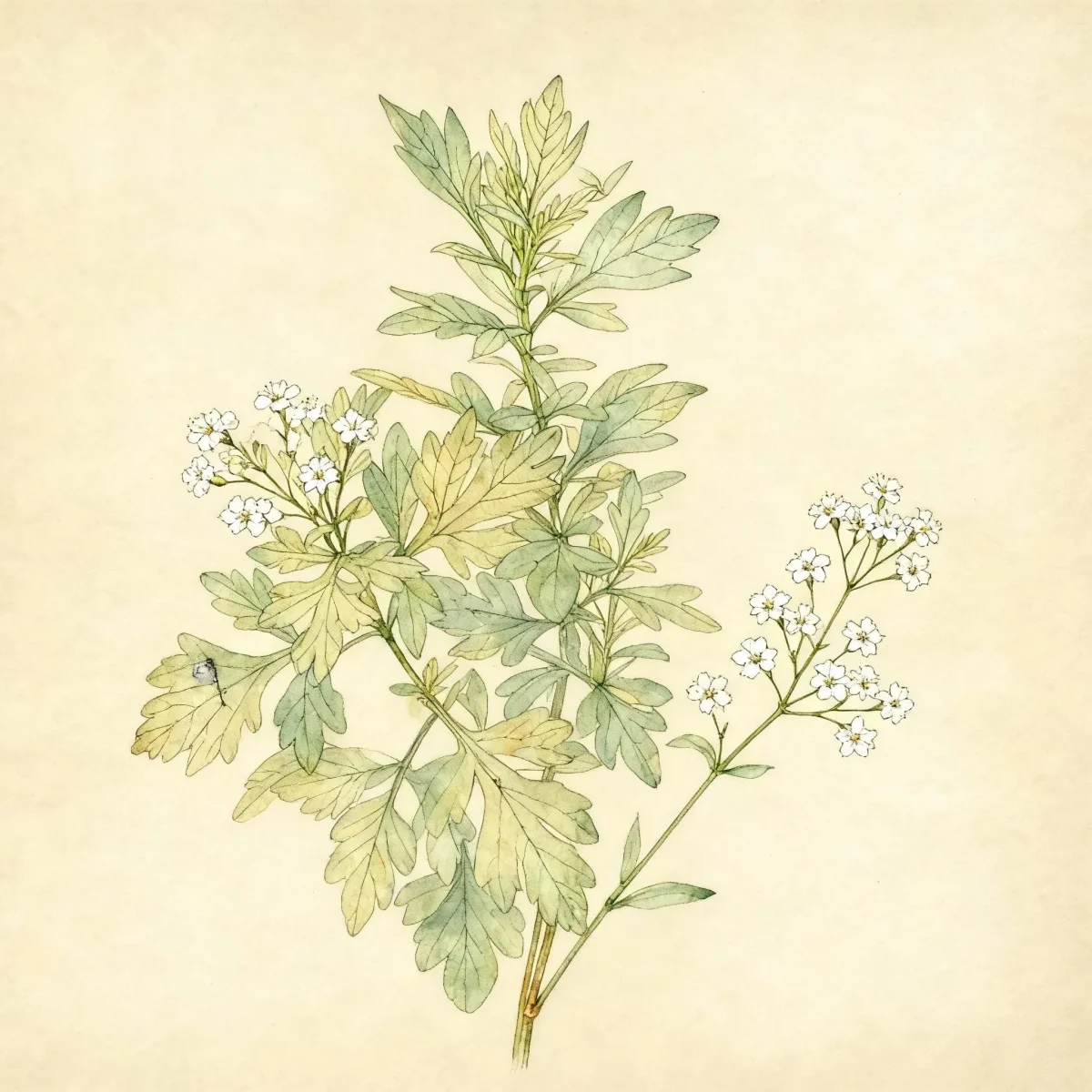
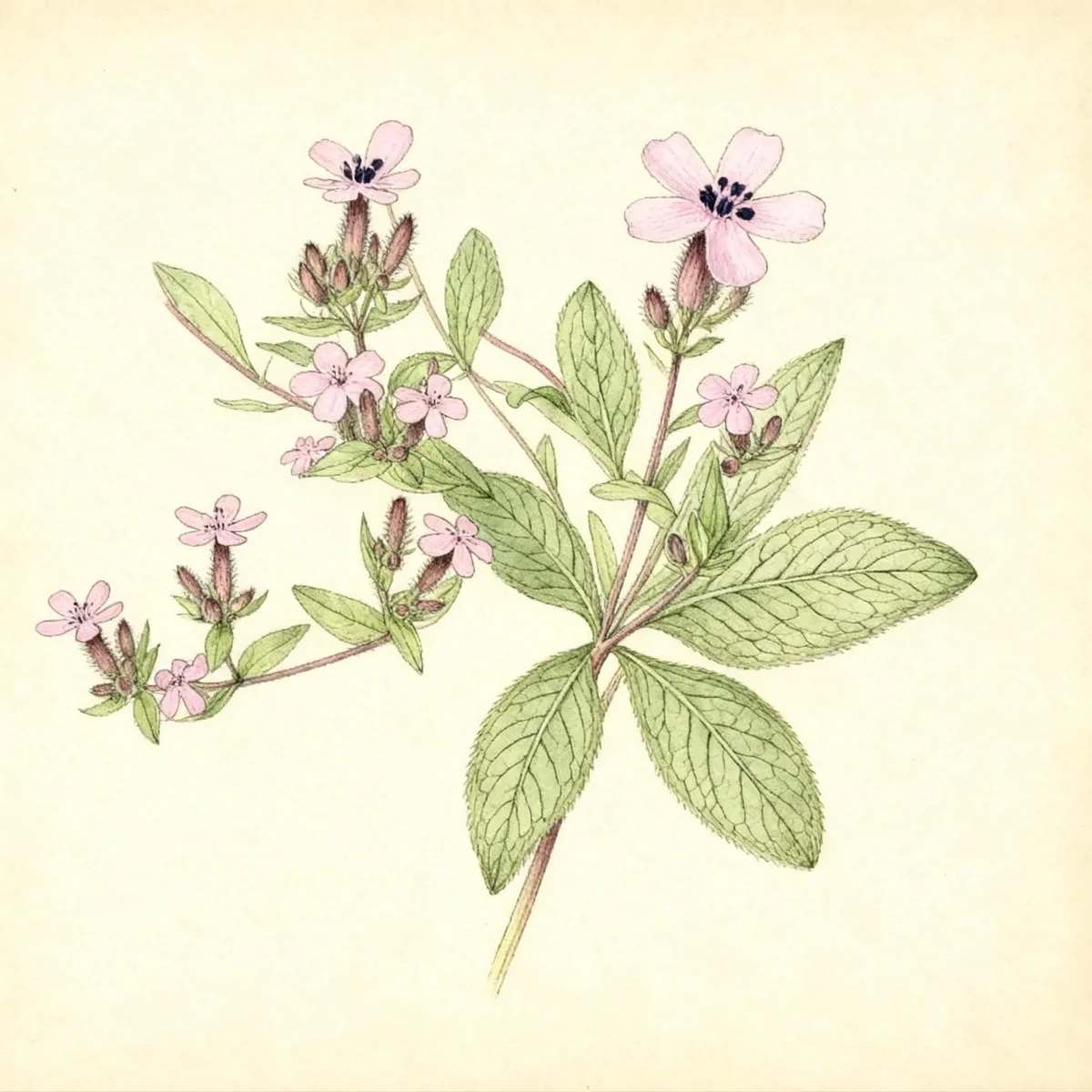
Soapwort (Saponaria officinalis 'Flore Pleno')
Discover Saponaria officinalis 'Flore Pleno' (Soapwort), a low-maintenance perennial offering showy, fragrant pink flowers through late summer.

Bloom Boldly, No Matter the Season - Sweatshirt
Cozy organic cotton sweatshirt featuring our exclusive Purple Coneflower design. Perfect for gardeners who bloom year-round.
Inspired by the beautiful Soapwort
Limited first batch (50) — join the waitlist for early access
Waitlist closes Feb 15, 2026.
Complete Plant Information
Field Guide Continues
Ready for care notes, companion picks, and planting tips?
The map is just the start. The full guide below covers growth habits, seasonal performance, and landscape uses.
Overview
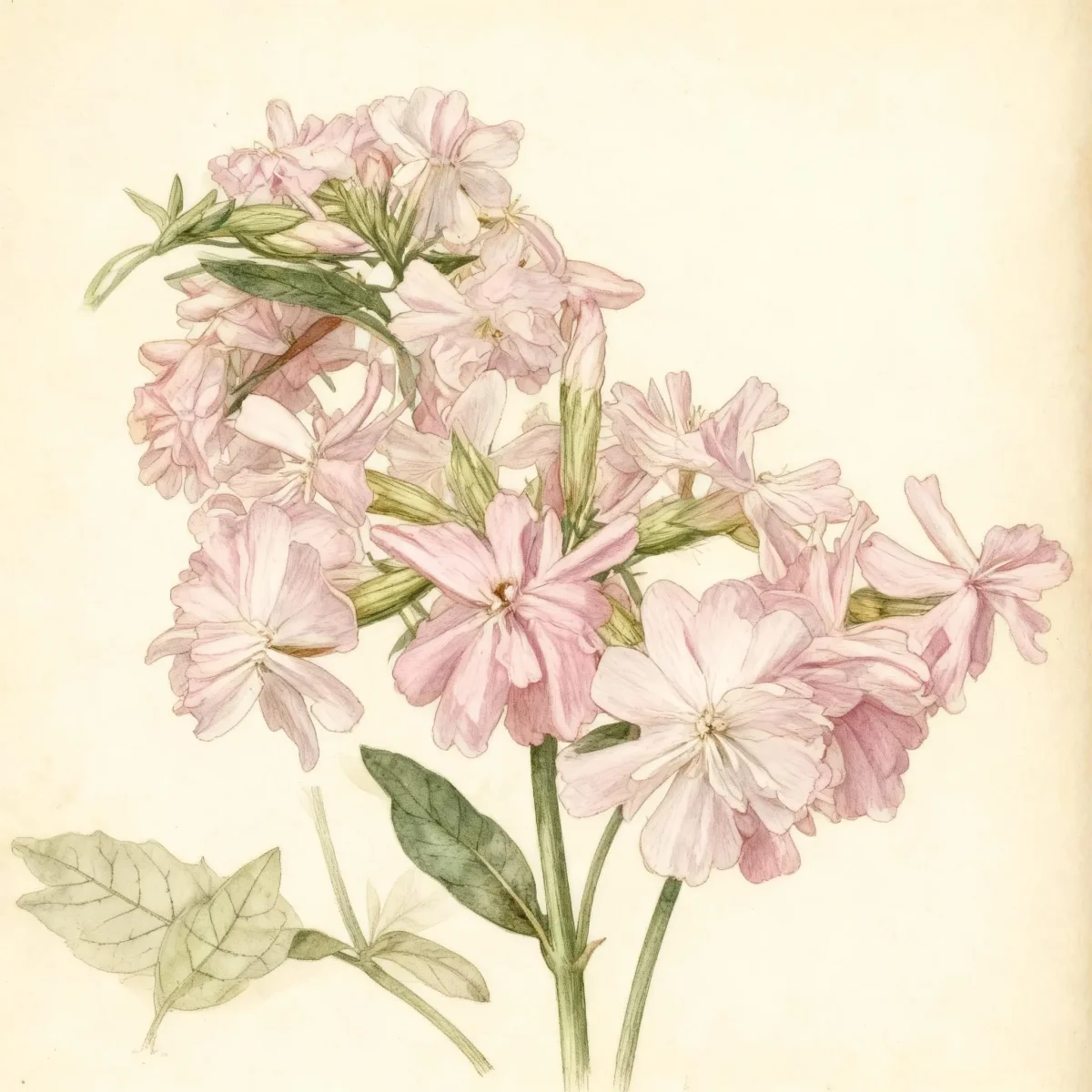
Saponaria officinalis ‘Flore Pleno’, commonly known as Soapwort, is a highly appreciated herbaceous perennial celebrated for its late-season color and historical uses. This double-flowered cultivar brings charm to the garden with its clusters of showy, fragrant pink blooms that persist from mid-summer into early fall. Gardeners value this plant for its resilience and low maintenance requirements, especially in challenging soil conditions.
This variety of Soapwort establishes itself readily and spreads via rhizomes, although it is generally less aggressive than the straight species. It thrives best in conditions mimicking its native European roadsides—average, well-drained soil exposed to full sun. The resulting upright habit, reaching up to two feet, provides welcome vertical interest when many summer flowers begin to fade.
Beyond its visual appeal, Soapwort holds historical significance; derived from its Latin name, sapo (soap), the roots and stems contain saponins used historically as a gentle cleaning agent. Planting Saponaria officinalis ‘Flore Pleno’ ensures a reliable, tough performer suitable for naturalizing areas or traditional cottage settings.
Fast Facts
- Plant Family: Caryophyllaceae
- Plant Type: Herbaceous perennial
- Hardiness Zones: USDA Zones 3-8
- Size at Maturity:
- Height: 1-2 ft
- Spread: 1-1.5 ft
- Bloom Time: July to September
- Bloom Description: Pink
- Sun Exposure: Full sun
- Water Needs: Dry to medium
- Maintenance Level: Low
How to Grow
Saponaria officinalis ‘Flore Pleno’ is easiest to establish by planting divisions in either spring or autumn. Ensure the selected location provides full sun exposure, as this encourages the strongest stems and best flowering. Soil preparation is straightforward; the plant prefers average, dry to medium, well-drained conditions and tolerates poor, rocky, or sandy ground admirably.
Once established, care is minimal. Water only when the soil becomes distinctly dry, as Soapwort handles drought conditions well. Avoid overly rich soils, as this promotes excessive leafy growth which can cause the stems to flop significantly. Fertilizing is rarely necessary given its adaptable nature.
Regular deadheading of the spent flowers is recommended to encourage a prolonged bloom period throughout July to September. Because the double-flowered ‘Flore Pleno’ does not come true from seed, the primary method of propagation remains dividing the rhizomes during the dormant seasons of spring or fall.
Landscape Uses
The naturalizing capability of Saponaria officinalis ‘Flore Pleno’ makes it an excellent anchor for wilder garden settings or cottage borders. It performs admirably where a relaxed, informal look is desired, allowing the plant to spread gently over time. Its upright habit works well interspersed among lower-growing perennials that appreciate similar dry or average soil conditions.
Consider using Soapwort in rock gardens, where its tolerance for shallow and rocky soil is a distinct advantage. It also functions effectively at the front edge of a mixed border, adding reliable texture and late-summer fragrance. Allow the rhizomatous spread to integrate naturally within drifts of other drought-tolerant bloomers.
This tough perennial pairs well with plants that do not require constant moisture or rich organic matter. Think about contrasting textures with silvery foliage plants or pairing it with other late-season bloomers to extend the garden’s interest well into the autumn months.
Standout Features
Flower Qualities
- Showy
- Fragrant
Noteworthy Characteristics
Saponaria officinalis, commonly called soapwort or bouncing bet, grows to 2’ tall on stiff, unbranched stems. It is a member of the pink family (e.G., Dianthus and Lychnis) and features terminal and upper axillary clusters of fragrant, pink flowers from mid to late summer. Genus name comes from the Latin word sapo meaning soap; the ‘Flore-pleno’ designation signifies its desirable double-flowered characteristic.
Tolerances
- Deer
- Drought
- Dry Soil
- Shallow-Rocky Soil
Potential Problems
Soapwort is generally robust and rarely succumbs to serious insect or disease issues, making it a favorite for low-input gardening. The main cultural issue to manage is physical support; if grown in overly rich or heavily fertilized soil, the 2-foot stems may weaken and flop. Ensure adequate sunlight and lean soil to maintain an upright posture.
While the species can be somewhat aggressive in optimum growing conditions due to rhizome spread, the ‘Flore Pleno’ cultivar is generally more contained. Monitor aggressive spread, particularly near pathways or smaller border plants, and manage expansion through division in spring or fall if needed.
Frequently Asked Questions
What hardiness zones is Soapwort suitable for?
Saponaria officinalis ‘Flore Pleno’ is reliably hardy across USDA Zones 3 through 8.
How large does Saponaria officinalis ‘Flore Pleno’ grow?
This herbaceous perennial typically reaches a height between 1 and 2 feet, with a spread of 1 to 1.5 feet.
What sun exposure does Soapwort need?
For optimal performance and to prevent flopping, Soapwort requires full sun exposure.
When does Saponaria officinalis ‘Flore Pleno’ bloom?
This cultivar is prized for its extended bloom period, typically flowering with pink blossoms from July to September.
Conclusion
Saponaria officinalis ‘Flore Pleno’ offers undeniable value through its low-maintenance needs, drought tolerance, and prolonged summer fragrance. This tough Soapwort variety thrives where other plants might struggle, providing reliable structure and color late in the season. Check your local hardiness zone compatibility and plan to plant divisions during spring or fall for best establishment.
Companion Planting
When selecting companions for Soapwort, focus on plants that also prefer full sun and tolerate drier soil conditions. Pairing it with sturdy, less demanding perennials prevents the Soapwort from being overcrowded or pampered by excessive moisture intended for other neighbors. Good visual partners might include Lamb’s Ears (Stachys), Russian Sage (Perovskia), or various Sedums that share its preference for well-drained, potentially poor soil.
These companions create a harmonious tapestry where Saponaria officinalis ‘Flore Pleno’ can naturalize without competing intensely for resources, resulting in a resilient, low-water garden section. Keep in mind the spreading habit of Soapwort when placing faster-spreading companions nearby that might be smothered.
Propagation Tips
While you cannot rely on seed to reproduce the desired double flowers of this cultivar, propagation by division is simple and effective for Saponaria officinalis ‘Flore Pleno’. This process should be undertaken in early spring before new growth begins, or in the autumn after the foliage has died back.
Carefully dig up the clump and gently tease apart the root mass, ensuring each new section has a viable crown and some attached rhizome. Replant the divisions immediately into their new locations at the same depth they were previously growing. This method also serves as a crucial control measure if the plant becomes too enthusiastic in its spread.