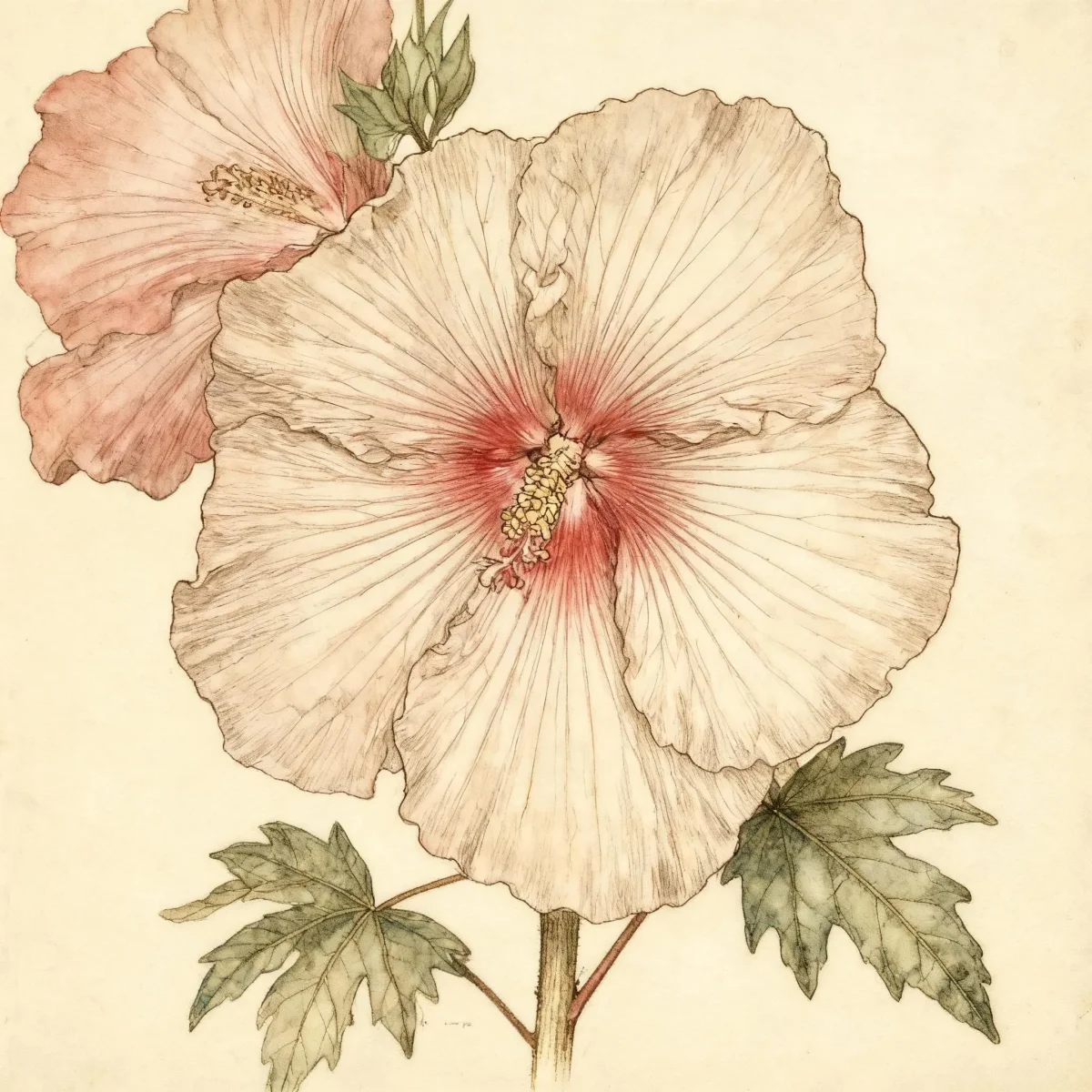
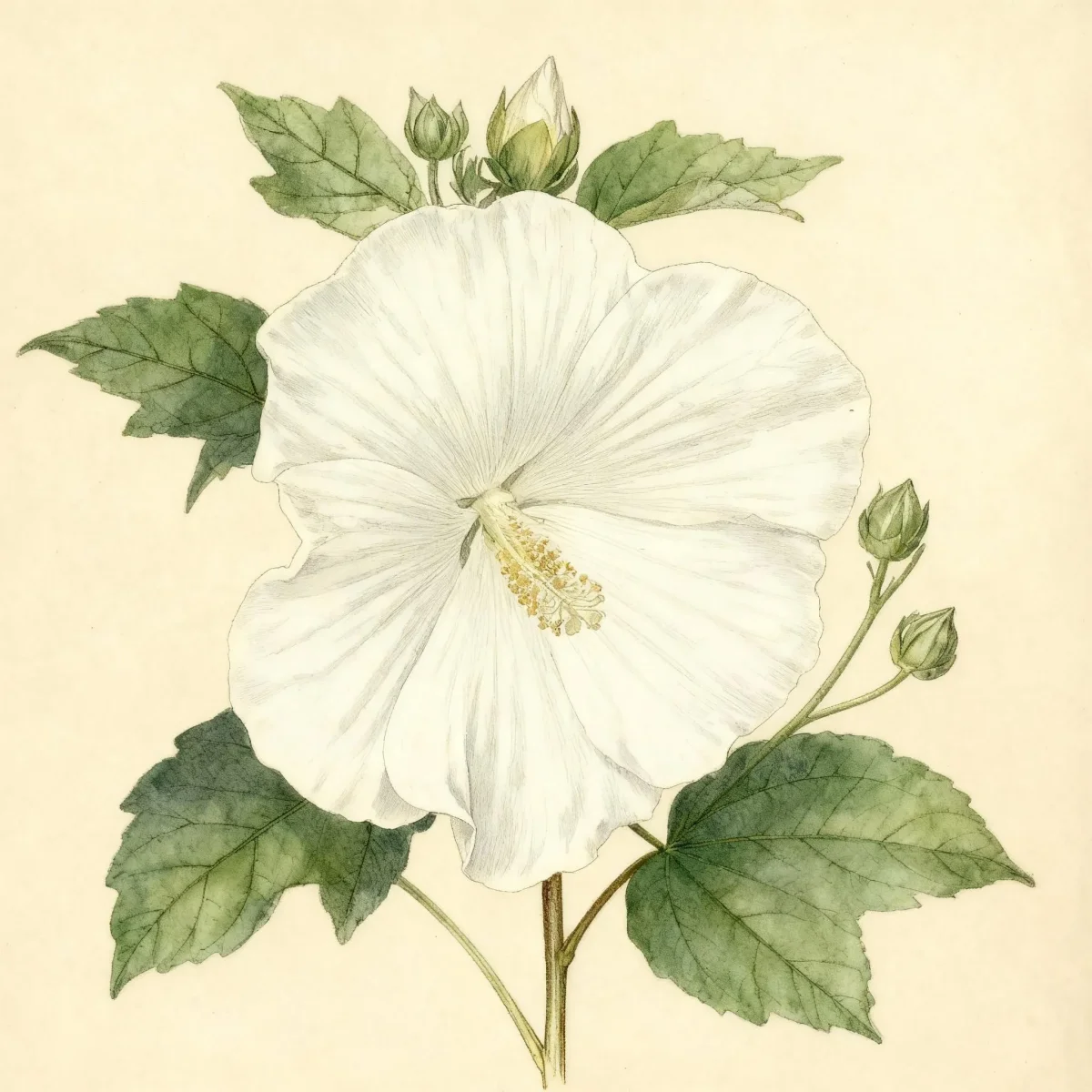
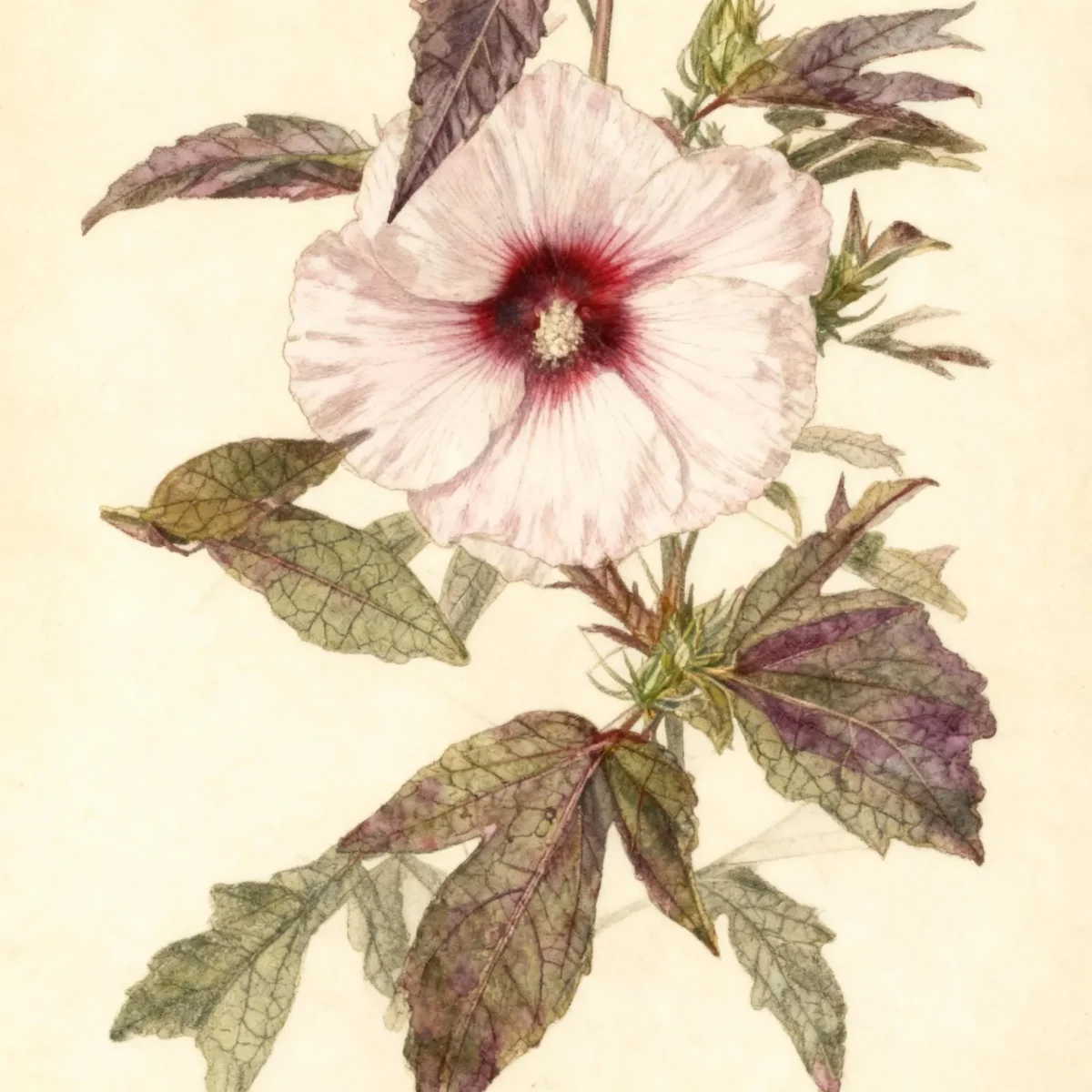
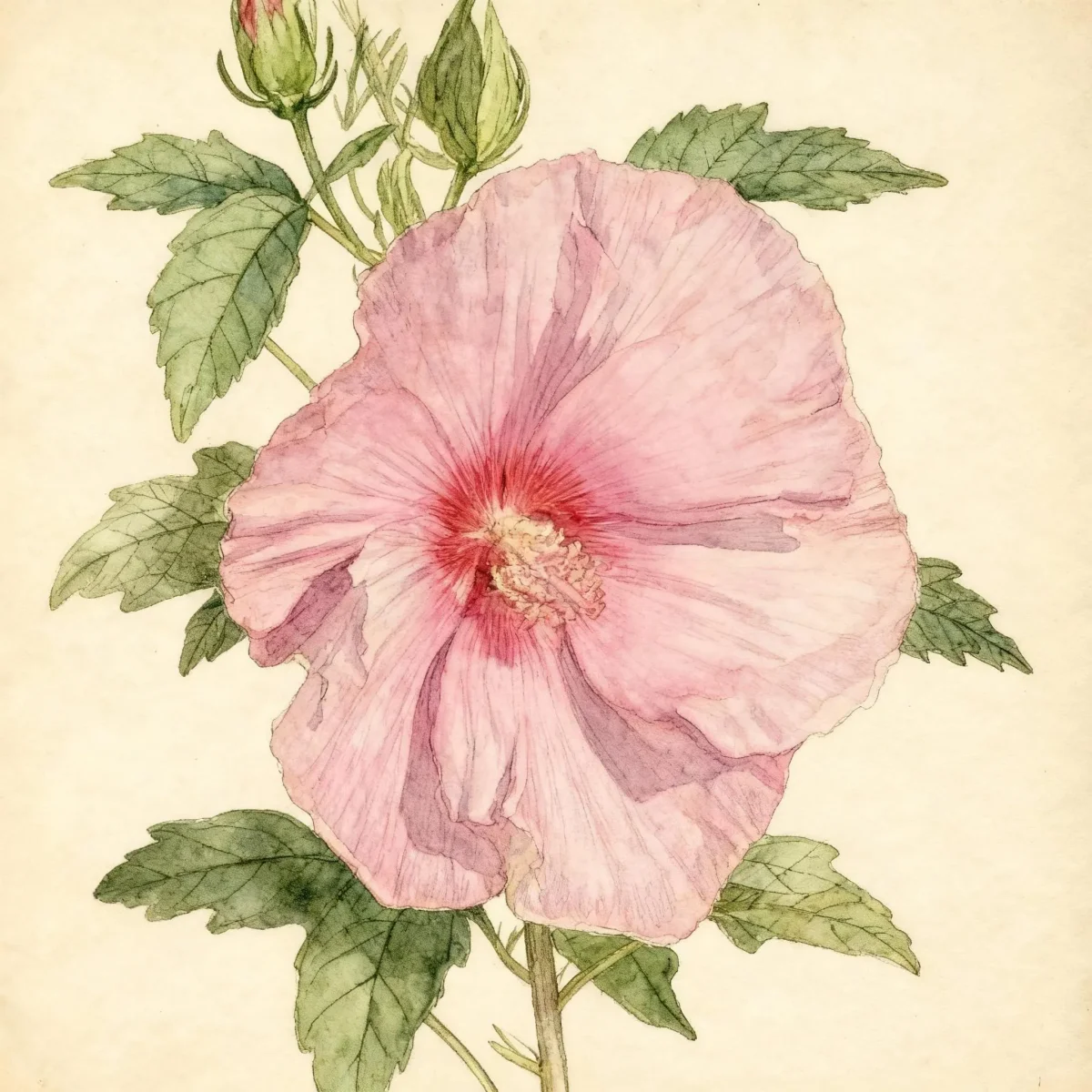
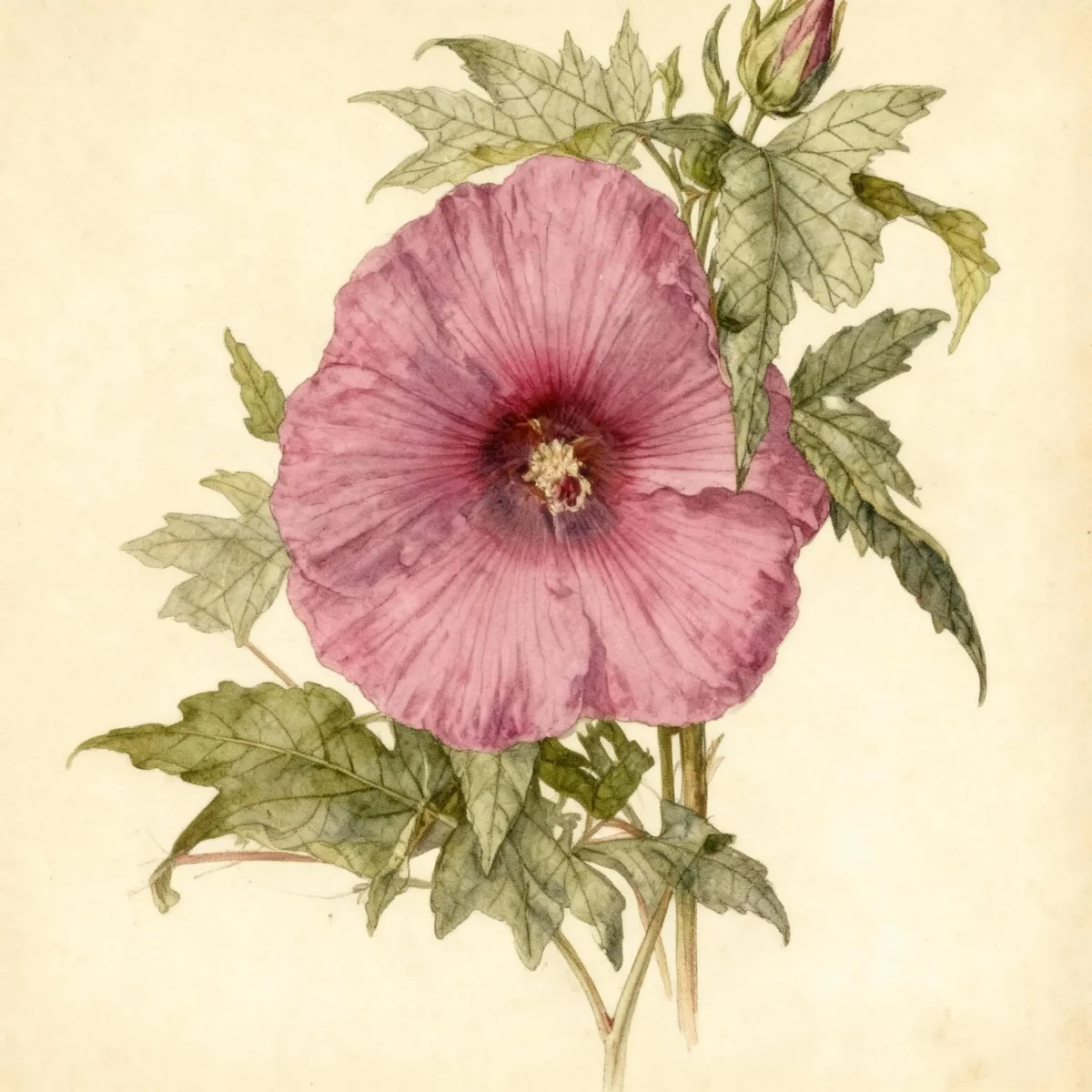
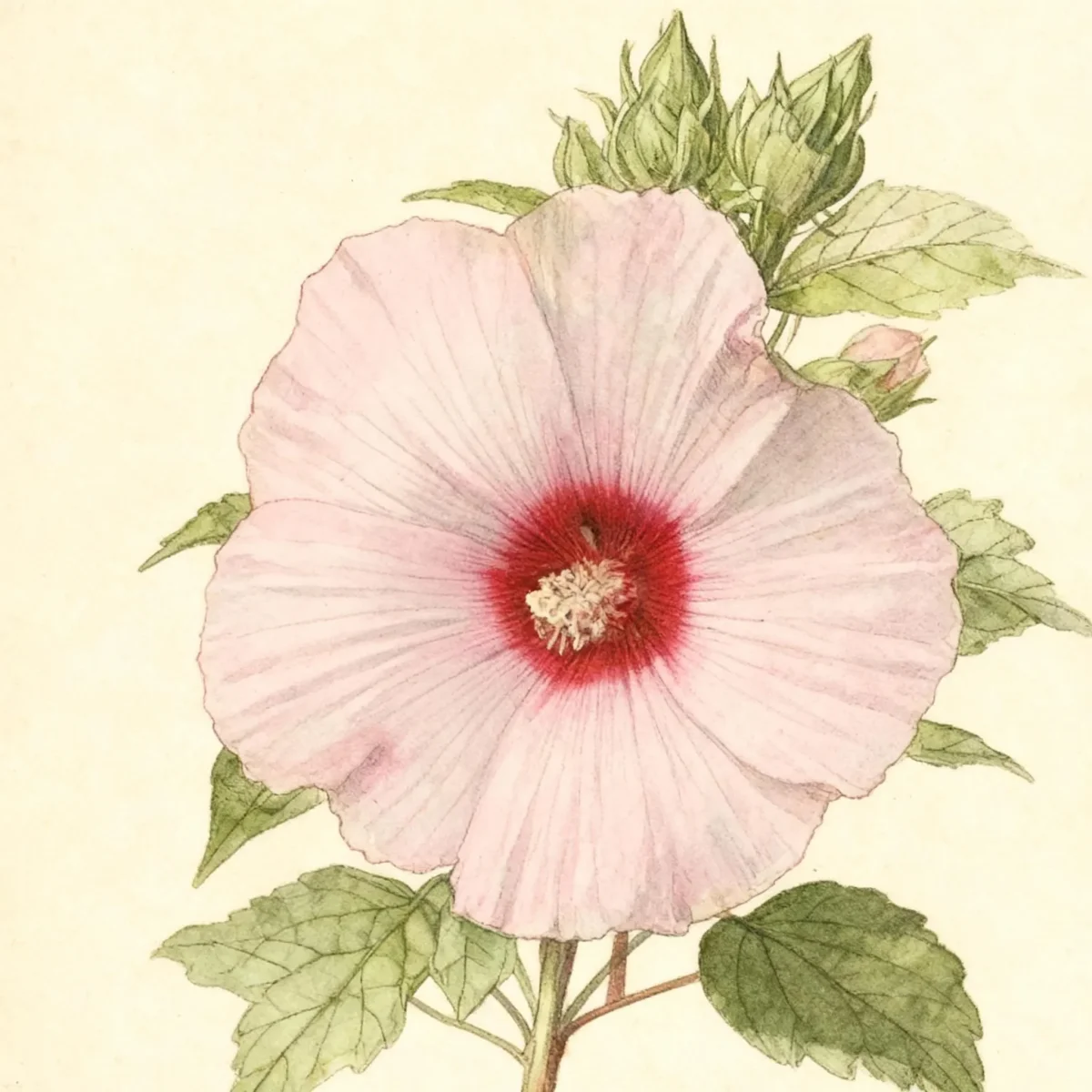
Hardy hibiscus (Hibiscus 'Anne Arundel')
Discover Hibiscus 'Anne Arundel', a low-maintenance Hardy hibiscus, cherished for its massive pink blooms from July to September.

Bloom Boldly, No Matter the Season - Sweatshirt
Cozy organic cotton sweatshirt featuring our exclusive Purple Coneflower design. Perfect for gardeners who bloom year-round.
Inspired by the beautiful Hardy hibiscus
Limited first batch (50) — join the waitlist for early access
Waitlist closes Feb 15, 2026.
Complete Plant Information
Field Guide Continues
Ready for care notes, companion picks, and planting tips?
The map is just the start. The full guide below covers growth habits, seasonal performance, and landscape uses.
Overview
Hibiscus ‘Anne Arundel’ is a standout hybrid hardy hibiscus prized for its vigorous, sturdy, woody-based perennial habit and spectacular floral display. Gardeners highly value this cultivar for producing dinner plate-sized, clear pink flowers measuring up to 9 inches in diameter throughout the mid to late summer. As a type of hardy hibiscus, it offers the drama of tropical blooms while providing reliable winter survival within USDA Zones 5 through 9.
This cultivar thrives best when positioned in full sun, ensuring strong stems and maximizing flower production for your landscape accent. Despite its capacity for grand blooms, the maintenance level associated with Hibiscus ‘Anne Arundel’ remains low, provided its moisture needs—medium to wet—are consistently met. It brings exceptional vertical interest, making it a stunning specimen plant or temporary screen.
The sheer size and quantity of flowers produced by Hardy hibiscus cultivars like Hibiscus ‘Anne Arundel’ make them focal points, capable of producing hundreds of blooms over a single season. Its tolerance for wet feet also provides unique opportunities in challenging areas of the garden.
Fast Facts
- Plant Family: Malvaceae
- Plant Type: Herbaceous perennial
- Hardiness Zones: USDA Zones 5-9
- Size at Maturity:
- Height: 4-5 ft
- Spread: 3-4 ft
- Bloom Time: July to September
- Bloom Description: Pink
- Sun Exposure: Full sun
- Water Needs: Medium to wet
- Maintenance Level: Low
How to Grow
Planting this Hardy hibiscus is best done in spring after the danger of frost has passed, ensuring it is situated in full sun for the best performance. Hibiscus ‘Anne Arundel’ excels in moist, organically rich soils but is surprisingly adaptable, performing well even in average garden settings, as long as deep and consistent watering is maintained. Avoid windy sites, which can cause foliage damage known as wind burn on the large leaves of Hibiscus ‘Anne Arundel’.
Watering should be deep and consistent, especially during dry spells, as allowing the soil to dry out will result in leaf scorch. While the plant tolerates light shade, full sunlight promotes the strongest stems necessary to support those massive flowers. Fertilize regularly throughout the growing season to support the heavy blooming habit characteristic of this Hardy hibiscus.
Pruning is simple: deadhead individual faded flowers immediately to keep the plant looking tidy. In late autumn or early spring, cut all stems back to about 3 to 4 inches above the ground. Be patient in spring; new growth on Hibiscus ‘Anne Arundel’ can be slow to emerge, but it accelerates quickly once temperatures warm.
Landscape Uses
The large stature and stunning flowers of Hibiscus ‘Anne Arundel’ make it ideal for use as a specimen plant or mass planting for landscape accent. It functions wonderfully in borders where its height (4-5 ft) can provide necessary background structure for shorter perennials. Due to its appreciation for moisture, this Hardy hibiscus is highly recommended for utilization in rain gardens, low spots in the landscape, or along the edges of streams or ponds.
Consider grouping Hibiscus ‘Anne Arundel’ with plants that share similar moisture needs, such as irises, ligularia, or certain ornamental grasses that thrive in wet soil conditions alongside streamside plantings. Its rapid growth also allows it to serve effectively as a temporary hedge, quickly screening an unsightly view or defining a space during the peak of summer color.
Standout Features
Flower Qualities
- Showy
Noteworthy Characteristics
Hybrid hardy hibiscus cultivars are often the result of complex breeding work involving multiple species native to the U.S., including H. Coccineus, H. Laevis, and H. Moscheutos. Each disc-shaped flower features five flat showy overlapping petals surrounding a prominent central staminal column, remaining in bloom for about one day, but opening in succession throughout the season. ‘Anne Arundel’ is specifically noted for being a compact, vigorous cultivar featuring hollyhock-like flowers up to 9 inches in diameter, a truly impressive size for a hardy perennial.
Tolerances
- Deer
- Wet Soil
Potential Problems
This impressive Hardy hibiscus shows some susceptibility to fungal issues like leaf spots, blights, rusts, and canker, which are often exacerbated by high humidity or poor air circulation. Ensure Hibiscus ‘Anne Arundel’ receives full sun with good air flow to mitigate these risks, and apply appropriate fungicides at the first sign of trouble. Pests like Japanese beetles, sawflies, whiteflies, and aphids may occasionally appear; immediate hand-picking or targeted insecticide application may be necessary if Japanese beetles begin severely damaging foliage.
Leaf scorch is a common indicator that the plant’s water needs are not being met; maintain consistent moisture in the soil to prevent this stress response. Generally, if grown optimally, this plant does not require staking and is typically avoided by deer.
Frequently Asked Questions
What hardiness zones is Hardy hibiscus suitable for?
This Hardy hibiscus, Hibiscus ‘Anne Arundel’, is suitable for USDA Zones 5 through 9.
How large does Hardy hibiscus grow?
Hibiscus ‘Anne Arundel’ typically reaches a height between 4 and 5 feet, with a spread ranging from 3 to 4 feet at maturity.
When does Hibiscus ‘Anne Arundel’ bloom?
Hibiscus ‘Anne Arundel’ provides a very long display, blooming profusely from July through September with large pink flowers.
What sun exposure does Hibiscus ‘Anne Arundel’ need?
This plant requires full sun exposure to develop the strongest stems and achieve its best flowering potential.
Conclusion
Hibiscus ‘Anne Arundel’ offers unparalleled late-season floral drama with its dinner-plate-sized pink blossoms, all while maintaining a reputation for being relatively low maintenance. This specific cultivar of Hardy hibiscus provides excellent structure and vibrant color for the wettest parts of your garden. Before planting, confirm your site meets the full sun and consistent moisture requirements to ensure your Hardy hibiscus delivers its spectacular summer performance.
Companion Planting
This Hardy hibiscus thrives alongside moisture-loving companions that can handle partial shade or full sun, provided the soil remains moist. Good partners near streams or rain gardens include native ferns, Marsh Marigold (Caltha palustris), or robust perennials like Joe Pye Weed (Eutrochium species). These companions enhance the wetland aesthetic while sharing the water needs of Hibiscus ‘Anne Arundel’. Proper spacing is crucial, as the large foliage of Hibiscus ‘Anne Arundel’ can shade out smaller neighbors if planted too closely.
Seasonal Care Calendar
For optimal health, incorporate a seasonal care routine focused on moisture and structure. In early spring, once the ground thaws, completely cut back the old woody stems to just a few inches above the soil line, preparing for the rapid emergence of new growth. Throughout the summer, focus heavily on consistent deep watering, especially during heat waves, to prevent leaf scorch, which stunts the Hibiscus ‘Anne Arundel’. Deadheading spent flowers daily will maximize the number of blooms you see over the July to September season.