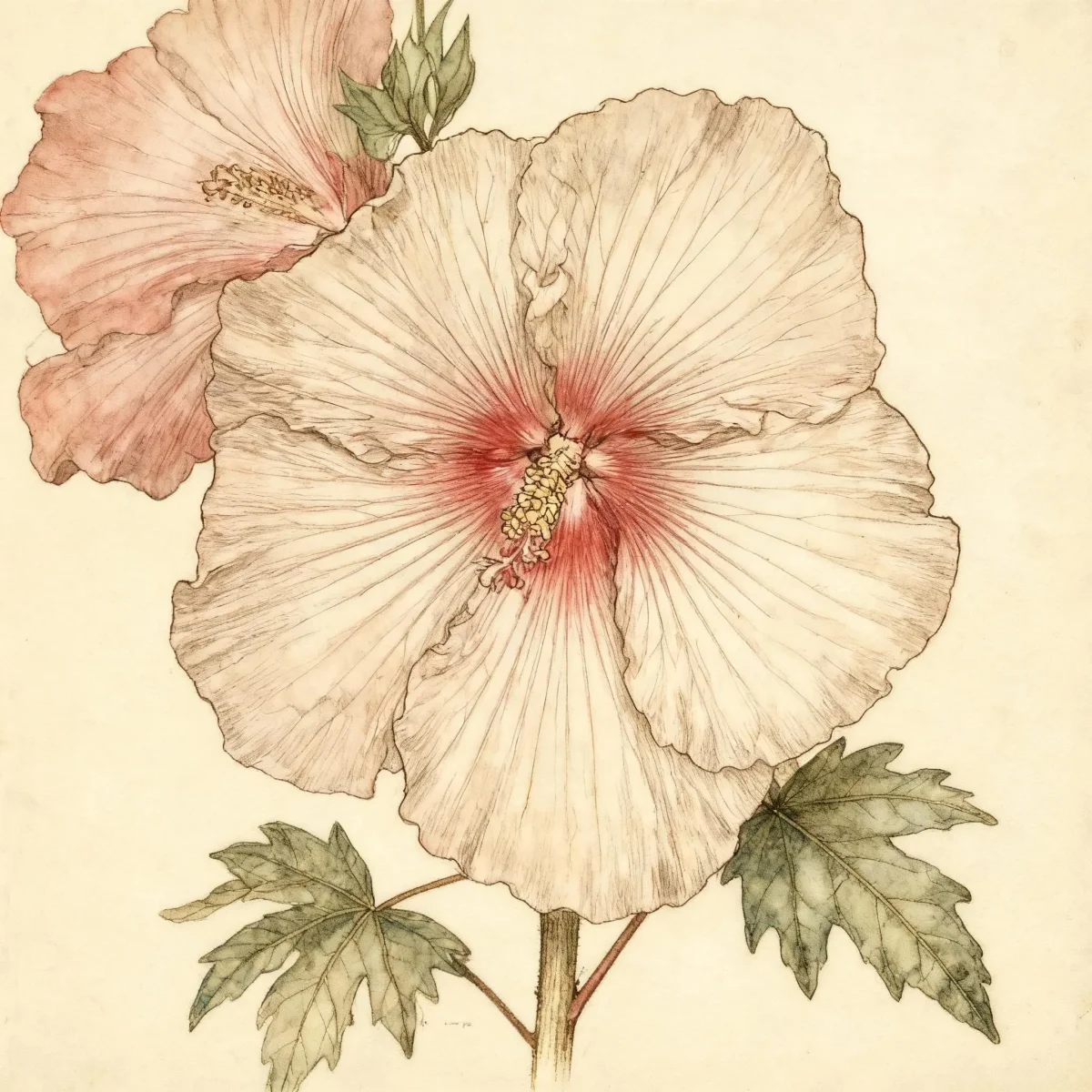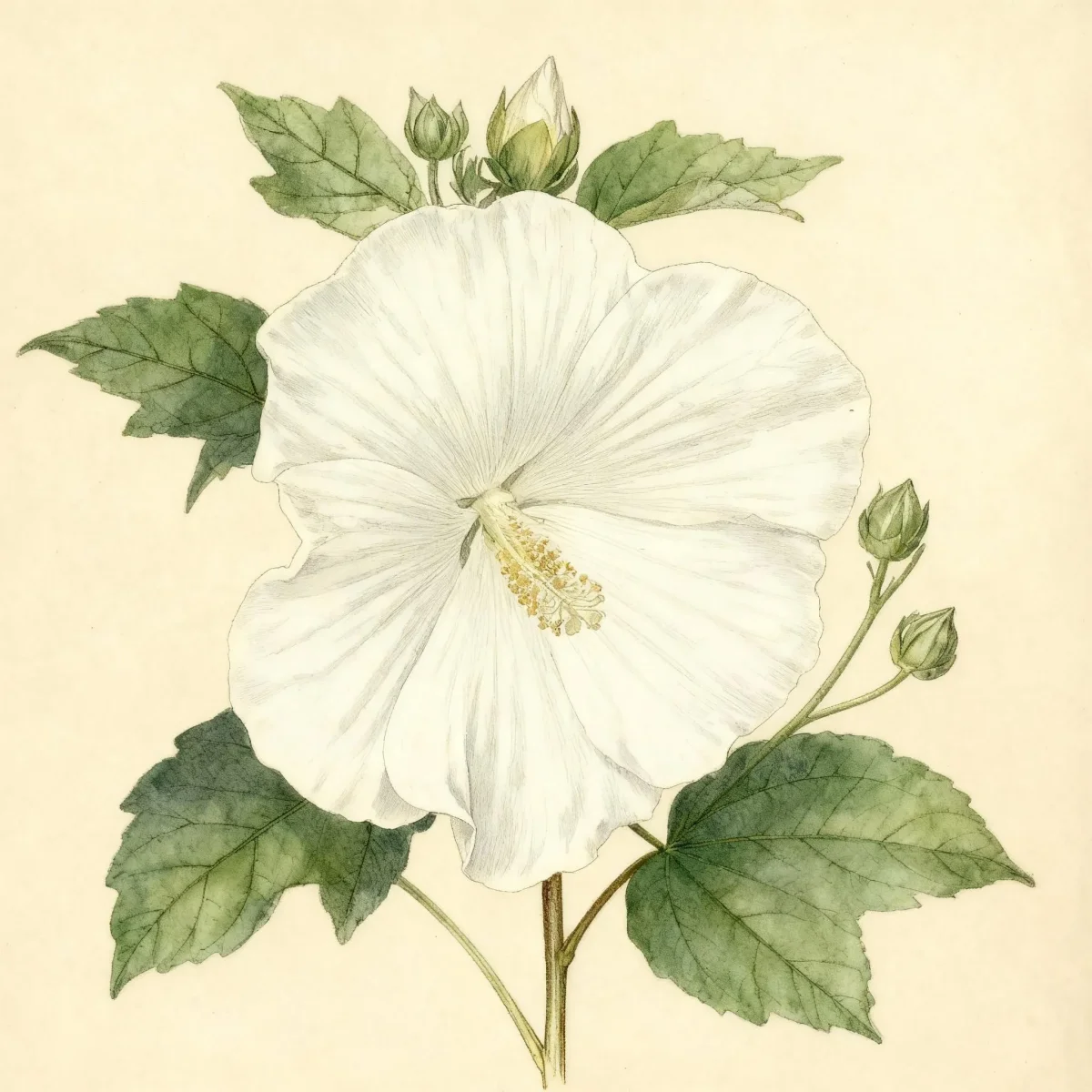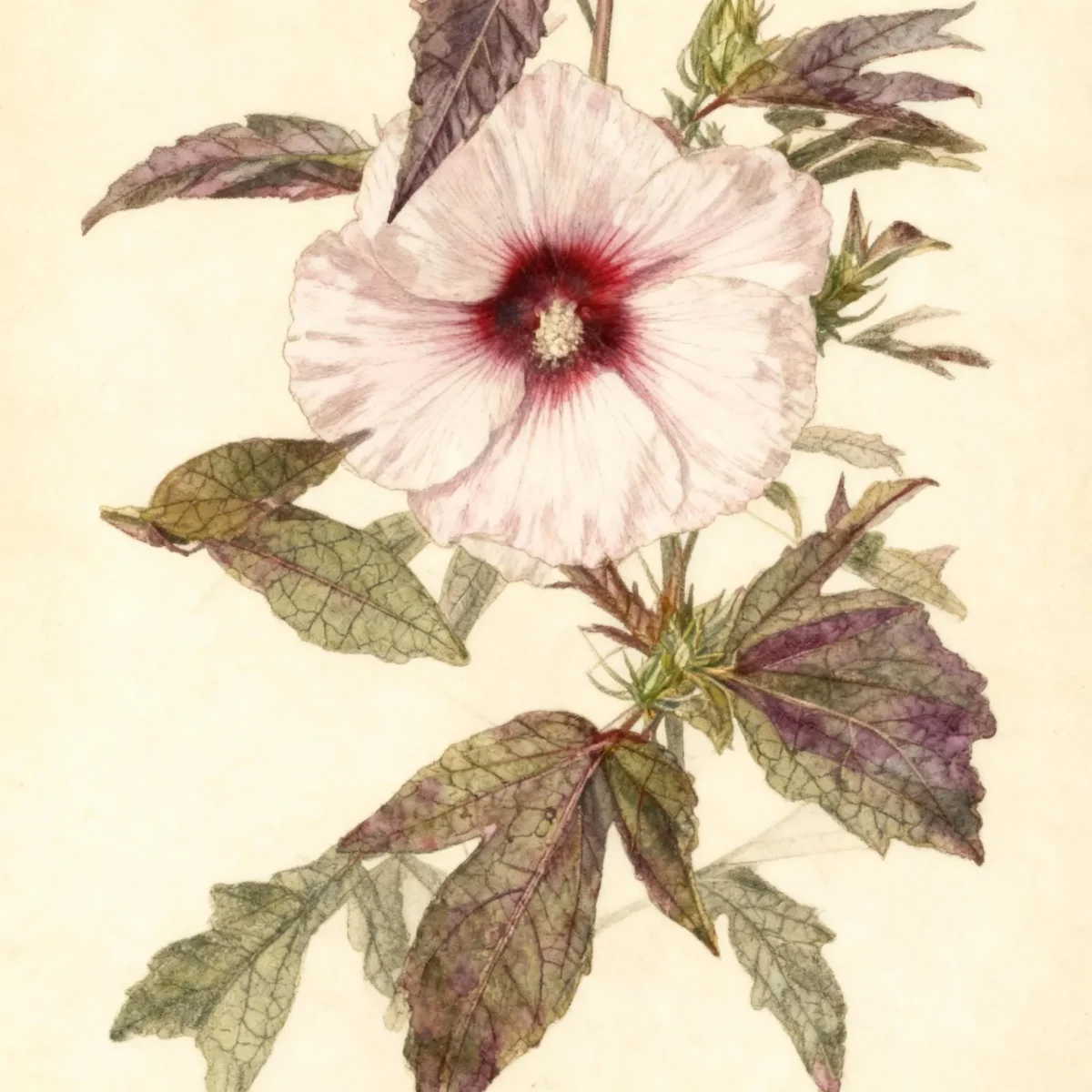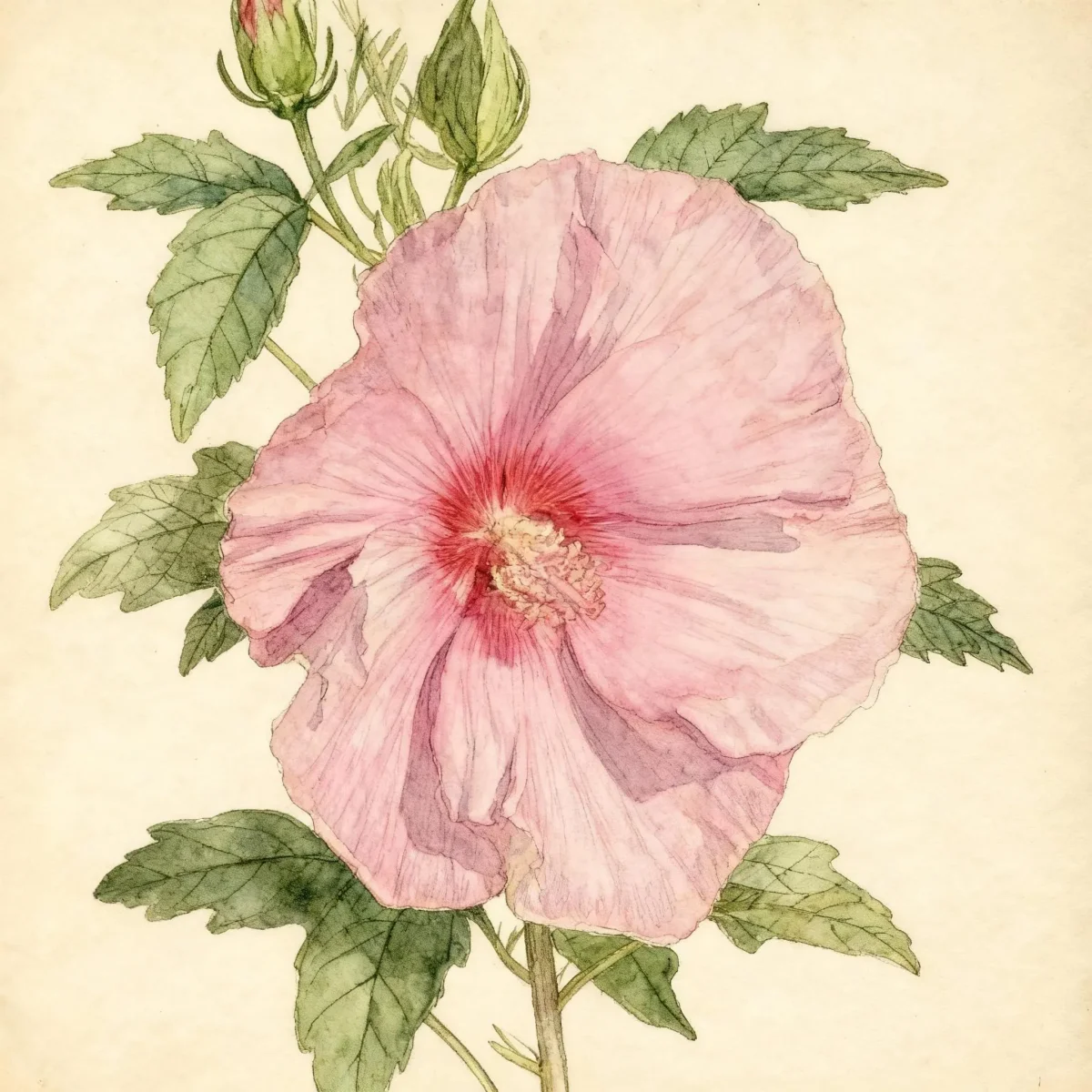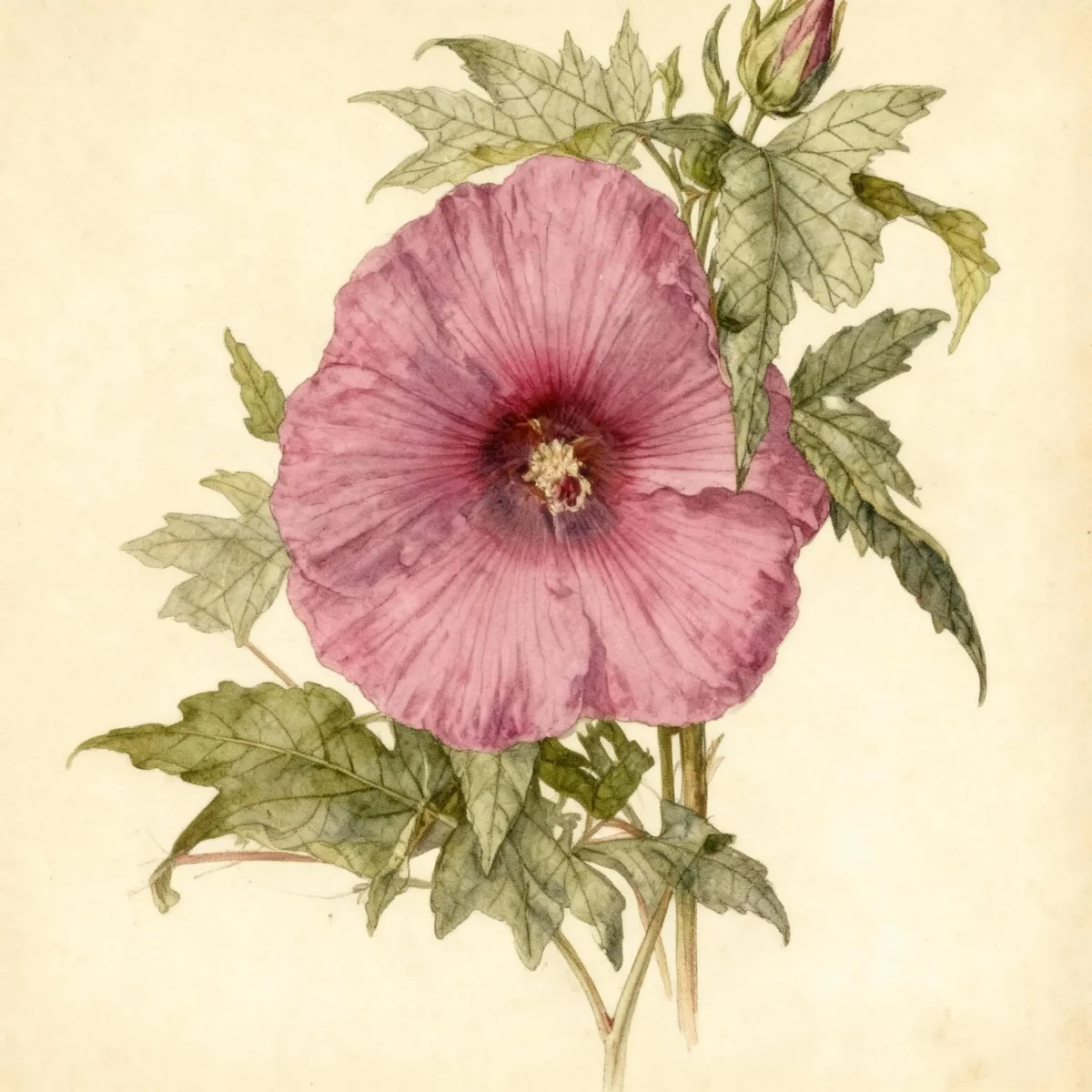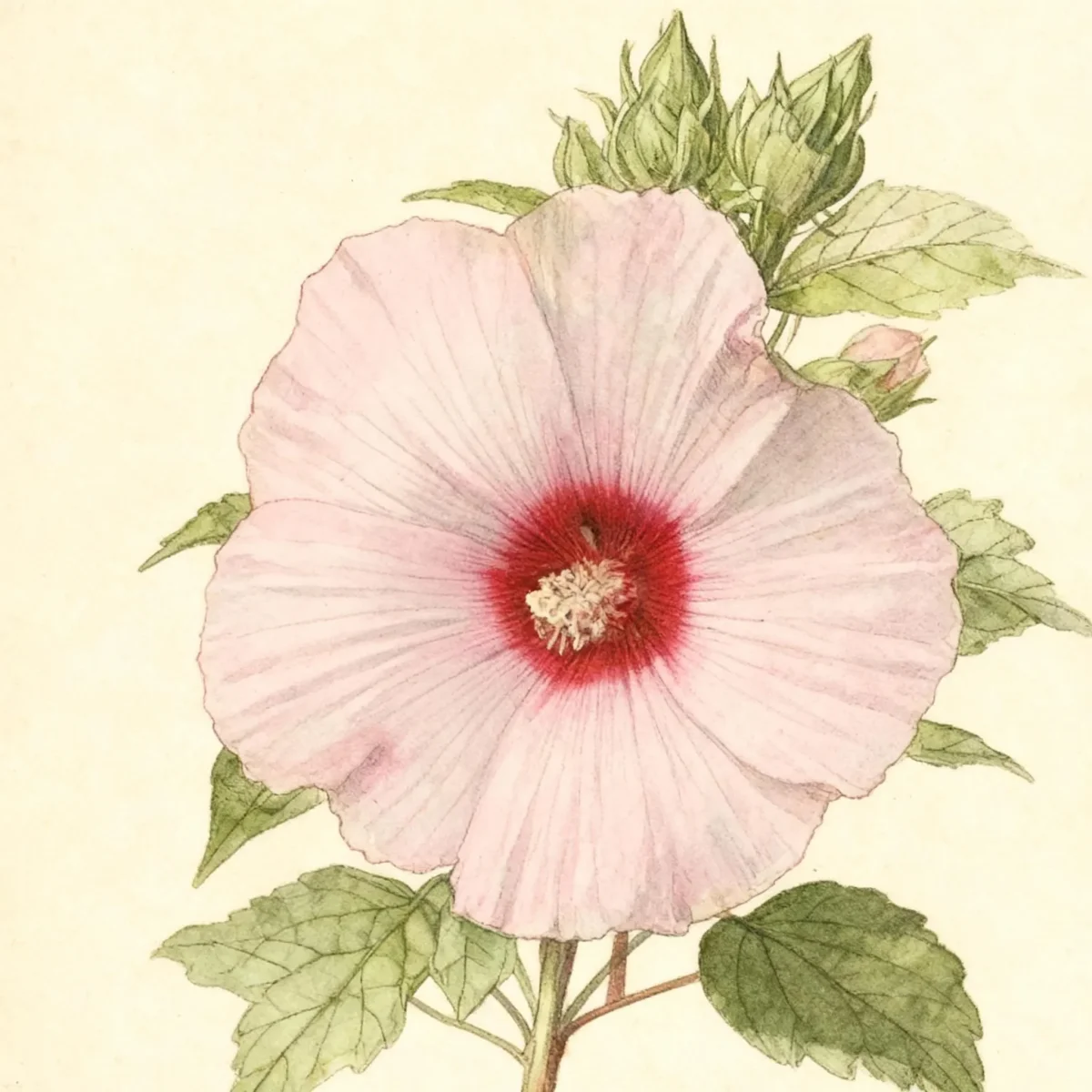

Hardy hibiscus (Hibiscus 'Candy Stripe')
Discover Hibiscus 'Candy Stripe', the low-maintenance Hardy hibiscus boasting huge white flowers with striking red veins from mid-summer to fall.
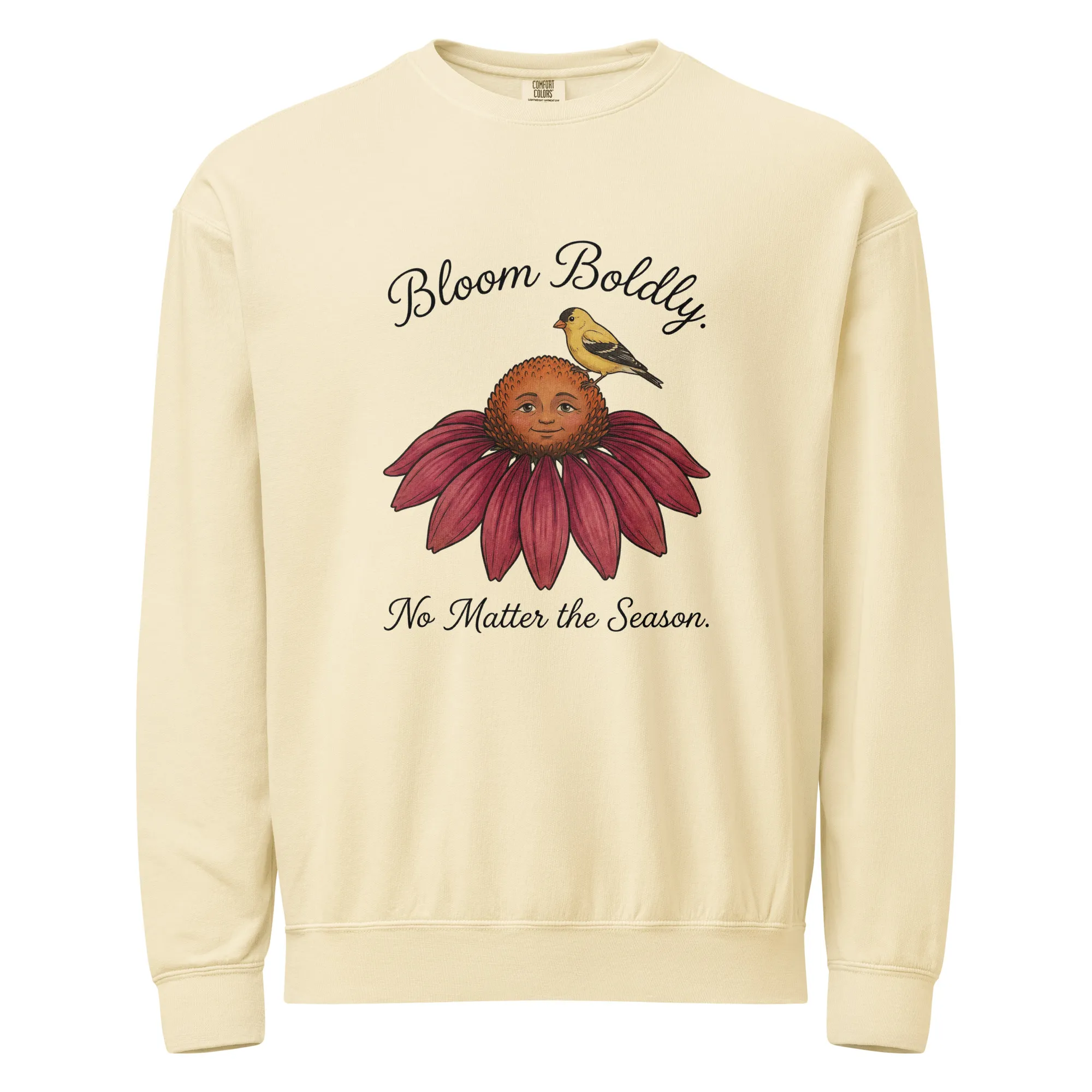
Bloom Boldly, No Matter the Season - Sweatshirt
Cozy organic cotton sweatshirt featuring our exclusive Purple Coneflower design. Perfect for gardeners who bloom year-round.
Inspired by the beautiful Hardy hibiscus
Limited first batch (50) — join the waitlist for early access
Waitlist closes Feb 15, 2026.
Complete Plant Information
Field Guide Continues
Ready for care notes, companion picks, and planting tips?
The map is just the start. The full guide below covers growth habits, seasonal performance, and landscape uses.
Overview
Hibiscus ‘Candy Stripe’ is a spectacular herbaceous perennial prized for its vigorous growth and enormous, dinner-plate sized blooms. This cultivar of Hardy hibiscus easily earns its place in the garden by producing masses of five-petaled flowers reaching up to 9 inches across, featuring a brilliant white base dramatically striped with deep red veins. Valued over tropical types for its superior winter hardiness, Hibiscus ‘Candy Stripe’ offers tropical aesthetics combined with reliable perennial performance across a wide climate range.
This sturdy plant typically reaches 4 to 5 feet tall, forming an erect, slightly woody base that provides excellent vertical interest. While individual flowers last only one day, the plant produces hundreds of successive blooms from July through September, ensuring continuous summer drama. Its low maintenance needs and tolerance for wet soil make the Hardy hibiscus a remarkably practical feature plant.
For the best results with Hibiscus ‘Candy Stripe’, ensure it receives consistently moist soil and maximum sun exposure to promote strong stems and abundant flowering. Its dramatic structure and massive flowers make it a focal point in any garden setting where summer bloom power is desired.
Fast Facts
- Plant Family: Malvaceae
- Plant Type: Herbaceous perennial
- Hardiness Zones: USDA Zones 5-9
- Size at Maturity:
- Height: 4-5 ft
- Spread: 3-4 ft
- Bloom Time: July to September
- Bloom Description: White with red veins
- Sun Exposure: Full sun
- Water Needs: Medium to wet
- Maintenance Level: Low
How to Grow
Planting Hardy hibiscus like Hibiscus ‘Candy Stripe’ is best done in spring after the danger of frost has passed, allowing the roots to establish before summer heat. Choose a location that receives full sun, as this maximizes flower production and stem strength, though some light afternoon shade is tolerated. While they perform best in moist, organically rich soils, they are surprisingly adaptable to average garden soils, provided the soil does not completely dry out. Ensure deep, consistent watering, especially during dry spells, as drought stress leads quickly to leaf scorch.
Maintenance for this cultivar is relatively low once established. Deep and consistent watering is crucial throughout the growing season. Deadhead individual spent flowers promptly to improve the overall appearance of the plant. In late autumn, after the foliage has died back, cut the woody stems down close to the ground, trimming them back to about 3 to 4 inches above the soil line.
Be patient in the spring; new growth shoots for your Hardy hibiscus can be very slow to emerge. However, once warmed up, growth is rapid. During this active growing period, the plant benefits significantly from regular fertilization to support its heavy flowering habit. Site locations away from constant strong winds to prevent potential windburn on the mature foliage.
Landscape Uses
The imposing stature and massive blooms of Hibiscus ‘Candy Stripe’ make it an exceptional structural element in the landscape. Use this vigorous perennial as a specimen plant where its dramatic flowers can be appreciated up close or mass plant it to create an informal, temporary hedge offering significant visual impact during the peak of summer. Due to its love for moisture, this plant excels in functional landscape areas like rain gardens, low spots, or along the edges of streams and ponds (effective along streams or ponds).
For design cohesion, pair the Hardy hibiscus with late-season bloomers that appreciate similar wet conditions, such as irises, astilbes, or hardy water lilies if planted near true water features. Its height makes it perfect for the back of the border, anchoring perennial beds against fences or structures. The low maintenance requirement means it integrates seamlessly into mixed borders requiring infrequent intervention once mature.
Standout Features
Flower Qualities
- Showy
Noteworthy Characteristics
Hybrid hardy hibiscus are vigorous, sturdy, erect but sometimes shrubby, woody-based perennials that typically grow to 4-8’ tall. Hybrid hardy hibiscus cultivars are often the result of complex breeding work involving multiple species native to the U.S., including H. Coccineus, H. Laevis, and H. Moscheutos. Hybrids are winter hardy to USDA Zones 4 or 5 which significantly distinguishes them from the many tropical to semi-tropical hibiscus on the market today. Each disc-shaped flower (to 6-10” across) features five flat showy overlapping petals (each to 3-4” long) in a variety of colors which surround a prominent and showy central staminal column. Individual flowers remain in bloom for only one day, but one or more flowers usually open each day, in succession, over a long mid-summer to early fall (sometimes to first frost) bloom period. Each plant can produce up to 250 flowers per growing season. Heavily, deeply-cut, irregularly serrate, glossy dark green leaves have reddish stems.Genus name is the old Greek and Latin name for mallow.‘Candy Stripe’ is a tall, vigorous, sturdy, erect but somewhat shrubby, woody-based hibiscus hybrid cultivar that typically grows 4-5’ high and features dinner plate-sized, 5-petaled, hollyhock-like flowers (to 5-9” diameter) which are among the largest flowers produced by any perennial which is hardy to the St. Louis area. Flowers are white with red veins. Each flower has a prominent central staminal column. Deep green foliage is tinged with red
Tolerances
- Deer
- Wet Soil
Potential Problems
This plant exhibits some susceptibility to common fungal issues, including leaf spots, blights, rusts, and canker, particularly if air circulation is poor or humidity is constantly high. In the insect world, Japanese beetles are notable visitors that can rapidly consume foliage if left unchecked; prompt handpicking or targeted treatment may be required for severe infestations. Aphids, whiteflies, and sawflies can also appear occasionally. To manage predictable issues, always ensure Hibiscus ‘Candy Stripe’ is sited in full sun with good air movement. Maintaining adequate water prevents leaf scorch, a common issue when garden soils are allowed to dry out completely.
Frequently Asked Questions
What hardiness zones is Hardy hibiscus suitable for?
This variety of Hardy hibiscus, Hibiscus ‘Candy Stripe’, is reliably hardy in USDA Zones 5 through 9.
How large does Hibiscus ‘Candy Stripe’ grow?
This cultivar typically matures to a height between 4 and 5 feet, spreading quietly to a width of 3 to 4 feet wide.
When does Hibiscus ‘Candy Stripe’ bloom?
You can expect magnificent blooms on your Hardy hibiscus from July well into September, featuring eye-catching white flowers marked heavily with red veins.
What sun exposure does Hardy hibiscus need?
For the absolute best performance, strong stems, and the most prolific bloom display, Hibiscus ‘Candy Stripe’ requires full sun exposure.
Conclusion
The Hardy hibiscus cultivar Hibiscus ‘Candy Stripe’ brings unparalleled tropical drama to temperate gardens, delivering enormous striped flowers while maintaining impressive winter hardiness. Its low maintenance nature and utility in wet areas make it a versatile powerhouse for mid to late-summer color. Before planting, confirm that your site offers the deep, consistent moisture and full sun necessary to support this fabulous perennial.
Companion Planting
When designing a mixed perennial border around your specimens, select companions that share the cultural preference for consistent moisture. Daylilies, Siberian Iris, and various ornamental grasses are excellent choices, as they thrive alongside the Hardy hibiscus while offering contrasting foliage texture. Consider planting taller spire-like flowers behind it to create layered depth, ensuring the low-growing foliage doesn’t obscure the emerging bases of the hibiscus in spring.
Propagation Tips
Hibiscus ‘Candy Stripe’ can be effectively increased asexually to ensure the new plants retain the desirable ‘Candy Stripe’ coloration. The two primary methods recommended involve division or taking cuttings. Division is best performed in early spring just as new growth begins to appear, carefully separating established clumps into smaller sections, each having several healthy buds. Alternatively, soft/semi-hardwood cuttings taken during the peak growing season can be rooted under warm, humid conditions to create new individuals quickly.