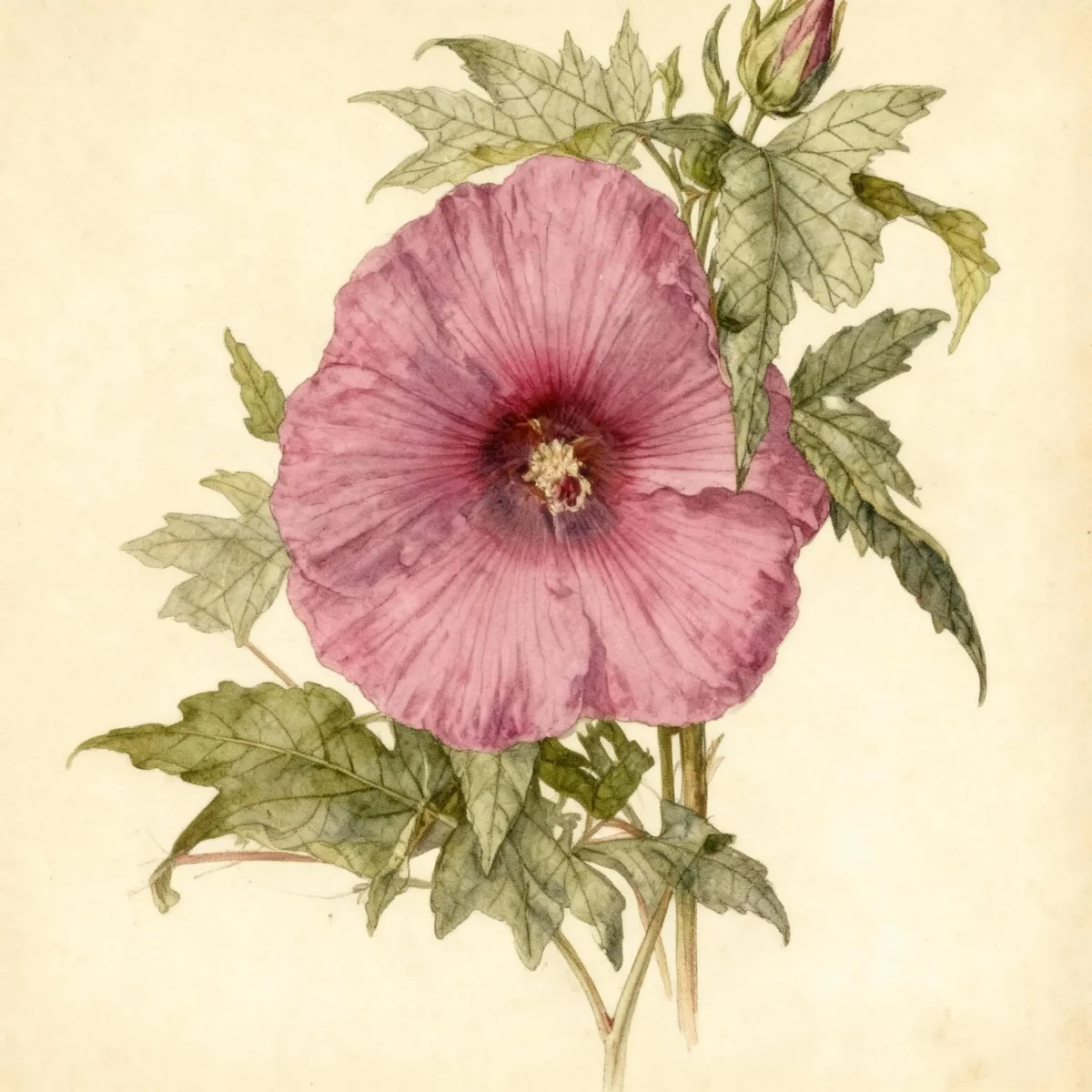
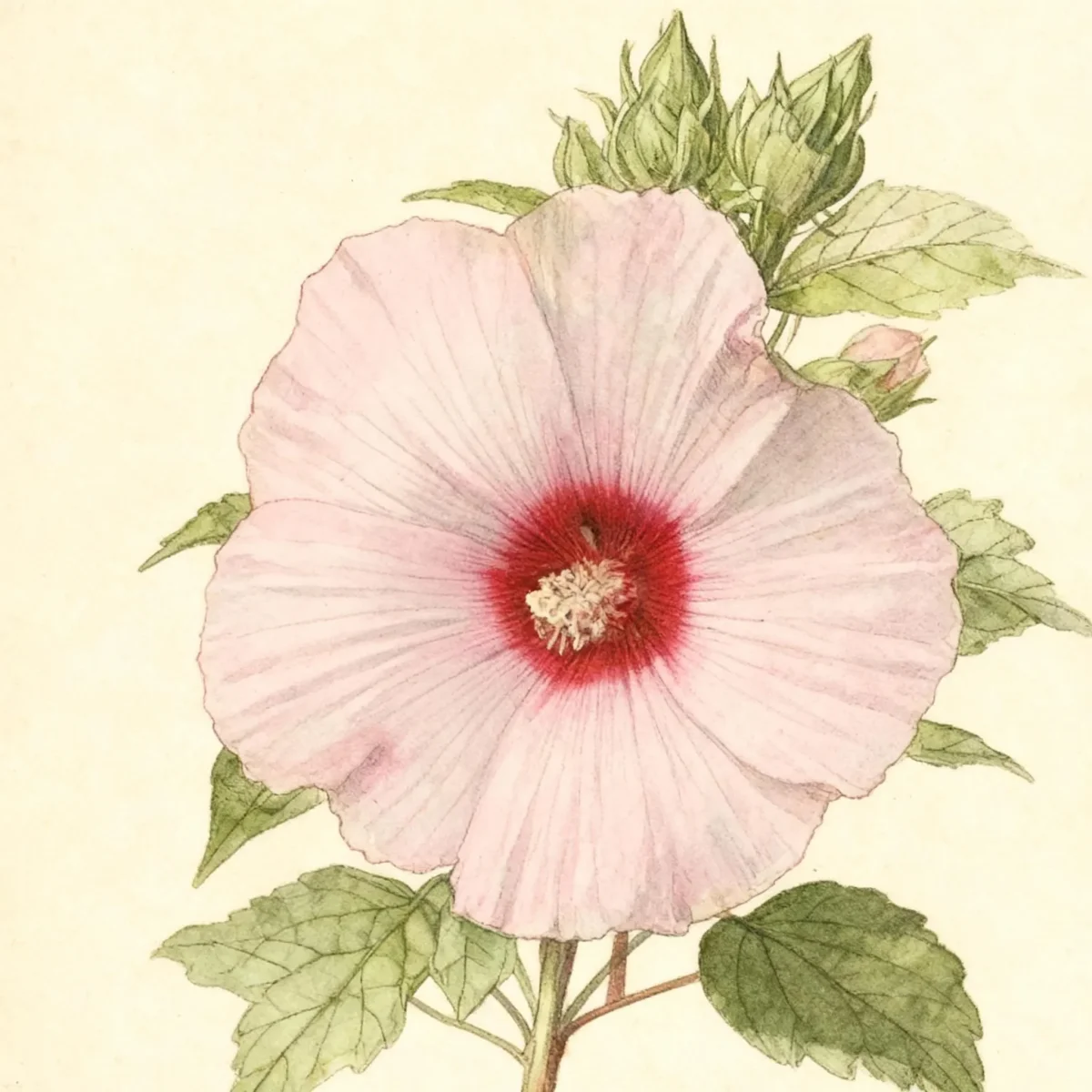
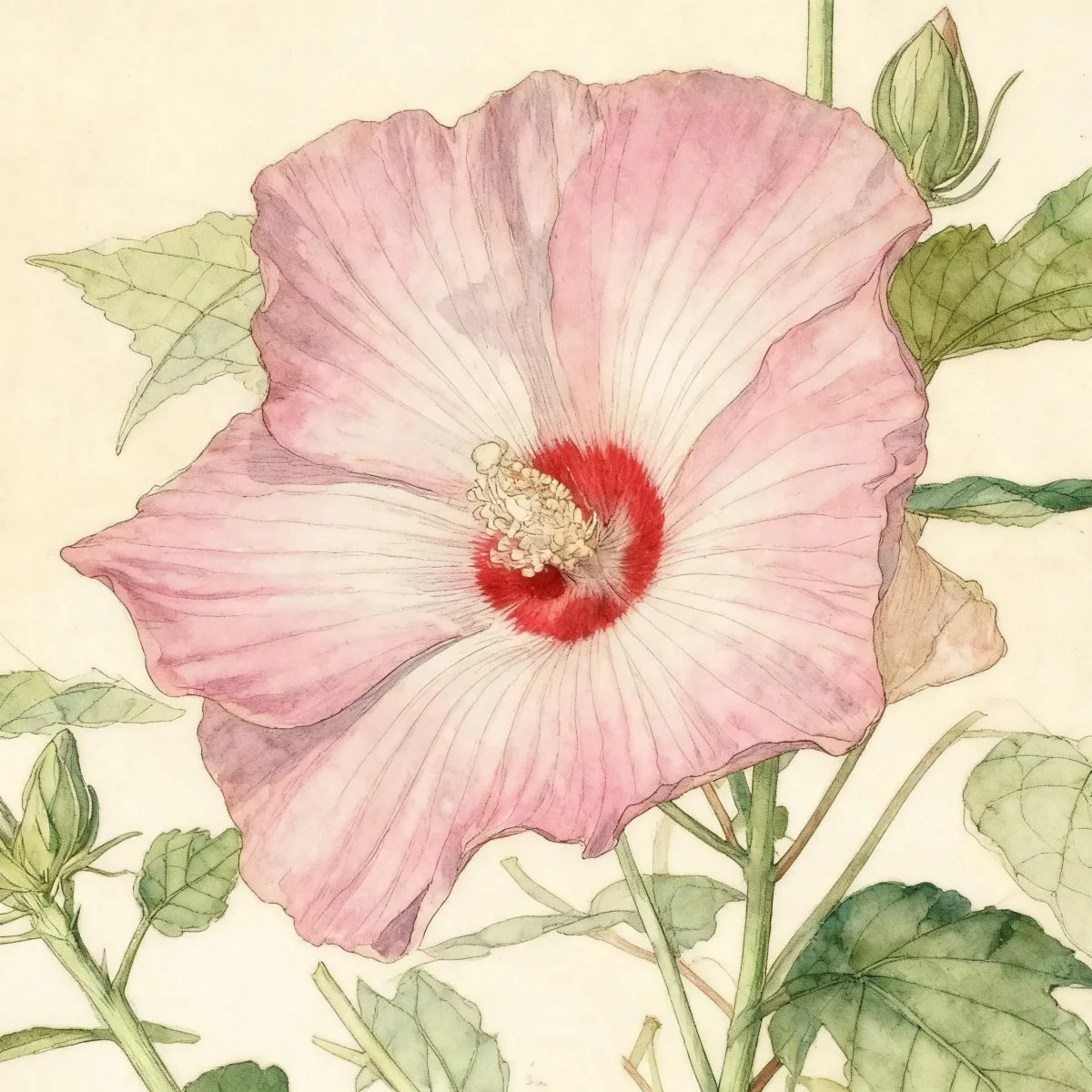
Hardy hibiscus (Hibiscus 'Lester Riegel')
Hibiscus 'Lester Riegel' is a low-maintenance Hardy hibiscus known for dinner-plate, pink flowers with red eyes blooming mid-summer to fall.
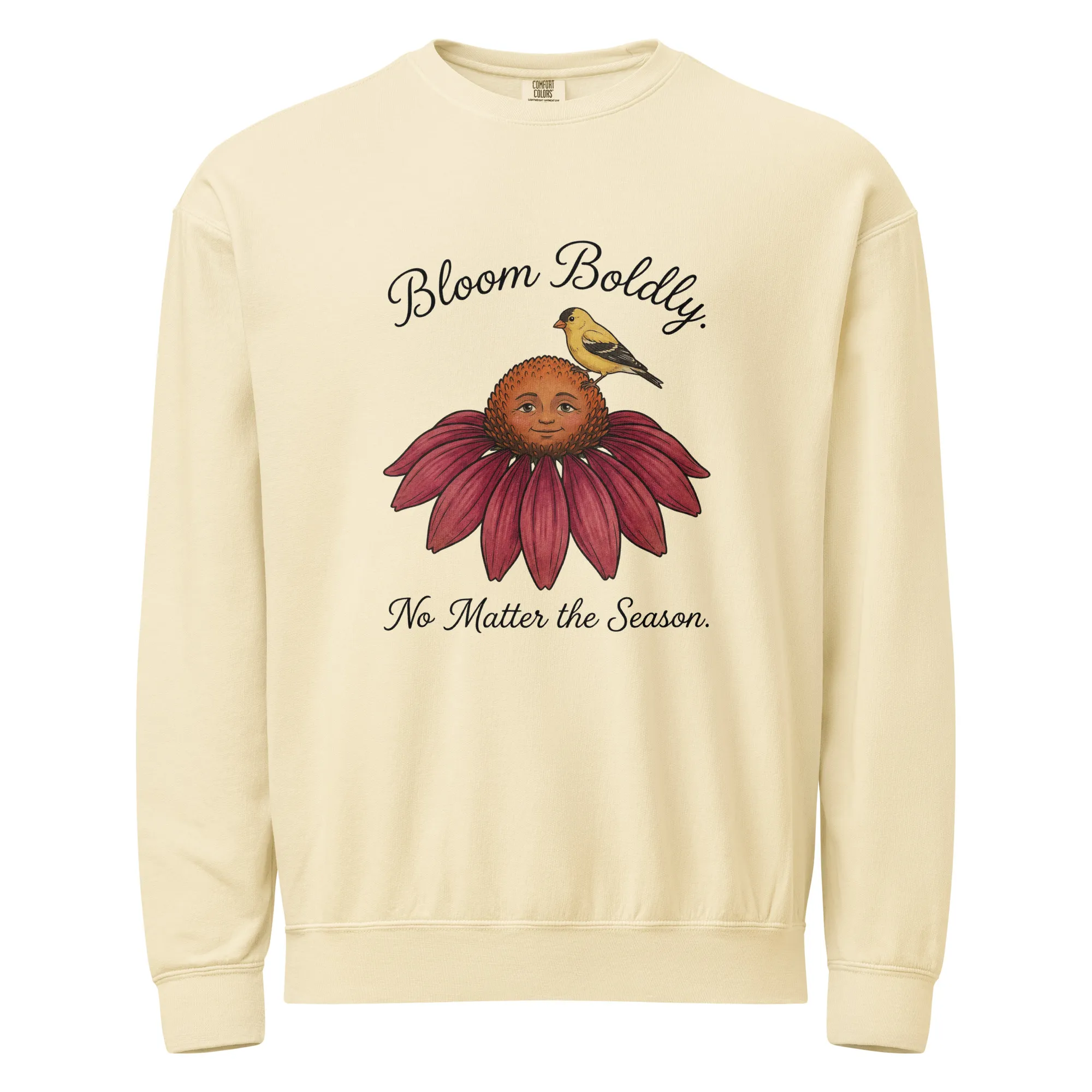
Bloom Boldly, No Matter the Season - Sweatshirt
Cozy organic cotton sweatshirt featuring our exclusive Purple Coneflower design. Perfect for gardeners who bloom year-round.
Inspired by the beautiful Hardy hibiscus
Limited first batch (50) — join the waitlist for early access
Waitlist closes Feb 15, 2026.
Complete Plant Information
Field Guide Continues
Ready for care notes, companion picks, and planting tips?
The map is just the start. The full guide below covers growth habits, seasonal performance, and landscape uses.
Overview
The striking beauty of Hibiscus ‘Lester Riegel’ makes it a prized addition to perennial borders, offering tropical flair with true northern hardiness. As a type of Hardy hibiscus, this vigorous cultivar provides a prolific display of enormous, five-petaled flowers throughout the summer months, easily reaching dinner-plate size. Gardeners value Hibiscus ‘Lester Riegel’ for its reliability and dramatic impact, needing relatively low maintenance once established, especially in moist sites. This robust perennial creates strong vertical accents and provides continuous color when many other summer bloomers begin to fade.
Fast Facts
- Plant Family: Malvaceae
- Plant Type: Herbaceous perennial
- Hardiness Zones: USDA Zones 5-9
- Size at Maturity:
- Height: 3-4 ft
- Spread: 2-3 ft
- Bloom Time: July to September
- Bloom Description: Pink with deep pink veins and red eye
- Sun Exposure: Full sun
- Water Needs: Medium to wet
- Maintenance Level: Low
How to Grow
Hibiscus ‘Lester Riegel’ thrives when planted in spring after all danger of frost has passed, ensuring they receive full sun for the best flowering and strongest stems. These plants prefer consistently moist, organically rich soils but are surprisingly forgiving, often succeeding in average garden soils provided they do not dry out completely. Deep and consistent watering is highly recommended, particularly during hot summer spells, to prevent leaf scorch.
Maintenance for this Hardy hibiscus is straightforward. Deadhead individual spent flowers daily to keep the plant looking tidy, though new blooms will rapidly replace them. While the foliage is attractive, expect growth to be slow to appear in early spring; do not mistake dormant stems for dead ones. Once new shoots emerge, regular fertilization during the growing season will support the massive flower production.
For winter preparation, cut the stems of Hibiscus ‘Lester Riegel’ back to about three to four inches above the ground in late autumn. To achieve the healthiest growth and best resistance to potential diseases, site the plant where it can benefit from good air circulation, avoiding excessively windy locations that can cause stem damage or wind burn.
Landscape Uses
The stature and extended bloom time of Hibiscus ‘Lester Riegel’ make it exceptionally versatile in landscape design. It serves excellently as a specimen plant, providing a dramatic focal point, or massed together for a temporary hedge effect in larger spaces. Due to its tolerance for damp conditions, this Hardy hibiscus is an ideal choice for rain gardens, low spots, or as an attractive border along the edges of ponds or streams where soil moisture is consistently high. Companion plantings should complement its need for moisture, perhaps pairing it with moisture-loving irises or astilbes located slightly further from the water’s edge.
Standout Features
Flower Qualities
- Showy
Noteworthy Characteristics
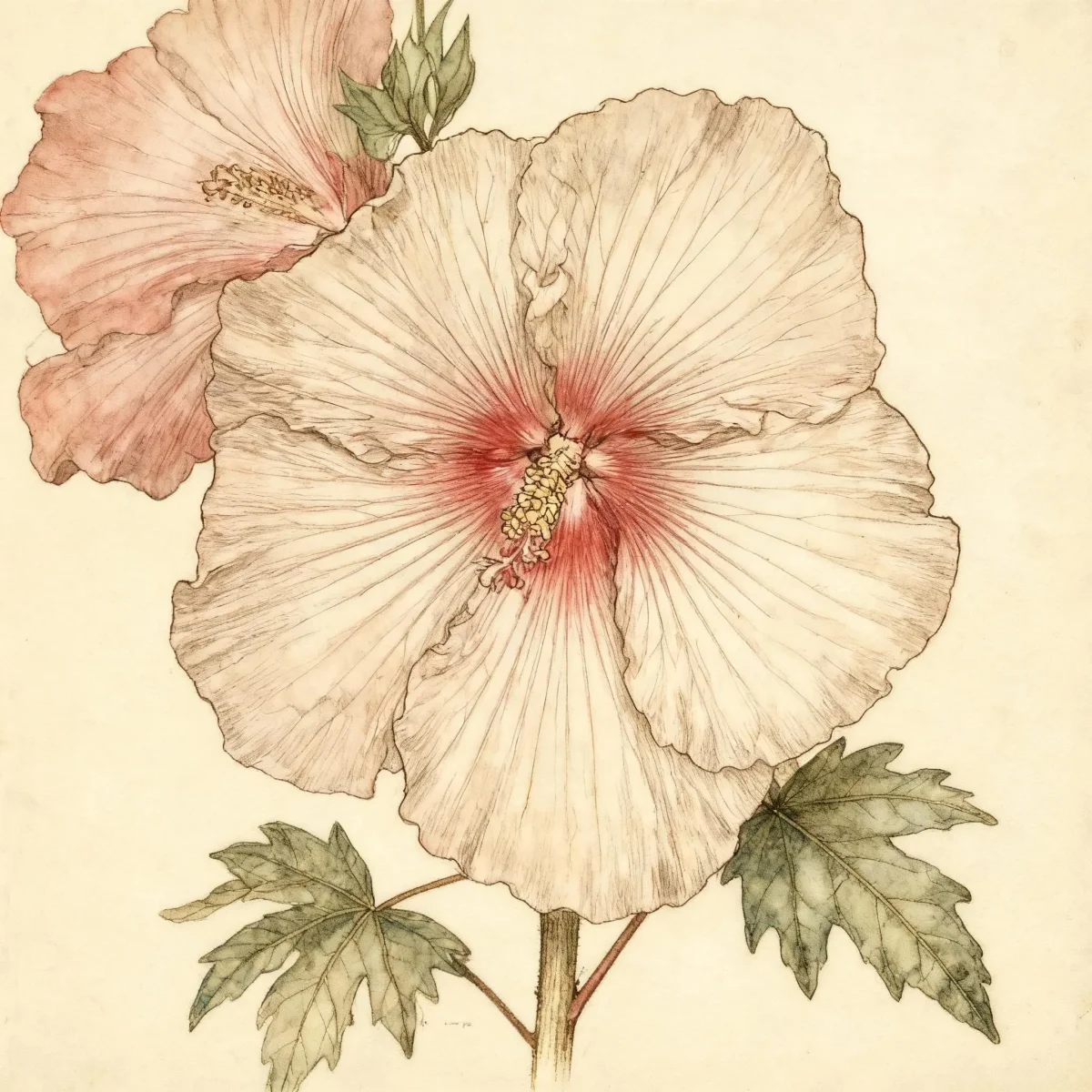
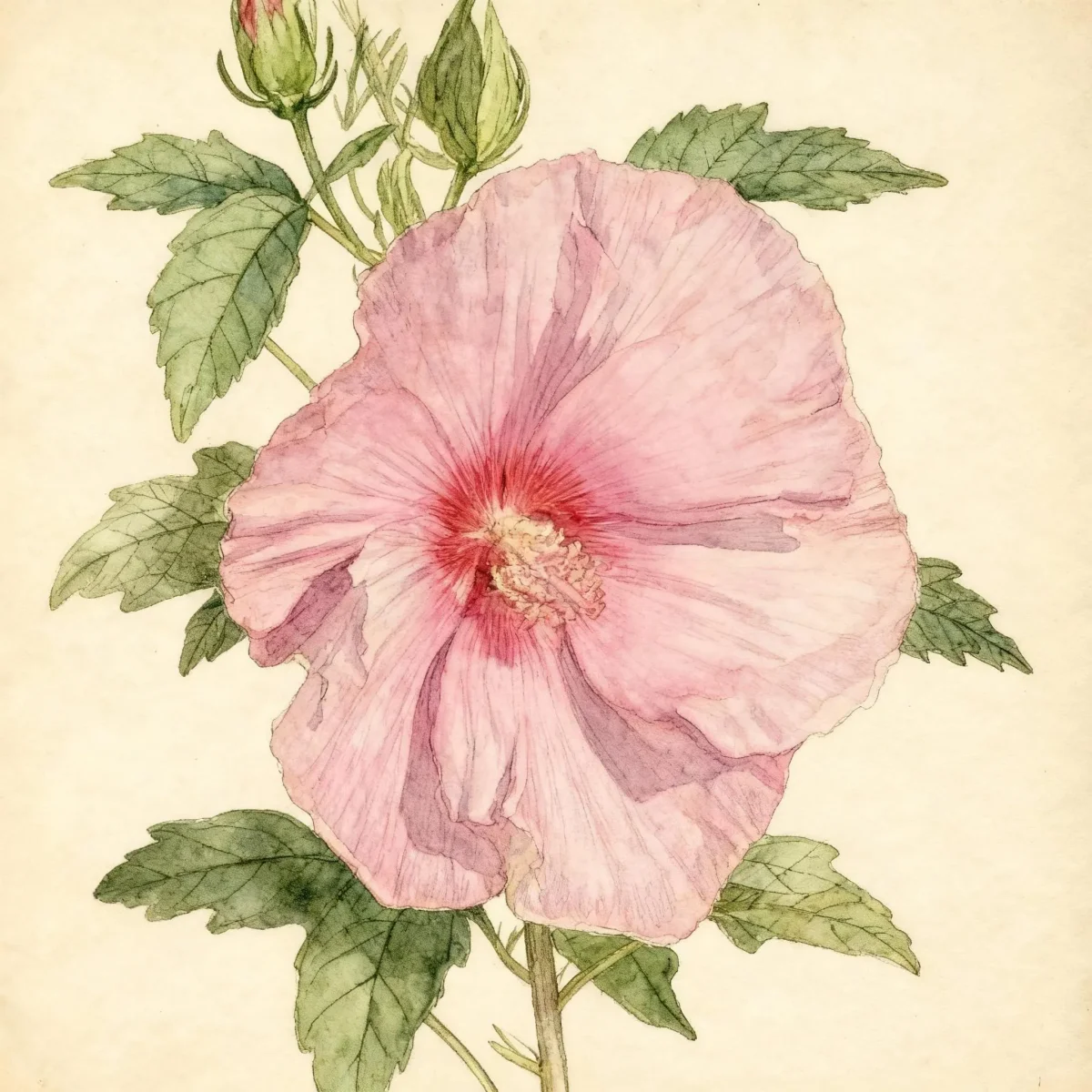
Hybrid hardy hibiscus are vigorous, sturdy, erect but sometimes shrubby, woody-based perennials that typically grow to 4-8’ tall. Hibiscus ‘Lester Riegel’ is a notable cultivar, growing about 4 feet high, featuring spectacular dinner plate-sized flowers up to 8 inches in diameter, among the largest of any hardy perennial. These flowers are pink, accented by deep pink veining and a prominent red eye surrounding the central staminal column, opening sequentially throughout the season for a continuous show.
Tolerances
- Deer
- Wet Soil
Potential Problems
Hibiscus ‘Lester Riegel’ is generally robust, but proper cultural care is key to preventing common issues. Susceptibility exists for fungal problems like leaf spots, blights, rusts, and canker; ensure good air circulation and avoid overhead watering late in the day to mitigate these risks. Occasionally, pests such as Japanese beetles, aphids, whiteflies, and sawflies may appear. Japanese beetles are particularly destructive to the foliage and must be managed immediately, often by hand-picking.
The primary cultural error leading to plant decline is inconsistent water supply. If soils are allowed to dry out, the plant will suffer from leaf scorch, which severely impacts its visual appeal and vigor. Conversely, healthy plants grown in the correct medium rarely require staking for support, thanks to their sturdy, woody base.
Frequently Asked Questions
What hardiness zones is Hardy hibiscus suitable for?
Hibiscus ‘Lester Riegel’ is reliably hardy in USDA Zones 5 through 9, allowing it to thrive across a broad climatic range.
How large does Hibiscus ‘Lester Riegel’ grow?
This cultivar typically reaches a mature height between 3 and 4 feet tall, with a spread between 2 and 3 feet wide.
What sun exposure does Hibiscus ‘Lester Riegel’ need?
This plant requires full sun exposure to produce the strongest stems and the most abundant, largest blooms throughout its July to September flowering period.
When does Hibiscus ‘Lester Riegel’ bloom?
Bloom time is consistently from July through September, presenting large flowers that are pink with deep pink veins and a distinct red eye.
Conclusion
Hibiscus ‘Lester Riegel’ delivers unparalleled late-season drama, combining the resilience of a Hardy hibiscus with flowers rivaling those of tropical varieties. Its low maintenance needs and tolerance for wet conditions make it an invaluable asset in the summer garden plan. Before planting, verify that your location falls within USDA Zones 5-9 and commit to providing the consistent moisture this magnificent plant requires for spectacular seasonal performance.
Propagation Tips
While Hibiscus ‘Lester Riegel’ is easily established, gardeners interested in increasing their stock have two primary methods available. Propagation by division is best performed in early spring just as new growth is beginning to emerge, allowing you to separate clumps into smaller sections, ensuring each piece has a viable root system. Alternatively, stem cuttings can be taken, which is an excellent way to preserve the exact characteristics of this specific cultivar.
Cuttings for Hibiscus ‘Lester Riegel’ should ideally be taken from semi-hardwood stems in mid-summer. Prepare the cuttings by making clean cuts beneath a leaf node and removing the lower foliage. Dipping the base in rooting hormone encourages faster establishment before placing them into a consistently moist, sterile medium under warm conditions to promote root development.
Companion Planting
Because this Hardy hibiscus naturally prefers medium to wet soils—and even tolerates being near water margins—grouping it with other moisture-loving perennials will simplify your watering regimen. Consider pairing Hibiscus ‘Lester Riegel’ with plants that offer contrasting textures or bloom times. Tall ornamental grasses (like switchgrass) provide excellent structural support and movement near the base of the larger flowers.
For color harmony, plants that bloom earlier in the summer, such as some varieties of Astilbe or Ligularia, can fill the space before the massive blooms of the Hibiscus ‘Lester Riegel’ take over. These companions should also appreciate the full sun exposure that this tough perennial demands for optimal health.