Chastetree (Vitex agnus-castus 'Shoal Creek')
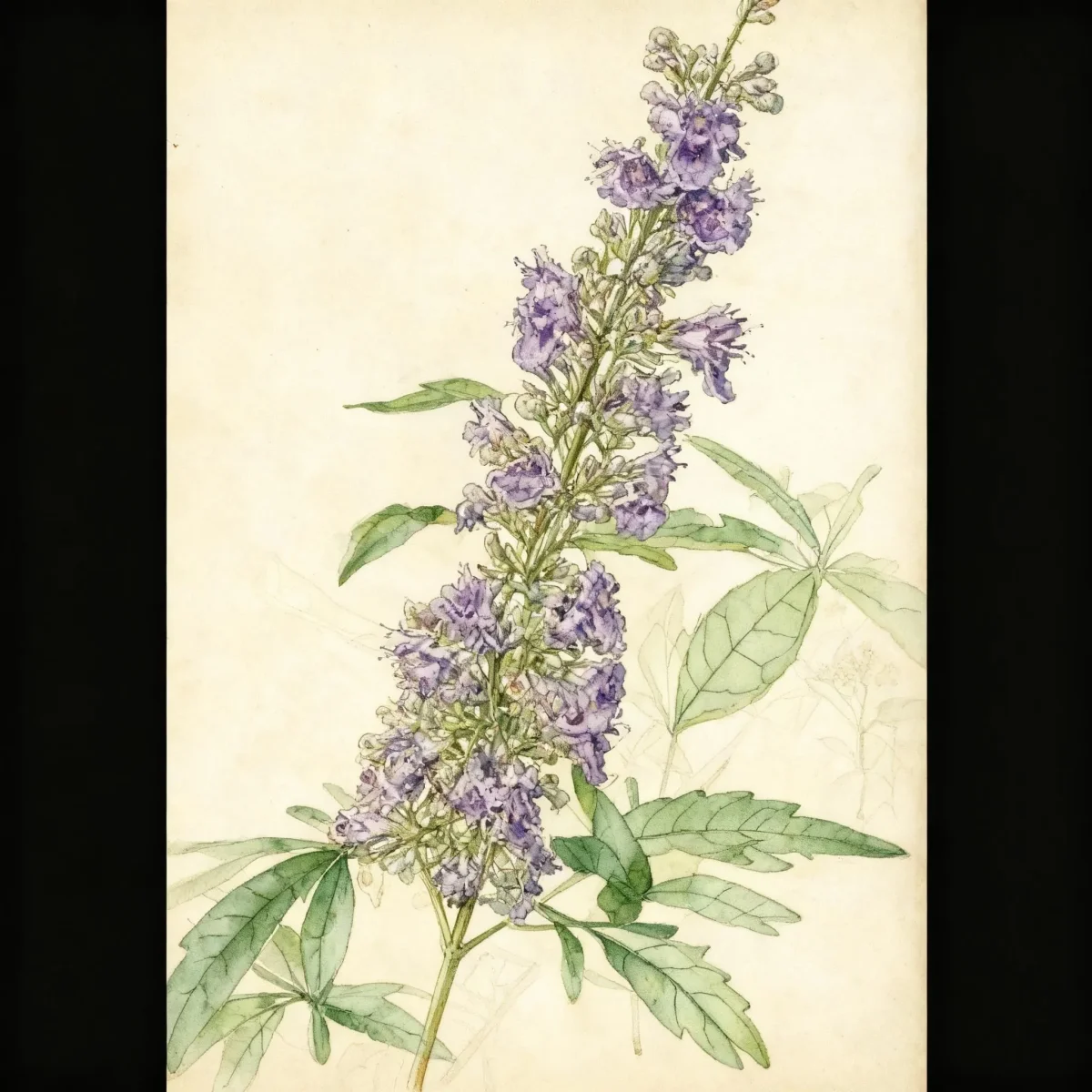
Vitex agnus-castus 'Shoal Creek', or Chastetree, offers showy, fragrant lilac blooms from July to August in full sun, valued for late summer color.

Bloom Boldly, No Matter the Season - Sweatshirt
Cozy organic cotton sweatshirt featuring our exclusive Purple Coneflower design. Perfect for gardeners who bloom year-round.
Inspired by the beautiful Chastetree
Limited first batch (50) — join the waitlist for early access
Waitlist closes Feb 15, 2026.
Complete Plant Information
Field Guide Continues
Ready for care notes, companion picks, and planting tips?
The map is just the start. The full guide below covers growth habits, seasonal performance, and landscape uses.
Overview
The Chastetree, scientifically known as Vitex agnus-castus ‘Shoal Creek’, provides a spectacular display of color late in the growing season when many other shrubs are fading. This selection is noted for its exceptionally large panicles of lilac flowers that are highly attractive to butterflies, bringing vibrant life to the summer garden. While often treated as a large shrub in warmer regions, gardeners should prepare for its tendency to die back partially or fully during harsh winters in cooler zones.
Vitex agnus-castus ‘Shoal Creek’ thrives when given plenty of heat and light, performing best in full sun conditions. Its aromatic, grayish-green foliage offers a unique texture contrast against traditional garden greenery. Its deciduous nature means pruning, even severe cuts back to the ground, will not inhibit its vigorous return and inevitable summer flowering.
For gardeners in borderline hardiness areas, understanding the shrub’s resilience is key. Even if Chastetree suffers winter dieback, its roots often survive to produce substantial new growth reaching 4 to 7 feet annually, ensuring that the prized blooms appear reliably on the new wood each year. This makes Vitex agnus-castus ‘Shoal Creek’ a reliable source of late-summer interest.
Fast Facts
- Plant Family: Lamiaceae
- Plant Type: Herbaceous perennial
- Hardiness Zones: USDA Zones 6-9
- Size at Maturity:
- Height: 4-15 ft
- Spread: 4-12 ft
- Bloom Time: July to August
- Bloom Description: Lilac
- Sun Exposure: Full sun
- Water Needs: Medium
- Maintenance Level: Medium
How to Grow
For optimal performance of Vitex agnus-castus ‘Shoal Creek’, plant it in loose, well-drained soils that receive full sun throughout the day. It prefers medium moisture; ensure consistent watering during establishment, though mature plants are somewhat drought-tolerant under medium water schedules. Gardeners north of USDA Zone 7 should seek out sheltered microclimates for planting.
Maintenance is generally straightforward, classified as medium. The most significant cultural consideration relates to winter protection in Zones 5 and 6, where the plant may experience dieback. If this occurs, prune the dead wood away in early spring. This practice is common, sometimes involving cutting the Chastetree close to the ground, similar to how crape myrtles are managed in certain regions.
Pruning does not negatively impact flowering because the beautiful lilac blooms appear exclusively on the current season’s new growth. Routine cleanup involves removing any winter-damaged stems in the spring. Be mindful of potential surface water issues, as root rot can be an occasional problem if drainage is poor.
Landscape Uses
The unique stature and dramatic late-season floral show make Chastetree an excellent specimen plant. It works beautifully in shrub borders where its height (up to 15 feet) can serve as a backdrop. Consider planting Vitex agnus-castus ‘Shoal Creek’ near foundations where its aromatic foliage can be appreciated, or integrate it into cottage gardens for a relaxed, colorful setting.
Due to its attractiveness to pollinators, this shrub is a powerhouse in butterfly gardens, providing a crucial late-summer nectar source. Its interesting foliage and striking lilac blooms also make it suitable for screening when pruned to a medium-sized specimen. When selecting companions, pair it with plants that also tolerate full sun and medium moisture, ensuring competitive watering needs are shared.
Standout Features
Flower Qualities
- Showy
- Fragrant
Noteworthy Characteristics
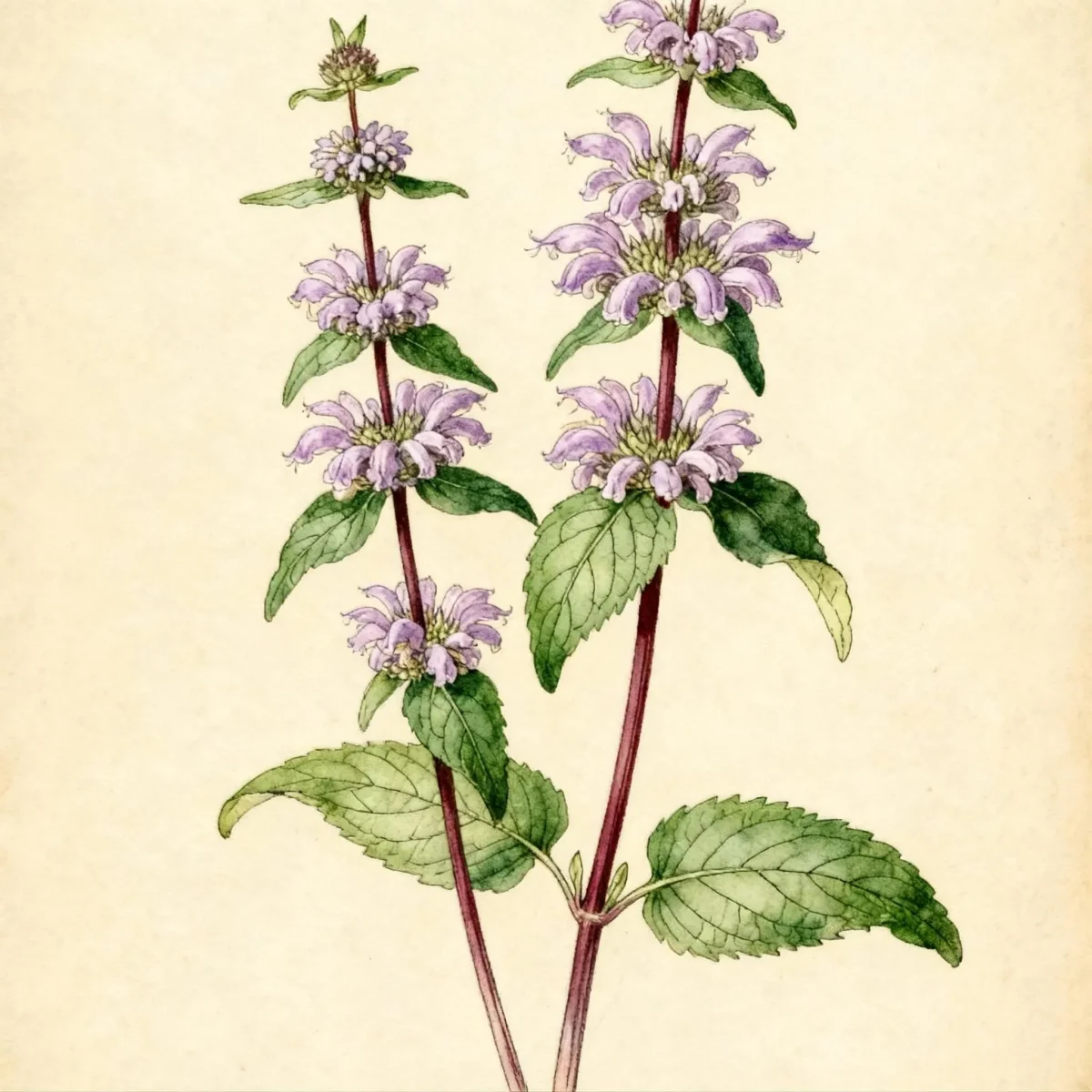
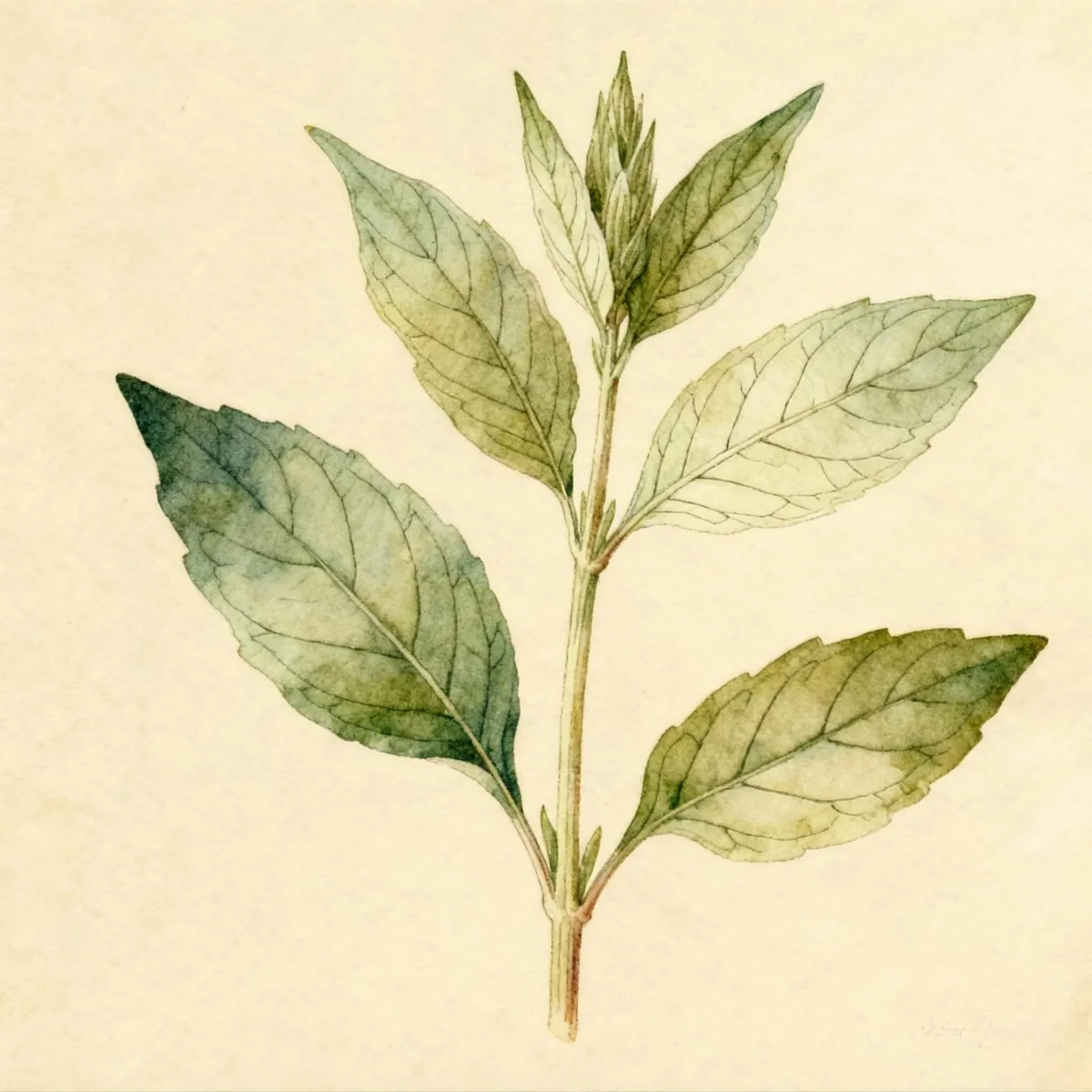
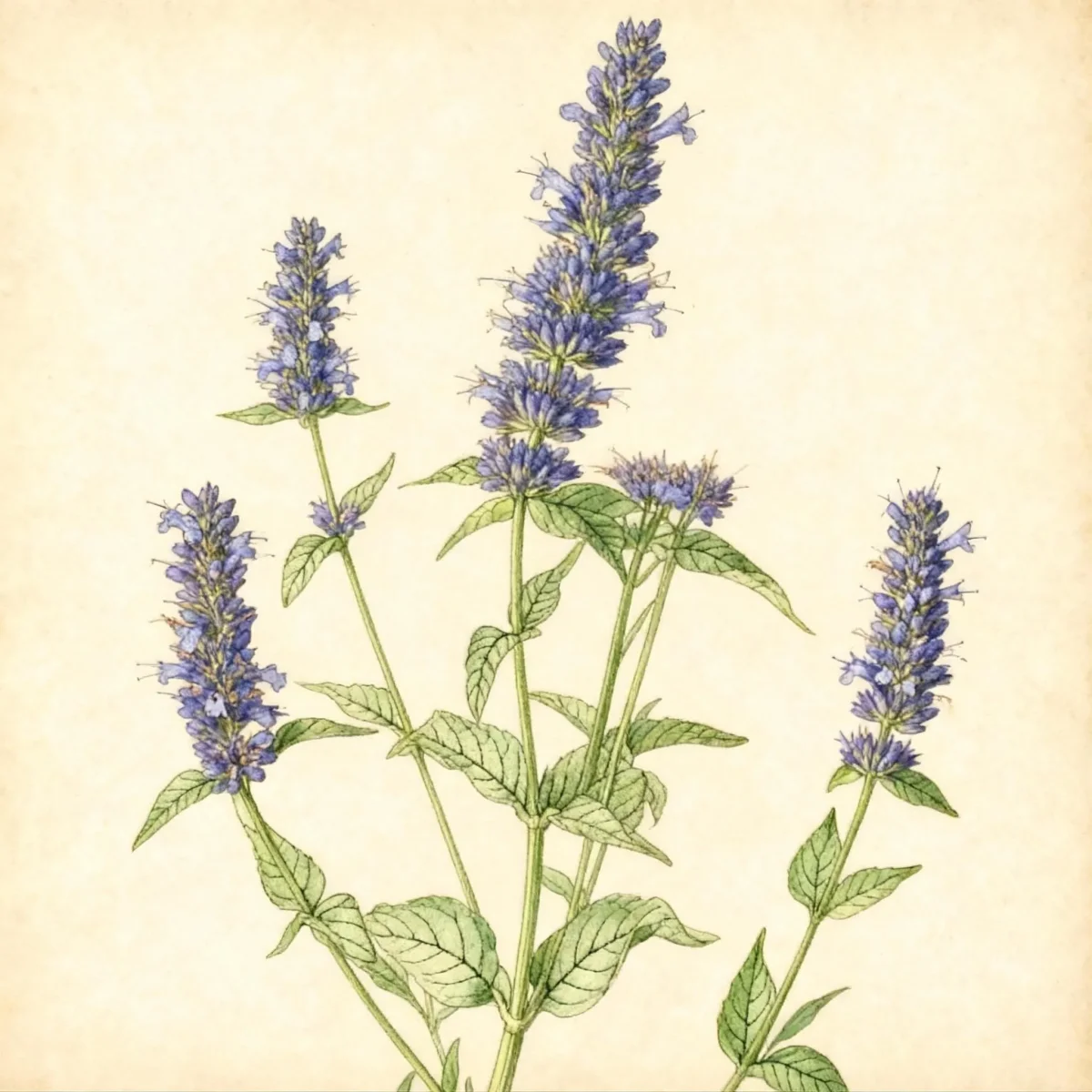
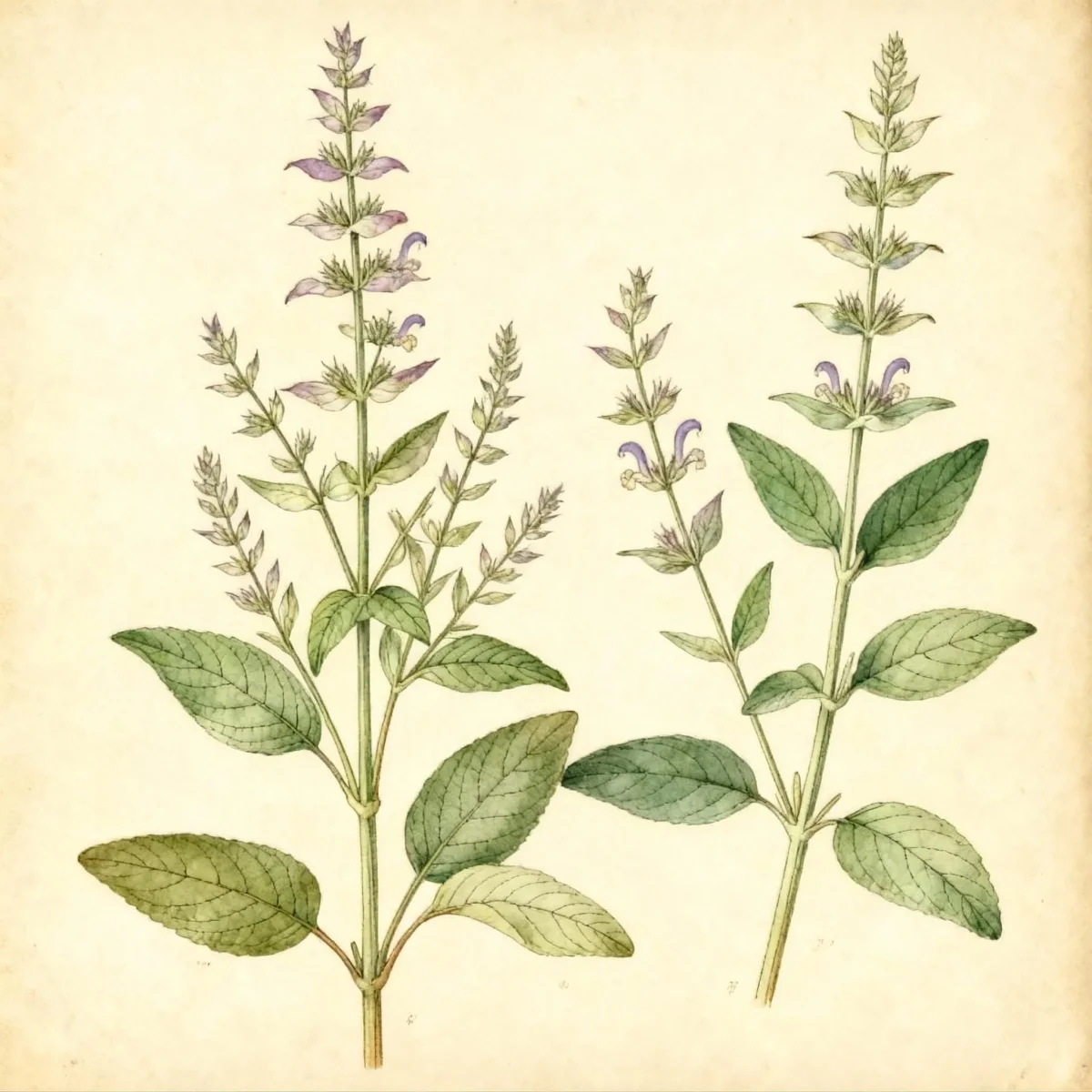
Vitex agnus-castus, commonly called chaste tree, is typically grown in warm winter climates as a vase-shaped, deciduous shrub (to 10-15’ tall) or trained as a single trunk tree to 20’ tall. In cold winter areas in USDA Zones 5-6, it is more often grown as a 3-5’ tall herbaceous perennial. Features aromatic, compound, palmate, grayish-green leaves with 5-7 lance-shaped leaflets (each leaflet to 6” long) and tiny, fragrant, lavender to pale violet flowers appearing in loose panicles (to 12” long) in mid to late summer. Flowers are quite attractive to butterflies.Genus name comes from the Latin name for V. Agnus-castus or chaste tree.‘Shoal Creek’ features lilac flowers.
Garden Companion Pairing
Selecting the right companions ensures Vitex agnus-castus ‘Shoal Creek’ looks superb throughout the season. Because it blooms in mid-to-late summer, pair it with earlier-blooming perennials like Salvia or Coneflowers that will finish flowering just as the Chastetree reaches its peak. Plants that thrive in full sun and tolerate medium soil conditions are ideal partners.
For a more tropical feel that complements the deciduous nature of the Chastetree, consider planting heat-loving companions such as ornamental grasses or hardy Hibiscus. Ensure any structural plantings near your Vitex agnus-castus ‘Shoal Creek’ also benefit from excellent drainage to prevent shared root issues.
Seasonal Care Planning
Effective care for this plant revolves around timing pruning and water management. In early spring, if winter dieback has occurred in Zones 5 or 6, cut the stems back hard to encourage vigorous new growth that will flower later that summer. Avoid heavy fertilization, which can promote excessive soft growth vulnerable to stress.
Watering needs are classified as medium. While established plants can handle minor dry spells, provide supplemental irrigation during extended hot, dry periods, especially while the shrub is establishing its root system during the first year or two after planting. Since flowering occurs on new growth, ensuring adequate moisture leading into summer supports the best bloom display from your Chastetree.
Potential Problems
While generally robust, Vitex agnus-castus ‘Shoal Creek’ can face occasional cosmetic or root issues. No serious insect or disease problems are commonly reported, but gardeners should watch for leaf spot, particularly in humid conditions where good air circulation is lacking. Ensure ample space around the plant to maximize airflow.
Root rot is an occasional problem, primarily resulting from poor site drainage. If the soil remains waterlogged, the roots of the Chastetree can suffer. Always amend native soils heavily with organic matter before planting to improve drainage swiftly and reliably. Winter hardiness remains the primary concern in the northern reaches of its recommended range, necessitating preparation for potential winter pruning.
Frequently Asked Questions
What hardiness zones is Chastetree suitable for?
The Chastetree, or Vitex agnus-castus ‘Shoal Creek’, is reliably hardy in USDA Zones 6 through 9.
How large does Chastetree grow?
Maturity size for this cultivar typically ranges between 4 to 15 feet in height and spreads 4 to 12 feet wide.
What sun exposure does Vitex agnus-castus ‘Shoal Creek’ need?
This plant requires full sun exposure to achieve its best flowering and growth habit.
When does Chastetree bloom?
The Chastetree produces its lovely lilac blooms from July through August.
Conclusion
The Vitex agnus-castus ‘Shoal Creek’ is an invaluable landscape player, providing vibrant, fragrant, lilac flowers deep into the summer when few others offer color. Its tolerance for heat and its resilience, even after winter pruning, make it a dependable shrub or small tree. Before planting, verify that your location falls within USDA Zones 6-9 and ensure the site offers excellent drainage for long-term success with your Chastetree.