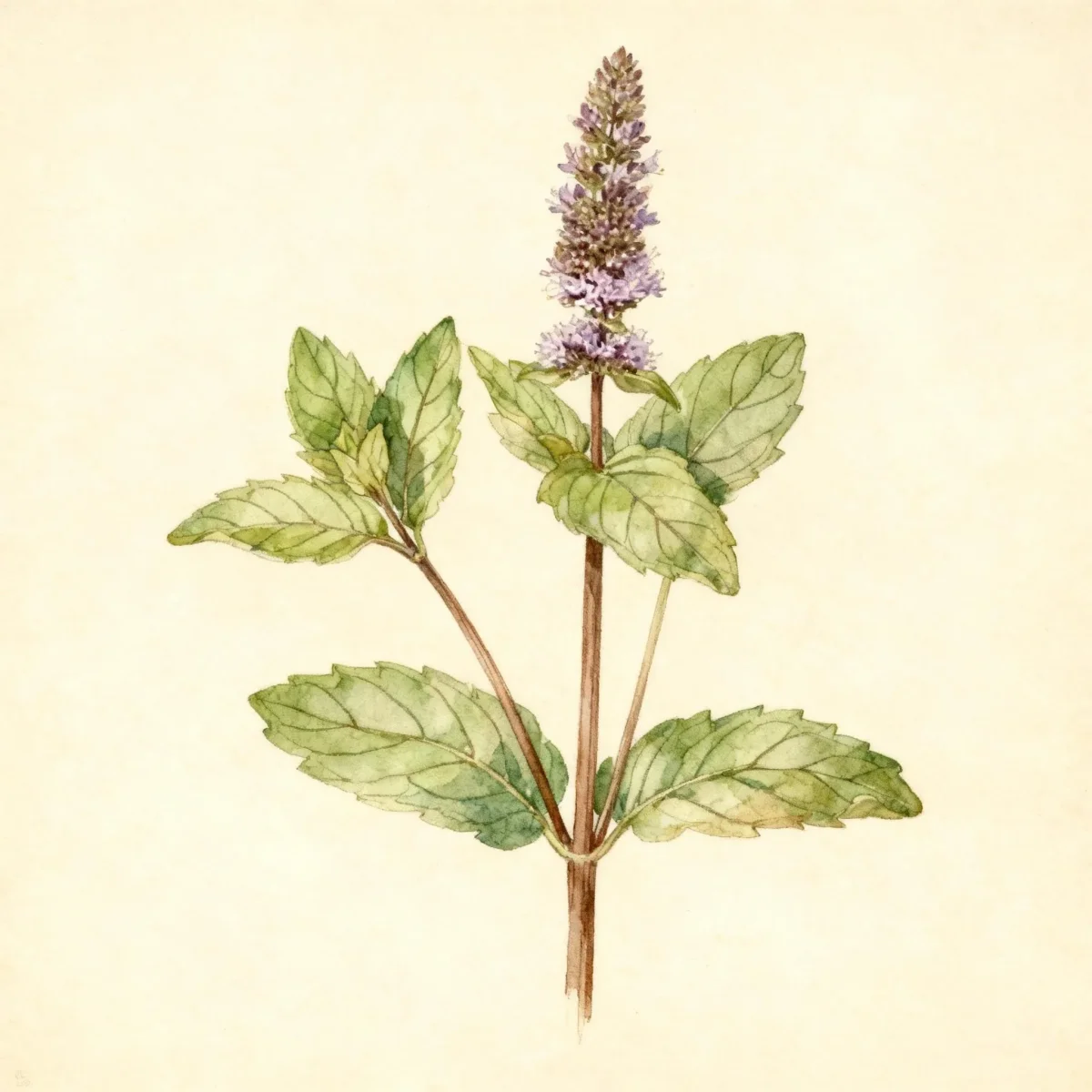
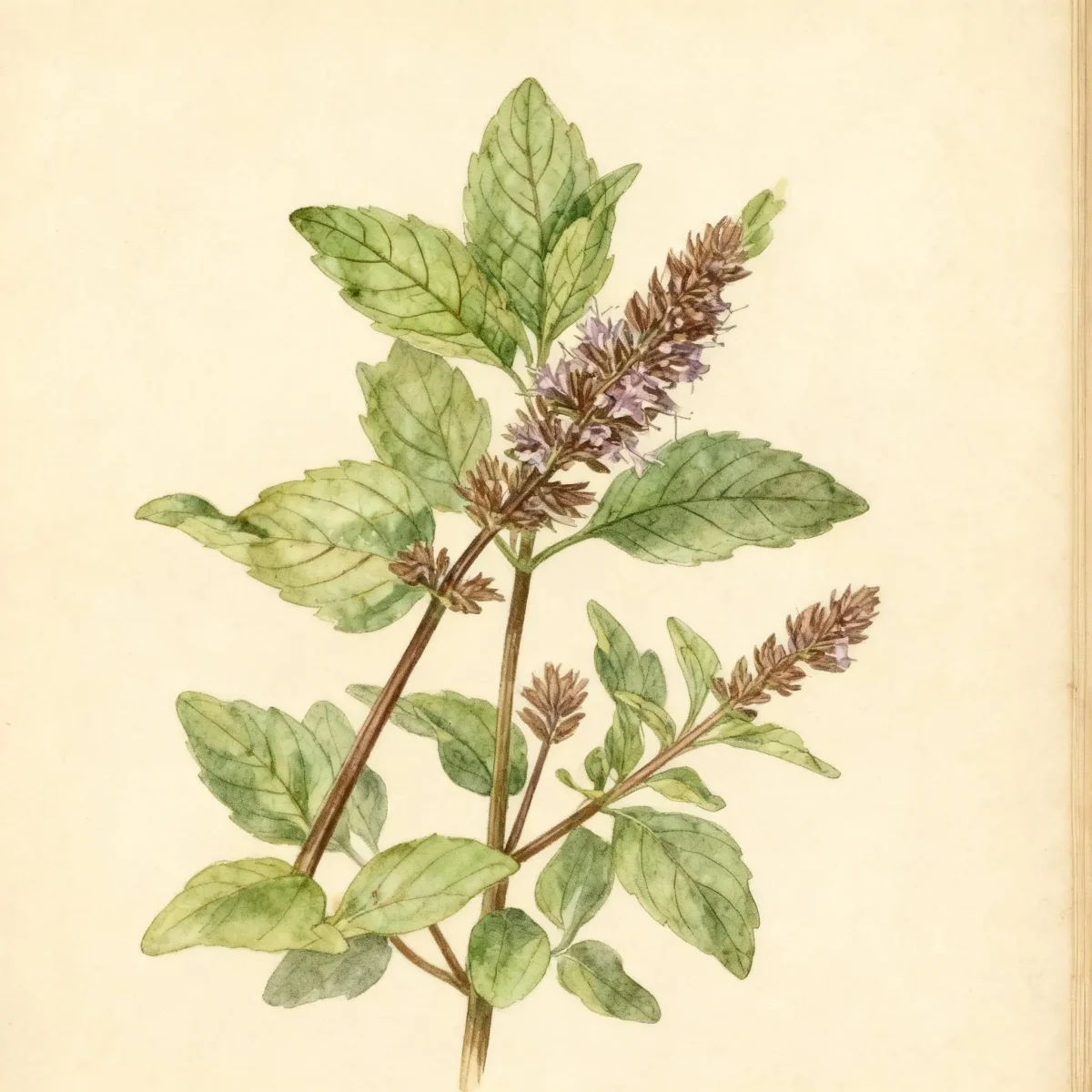
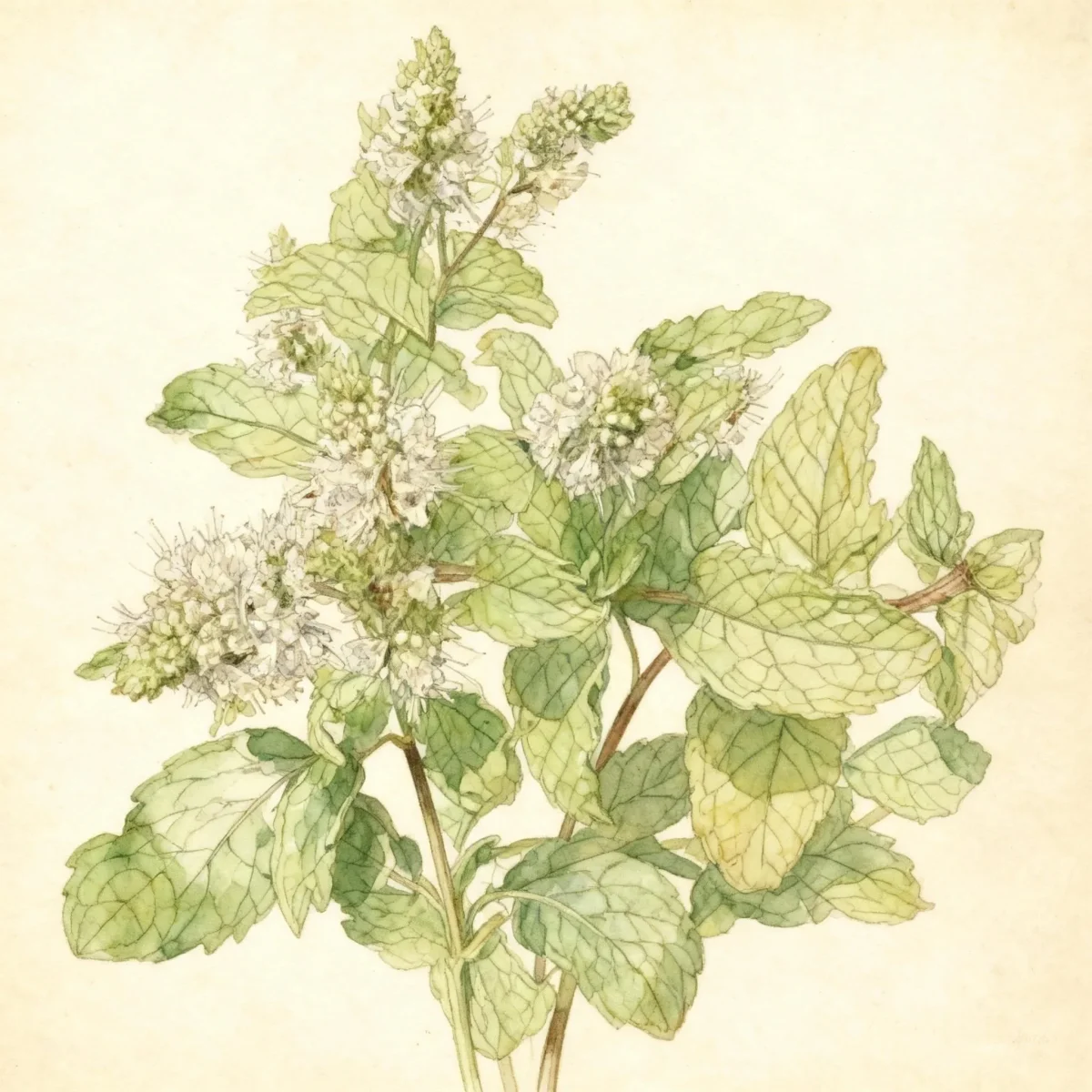
Spearmint (Mentha spicata 'Kentucky Colonel')
Mentha spicata 'Kentucky Colonel' offers superior Spearmint flavor and fragrance, thriving as a perennial herb in moist soils.

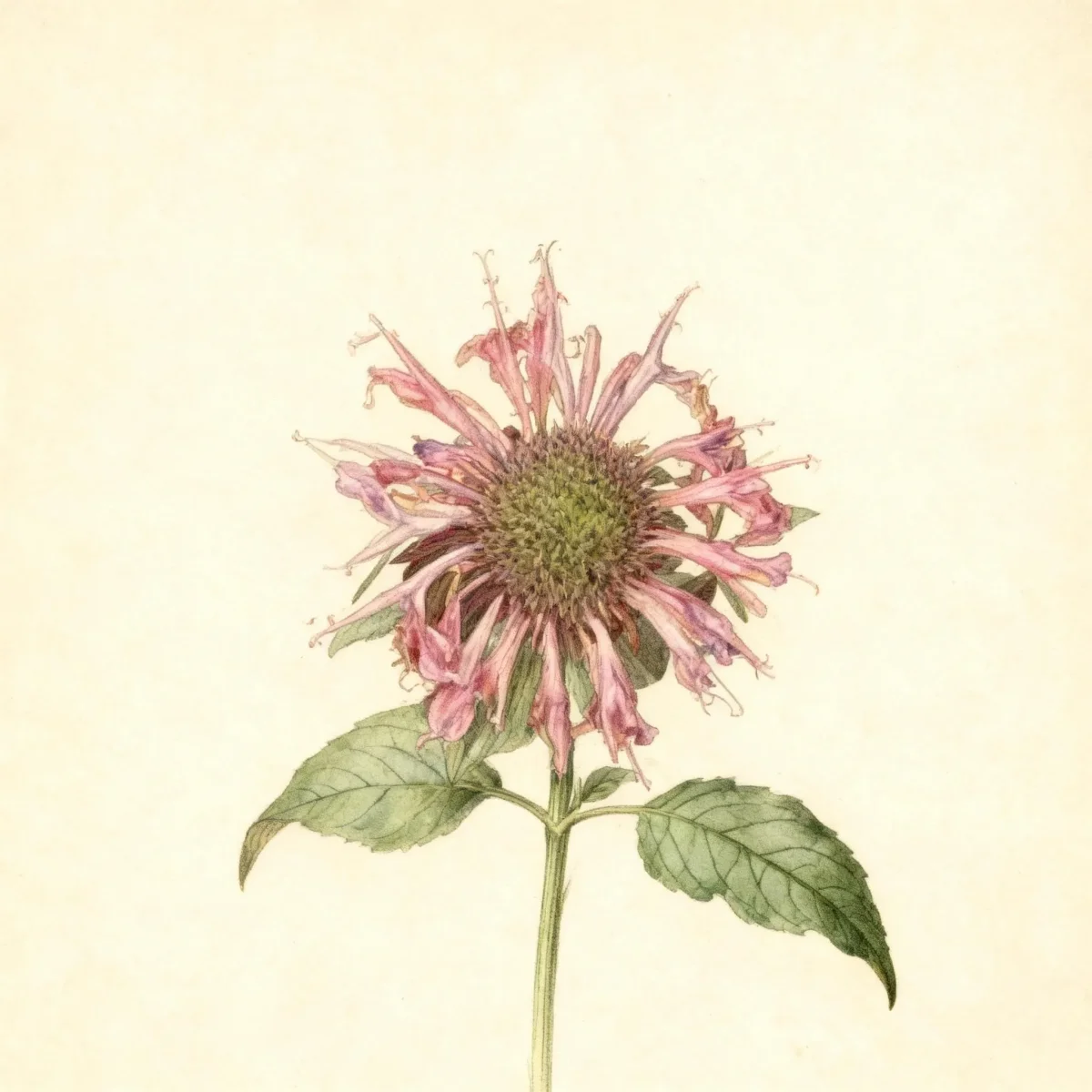
Bloom Boldly, No Matter the Season - Sweatshirt
Cozy organic cotton sweatshirt featuring our exclusive Purple Coneflower design. Perfect for gardeners who bloom year-round.
Inspired by the beautiful Spearmint
Limited first batch (50) — join the waitlist for early access
Waitlist closes Feb 15, 2026.
Complete Plant Information
Field Guide Continues
Ready for care notes, companion picks, and planting tips?
The map is just the start. The full guide below covers growth habits, seasonal performance, and landscape uses.
Overview
Mentha spicata ‘Kentucky Colonel’ is a highly valued herbaceous perennial, primarily recognized for its intense, true spearmint flavor and strong fragrance. This rhizomatous variety spreads readily, making it an excellent candidate for ground cover in informal settings where its vigorous nature can be utilized. Gardeners prize this specific cultivar, Mentha spicata ‘Kentucky Colonel’, over common species for its superior foliage quality.
As an upright perennial, it typically reaches heights of 1 to 2 feet, forming dense patches of dark green, ovate leaves perfect for culinary use. While it offers visual interest with its summer spikes of lilac to white flowers, its primary appeal remains functional: providing a continuous supply of authentic Spearmint for teas, salads, and garnishes.
Successful cultivation of Mentha spicata ‘Kentucky Colonel’ relies on providing adequate moisture, as it prefers rich, moist soils rather than dry conditions. Despite its aggressive spreading habit via underground runners, this mint variety offers significant aesthetic and practical benefits when given the right, contained environment.
Fast Facts
- Plant Family: Lamiaceae
- Plant Type: Herbaceous perennial
- Hardiness Zones: USDA Zones 5-9
- Size at Maturity:
- Height: 1-2 ft
- Spread: 1-2 ft
- Bloom Time: July to August
- Bloom Description: Lilac to pink to white
- Sun Exposure: Full sun to part shade
- Water Needs: Medium to wet
- Maintenance Level: Medium
How to Grow
The best time to establish Spearmint is in the spring after the danger of hard frost has passed. Plant Mentha spicata ‘Kentucky Colonel’ in locations receiving full sun to partial shade, ensuring the soil is rich and consistently moist. While it adapts to many soil types, it absolutely requires moisture; dry soils are poorly tolerated by this variety.
Watering should be consistent, aiming for medium to wet soil conditions, especially during dry spells. Fertilization is generally unnecessary if the soil is already rich, as excessive nutrients can sometimes dilute the herb’s essential oils and flavor profile. Pruning is a key maintenance task; large plantings should be sheared after the summer bloom period finishes to encourage robust vegetative growth and keep the plant tidy.
Because Mentha spicata ‘Kentucky Colonel’ spreads aggressively via rhizomes, physical barriers are highly recommended if planting near borders or formal beds. Sink plastic or metal edging deep into the soil around the desired area before planting to effectively restrain the spread if containment is required.
Landscape Uses
The vigorous, spreading nature of this Spearmint makes it an exceptional candidate for use as a naturalized ground cover in moist, informal areas. Consider planting it along the margins of pond features or in low, open woodland settings where its texture and density are appreciated over formal precision. For culinary gardeners, dedicated herb gardens are the ideal location, perhaps in raised beds or large containers to ensure containment.
When using Mentha spicata ‘Kentucky Colonel’ as a ground cover, it thrives alongside other moisture-loving perennials that appreciate similar light levels, such as large hostas or astilbes in partial shade. In full sun locations with consistent wet soil, pair it with bog-tolerant iris varieties or daylilies for visual contrast early in the season before the mint fully fleshes out. It adds fragrant texture spilling over low retaining walls or down slight inclines.
Standout Features
Flower Qualities
- Showy
Noteworthy Characteristics
Mentha spicata, commonly called spearmint, is a rhizomatous, upright perennial which is most commonly grown as a culinary herb and/or ground cover. It typically grows to 2’ tall and spreads by rhizomes to form an attractive ground cover. It features ovate to lanceolate dark green leaves (to 3” long) and terminal spikes of small lilac to pink to white flowers in summer. Leaves have a strong spearmint fragrance and taste, and may be used to flavor teas, in salads, as a garnish or in pot pourris.
Tolerances
- Rabbit
- Deer
- Wet Soil
Potential Problems
Mentha spicata ‘Kentucky Colonel’ generally exhibits a strong resistance to serious insect or disease problems, which contributes to its low-fuss nature outside of its spreading habit. The primary management concern is its potential to be an aggressive spreader. If left unchecked, rhizomes will quickly colonize neighboring soil, potentially crowding out less vigorous plants. To prevent unwanted expansion, ensure you implement soil barriers or commit to regular division of the clumps every few years.
Frequently Asked Questions
What hardiness zones is Spearmint suitable for?
This variety, Mentha spicata ‘Kentucky Colonel’, is suitable for USDA Zones 5 through 9, offering reliable perennial survival across a wide temperate range.
How large does Spearmint grow?
Mentha spicata ‘Kentucky Colonel’ typically matures to a height between 1 and 2 feet tall, with a similar spread range of 1 to 2 feet wide when left unrestricted.
What sun exposure does Mentha spicata ‘Kentucky Colonel’ need?
This mint thrives best when positioned in an area that receives full sun to part shade, requiring consistent moisture regardless of light level.
When does Spearmint bloom?
The flowering period for this Spearmint usually occurs mid-summer, specifically from July through August, producing small spikes of lilac, pink, or white blossoms.
Conclusion
The robust flavor and excellent foliage of Mentha spicata ‘Kentucky Colonel’ make it an essential addition to any herb collection or moist landscape area. Whether you utilize it as a highly fragrant ground cover or harvest its leaves fresh, this strong-performing perennial delivers consistent quality. Before planting, verify that your growing region falls within USDA Zones 5-9 and confirm you can provide the necessary moisture and containment for successful, long-term enjoyment of your Spearmint.
Companion Planting
Choosing appropriate neighbors is crucial when growing aggressive herbs like Mentha spicata ‘Kentucky Colonel’. Due to its preference for medium to wet soils, pair it with other moisture-loving, non-invasive plants. In sunny spots, attempt planting near Joe Pye Weed (Eutrochium purpureum) or Cardinal Flower (Lobelia cardinalis) whose water needs align perfectly.
In shadier, moist spots, consider planting less vigorous shade perennials nearby, ensuring the mint is contained so it doesn’t overwhelm them. Good textural companions include ferns that tolerate damp roots, such as Cinnamon Fern, or moisture-loving sedges that offer fine-textured contrast against the broad leaves of the Spearmint.
Propagation Tips
Propagation of Mentha spicata ‘Kentucky Colonel’ is exceptionally easy, as it readily spreads via its underground rhizomes. The most successful method for traditional gardeners is division. In early spring or early fall, carefully dig up established clumps of the mint. You will notice distinct runners (rhizomes) spreading outwards; use a sharp spade or knife to cleanly sever sections containing several leafy shoots and healthy white roots.
These divided sections can immediately be replanted in their new moist locations. Alternatively, stem tip cuttings taken during the growing season root quickly when placed directly into moist soil or water. This rapid propagation ensures that if you want to move your Mentha spicata ‘Kentucky Colonel’ or share it with friends, you can do so with less effort than most other perennials require.