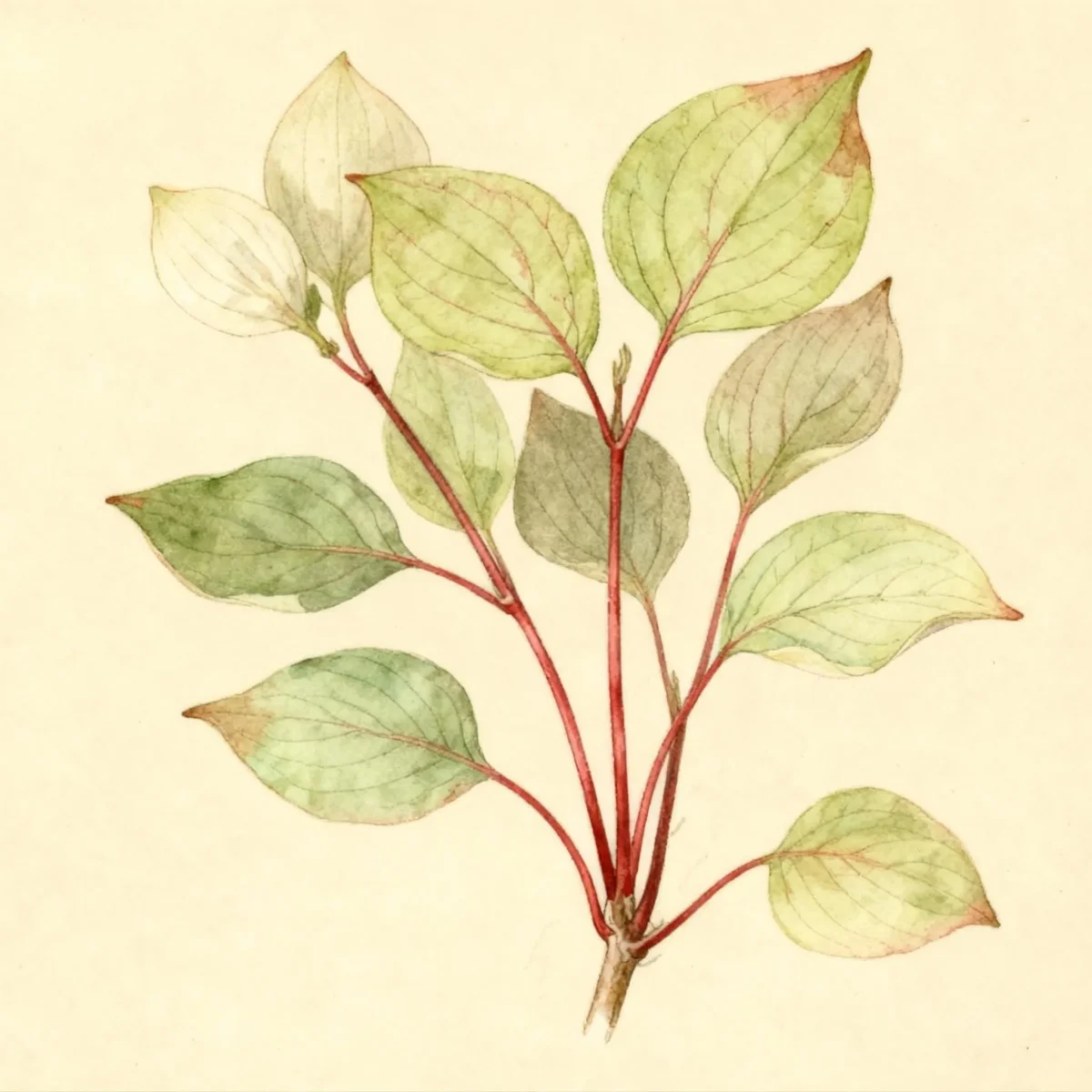
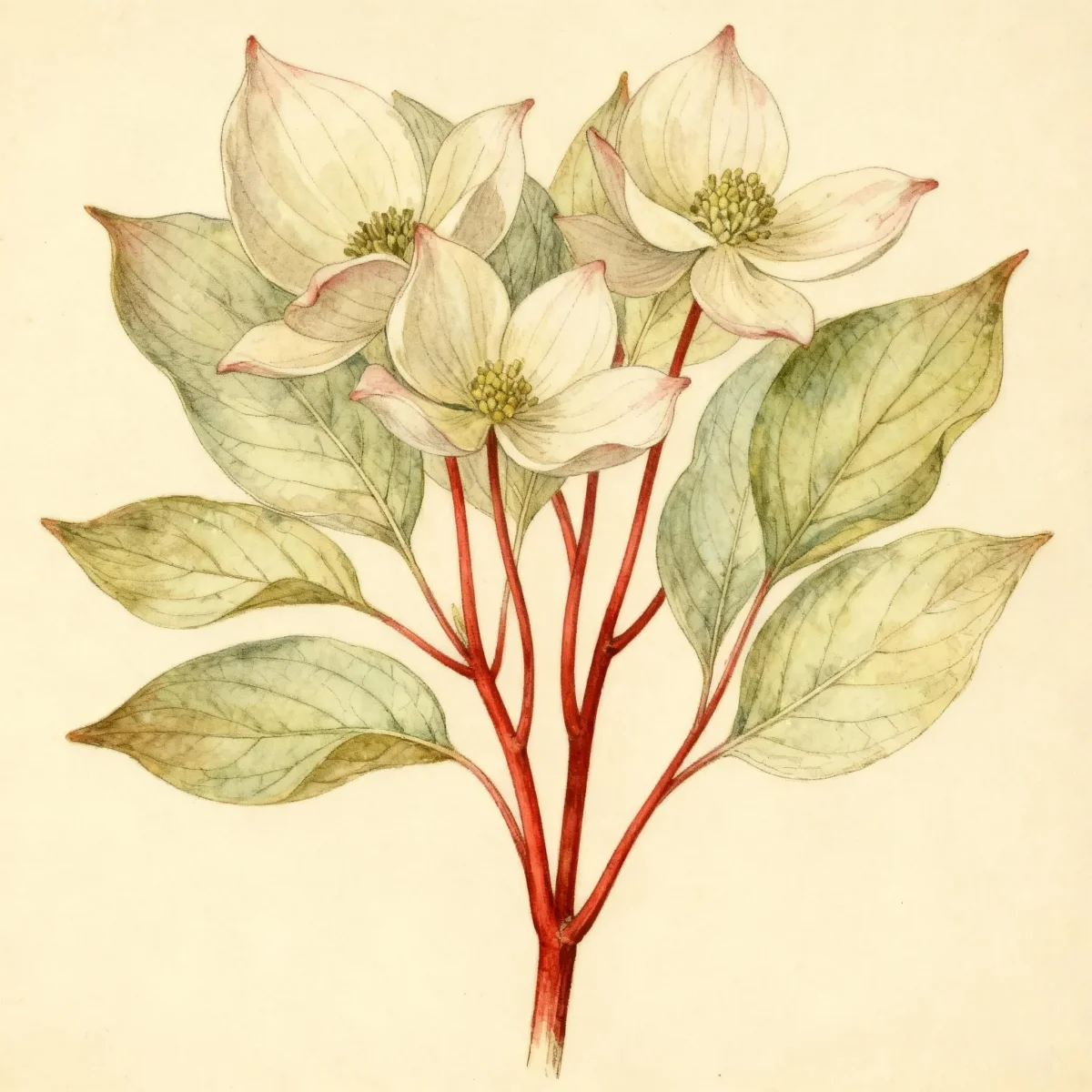
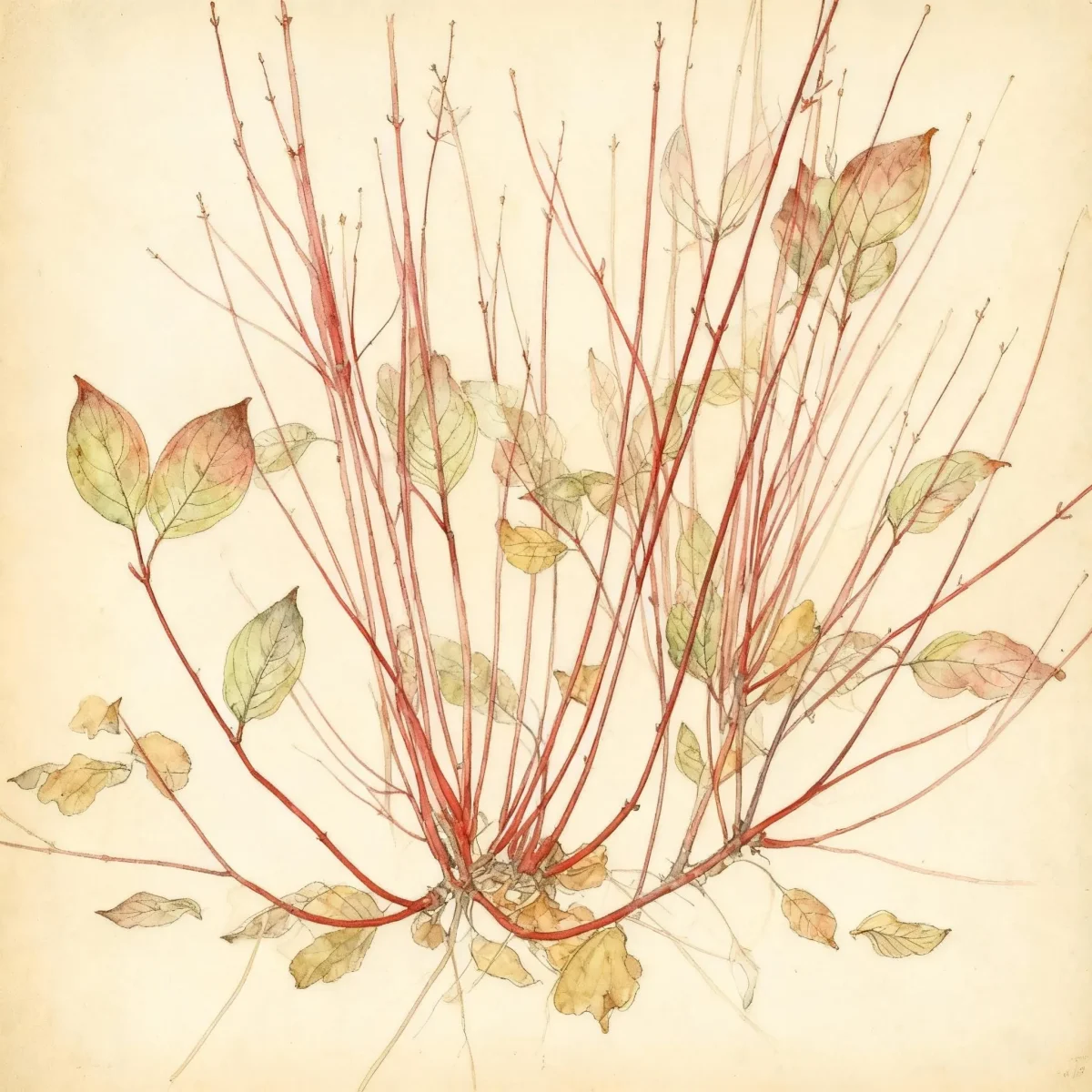
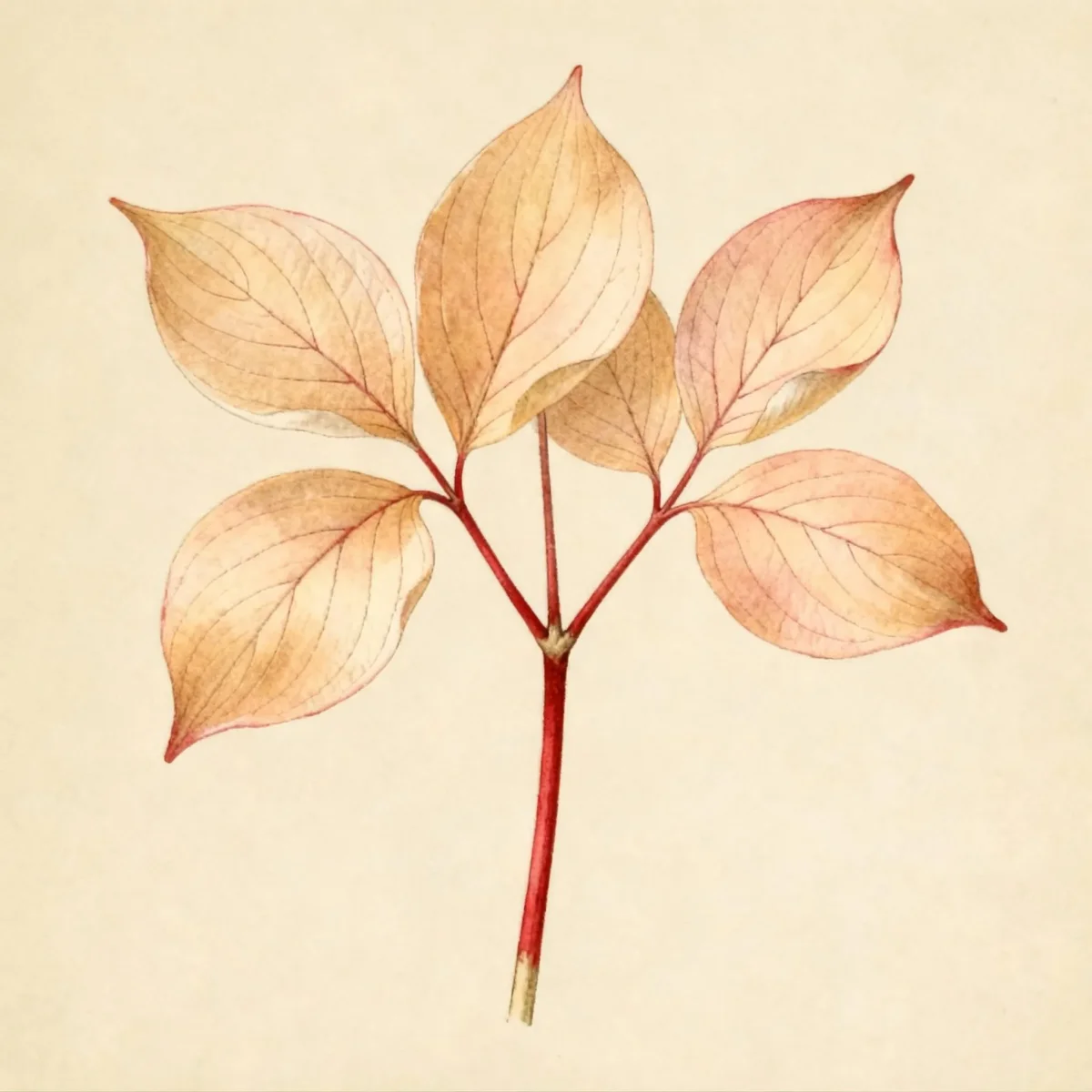
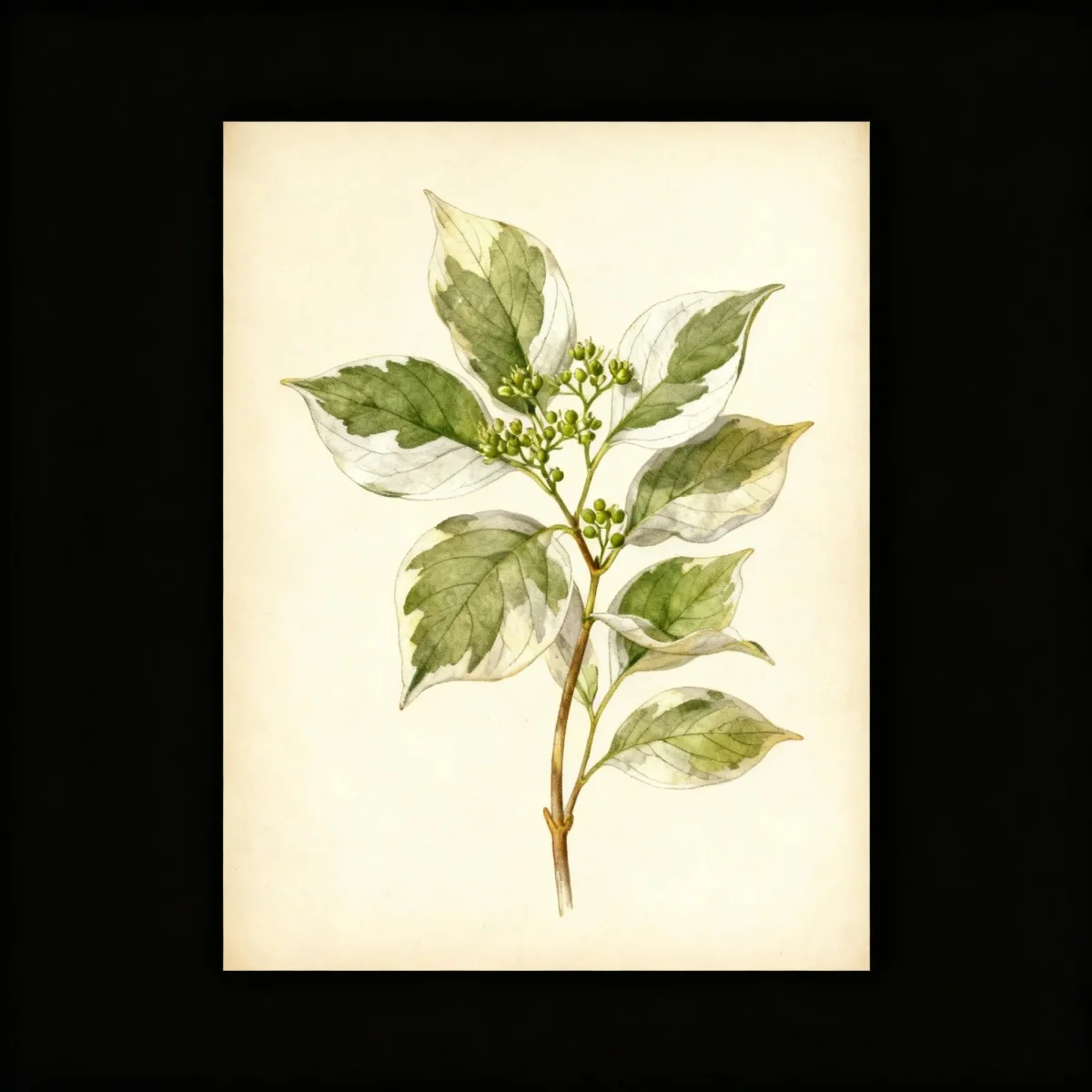
Red twig dogwood (Cornus sericea 'Hedgerows Gold')
Cornus sericea 'Hedgerows Gold' offers striking variegated foliage and bright red winter stems, ideal for wet areas and hedges.
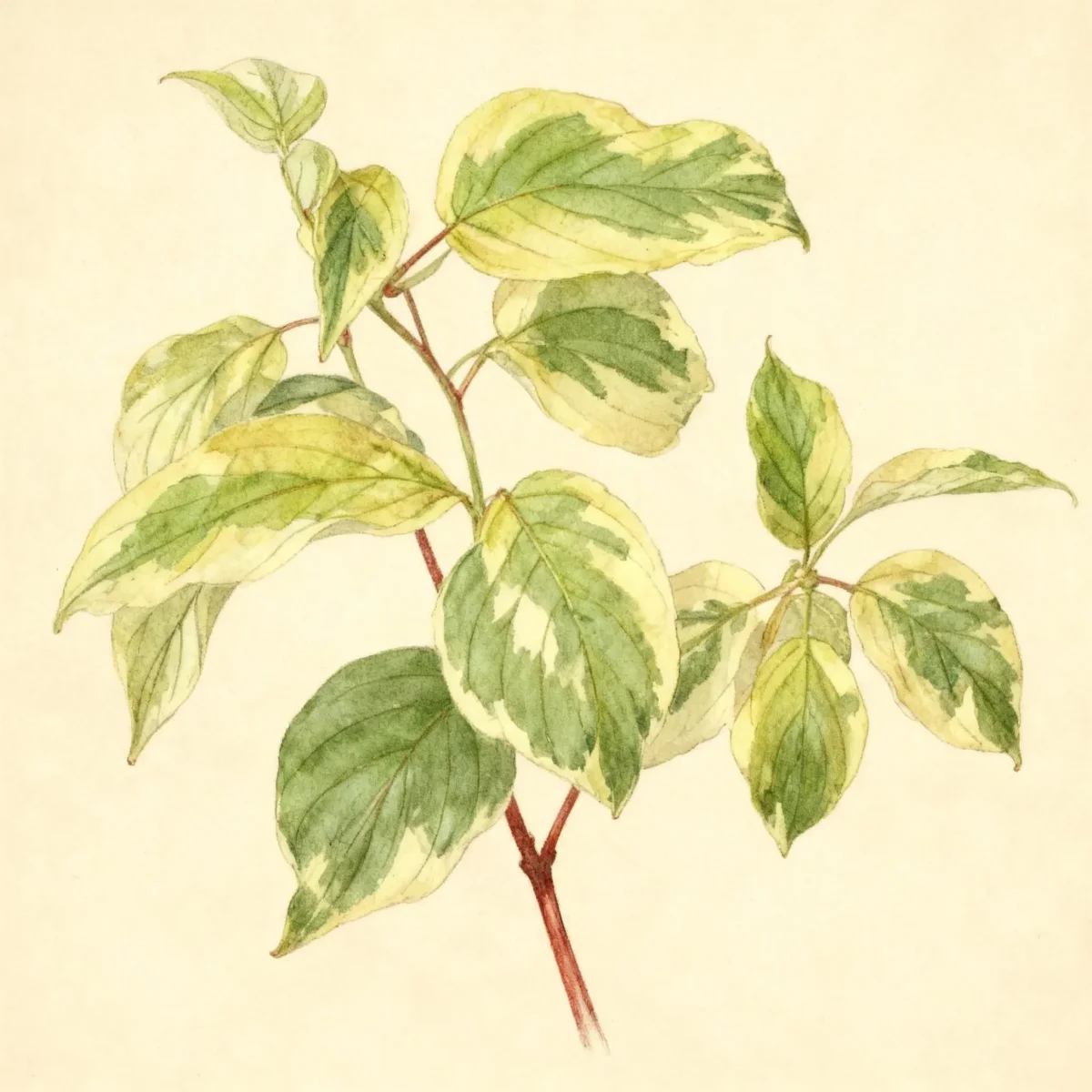

Bloom Boldly, No Matter the Season - Sweatshirt
Cozy organic cotton sweatshirt featuring our exclusive Purple Coneflower design. Perfect for gardeners who bloom year-round.
Inspired by the beautiful Red twig dogwood
Limited first batch (50) — join the waitlist for early access
Waitlist closes Feb 15, 2026.
Complete Plant Information
Field Guide Continues
Ready for care notes, companion picks, and planting tips?
The map is just the start. The full guide below covers growth habits, seasonal performance, and landscape uses.
Overview
The magnificent Cornus sericea ‘Hedgerows Gold’, a standout cultivar of the Red twig dogwood, provides exceptional multi-season interest that brightens even the dullest winter landscapes. This suckering shrub is highly valuable for its bold, variegated foliage featuring irregular bright yellow margins set against medium green centers. Functionally, this plant excels in moist environments, stabilizing soil along banks and functioning perfectly in rain gardens. The vibrant stems mature to a dark, attractive red color, ensuring high ornamental value long after the leaves drop.
Fast Facts
- Plant Family: Cornaceae
- Plant Type: Deciduous shrub
- Hardiness Zones: USDA Zones 3-8
- Size at Maturity:
- Height: 5-8 ft
- Spread: 5-8 ft
- Bloom Time: May to June
- Bloom Description: White
- Sun Exposure: Full sun to part shade
- Water Needs: Medium to wet
- Maintenance Level: Medium
How to Grow
Plant Cornus sericea ‘Hedgerows Gold’ during the dormant season, ideally in spring or fall, ensuring the location provides organically rich, fertile soil. This cultivar thrives best when situated where it receives consistent moisture, demonstrating excellent tolerance for swampy or boggy conditions. While adaptable, ample sun exposure enhances both leaf variegation and stem color significantly.
Watering should be consistent to keep the soil medium to wet, especially during establishment, leveraging its natural preference for moist environments. Fertilization is rarely required in rich soils. Gardeners who desire the brightest stem color should prioritize pruning. To promote the growth of new, brightly colored stems on your Red twig dogwood, remove 20-25% of the oldest wood in early spring each year.
A more drastic renewal approach involves coppicing all stems down to 8 inches every two to three years in early spring. Be aware that heavy pruning near bloom time will sacrifice the small white flowers, though this is usually an acceptable trade-off for better winter structure. Avoid planting this variety in hot, humid climates south of USDA Zone 7, as stress can increase its vulnerability to cankers.
Landscape Uses
Cornus sericea ‘Hedgerows Gold’ is incredibly versatile, performing well as an excellent specimen plant or when densely massed to showcase its striking foliage and winter stems. It is highly effective when used in shrub borders; pair it with dark green evergreens to make the yellow margins and red twigs pop during winter. Its tolerance for wet conditions makes it a superstar for naturalistic plantings along streams, ponds, or in low spots where spreading roots actively combat soil erosion.
This vigorous, suckering shrub is an ideal choice for creating dense property line screens or formal hedges. When used as a hedge, consistent pruning can control its mature size within the 5 to 8-foot range. Allowing it to naturalize slightly in moist soils encourages the thicket formation that provides structure and wildlife cover.
Standout Features
Flower Qualities
- Showy
Noteworthy Characteristics
‘Hedgerows Gold’ is a redtwig dogwood primarily selected for its bold variegated foliage and dark red winter stems, maturing to about 5-8 feet high and wide. Its medium green leaves feature irregular bright yellow margins, which transition into appealing pink and red shades in the autumn before dropping. The genus name Cornus refers to the strength and density of the wood, while the cultivar name “Gold” specifically references the leaf margins, not the stem color.
Tolerances
- Deer
- Erosion
- Clay Soil
- Wet Soil
Potential Problems
This Red twig dogwood variety is susceptible to several fungal issues, including leaf and twig blights, various leaf spots, and canker, particularly if plants become stressed in heat or humidity. Occasional insect pests to watch for include scale insects, leaf miners, and bagworms. Promote good air circulation through proper pruning techniques to help ward off blight. Inspect stems closely during the dormant season to catch early signs of canker.
Frequently Asked Questions
What hardiness zones is Red twig dogwood suitable for?
Cornus sericea ‘Hedgerows Gold’ is vigorous and reliably hardy across USDA Zones 3 through 8.
How large does Cornus sericea ‘Hedgerows Gold’ grow?
This cultivar typically matures to a medium size, reaching between 5 to 8 feet in height and spreading 5 to 8 feet wide without intervention.
When does Cornus sericea ‘Hedgerows Gold’ bloom?
The shrub produces small, white flowers starting in late spring, generally blooming between May and June.
What sun exposure does Red twig dogwood need?
For the best variegation and stem color, plant this shrub where it receives full sun, though it tolerates partial shade conditions.
Conclusion
The 1Cornus sericea ‘Hedgerows Gold’ offers a unique combination of vibrant color throughout the year, making it an indispensable choice for winter interest and wet site stabilization. Its variegated leaves and brilliant red stems provide structure when most gardens are dormant. Before purchasing, ensure your site offers the consistently moist to wet soil conditions this Red twig dogwood prefers, and plan for minimal spring pruning to maintain peak stem display.
Companion Planting
When situating Cornus sericea ‘Hedgerows Gold’, consider planting partners that share its love for moist soil and contrast beautifully with its colors. Excellent companions include moisture-loving evergreens like certain varieties of upright holly or dark green rhododendrons, whose deep hues make the dogwood’s yellow margins and red stems highly visible. For spring color, try pairing it with irises or marsh marigolds, which thrive in similar damp conditions.
Wildlife Benefits
Although the small white flowers are not the main attraction, they do provide early-season nectar. The primary wildlife benefit comes from the summer fruit (whitish drupes), which are attractive to various bird species, offering them a late-season food source. Furthermore, the dense, suckering habit of the Red twig dogwood creates excellent thickets, offering superior cover and nesting opportunities for small birds and other beneficial wildlife throughout the year.