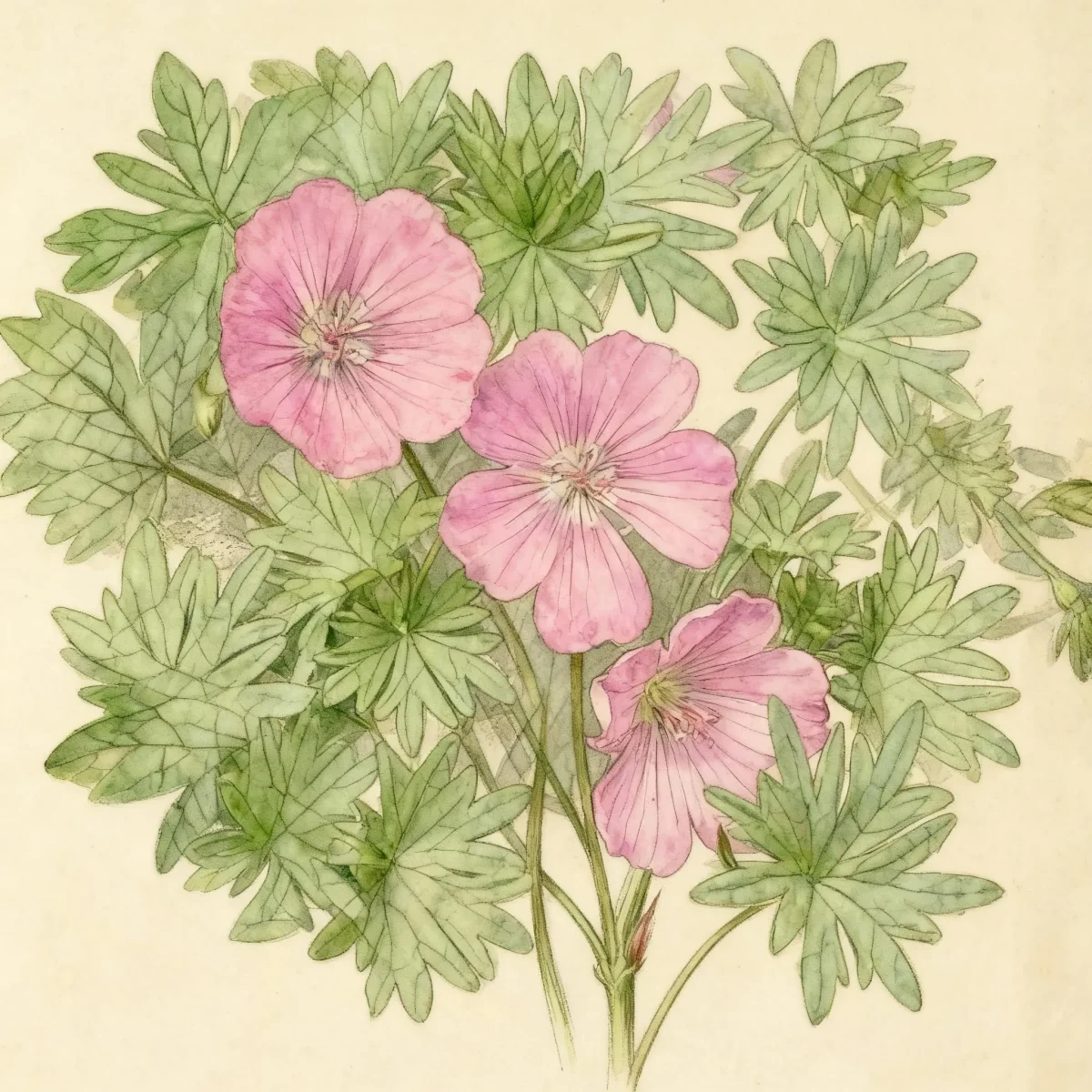
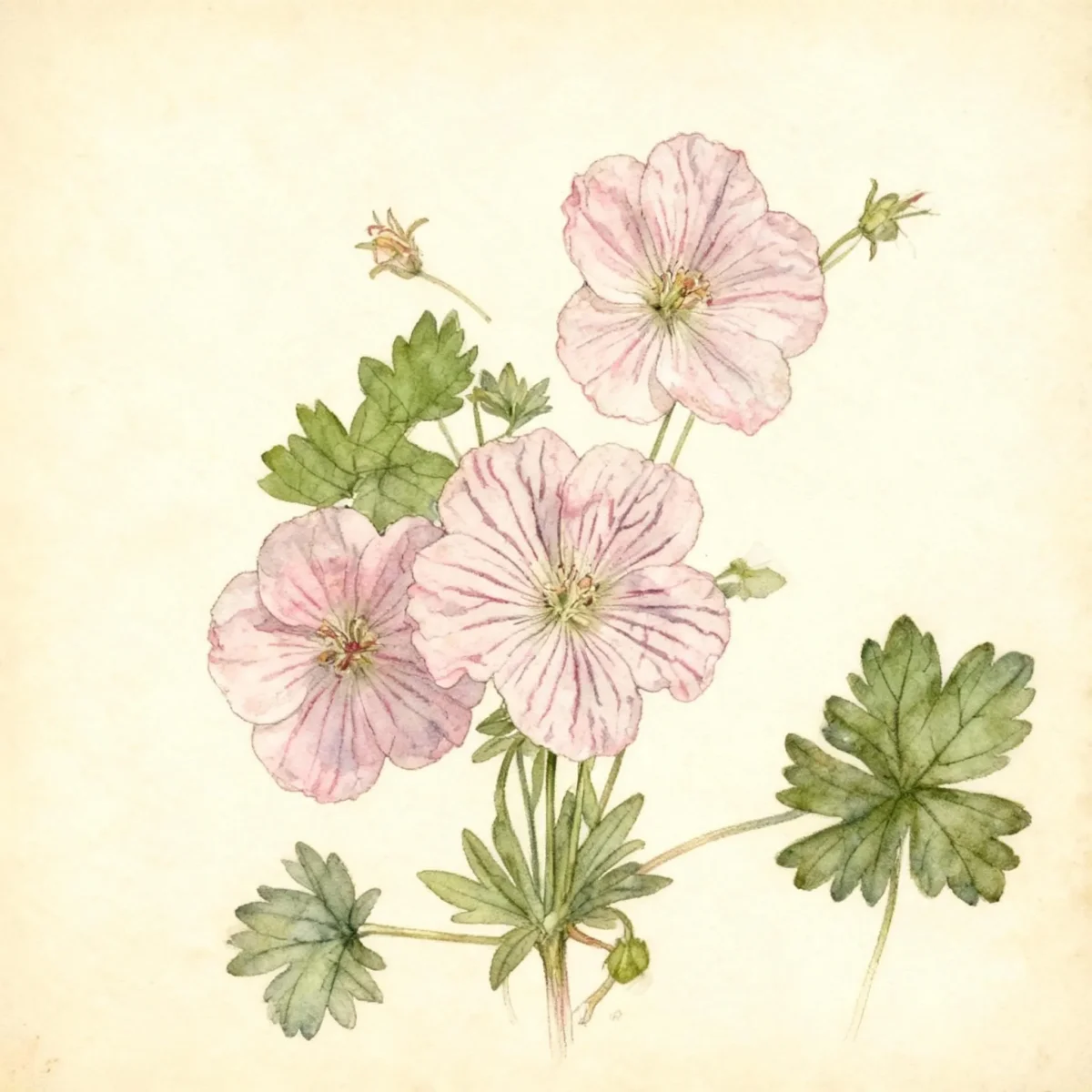
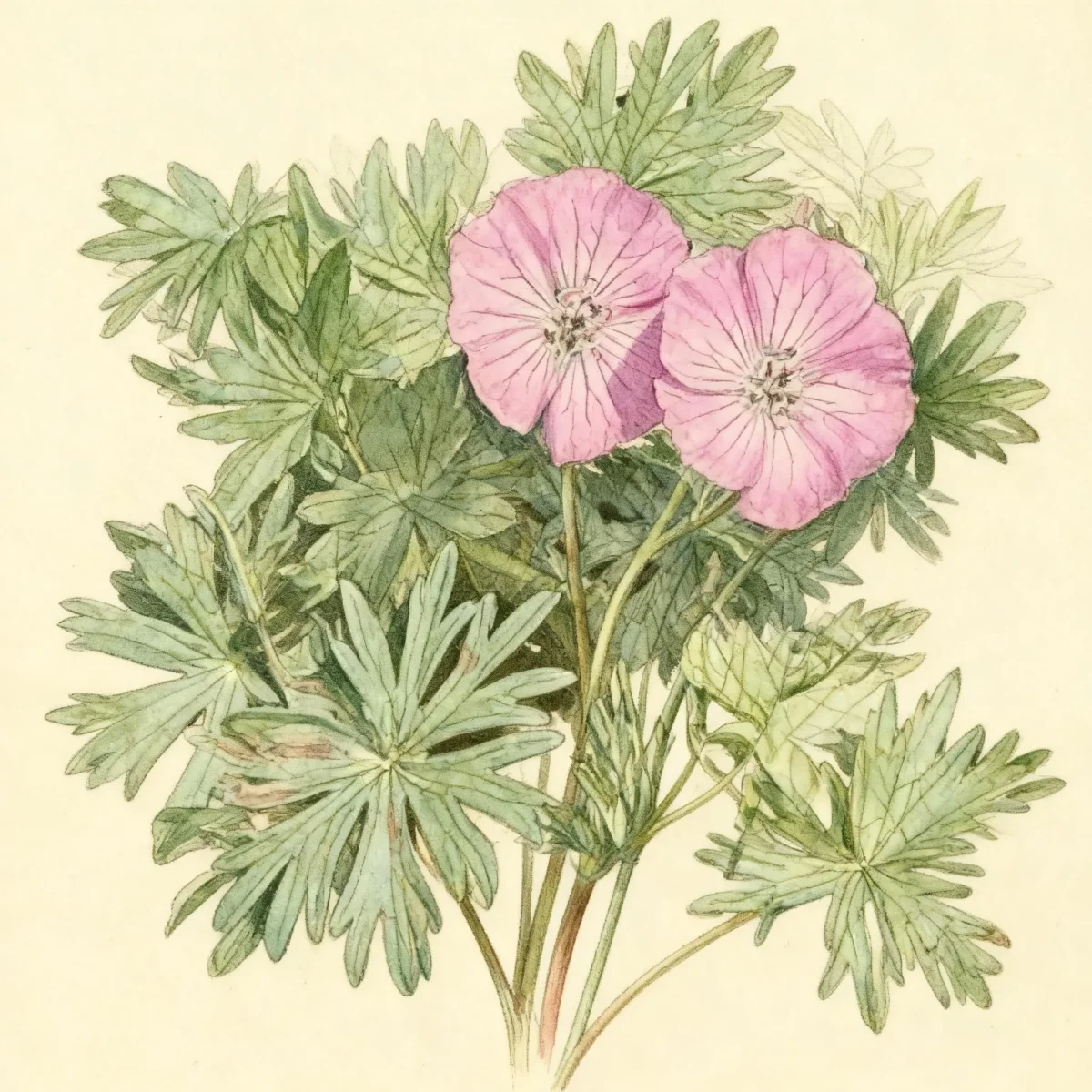
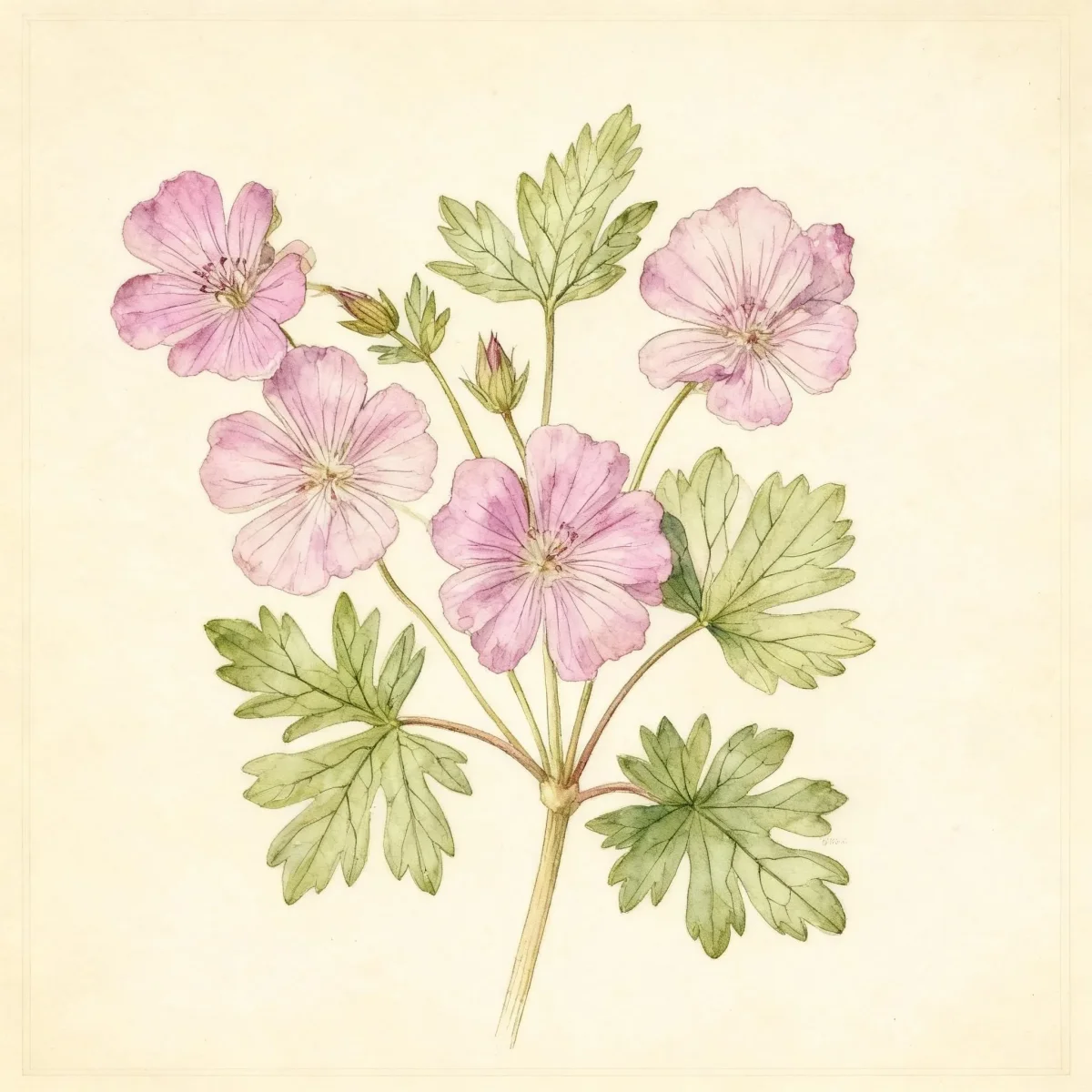
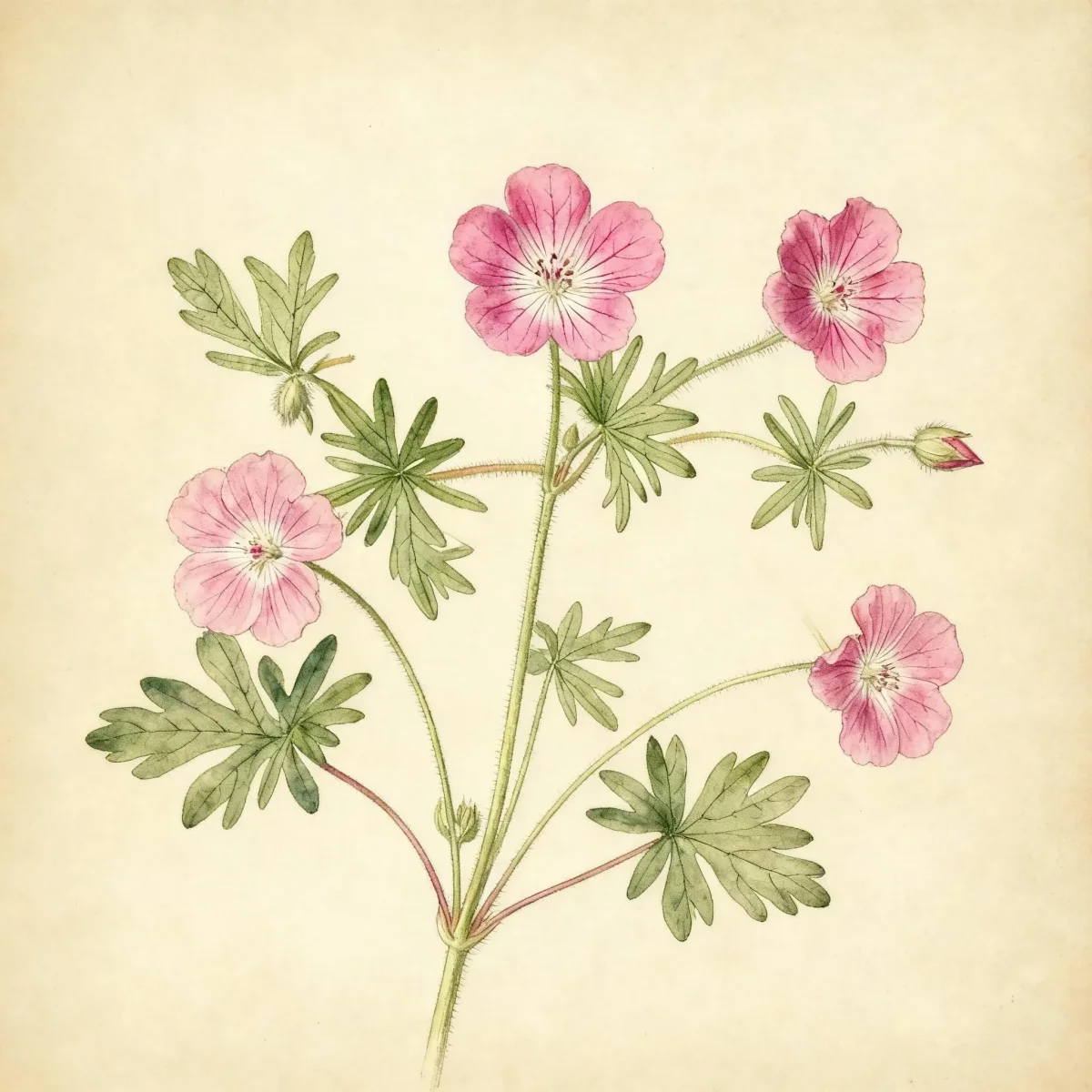
Bloody cranesbill (Geranium sanguineum 'Little Bead')
Geranium sanguineum 'Little Bead' is a low-growing Bloody cranesbill, prized for purplish-red blooms in sunny to partly shaded areas.
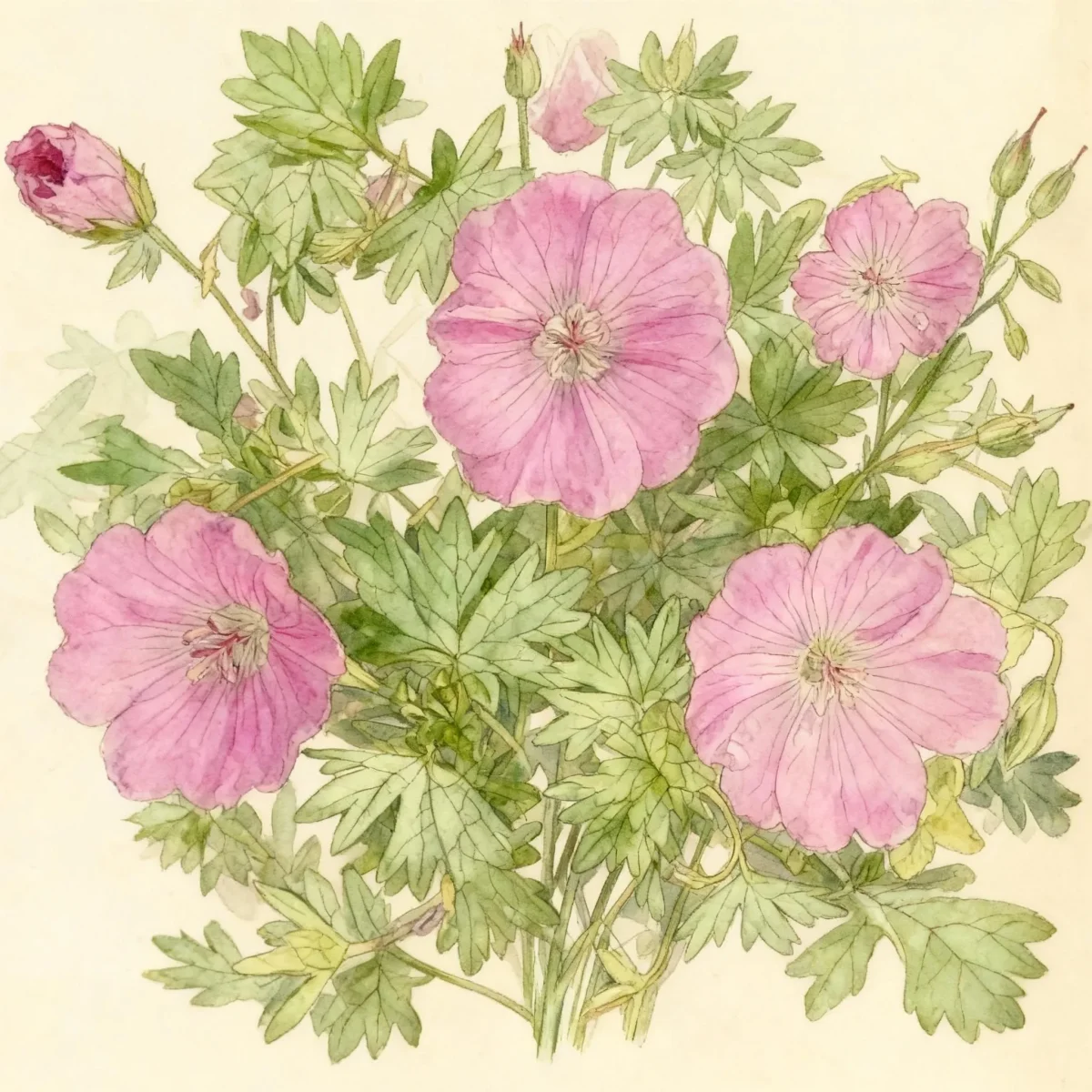

Bloom Boldly, No Matter the Season - Sweatshirt
Cozy organic cotton sweatshirt featuring our exclusive Purple Coneflower design. Perfect for gardeners who bloom year-round.
Inspired by the beautiful Bloody cranesbill
Limited first batch (50) — join the waitlist for early access
Waitlist closes Feb 15, 2026.
Complete Plant Information
Field Guide Continues
Ready for care notes, companion picks, and planting tips?
The map is just the start. The full guide below covers growth habits, seasonal performance, and landscape uses.
Overview
The Geranium sanguineum ‘Little Bead’, commonly known as Bloody cranesbill, is a valuable, diminutive cultivar highly favored for its dense, low-growing habit and extended flowering period. This herbaceous perennial forms a neat mound, making it indispensable for edging pathways or softening rock garden borders. Gardeners appreciate the season-long visual appeal provided by its purplish-red flowers against deeply lobed, dark green foliage.
Unlike some of its taller relatives, Geranium sanguineum ‘Little Bead’ stays compact, rarely exceeding six inches in height, yet it spreads nicely to form an effective groundcover. It offers excellent resilience, handling varied garden situations from full sun to light shade while demonstrating notable drought tolerance once established.
The straight species, Bloody cranesbill, is widespread, but ‘Little Bead’ refines the characteristics, offering more manageable size and reliable bloom performance. Its low maintenance requirements and adaptability contribute significantly to its popularity in modern landscaping designs where reliable, long-blooming perennials are sought after.
Fast Facts
- Plant Family: Geraniaceae
- Plant Type: Herbaceous perennial
- Hardiness Zones: USDA Zones 3-8
- Size at Maturity:
- Height: 0.25-0.5 ft
- Spread: 1-1.5 ft
- Bloom Time: May to August
- Bloom Description: Purplish red
- Sun Exposure: Full sun to part shade
- Water Needs: Medium
- Maintenance Level: Low
How to Grow
Plant Geranium sanguineum ‘Little Bead’ in average, well-drained soil, ideally with good moisture and humus content for the most vigorous growth. While Bloody cranesbill tolerates drier spells once rooted, consistent medium watering during the establishment phase ensures optimal flowering. It performs best when sited where it receives full sun, though it accepts part shade gracefully.
Maintenance for this cultivar is remarkably low. Deadheading the spent blooms is often unnecessary, especially in large plantings, as the plant is relatively tidy. If you observe spreading that interferes with neighboring plants, side stems can be selectively removed at any time.
For renewal, the foliage of Geranium sanguineum ‘Little Bead’ can be lightly sheared back after the initial major bloom flush to encourage a fresh flush of leaves and potentially more sporadic summer flowers. This resilient plant exhibits better tolerance for both intense summer heat and difficult winter cold compared to many other geranium species. Propagation is easily accomplished via division in spring or fall, or through tip cuttings or seed.
Landscape Uses
The compact nature of Geranium sanguineum ‘Little Bead’ makes it an excellent choice for rock gardens where its low profile won’t obscure stone features. It serves beautifully along border fronts, creating a finely textured, solid sweep of color that defines the garden edge. Mass plantings of this Bloody cranesbill create impactful, small-area ground cover that suppresses weeds effectively throughout the season.
Due to its adaptability, this perennial pairs well with spring bulbs, which can emerge through its developing basal foliage. Consider combining it with plants that share similar sun and moisture requirements, such as Sedum, Coreopsis, or low-growing ornamental grasses, to create layered texture and continuous interest. Its tolerance for clay soil also makes it a reliable workhorse in challenging garden areas.
Standout Features
Flower Qualities
- Showy
Noteworthy Characteristics
The species, Geranium sanguineum, is a clump-forming perennial famous for its hairy, trailing stems that spread over time. The cultivar ‘Little Bead’ is specifically noted for being prostrate, growing only 4-6 inches tall, accented by deep magenta, 3/4-inch flowers against deeply lobed, dark green foliage. Foliage often transforms into attractive shades of red as autumn progresses, offering late-season visual appeal beyond its long bloom window.
Tolerances
- Rabbit
- Deer
- Drought
- Clay Soil
Potential Problems
Generally, Geranium sanguineum ‘Little Bead’ is very robust, exhibiting no serious insect or disease issues under proper growing conditions. Gardeners should be aware of a slight susceptibility to leaf spots or rust, often triggered by overly humid conditions or poor air circulation. Planting in well-drained soil, as recommended for this Bloody cranesbill, is the best preventative measure against fungal issues.
Frequently Asked Questions
What hardiness zones is Bloody cranesbill suitable for?
Geranium sanguineum ‘Little Bead’ is reliably hardy across USDA Zones 3 through 8.
How large does Geranium sanguineum ‘Little Bead’ grow?
This prostrate cultivar typically reaches a maximum height of 0.5 feet (6 inches) and spreads between 1 to 1.5 feet wide.
What sun exposure does Geranium sanguineum ‘Little Bead’ need?
This plant thrives best in full sun but tolerates partial shade very well, maintaining good performance in both conditions.
When does Bloody cranesbill bloom?
The primary bloom time for this variety is from May through August, featuring purplish-red flowers.
Conclusion
The Geranium sanguineum ‘Little Bead’ offers exceptional value by combining vibrant, long-lasting purplish-red flowers with superior hardiness and low maintenance needs. As a reliable groundcover or edging plant, this Bloody cranesbill variation adapts well to heat, cold, and tolerant of clay soil. Assess your garden’s sunlight exposure and ensure drainage is adequate before planting this indispensable perennial.
Propagation Tips
Propagation of Geranium sanguineum ‘Little Bead’ is straightforward for the eager gardener. The most reliable method for maintaining the exact characteristics of the ‘Little Bead’ cultivar is division of the clump, which should be performed in spring or early fall. Ensure each separated section has healthy roots and foliage before replanting.
Tip cuttings, taken from young, non-flowering growth, can also root successfully, offering a way to increase stock without disturbing established clumps. While the species can be grown from seed, cultivar characteristics are not always reliably passed on through sexual reproduction, making vegetative methods preferable for consistency.
Design Ideas
When designing borders, utilize the Bloody cranesbill as a dynamic front-of-the-border element where its low, spreading habit can cascade slightly over hardscaping or mulch. Its dense cover makes it an excellent living mulch substitute, ensuring that soil remains covered and cool throughout the summer months.
For a cottage garden aesthetic, plant Geranium sanguineum ‘Little Bead’ alongside taller, more upright perennials like Salvia or Shasta Daisies. The contrast in height and texture between the fine foliage of the cranesbill and the coarser leaves of summer bloomers creates visual depth. The tolerance of this plant to clay allows it to thrive near structural elements that might otherwise compact the soil.