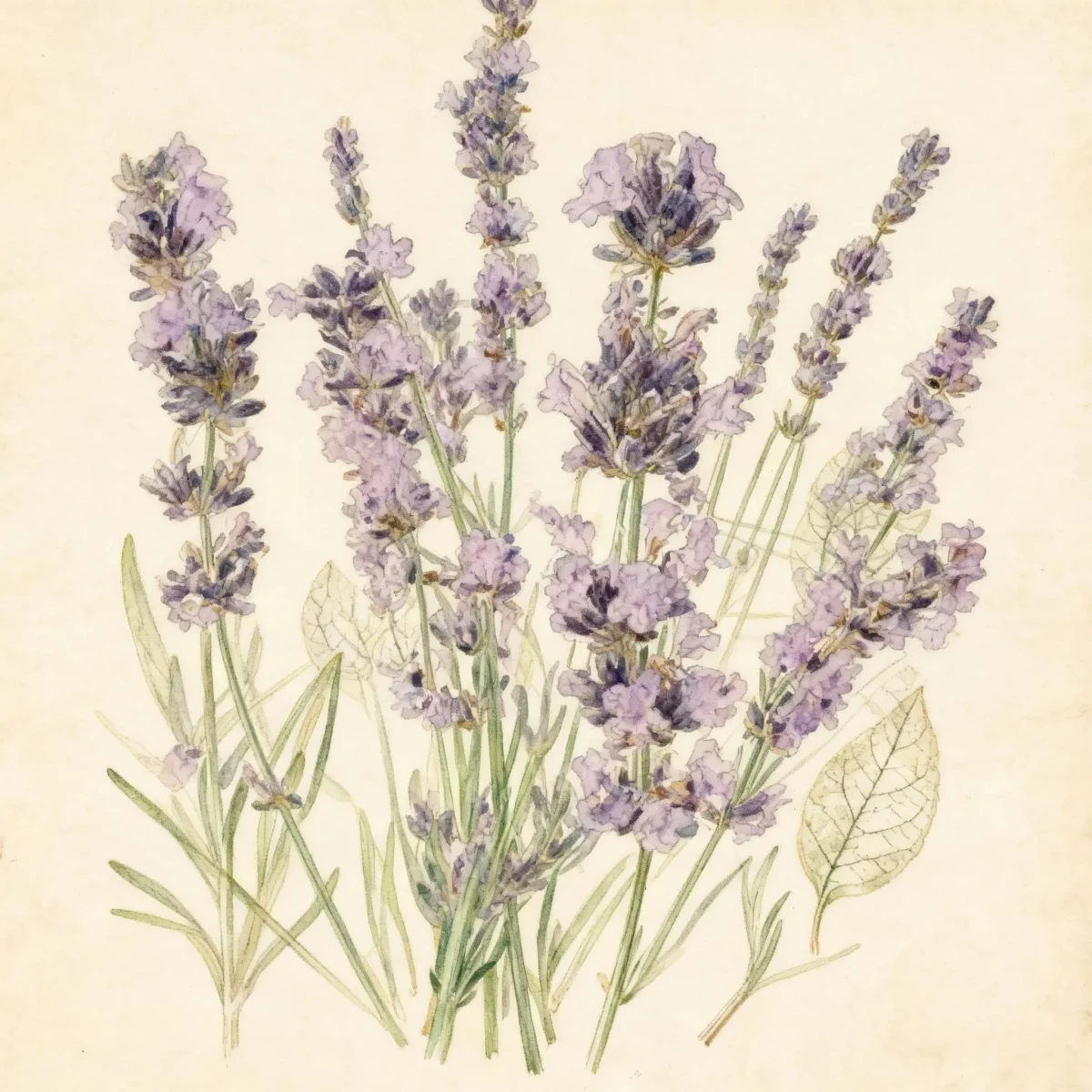
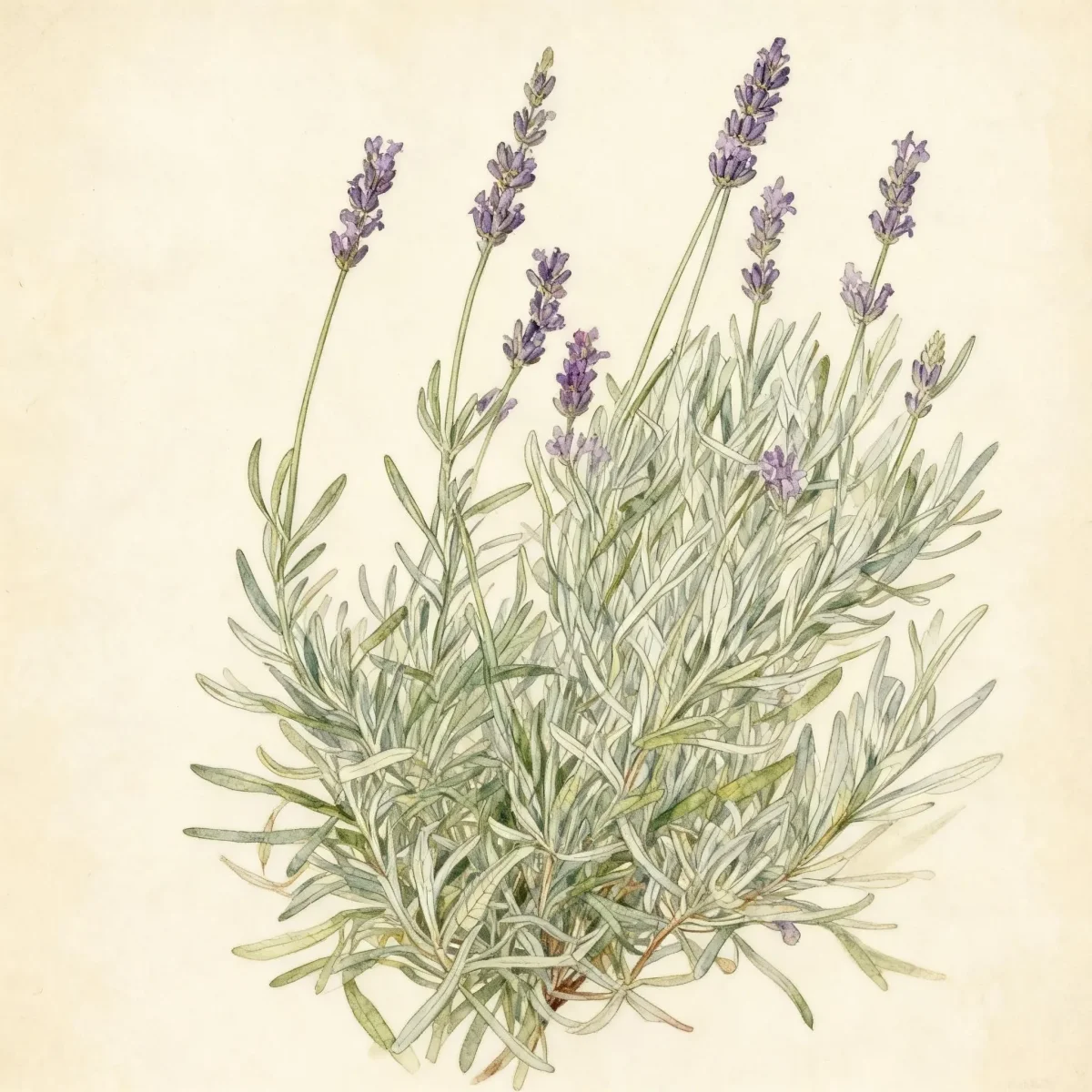
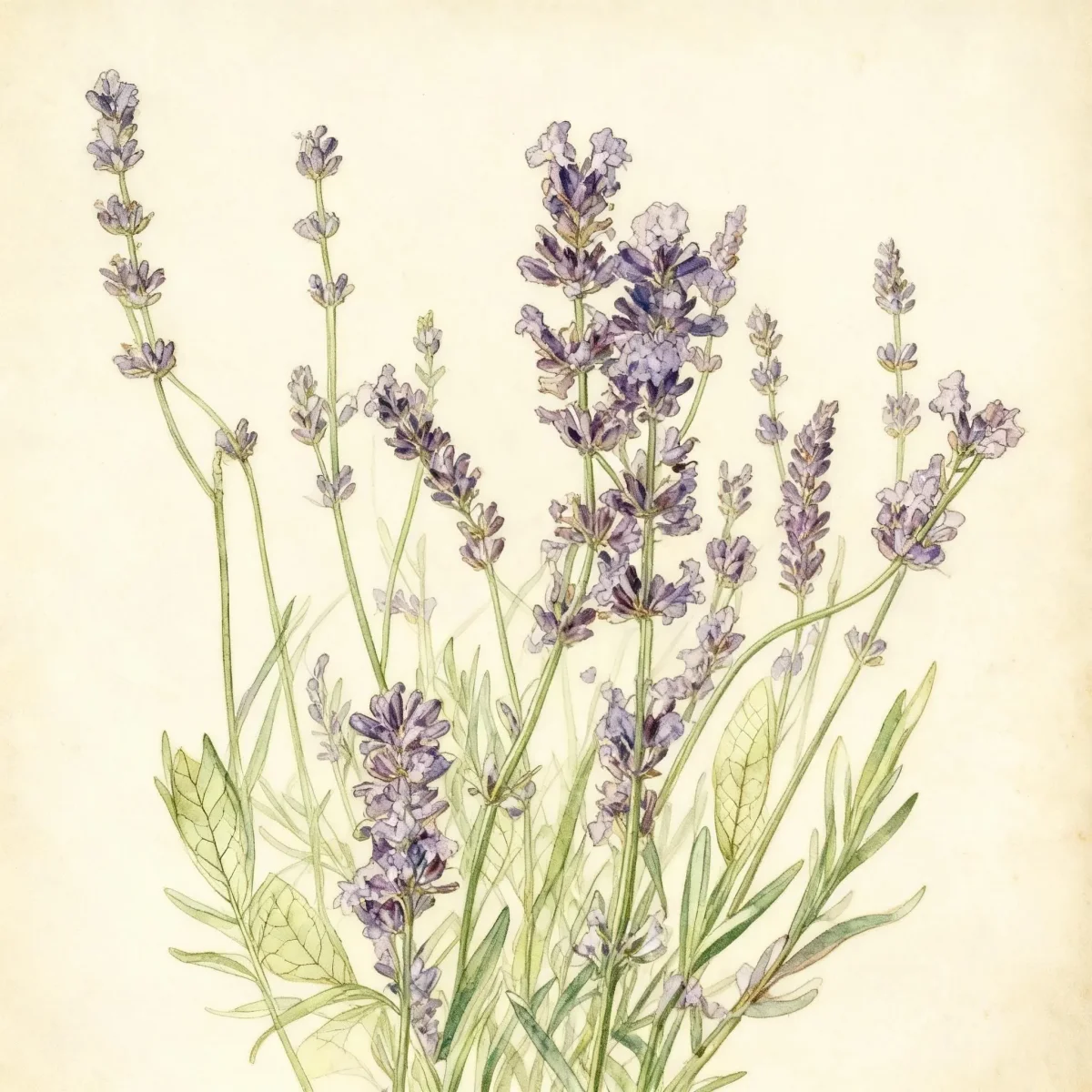
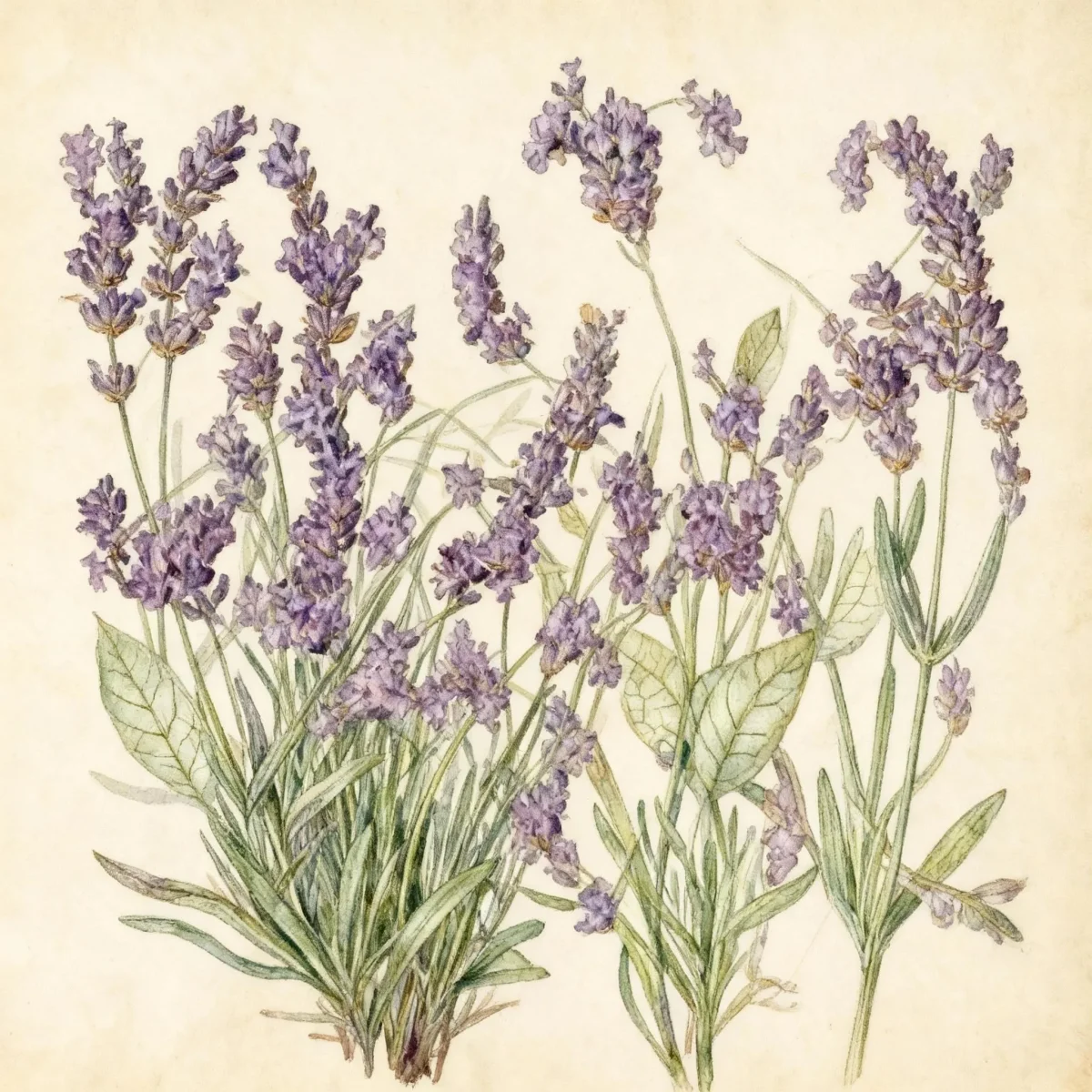
English lavender (Lavandula angustifolia 'Royal Velvet')
Lavandula angustifolia 'Royal Velvet' offers deep purple, fragrant blooms. This English lavender is excellent for scent and borders in zones 5-8.

Bloom Boldly, No Matter the Season - Sweatshirt
Cozy organic cotton sweatshirt featuring our exclusive Purple Coneflower design. Perfect for gardeners who bloom year-round.
Inspired by the beautiful English lavender
Limited first batch (50) — join the waitlist for early access
Waitlist closes Feb 15, 2026.
Complete Plant Information
Field Guide Continues
Ready for care notes, companion picks, and planting tips?
The map is just the start. The full guide below covers growth habits, seasonal performance, and landscape uses.
Overview
Lavandula angustifolia ‘Royal Velvet’, a popular cultivar of English lavender, is prized for its deeply aromatic foliage and striking, saturated dark purple blooms. This cultivar provides a strong vertical accent and robust fragrance, making Lavandula angustifolia ‘Royal Velvet’ a staple in herb and perennial gardens alike. As a “true lavender,” it is often preferred over lavandin hybrids for culinary use and essential oil production.
Growing English lavender successfully hinges on mimicking its native Mediterranean habitat: intense sun and excellent drainage. This semi-woody perennial forms neat mounds perfect for the front of a border or defining pathways where its structure and scent can be fully appreciated. Gardeners seeking reliable performance from Lavandula angustifolia ‘Royal Velvet’ must pay close attention to soil aeration, especially during wet winters.
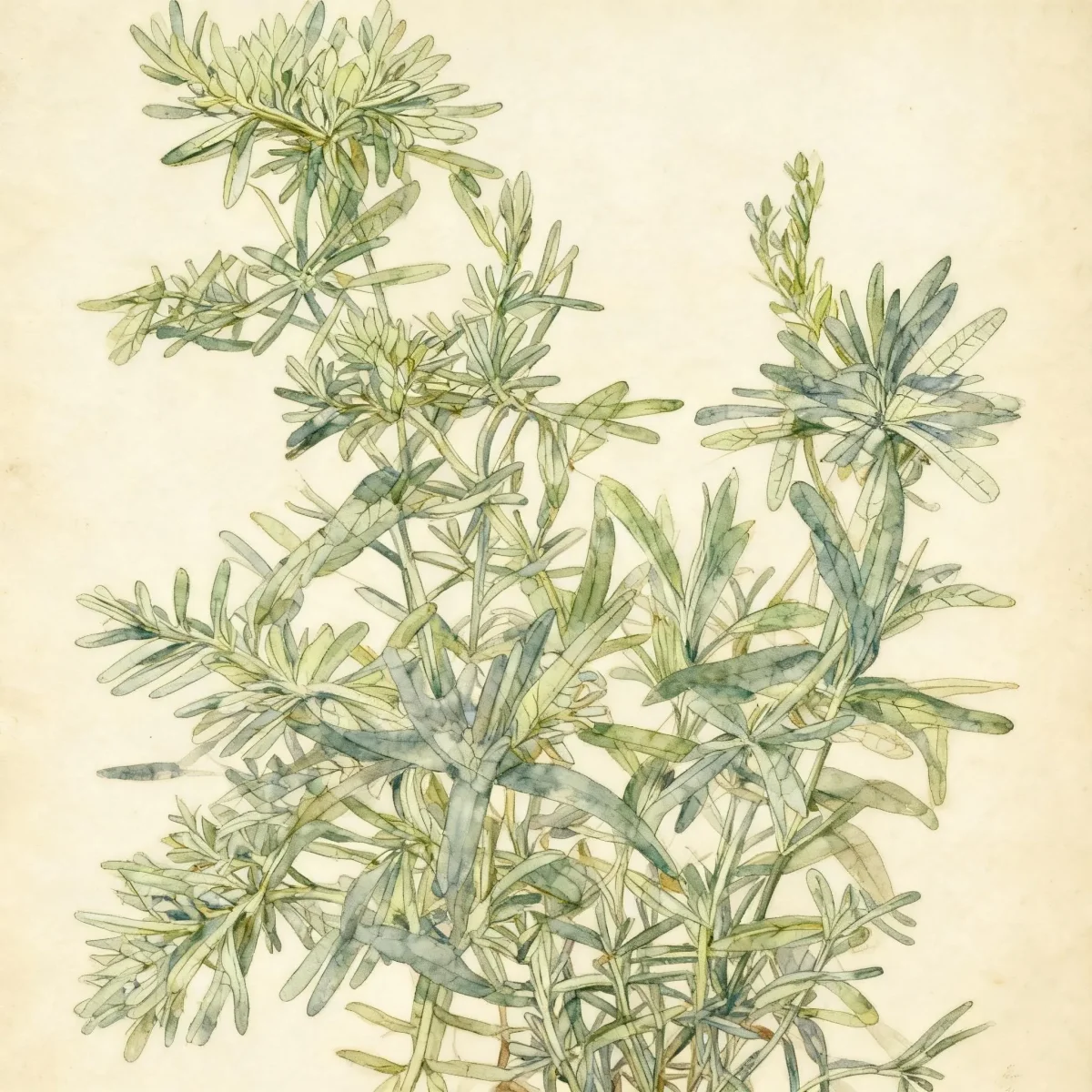
The fine texture of its gray-green leaves contrasts beautifully with surrounding summer bloomers. While demanding specific conditions, the reward is significant: mid-summer displays of richly colored flowers esteemed for their enduring fragrance, whether fresh cut or dried. When sited correctly, this English lavender offers exceptional value.
Fast Facts
- Plant Family: Lamiaceae
- Plant Type: Herbaceous perennial
- Hardiness Zones: USDA Zones 5-8
- Size at Maturity:
- Height: 2-2.5 ft
- Spread: 1.5-2 ft
- Bloom Time: June to August
- Bloom Description: Dark purple
- Sun Exposure: Full sun
- Water Needs: Dry to medium
- Maintenance Level: Medium
How to Grow
Plant English lavender in average, well-drained, alkaline soil, ensuring the location receives full, unrelenting sun throughout the day. Proper drainage is paramount, particularly heading into winter, as root rot is the primary killer of lavender in regions with poor soil structure or persistent moisture. While it prefers dry to medium water levels, avoid heavy organic mulches near the crown, especially in humid climates; consider using rock mulch instead to improve soil air circulation and reduce humidity stress, a common issue in areas like St. Louis.
Water sparingly once established, allowing the soil surface to dry out completely between irrigation sessions. Fertilization should be minimal; this plant thrives in somewhat low fertility and rich, heavy soils discourage both flowering and winter survival. Chemical fertilizers are generally unnecessary and can lead to weak, lush growth less resistant to stress.
Annual pruning keeps the plant compact and vigorous. In the spring, after new leaves emerge, prune to shape the shrub. Every three years, perform a more aggressive pruning, cutting back to about eight inches to stimulate dense, robust new growth and prevent the semi-woody stems from becoming overly leggy.
Landscape Uses
This versatile perennial shines when integrating fragrance and structure into various garden designs. The striking flowers and attractive green-gray foliage of Lavandula angustifolia ‘Royal Velvet’ are perfect for contrasting textures at the front edge of a perennial border, preventing taller plants from obscuring the fine details of the lavender. It excels when massed together, creating broad swathes of deep purple color that attract pollinators.
Consider using English lavender as a low, aromatic edger along walkways or as a foundational plant in a dedicated rock garden where sharp drainage is naturally provided. Because the flowers and foliage retain their scent when dried, planting near seating areas or windows maximizes your enjoyment of the aromatic qualities of this classic herb.
Standout Features
Flower Qualities
- Showy
- Fragrant
Noteworthy Characteristics
Lavandula angustifolia, commonly called English lavender, has been a mainstay of herb gardens for many years, though it originates primarily from the Mediterranean region. This “true lavender” is commercially valuable for harvesting essential oils for perfumes, and its flowers and foliage are frequently used in sachets and potpourri; culinary uses are also more common with English lavender than other types. The cultivar ‘Royal Velvet’ is noted for its semi-woody structure, reaching 24-30 inches tall, showcasing terminal spikes up to four inches long, featuring dark navy blue calyxes contrasted by violet corollas.
Tolerances
- Rabbit
- Deer
- Drought
- Dry Soil
- Shallow-Rocky Soil
- Air Pollution
Potential Problems
English lavender is susceptible to fungal issues, notably leaf spot and root rot, the latter of which is almost always related to inadequate drainage, especially during winter dormancy. To prevent root rot, ensure the planting site is alkaline and receives excellent aeration; avoid wet feet at all costs. Plants may also fail to survive if winter temperatures dip below zero degrees Fahrenheit without the insulating benefit of protective snow cover. Proper site selection—sunny, breezy, and well-drained—is your best defense against common cultivation issues.
Frequently Asked Questions
What hardiness zones is English lavender suitable for?
Lavandula angustifolia ‘Royal Velvet’ is typically suitable for USDA Hardiness Zones 5 through 8.
How large does Lavandula angustifolia ‘Royal Velvet’ grow?
This cultivar generally reaches a height between 2 and 2.5 feet, with a spread of 1.5 to 2 feet at maturity.
What sun exposure does English lavender need?
This plant requires full sun to thrive, maximizing its flower production and minimizing humidity-related diseases.
When does Lavandula angustifolia ‘Royal Velvet’ bloom?
The richly colored, dark purple flowers of this English lavender generally appear from June through August.
Conclusion
Lavandula angustifolia ‘Royal Velvet’ provides unmatched fragrance and deep color contrast throughout the summer months, establishing itself as a reliable choice for xeriscapes and fragrant gardens. Successful cultivation of this English lavender depends heavily on providing sharp drainage and maximum sunlight. Before planting, confirm your site meets these specific needs and plan for spring pruning to maintain the compact shape of your Lavandula angustifolia ‘Royal Velvet’.
Companion Planting
English lavender pairs excellently with other Mediterranean herbs that share similar low-water and high-sun demands. Consider planting it near Rosemary (Salvia rosmarinus) or Thyme (Thymus species) for layered aromatic effects. These companions also generally prefer the alkaline soil conditions favored by lavender. Avoid placing it near thirsty, high-fertility perennials that require constant moisture, as this will only encourage fungal issues in the lavender.
Seasonal Care Calendar
Spring is the critical time for renewal; prune back old wood by about one-third in the spring after new leaf buds initiate growth, ensuring you do not cut into old, leafless wood. Summer care revolves around deadheading faded flower spikes to encourage a second, lighter bloom flush through August. In autumn, resist heavy watering as the plant enters dormancy; ensure air circulation remains high around the base to protect the crown from excessive chilling moisture entering the winter months.