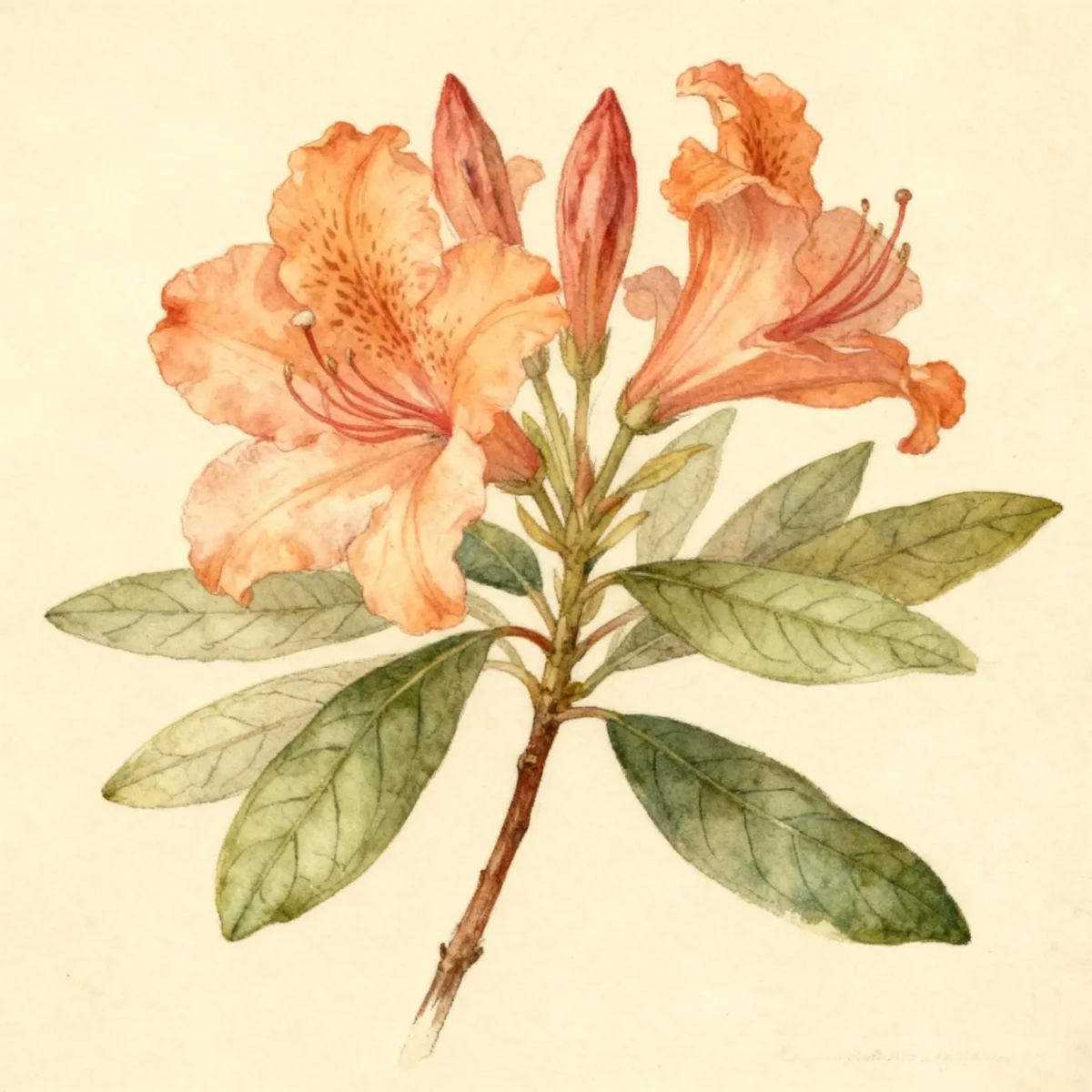
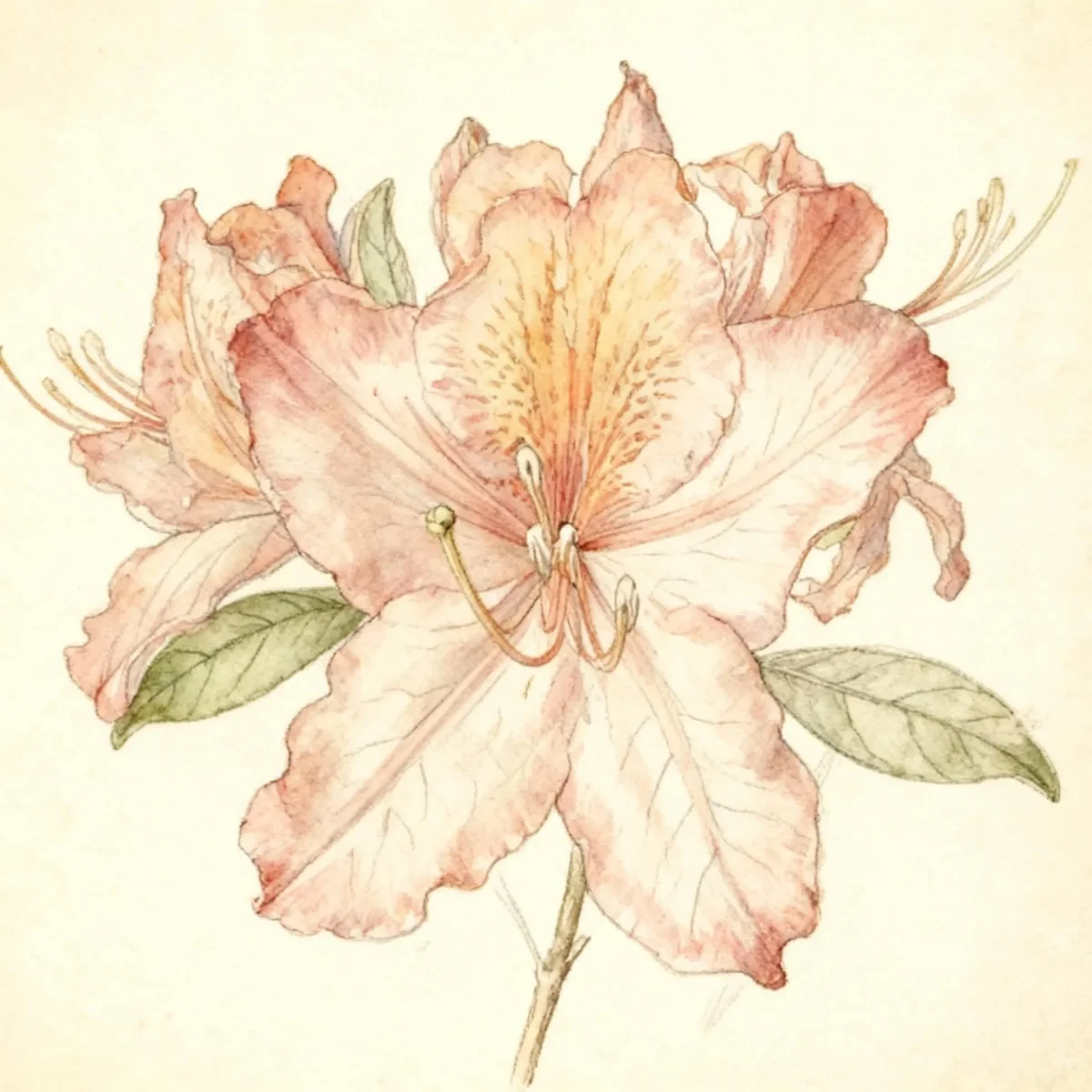
Azalea (Rhododendron 'Tri-Lights')
Deciduous Azalea Rhododendron 'Tri-Lights' offers showy, fragrant pink blooms in spring. Hardy in Zones 4-8 and medium maintenance.
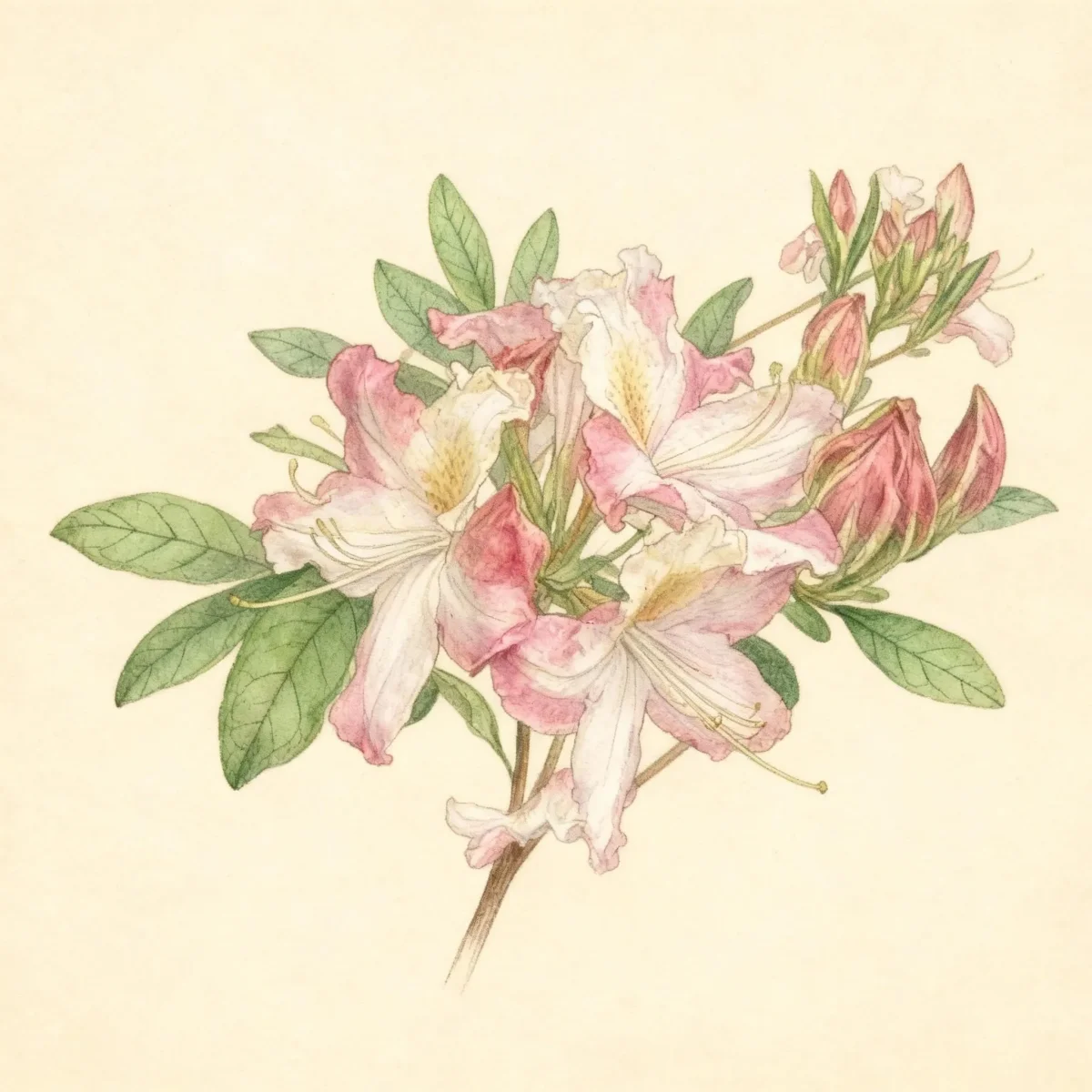

Bloom Boldly, No Matter the Season - Sweatshirt
Cozy organic cotton sweatshirt featuring our exclusive Purple Coneflower design. Perfect for gardeners who bloom year-round.
Inspired by the beautiful Azalea
Limited first batch (50) — join the waitlist for early access
Waitlist closes Feb 15, 2026.
Complete Plant Information
Field Guide Continues
Ready for care notes, companion picks, and planting tips?
The map is just the start. The full guide below covers growth habits, seasonal performance, and landscape uses.
Overview
The Rhododendron ‘Tri-Lights’ is a highly valued deciduous Azalea cultivar, renowned for its spectacular spring display and excellent winter hardiness. As a member of the Northern Lights series, this Azalea was specifically bred to thrive in colder climates while still providing abundant, richly colored blossoms. Gardeners appreciate Rhododendron ‘Tri-Lights’ for its ability to deliver a lavish, multi-stemmed show of color before many other shrubs leaf out.
This hardy shrub is structurally useful, reaching heights and spreads between four and five feet, making it ideal for borders or specimen planting where vertical interest is needed. While it is a deciduous Azalea—meaning it sheds its leaves in the fall—its primary ornamental feature is undoubtedly its bloom time in mid to late spring.
Beyond its beauty, the Rhododendron ‘Tri-Lights’ offers fragrance along with its showy presentation. Successful cultivation relies on respecting its acidic soil needs and ensuring excellent drainage, typical requirements for most Azaleas. Choosing the right spot ensures this attractive shrub remains a vibrant feature in the landscape for years to come.
Fast Facts
- Plant Family: Ericaceae
- Plant Type: Deciduous shrub
- Hardiness Zones: USDA Zones 4-8
- Size at Maturity:
- Height: 4-5 ft
- Spread: 4-5 ft
- Bloom Time: April to May
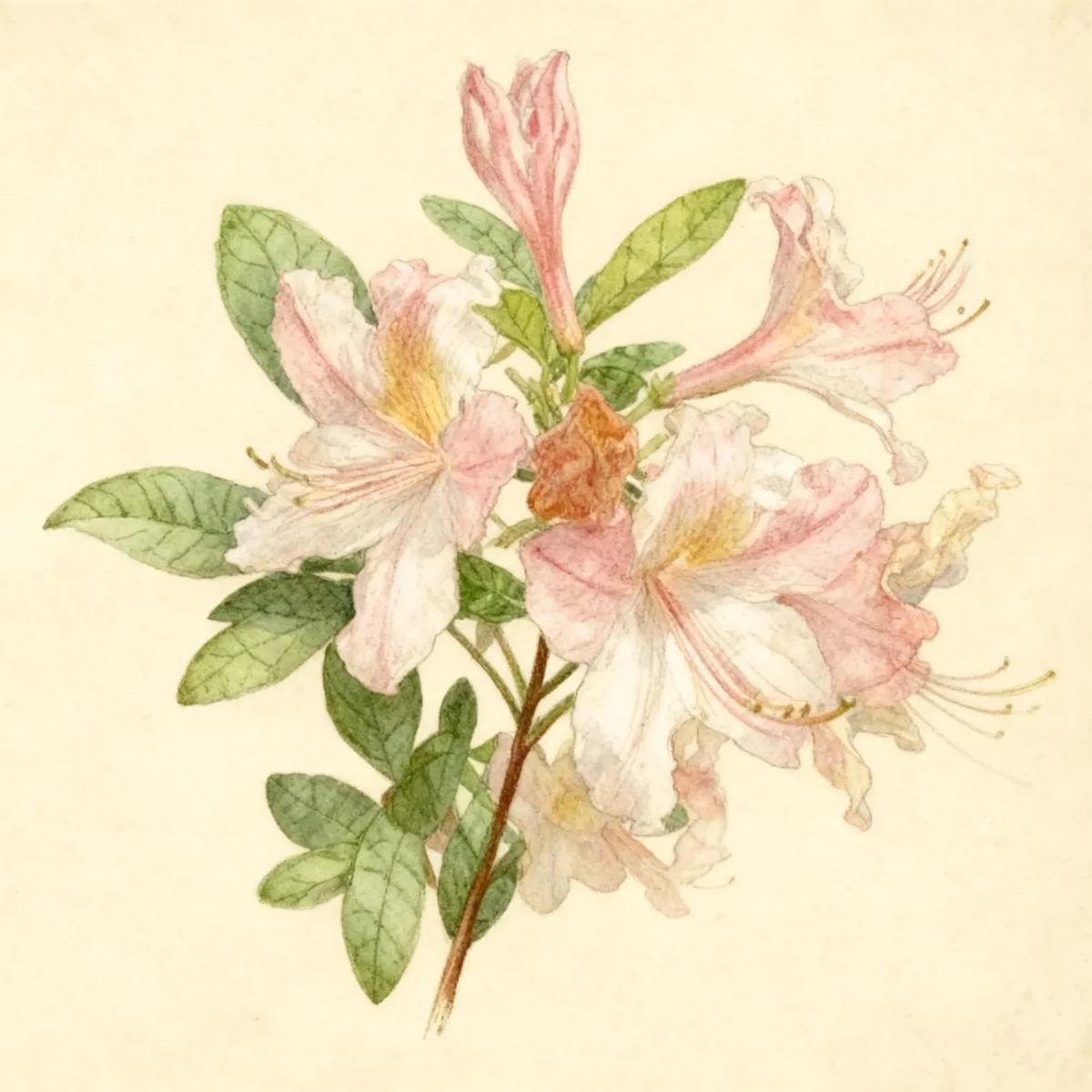
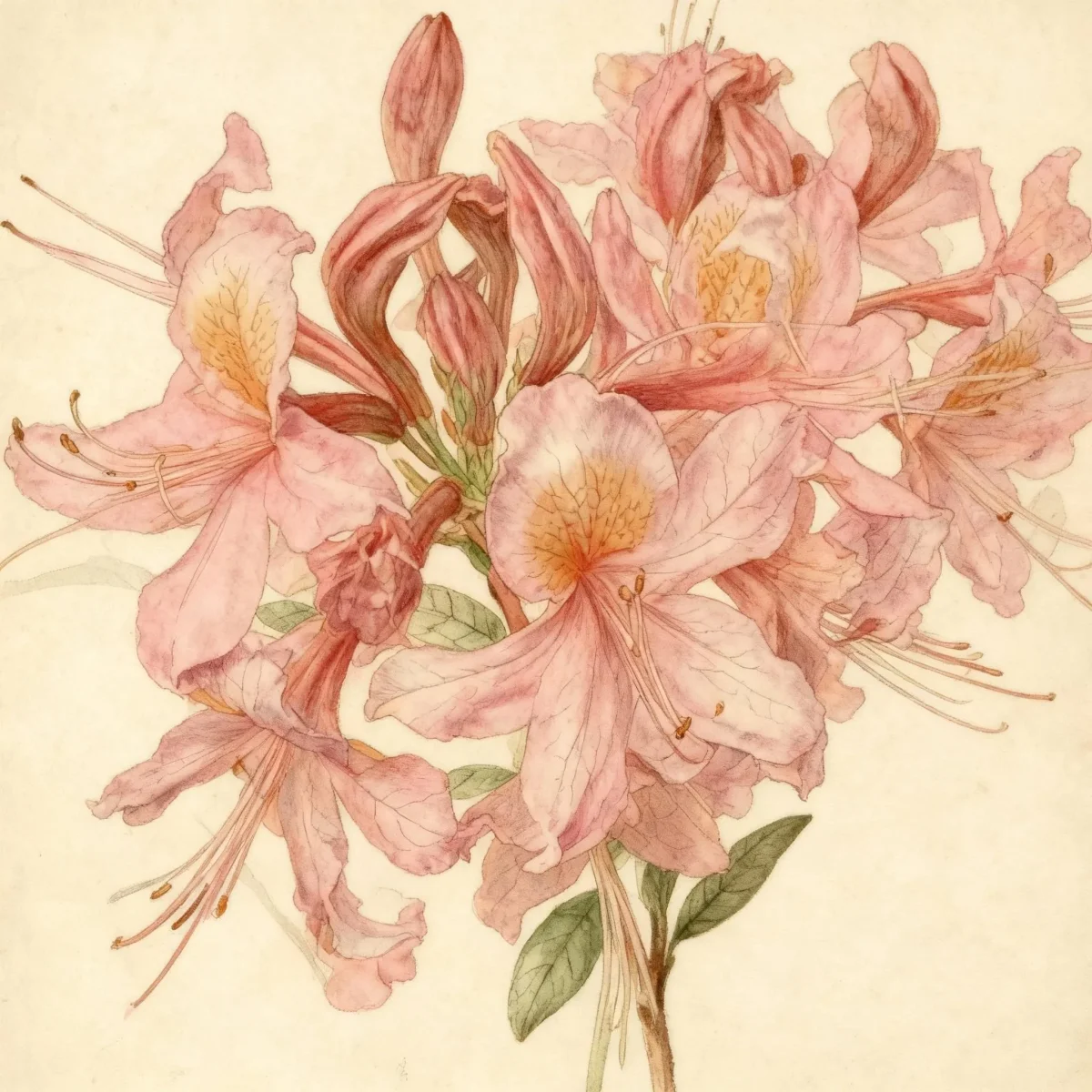
- Bloom Description: Pink with white overtones and a yellow blotch
- Sun Exposure: Part shade
- Water Needs: Medium
- Maintenance Level: Medium
How to Grow
Planting Rhododendron ‘Tri-Lights’ should occur when soil temperatures permit root development, ideally in spring or fall. These Azaleas require acidic, organically rich, humusy soil with consistent, medium moisture retention, but they absolutely must have well-drained conditions; “wet feet” invariably lead to root rot. Site the plant where it receives dappled sunlight or high open shade, often benefitting from morning sun followed by afternoon shade, especially in hotter climates where direct sun can scorch the foliage.
Maintain consistent moisture, ensuring roots never dry out, which is crucial given their shallow, fibrous root systems. Avoid cultivating near the base of the plant; instead, apply a thick layer of acidic mulch, such as pine needles or wood chips, to retain moisture and stabilize soil temperature. Soil pH should be maintained between 5.0 and 5.5; use sulfur or iron sulfate to lower pH as needed.
Immediately after the bloom period concludes, deadhead spent flower clusters to encourage stronger vegetative growth for the following year. Special caution is warranted regarding placement: avoid siting this Azalea near walnuts, butternuts, pecans, or hickories, as rhododendrons are highly sensitive to toxic juglones produced by those tree roots. If heavy clay soils are present, consider planting in raised beds to ensure superior drainage.
Landscape Uses
Rhododendron ‘Tri-Lights’ adapts beautifully to numerous landscape roles due to its manageable size and dense habit. It excels when used as part of flowing shrub borders, providing early season color against evergreen backdrops. Its ability to function effectively as a hedge makes it perfect for creating low, flowering screens or defining garden rooms within a woodland or shade garden setting.
For dramatic impact, mass plantings of this vigorous Azalea create stunning walls of pink in the spring. It also performs well as a specimen plant where its unique bloom color can be appreciated up close, or tucked into mixed borders alongside ferns, hostas, and other acid-loving perennials. Its tolerance for sun-dappled areas allows integration near woodland margins where filtered light simulates its native habitat.
Standout Features
Flower Qualities
- Showy
- Fragrant
Noteworthy Characteristics
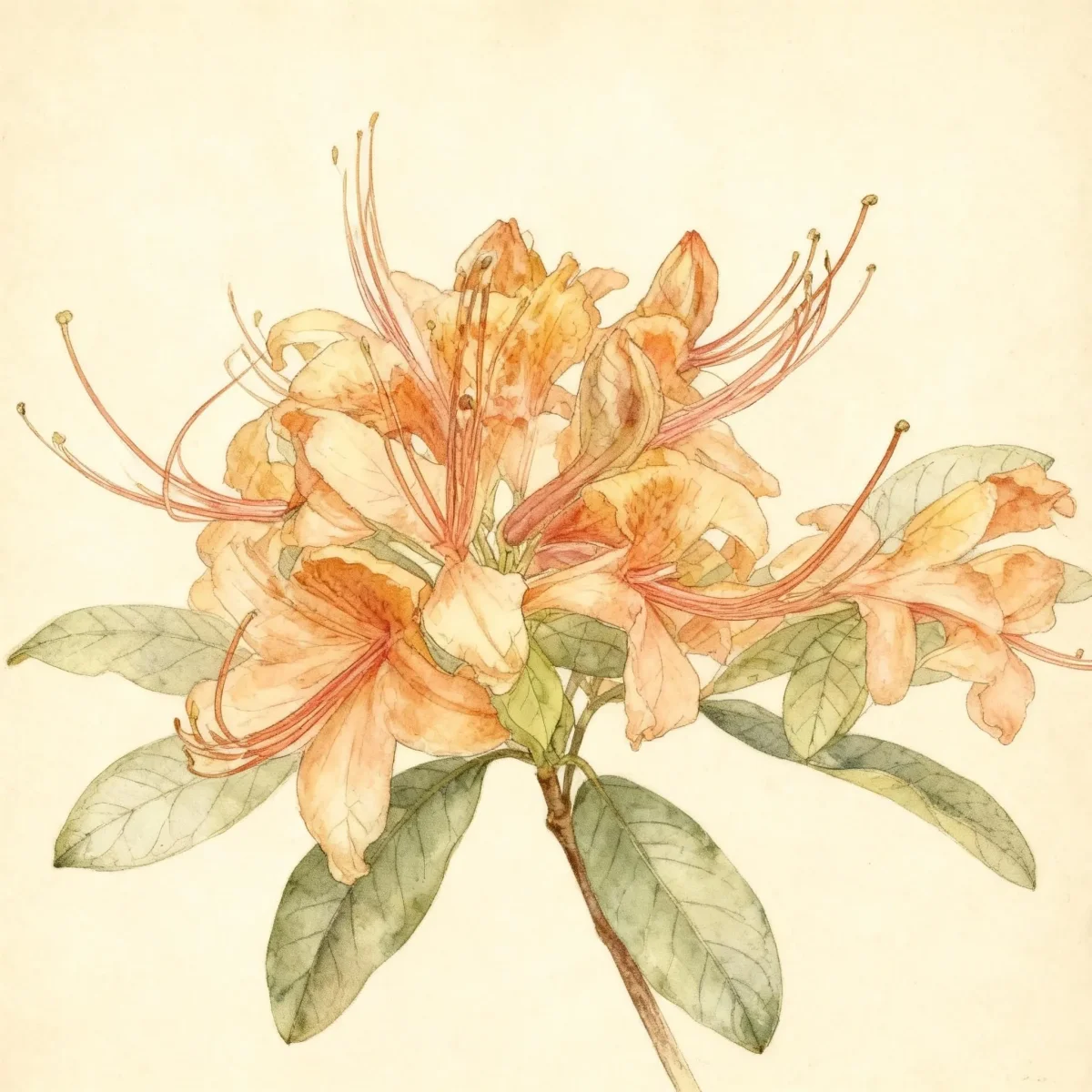
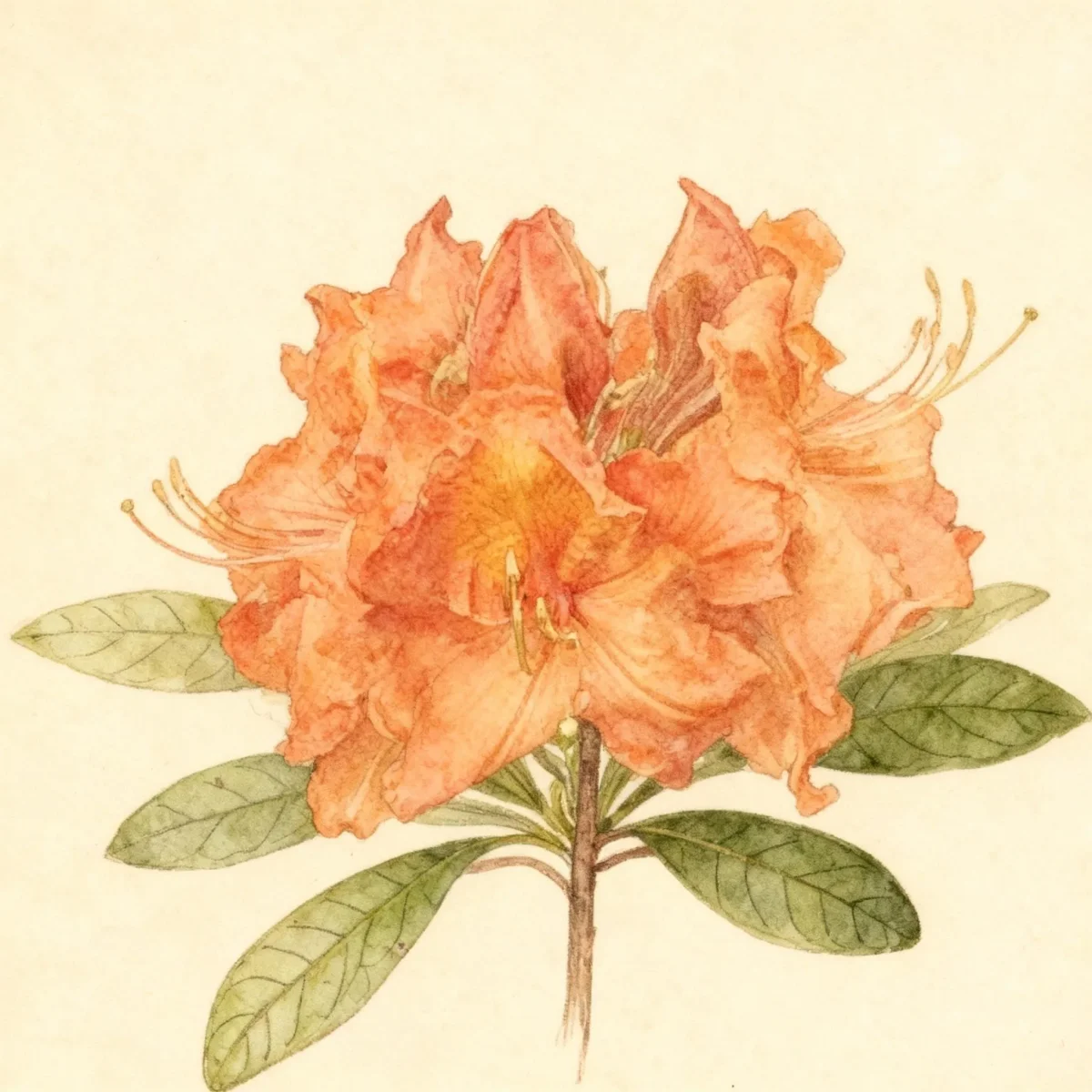
The genus Rhododendron encompasses hundreds of species, including both what are commonly called rhododendrons and azaleas. Rhododendron ‘Tri-Lights’ is a deciduous type, meaning it sheds its leaves in autumn, and flowering generally precedes or coincides with new leaf emergence in spring. Introduced in 2000, this particular Azalea cultivar boasts deep rose buds opening to wavy-edged flowers of soft pink with white overtones and a distinctive yellow blotch, bred by the University of Minnesota for exceptional cold hardiness.
Tolerances
- Rabbit
Potential Problems
Rhododendrons and Azaleas are susceptible to various pests and diseases, though cultural issues often cause the most visible distress. Common insect threats include scale, lacebugs, and aphids, while fungal issues like powdery mildew, leaf spot, and root/crown rot pose significant biological threats. Prevention is key: ensure the plant is sited in appropriate part shade conditions, away from wind, and provide excellent air circulation.
Chlorosis, where leaves turn yellow, is a frequent indicator that soil pH is too high, leading to iron deficiency symptoms. Correcting soil acidity immediately by incorporating acidifying agents will often resolve this issue, as Rhododendron ‘Tri-Lights’ requires a pH in the 5.0 to 5.5 range to properly uptake nutrients. Good cultural practices—especially proper watering and avoiding root disturbance—will keep the plant robust enough to fend off lesser problems.
Frequently Asked Questions
What hardiness zones is Azalea (Rhododendron ‘Tri-Lights’) suitable for?
Rhododendron ‘Tri-Lights’ is well-suited for USDA Hardiness Zones 4 through 8.
How large does Azalea (Rhododendron ‘Tri-Lights’) grow?
This deciduous shrub typically matures to a height and spread of 4 to 5 feet.
What sun exposure does Azalea (Rhododendron ‘Tri-Lights’) need?
Rhododendron ‘Tri-Lights’ thrives best in part shade, preferring dappled light or protection during hot afternoon hours.
When does Azalea (Rhododendron ‘Tri-Lights’) bloom?
This beautiful Azalea variety blooms consistently from April through May, displaying pink flowers with white overtones and a yellow blotch.
Conclusion
The Rhododendron ‘Tri-Lights’ offers gardeners a highly reliable, cold-tolerant performance essential for Northern gardens, delivering mid-spring fragrance alongside its showy blooms. This Azalea provides excellent structure and vibrant color, demanding medium care focused primarily on maintaining correct soil acidity and drainage. Before planting, confirm your local hardiness zone aligns with USDA Zones 4-8 and prepare your soil to be organically rich and acidic to maximize the beauty of your new Rhododendron ‘Tri-Lights’.
Companion Planting
Selecting suitable neighbors is vital for Azaleas, as they share specific soil preferences. Consider underplanting Rhododendron ‘Tri-Lights’ with acid-loving companions that also thrive in part shade. Plants like Hosta, Astilbe, and Japanese Forest Grass (Hakonechloa macra) offer textural contrast without competing heavily for shallow moisture, as their root systems occupy different strata.
Dwarf conifers, such as certain slow-growing spruce or hemlock varieties, make excellent year-round companions. These evergreens provide a stabilizing green framework, allowing the seasonal drama of the deciduous Azalea to truly stand out. Ensure that any companion you select shares the need for consistently moist, well-drained, acidic soil to promote overall garden health.
Seasonal Care Calendar
Spring care for your Azalea focuses on appreciating the blooms and then swiftly removing spent flower clusters just as they fade; this deadheading is critical for next year’s flower set. As summer heats up, focus intensely on mulch depth and soil moisture, especially in regions pushing the upper limits of its hardiness zone, protecting those shallow roots from drying out.
In the fall, resist the urge to heavily prune or amend the soil unless pH testing indicates a severe imbalance, as Rhododendron ‘Tri-Lights’ is preparing systemically for winter. Apply a fresh layer of acidic mulch before the ground freezes hard to insulate the roots against temperature swings. Winter protection primarily involves shielding plants from drying winds rather than excessive cold, as this cultivar is bred for superior bud hardiness.