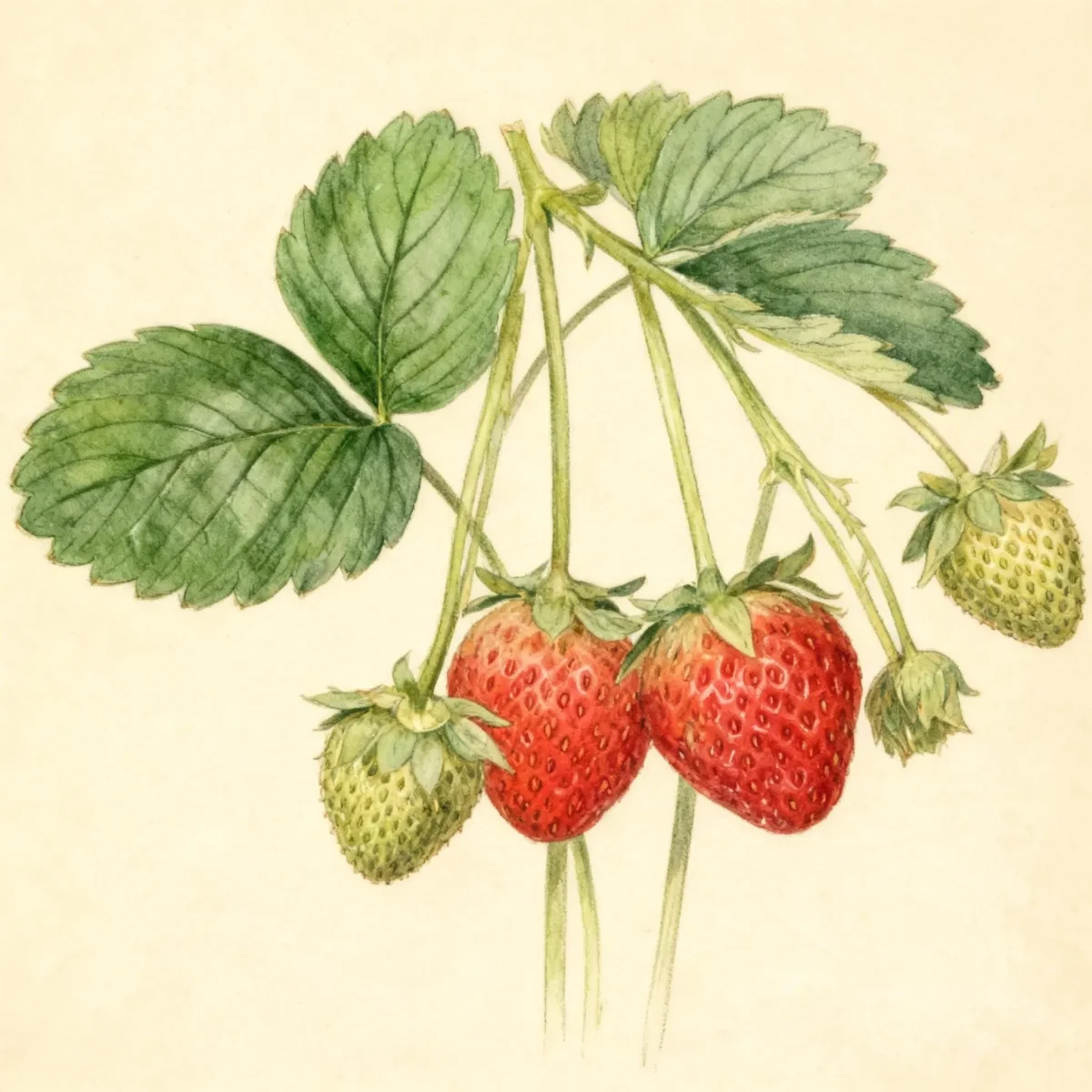
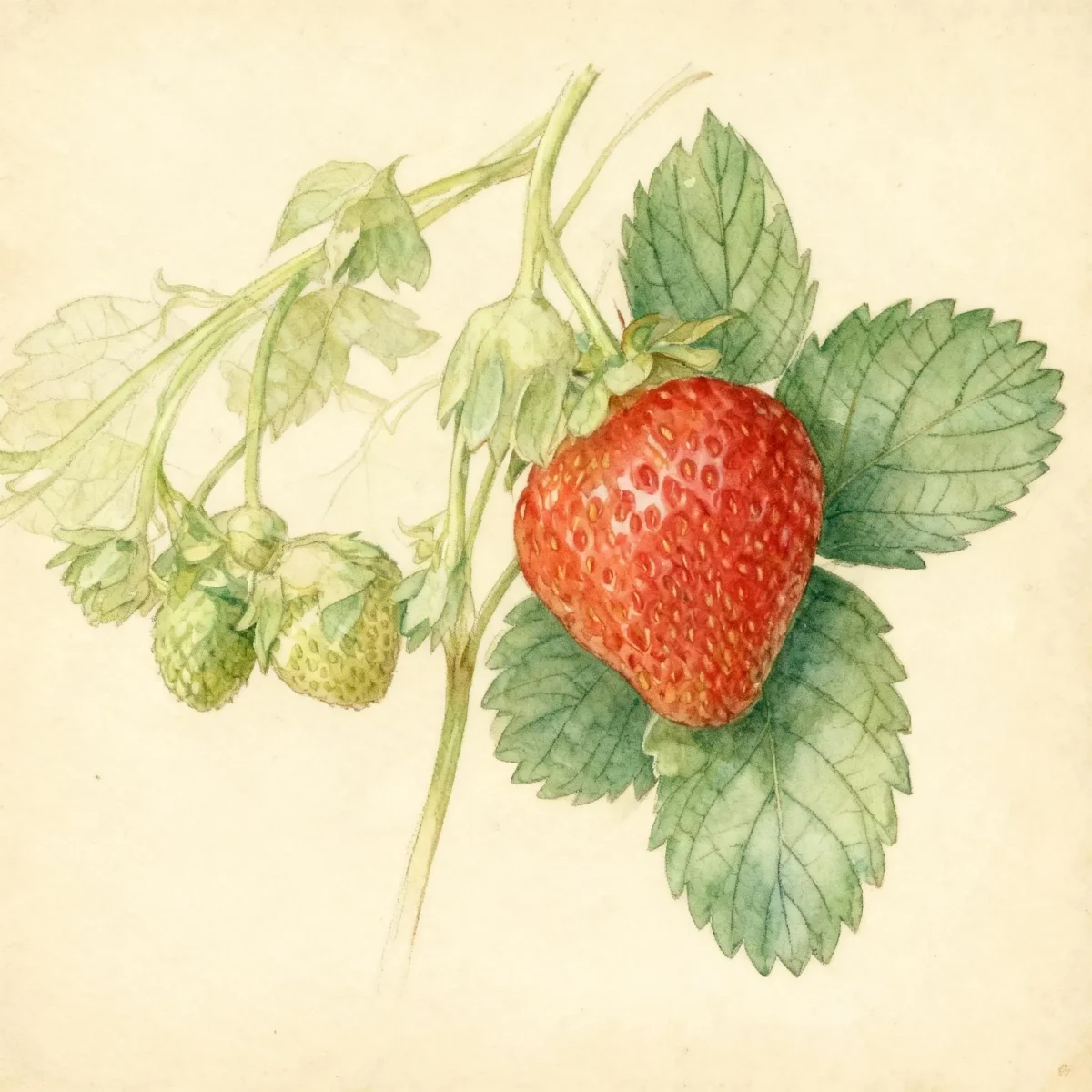
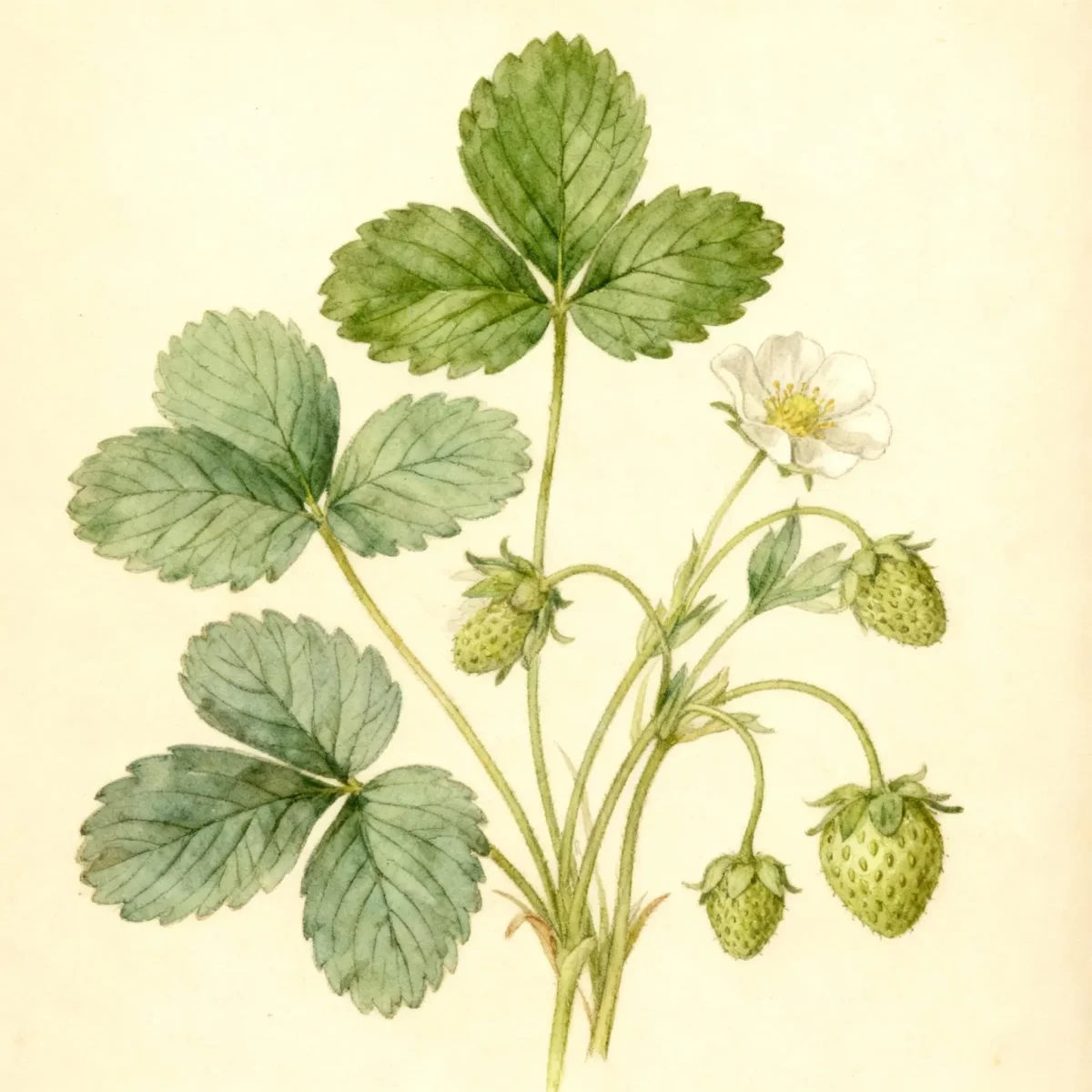
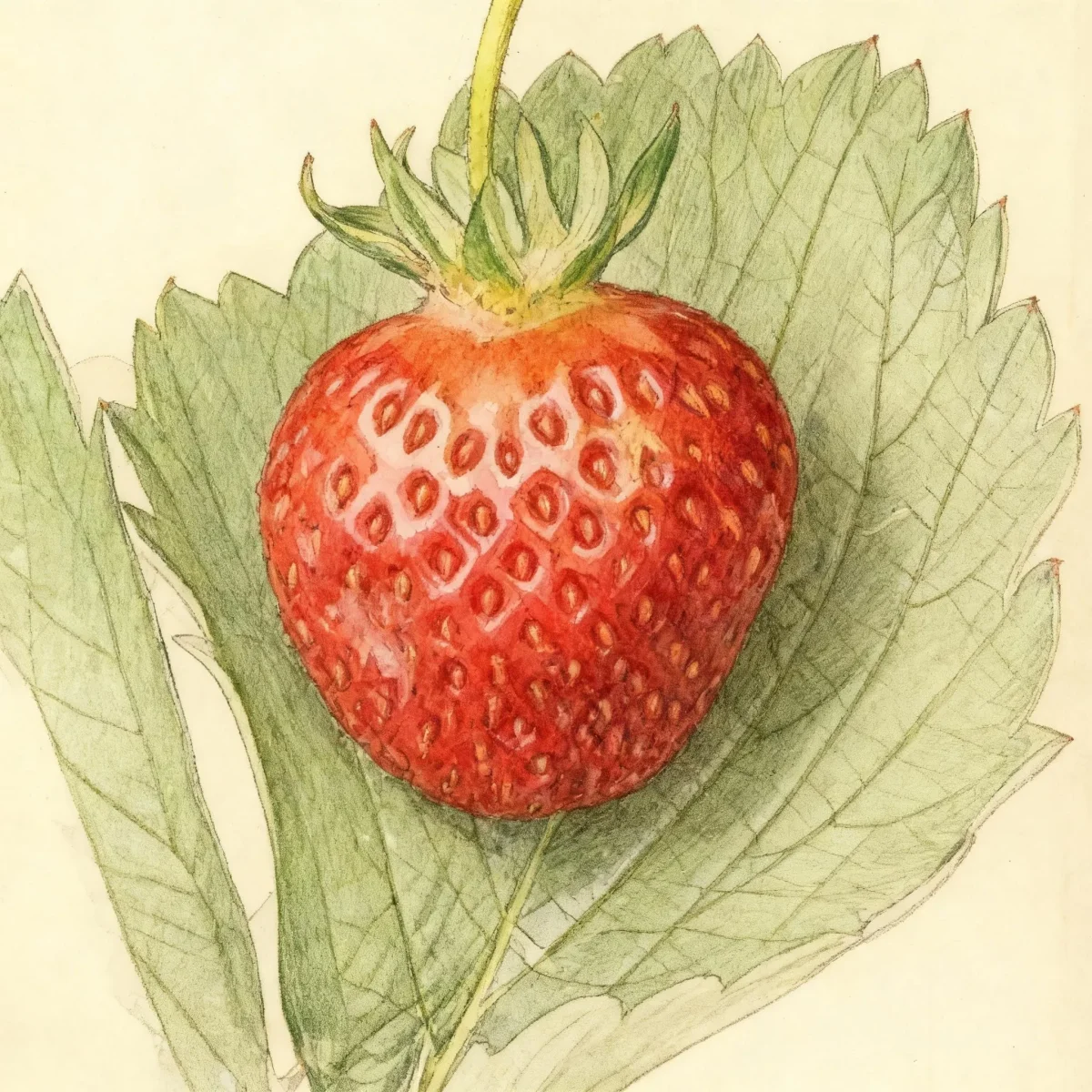
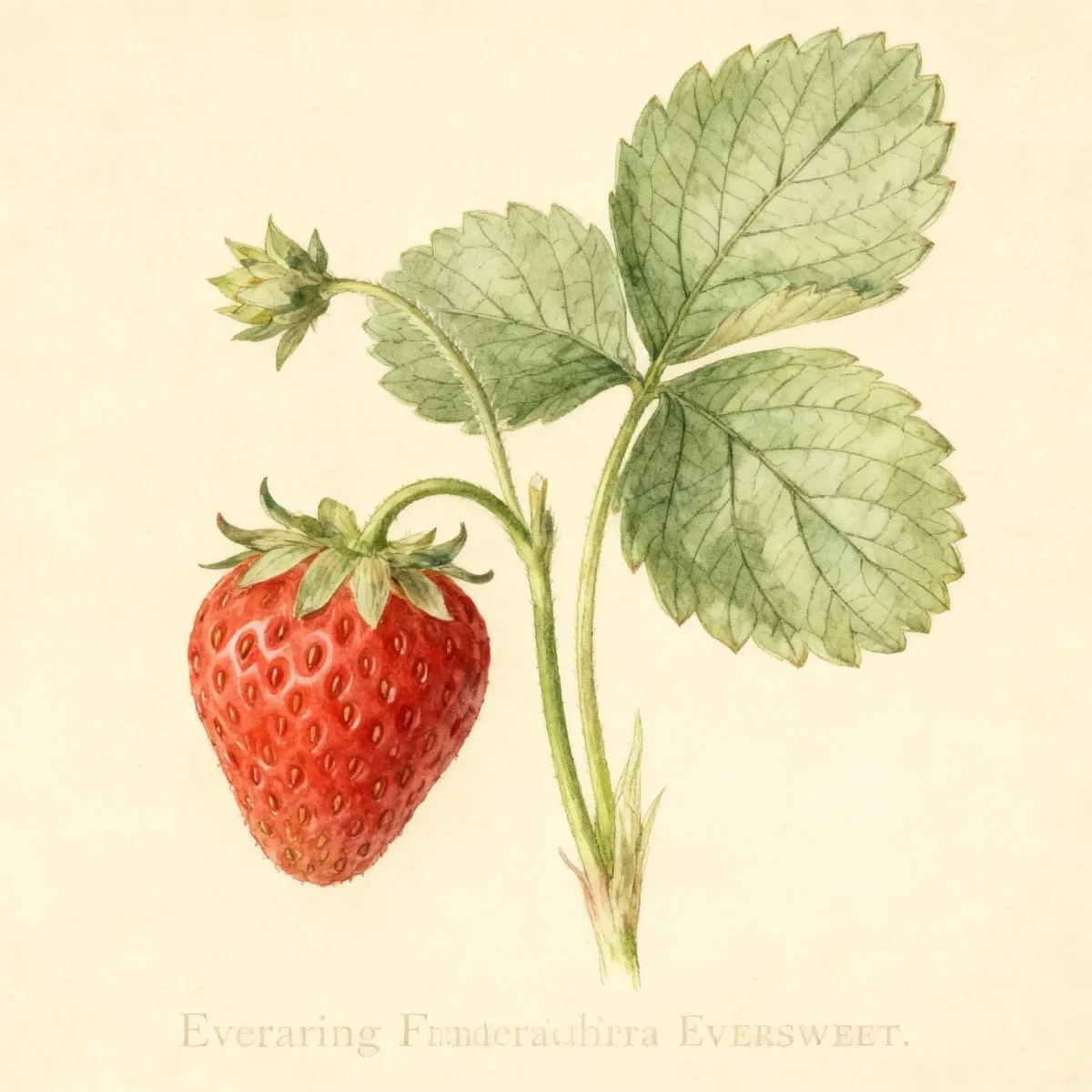
Strawberry (Fragaria 'Allstar')
Fragaria 'Allstar' Strawberry offers edible, showy fruit from May. Hardy in Zones 4-8, this high-maintenance fruit requires full sun.
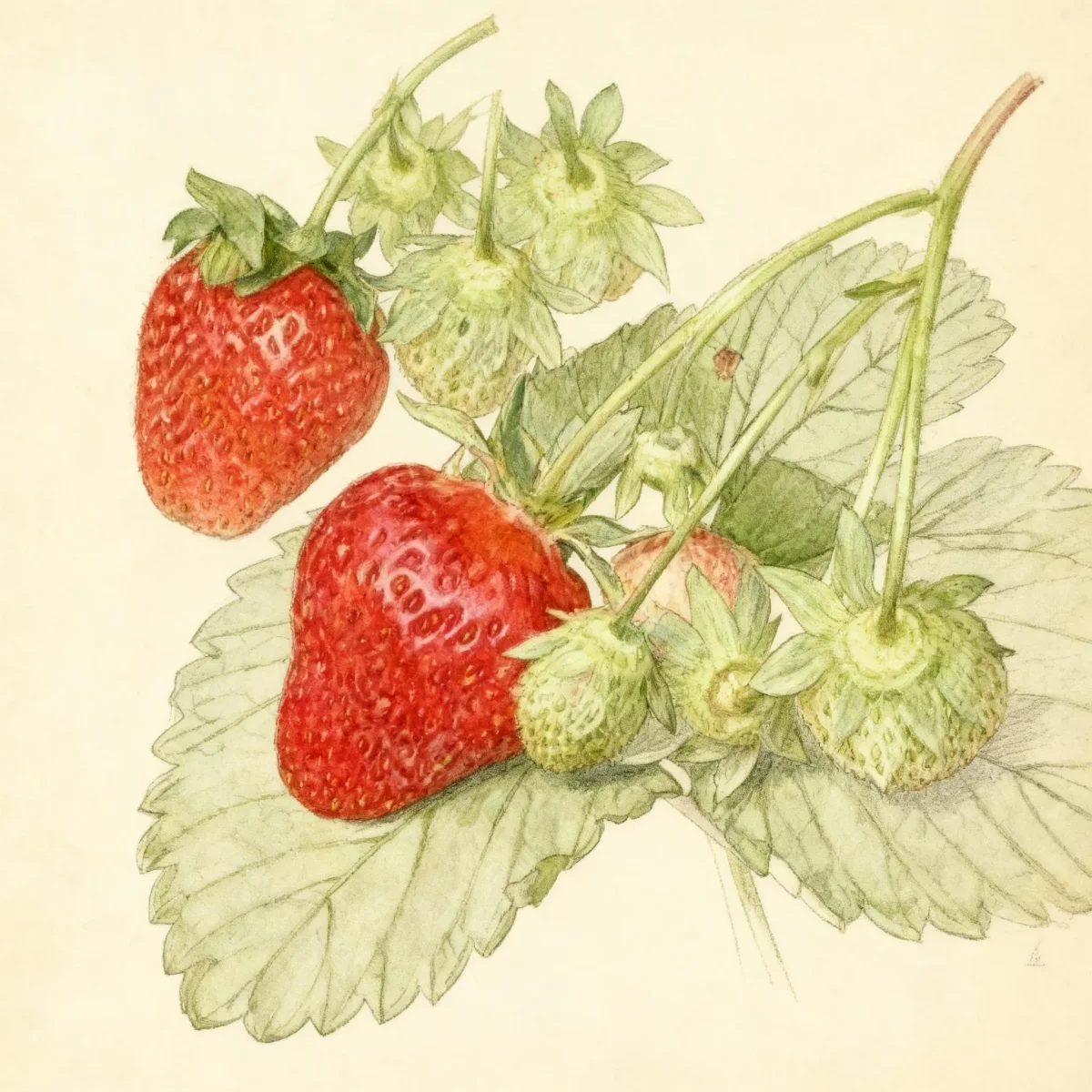

Bloom Boldly, No Matter the Season - Sweatshirt
Cozy organic cotton sweatshirt featuring our exclusive Purple Coneflower design. Perfect for gardeners who bloom year-round.
Inspired by the beautiful Strawberry
Limited first batch (50) — join the waitlist for early access
Waitlist closes Feb 15, 2026.
Complete Plant Information
Field Guide Continues
Ready for care notes, companion picks, and planting tips?
The map is just the start. The full guide below covers growth habits, seasonal performance, and landscape uses.
Overview
The delightful Strawberry, particularly the cultivar Fragaria ‘Allstar’, is a treasured staple in home fruit gardens across the United States. This low-growing, stoloniferous perennial is valued not just for its ornamental five-petaled white flowers but primarily for the sweet, fragrant, red berries it produces shortly after flowering. Gardeners seeking reliable, flavorful harvests often turn to established cultivars like Fragaria ‘Allstar’.
As a June-bearing variety, Fragaria ‘Allstar’ concentrates its energy into one major crop early in the season, usually resulting in larger berries compared to everbearing types. While maintenance requirements are high, providing specific conditions ensures a rewarding harvest of plump, delectable fruit. Growing Strawberries successfully involves diligent attention to soil, moisture, and pest management, crucial for achieving peak flavor from this excellent fruit crop.
This herbaceous perennial forms appealing groundcover, though its primary function remains producing edible yields. Whether grown in dedicated beds or utilized for their visual charm when in bloom, these plants are a robust addition to the edible landscape, offering substantial appeal when the flowers give way to mature berries.
Fast Facts
- Plant Family: Rosaceae
- Plant Type: Fruit
- Hardiness Zones: USDA Zones 4-8
- Size at Maturity:
- Height: 0.5-0.75 ft
- Spread: 1-1.5 ft
- Bloom Time: May
- Bloom Description: White with yellow center
- Sun Exposure: Full sun
- Water Needs: Medium
- Maintenance Level: High
How to Grow
Planting Strawberries, including the Fragaria ‘Allstar’ cultivar, should ideally occur in early spring once the soil is workable. Select a location that receives consistent full sun exposure throughout the day. These plants thrive in rich, organically amended, medium-moisture soils, with excellent drainage being non-negotiable to prevent root diseases. The preference is often for sandy loams.
Watering should be maintained consistently at a medium level, particularly during flowering and fruiting stages, but never allow the soil to become waterlogged. Strawberry cultivation is considered high maintenance; this often involves diligent weeding and runner management, as unchecked runners can deplete the plant’s energy reserves meant for fruit production. Fertilization should follow recommended practices for your region, often heavier in spring before flowering.
As a June-bearer, Fragaria ‘Allstar’ sets its fruit buds the previous season, so avoid heavy pruning or nitrogen promotion late in the summer to ensure a strong crop the following May. Growers must adhere strictly to practices involving certified disease-resistant cultivars. For localized advice, resources like the University Extension pamphlet “Home Fruit Production: Strawberries and Their Culture” offer specific guidance relevant to regional climates.
Landscape Uses
While Strawberries are generally grown strictly for their exceptional fruit, they possess qualities that can enhance certain landscape designs. They function very well when planted in dedicated, neat rows or large patches reserved specifically for fruit production, often bordered by paths for easy access. Their low, spreading habit also makes them ideal for masking the feet of taller shrubs or integrating into informal edging, provided companion plants do not aggressively compete for resources near the Strawberry plants.
Because Fragaria ‘Allstar’ produces substantial edible yields, consider integrating them into edible landscapes or kitchen gardens where functionality is paramount. Though they lack significant ornamental value compared to flowering shrubs, the bright green trifoliate leaves and attractive white blooms offer seasonal interest. When planning companion planting, avoid placing them too closely near brassicas known to attract similar pests.
Standout Features
Flower Qualities
- Showy
Fruit Qualities
- Showy
- Edible
Noteworthy Characteristics
Fragaria is a genus containing about 12 species of low-growing stoloniferous herbaceous perennials commonly known as strawberries. These plants are a mainstay of the home fruit garden and are typically grouped into Junebearing, everbearing, and day-neutral types. All strawberries feature five-petaled, white flowers with yellow centers, which mature into large, glossy, red berries in late spring to early summer. The cultivar ‘Allstar’ specifically is noted as a midseason, junebearing strawberry cultivar that delivers sweet and fragrant fruit.
Tolerances
- Deer
Potential Problems
Strawberries face a wide array of potential disease and pest issues, requiring vigilant management to secure a healthy harvest. Common ailments include foliage diseases such as leaf spot and scorch, root rots like red stele, and various fruit rots including gray mold. Pest pressures can involve sucking insects like aphids and true bugs, chewing insects like leafrollers or weevils, and slugs. The Fragaria ‘Allstar’ cultivar is reported to offer good natural disease resistance, which is a significant advantage for the home gardener tackling this otherwise demanding crop. Prevention focuses on clean culture, using certified disease-free stock, and practicing crop rotation yearly.
Frequently Asked Questions
What hardiness zones is Strawberry suitable for?
Fragaria ‘Allstar’ Strawberry is suitable for USDA Zones 4 through 8.
How large does Strawberry grow?
This plant typically reaches a height between 0.5 and 0.75 ft, spreading to between 1 and 1.5 ft wide.
What sun exposure does Strawberry need?
Strawberries require full sun exposure for optimal growth, flowering, and fruit production.
When does Strawberry bloom?
This Strawberry variety blooms in May, producing white flowers with a yellow center.
Conclusion
The Fragaria ‘Allstar’ Strawberry offers home gardeners a dependable, midseason yield of exceptionally tasty fruit, making the required high maintenance worthwhile. With its attractive white flowers and delicious, showy berries, this cultivar earns its place in any dedicated fruit patch. Before planting your next crop of the Fragaria ‘Allstar’ Strawberry, ensure your site provides full sun and rich, well-drained soil appropriate for Zones 4-8.
Companion Planting
Selecting the right neighbors can enhance the health and productivity of your Strawberry patch. Marigolds (especially French varieties) are often cited as beneficial companions, potentially deterring nematodes, which can be a soil-borne problem for Strawberries. Conversely, avoid planting nightshades or members of the cabbage family nearby, as they can share susceptibility to similar pests or deplete soil nutrients in ways that stress the fruit crop.
Harvesting Best Practices
Since Fragaria ‘Allstar’ is a June-bearer producing large berries, timely harvesting is key to flavor and preventing spoilage. Berries should be picked when fully colored—deep, uniform red—and still firm. Harvest on dry, sunny days, preferably in the morning after the dew has evaporated, as moisture encourages premature decay and mold. Cut the stem above the hull rather than pulling the berry to prevent bruising the tender fruit.