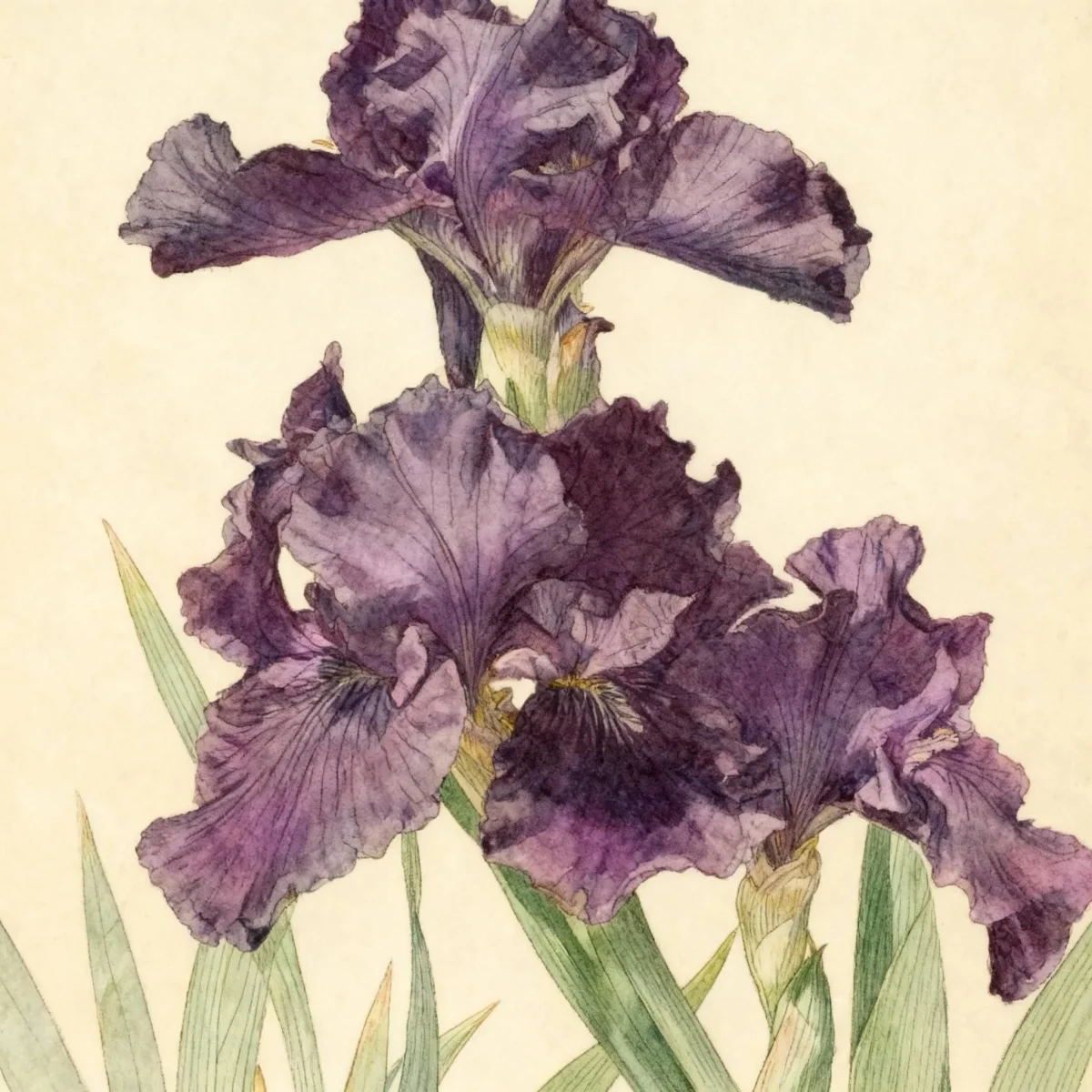
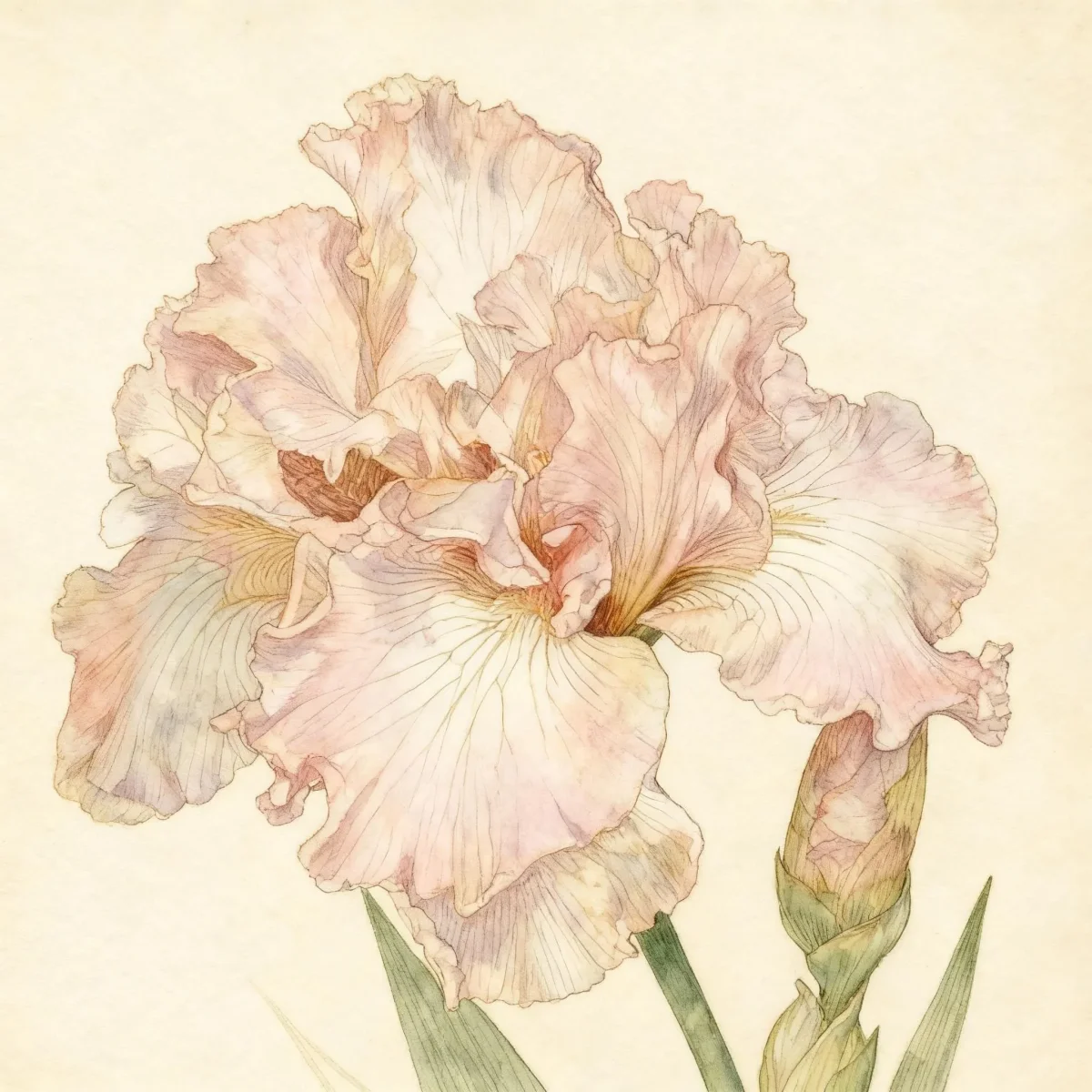
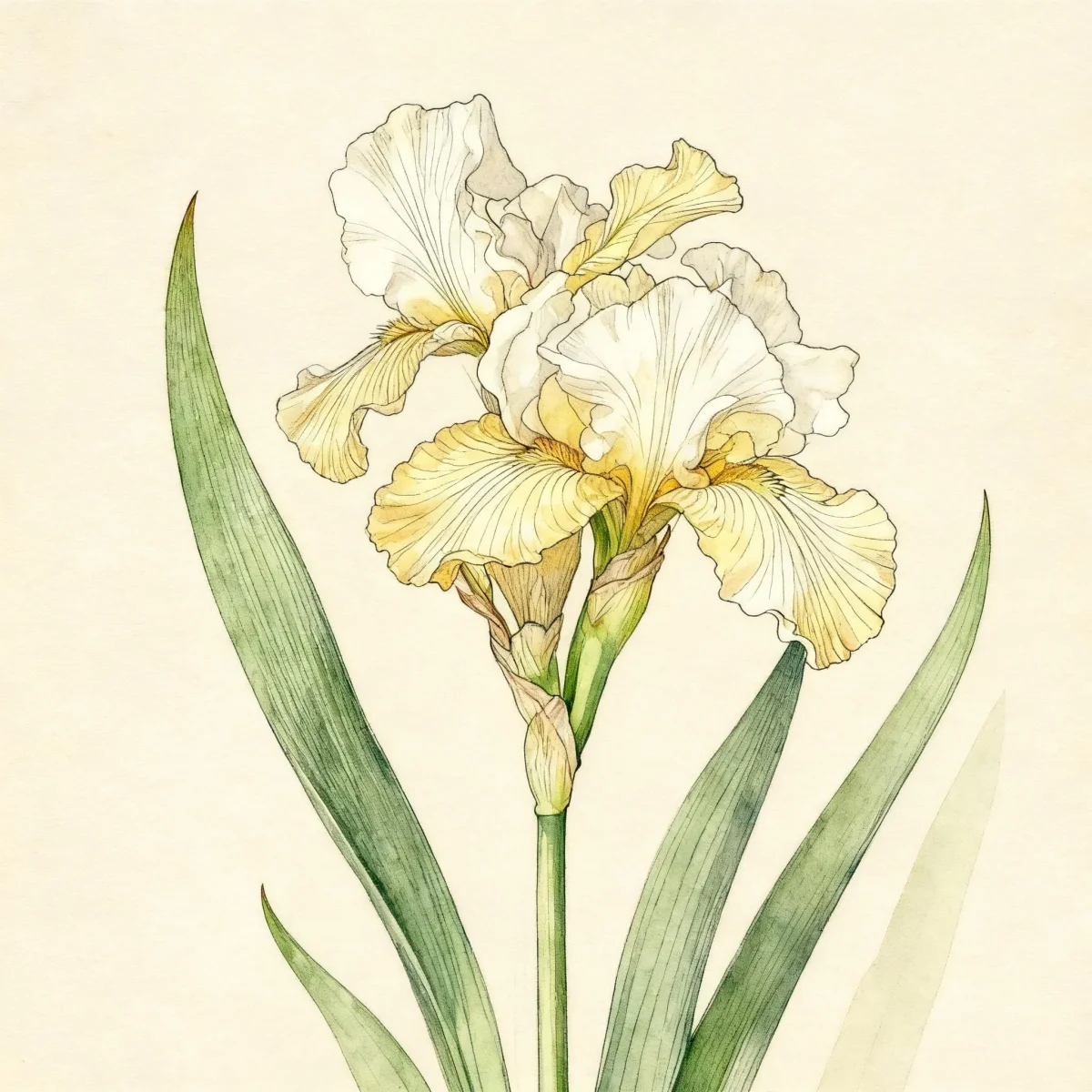
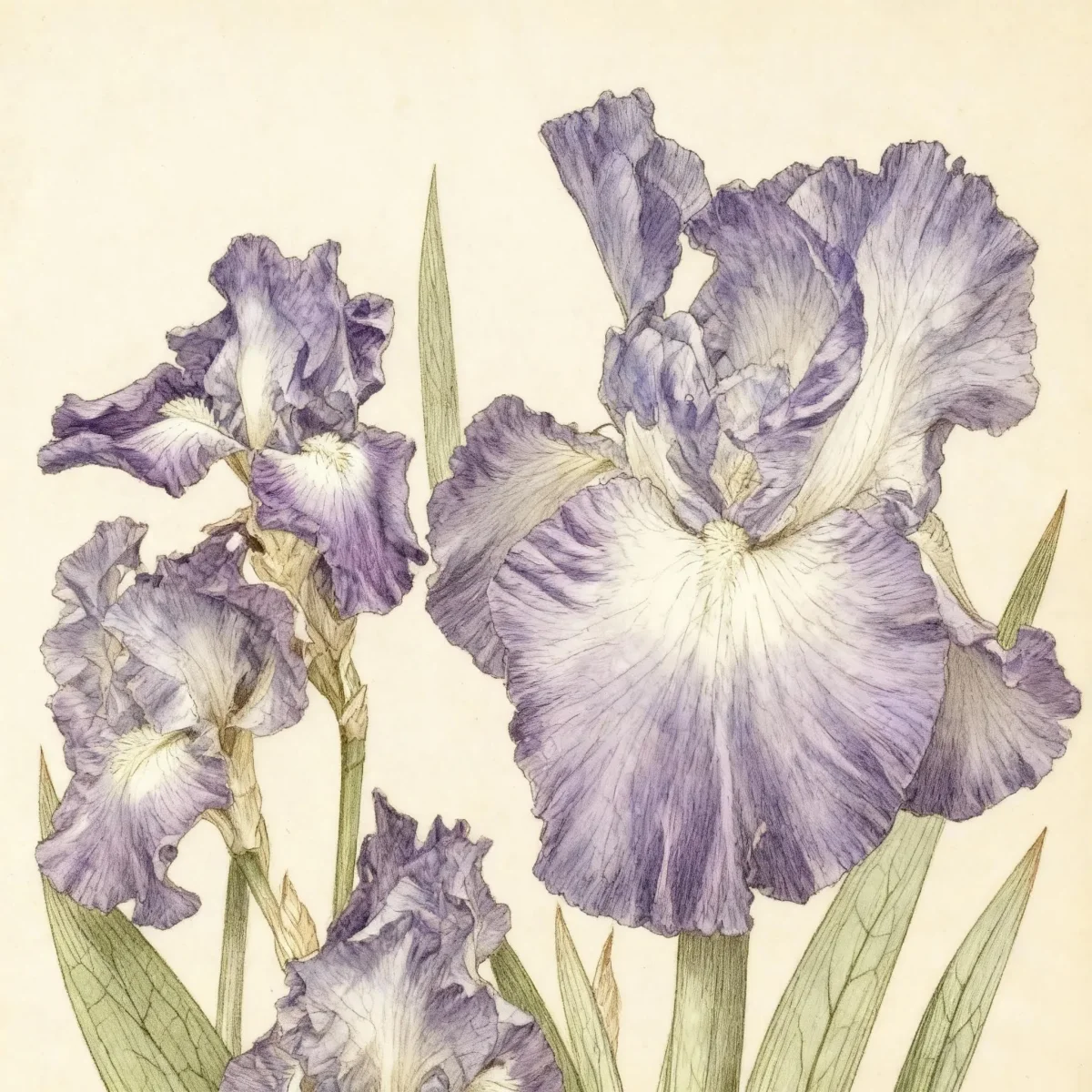
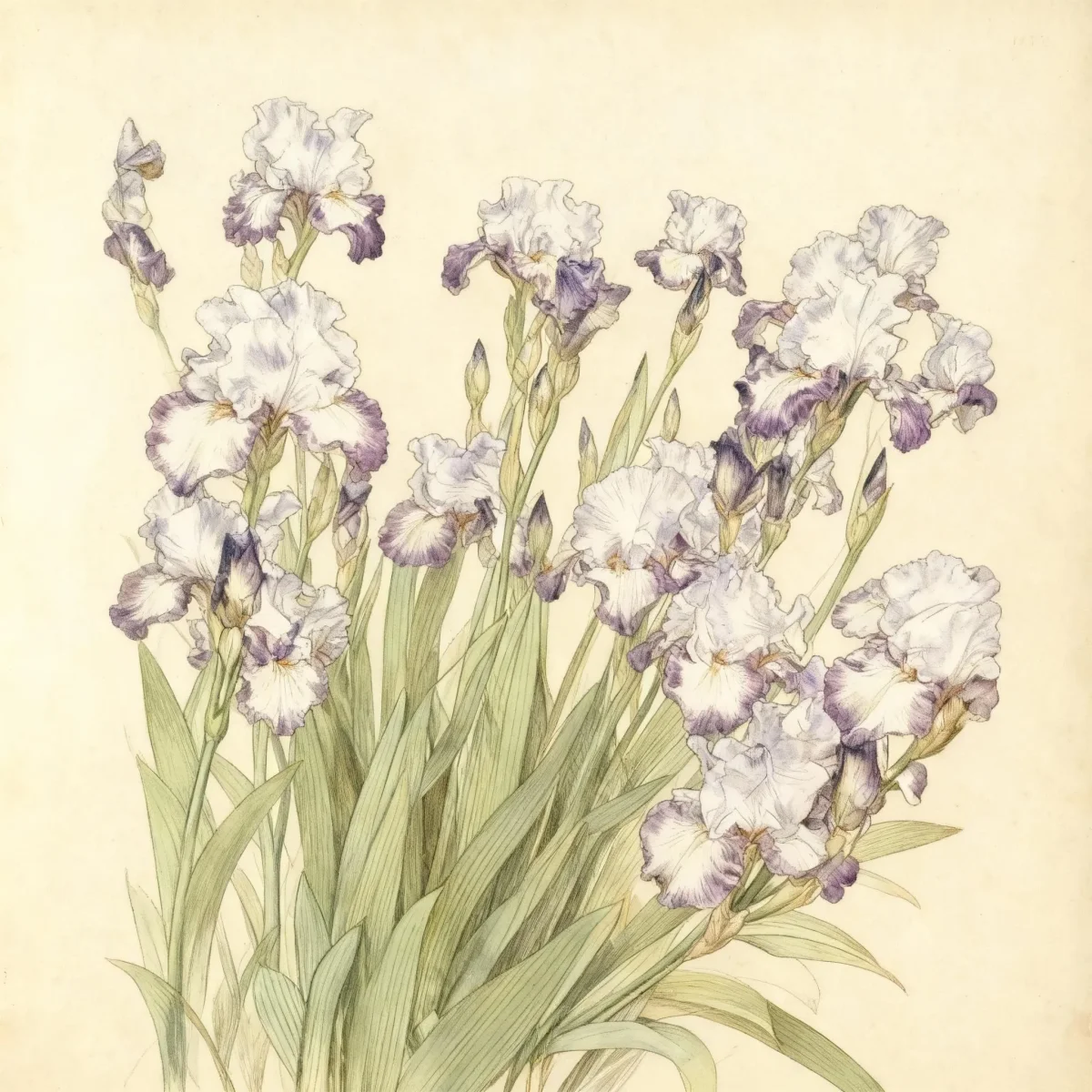
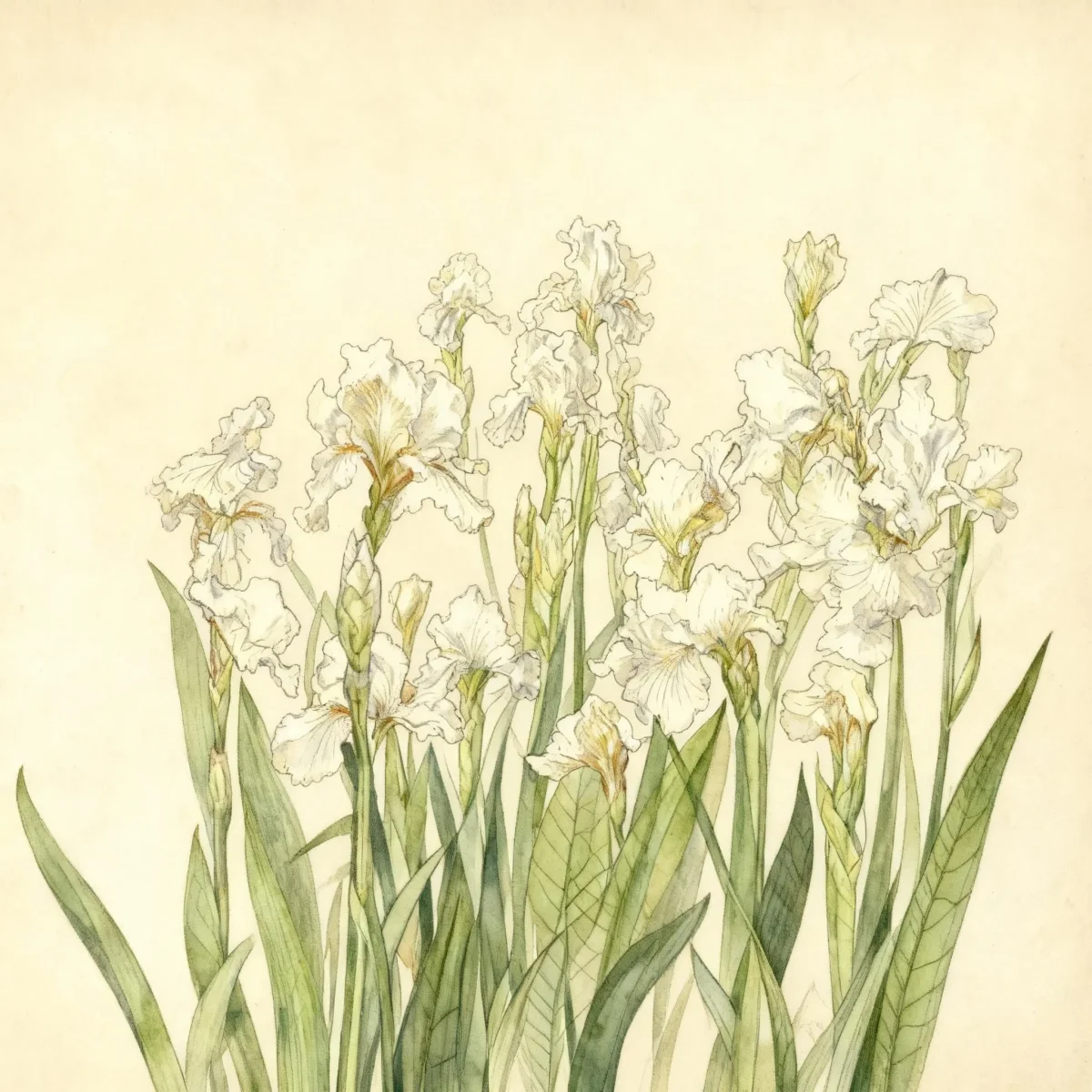
Tall bearded iris (Iris 'Wild West Wind')
Iris 'Wild West Wind' is a stunning Tall bearded iris with tan standards and gold falls, thriving in zones 3-10.
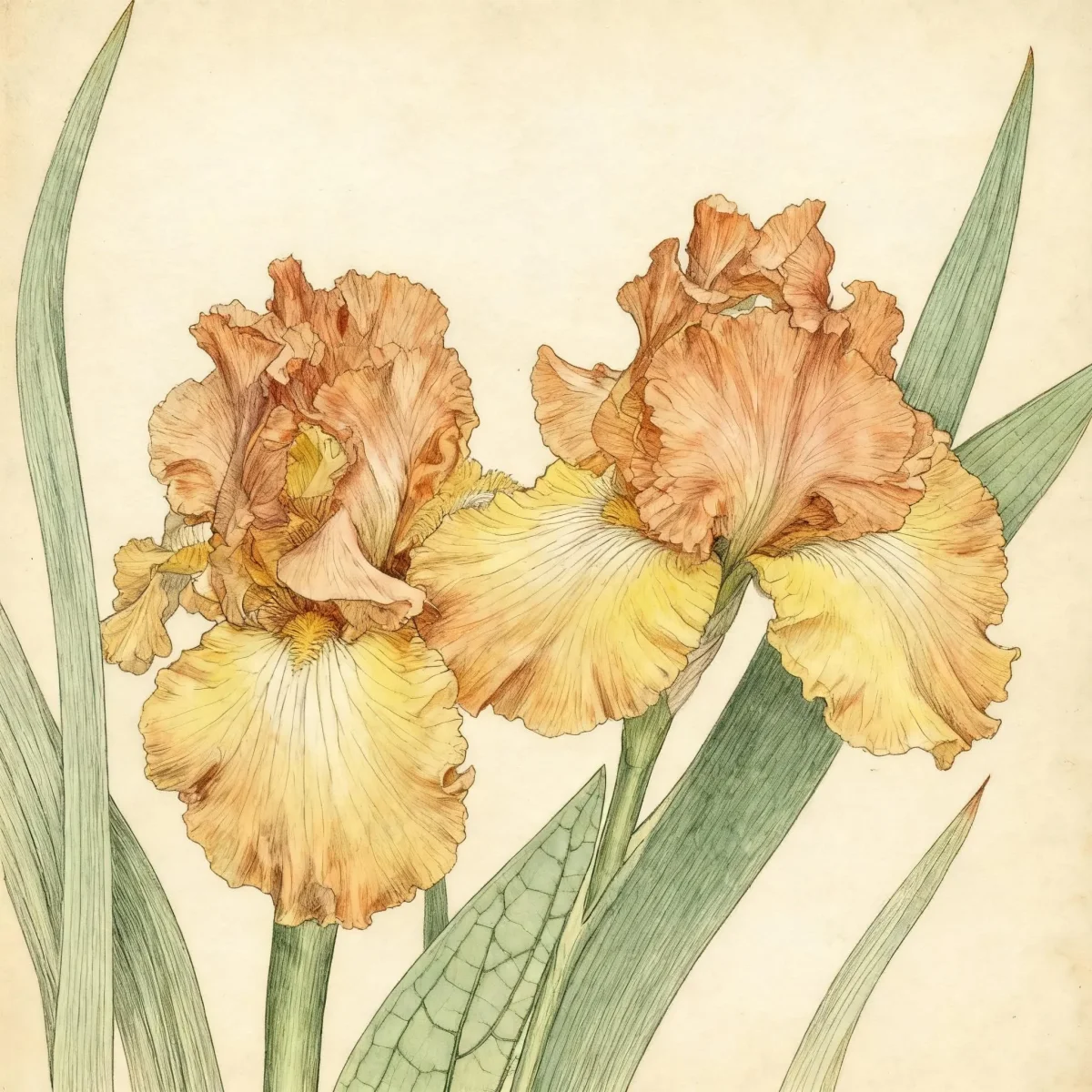

Bloom Boldly, No Matter the Season - Sweatshirt
Cozy organic cotton sweatshirt featuring our exclusive Purple Coneflower design. Perfect for gardeners who bloom year-round.
Inspired by the beautiful Tall bearded iris
Limited first batch (50) — join the waitlist for early access
Waitlist closes Feb 15, 2026.
Complete Plant Information
Field Guide Continues
Ready for care notes, companion picks, and planting tips?
The map is just the start. The full guide below covers growth habits, seasonal performance, and landscape uses.
Overview
Iris ‘Wild West Wind’ offers a striking combination of colors, making it a valuable addition to any sunny perennial display. This Tall bearded iris cultivar features ruffled blooms where the standards are blended tan with purple hints, contrasting beautifully with the light gold falls edged in tan. As a hardy herbaceous perennial, it brings reliable vertical interest to the garden year after year.
This particular variety typically reaches heights around 34 inches, fitting perfectly into the mid-to-rear tiers of a border. Gardeners appreciate the Tall bearded iris class for its sheer bloom power and the iconic, fuzzy beard visible at the center of each flower. Ensure this cultivar receives ample sunshine to support its vigorous growth and vibrant coloration.
Established Iris ‘Wild West Wind’ exhibits good drought tolerance, although consistent care during the active growing phase yields the best results. For peak performance, utilize its medium water needs effectively, focusing moisture during spring and the period immediately following its May to June bloom.
Fast Facts
- Plant Family: Iridaceae
- Plant Type: Herbaceous perennial
- Hardiness Zones: USDA Zones 3-10
- Size at Maturity:
- Height: 2-3 ft
- Spread: 1-2 ft
- Bloom Time: May to June
- Bloom Description: Tan standards with gold falls
- Sun Exposure: Full sun
- Water Needs: Medium
- Maintenance Level: Medium
How to Grow
Planting rhizomes for Iris ‘Wild West Wind’ is best done from late July through October, depending on your region’s climate; aim for late summer to early fall. Focus on providing average, well-drained soil conditions in a location receiving full sun, though brief afternoon shade in extreme heat is acceptable. Proper planting depth is critical: set the rhizome shallowly over a small soil mound, exposing about one-third of the rhizome above ground.
Once established, this Tall bearded iris needs medium moisture, especially from early spring until six weeks after flowering concludes. Excellent drainage is non-negotiable; if you have heavy clay soils or high rainfall, plant rhizomes on slopes or in raised beds to prevent the development of rhizome rot. Space rhizomes 12 to 20 inches apart to allow room for future clumping growth.
Maintenance for Iris ‘Wild West Wind’ is medium. Keep the bed meticulously free of weeds, as competition hinders performance. If clumps become overcrowded over time, lift and divide them using a garden fork in late summer (August) before new rhizome growth starts hardening for winter.
Landscape Uses
The robust height and impressive blooms of Iris ‘Wild West Wind’ make it an excellent anchor plant for perennial borders and foundation plantings. Grouping or massing these plants creates sweeping blocks of warm color that command attention during late spring. Consider pairing this Tall bearded iris with lower-growing spring bloomers like Alyssum or creeping Thyme, which can soften the edges of the iris clump.
In formal settings, planting Iris ‘Wild West Wind’ along clear lines of a walkway provides structure, while in cottage gardens, allow them to mingle naturally among peonies and ornamental grasses. Their upright, linear leaves provide useful texture even when the plant is not in bloom, contributing consistent architectural structure to sunny beds.
Standout Features
Flower Qualities
- Showy
Noteworthy Characteristics
Tall Bearded Iris cultivars like Iris ‘Wild West Wind’ are rhizomatous perennials known for tall stems carrying multiple blossoms over five inches wide. This specific cultivar reaches about 34 inches tall, displaying ruffled flowers in May and June, characterized by blended tan standards and light gold falls accented by orange beards. The genus takes its name from the Greek goddess of the rainbow, reflecting the wide spectrum of colors available across the class.
Tolerances
- Deer
- Drought
Potential Problems
Iris ‘Wild West Wind’ can be susceptible to several fungal and viral issues common to the genus, including leaf spot, bacterial soft rot, crown rot, and mosaic viruses. Pests such as slugs, snails, aphids, thrips, and the notoriously destructive iris borer also pose threats. Control centers around rigorous cultural practices.
Good sanitation is the single most effective defense against disease and pests in your Tall bearded iris beds. This includes promptly removing and destroying any diseased foliage or rhizomes discovered during the season. Crucially, perform a complete annual cleanup of all plant debris in the fall, especially after the first frost, to eliminate hiding spots for pests and fungal spores.
Failure to bloom often relates to cultural mistakes rather than pests; confirm rhizomes are not planted too deeply, the area is not overly shaded, and the plants are not overcrowded, which necessitates division. Addressing these cultural points ensures your Iris ‘Wild West Wind’ rewards you with its spectacular flowers annually.
Frequently Asked Questions
What hardiness zones is Iris ‘Wild West Wind’ suitable for?
Iris ‘Wild West Wind’ is highly adaptable, thriving in USDA Zones 3 through 10.
How large does Tall bearded iris grow?
When mature, this cultivar typically reaches a height between 2 and 3 feet, with a spread of 1 to 2 feet.
What sun exposure does Iris ‘Wild West Wind’ need?
This plant performs best when situated in full sun for optimal flowering and health.
When does Iris ‘Wild West Wind’ bloom?
The characteristic blooms of this Tall bearded iris appear from May to June, presenting tan standards with gold falls.
Conclusion
Iris ‘Wild West Wind’ is a rewarding, visually dramatic selection for gardeners seeking reliability in sunny spots. With its striking tan and gold coloration and excellent tolerance for both deer and periods of dryness, this Tall bearded iris brings established beauty to the perennial garden. Always ensure superior drainage when planting rhizomes to protect against rot, and check your local USDA zone before planning your late-summer planting schedule.
Seasonal Care Calendar
Dividing and refreshing your iris beds is a key task for long-term health. Since Iris ‘Wild West Wind’ benefits from division when it becomes overcrowded—typically every 3 to 5 years—schedule this for late summer (August). This timing allows the newly separated rhizomes sufficient time to establish roots before winter dormancy sets in.
During the active growing seasons of spring and early summer, focus on maintaining consistent moisture, particularly leading up to and immediately after blooming, while keeping the area weed-free. Avoid high-nitrogen fertilizers late in the season, as excessive soft growth makes the rhizomes more vulnerable to rot and overwintering pests.
As fall approaches, especially after the first frost, perform a thorough bed cleanup. Removing all spent foliage prevents overwintering pests like iris borer larvae from starting the cycle anew next spring. This simple bi-annual care routine keeps your Iris ‘Wild West Wind’ looking its best.
Companion Planting Ideas
Since Tall bearded irises require full sun, excellent drainage, and medium moisture, selecting companions with similar, non-competitive root systems is beneficial. Consider pairing Iris ‘Wild West Wind’ with Nepeta (Catmint) or Salvia cultivars whose lower, spreading habits contrast nicely with the upright structure of the iris. These companions also bloom later, extending the visual interest after the iris fades.
For an integrated border design, use drought-tolerant structural plants nearby such as ornamental grasses or Echinacea (Coneflower), which appreciate similar sun and soil profiles. Avoid planting moisture-loving perennials directly adjacent to iris rhizomes, as this can increase humidity around the crowns and accidentally promote bacterial soft rot in your Iris ‘Wild West Wind’.