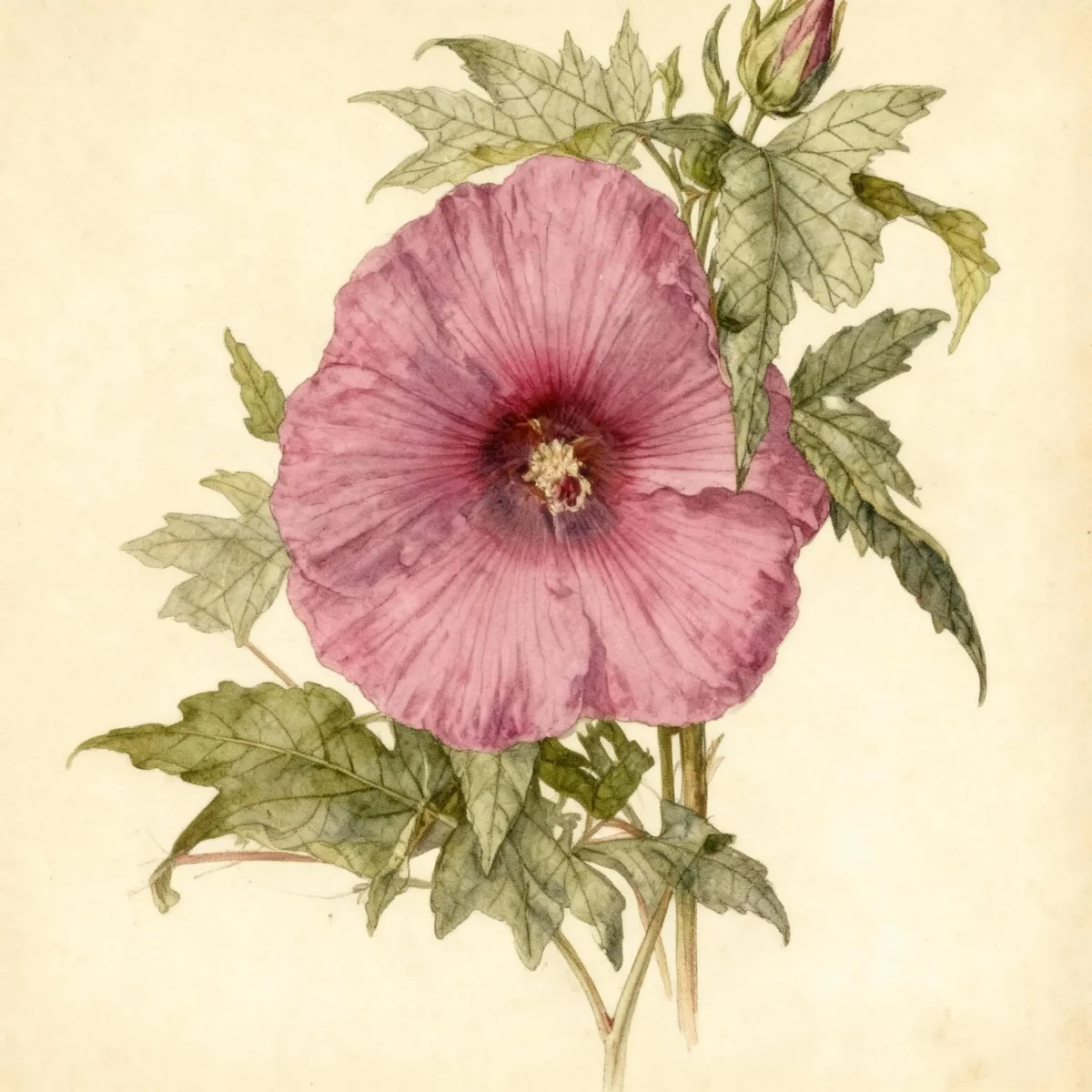
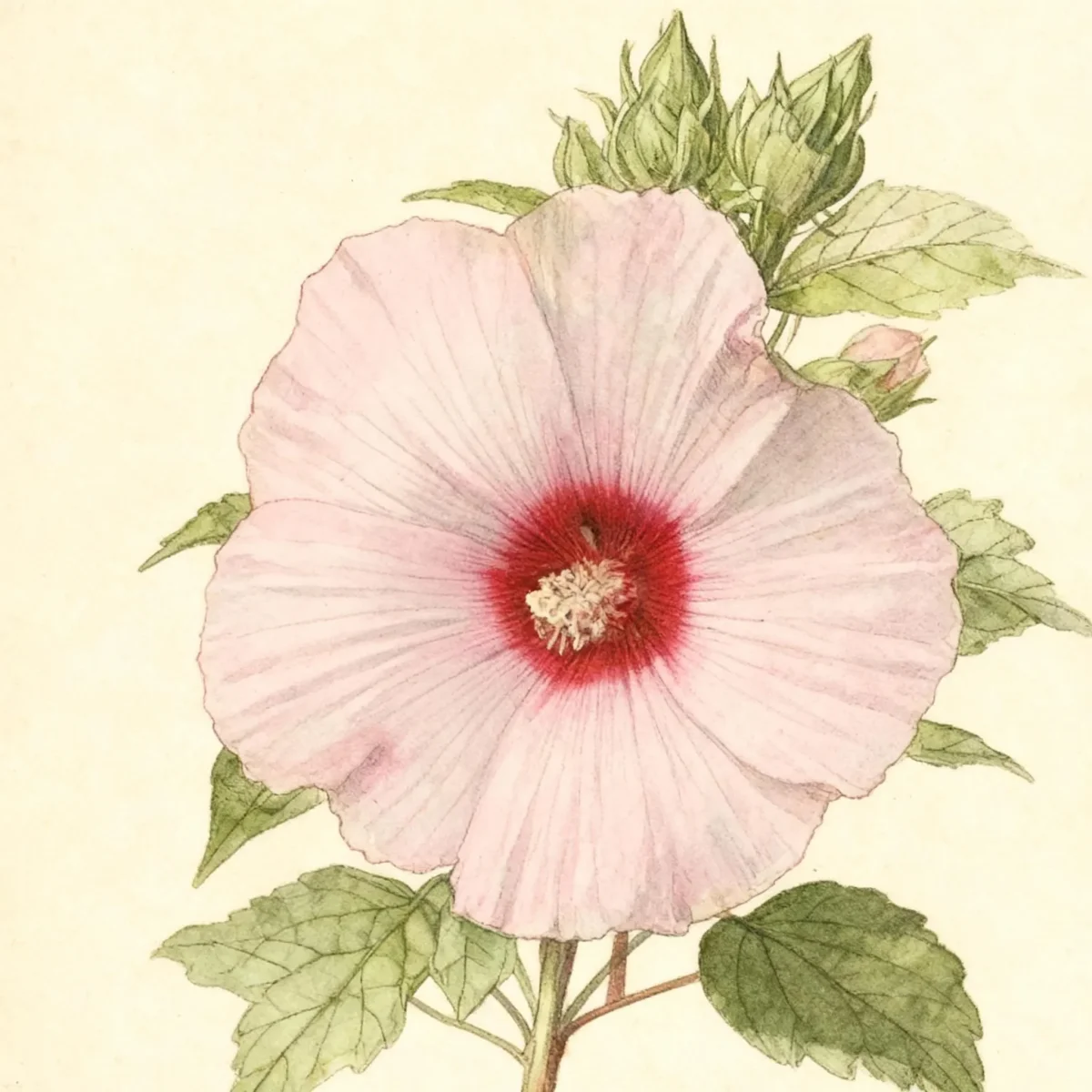
Hardy hibiscus (Hibiscus moscheutos 'Luna Red')
Discover Hibiscus moscheutos 'Luna Red', a compact Hardy hibiscus, blooming July-Sept with deep burgundy flowers. Low maintenance and adaptable to wet spots.
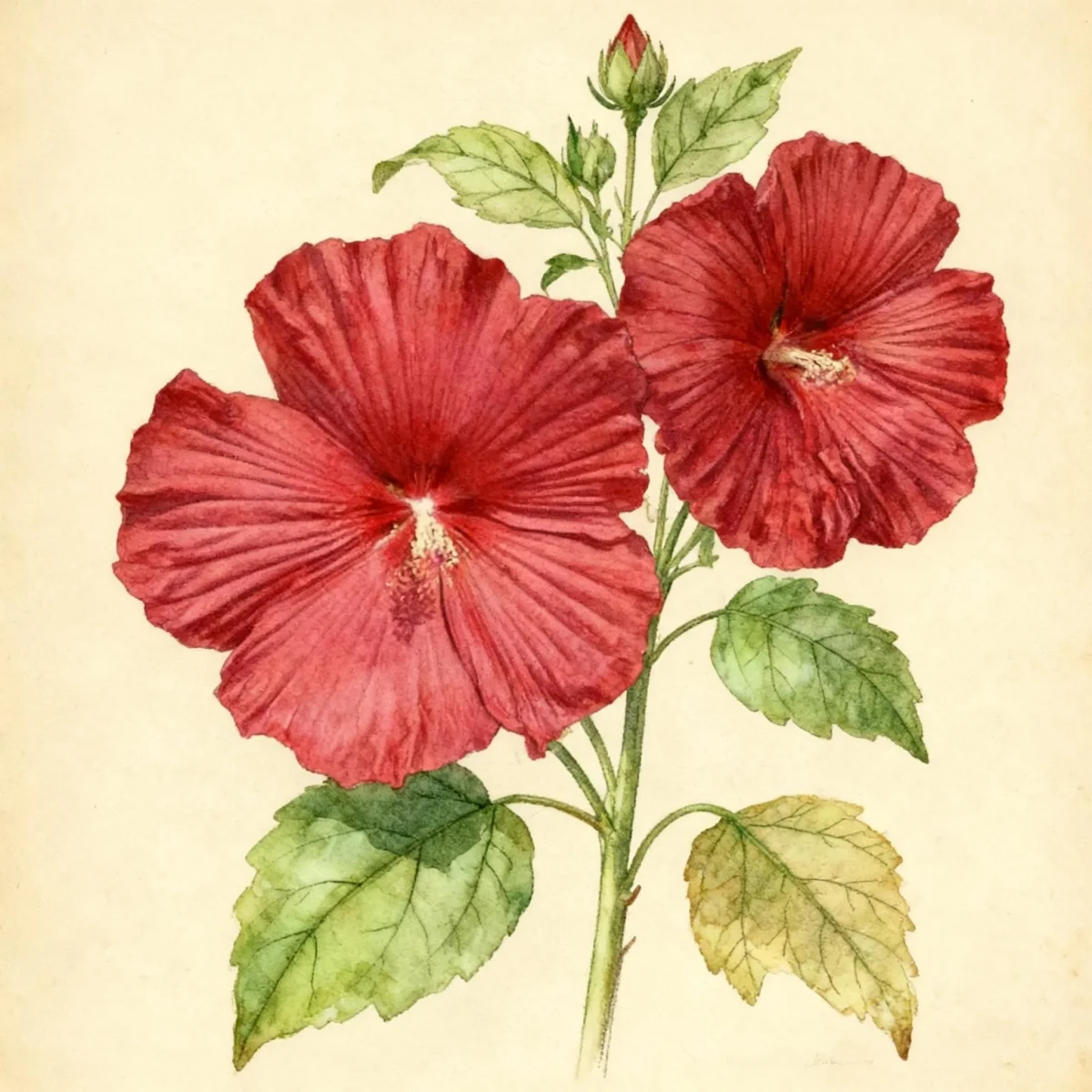

Bloom Boldly, No Matter the Season - Sweatshirt
Cozy organic cotton sweatshirt featuring our exclusive Purple Coneflower design. Perfect for gardeners who bloom year-round.
Inspired by the beautiful Hardy hibiscus
Limited first batch (50) — join the waitlist for early access
Waitlist closes Feb 15, 2026.
Complete Plant Information
Field Guide Continues
Ready for care notes, companion picks, and planting tips?
The map is just the start. The full guide below covers growth habits, seasonal performance, and landscape uses.
Overview
Hibiscus moscheutos ‘Luna Red’ is a highly desirable compact cultivar of the native hardy hibiscus, prized for its robust performance and stunning summer color show. This variety offers gardeners the drama of tropical hibiscus blooms without the fuss, thriving as a reliable herbaceous perennial year after year. Its deep burgundy red flowers provide a rich focal point in the summer landscape.
This specific cultivar, Hibiscus moscheutos ‘Luna Red’, offers sturdy, well-branched structure, often performing excellently without the need for pinching, leading to lower maintenance requirements. It easily fits into perennial borders or specialized wet garden areas where many other bloomers struggle. Its compatibility with heat and humidity makes it a powerhouse performer through the hottest months.
Consider adding the striking foliage and enormous blooms of the hardy hibiscus to your garden for reliable, vibrant color from mid-summer until frost. For gardeners seeking high impact with minimal fuss, ‘Luna Red’ is an exceptional choice that brings beauty to moist sections of the yard.
Fast Facts
- Plant Family: Malvaceae
- Plant Type: Herbaceous perennial
- Hardiness Zones: USDA Zones 5-9
- Size at Maturity:
- Height: 2-3 ft
- Spread: 1.5-2 ft
- Bloom Time: July to September
- Bloom Description: Deep burgandy red
- Sun Exposure: Full sun
- Water Needs: Medium to wet
- Maintenance Level: Low
How to Grow
Planting the hardy hibiscus is straightforward; choose a site receiving full sun for the best flowering and stem strength. While this plant prefers moist, organically rich soils, it adapts well to average garden soils, provided they do not completely dry out during the season. Regular, deep watering is essential, especially in hot weather.
Care for Hibiscus moscheutos ‘Luna Red’ involves consistent moisture management. Tolerate some light shade, but full sun encourages vigorous blooming and helps prevent potential fungal issues. Deadhead individual spent flowers to maintain tidiness, although the plant will continue setting new buds regardless. While older varieties often require pinching, ‘Luna Red’ often branches naturally.
As a late riser, be patient in spring; new growth on the hardy hibiscus emerges slowly compared to other perennials. Once active, growth is rapid. In late autumn, cut the stems back to merely 3-4 inches above the ground. If plants struggle with wind exposure, select a location sheltered from strong gusts to prevent leaf burn.
Landscape Uses
The medium stature and adaptability of Hibiscus moscheutos ‘Luna Red’ make it ideal for moisture-rich planting areas. It shines brightly as a feature plant in rain gardens, providing essential structure where water may sometimes linger. Its tolerance for wet soil also makes it effective along stream banks, pond edges, or in naturalized low spots throughout the landscape.
Use this cultivar in moist borders to anchor the middle ground of the planting scheme. For a temporary summer screen or informal hedge effect, planting several specimens together creates a dense wall of color. Furthermore, the compact size of ‘Luna Red’ allows it to perform admirably in large containers, bringing its tropical look onto patios or decks that receive ample sun.
Standout Features
Flower Qualities
- Showy
Noteworthy Characteristics
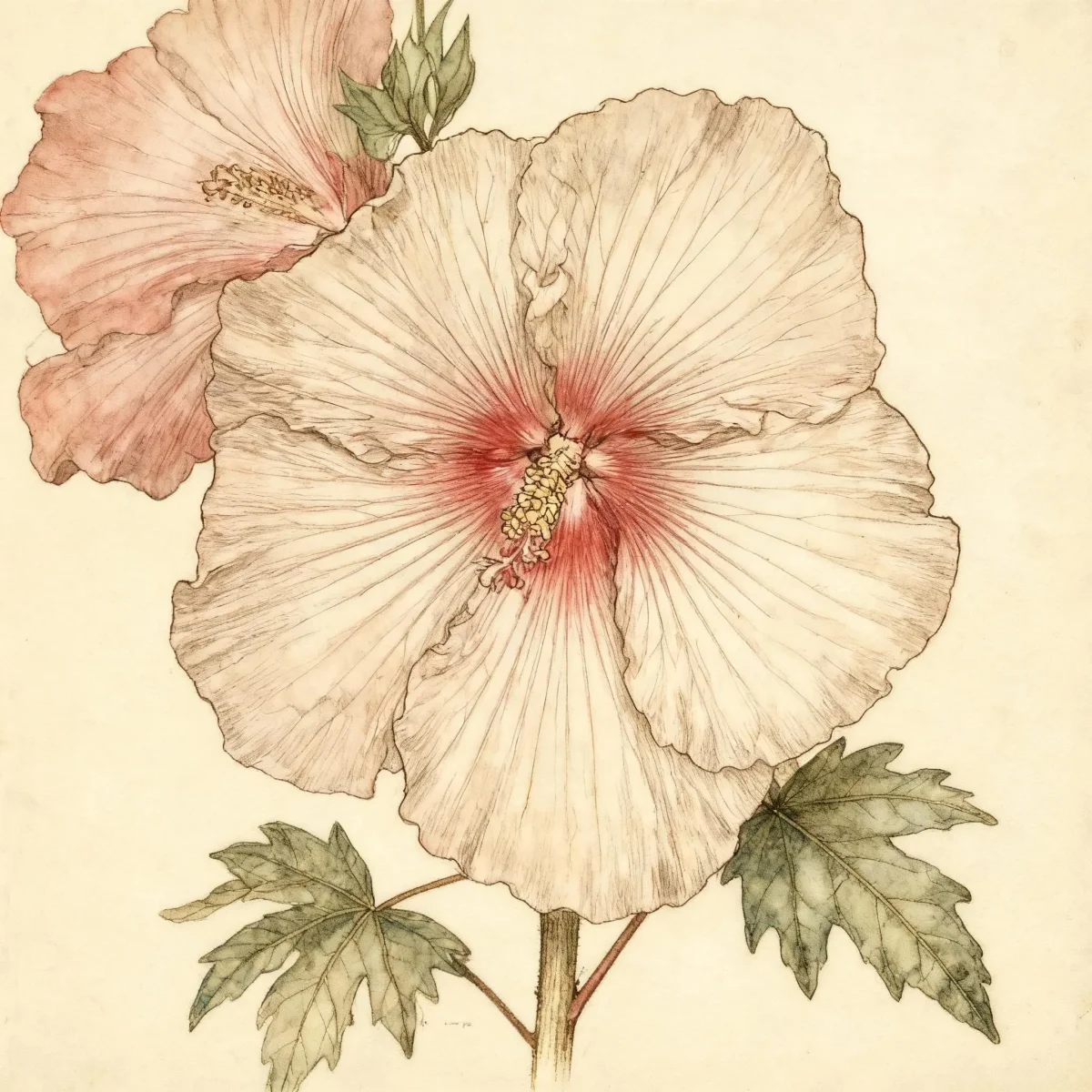
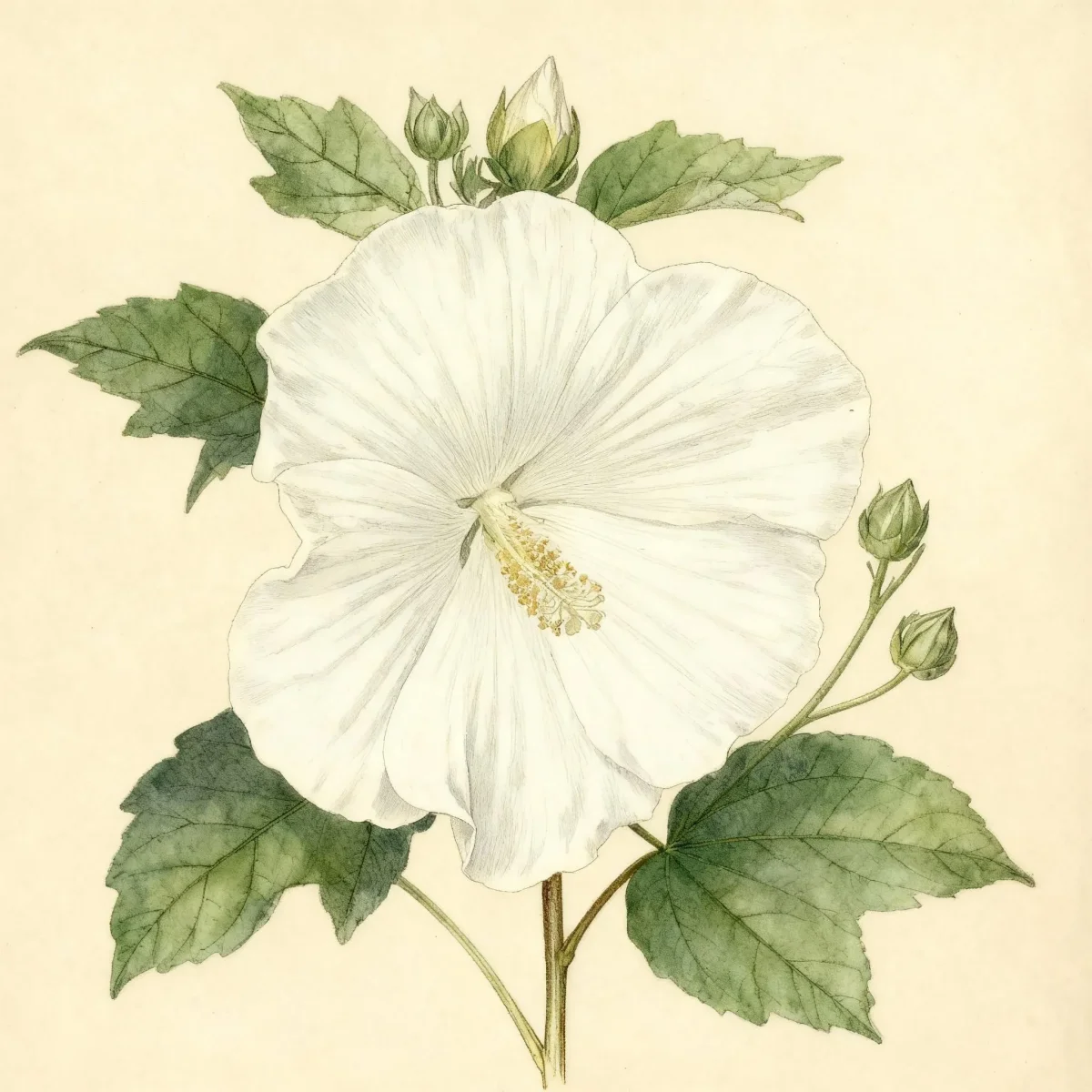
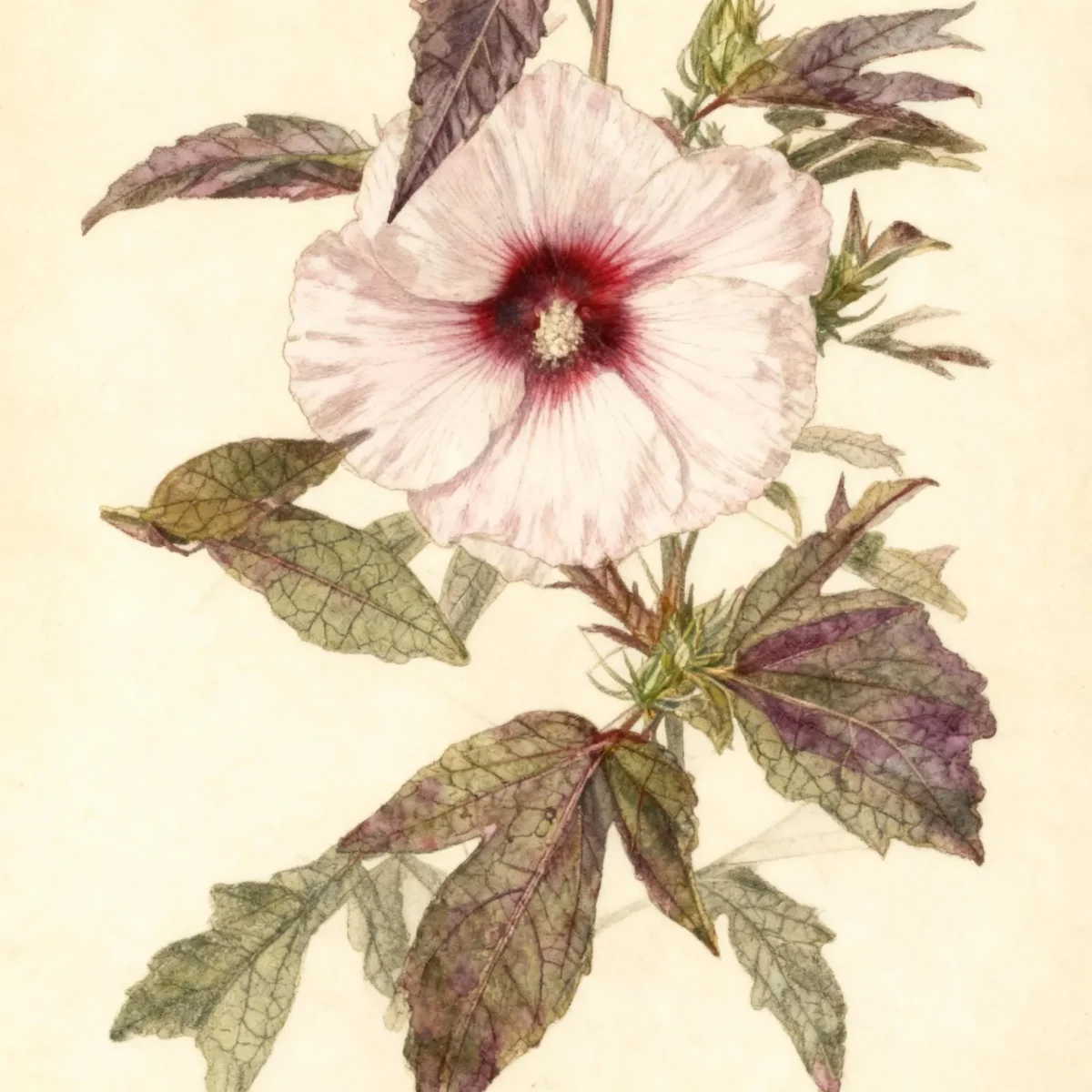
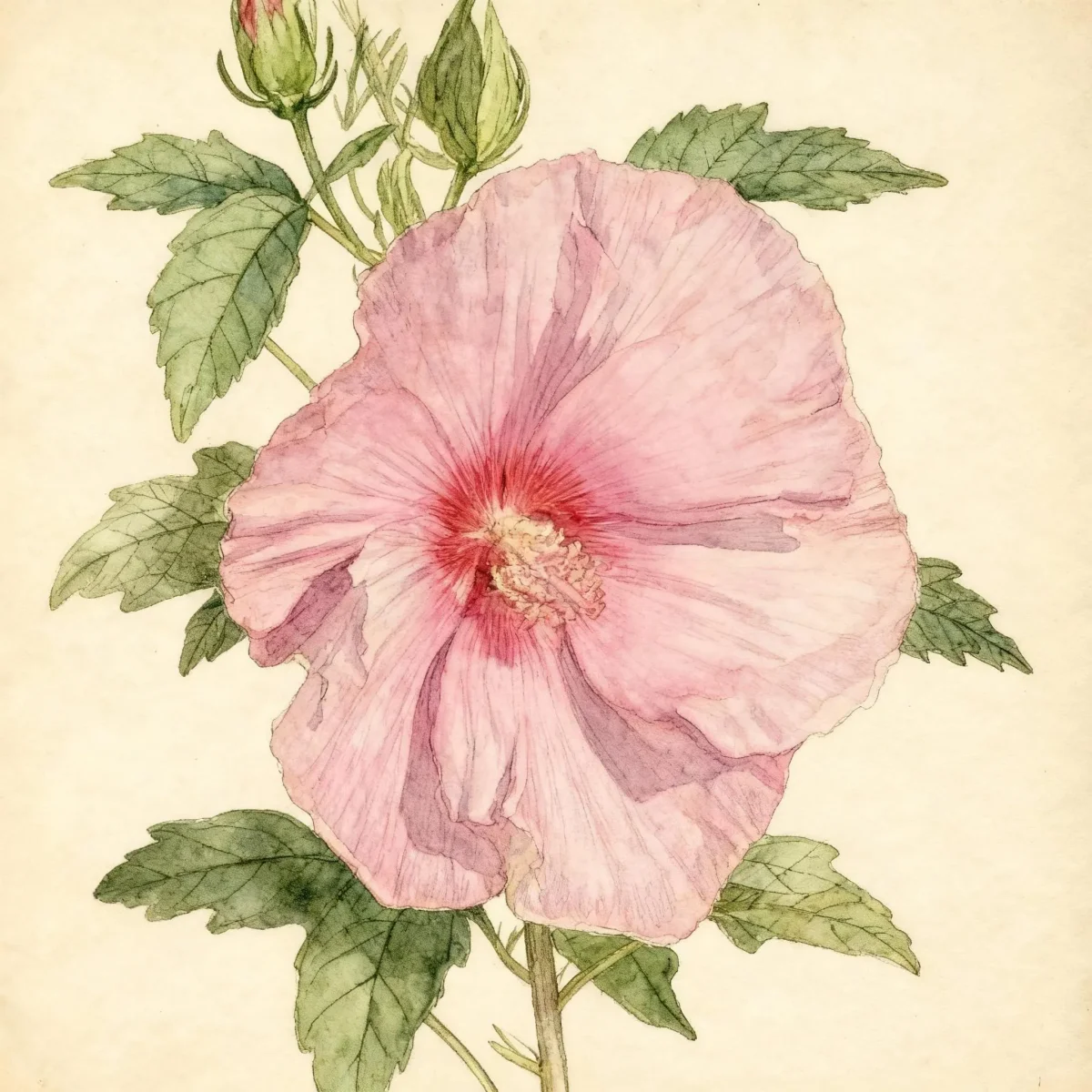
Hibiscus moscheutos, commonly known as hardy hibiscus or swamp rose mallow, is a vigorous, sturdy, rounded, somewhat shrubby, hairy-stemmed, woody-based perennial of the mallow family. Showy, dinner plate-sized, hollyhock-like flowers have five overlapping petals with deeply contrasting central eyes. Individual flowers last only one to two days, but new blooms open daily from July through September, offering a long season of interest. ‘Luna Red’ is a compact F1 hybrid cultivar featuring flowers that measure 6-8 inches in diameter, showcasing five overlapping deep burgundy red petals offset by a prominent creamy white to pale yellow central staminal column.
Tolerances
- Deer
- Wet Soil
Potential Problems
While generally resilient, gardeners should watch for common hibiscus issues. Susceptibility exists for leaf spots, blights, rusts, and canker, which thrive in humid, crowded conditions. To manage pests, inspect for Japanese beetles, which can rapidly consume foliage if left unchecked; whiteflies, aphids, and scale are occasional, minor nuisances. The most common cultural problem is leaf scorch, which occurs if the soil is allowed to dry out repeatedly, contradicting the plant’s preference for medium to wet conditions.
Frequently Asked Questions
What hardiness zones is Hardy hibiscus suitable for?
Hibiscus moscheutos ‘Luna Red’ is suitable for USDA Zones 5 through 9.
How large does Hibiscus moscheutos ‘Luna Red’ grow?
This compact cultivar typically reaches a height between 2 and 3 feet, with a spread of 1.5 to 2 feet at maturity.
What sun exposure does Hardy hibiscus need?
For optimal growth and the strongest stems, this plant requires full sun exposure throughout the growing season.
When does Hibiscus moscheutos ‘Luna Red’ bloom?
This variety blooms reliably from July to September, producing masses of deep burgundy red flowers.
Conclusion
The Hibiscus moscheutos ‘Luna Red’ offers an unbeatable combination of low maintenance, tolerance for moisture, and spectacular, large-format summer blooms. As a dependable hardy hibiscus, it anchors any sunny, moist area in the landscape, providing continuous visual delight. Before planting, confirm your local USDA zone aligns with zones 5-9 to ensure year-over-year success with this stunning perennial.
Companion Planting
When selecting companions for this vigorous perennial, focus on plants that appreciate similar moisture levels but offer contrasting textures or bloom times. Near the damp edges of a rain garden, consider irises, marsh marigolds, or lobelia, which enjoy wet feet and can fill in space while the hibiscus is establishing or just finishing its bloom cycle. Grouping the deep burgundy ‘Luna Red’ next to plants with bright yellow or crisp white flowers enhances the richness of the deep red color, creating vibrant visual contrast.
Wildlife Benefits
The large, nectar-rich flowers of the hardy hibiscus are magnets for pollinators during the peak of summer. They provide critical late-season sustenance for native bees, bumblebees, and larger butterflies when many spring and early-summer bloomers are fading. While the foliage can be browsed by Japanese beetles, the blooms themselves are generally attractive to beneficial insects looking for pollen and nectar sources. Incorporating Hibiscus moscheutos ‘Luna Red’ actively supports local pollinator populations during the hottest and driest parts of the year.