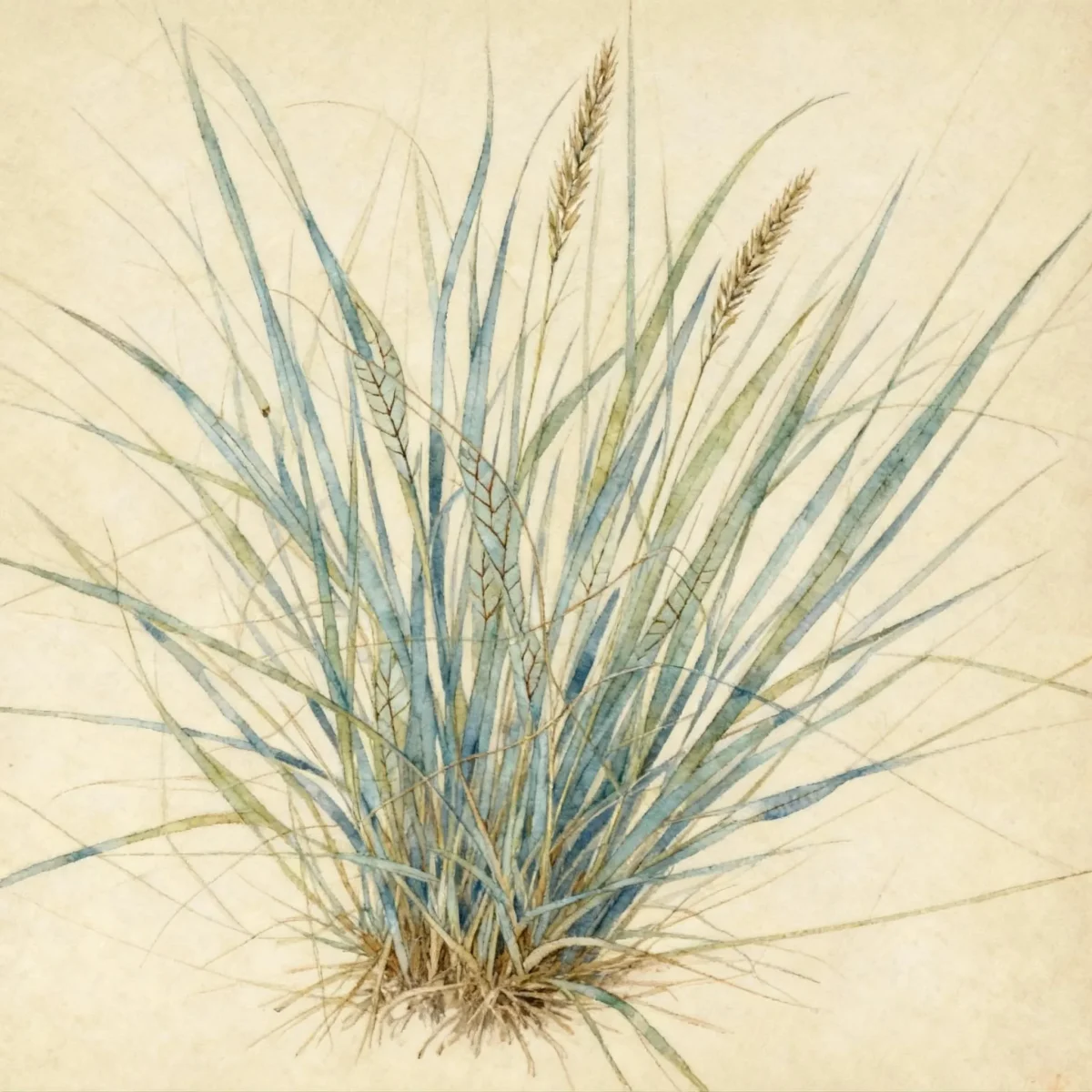
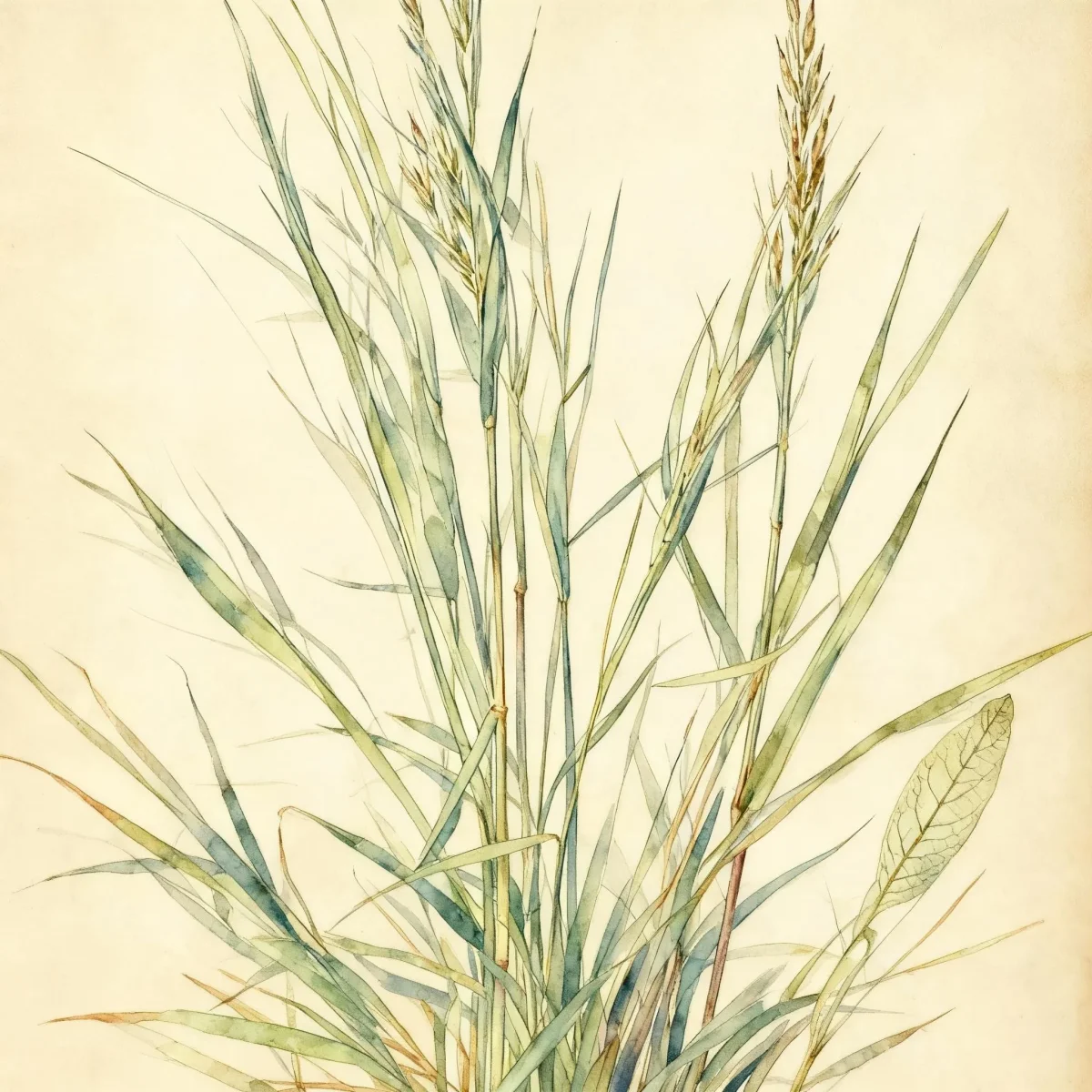
Bitter switchgrass (Panicum amarum 'Dewey Blue')
Panicum amarum 'Dewey Blue', or Bitter switchgrass, features attractive powder blue foliage and excellent drought tolerance for zones 2-9.
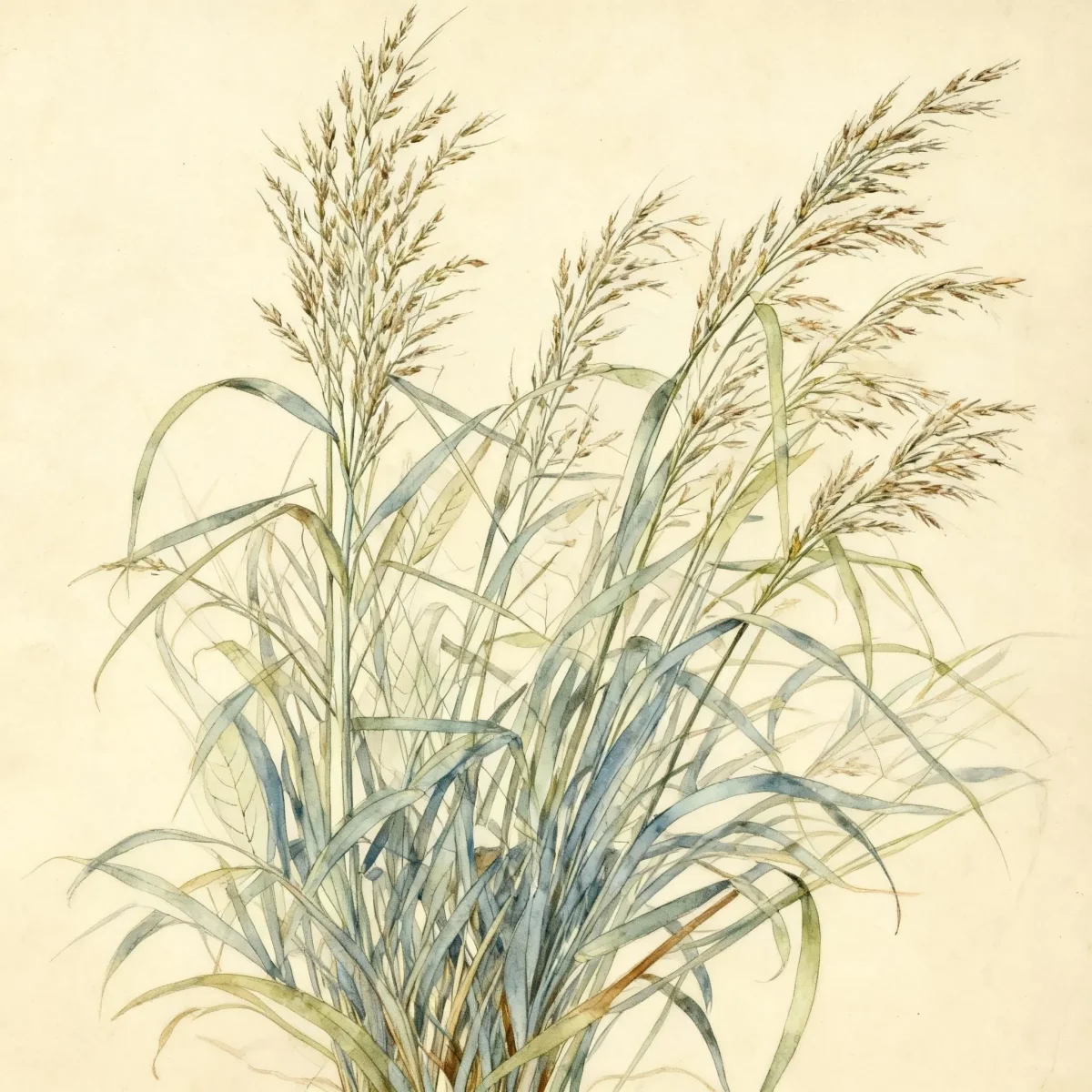

Bloom Boldly, No Matter the Season - Sweatshirt
Cozy organic cotton sweatshirt featuring our exclusive Purple Coneflower design. Perfect for gardeners who bloom year-round.
Inspired by the beautiful Bitter switchgrass
Limited first batch (50) — join the waitlist for early access
Waitlist closes Feb 15, 2026.
Complete Plant Information
Field Guide Continues
Ready for care notes, companion picks, and planting tips?
The map is just the start. The full guide below covers growth habits, seasonal performance, and landscape uses.
Overview
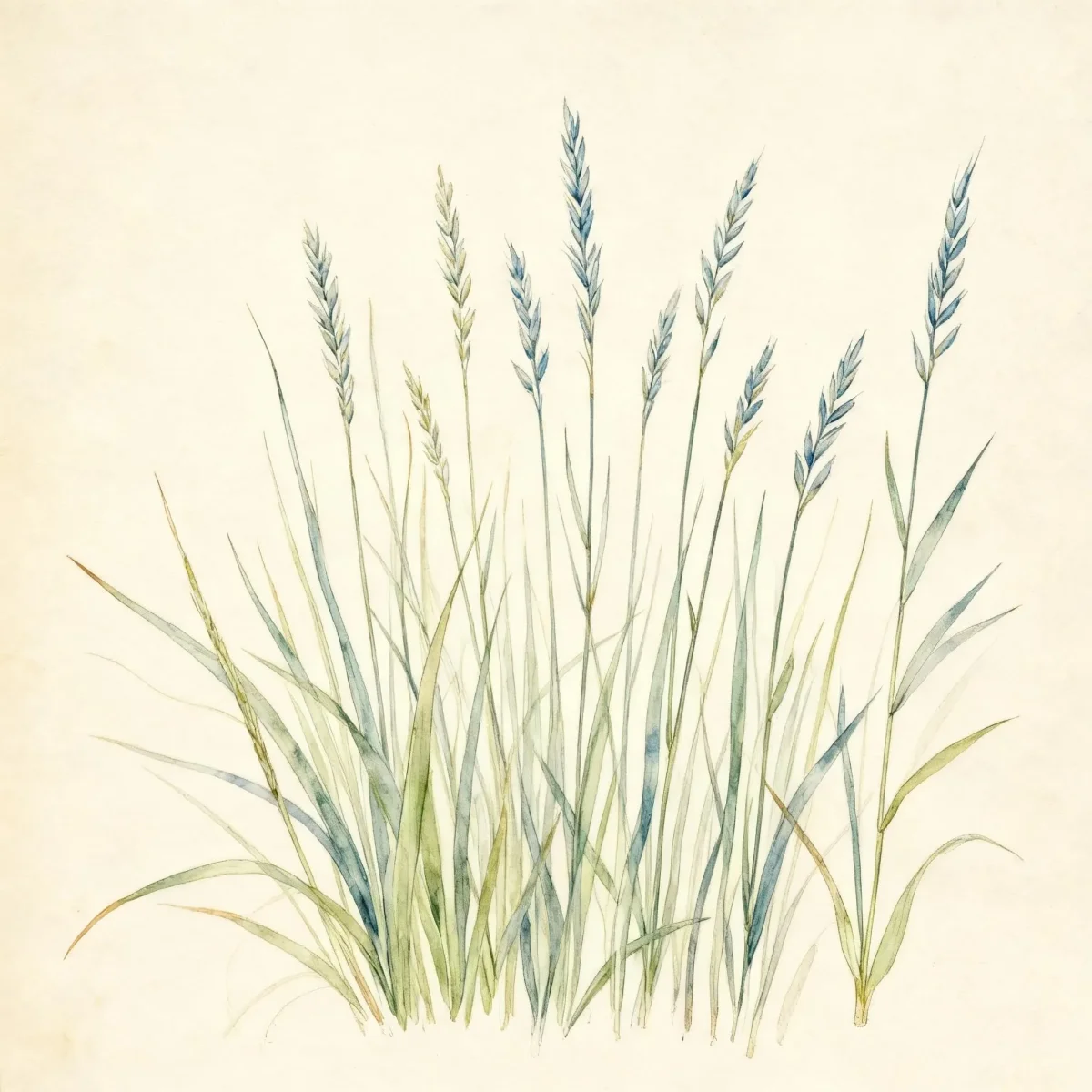
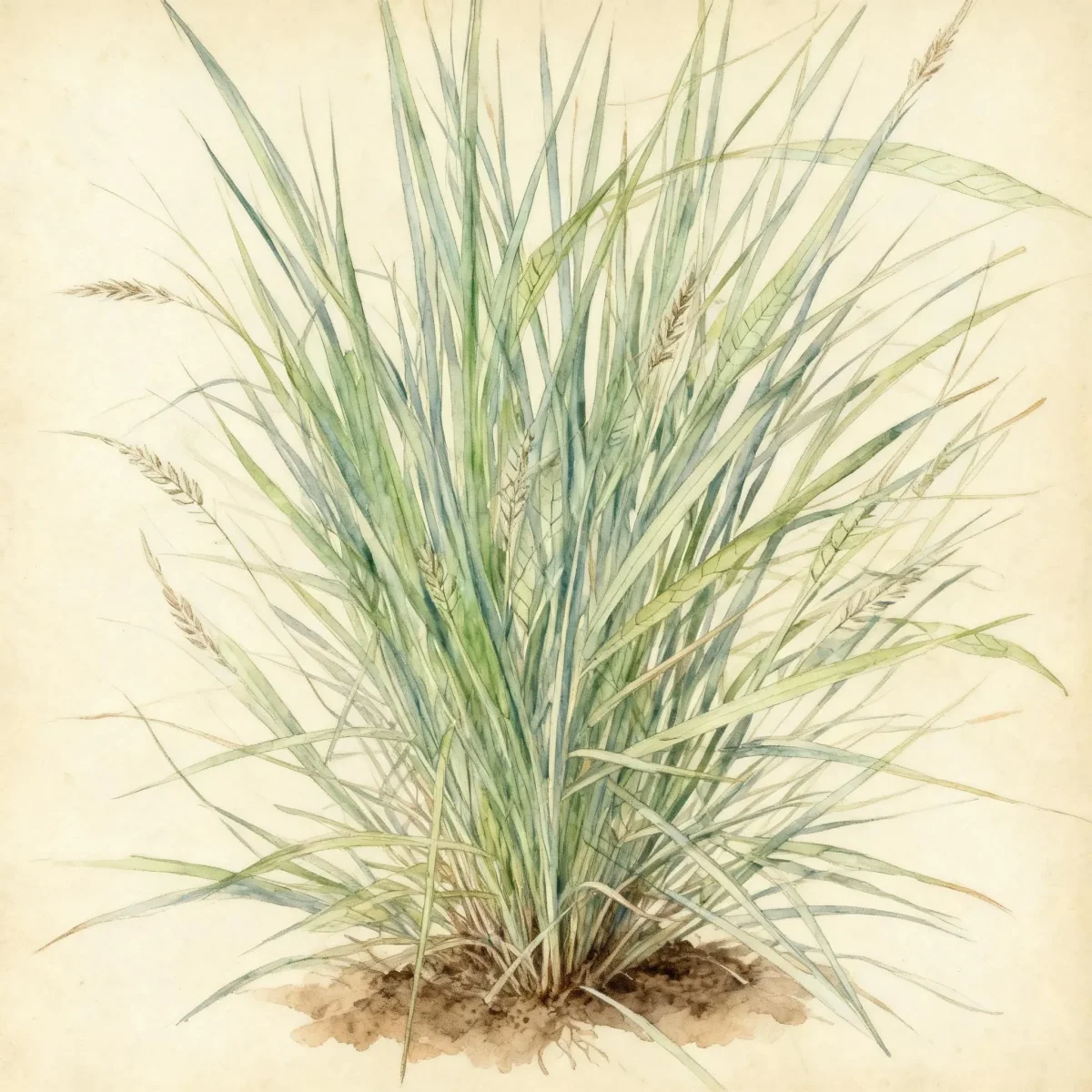
Panicum amarum ‘Dewey Blue’, commonly known as Bitter switchgrass, is a standout perennial beach grass appreciated for its striking blue coloration and reliable structure. This cultivar of Panicum amarum forms neat clumps, making it a superb choice for gardeners seeking year-round interest without excessive upkeep. Its powder blue foliage provides strong contrast against green plantings.
As a warm-season grass, Bitter switchgrass thrives in full sun to light shade, offering texture and movement throughout the growing season. It is genetically predisposed to hold its shape well, reportedly resisting the flopping behavior common in less vigorous switchgrass varieties. The combination of attractive color, low maintenance, and excellent adaptability contributes to its growing popularity.
Gardeners value Panicum amarum ‘Dewey Blue’ for its functional toughness, tolerating dry conditions and poor soils once established. It contributes positively to native landscapes or naturalized areas, eventually providing winter structure when many perennials have faded. Consider adding this handsome grass for reliable blue tones in your schematic.
Fast Facts
- Plant Family: Poaceae
- Plant Type: Ornamental grass
- Hardiness Zones: USDA Zones 2-9
- Size at Maturity:
- Height: 3-4 ft
- Spread: 2-3 ft
- Bloom Time: September to February
- Bloom Description: Blue tinged
- Sun Exposure: Full sun to part shade
- Water Needs: Dry to medium
- Maintenance Level: Low
How to Grow
Plant Panicum amarum ‘Dewey Blue’ in average, well-drained soils suitable for dry to medium moisture levels. Full sun exposure maximizes the blue color intensity, though the plant performs adequately in part shade. Perform best in infertile sandy loams, reflecting its native coastal origins.
Water established plants sparingly; they tolerate dry conditions well once their root systems are developed. Be mindful that while they tolerate light shade, too much shade will cause this ornamental grass to lose its desirable upright form, potentially leading to flopping. Avoid overly rich soils which can also encourage excess top growth and flopping.
Maintenance for Bitter switchgrass is surprisingly low. It grows primarily in clumps but possesses slow-creeping rhizomes, meaning occasional division may be necessary if spreading is invasive in your space. The most significant annual chore is pruning. Cut the entire clump back to the ground in late winter or very early spring before new growth begins.
Landscape Uses
The architectural presence of Panicum amarum ‘Dewey Blue’ makes it highly useful in various landscape designs. It works effectively as an accent specimen, drawing the eye with its cool blue hue, or planted in large groups or masses to define borders and prairie plantings. Its vertical habit provides excellent three-season structure.
Specific applications include incorporating Bitter switchgrass into meadow designs or naturalized plantings due to its resilience and drought tolerance. It is also recommended for rain garden installation where drainage is adequate, given its preference for dry to medium moisture rather than constantly saturated soil. Planting near contrasting textures, like fine-leaved perennials or broad-leaf evergreens, heightens its visual impact.
Standout Features
Flower Qualities
- Showy
Noteworthy Characteristics
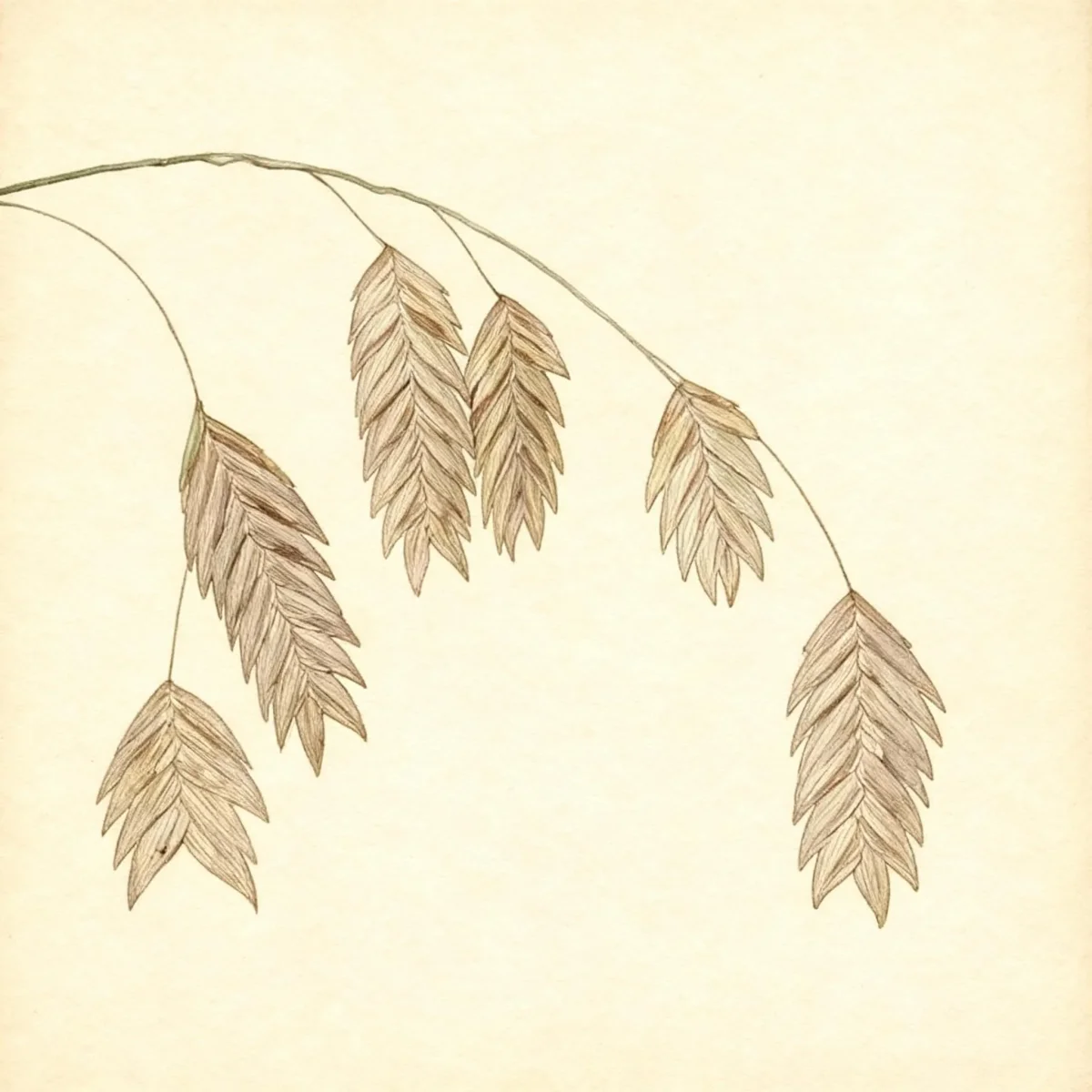
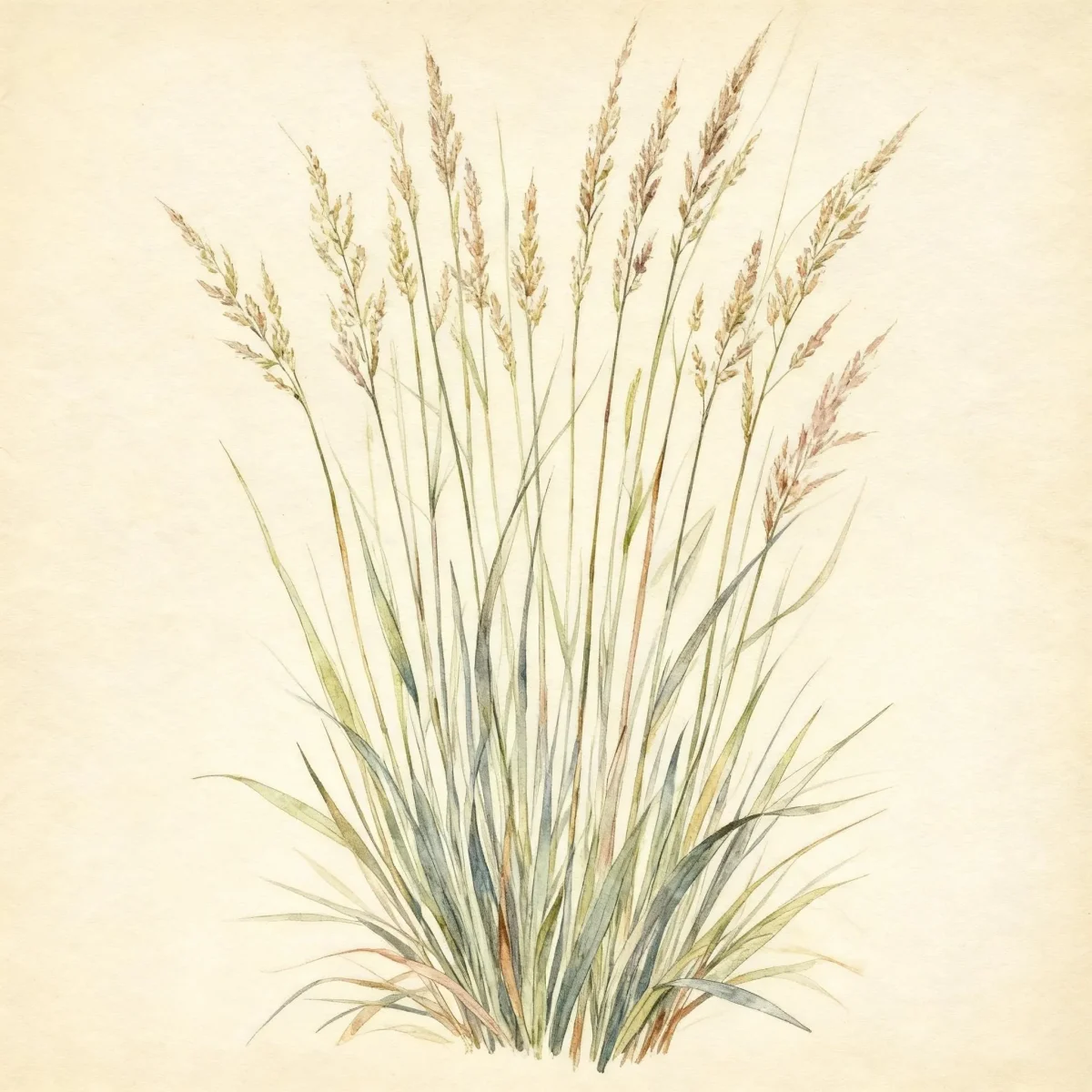
Panicum amarum is a clump-forming, warm season, perennial beach grass that is native primarily to sandy locations in coastal areas from Connecticut to Florida to Texas. Genus name comes from an old Latin word for millet; specific epithet means bitter. ‘Dewey Blue’ is a cultivar that typically grows 3-4’ tall and is noted for its attractive powder blue foliage and fountain-like form. Blue-tinged flowers appear in late summer to early fall, followed by beige seed heads that persist well into winter, offering persistent textural interest.
Tolerances
- Drought
- Erosion
- Dry Soil
- Black Walnut
- Air Pollution
Potential Problems
Panicum amarum ‘Dewey Blue’ generally suffers from no known serious insect or disease problems, contributing to its low-maintenance appeal. Gardeners should monitor for potential issues related to improper cultural conditions, such as excessive moisture or rich soil producing weak stems. As this specific cultivar is relatively newer to some regions, it is not yet fully understood how these plants will perform in every local climate, requiring keen observation during the first few seasons.
Frequently Asked Questions
What hardiness zones is Bitter switchgrass suitable for?
This variety of switchgrass is adaptable across a very wide range, thriving in USDA Zones 2 through 9.
How large does Panicum amarum ‘Dewey Blue’ grow?
In optimal conditions, you can expect the mature height of Panicum amarum ‘Dewey Blue’ to reach between 3 and 4 feet tall, with a spread of 2 to 3 feet.
What sun exposure does Bitter switchgrass need?
For the best performance and most intense blue coloration, Bitter switchgrass requires full sun, though it can successfully grow in part shade locations.
When does Panicum amarum ‘Dewey Blue’ bloom?
Bloom time for this ornamental grass spans from September, extending through the late fall and persisting into February, displaying beautiful blue-tinged flowers.
Conclusion
The reliable structure, stunning powder blue foliage, and tolerance for difficult sites make Panicum amarum ‘Dewey Blue’ an indispensable perennial grass for contemporary gardening schemes. Ensure you give this Bitter switchgrass the well-drained soil and appropriate sun exposure it prefers, and schedule a late winter pruning for the best spring performance. Plan your planting schedule around the reliably cold-tolerant USDA Zones 2-9 range.
Companion Planting
When designing beds featuring Panicum amarum ‘Dewey Blue’, pair it with plants that share similar low-water and full-sun needs for cohesive garden maintenance. Consider contrasting textures using broad-leaved, late-blooming perennials such as Sedum (Hylotelephium) varieties or Coneflowers (Echinacea). These pairings allow the fine texture of the switchgrass to shine while benefiting from shared drought resilience.
For prairie or meadow settings, combine this ornamental grass with other native Texas or coastal selections like Little Bluestem or native Asters. The cool blue tones of Panicum amarum ‘Dewey Blue’ blend beautifully with purples and yellows common in late-season native flowers, creating a dynamic, low-input habitat.
Seasonal Care Calendar
Spring is your primary intervention time; cut all old stems of Bitter switchgrass to within a few inches of the ground once new growth is just starting to emerge. Apply a slow-release fertilizer only if your soil is extremely poor, but generally, avoid overfeeding, as this promotes weak, floppy growth.
During the summer growing season, focus on observation; the Panicum amarum ‘Dewey Blue’ is largely self-sufficient regarding pest and disease management. Minimal watering is required unless a long, intense drought occurs, as established plants handle dry periods exceptionally well.
In fall and winter, enjoy the persistent structure provided by the seed heads and dried foliage. Allow the seed heads to remain standing, as they offer valuable winter interest and potential food for birds. Avoid cutting back until the appropriate late winter window.