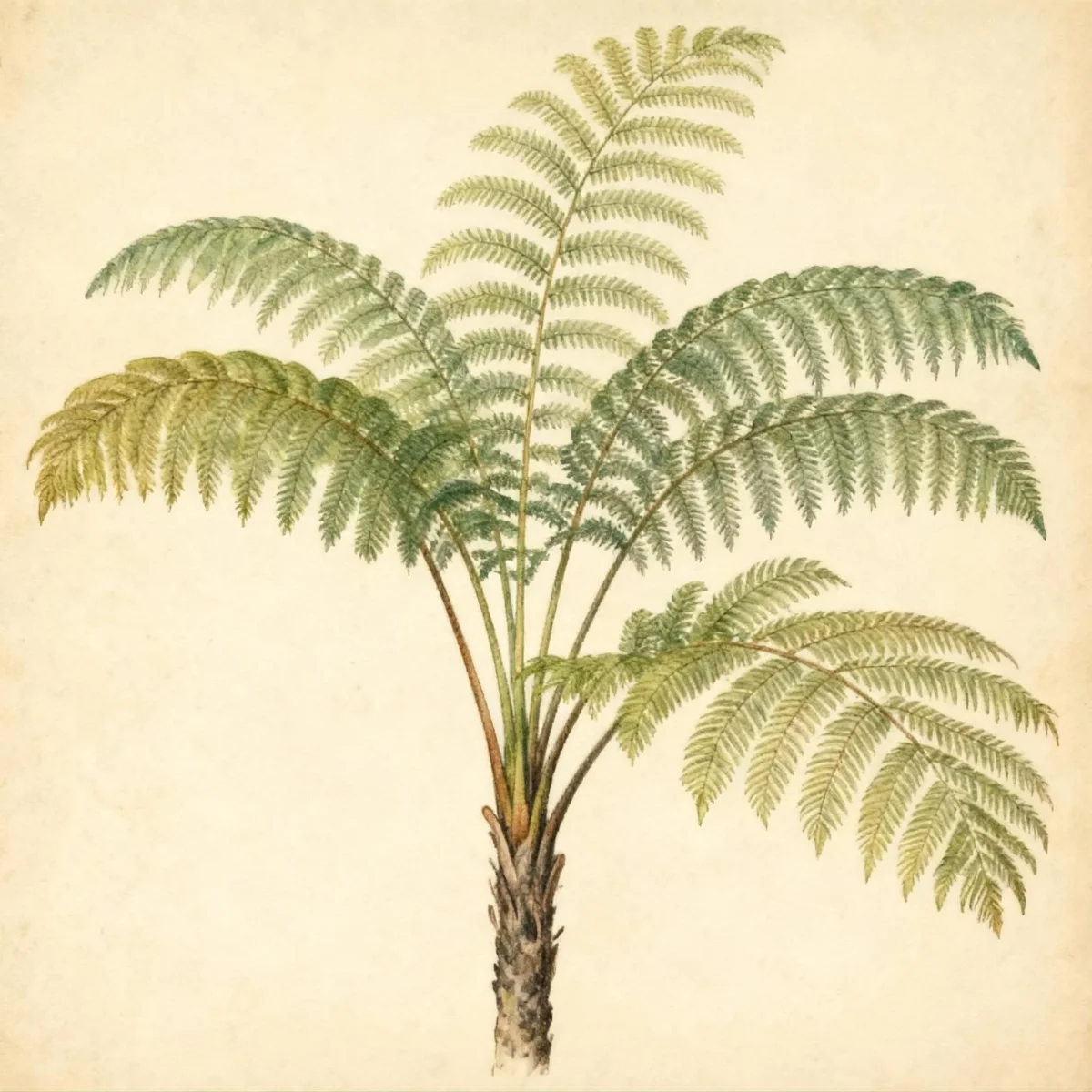
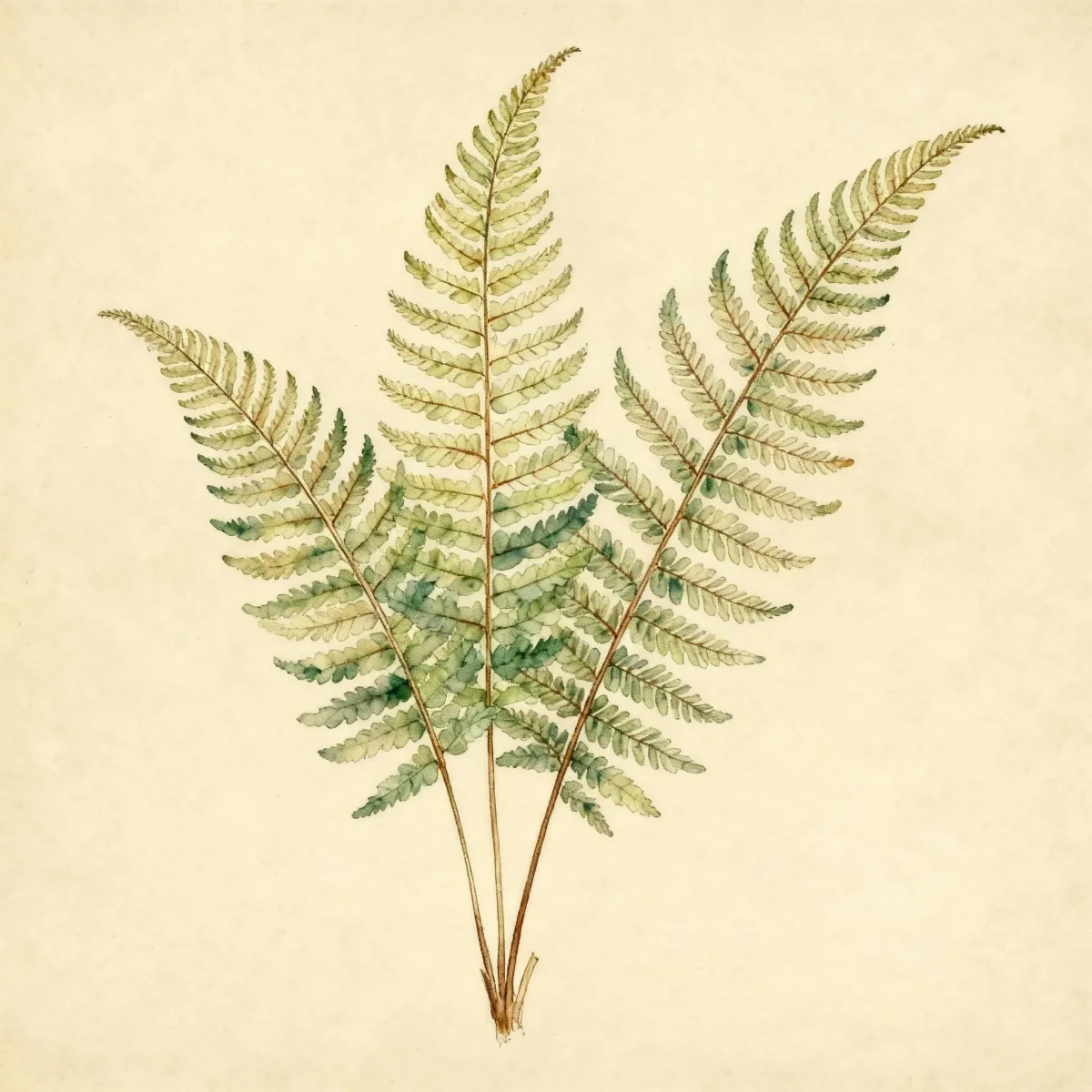
Rabbit's foot fern (Davallia fejeensis 'Dwarf Ripple')
The Rabbit's foot fern, Davallia fejeensis 'Dwarf Ripple', offers fine-textured foliage and unique creeping rhizomes perfect for hanging baskets.

Bloom Boldly, No Matter the Season - Sweatshirt
Cozy organic cotton sweatshirt featuring our exclusive Purple Coneflower design. Perfect for gardeners who bloom year-round.
Inspired by the beautiful Rabbit's foot fern
Limited first batch (50) — join the waitlist for early access
Waitlist closes Feb 15, 2026.
Complete Plant Information
Field Guide Continues
Ready for care notes, companion picks, and planting tips?
The map is just the start. The full guide below covers growth habits, seasonal performance, and landscape uses.
Overview
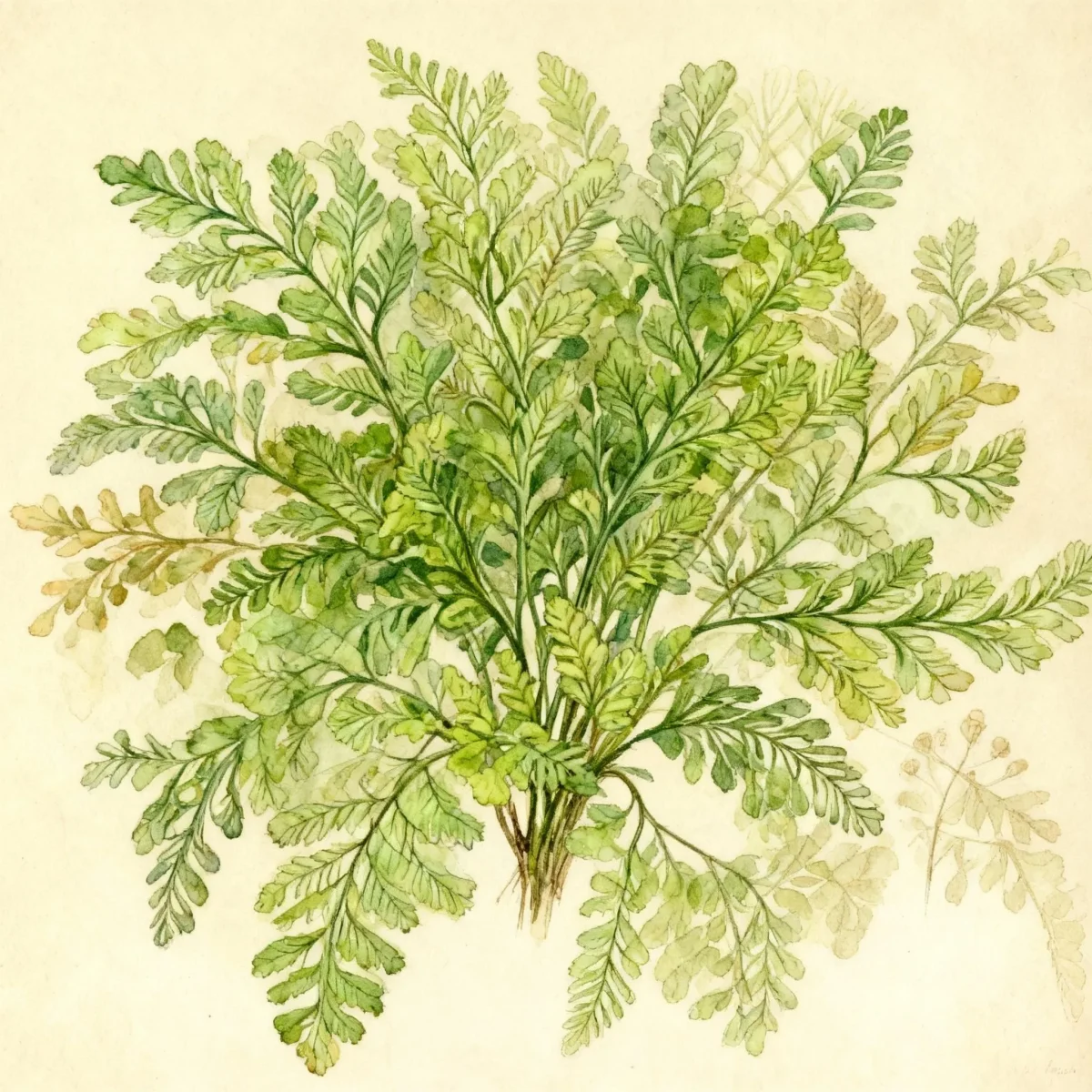
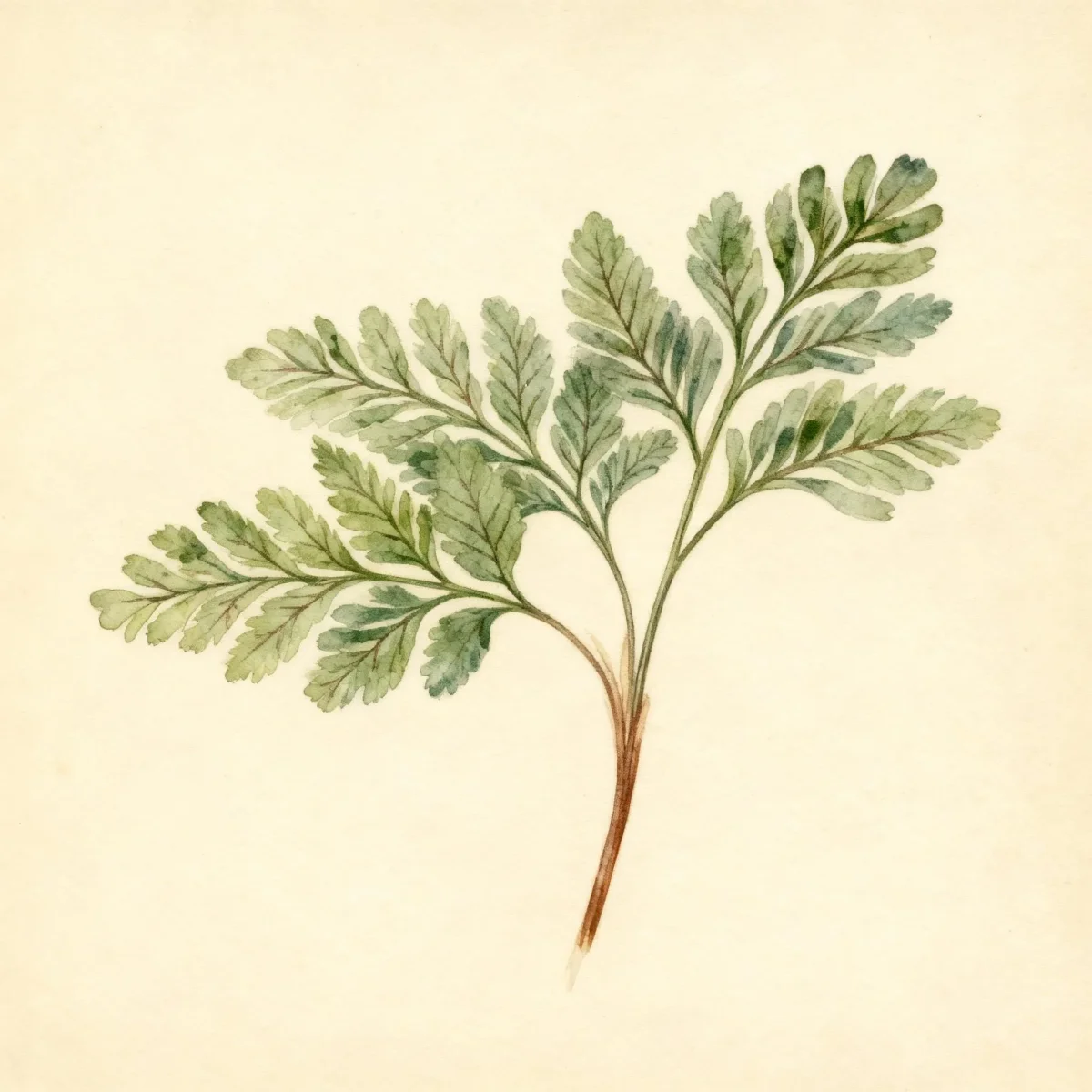
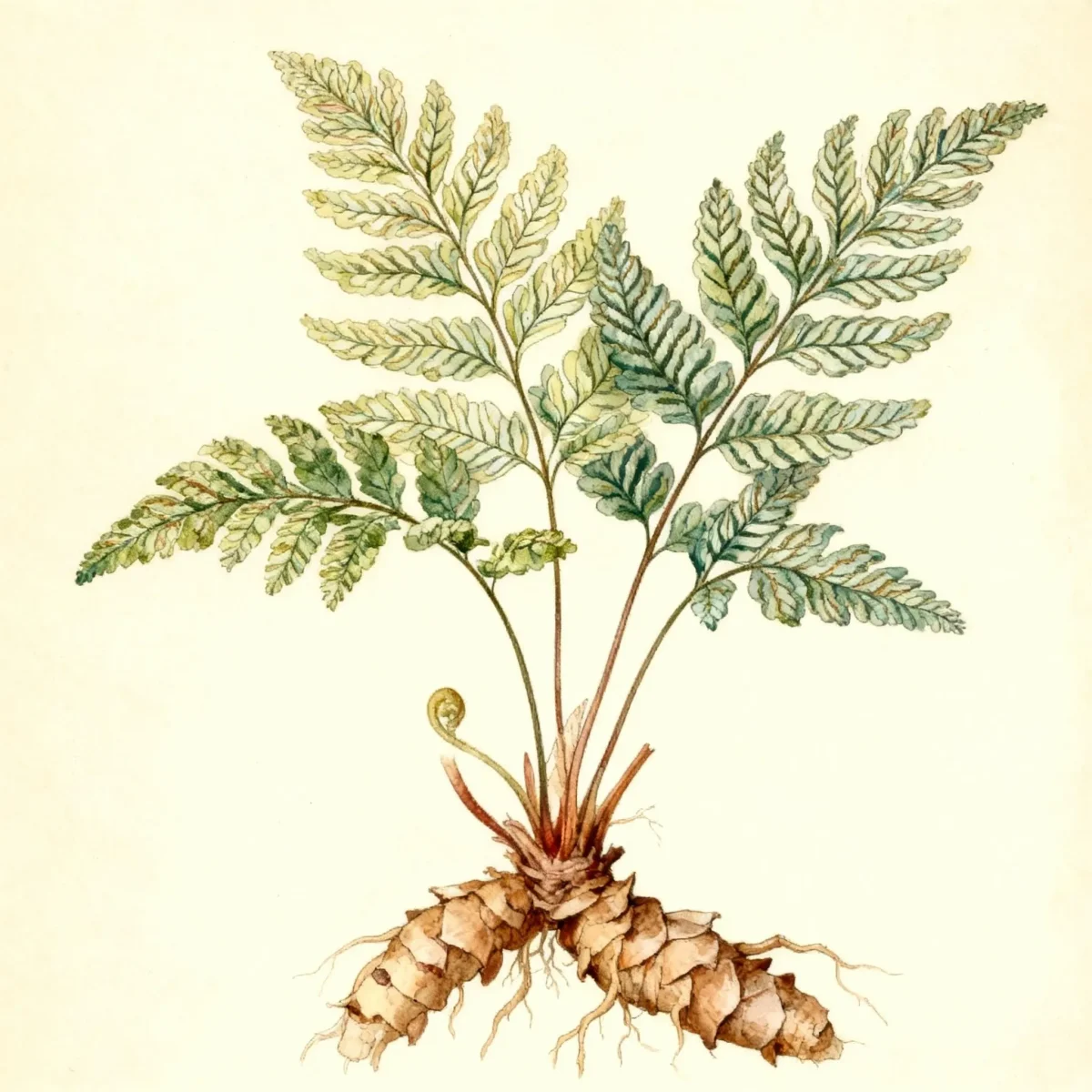
The Davallia fejeensis ‘Dwarf Ripple’ stands out among houseplants due to its distinctive, hairy rhizomes that trail attractively over the pot’s edge, mimicking rabbit feet—hence the common name, Rabbit’s foot fern. This selection is a miniature version of the species, offering finely cut, airy green fronds that provide lush texture to shaded interiors.
As an epiphyte native to Fiji, this fern thrives in bright, indirect light, making it an excellent choice for homes lacking direct sun exposure. Its unique growth habit means the creeping rhizomes are a prized feature, requiring careful placement, often in hanging baskets where their habit can be fully appreciated.
Growers should seek to replicate its tropical nature by ensuring high humidity, a moderate watering schedule, and protection from cold drafts to keep the fronds of the Davallia fejeensis ‘Dwarf Ripple’ healthy and vibrant throughout the year.
Fast Facts
- Plant Family: Davalliaceae
- Plant Type: Fern
- Hardiness Zones: USDA Zones 10-12
- Size at Maturity:
- Height: 0.5-1.5 ft
- Spread: 1-2 ft
- Bloom Time: Non-flowering
- Bloom Description: Non-flowering
- Sun Exposure: Part shade
- Water Needs: Medium
- Maintenance Level: Medium
How to Grow
In regions outside USDA Zones 10-12, the Rabbit’s foot fern must be cultivated indoors, treating it as a tropical houseplant. When planting, use a light, airy, peat-based potting mix, ensuring the fuzzy rhizomes are allowed to creep over the surface of the soil rather than being buried, as burying them can lead to rot.
Watering for Davallia fejeensis ‘Dwarf Ripple’ requires consistency during the active growing season (spring and summer); water thoroughly when the top inch of soil feels dry. During the cooler, dormant months from fall to late winter, reduce watering slightly—this period of slight dormancy helps the plant rest.
Humidity is critical for successful cultivation. Plants struggle in dry indoor air; placing them in a naturally humid location or using a pebble tray is highly recommended. Avoid exposing the delicate fronds of your Rabbit’s foot fern to harsh, direct sunlight, which causes scorching.
Division should only occur infrequently, typically only when the plant becomes pot-bound or if sections are needed for propagation. Ensure you handle the hairy rhizomes gently during repotting or division to preserve their unique aesthetic appeal.
Landscape Uses
The primary aesthetic strength of the Davallia fejeensis ‘Dwarf Ripple’ lies in its cascading habit, which makes it exceptionally well-suited for display in hanging baskets suspended from porches or in bright, covered patios that mimic its native environment. Its fine texture contrasts beautifully with broad-leafed tropicals.
When grown in containers, utilize shallow pots to encourage the rhizomes to trail dramatically over the sides. This plant pairs well in container groupings with other shade-loving, moisture-loving plants like traditional ferns, Calatheas, or creeping shade groundcovers where soil moisture is consistent.
For those gardening in hardiness zones 10 through 12, these ferns can serve as excellent, low-growing ground cover in deeply shaded, well-drained woodland garden settings, bringing fine texture to dark corners beneath mature trees.
Standout Features
Noteworthy Characteristics
Davallia fejeensis, commonly called rabbit’s foot fern, is native to Fiji and is an epiphytic evergreen fern recognized for its hairy-scaled surface rhizomes that creep attractively over pot sides. The broad green fronds are deeply divided, often 3- or 4-pinnate, and the plant gains beauty as it matures. The ‘Dwarf Ripple’ cultivar is a more compact specimen, reaching only 1/2 to 1 1/2 feet tall but retaining the species’ unique trailing rhizomes.
Tolerances
- Rabbit
Potential Problems
Pest infestations are a risk, so gardeners should routinely inspect the foliage and rhizomes for scale insects, which can cling tightly to the stems. Management of scale often involves wiping them off with rubbing alcohol or applying horticultural oil.
Fungal issues, such as Botrytis (a grey mold) and aerial blights, can appear, usually signaling overly wet conditions coupled with poor air circulation. Improving air movement and allowing the topsoil to dry slightly between waterings are key preventative measures against these common fern ailments.
Frequently Asked Questions
What hardiness zones is Rabbit’s foot fern suitable for?
The Rabbit’s foot fern, Davallia fejeensis ‘Dwarf Ripple’, is hardy outdoors in USDA Zones 10 through 12.
How large does Davallia fejeensis ‘Dwarf Ripple’ grow?
This miniature cultivar typically reaches a height between 0.5 and 1.5 feet tall, with a spread ranging from 1 to 2 feet.
What sun exposure does Davallia fejeensis ‘Dwarf Ripple’ need?
This fern prefers part shade; bright, indirect light is ideal indoors, and direct sun must be avoided as it can scorch the fine foliage.
When does Rabbit’s foot fern bloom?
Davallia fejeensis ‘Dwarf Ripple’ is a fern and is fundamentally non-flowering.
Conclusion
The captivating, trailing rhizomes and delicately dissected foliage confirm the Davallia fejeensis ‘Dwarf Ripple’ as a superb specimen for specialized display indoors or in sheltered tropical gardens. Successfully maintaining this unique Rabbit’s foot fern hinges on providing consistent humidity and avoiding root saturation. Before bringing one home, assess your environment and plan to provide the bright, indirect light and elevated moisture levels it demands.
Companion Planting Guide
Selecting complementary plants that share the cultural needs of Davallia fejeensis ‘Dwarf Ripple’ will help create a thriving miniature ecosystem, particularly when grown in mixed indoor displays or shaded outdoor containers. Look for other epiphytic plants or ferns that thrive in bright shade and moderate moisture profiles.
Good companions include Selaginella species (Spikemosses) which offer a contrasting groundcover texture, or smaller flowering houseplants like certain varieties of miniature Orchids or Bromeliads that also prefer indirect light and high humidity. Avoid succulents or cacti, as their vastly different water requirements will lead to care conflicts.
When planting these companions together, ensure the overall soil mix allows the Davallia’s rhizomes to breathe, as poor aeration is a primary cause of rot, even when watering correctly for the companionship group.
Propagation Tips
Propagation of the Rabbit’s foot fern is most easily achieved through division of the rhizomes, a process best performed in late spring or early summer when the plant is actively growing. Carefully remove the plant from its container; you will see distinct segments of the hairy rhizomes attached to the leafy parts.
Using a clean, sharp knife or shears, cut sections of the rhizome that contain some healthy root structure and at least one emerging frond. Ensure each new division has enough attached tissue to sustain itself until new roots establish in its new home.
Pot the divisions individually into their preferred light, airy medium, placing the rhizomes on top of the soil as mentioned in the culture notes. Keep the newly potted sections slightly warmer and mist frequently to encourage root initiation, though avoid keeping the soil soggy until vigorous new growth appears.