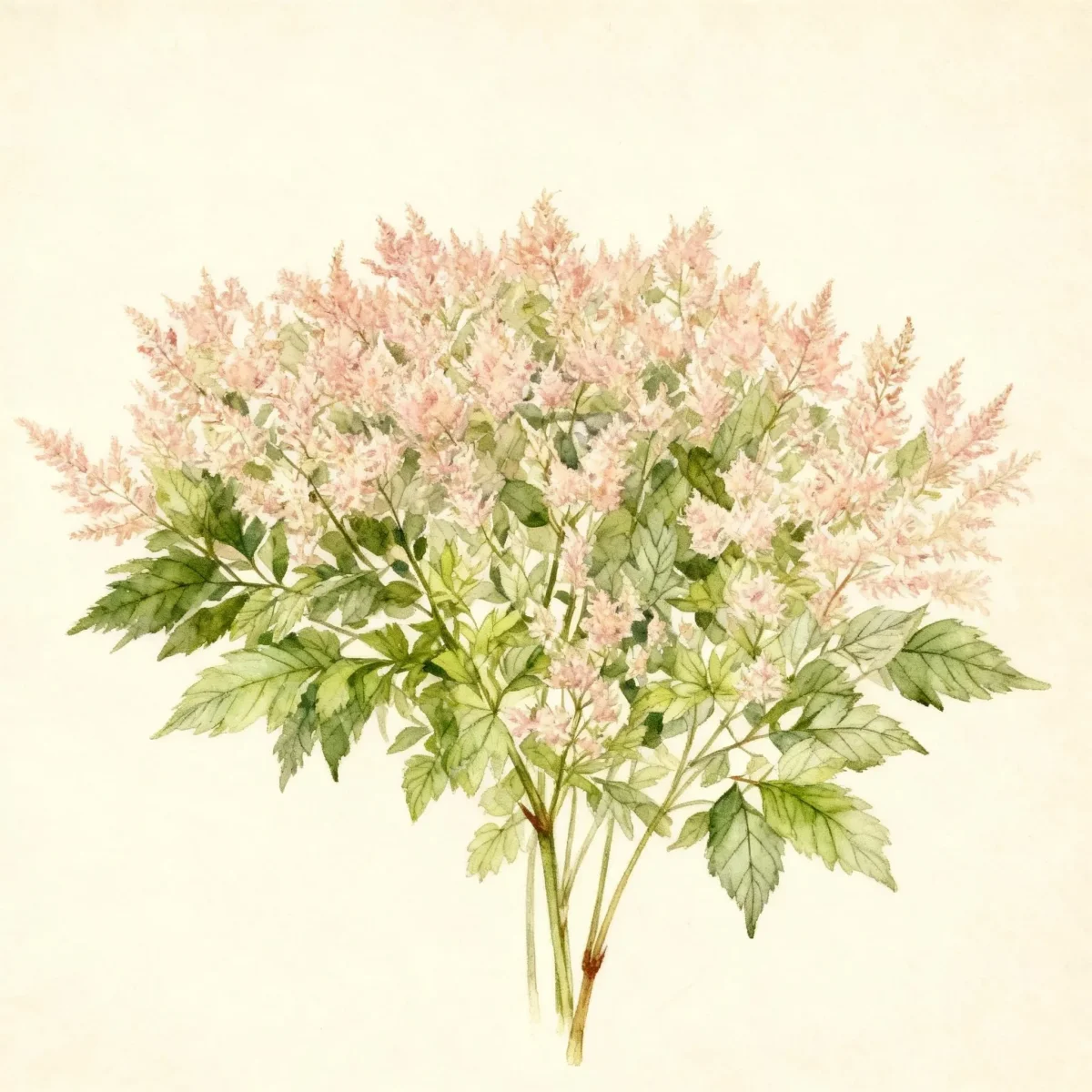
Astilbe (Astilbe × arendsii 'Rote Cattleya' RED CATTLEYA)
Astilbe × arendsii 'Rote Cattleya' RED CATTLEYA provides dramatic purplish red plumes, thriving in shade gardens as a tough, low-maintenance perennial.
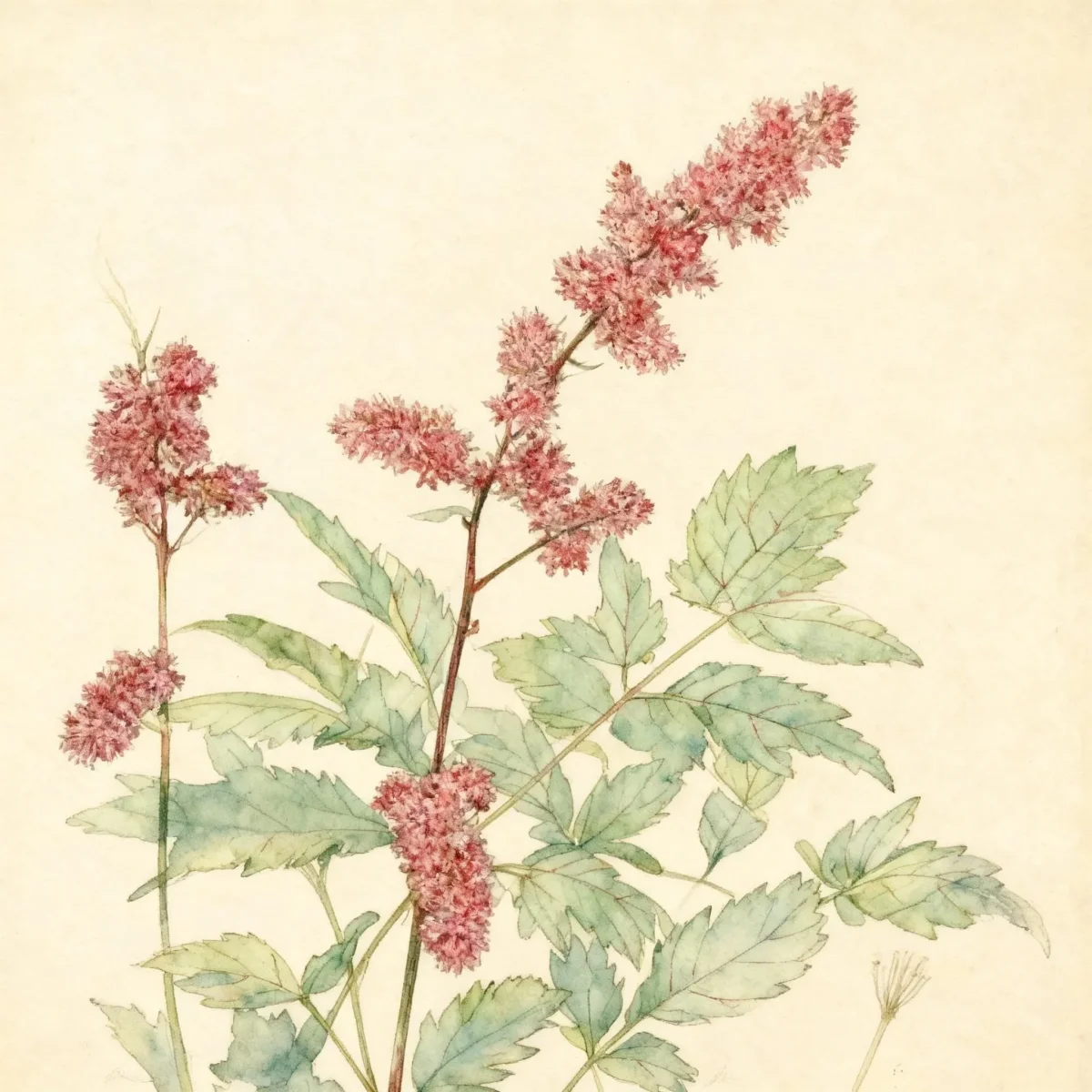

Bloom Boldly, No Matter the Season - Sweatshirt
Cozy organic cotton sweatshirt featuring our exclusive Purple Coneflower design. Perfect for gardeners who bloom year-round.
Inspired by the beautiful Astilbe
Limited first batch (50) — join the waitlist for early access
Waitlist closes Feb 15, 2026.
Complete Plant Information
Field Guide Continues
Ready for care notes, companion picks, and planting tips?
The map is just the start. The full guide below covers growth habits, seasonal performance, and landscape uses.
Overview
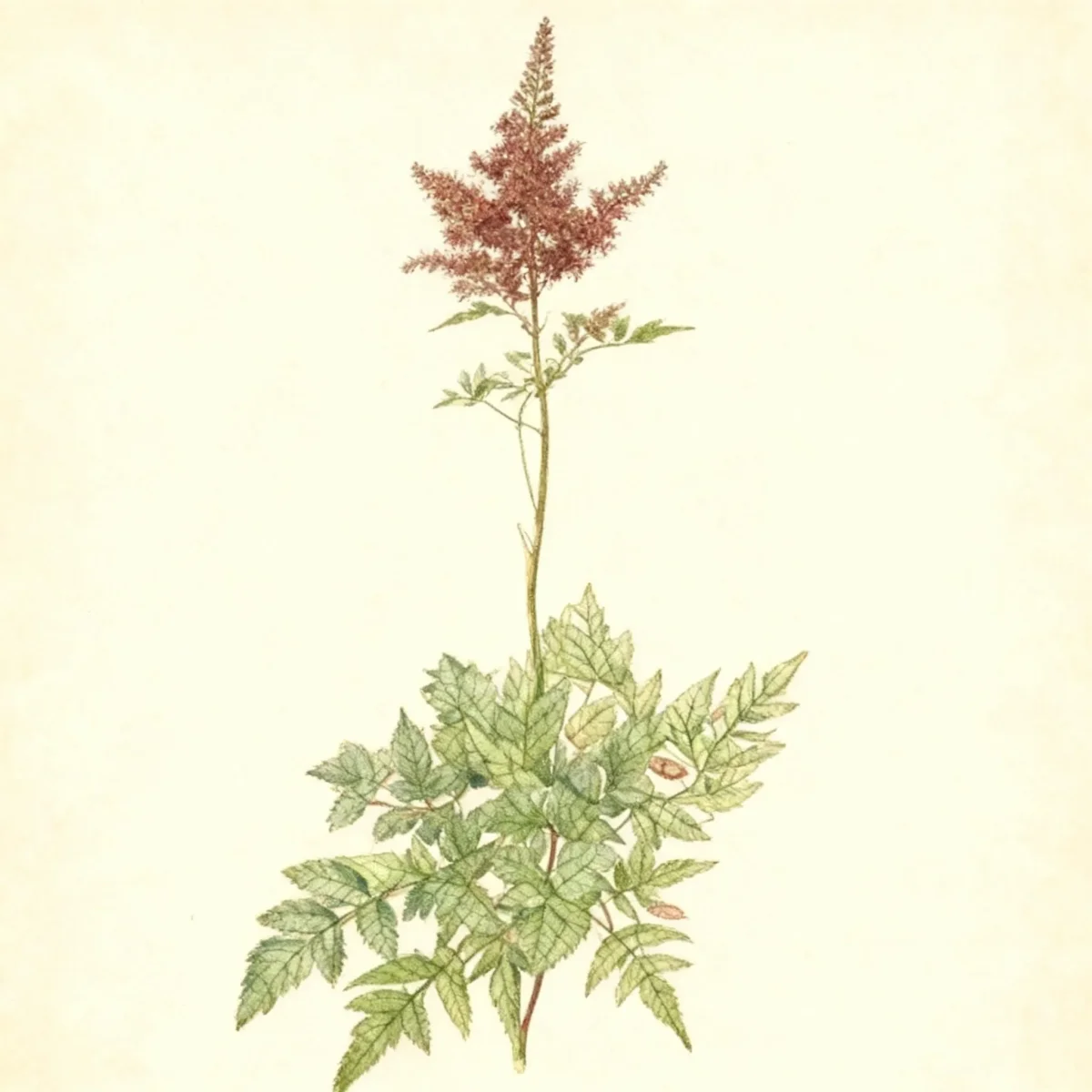
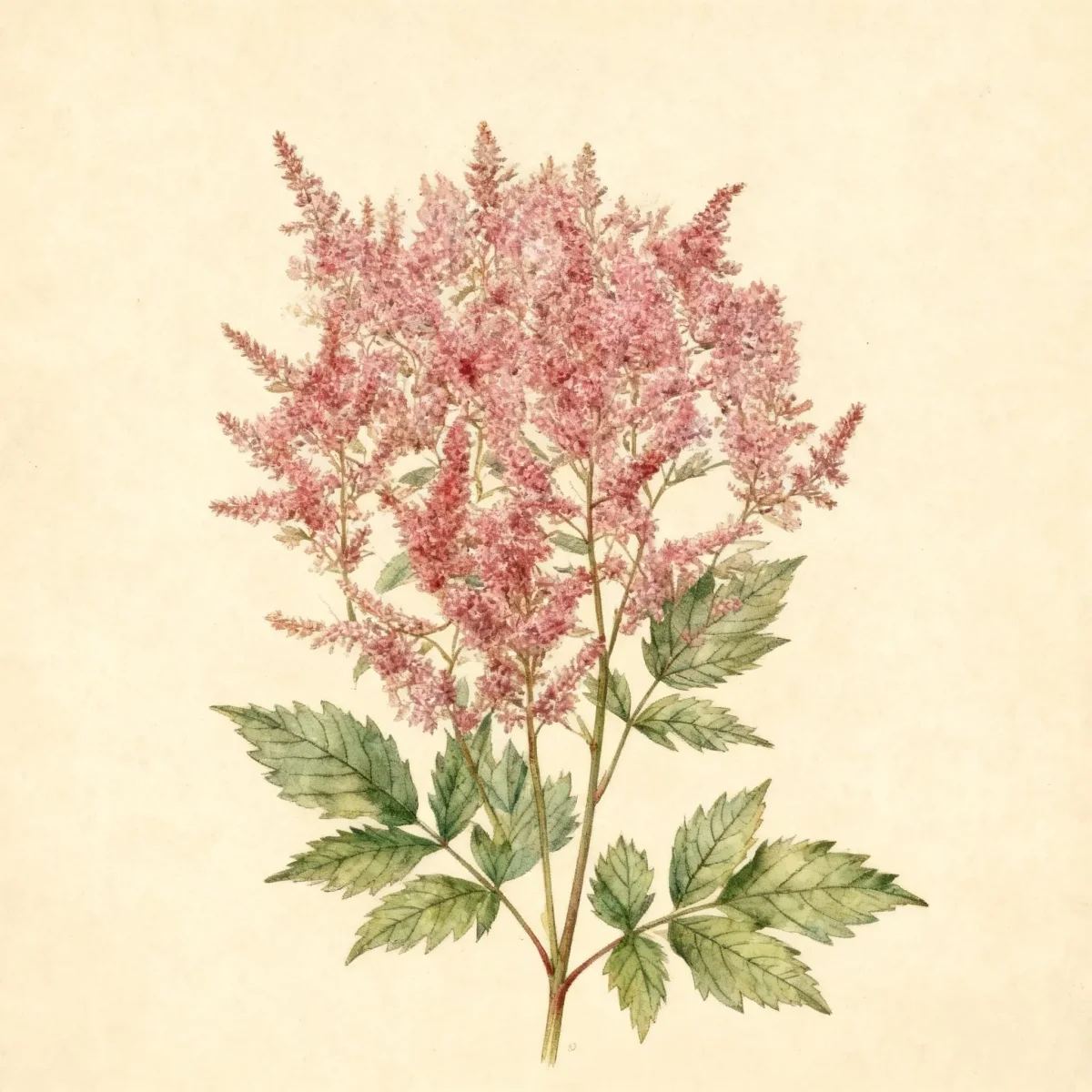
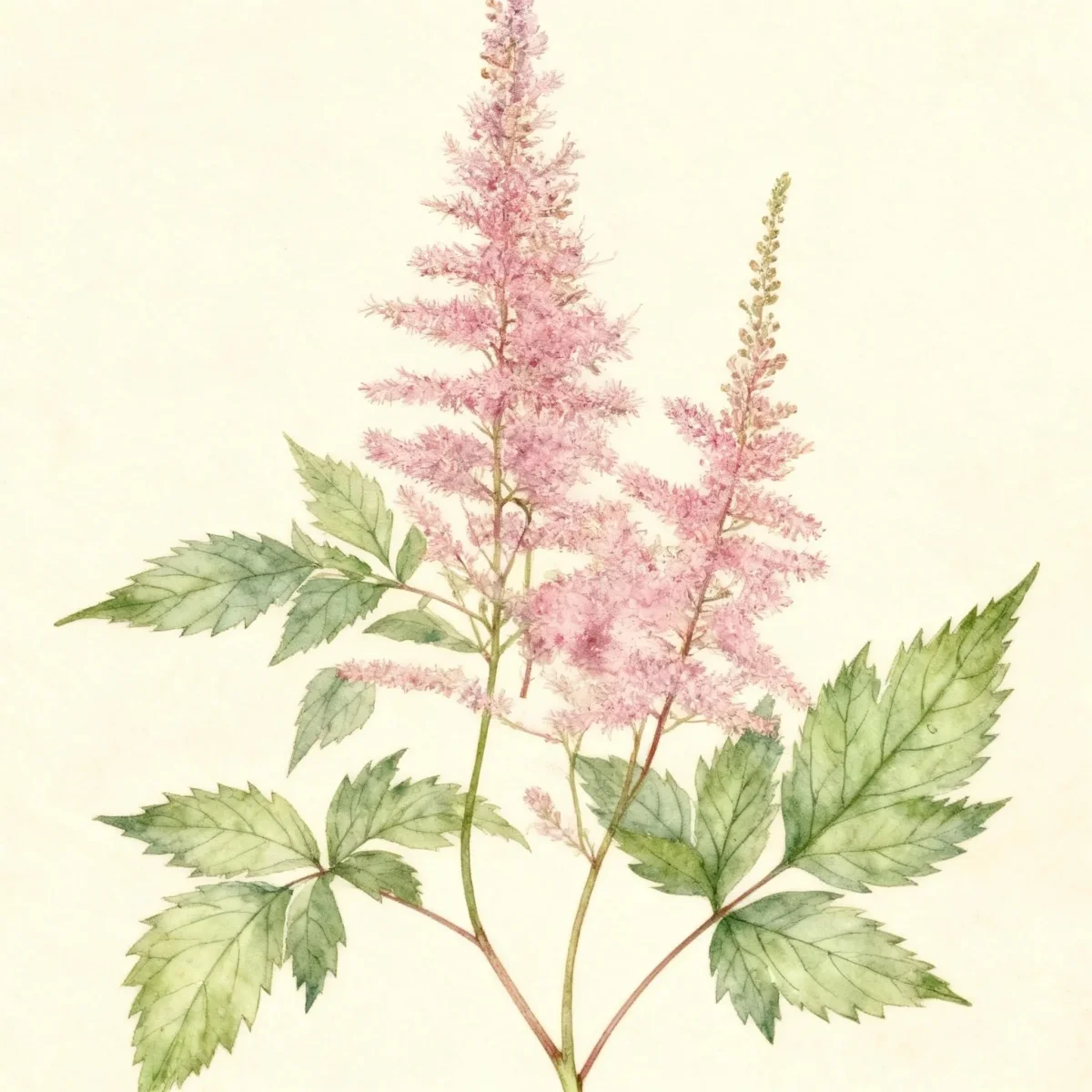
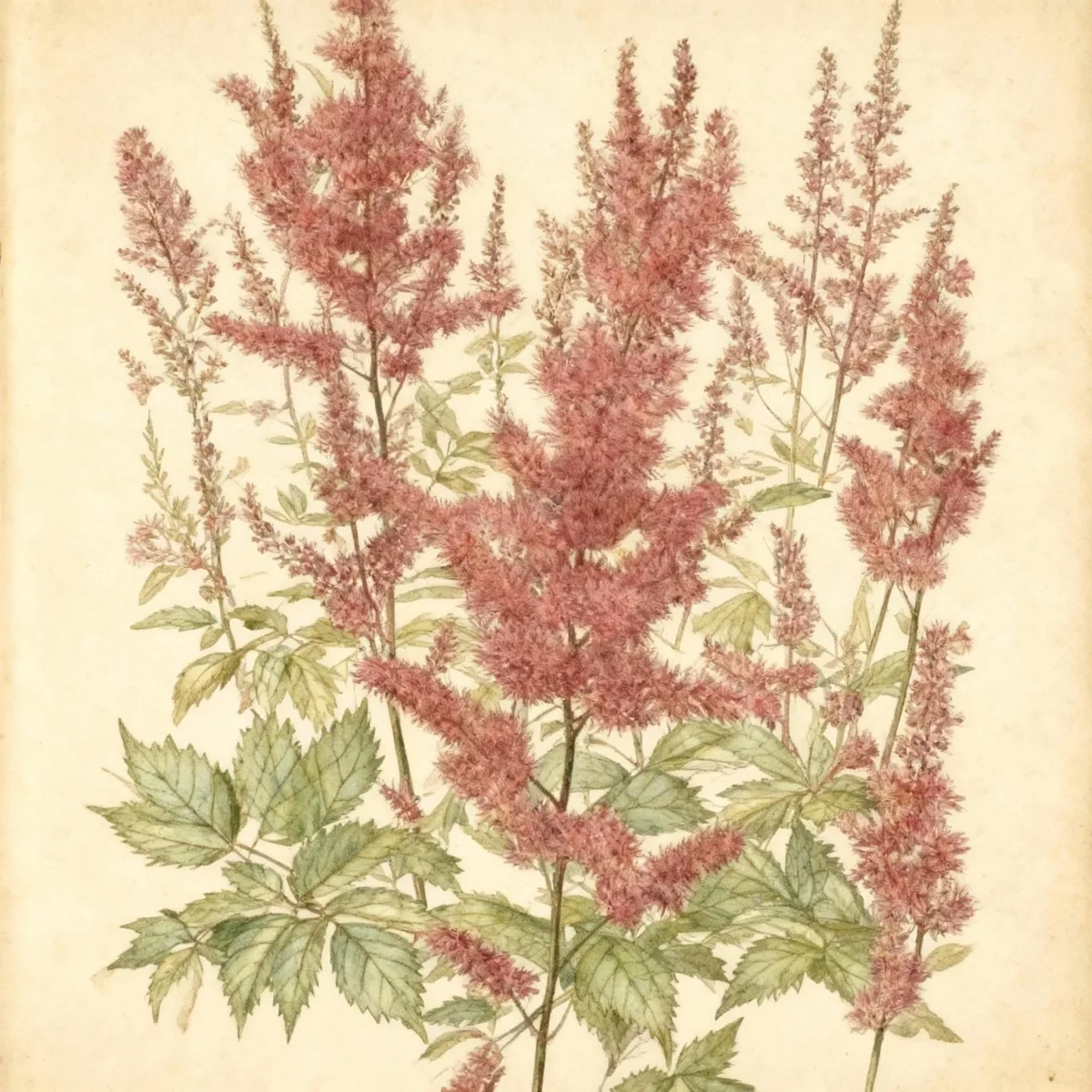
Astilbe × arendsii ‘Rote Cattleya’ RED CATTLEYA is a superb herbaceous perennial prized for its tall, graceful plumes of purplish red flowers that bloom reliably in mid-summer. As a member of the Astilbe genus, it brings textural contrast to shaded landscapes with its fern-like foliage mound. This specific cultivar offers dark red flowers, distinguishing it from the standard orchid-pink types, making every Astilbe × arendsii ‘Rote Cattleya’ RED CATTLEYA a focal point.
This variety is valued by gardeners for its low maintenance requirements and its ability to flourish where many flowering plants struggle—namely, in significant shade. The lush foliage, often emerging tinged with red before maturing to deep green, provides excellent visual structure even outside of the July to August bloom period. Astilbe offers reliable, vertical color without demanding excessive fuss.
Its hardiness across USDA Zones 4 through 8 ensures wide adaptability across many climates. If kept consistently moist, the foliage remains attractive all season, cementing Astilbe × arendsii ‘Rote Cattleya’ RED CATTLEYA as an essential component for creating lush, colorful woodland or shade borders.
Fast Facts
- Plant Family: Saxifragaceae
- Plant Type: Herbaceous perennial
- Hardiness Zones: USDA Zones 4-8
- Size at Maturity:
- Height: 2.5-3 ft
- Spread: 1.5-2 ft
- Bloom Time: July to August
- Bloom Description: Purplish red
- Sun Exposure: Part shade to full shade
- Water Needs: Medium
- Maintenance Level: Low
How to Grow
Planting Astilbe is best done in spring or early fall, ensuring the crown is set at soil level. This plant thrives in average, medium-moisture, well-drained soils, but absolutely prefers conditions that are consistently moist and rich in organic matter. Deep shade to part shade locations are ideal; avoid areas exposed to harsh afternoon sun, as this stresses the plant.
Care revolves significantly around moisture management. Soils must never be allowed to dry out, making regular watering crucial, especially during hot summers. Applying a summer compost mulch helps significantly in retaining the necessary soil moisture around the roots of your Astilbe. While low maintenance, dividing clumps every three to four years prevents overcrowding, improving vigor and bloom density.
Removing faded flower stalks is optional; it will not extend the bloom, but tidying up can create a neater ground cover look. Alternatively, leaving the dried seed heads provides winter interest, which is characteristic of many Astilbe cultivars. Keep an eye out for potential drought periods, as foliage browning is a common sign of stress in hot, dry conditions.
Landscape Uses
Astilbe × arendsii ‘Rote Cattleya’ RED CATTLEYA excels in adding vertical accents and deep color saturation to shaded areas of the garden. They are excellent for mass plantings beneath large deciduous trees, instantly transforming gloomy areas into vibrant scenes. Grouping these plants creates a powerful visual impact with their fiery purplish red plumes rising above the dense foliage mounds.
Consider using this Astilbe cultivar at the front of shaded borders where their height (up to three feet) won’t obscure shorter shade lovers. They perform admirably as edging plants along pathways in a woodland garden setting or softened foundation plantings. Additionally, their requirement for moisture makes them suitable for placement near pond or stream banks where the soil remains consistently damp.
The architectural structure and color of Astilbe × arendsii ‘Rote Cattleya’ RED CATTLEYA pair beautifully with hostas, ferns, and bleeding hearts, all of which share similar light and moisture preferences. Their sturdy stems also make them one of the best selections for shade gardens requiring reliable cut flowers.
Standout Features
Flower Qualities
- Showy
- Good Cut
Noteworthy Characteristics
Astilbe × arendsii hybrids are a large group of complex crosses involving species like A. Chinensis and A. Japonica, named for German nurseryman George Arends. These are clump-forming perennials featuring graceful, fern-like foliage mounds and tiny flowers densely packed into plume-like panicles rising above the leaves. The RED CATTLEYA cultivar is specifically noted for its large panicles of dark red flowers on upright stems, contrasting beautifully with its dark green mature foliage.
Tolerances
- Rabbit
- Deer
- Heavy Shade
- Black Walnut
Potential Problems
Overall, this Astilbe hybrid is remarkably free from serious insect or disease issues, contributing to its low maintenance reputation. The primary concern relates to hydration; foliage decline, characterized by brown leaf edges, occurs rapidly in hot summers or during drought if soil moisture is not maintained.
To prevent this, ensure consistent watering and utilize a heavy layer of mulch to keep the root zone cool and damp. While powdery mildew and wilt can seasonally appear, good air circulation and avoiding overhead watering help mitigate fungal issues. Japanese beetles occasionally find the foliage palatable and may cause some chewing damage.
Frequently Asked Questions
What hardiness zones is Astilbe suitable for?
Astilbe × arendsii ‘Rote Cattleya’ RED CATTLEYA is well-suited for cultivation in USDA Hardiness Zones 4 through 8.
How large does Astilbe × arendsii ‘Rote Cattleya’ RED CATTLEYA grow?
This variety typically forms a foliage mound 12-15 inches high, with the flower stems reaching a mature height between 2.5 and 3 feet tall, and spreading moderately to about 1.5 to 2 feet wide.
What sun exposure does Astilbe need?
This plant performs best when situated in part shade to full shade; consistent moisture is key when planting in brighter, partially shaded locations.
When does Astilbe bloom?
The purplish red, showy plumes of Astilbe × arendsii ‘Rote Cattleya’ RED CATTLEYA generally appear from July through August.
Conclusion
For gardeners seeking reliable, vertical color in deep shade, Astilbe × arendsii ‘Rote Cattleya’ RED CATTLEYA is an exceptional choice due to its dramatic flower color and robust, low-maintenance nature. Understanding the crucial need for humus-rich, consistently moist soil is the key to success with this stunning Astilbe. Before planting, always confirm your garden’s soil type and ensure adequate moisture availability within USDA Zones 4-8.
Companion Planting for Shaded Gardens
Astilbe varieties, including Astilbe × arendsii ‘Rote Cattleya’ RED CATTLEYA, naturally pair well with other woodland edge plants that share their preference for filtered light and moist soil. Consider planting them alongside Japanese Forest Grass (Hakonechloa macra) for a flowing texture contrast against the upright plumes. Large-leaved Hostas provide essential broad texture, balancing the fine, ferny foliage of the Astilbe.
Deeper shade locations benefit from the structural presence of evergreen ferns, such as Japanese Painted Ferns, which offer silvery and burgundy accents that complement the dark red flowers. For early spring color before this Astilbe begins to grow, plant spring-blooming bulbs like snowdrops or squills in the area; they will die back before the Astilbe foliage fully develops.
Seasonal Care Calendar
Spring cleanup involves removing any dried flower stalks left from the previous year if a tidier appearance is desired, followed by applying a fresh layer of compost mulch. This mulch is vital for retaining the medium water levels that Astilbe needs throughout the growing season.
Summer maintenance focuses almost entirely on irrigation; do not let the soil dry out, especially as the plant is actively blooming in July and August. If you notice leaf scorch or browning starting in late summer, immediately increase deep watering to revive the foliage for the fall.
In autumn, you may choose to leave the attractive dried seed heads of the Astilbe standing for winter structure. There is no major winter protection required for this hardy perennial in Zones 4-8, provided it was planted correctly in rich, well-drained soil.