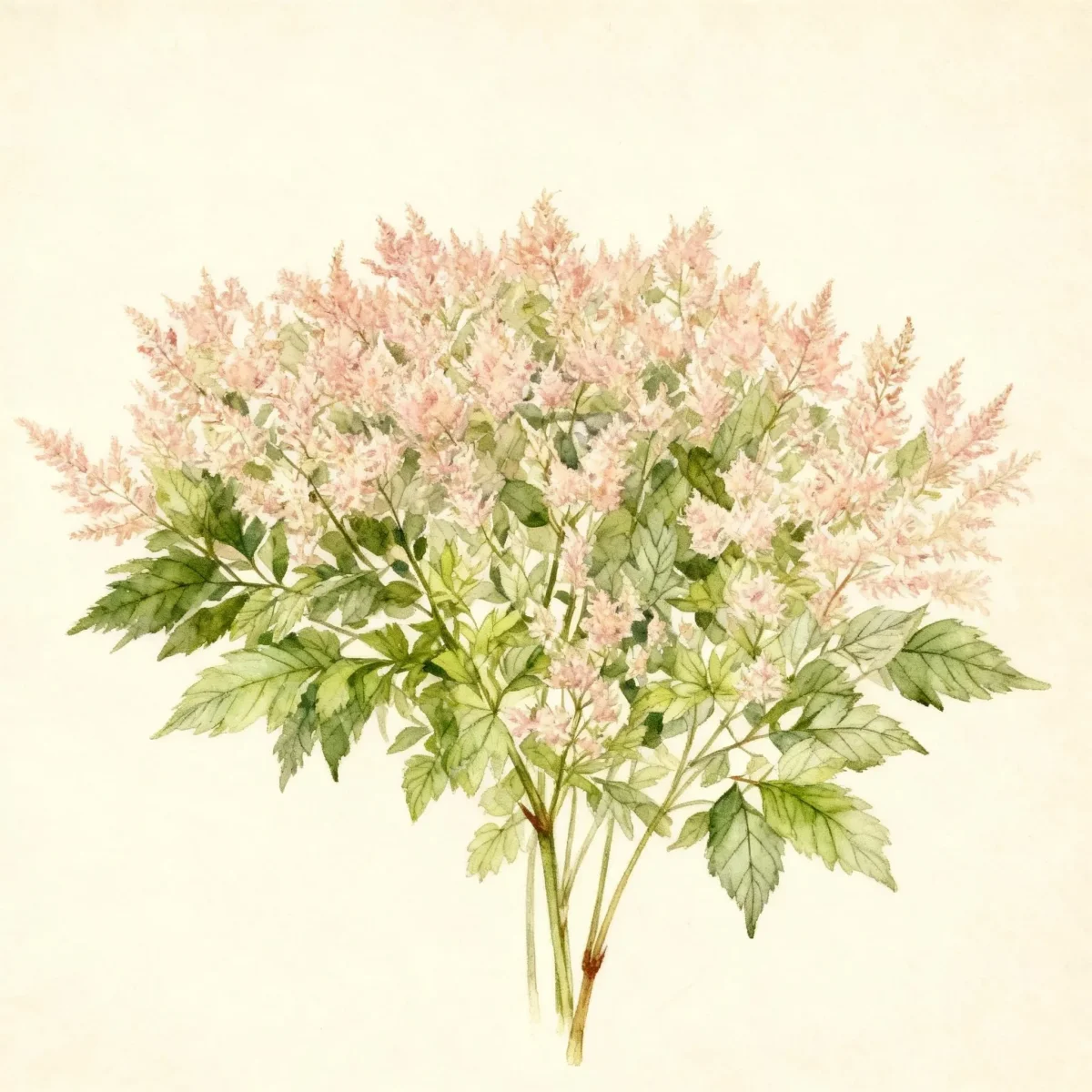
Astilbe (Astilbe 'Straussenfeder' OSTRICH PLUME)
Astilbe 'Straussenfeder' OSTRICH PLUME offers elegant, pink, plume-like flowers perfect for deep shade gardens. A low-maintenance herbaceous perennial.
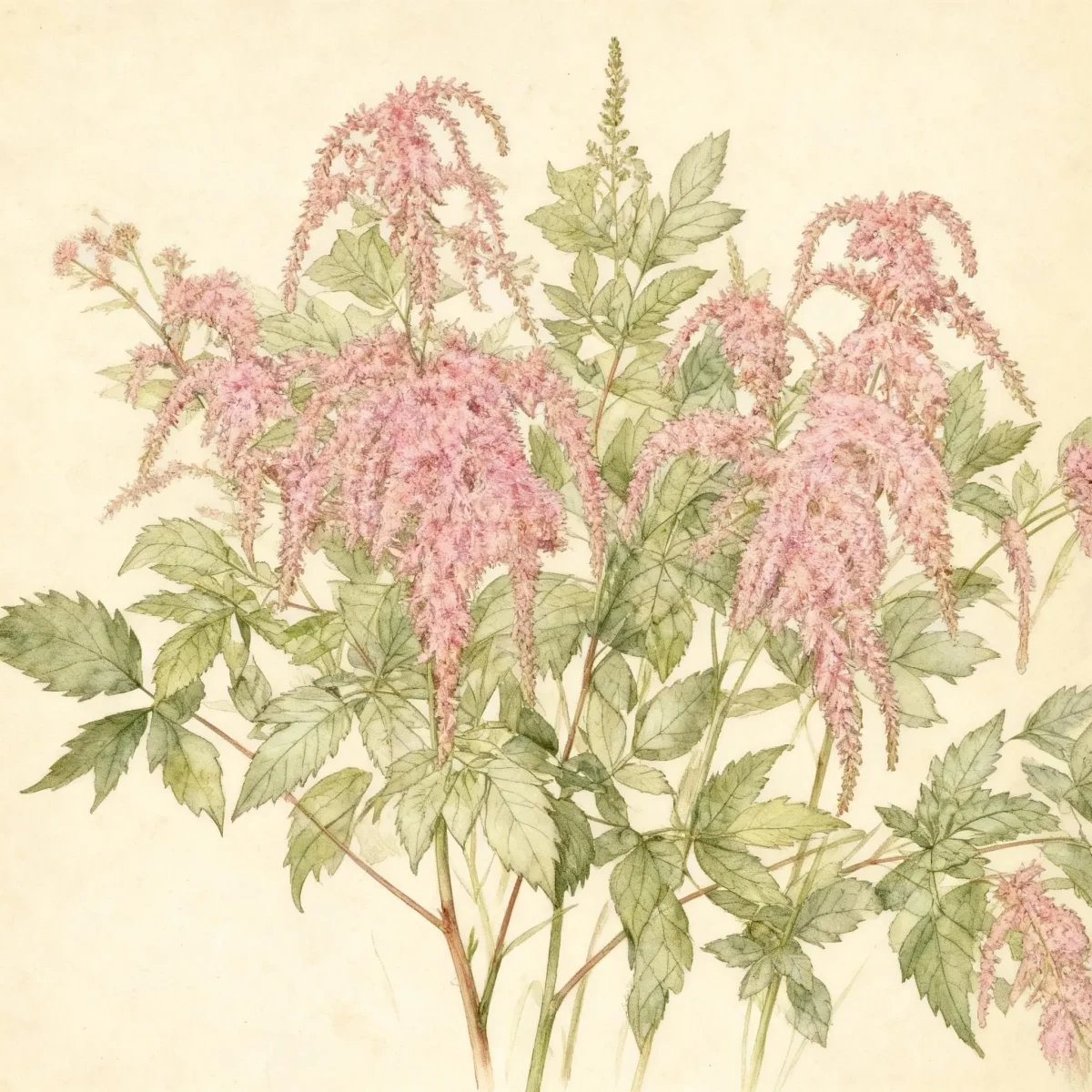

Bloom Boldly, No Matter the Season - Sweatshirt
Cozy organic cotton sweatshirt featuring our exclusive Purple Coneflower design. Perfect for gardeners who bloom year-round.
Inspired by the beautiful Astilbe
Limited first batch (50) — join the waitlist for early access
Waitlist closes Feb 15, 2026.
Complete Plant Information
Field Guide Continues
Ready for care notes, companion picks, and planting tips?
The map is just the start. The full guide below covers growth habits, seasonal performance, and landscape uses.
Overview
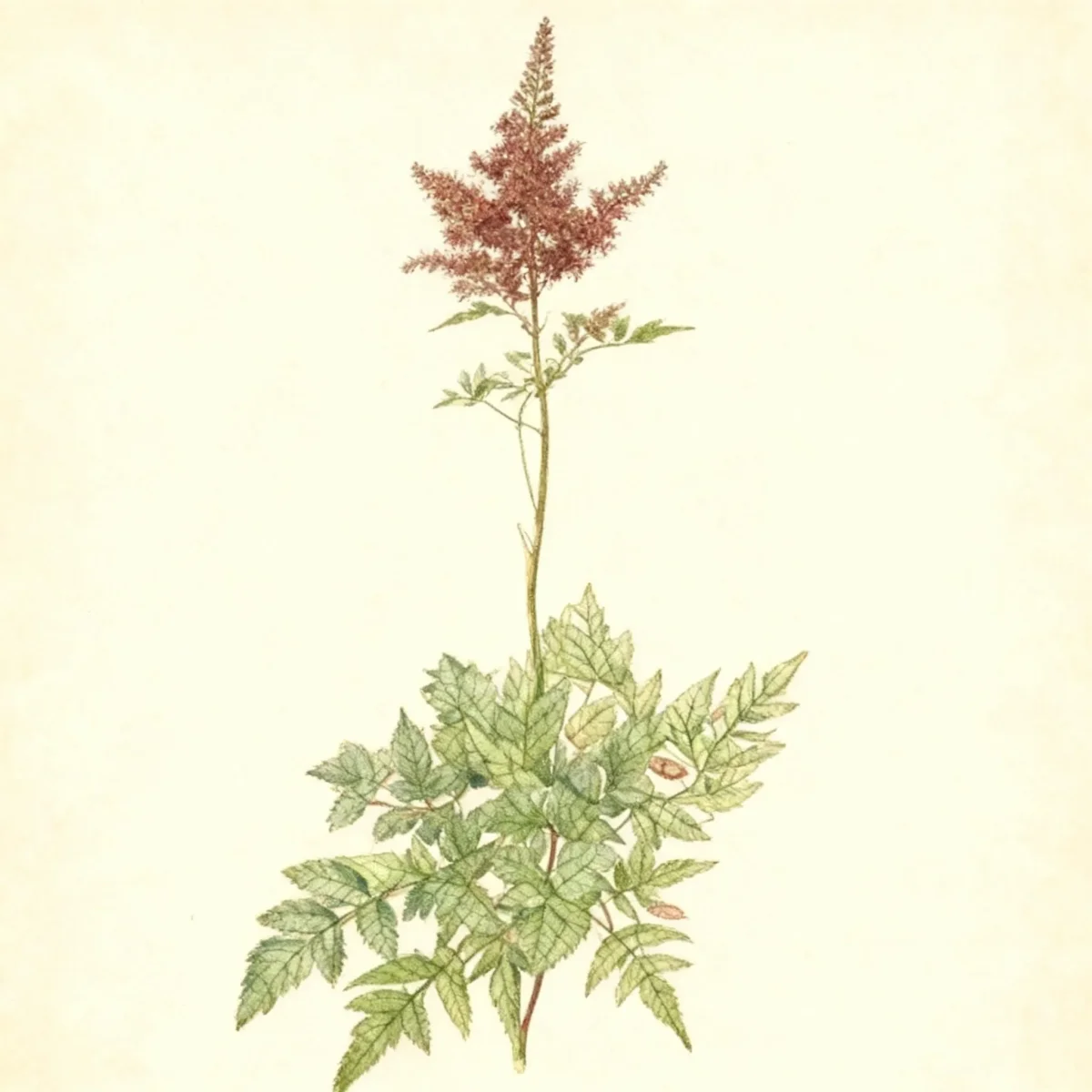
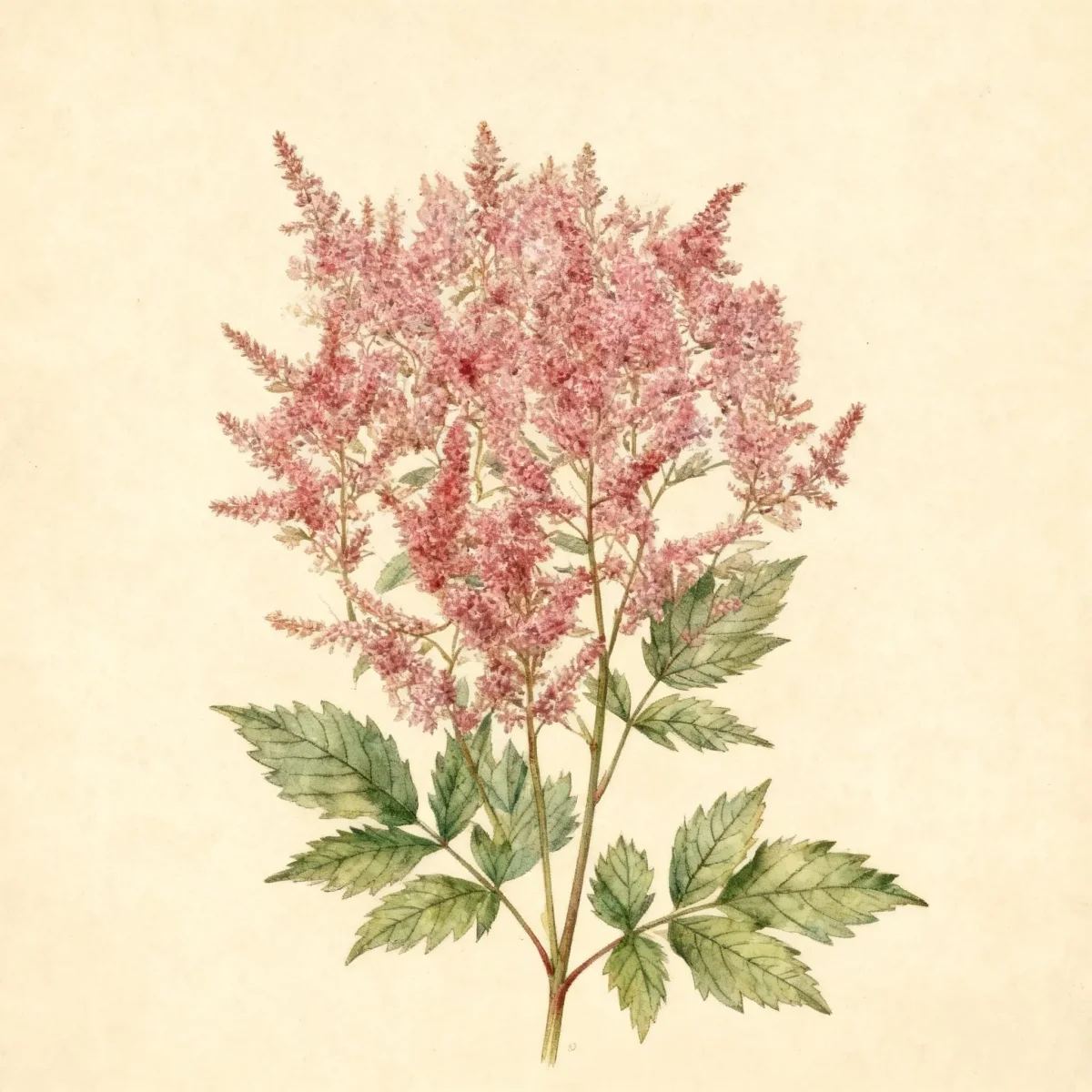
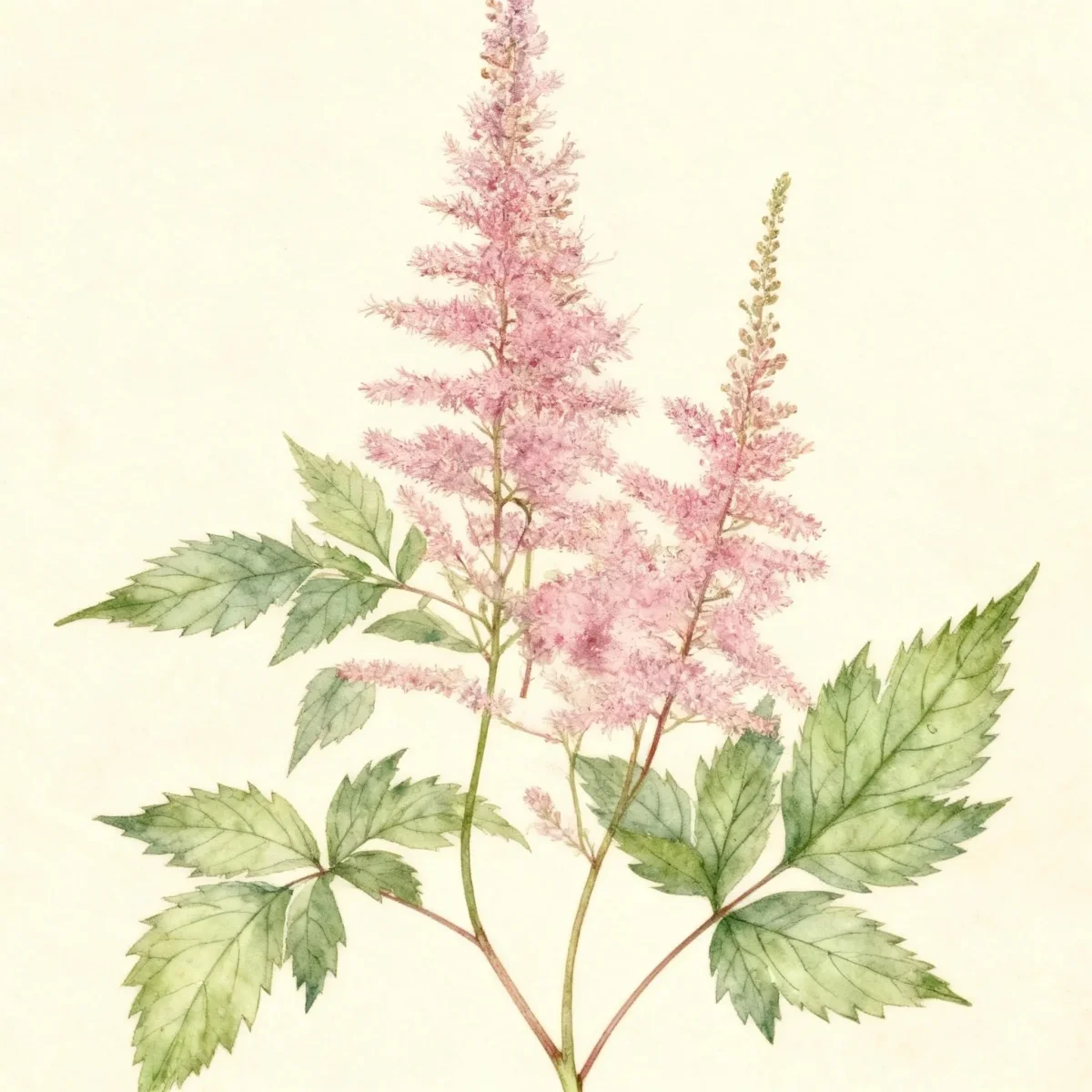
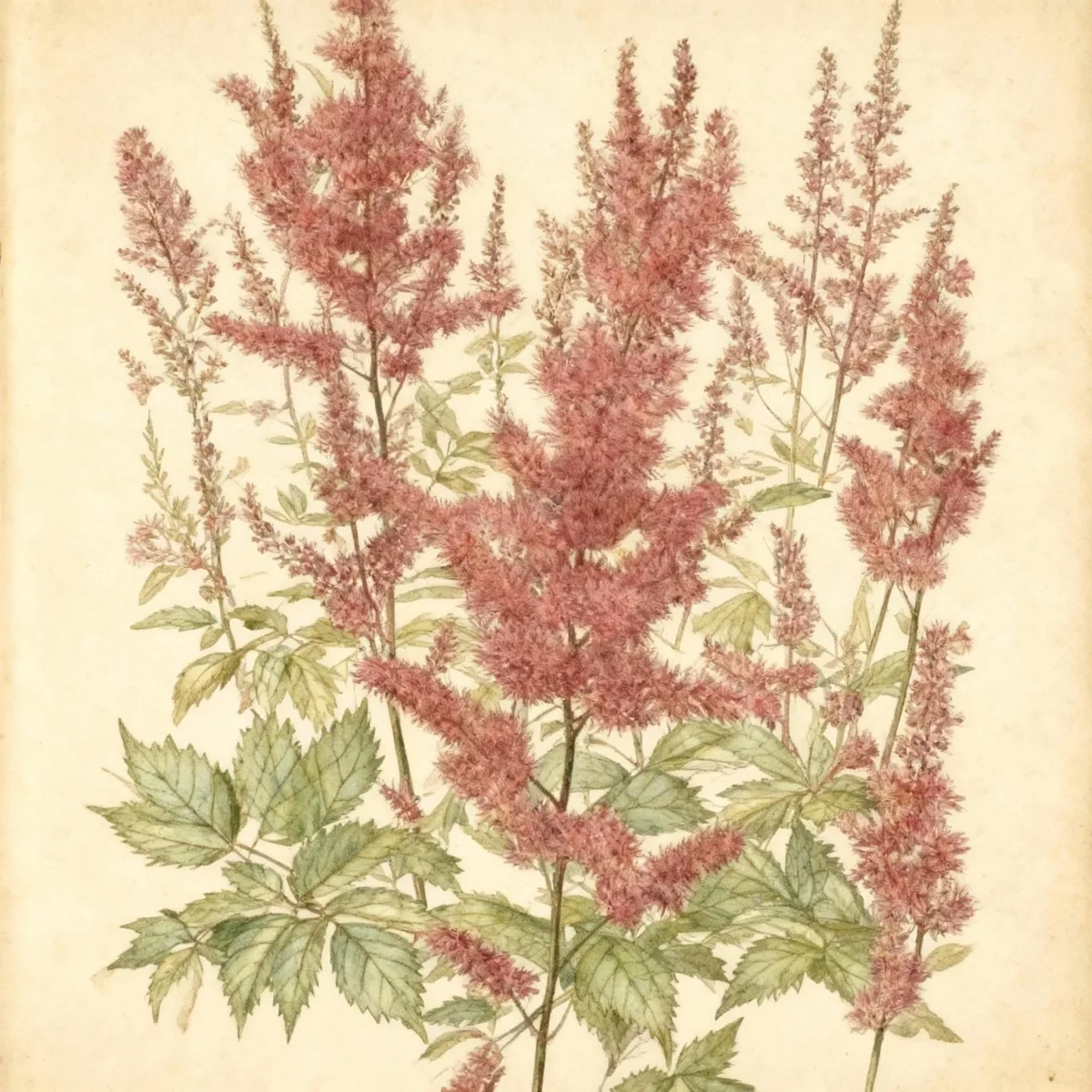
Astilbe ‘Straussenfeder’ OSTRICH PLUME is a prized variety within the Actilbe genus, celebrated for bringing soft color and texture to deep shade areas where few other flowering plants thrive. This herbaceous perennial forms attractive mounds of dark green, fern-like foliage, contrasted beautifully by large, loose, weeping panicles of pink flowers that arch gracefully above the leaves in mid-summer. Gardeners depend on Astilbe varieties like Astilbe ‘Straussenfeder’ OSTRICH PLUME for their reliability and low-maintenance nature.
As a member of the Saxifragaceae family, this specific cultivar is known for its vigorous, tall growth, often reaching up to three feet with its flower stems. It thrives in woodland settings or on the shaded side of a structure, provided the soil remains consistently moist. The overall effect is one of romantic, feathery texture, making Astilbe a foundational element in cool, shaded garden designs.
Ideal for zones 4 through 8, Astilbe ‘Straussenfeder’ OSTRICH PLUME offers fantastic visual interest from early summer well into fall, even after the stunning pink blooms fade. Its ability to tolerate heavy shade and resist common pests makes it an exceedingly practical choice for enhancing dark corners of the landscape.
Fast Facts
- Plant Family: Saxifragaceae
- Plant Type: Herbaceous perennial
- Hardiness Zones: USDA Zones 4-8
- Size at Maturity:
- Height: 2-3 ft
- Spread: 1-2 ft
- Bloom Time: June to July
- Bloom Description: Pink
- Sun Exposure: Part shade to full shade
- Water Needs: Medium
- Maintenance Level: Low
How to Grow
For optimal establishment, plant Astilbe ‘Straussenfeder’ OSTRICH PLUME in the spring or early fall when soil temperatures are moderate. The key to thriving Astilbe is moisture; they require average, medium moisture, well-drained soil. They perform best in humusy, organically rich soils that mimic their woodland origins. Ensure the location shields them from the intense afternoon sun, favoring morning light or consistent partial shade.
Consistent watering is crucial; the soil must never be allowed to dry out, especially during hot summers, as drought stress quickly leads to foliage browning. Applying a summer compost mulch helps significantly in retaining the necessary soil moisture. Maintenance is generally low; removing faded flower stalks is optional—while it tidies the look, many gardeners prefer leaving the dried seed heads for winter interest.
Divide these clumps of Astilbe every three to four years when they begin to look overcrowded. This rejuvenation process ensures vigorous flowering and healthy foliage growth for the coming seasons.
Landscape Uses
Astilbe ‘Straussenfeder’ OSTRICH PLUME excels in landscapes requiring structure and color beneath a tree canopy or along a north-facing foundation. It is specifically recommended for mass plantings in shade gardens and woodland settings, creating a luxurious, layered appearance. Due to its upright stature, it works well toward the back of perennial borders in shaded areas or as an airy edging plant along shaded paths.
Consider using this magnificent Astilbe near water features, such as stream banks or ponds, where the medium water needs can be naturally accommodated. Its tolerance for heavy shade makes it a perfect companion for Hostas, Ferns, and Bleeding Hearts, all plants that share similar cultural needs for rich, moist earth. The texture contrast between the fine Astilbe plumes and the broad leaves of surrounding shade lovers adds dynamic interest.
Standout Features
Flower Qualities
- Showy
Noteworthy Characteristics
Astilbe is characterized by graceful, fern-like foliage mounds and tiny flowers densely packed into plume-like panicles rising on slender stems. The genus name references the dull leaves of some species, meaning “without brightness,” although cultivars like OSTRICH PLUME are certainly bright. This specific variety features dark green leaves and large, loose, weeping pink flower panicles on arching stems that easily reach 2.5 to 3 feet tall in late spring to early summer.
Tolerances
- Rabbit
- Deer
- Heavy Shade
- Black Walnut
Potential Problems
The foremost concern for Astilbe, including Astilbe ‘Straussenfeder’ OSTRICH PLUME, is moisture management. Foliage decline, characterized by leaf edges turning brown, is a direct result of hot summers or dry soil conditions; maintain consistent moisture to prevent this. While generally disease-resistant, powdery mildew and wilt are possibilities if air circulation is poor or humidity is excessive. Japanese beetles may occasionally chew on the leaves, though deer and rabbits typically leave this plant alone, which is a significant benefit.
If powdery mildew appears, focus immediately on improving air movement around the plants and ensuring overhead watering is avoided late in the day. For drought stress, increase mulch application and consistently monitor soil moisture. Consistent care according to its need for moist, humusy soil largely eliminates most potential problems for this low-maintenance perennial.
Frequently Asked Questions
What hardiness zones is Astilbe ‘Straussenfeder’ OSTRICH PLUME suitable for?
This beautiful pink-flowering Astilbe is suitable for USDA Zones 4 through 8.
How large does Astilbe grow?
The Astilbe ‘Straussenfeder’ OSTRICH PLUME typically reaches a height between 2 and 3 feet, with a spread of 1 to 2 feet.
What sun exposure does Astilbe need?
Astilbe requires protection from intense sun and performs best with Part shade to full shade exposure.
When does Astilbe ‘Straussenfeder’ OSTRICH PLUME bloom?
This variety produces its signature pink, arching plumes from June through July.
Conclusion
The Astilbe ‘Straussenfeder’ OSTRICH PLUME remains a champion for adding soft texture and reliable summer pink bloom to the shaded corners of your garden. Its easy care and robust nature, including tolerance for heavy shade, confirm its status as an essential low-maintenance herbaceous perennial. Before planting, confirm your USDA hardiness zone falls between 4 and 8 and ensure you can meet its critical requirement for consistently moist, richly amended soil.
Companion Planting with Astilbe
Since Astilbe ‘Straussenfeder’ OSTRICH PLUME demands consistent moisture and thrives in shade, selecting compatible partners is simple. Excellent companions include plants that appreciate similar conditions, such as Hosta cultivars, which offer broad textural contrast to the fine Astilbe foliage. Hakonechloa (Japanese Forest Grass) provides beautiful, arching mounds of light-colored foliage that complement the dark green leaves beautifully. For added early-season color before the Astilbe blooms, consider Pulmonaria (Lungwort), which also enjoys rich, damp soil under dappled light.
Seasonal Care Calendar
Care for your Astilbe follows a predictable yearly rhythm centered on soil moisture. In early spring, as growth begins, refresh your compost mulch and remove any dead flower stalks left from winter if you wish to tidy the appearance. Throughout the summer growing season (June to July, when Astilbe ‘Straussenfeder’ OSTRICH PLUME is blooming), vigilance regarding watering is paramount; never let the soil dry out. In the fall, after the foliage dies back slightly, you can choose to leave the dried seed heads for winter interest or cut the stalks back to the crown. Minimal winter preparation is required for this tough perennial in zones 4-8; standard division every few years is the only intensive task.