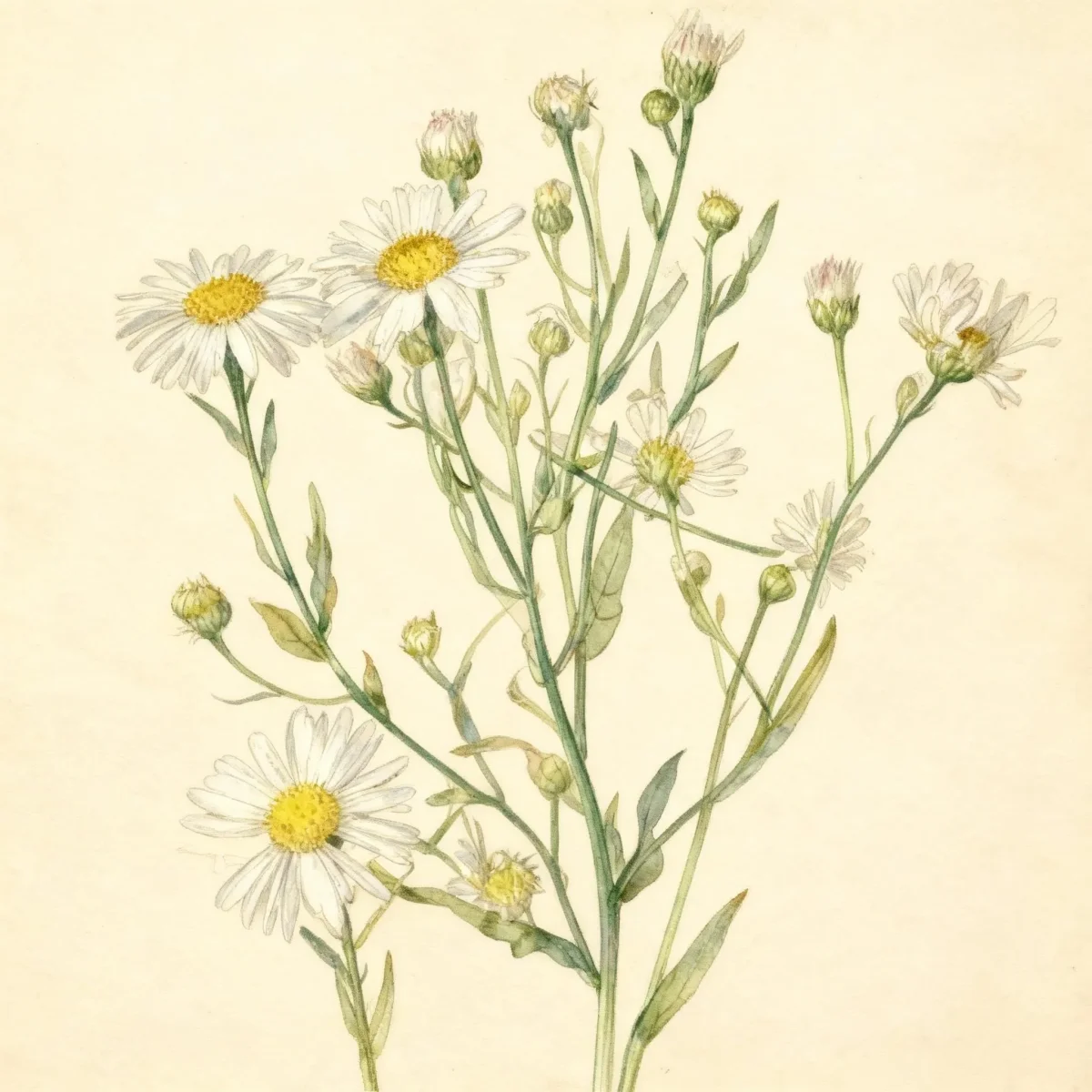
White mugwort (Artemisia lactiflora (Guizhou Group))
Artemisia lactiflora (Guizhou Group), or White mugwort, is a striking perennial reaching 4-5 ft with unique purple stems and creamy white blooms.

Bloom Boldly, No Matter the Season - Sweatshirt
Cozy organic cotton sweatshirt featuring our exclusive Purple Coneflower design. Perfect for gardeners who bloom year-round.
Inspired by the beautiful White mugwort
Limited first batch (50) — join the waitlist for early access
Waitlist closes Feb 15, 2026.
Complete Plant Information
Field Guide Continues
Ready for care notes, companion picks, and planting tips?
The map is just the start. The full guide below covers growth habits, seasonal performance, and landscape uses.
Overview
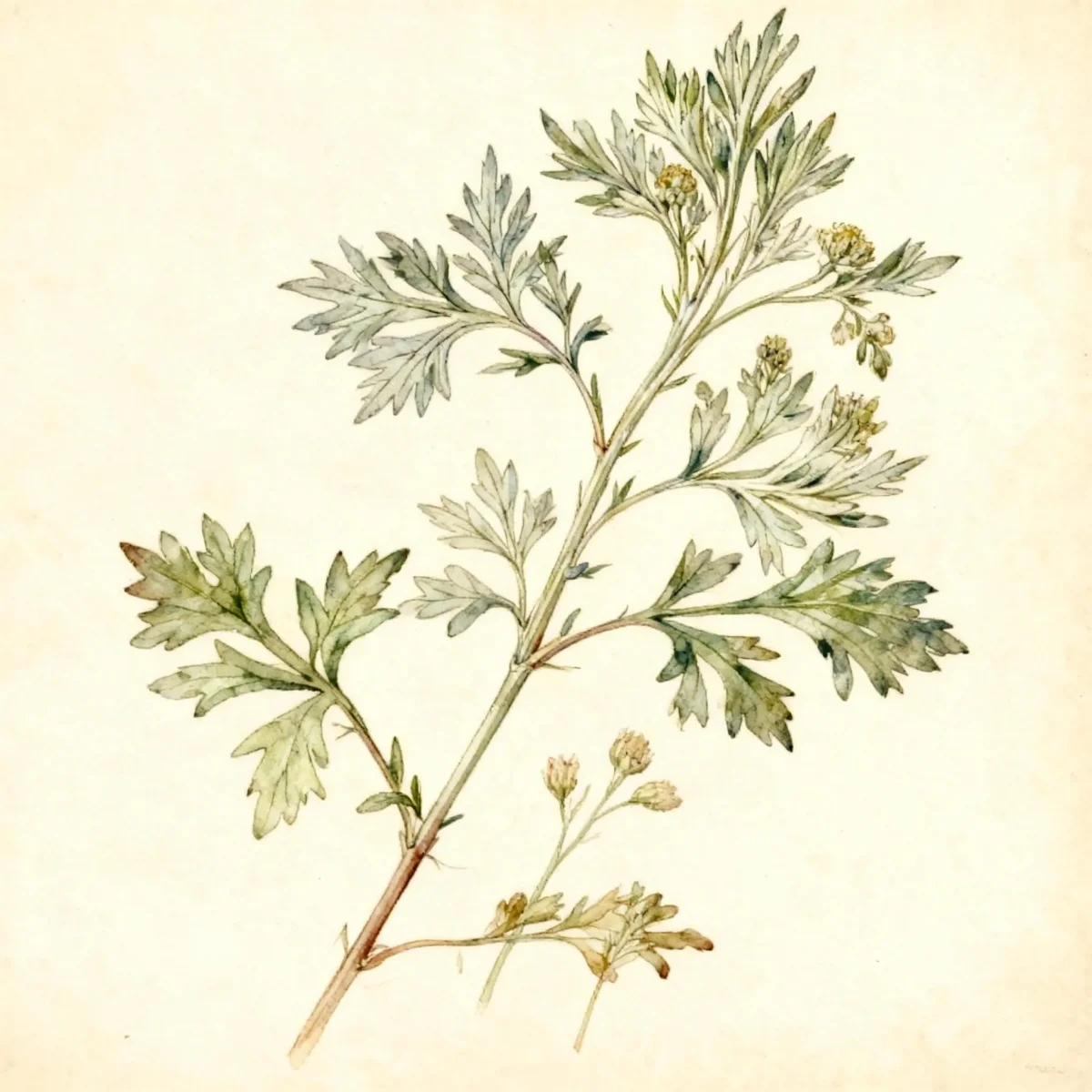
The White mugwort, scientifically known as Artemisia lactiflora (Guizhou Group), provides outstanding late-season interest where many other perennials are fading. Unlike common silver-leaved Artemisia species, this particular group is recognized for its attractive, upright plumes of creamy white flowers set against green foliage that often has deep purple or maroon stems and leaves. This distinction makes Artemisia lactiflora (Guizhou Group) a valuable structural element in the summer garden.
Native to forested slopes and stream banks in parts of China, this clump-forming perennial is remarkably robust, typically maturing to a height of 4 to 5 feet. Its upright habit ensures it maintains good texture and vertical presence throughout the growing season without excessive flopping. Gardeners appreciate this plant for providing light-colored blooms in late summer when structure and contrast are highly desired.
Cultivation is relatively straightforward, provided the basic needs of rich, moist soil and full sun are met. For a truly rewarding display of the unique coloration distinguishing the Artemisia lactiflora (Guizhou Group), ensure it receives the necessary moisture without becoming waterlogged. Its reliable size and flower show ensure the White mugwort earns its place in perennial borders.
Fast Facts
- Plant Family: Asteraceae
- Plant Type: Herbaceous perennial
- Hardiness Zones: USDA Zones 3-8
- Size at Maturity:
- Height: 4-5 ft
- Spread: 2-3 ft
- Bloom Time: August to September
- Bloom Description: Creamy white
- Sun Exposure: Full sun
- Water Needs: Medium
- Maintenance Level: Medium
How to Grow
The best time to establish new White mugwort plants is in the spring, allowing the root system to settle before the heat of summer arrives. Artemisia lactiflora (Guizhou Group) thrives in full sun, though it can tolerate afternoon shade in the hottest climates. Crucially, it requires evenly moist soil that is well-drained. If your soil is primarily heavy clay, amend it heavily with organic matter to improve drainage, as stagnant, wet conditions will quickly lead to root issues.
During the active growing season, maintain medium water needs by watering deeply whenever the top few inches of soil begin to dry out, ensuring the soil remains consistently moist but never saturated. Though robust, providing rich, well-drained soil encourages the best stem development and flower production. Fertilizing is generally unnecessary if the soil is already rich; otherwise, a balanced slow-release fertilizer applied in early spring can support vigorous growth of the White mugwort.
Stems of Artemisia lactiflora (Guizhou Group) are usually stiff enough not to require staking, which is a significant advantage for tall perennials. Once blooms begin to fade in early autumn, you can cut the foliage back to about 4-6 inches above the ground. In colder zones, wait until new spring growth appears before cutting back the old stems to offer the crowns some winter protection.
Landscape Uses
The substantial stature and late-season bloom of White mugwort make it an ideal choice for defining the rear edge of mixed perennial borders. Planting Artemisia lactiflora (Guizhou Group) here ensures its height (up to 5 feet) doesn’t overshadow shorter companions elsewhere in the garden scheme. They are particularly effective planted against structures or walls that provide a clean backdrop, allowing the dark stems and creamy flowers of the White mugwort to stand out.
This plant also performs beautifully in woodland garden settings, provided the area receives adequate sun exposure throughout the day, suiting its preference for dappled light or open areas near trees. Furthermore, because it tolerates some exposure, it can be integrated into seaside gardens, as noted in recommended uses. Pair the Artemisia lactiflora (Guizhou Group) with late bloomers like Asters or ornamental grasses to create a cohesive tapestry of texture and color moving into fall.
Standout Features
Flower Qualities
- Showy
Noteworthy Characteristics
Artemisia lactiflora, commonly called white mugwort is an erect, clump-forming perennial native to forested slopes, shrubby thickets, stream banks, and roadsides in northern India, China, and Southeast Asia. Mature clumps typically reach 4-5’ tall and spread to fill a 2.5-3’ area. Features upright, branched, 12-18”, astilbe-like, terminal sprays (loose panicles) of creamy white flowers which bloom atop stiff, stems in late summer. The Guizhou Group of white mugworts is visually distinguished by the dark purple to maroon coloration of its stems and leaves, setting it apart from standard green selections.
Tolerances
- Rabbit
- Deer
- Drought
Potential Problems
While generally hardy, White mugwort can occasionally suffer from fungal diseases, primarily rust and powdery mildew. Proper air circulation is the best preventative measure, so avoid overcrowding plants and consider spacing them according to the maximum spread guideline. If signs of mildew appear, immediately remove and destroy infected foliage (do not compost it), and treat the remaining plant with a horticultural fungicide according to package directions. Deer and rabbits tend to avoid this plant, offering a benefit in areas where browsing is common.
Frequently Asked Questions
What hardiness zones is White mugwort suitable for?
Artemisia lactiflora (Guizhou Group) is reliably hardy across a wide range, thriving in USDA Zones 3 through 8.
How large does White mugwort grow?
This perennial typically reaches a mature height between 4 and 5 feet, spreading out to occupy a space approximately 2 to 3 feet wide.
What sun exposure does Artemisia lactiflora (Guizhou Group) need?
This species prefers and performs best in full sun conditions for optimal flower production and stem coloring.
When does White mugwort bloom?
The beautiful, creamy white flower plumes consistently appear in the garden from August through September.
Conclusion
The White mugwort (Artemisia lactiflora (Guizhou Group)) stands out among its relatives due to its appealing flower display and uniquely colored stems, providing reliable height and drama late in the season. Integrating this robust perennial into borders or woodland edges adds significant architectural value. Before planting, ensure your site offers the full sun and rich, moist drainage required for success with Artemisia lactiflora (Guizhou Group).
Companion Planting
Selecting companions that share the preference for full sun and consistent moisture will greatly enhance the visual impact of the White mugwort. Consider pairing it with plants whose foliage contrasts sharply with its dark stems and green leaves. Bold textures, such as large-leaved Hosta varieties (in partial shade areas) or tall, upright ornamental grasses like Panicum or Miscanthus, complement the airy nature of the Artemisia lactiflora (Guizhou Group) flower plumes.
For late-season color, plant companions that bloom concurrently or just after the White mugwort finishes, such as late-blooming sedums like ‘Autumn Joy’ or various upright New England Asters. These combinations create a dynamic, layered look that keeps the garden interesting even as summer heat ebbs away, leveraging the reliable growing habits of the Artemisia lactiflora (Guizhou Group).
Seasonal Care Calendar
Spring is the ideal time to begin care for your White mugwort. Wait until new green growth emerges before cutting back the dead, previous year’s stalks to about 4-6 inches above the soil line. Throughout the summer, monitor water needs closely, especially during dry spells, ensuring the medium soil condition is maintained; deep watering is preferred over frequent shallow sprinkling.
In the late summer and early fall, enjoy the spectacular creamy white flowers that define this species. Avoid heavy pruning at this stage, as the flowering stems provide the garden’s primary autumn interest. If seed heads are not desired, deadheading spent flowers can tidy the appearance slightly, though this is not strictly necessary for plant health. Prepare for winter by ensuring the ground is not waterlogged as temperatures drop.