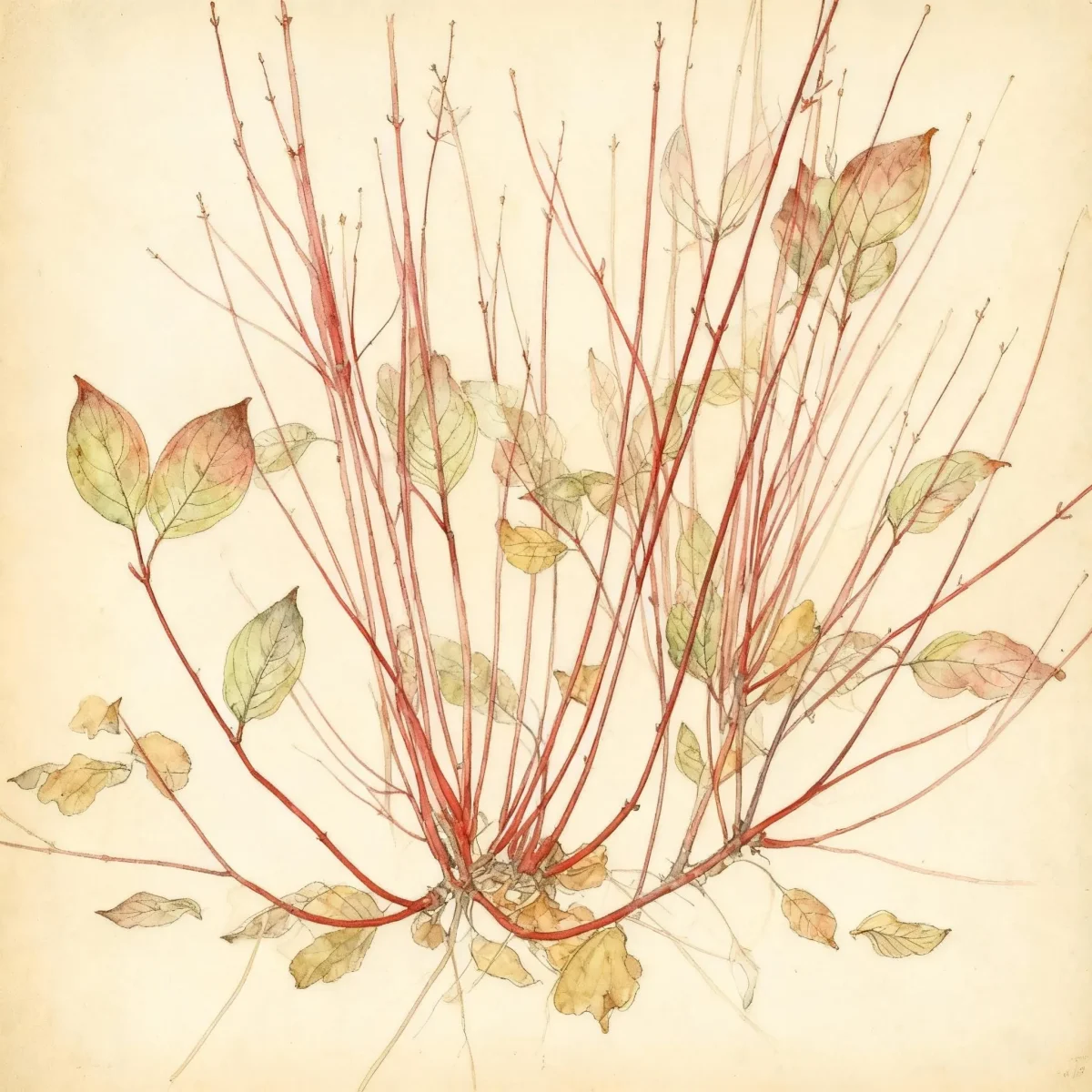
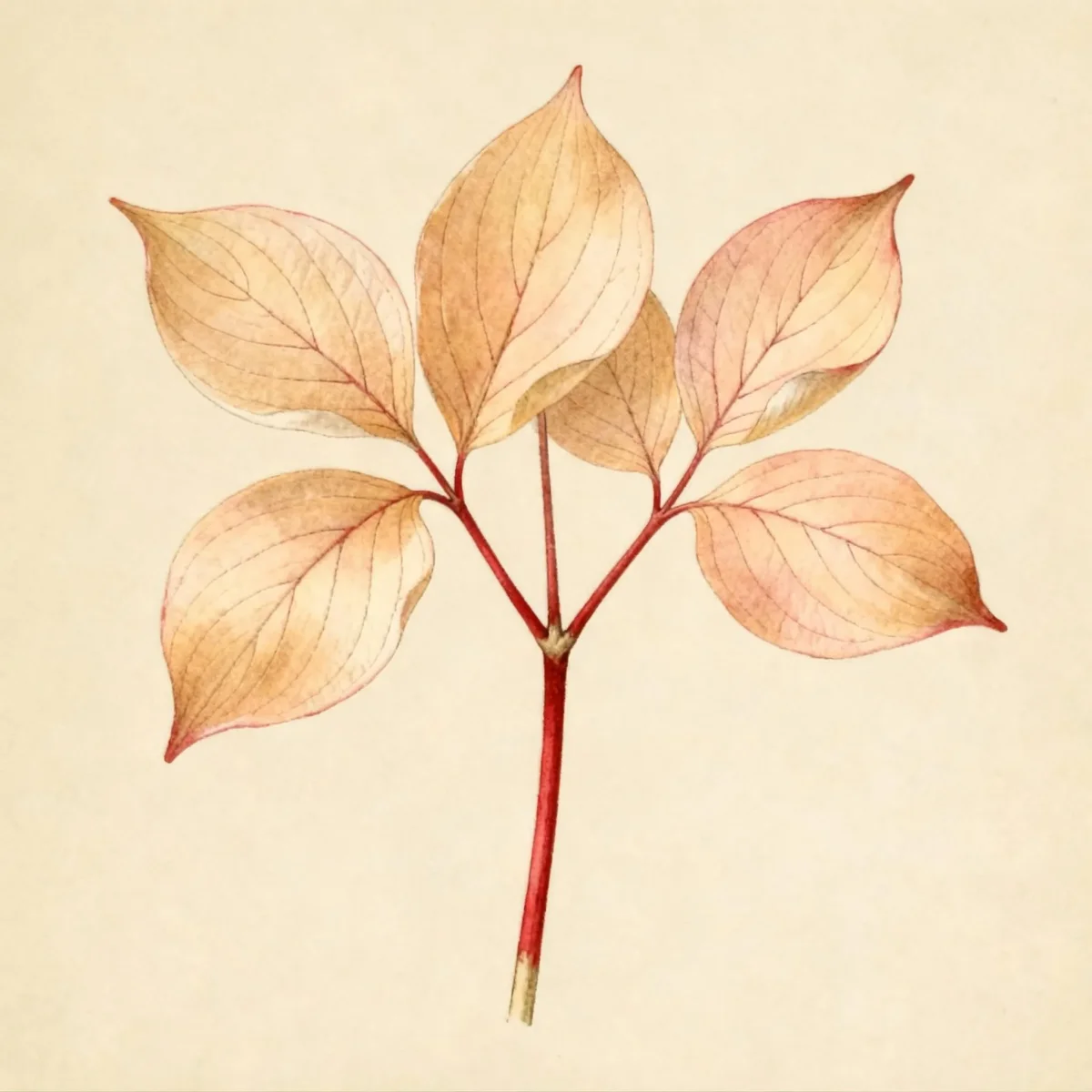
Yellowtwig dogwood (Cornus sericea 'Budd's Yellow')
Cornus sericea 'Budd's Yellow' offers brilliant yellow winter stems, thriving in wet soils and providing low maintenance color.

Bloom Boldly, No Matter the Season - Sweatshirt
Cozy organic cotton sweatshirt featuring our exclusive Purple Coneflower design. Perfect for gardeners who bloom year-round.
Inspired by the beautiful Yellowtwig dogwood
Limited first batch (50) — join the waitlist for early access
Waitlist closes Feb 15, 2026.
Complete Plant Information
Field Guide Continues
Ready for care notes, companion picks, and planting tips?
The map is just the start. The full guide below covers growth habits, seasonal performance, and landscape uses.
Overview
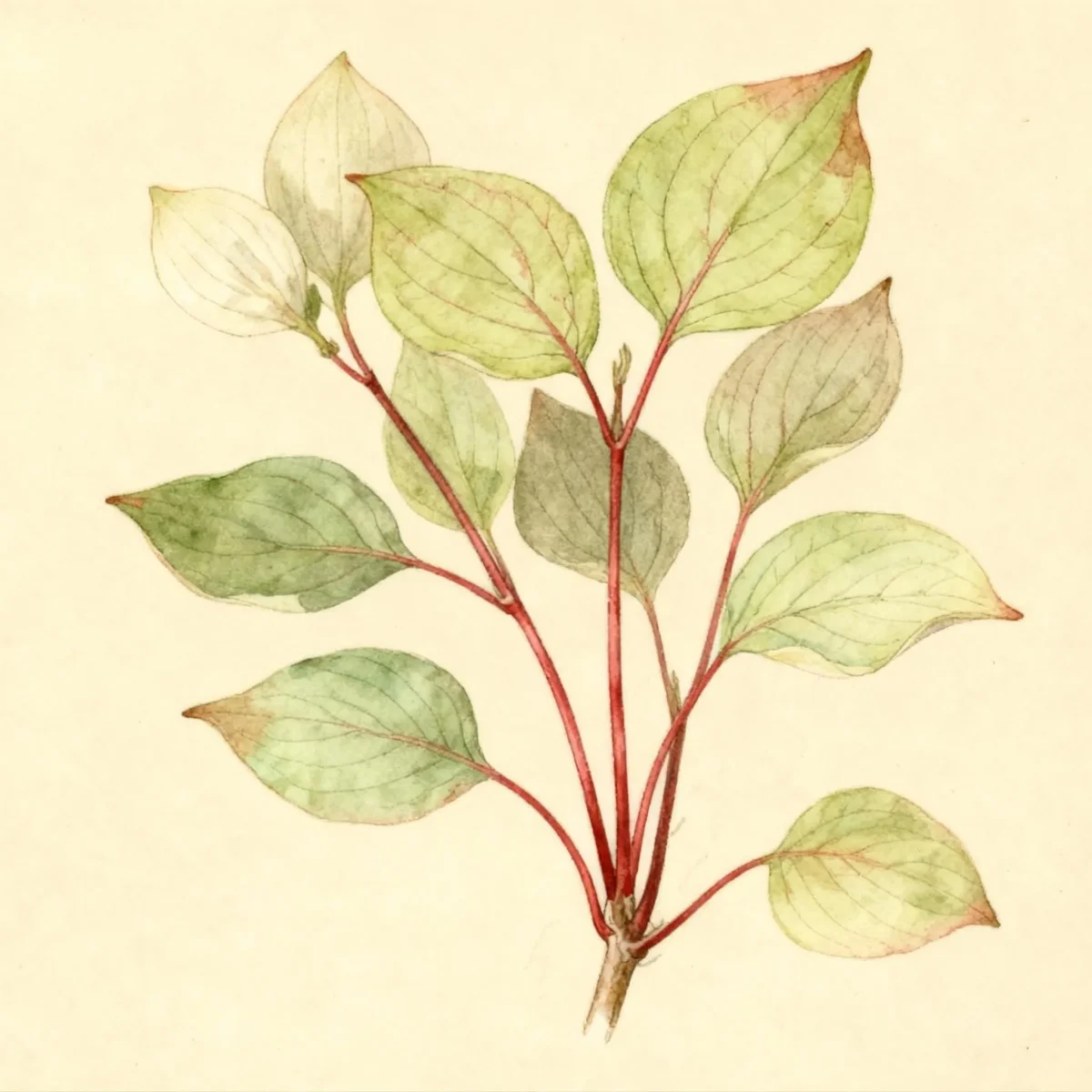
The Yellowtwig dogwood, specifically the cultivar Cornus sericea ‘Budd’s Yellow’, is prized for its spectacular winter interest generated by its smooth, bright yellow stems. This deciduous shrub offers a fast-growing, multi-stemmed structure that brightens even the dullest cold-season landscapes, contrasting beautifully against snow. As a cultivar of the widely adaptable red osier dogwood, Cornus sericea ‘Budd’s Yellow’ maintains excellent cultural flexibility, handling a variety of difficult sites. Gardeners value this plant not only for its seasonal color but also for its ability to stabilize moist areas, making it an outstanding functional and vibrant addition to the garden.
Fast Facts
- Plant Family: Cornaceae
- Plant Type: Deciduous shrub
- Hardiness Zones: USDA Zones 3-7
- Size at Maturity:
- Height: 5-8 ft
- Spread: 5-8 ft
- Bloom Time: May to June
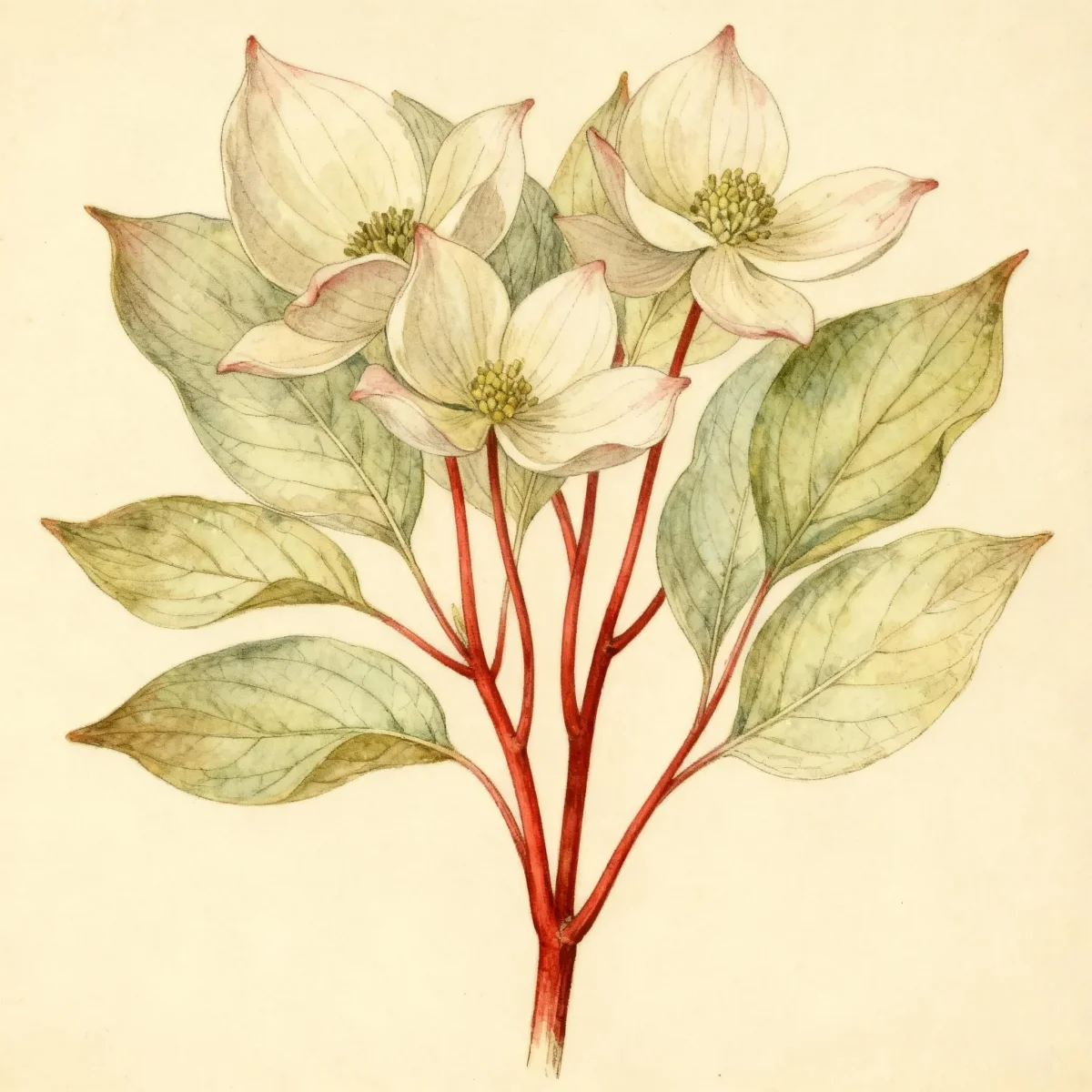
- Bloom Description: Yellowish-white
- Sun Exposure: Full sun to part shade
- Water Needs: Medium to wet
- Maintenance Level: Low
How to Grow
The primary cultural requirement for optimal stem color in Cornus sericea ‘Budd’s Yellow’ is consistent moisture and plenty of light. Plant in organically rich, fertile soils, ensuring the location receives either full sun or partial shade; note that plants stressed by hot, humid summers may become more susceptible to canker south of Zone 7. Water needs are medium to wet, and this dogwood thrives in swampy or boggy conditions, making it ideal for rain gardens or pond margins. Maintenance is generally low. If you wish to control the size or encourage the brightest yellow new growth, prune 20-25% of the oldest stems in early spring annually. Alternatively, for a more complete rejuvenation, coppice all stems close to the ground (about 8 inches) every two to three years in early spring. Be aware that this vigorous, suckering shrub may need root trimming with a spade if colonial spread into adjacent areas is undesirable.
Landscape Uses
The Yellowtwig dogwood excels in naturalistic plantings where it can be allowed to spread and form dense, textural thickets along streams or pond edges, utilizing its spreading roots for erosion control. For winter drama, utilize this shrub in shrub borders where its bright yellow stems can be combined with evergreen backdrops or contrasting redtwig dogwood cultivars. It is highly effective when massed as a living screen or property line hedge, offering year-round structure and seasonal color interest. Consider Cornus sericea ‘Budd’s Yellow’ for low spots in the landscape that retain excess water, fulfilling functional needs while delivering high ornamental value.
Standout Features
Flower Qualities
- Showy
Fruit Qualities
- Showy
Noteworthy Characteristics
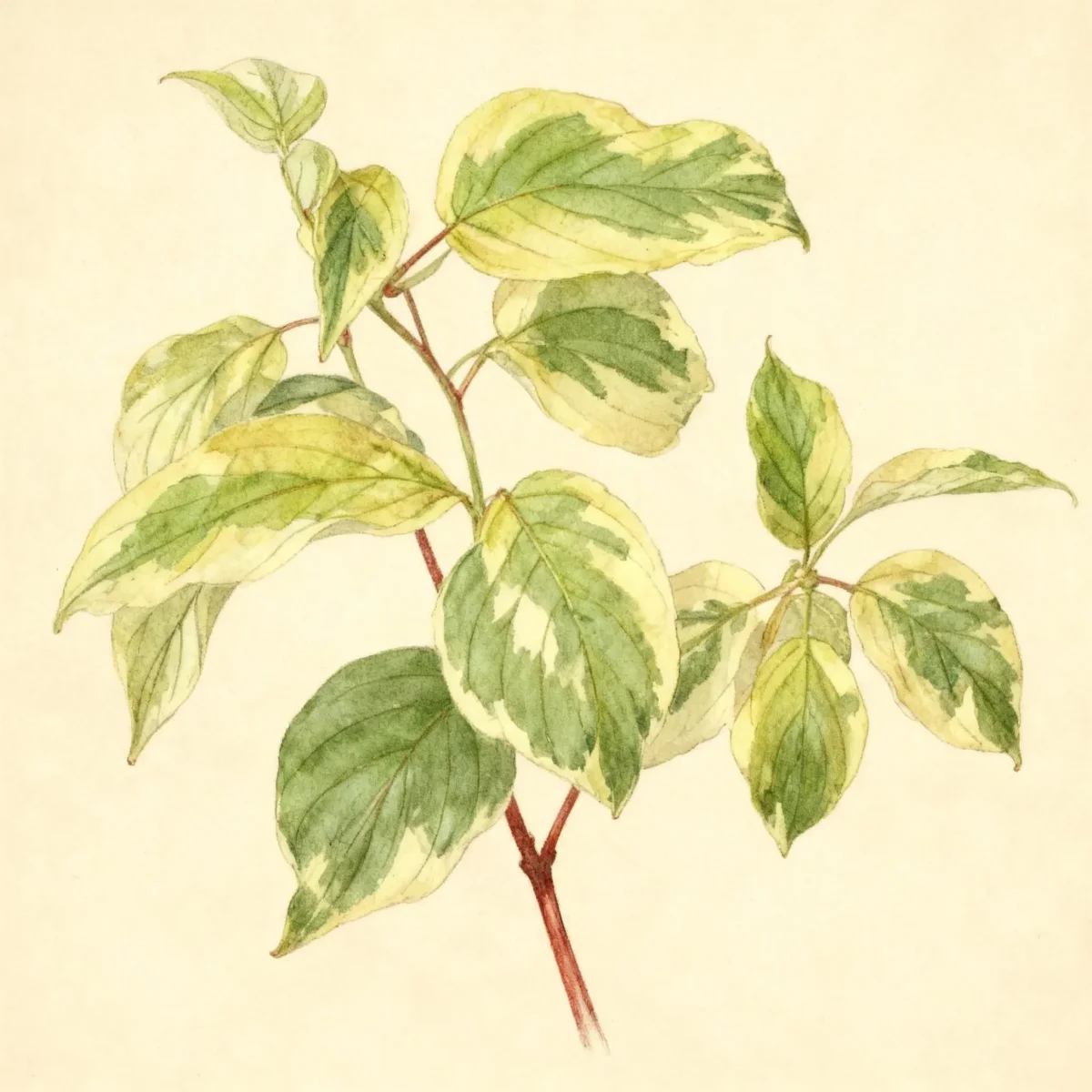
Cornus sericea ‘Budd’s Yellow’ is celebrated for its bright yellow winter stems, which offer outstanding visual appeal against a snowy backdrop. This fast-growing, suckering deciduous shrub features medium/dark green leaves up to 4.5 inches long, which may offer subtle fall color before dropping. The intense color comes specifically from the young stem growth, reinforcing the importance of annual renewal pruning for this cultivar.
Tolerances
- Deer
- Erosion
- Clay Soil
- Wet Soil
Potential Problems
This dogwood is generally robust, but like many Cornus species, it can occasionally suffer from fungal issues such as leaf spots, twig blights, and canker. Occasional insect pests like scale, leaf miners, and bagworms may appear, though ‘Budd’s Yellow’ is often noted for having good resistance to stem dieback diseases. Management involves ensuring good air circulation during planting and promptly removing heavily diseased limbs. Avoid planting in areas with excessive heat and humidity, which stresses the plant and invites vulnerability to canker.
Frequently Asked Questions
What hardiness zones is Yellowtwig dogwood suitable for?
Cornus sericea ‘Budd’s Yellow’ is suited for cultivation across USDA Hardiness Zones 3 through 7.
How large does Yellowtwig dogwood grow?
This shrub typically matures to a height between 5 and 8 feet, with a similar spread of 5 to 8 feet when fully established.
When does Cornus sericea ‘Budd’s Yellow’ bloom?
The plant produces small, yellowish-white flowers primarily from May into June, sometimes with sparse flowering extending into the summer months.
What sun exposure does Yellowtwig dogwood need?
For the best growth and stem color, Cornus sericea ‘Budd’s Yellow’ should be situated where it receives full sun to partial shade exposure.
Conclusion
The combination of low maintenance needs, tolerance for wet, difficult soils, and phenomenal winter stem color makes Cornus sericea ‘Budd’s Yellow’ an invaluable plant for winter structure. This vibrant Yellowtwig dogwood provides year-round interest that few other broadleaf shrubs can match. Before planting, confirm that your USDA zone falls within 3 to 7 and that you are prepared to offer medium to wet soil conditions for optimal performance.
Companion Planting
When designing a display featuring the brilliant yellow winter color of Cornus sericea ‘Budd’s Yellow’, companion planting with red-stemmed cultivars offers spectacular contrast. Pair it near evergreen shrubs or dark-colored evergreens like certain varieties of Yew (Taxus) or Juniper, which serve as a dark foil to make the yellow glow even brighter. Because this dogwood prefers consistently moist, rich soil, consider combining it with other wetland-tolerant species such as hardy Ferns or native Iris near water features. Allowing these groupings to grow densely enhances the protective thicket effect that this dogwood naturally creates.
Wildlife Benefits
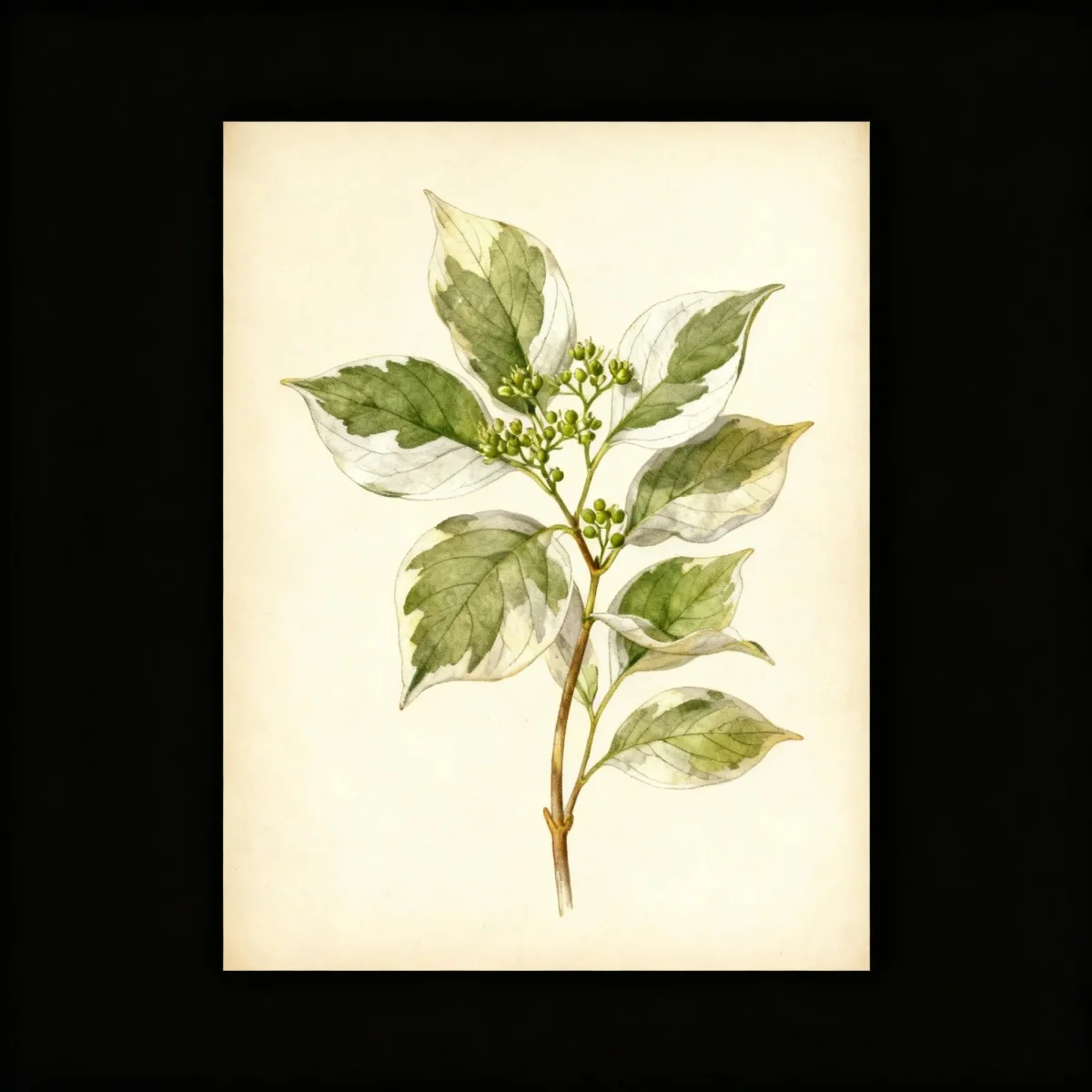
While the flowers are not the primary draw, the flat-topped flower clusters of Cornus sericea ‘Budd’s Yellow’ do attract beneficial insects during late spring. More significantly, the resulting summer fruit—whitish drupes—is highly attractive to various songbirds, providing a crucial food source late in the season. By planting this native shrub, you are supporting local ecosystems, particularly in wet margin habitats where dogwoods naturally occur. Its dense, multi-stemmed structure also offers excellent cover and nesting opportunities for smaller avian species throughout the year.