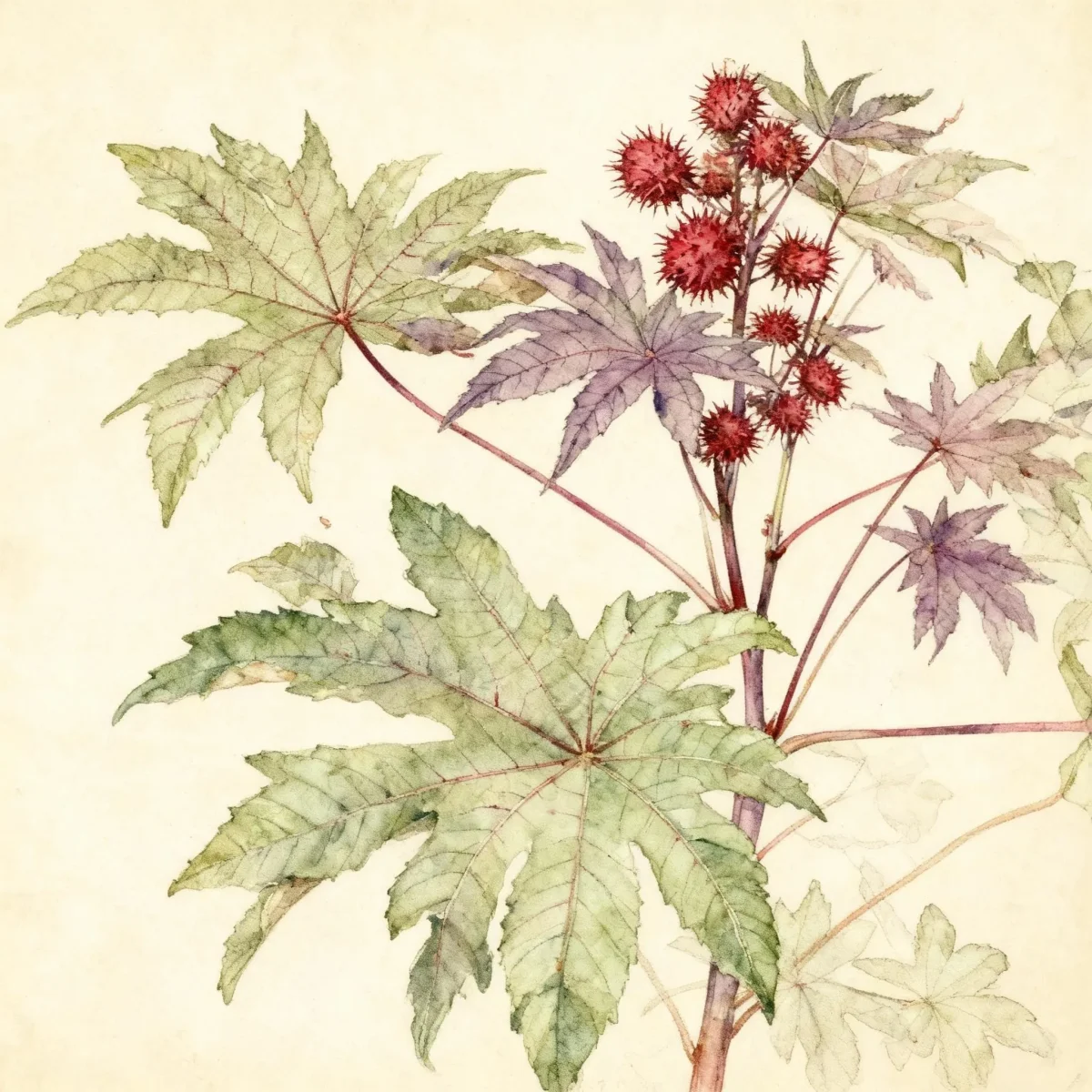
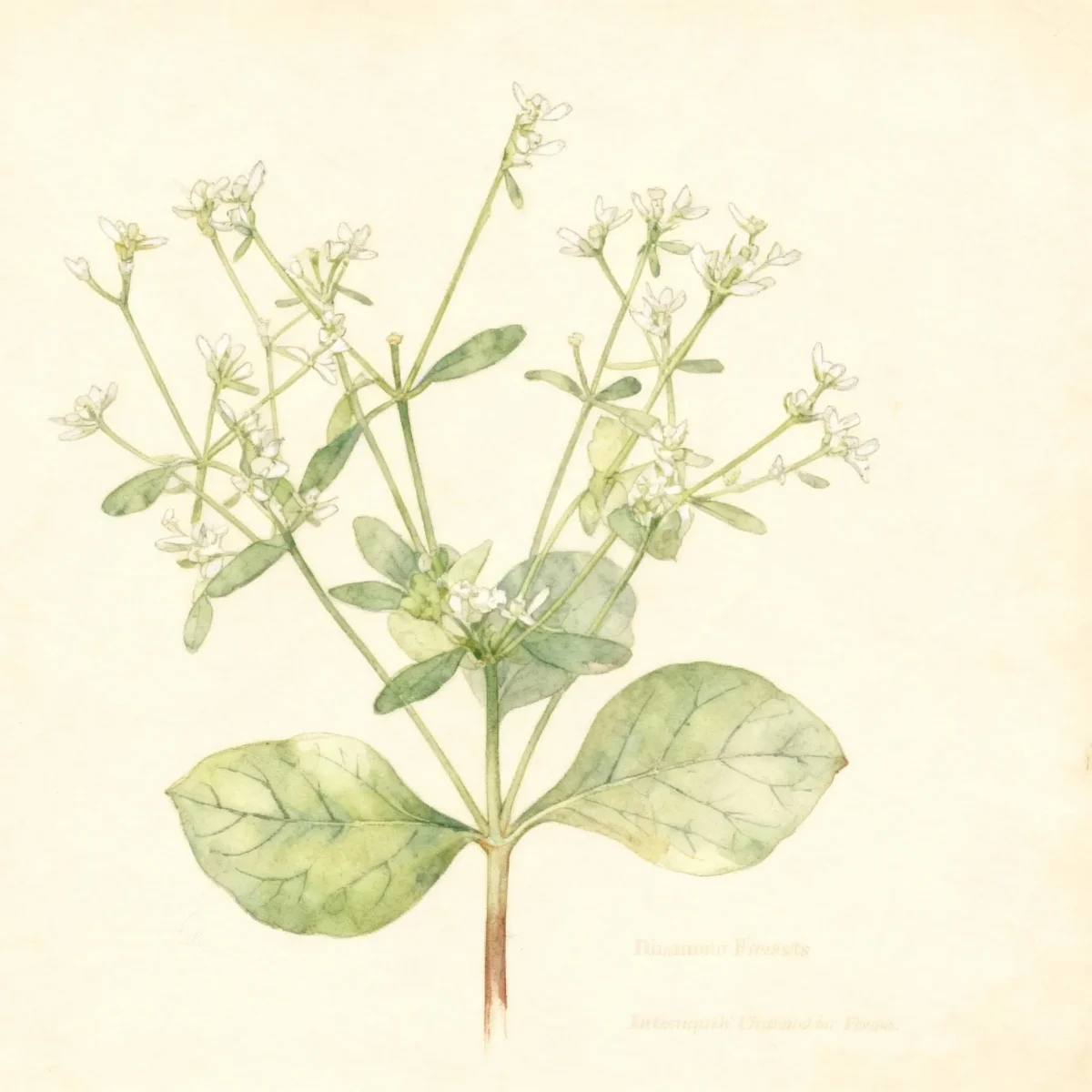
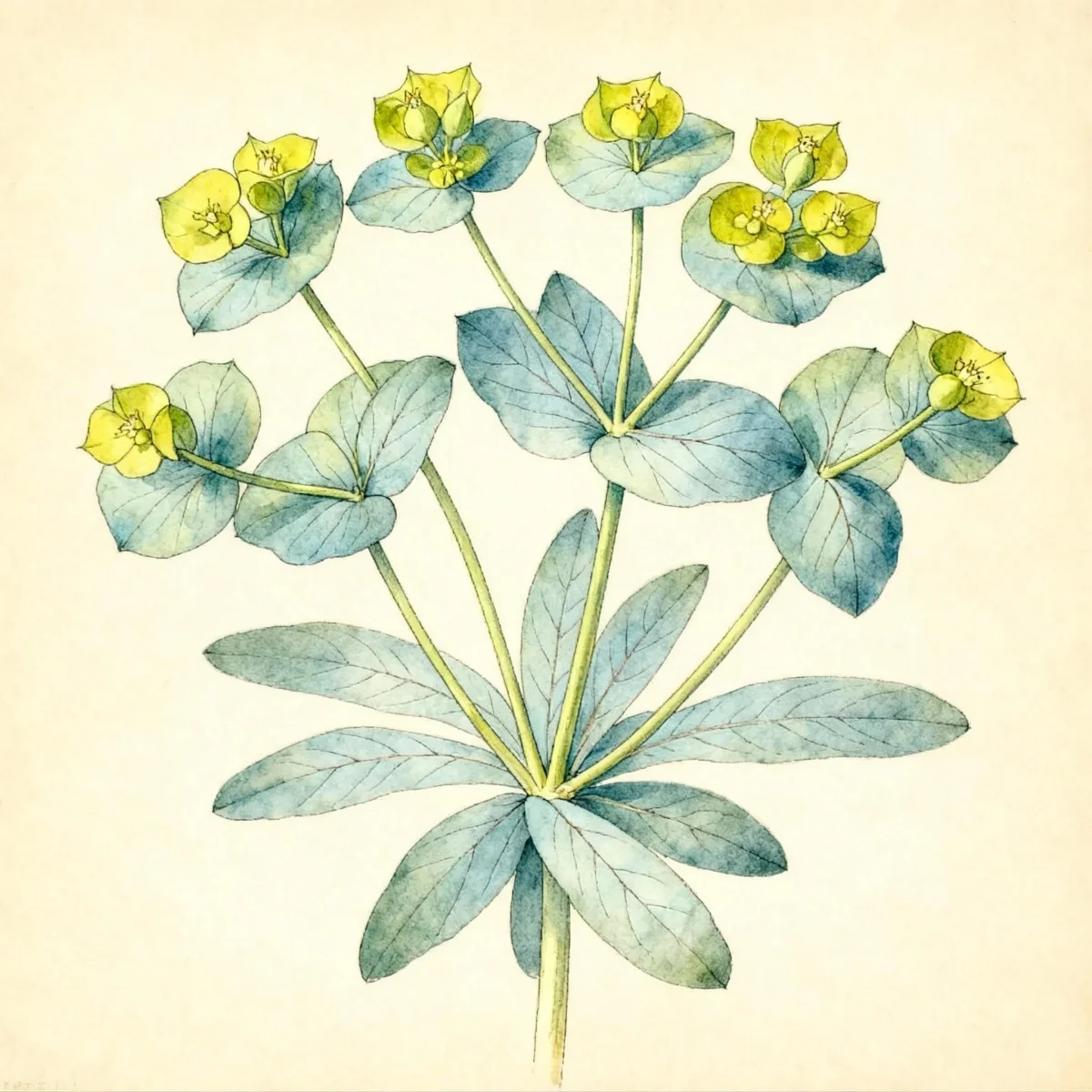
Spurge (Euphorbia 'Helena')
Discover Euphorbia 'Helena', a low-maintenance, compact Spurge perfect for sunny, dry beds and borders. Features white bracts.
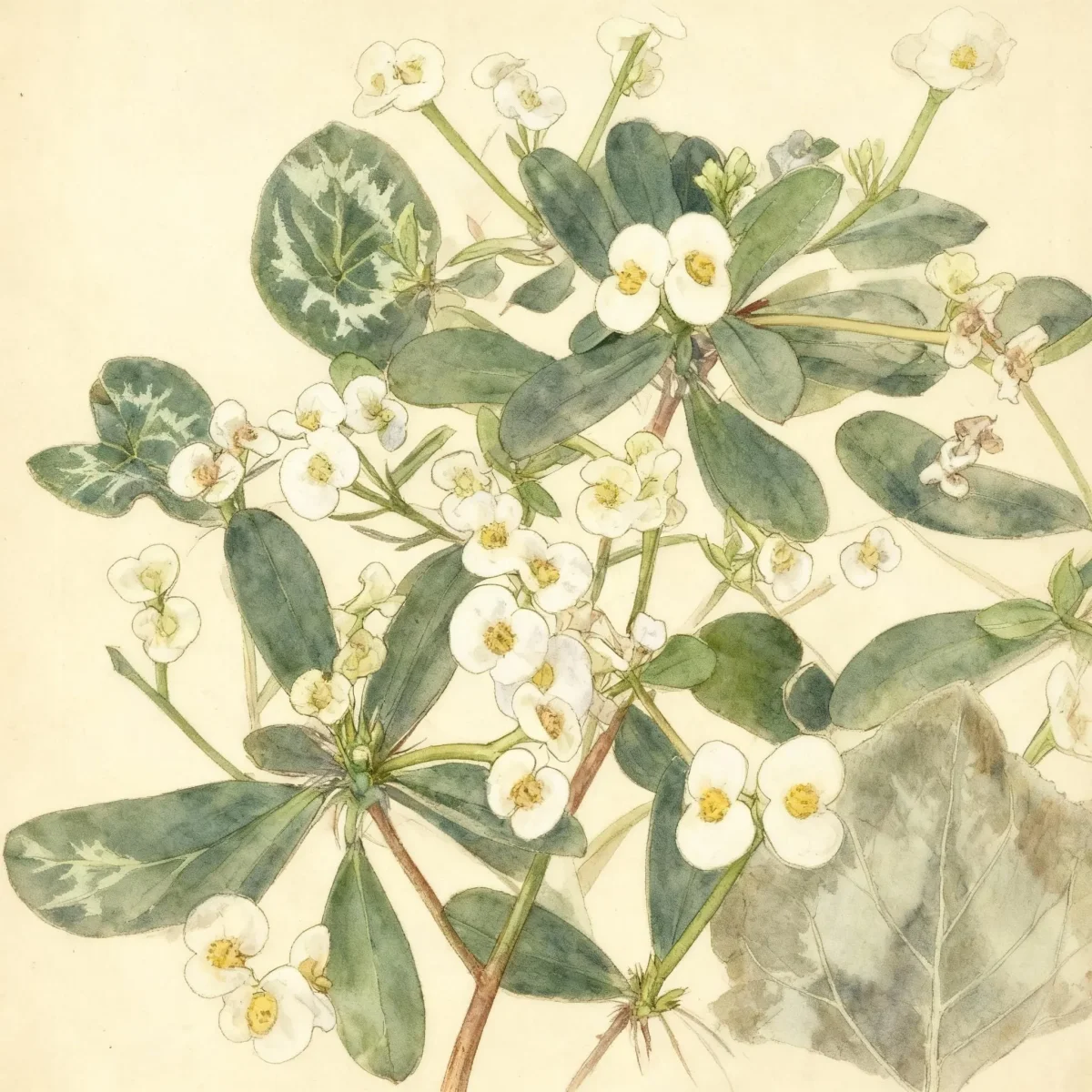

Bloom Boldly, No Matter the Season - Sweatshirt
Cozy organic cotton sweatshirt featuring our exclusive Purple Coneflower design. Perfect for gardeners who bloom year-round.
Inspired by the beautiful Spurge
Limited first batch (50) — join the waitlist for early access
Waitlist closes Feb 15, 2026.
Complete Plant Information
Field Guide Continues
Ready for care notes, companion picks, and planting tips?
The map is just the start. The full guide below covers growth habits, seasonal performance, and landscape uses.
Overview
Euphorbia ‘Helena’ is a vigorous, compact hybrid Spurge valued for its dense, bushy habit and attractive foliage, making it a standout in xeriscaping and low-water gardens. This cultivar offers a wonderful textural contrast with its narrow, dark green leaves held atop ridged stems. It provides a welcome, airy look, blooming seasonally with clusters of white bracts that bring brightness to the landscape.
As a low-maintenance choice, Euphorbia ‘Helena’ thrives when given its preferred conditions: plenty of sun and very sharply-drained soil. It responds poorly to wet conditions, especially during winter dormancy, making drainage critical for its survival. Gardeners appreciate this Spurge for its durability across various poor soil types and its resistance to common pests.
This particular Spurge cultivar is the result of careful hybridization, exhibiting fewer thorns than some of its relatives while retaining significant ornamental appeal. Whether used as a standout specimen in containers or integrated into sun-drenched borders, Euphorbia ‘Helena’ delivers reliable structure and seasonal interest with minimal fuss, provided its drainage needs are met.
Fast Facts
- Plant Family: Euphorbiaceae
- Plant Type: Herbaceous perennial
- Hardiness Zones: USDA Zones 10-12
- Size at Maturity:
- Height: 0.25-0.5 ft
- Spread: 0.25-0.5 ft
- Bloom Time: Seasonal bloomer
- Bloom Description: White
- Sun Exposure: Full sun
- Water Needs: Dry to medium
- Maintenance Level: Low
How to Grow
Planting Euphorbia ‘Helena’ requires prioritizing excellent drainage above all else. Choose a location receiving full sun, although a little afternoon shade may benefit the plant in the hottest summer climates. Ensure the soil is well-draining; amend heavy clay with grit or gravel if necessary, as wet soils, particularly in winter, are fatal to this Spurge.
Watering should be infrequent once established; treat this plant as drought tolerant. Allow the soil to dry out significantly between waterings, adhering to its dry to medium water needs. Fertilization is generally unnecessary, as this Spurge tolerates poor soils quite well. Avoid high nitrogen fertilizers which can lead to floppy, weak growth.
Pruning is rarely required for shape, as its natural habit is compact and bushy. If deadheading loose bracts after blooming is desired, do so lightly. When handling any Euphorbia, always employ gloves and caution due to the toxic, irritating sap. If planted in containers, use an extremely gritty potting mix to ensure rapid water runoff.
Landscape Uses
The small stature and drought tolerance make Euphorbia ‘Helena’ an exceptional choice for edging beds and defining borders where low-growing texture is desired. Its upright, freely branching form works well as a filler plant in mixed container arrangements, contrasting nicely with trailing or mounding annuals and perennials. It performs admirably in rock gardens, mimicking its preferred Mediterranean-type climate and shallow, rocky soil tolerance.
Because of its low stature, consider planting Euphorbia ‘Helena’ toward the front of borders so its foliage and seasonal flowers are easily admired. This Spurge pairs well with other sun-loving, low-water plants such as sedums, various ornamental grasses, or Mediterranean herbs that also require sharply-drained conditions. Its compact size allows it to be integrated without overwhelming neighboring plants.
Standout Features
Flower Qualities
- Showy
Noteworthy Characteristics
Euphorbia is a genus of about 2,000 species of annuals, herbaceous perennials, trees, shrubs and succulents found in temperate, subtropical and tropical areas. All plant parts are toxic and can cause severe discomfort if eaten. The milky sap can cause skin irritation.Genus name probably honors Euphorbus, physician to the King of Mauretania.‘Helena’ is a vigorous hybrid spurge that is noted for its compact, bushy form, narrow, dark green foliage and showy floral display. Mature plants will reach roughly 6” tall with an equal spread and possess ridged stems with fewer thorns compared to the pollen parent.
Tolerances
- Rabbit
- Deer
- Drought
- Shallow-Rocky Soil
- Air Pollution
Potential Problems
This plant generally faces no serious insect or disease problems when grown in appropriate conditions. The primary caution concerns human handling: the milky sap found in all Euphorbia parts can cause skin irritation, so always work with gloves. While deer avoid this Spurge, confirming the plant’s toxic nature is important if pets or children frequent the garden area. If the plant suffers from poor growth or stem rot, the cause is almost certainly excessive moisture or poor winter drainage.
Frequently Asked Questions
What hardiness zones is Spurge suitable for?
This variety of Spurge, Euphorbia ‘Helena’, is best suited for USDA Zones 10 through 12.
How large does Spurge grow?
Euphorbia ‘Helena’ is very compact, typically reaching a height and spread between 0.25 and 0.5 feet at maturity.
What sun exposure does Spurge need?
This plant thrives best in full sun exposure, though it can tolerate some protection from the most intense afternoon heat.
When does Euphorbia ‘Helena’ bloom?
Euphorbia ‘Helena’ is a seasonal bloomer, showcasing its characteristic white bracts during its active growth period.
Conclusion
Euphorbia ‘Helena’ offers gardeners a high-value, low-maintenance structural plant ideal for sunny, dry locations. Its compact size and unique foliage, combined with its tolerance for poor soil, make this Spurge a reliable performer in warmer climates. Before planting, always verify your local hardiness zone and ensure your soil profile guarantees sharply-drained conditions for long-term success with Euphorbia ‘Helena’.
Companion Planting
When selecting partners for Euphorbia ‘Helena’, focus on other low-water, sun-loving Mediterranean or succulent-type plants. Companions that thrive in similar dry, sharply-drained environments will ensure uniform garden care. Consider pairing this Spurge with silvery foliage plants like Lavender or Artemisia, which can pick up the light tones of the white bracts. Succulents such as Echeveria or various low-growing Agave varieties also complement the architectural look of the Spurge.
Design Ideas for Rock Gardens
The preferred cultural needs of Euphorbia ‘Helena’ make it perfectly suited for authentic rock garden designs. Plant it nestled between larger, textural stones where water runoff is naturally excellent. In these xeriscaping environments, use a gravel mulch top dressing, which significantly enhances drainage and mimics natural alpine or arid habitats. For a formal look, mass planting Euphorbia ‘Helena’ in tight groups creates a solid carpet of fine texture punctuated by the seasonal white blooms.