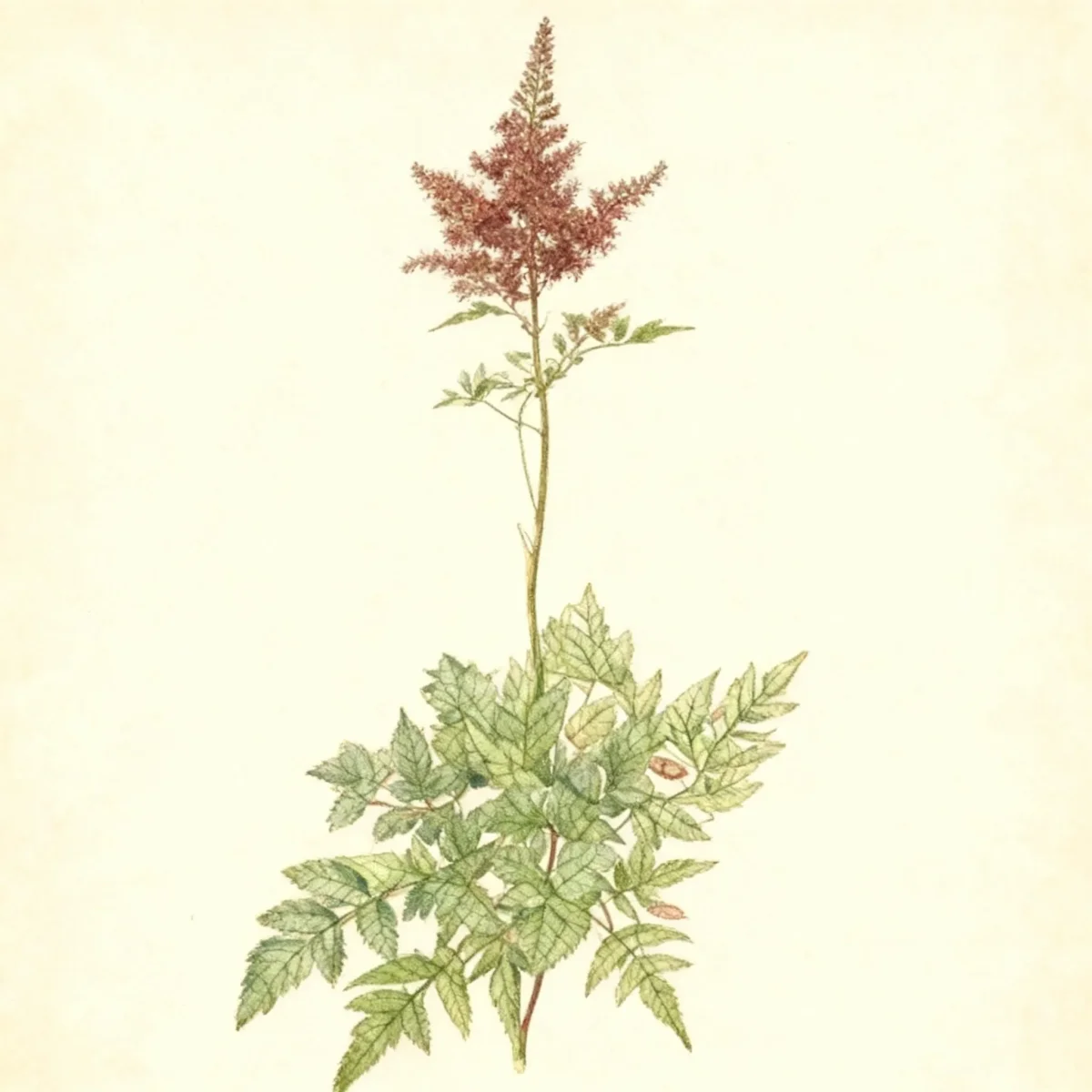
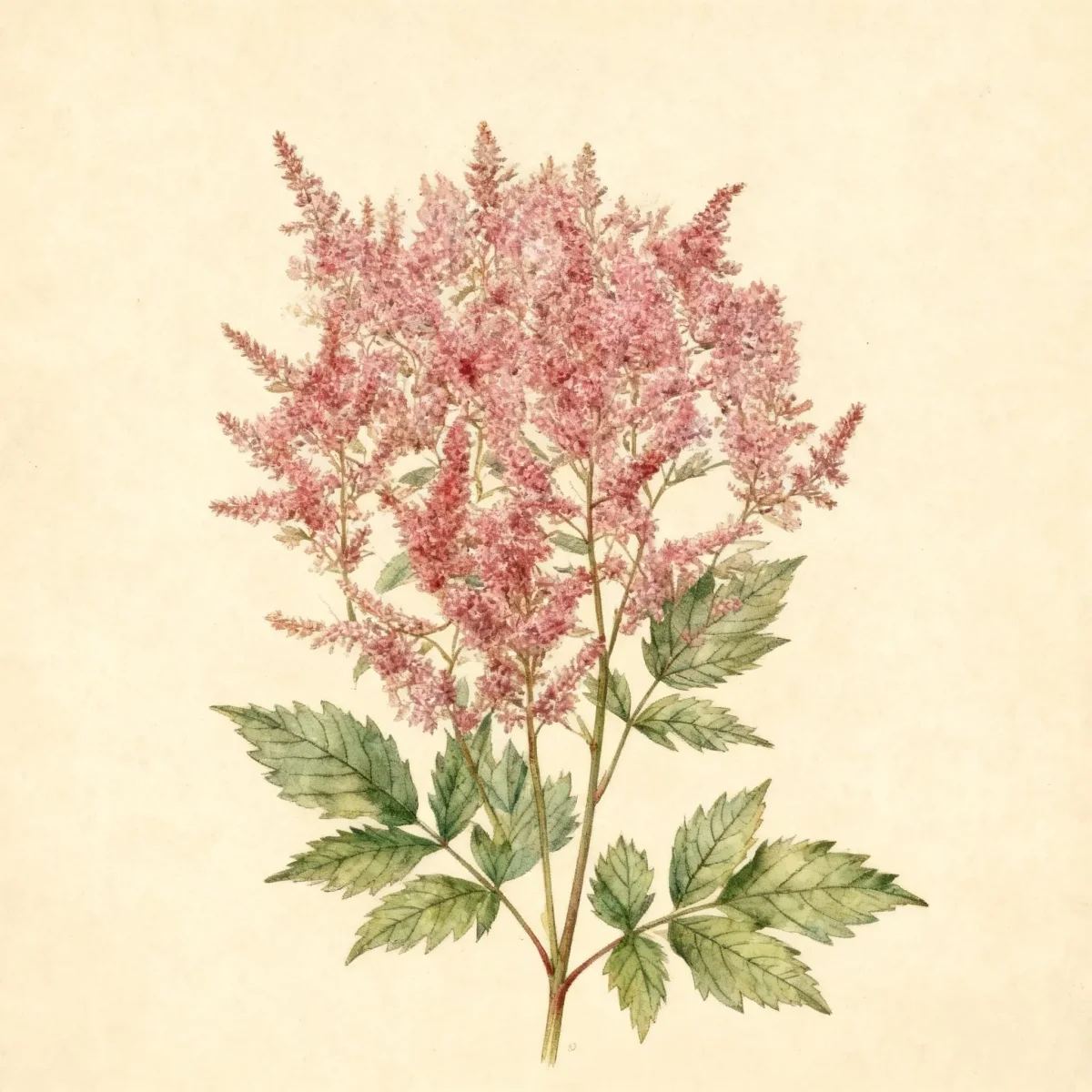
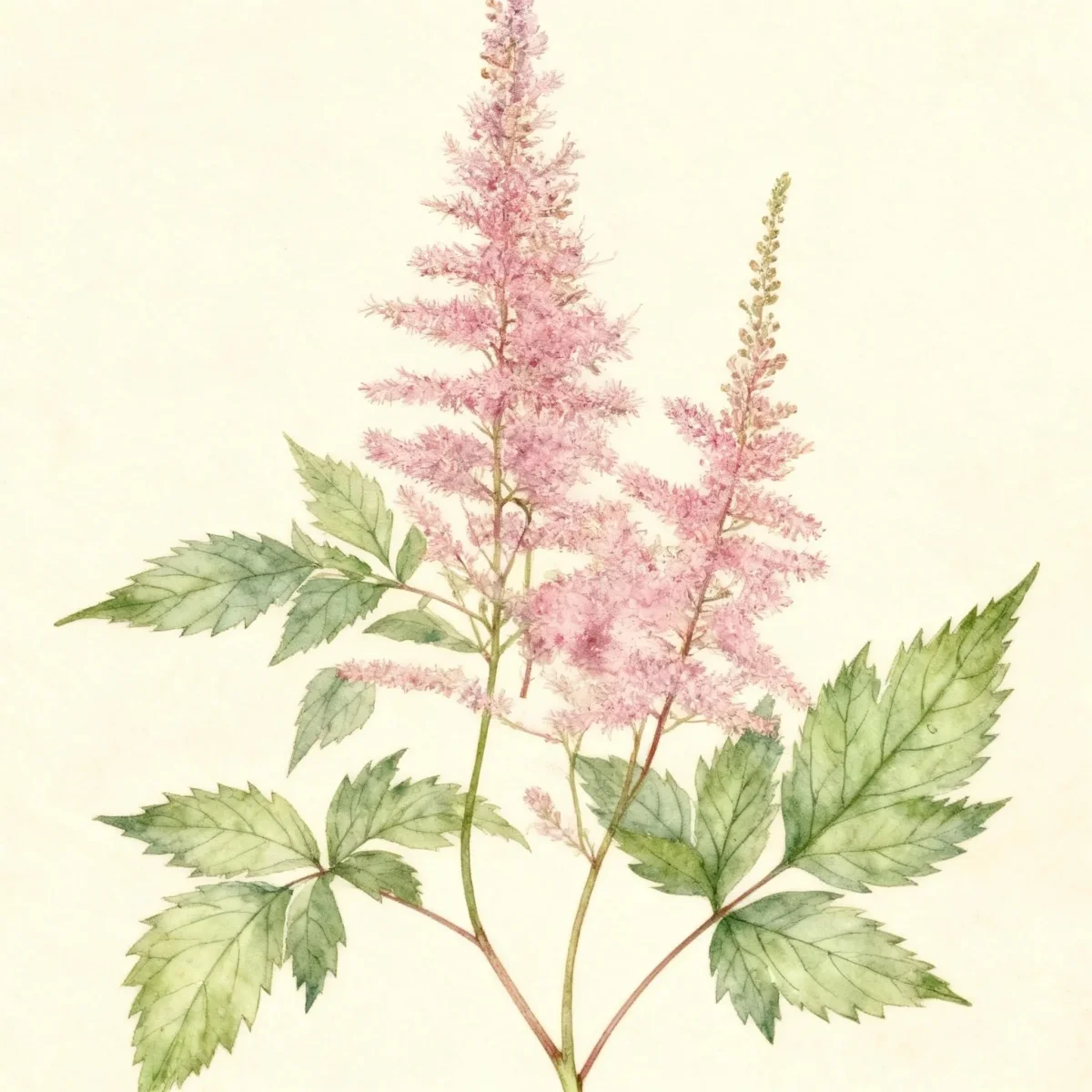
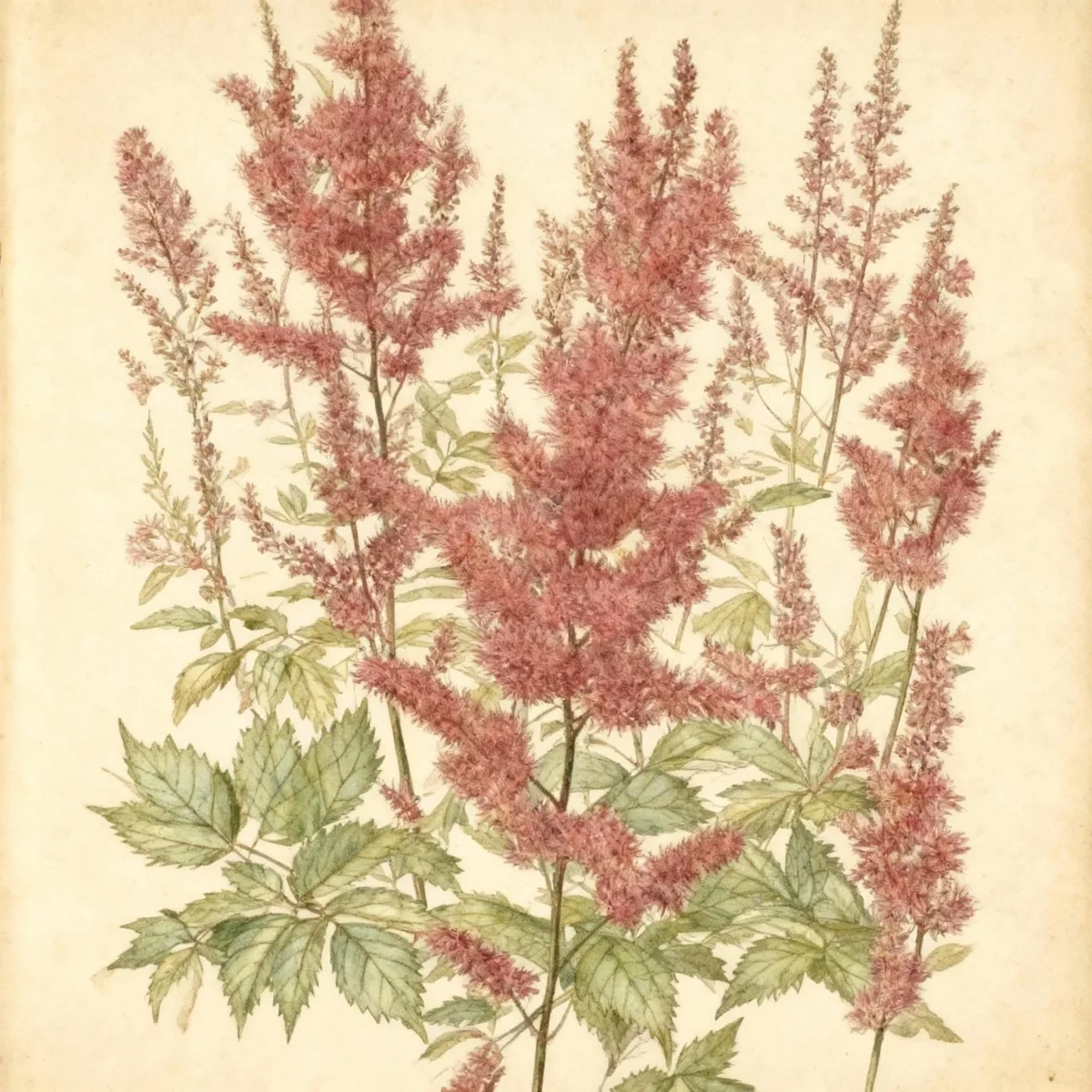
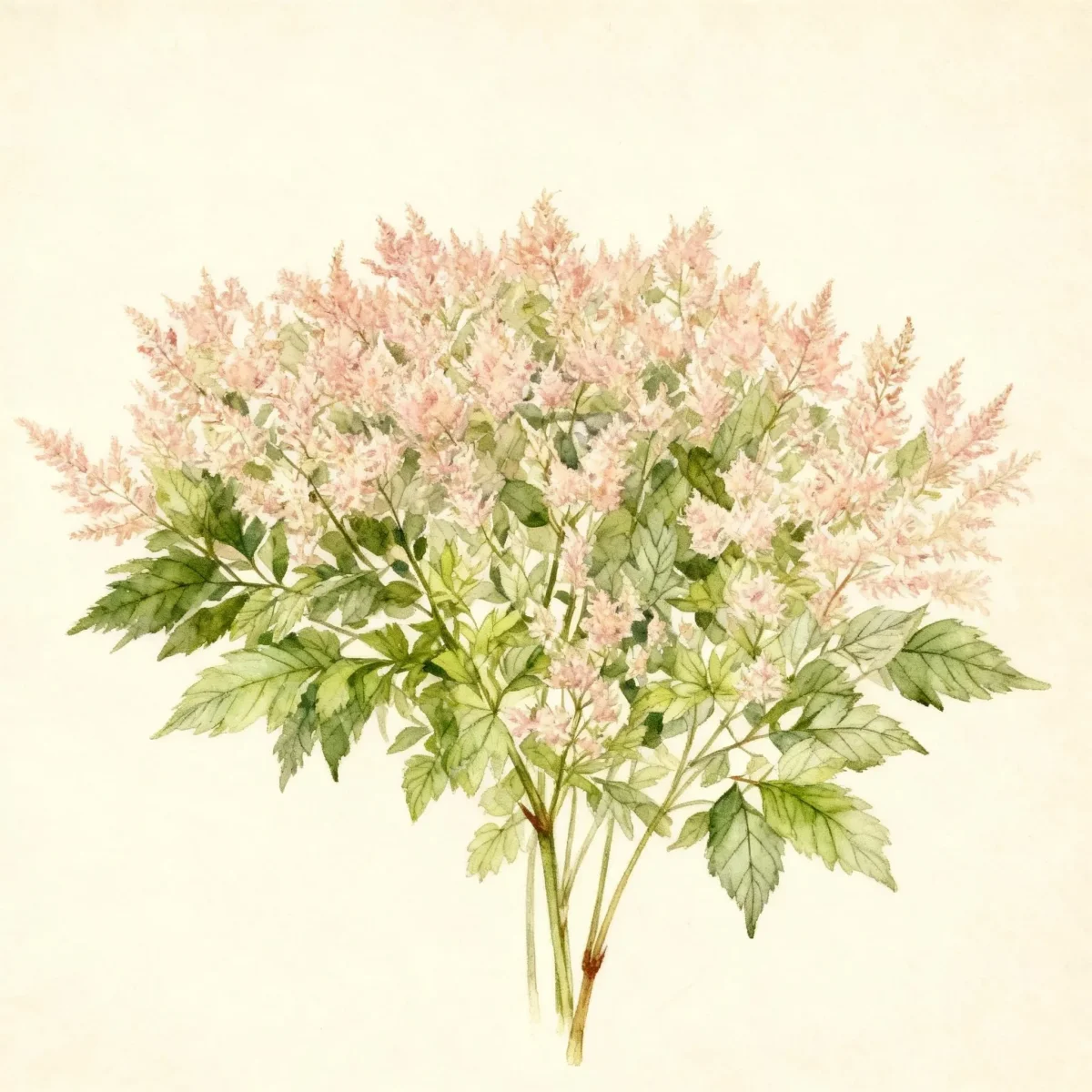
Astilbe (Astilbe 'Red Sentinel')
Astilbe 'Red Sentinel' offers striking crimson plumes in early summer, perfect for deep shade gardens. Low maintenance perennial.
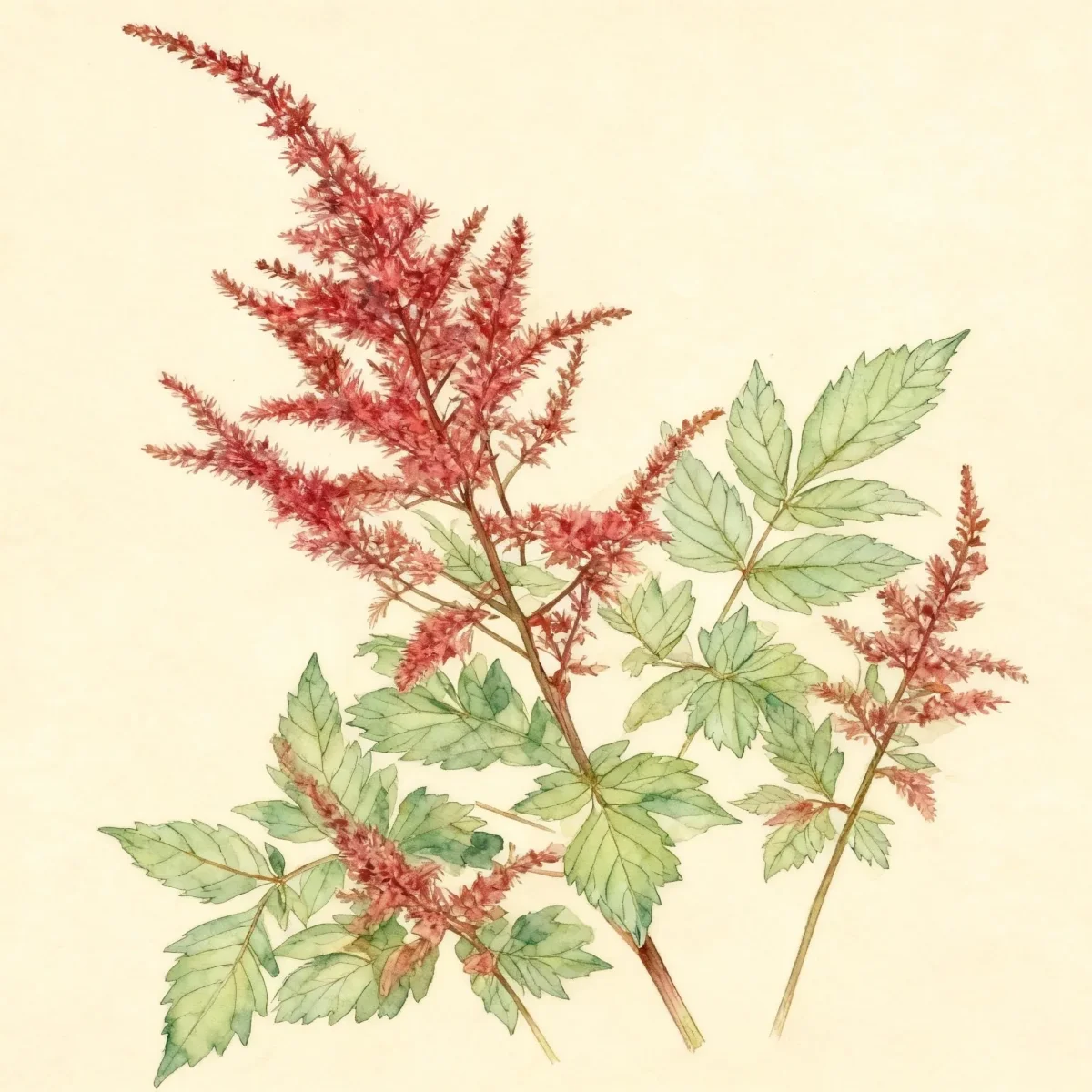

Bloom Boldly, No Matter the Season - Sweatshirt
Cozy organic cotton sweatshirt featuring our exclusive Purple Coneflower design. Perfect for gardeners who bloom year-round.
Inspired by the beautiful Astilbe
Limited first batch (50) — join the waitlist for early access
Waitlist closes Feb 15, 2026.
Complete Plant Information
Field Guide Continues
Ready for care notes, companion picks, and planting tips?
The map is just the start. The full guide below covers growth habits, seasonal performance, and landscape uses.
Overview
Astilbe ‘Red Sentinel’ is a highly valued herbaceous perennial prized for its vibrant crimson flower plumes that rise gracefully above fern-like foliage. This specific cultivar provides excellent late spring and early summer color where many other flowering plants struggle due to lack of light. As a clump-forming plant, Astilbe adds essential texture to shaded landscapes.
The primary appeal of Astilbe lies in its reliability and low-maintenance nature when soil moisture is consistently met. Astilbe ‘Red Sentinel’ features deep green leaves that form an attractive mound, contrasting beautifully with the upright flower panicles. This combination of foliage and flower makes it indispensable for brightening dark corners of the garden.
Gardeners seeking low-effort drama in woodland or shade settings should select this perennial. Astilbe provides reliable structure, tolerates heavy shade, and offers reliable color that avoids the challenges of sun-loving bloomers. Ensure consistent moisture, and this variety will reward you with spectacular texture and color performance year after year.
Fast Facts
- Plant Family: Saxifragaceae
- Plant Type: Herbaceous perennial
- Hardiness Zones: USDA Zones 4-9
- Size at Maturity:
- Height: 2-2.5 ft
- Spread: 1.5-2 ft
- Bloom Time: June to July
- Bloom Description: Red
- Sun Exposure: Part shade to full shade
- Water Needs: Medium
- Maintenance Level: Low
How to Grow
Planting Astilbe ‘Red Sentinel’ should occur in the spring or fall, prioritizing locations that receive part shade to full shade. This perennial thrives in average, medium-moisture soils, though it strongly prefers humus-rich, organically rich conditions. Proper drainage is essential; avoid areas where water pools, but never allow the soil to dry out completely, especially during warm spells.
Ongoing care focuses heavily on maintaining consistent soil moisture. If regularly watered, the foliage of your Astilbe will generally remain attractive throughout the entire growing season. Applying a summer compost mulch significantly aids in retaining this necessary soil moisture level around the roots.
Maintenance for Astilbe is generally low. While removing faded flower stalks can tidy the appearance—especially if a carpet look is desired—many choose to leave the dried seed heads standing for their winter ornamental value. Divide clumps every three to four years when they begin to show overcrowding to maintain vigor and division success.
Landscape Uses
Astilbe ‘Red Sentinel’ excels in mass plantings or thoughtful groupings to create pools of color underneath high tree canopies or along north-facing structures. Its upright habit makes it an excellent edging plant along shaded walkways or mixed into the middle-to-front layers of woodland gardens, offering structure where summer color is often lacking.
This perennial is fantastic for softening the hard lines of foundations or providing reliable interest along the banks of streams or ponds, provided the soil meets its moisture demands. Consider pairing Astilbe with other shade-loving stalwarts like Hostas, Ferns, or Hellebores, allowing the contrasting foliage textures to enhance the deep crimson plumes of the Astilbe.
Standout Features
Flower Qualities
- Showy
- Good Cut
Noteworthy Characteristics
Astilbe is a genus of around 20 species of clump-forming, herbaceous perennials native to eastern Asia and eastern North America. Plants are characterized by graceful, fern-like mounds of mostly basal, 2-3 ternately compound leaves, usually with sharply-toothed leaflets, and tiny flowers densely packed into erect to arching, plume-like flower panicles rising above the foliage on slender, upright stems. ‘Red Sentinel’ features a foliage mound (to 18” tall) of deep green leaves and upright panicles of crimson red flowers on stems rising to 2.5’ tall in late spring.
Tolerances
- Rabbit
- Deer
- Heavy Shade
- Black Walnut
Potential Problems
The most common issue affecting Astilbe is foliage decline, where the leaves brown up, typically occurring during hot summer periods or extended droughts if soil moisture fluctuates too much. Prevention is simple: maintain consistent moisture, especially in heat.
Pests and diseases are generally minimal. Be vigilant for powdery mildew or wilt in overly damp conditions or poor air circulation. Japanese beetles may occasionally target the foliage, though pests are less of an issue overall since deer and rabbits tend to avoid Astilbe.
Frequently Asked Questions
What hardiness zones is Astilbe ‘Red Sentinel’ suitable for?
Astilbe ‘Red Sentinel’ is adaptable across USDA hardiness zones 4 through 9.
How large does Astilbe grow?
This cultivar typically reaches a height between 2 to 2.5 feet tall with a spread ranging from 1.5 to 2 feet wide.
What sun exposure does Astilbe need?
Astilbe requires part shade to full shade conditions to thrive and maintain the best foliage color.
When does Astilbe bloom?
The reliable bloom time for Astilbe ‘Red Sentinel’ is during the transition period, usually from June to July, featuring striking red flowers.
Conclusion
Astilbe ‘Red Sentinel’ offers gardeners a powerhouse of texture and reliable, deep red color perfectly suited for the challenging conditions of shaded borders. Its low maintenance requirements, combined with its avoidance by deer and rabbits, make it an exceptional foundational plant for shade gardens. Before planting, confirm your site offers consistent moisture and is rated USDA Zone 4-9 for the best results with this superb Astilbe variety.
Companion Planting
Selecting suitable neighbors is key when designing a shade garden around Astilbe ‘Red Sentinel’. Look for plants that share similar preferences for medium water needs and rich, well-drained soil, ensuring no single plant competes aggressively for underground resources. Excellent pairings include Japanese Painted Ferns, which offer silver and burgundy foliage contrast, and Astilboides tabularis, which features large, round leaves that complement the fine texture of the Astilbe.
Consider groundcovers like Vinca (Periwinkle) or Pachysandra to suppress weeds and help maintain the constant cool, moist soil environment that Astilbe requires to prevent leaf scorching during summer heat. Successful companion planting enhances both the aesthetic appeal and the microclimate stability for your blooming perennial.
Design Ideas for Deep Shade
Astilbe thrives where other flowers fail, making it ideal for dark woodland settings or beneath dense deciduous canopies. Use the height of Astilbe ‘Red Sentinel’ (up to 2.5 ft) to create a mid-level buffer between low-growing spring ephemerals that have finished blooming and taller, structural shrubs. Plant in drifts of five or more for the strongest visual impact, allowing the vertical red plumes to draw the eye softly through dark sections of the garden.
For a striking cottage garden look, layer the crimson flowers against white or pale pink Astilbe varieties. In contemporary designs, mass plantings of Astilbe offer a textural screen along fences or retaining walls, providing continuous summer structure. Because the foliage of Astilbe remains attractive even when not in bloom, it functions year-round as an essential textural component in deeply shaded areas.