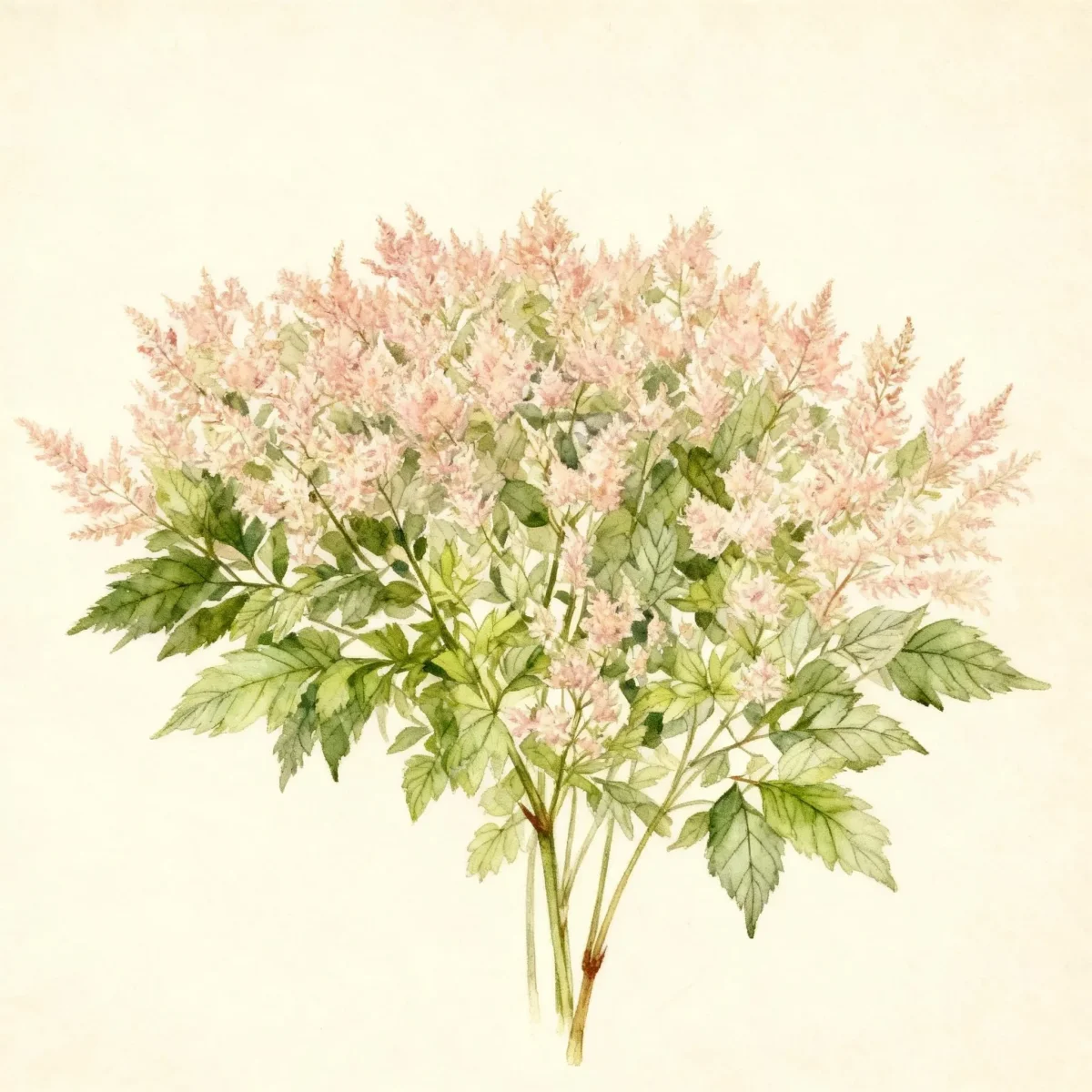
Astilbe (Astilbe 'Sprite')
Astilbe 'Sprite' is a dwarf, low-maintenance perennial offering showy, shell-pink plumes in late spring for shady gardens.
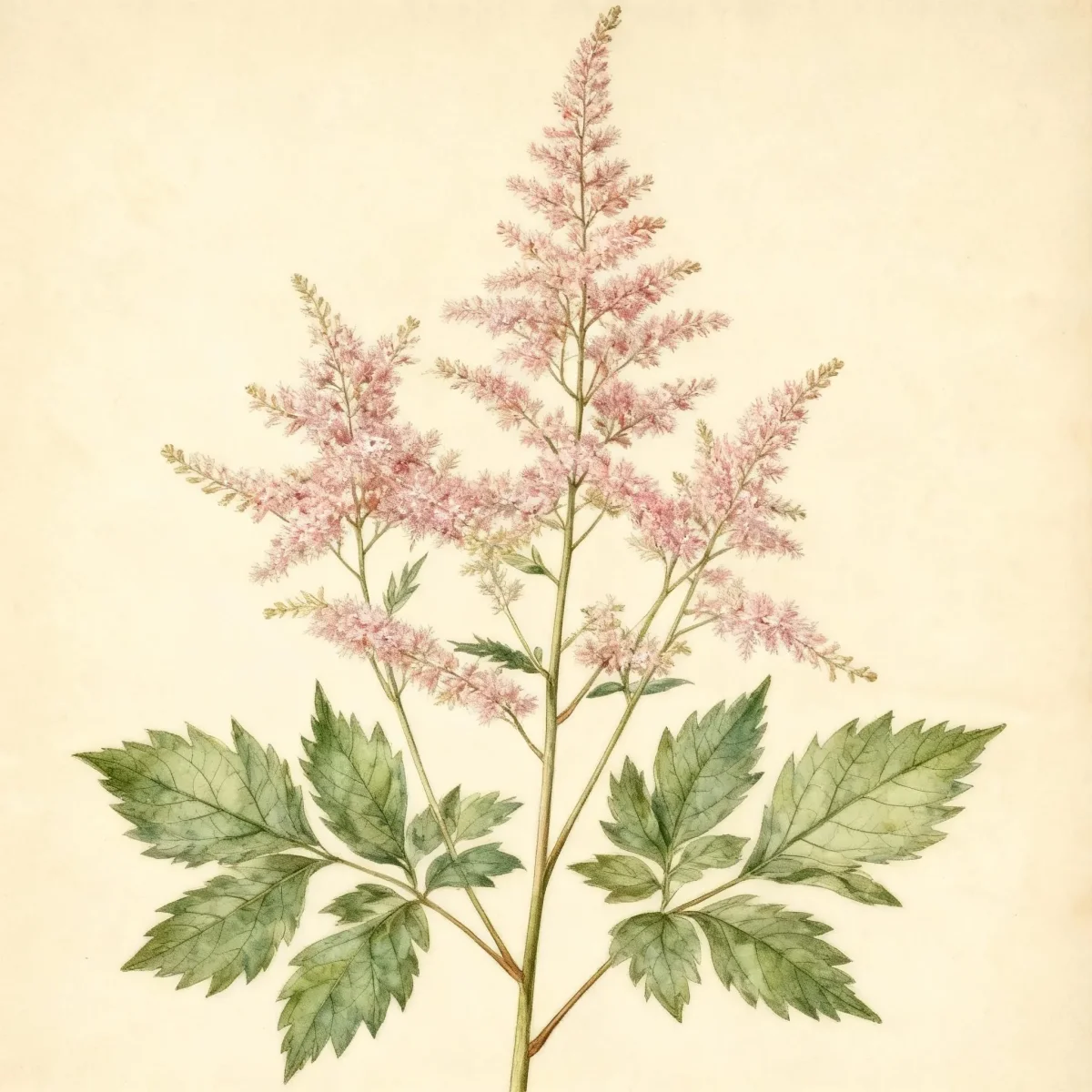

Bloom Boldly, No Matter the Season - Sweatshirt
Cozy organic cotton sweatshirt featuring our exclusive Purple Coneflower design. Perfect for gardeners who bloom year-round.
Inspired by the beautiful Astilbe
Limited first batch (50) — join the waitlist for early access
Waitlist closes Feb 15, 2026.
Complete Plant Information
Field Guide Continues
Ready for care notes, companion picks, and planting tips?
The map is just the start. The full guide below covers growth habits, seasonal performance, and landscape uses.
Overview
Astilbe ‘Sprite’ is a compact, highly valued herbaceous perennial celebrated for bringing delicate texture and color to deeply shaded garden areas where few other plants thrive. This specific cultivar, an award-winner recognized in 1994, features graceful, fern-like foliage that remains attractive, complemented by arching plumes of shell-pink blooms. As a member of the Astilbe genus, ‘Sprite’ delivers reliable performance with low input, making it a staple for woodland and shade garden designs.
The primary appeal of Astilbe lies in its ability to transform dark corners into lush retreats without demanding intense morning or afternoon sun. Its needs are straightforward: consistent moisture and rich, organic soil are the keys to success. Gardeners prize Astilbe ‘Sprite’ for its manageable size, typically topping out around 1.5 feet, which allows it to function effectively as an edging plant or a foundational element in dappled light.
Cultivating Astilbe contributes significantly to garden structure through its finely cut leaves and airy flower heads. These plumes provide excellent visual contrast against bold-leafed shade companions. Whether used in mass plantings or dotted throughout a woodland setting, Astilbe ‘Sprite’ ensures reliable seasonal interest where the classic Astilbe characteristics shine through in a dwarf form.
Fast Facts
- Plant Family: Saxifragaceae
- Plant Type: Herbaceous perennial
- Hardiness Zones: USDA Zones 4-9
- Size at Maturity:
- Height: 1-1.5 ft
- Spread: 1-1.5 ft
- Bloom Time: May to June
- Bloom Description: Pale pink flowers
- Sun Exposure: Part shade to full shade
- Water Needs: Medium
- Maintenance Level: Low
How to Grow
Plant Astilbe ‘Sprite’ in spring or early fall, ensuring the location provides part shade to full shade conditions. This Astilbe thrives best in soils that are humusy, organically rich, and consistently moist, avoiding heavy clay that drains poorly. While it is adaptable to average soils, amending the planting site with ample compost will dramatically improve vigor and bloom quality. Poor drainage, combined with drought, is the quickest way to cause problems.
Watering is crucial for keeping the attractive foliage of Astilbe intact throughout the summer heat. Soils must not be allowed to dry out, especially in hot weather. Applying a summer compost mulch around the base of the plants will significantly aid in retaining the necessary soil moisture and keeping roots cool. Minimal fertilization is usually required if initial soil preparation was thorough.
Maintenance for Astilbe is generally low. While removing faded flower stalks shortly after bloom may improve the overall manicured appearance, many gardeners choose to leave the dried seed heads for late-season interest. Clumps of Astilbe should be divided every three to four years when they begin to look crowded to maintain vigorous new growth.
Landscape Uses
Astilbe ‘Sprite’ is perfectly sized for use along woodland paths or in shaded border fronts, acting as a reliable, low-growing filler. Its bright foliage contrast and shell-pink plumes make it an excellent choice for massing beneath high canopy trees where lawn grass struggles. Because it tolerates heavy shade so well, this cultivar excels in foundation plantings or bordering the north side of structures.
Consider pairing this dwarf variety with other shade-loving perennials that provide textural contrast, such as Hosta, Ferns, or Brunnera. The fine texture of the Astilbe foliage softens the edges of larger-leafed plants, creating a layered look typical of cottage gardens. Its reliability makes Astilbe ‘Sprite’ one of the best choices for creating continuous, soothing color in permanently shady areas.
Standout Features
Flower Qualities
- Showy
- Good Cut
Noteworthy Characteristics
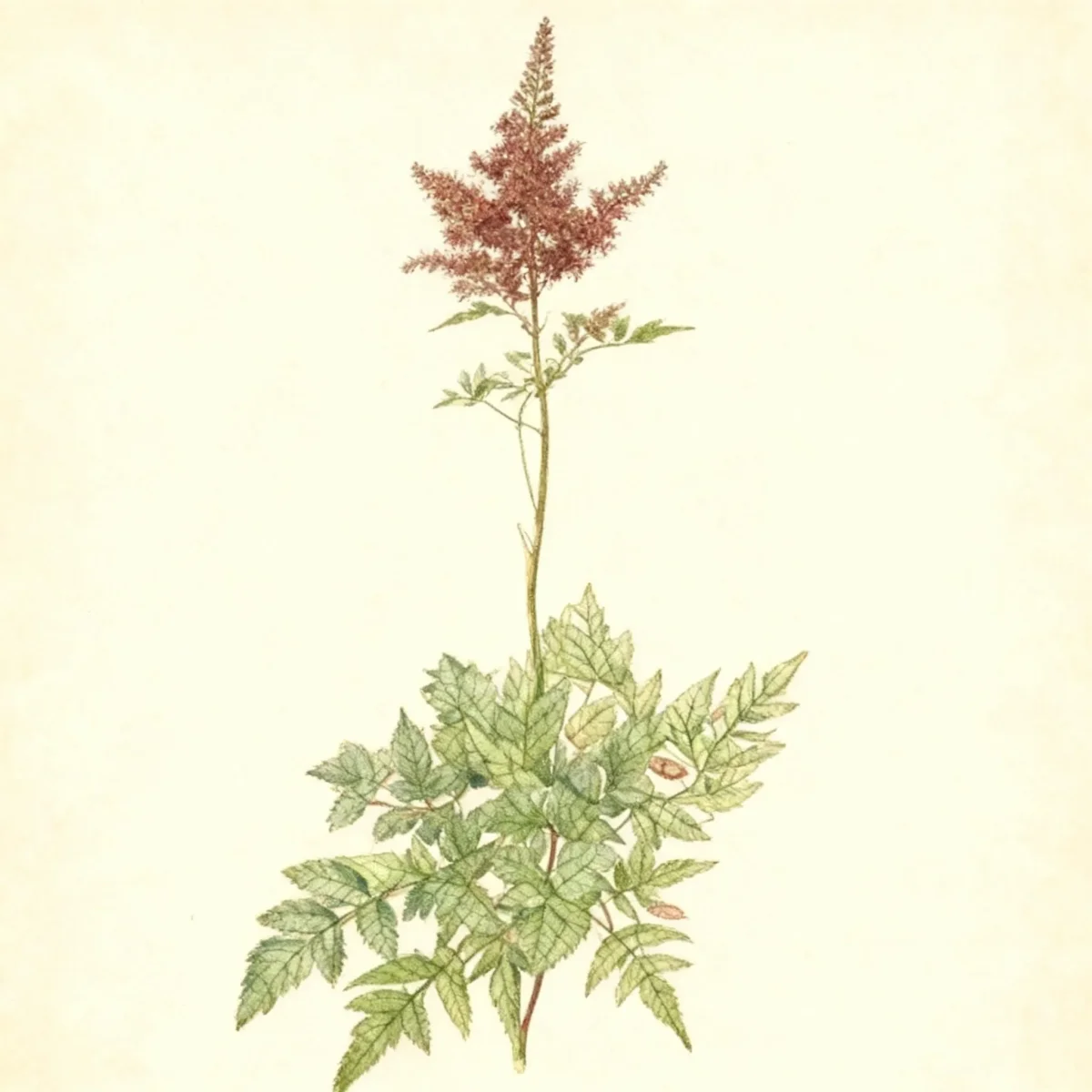
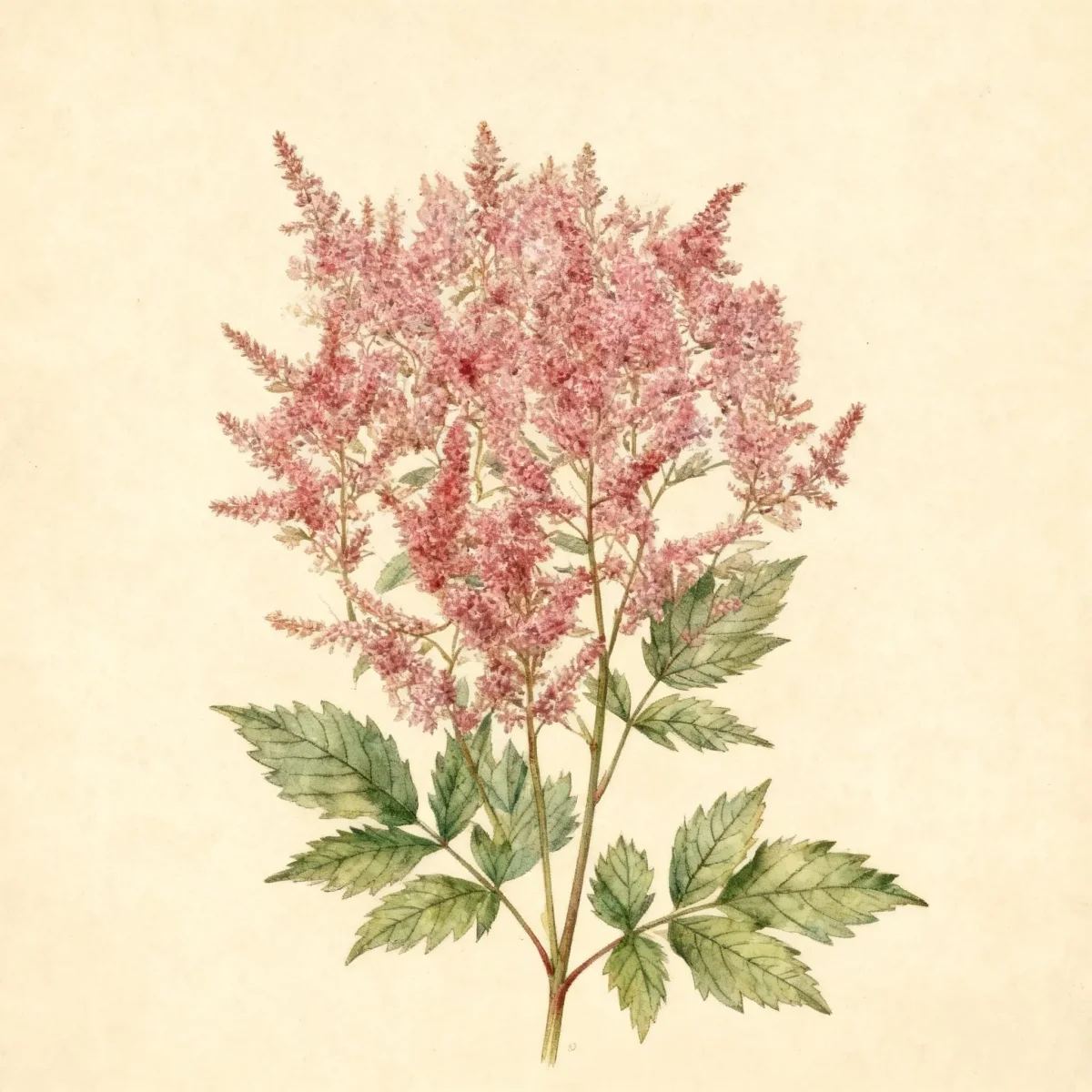
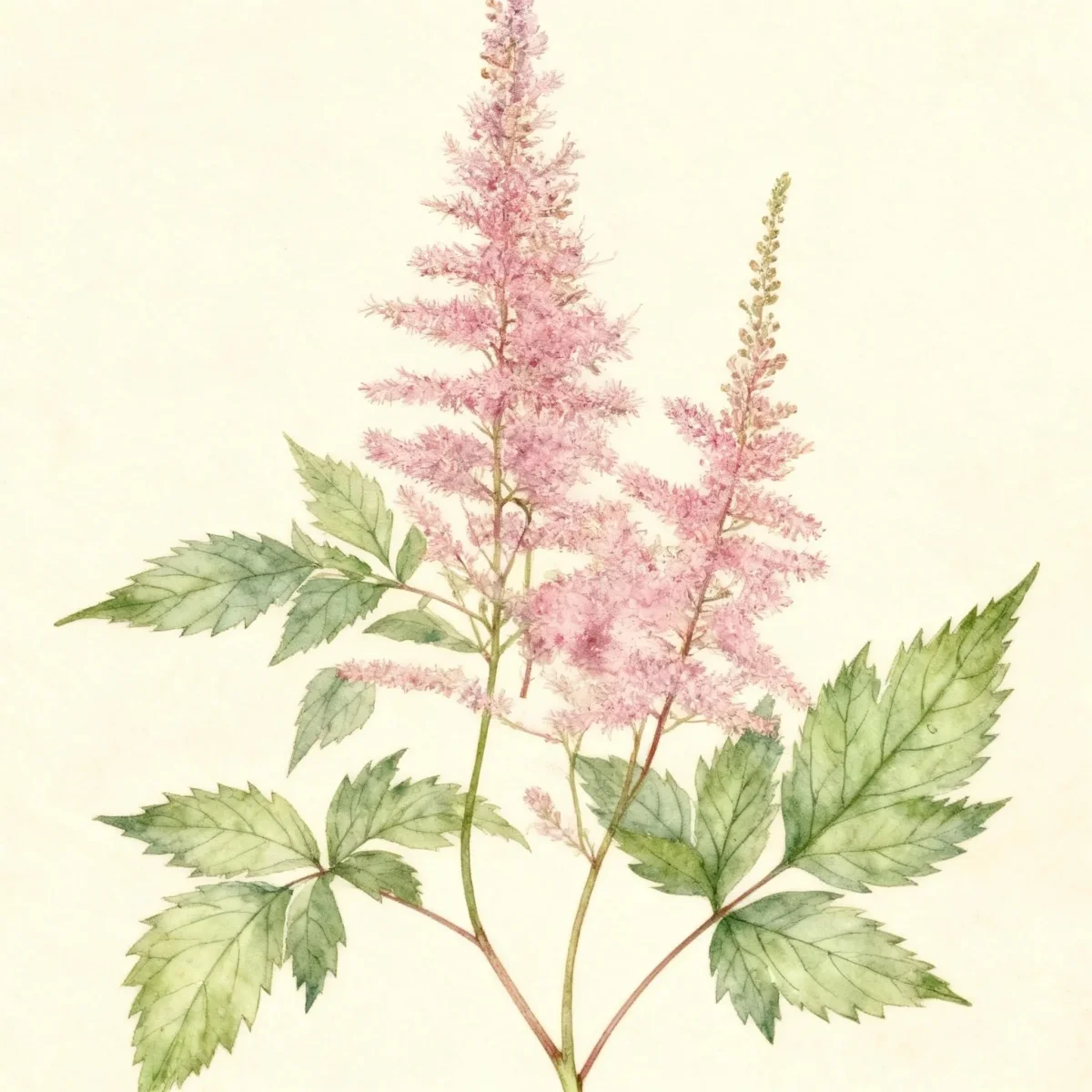
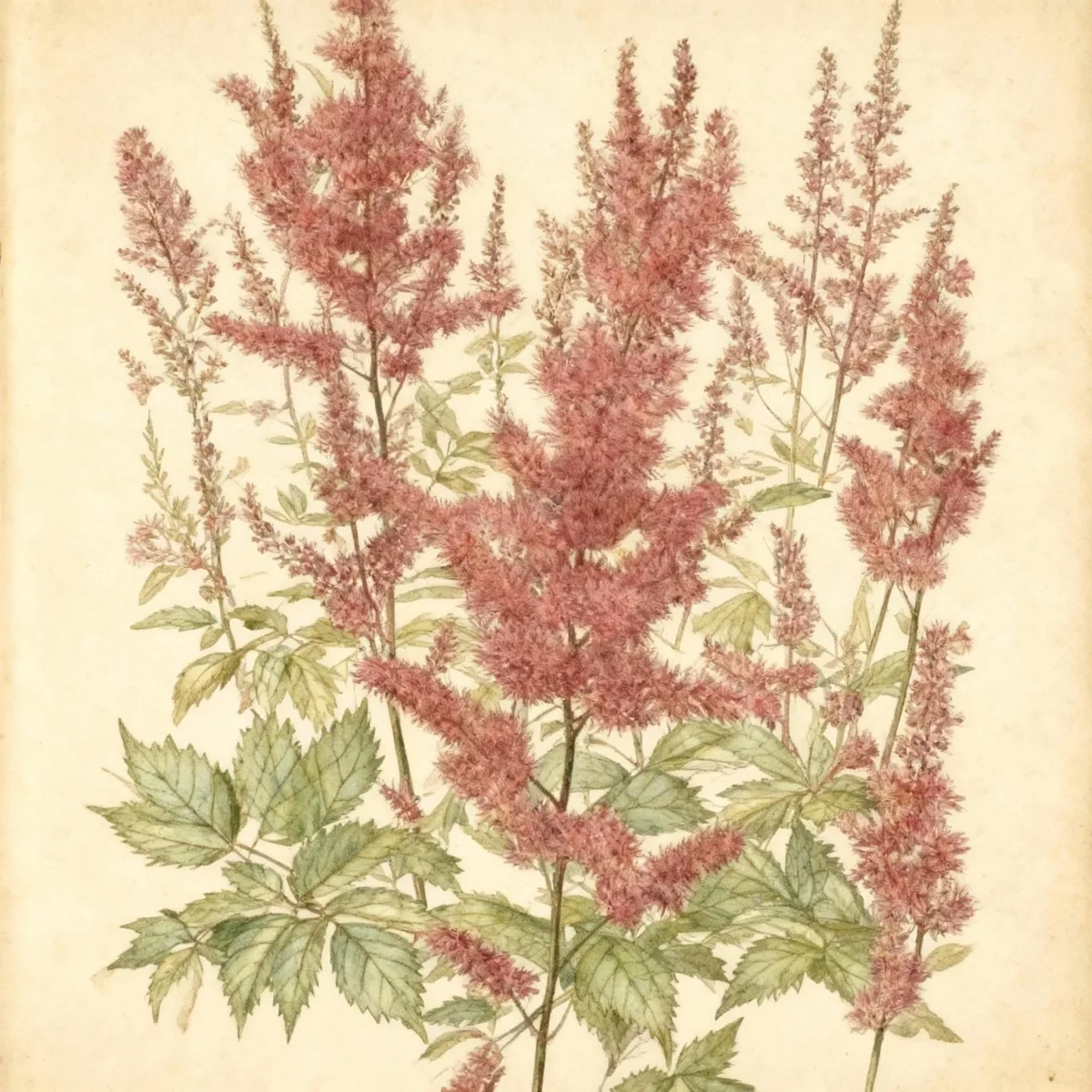
Astilbe is a genus of around 20 species of clump-forming, herbaceous perennials native to eastern Asia and eastern North America. Plants are characterized by graceful, fern-like mounds of mostly basal, 2-3 ternately compound leaves, usually with sharply-toothed leaflets, and tiny flowers densely packed into erect to arching, plume-like flower panicles rising above the foliage on slender, upright stems. ‘Sprite’ is a dwarf variety which features a foliage mound to only 10” tall of slightly glossy, dark bronze-green leaves and drooping panicles of shell-pink flowers on arching stems typically rising 12-18” tall in late spring.
Tolerances
- Rabbit
- Deer
- Heavy Shade
- Black Walnut
Potential Problems
Foliage decline, often manifesting as browning leaf tips, is the most common issue gardeners face with Astilbe, typically occurring during hot summers or periods of unmanaged drought. This is a direct result of the plant’s high moisture demands; if the soil dries out, the delicate foliage suffers first. Ensure consistent watering to prevent this aesthetic decline.
In overly damp or humid conditions, Astilbe plants can be susceptible to fungal issues like powdery mildew or wilt. Good garden hygiene, including dividing overcrowded clumps every few years, promotes better air circulation, which can minimize fungal outbreaks. Furthermore, foliage may occasionally attract Japanese beetles, though damage is usually minor.
Frequently Asked Questions
What hardiness zones is Astilbe ‘Sprite’ suitable for?
Astilbe ‘Sprite’ is reliably hardy across USDA Zones 4 through 9.
How large does Astilbe ‘Sprite’ grow?
This dwarf variety typically reaches a height between 1 and 1.5 feet, with a similar spread of 1 to 1.5 feet.
What sun exposure does Astilbe ‘Sprite’ need?
This shade-loving perennial performs best when situated in conditions ranging from part shade to full shade.
When does Astilbe ‘Sprite’ bloom?
You can expect the shell-pink flowers of Astilbe ‘Sprite’ to appear from May through June.
Conclusion
Astilbe ‘Sprite’ brings indispensable textural contrast and reliable, low-maintenance color to the darkest corners of the garden. For gardeners seeking to enhance shady borders or woodland settings, this dwarf Astilbe proves an exceptional choice with its easy care and beautiful blooms. Before planting, confirm that your site meets its medium water needs and provides rich, well-draining soil, ensuring years of enjoyment from this shade champion.
Companion Planting for Shade Gardens
When designing a space utilizing Astilbe ‘Sprite’, focus on partners that appreciate similar cool, moist environments. Hostas are excellent companions, providing broad, solid-colored leaves that contrast beautifully with the fine texture of the Astilbe foliage. Consider planting near groundcovers like Vinca minor or variegated Solomon’s Seal to maintain continuous coverage beneath the canopy.
For height variation that complements the airy plumes of Astilbe, look toward shade-tolerant offerings like tall Bleeding Hearts (Dicentra spectabilis), which flower slightly earlier, or Japanese Anemones, which bloom later in the season, extending the interest past the bloom time of Astilbe ‘Sprite’. Successful companion planting relies on matching the medium water and humus-rich soil requirements common to all these shade lovers.
Propagation Tips
The primary and most effective method for propagating Astilbe ‘Sprite’ is through division. Since this is a clump-forming perennial, overcrowding will eventually lead to reduced flowering performance, signaling that it is time to divide, typically every three to four years. Perform this task in early spring before new leaf growth vigorously emerges, or in the early fall after the foliage has begun to die back.
Carefully dig up the entire clump using a sharp spade, cutting straight down around the perimeter. Gently tease the root mass apart, ensuring that each new division contains several healthy eyes or growing points attached to robust roots. Replant the sections immediately into prepared, moist soil at the same depth they were previously growing. Keep the newly established divisions consistently watered during their first season.