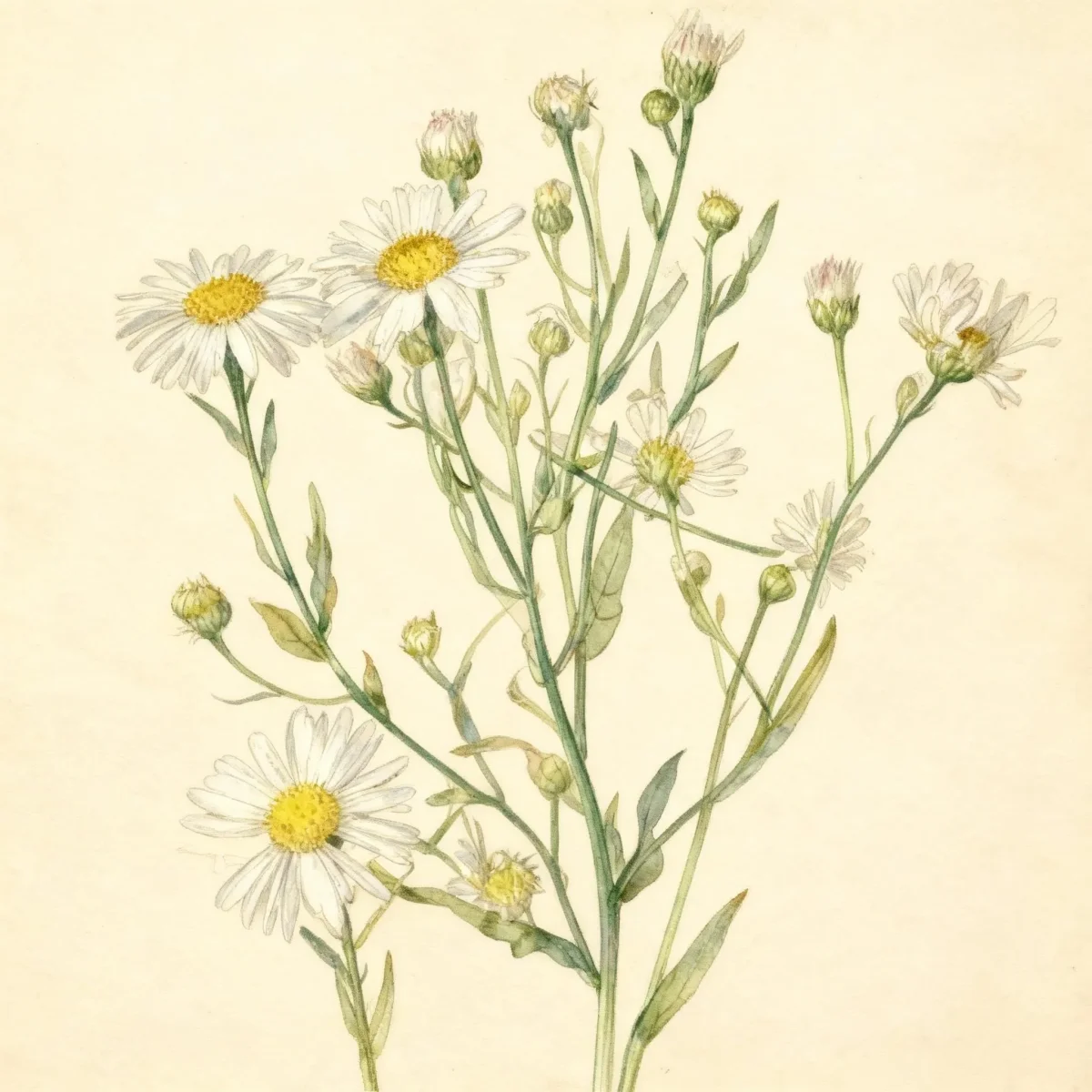
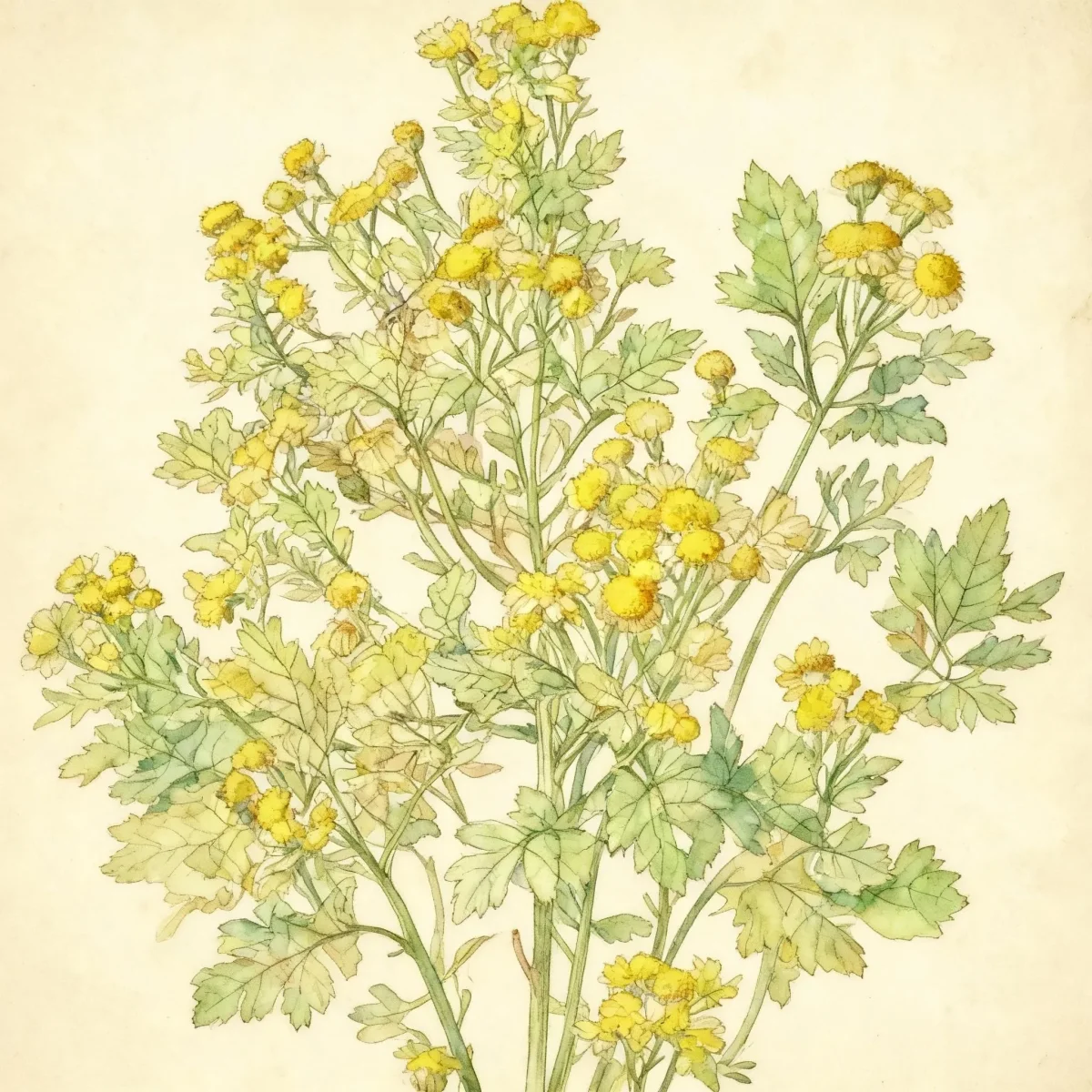
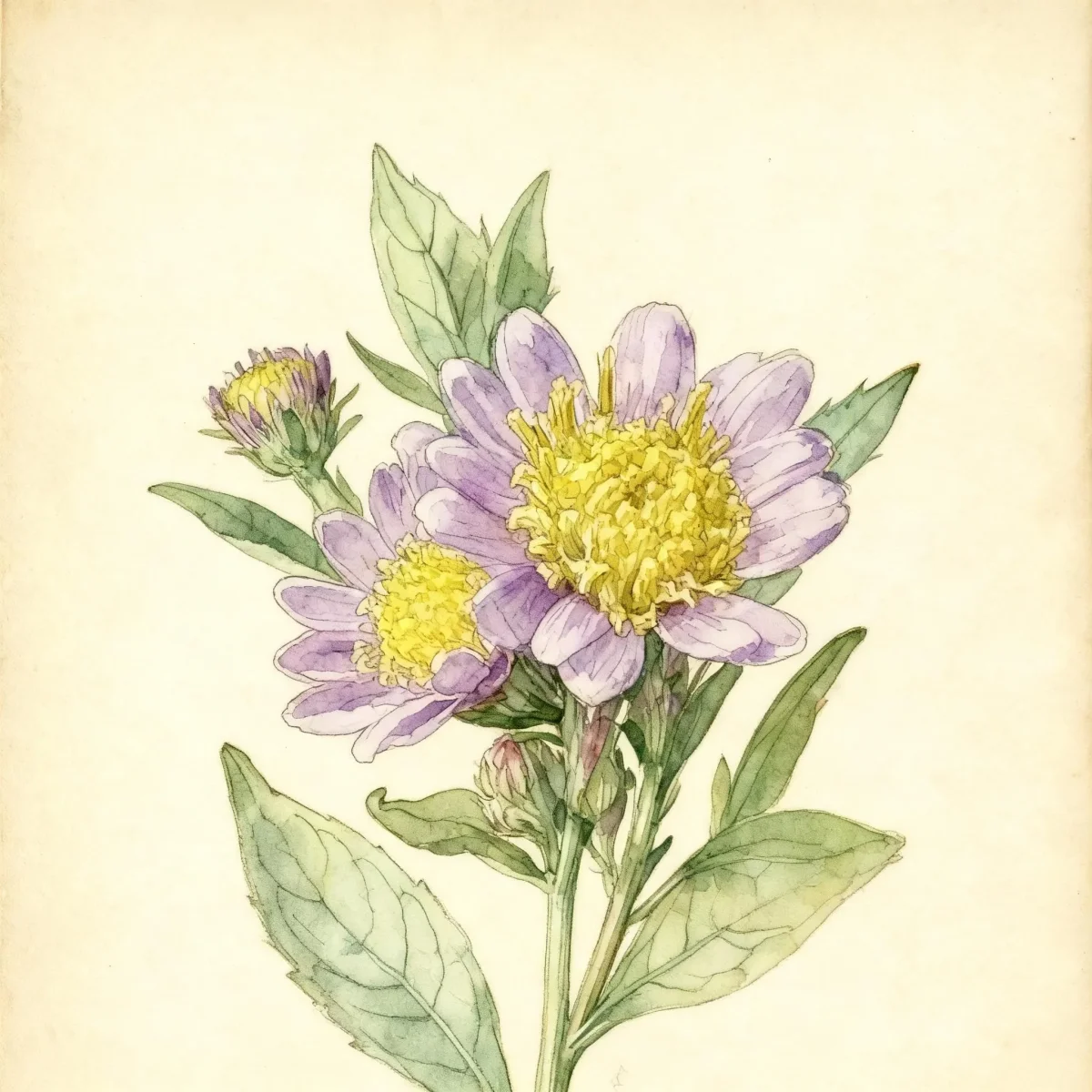
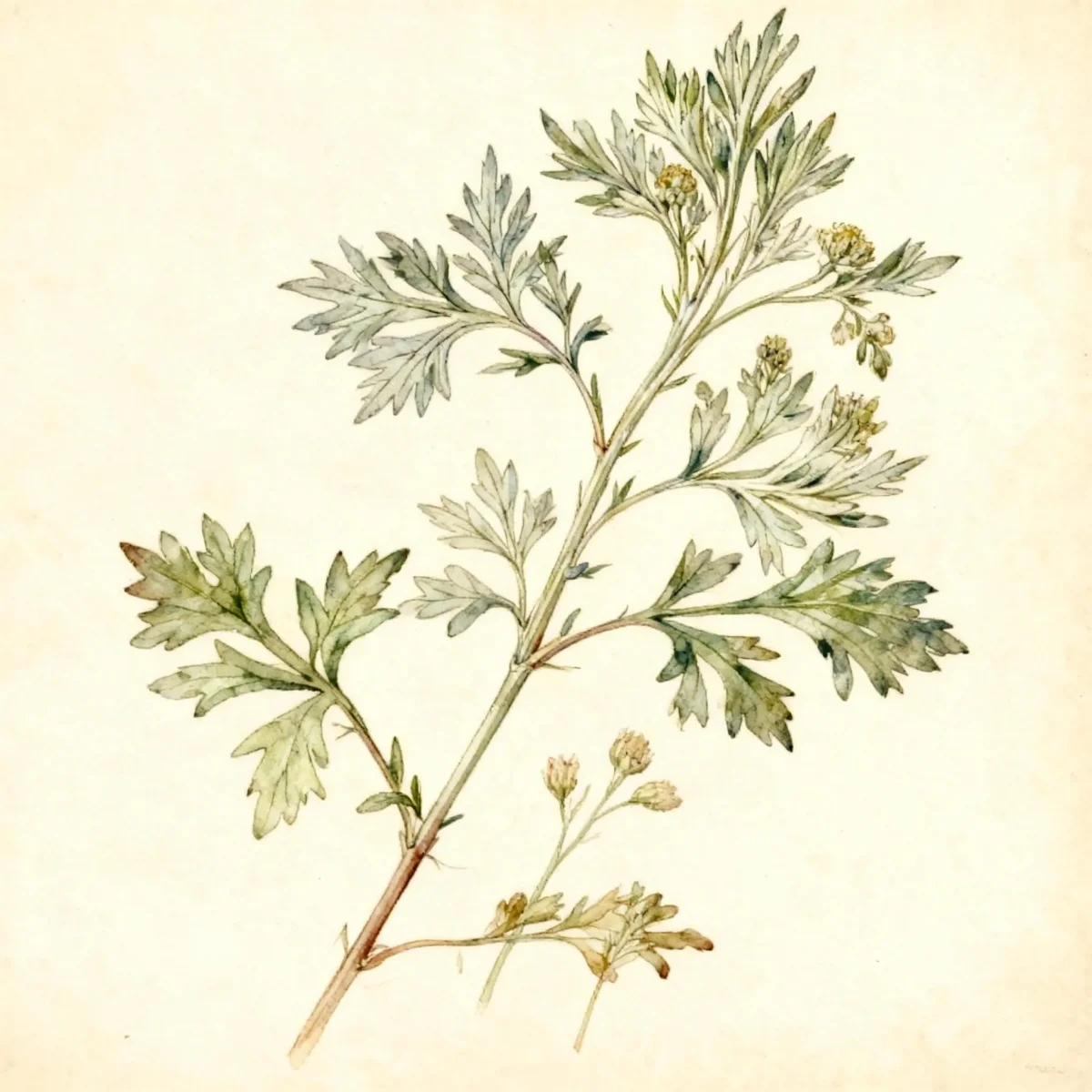
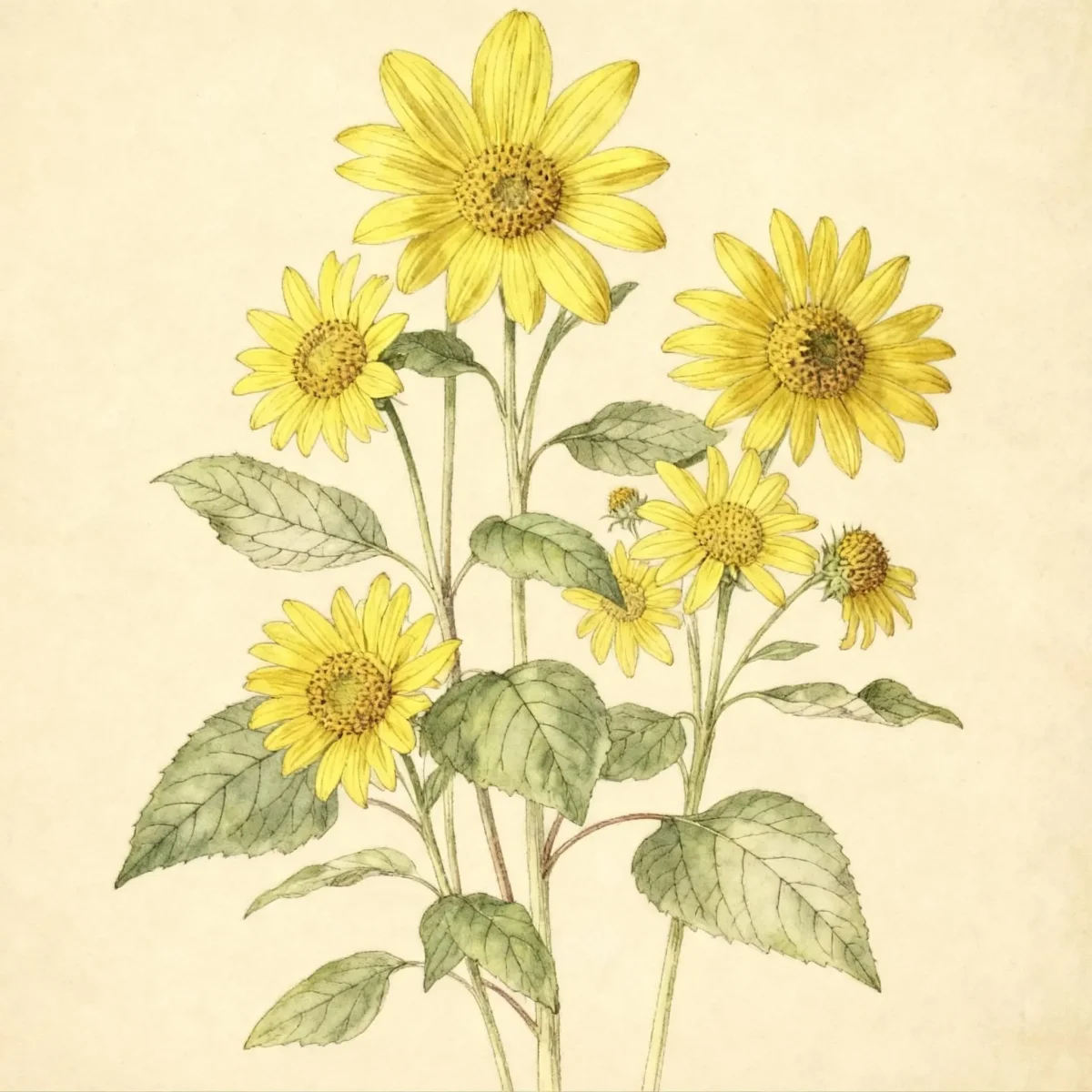
False aster (Boltonia asteroides 'Pink Beauty')
Boltonia asteroides 'Pink Beauty' (False aster) offers profuse pale pink, daisy-like blooms from late summer into fall, requiring full sun.


Bloom Boldly, No Matter the Season - Sweatshirt
Cozy organic cotton sweatshirt featuring our exclusive Purple Coneflower design. Perfect for gardeners who bloom year-round.
Inspired by the beautiful False aster
Limited first batch (50) — join the waitlist for early access
Waitlist closes Feb 15, 2026.
Complete Plant Information
Field Guide Continues
Ready for care notes, companion picks, and planting tips?
The map is just the start. The full guide below covers growth habits, seasonal performance, and landscape uses.
Overview
Boltonia asteroides ‘Pink Beauty’ is a spectacular late-season perennial, often known as False aster, providing masses of color when many other flowers are fading. This variety is prized for its profuse August and September bloom of pale pink, daisy-like flowers, which effectively light up the garden border against its grayish-green foliage. As a rhizomatous perennial, the False aster slowly spreads, creating substantial clumps that can reach heights of 3 to 5 feet.
This plant brings incredible visual impact to the late summer landscape, offering the traditional look of asters without being susceptible to the same common pests. While reliably hardy in Zones 4 through 9, achieving the best performance requires adequate sunlight and careful management of soil moisture and fertility to prevent flopping. The impressive flowering display makes Boltonia asteroides ‘Pink Beauty’ a worthy centerpiece for naturalized drifts or large cottage gardens.
Fast Facts
- Plant Family: Asteraceae
- Plant Type: Herbaceous perennial
- Hardiness Zones: USDA Zones 4-9
- Size at Maturity:
- Height: 3-5 ft
- Spread: 3-5 ft
- Bloom Time: August to September
- Bloom Description: Pale pink
- Sun Exposure: Full sun
- Water Needs: Medium
- Maintenance Level: Medium
How to Grow
Boltonia asteroides ‘Pink Beauty’, the False aster, thrives when planted in locations providing full sun exposure. It prefers average, medium-moisture, well-drained soils but demonstrates excellent adaptability, tolerating a wide range of soil types, including moderately dry conditions. Plant in spring or fall whenever possible to allow establishment before intense summer heat.
While it accommodates drying out somewhat, consistent medium watering during establishment and active growth is recommended. Avoid overly rich soils, as this encourages excessive, weak growth that leads to flopping. If plants become too tall or show signs of leaning, an effective management technique is to pinch or cut back the stems by one-third in late spring or early summer, similar to practices used for many asters.
This rhizomatous spreading perennial is easily established from seed, though vegetative spread is slow. Gardeners should be aware that full sun is crucial; plants situated in partial shade or rich, overly moist environments are much more prone to collapsing and requiring staking for support.
Landscape Uses
The primary recommendation for Boltonia asteroides ‘Pink Beauty’ is for use in naturalized areas, where its height and vigorous blooming habit can be showcased effectively in broad sweeps. It integrates beautifully into cottage gardens or native plant collections, providing significant vertical accents from late summer onward.
Because of its height (up to 5 feet), the False aster functions best in the background of perennial borders, providing a substantial screen or backdrop for shorter, earlier-blooming perennials. While suitable for borders, note that species plants can sometimes behave weedily, so consider named cultivars for more formal settings. It pairs well with sturdy colleagues that can handle similar moisture and sun requirements.
Standout Features
Flower Qualities
- Showy
Noteworthy Characteristics
Boltonia asteroides, commonly called false chamomile or false aster, is a rhizomatous perennial which typically grows to 5-6’ tall on erect, usually branching stems clad with alternate, linear, lance-shaped, stalkless, gray-green leaves (to 5” long). Tiny, daisy-like flowers (to 3/4” diameter) in loose panicles typically cover this aster-like plant with a profuse bloom from late summer to early fall. The cultivar ‘Pink Beauty’ is specifically noted for its late summer bloom of pale pink flowers, covering the plant in August and September.
Tolerances
- Clay Soil
Potential Problems
This plant is generally free from serious insect or disease issues, making the False aster a relatively reliable performer. The primary horticultural challenge involves managing its height; taller specimens in rich soil are prone to flopping and may definitely need structural support as the season progresses. To mitigate this, consider timely pruning as described in the culture section. A key disease concern is susceptibility to powdery mildew, particularly when air circulation is poor or when plants are stressed. Ensure adequate spacing during planting to promote good airflow, which helps prevent fungal issues.
Frequently Asked Questions
What hardiness zones is Boltonia asteroides ‘Pink Beauty’ suitable for?
Boltonia asteroides ‘Pink Beauty’ is reliably hardy across USDA Zones 4 through 9.
How large does False aster grow?
When grown under optimal conditions, this plant typically reaches a height between 3 and 5 feet tall, with a comparable spread of 3 to 5 feet.
What sun exposure does Boltonia asteroides ‘Pink Beauty’ need?
This plant requires full sun exposure to maintain a sturdy habit and produce its best display of pale pink flowers in late summer.
When does False aster bloom?
The bloom time for Boltonia asteroides ‘Pink Beauty’ is late in the season, generally from August through September, displaying profuse pale pink flowers.
Conclusion
The False aster, Boltonia asteroides ‘Pink Beauty’, offers outstanding, reliable color right at the end of the growing season, making it an essential choice for gardeners seeking late-harvest impact. Its tolerance for various soil types, including clay, adds to its functional appeal. Before planting, confirm that your site provides full sun and plan for potential height management to ensure this striking aster-like perennial showcases its abundance of pale pink blooms perfectly.
Companion Planting
Selecting companions for Boltonia asteroides ‘Pink Beauty’ requires focusing on plants that share its late-season bloom time and preference for full sun. Consider pairing it with other sturdy, late-blooming perennials like tall Sedum varieties (like ‘Autumn Joy’), hardy ornamental grasses such as Switchgrass (Panicum virgatum), or late-blooming purple asters to create a dynamic textural contrast against the pink daisies of the False aster. Since established Boltonia can benefit from drier conditions than some moisture-loving border plants, choose companions that also handle medium moisture well rather than constantly wet soil.
Propagation Tips
While the False aster slowly spreads by underground rhizomes, providing a natural method of slow increase, propagation by seed is also highly effective according to botanical notes. Boltonia asteroides ‘Pink Beauty’ can easily be grown from seed, though germination success often relies on proper stratification, mimicking the cold, moist winter period it experiences naturally. For faster results and maintaining the specific ‘Pink Beauty’ characteristics, division of the established clumps is recommended in early spring before new growth begins or in the fall after the foliage has died back. Ensure newly separated divisions have adequate moisture to re-establish their root systems quickly.