Japanese yew(Taxus cuspidata 'Densa')
Grow Japanese yew 'Densa' (Taxus cuspidata): dense dwarf spreading evergreen, deep shade tolerance, USDA zones 4–7 care, and severe taxine alkaloid toxicity.
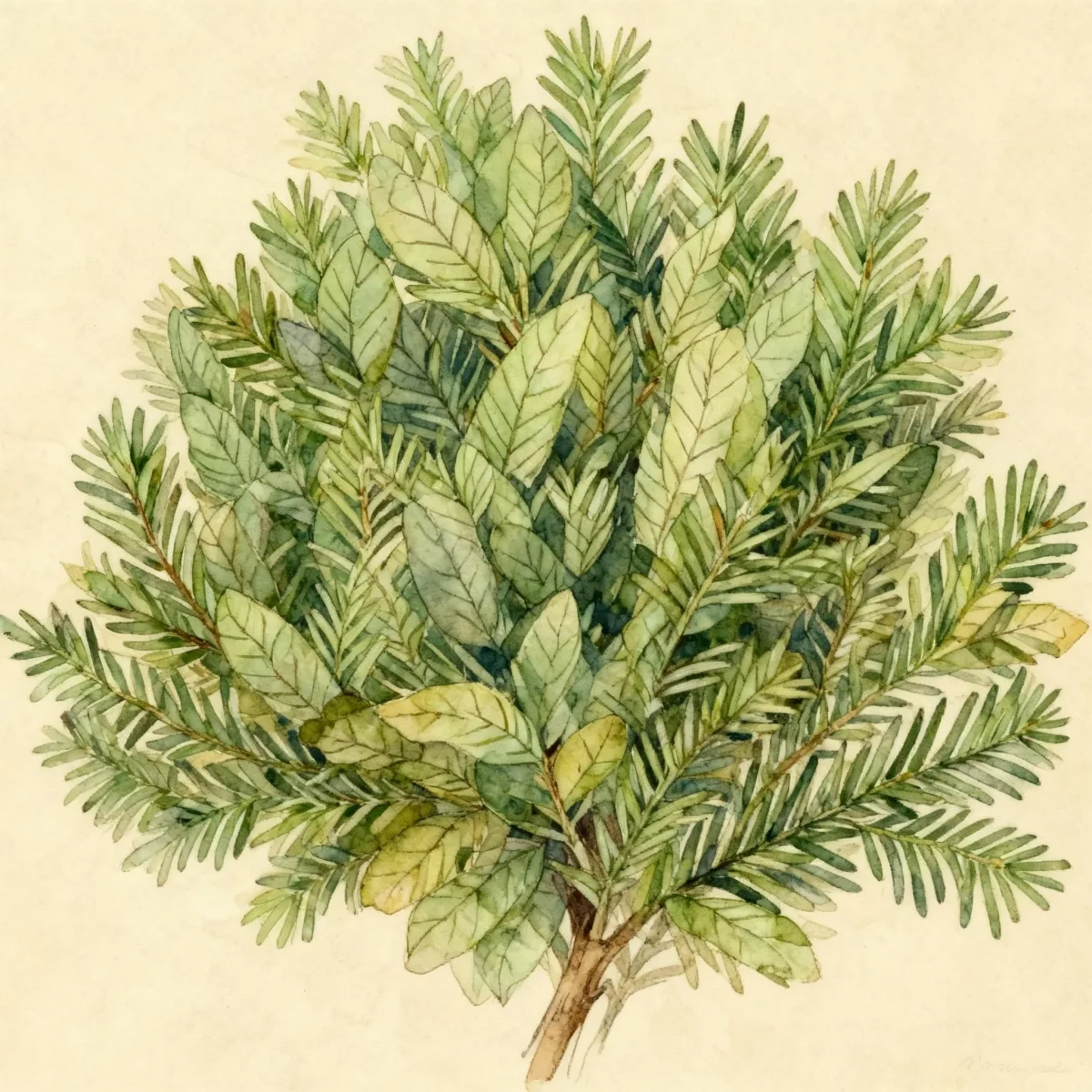
Complete Plant Information
- Hardiness zones
- USDA 4–7
- Plant type
- Needled evergreen
- Plant family
- Taxaceae
- Sun exposure
- Full sun to full shade
- Water needs
- Medium
- Maintenance
- Low
- Height
- 3–4 ft (91–122 cm)
- Spread
- 6–8 ft (183–244 cm)
- Bloom time
- Non-flowering
- Flower color
- Non-flowering gymnosperm; female clone producing scarlet cup-shaped arils
- Flower qualities
- Not recorded
- Fruit qualities
- Showy
- Tolerances
- Heavy Shade, Clay Soil, Air Pollution
- Garden uses
- Foundation planting, low formal hedge, shady border
- Native range
- Japan, Korea, northeast China, Russian Far East (cultivar selection)
Field Guide Continues
Ready for care notes, companion picks, and planting tips?
The map is just the start. The full guide below covers growth habits, seasonal performance, and landscape uses.
Overview
Japanese yew ‘Densa’ (Taxus cuspidata ‘Densa’) is a slow-growing, flat-topped to rounded evergreen conifer hardy across USDA Zones 4 through 7. Growing roughly twice as wide as it is tall—reaching 3 to 4 feet in height with a 6 to 8 foot spread over several decades—it provides exceptionally dense, dark green needle coverage in locations ranging from full sun to heavy shade. ‘Densa’ is predominantly a female clone that develops decorative, fleshy scarlet-red cup-like arils in autumn.
Renowned for its ability to thrive in dense shade where most conifers thin and die, it is a classic foundation anchor and formal hedging plant throughout cool-temperate regions.
How to Grow
- Sunlight & Deep Shade: One of the rare conifers that thrives in full shade as well as full sun. Foliage remains rich, deep green even under dense deciduous shade canopies. In warmer Zone 7 summers, afternoon shade is recommended to prevent needle scorch.
- Soil & Drainage: Requires average, moist, well-draining soil. Yews have zero tolerance for soggy, waterlogged soil or standing water. Poor drainage rapidly triggers fatal root rot (Phytophthora).
- Watering: Provide steady, moderate moisture during the first two establishment years. Once rooted deeply, established plants show good resilience during short dry spells.
- Pruning & Shearing: Tolerates severe shearing, shaping, and rejuvenation pruning exceptionally well. Shape in early spring before the new flush of soft needles emerges.
Landscape Uses
- Low Formal Hedging: Responds to shearing with an unbroken, velvet-dense emerald surface, perfect for property lines and garden paths.
- Deep Shade Foundation Anchor: Thrives on north-facing foundations and underneath dense shade trees where other evergreens fail.
- Winter Structure: Dense dark needles provide steady architectural weight when deciduous neighbors have dropped their foliage.
Potential Problems
- Lethal Taxine Alkaloid Toxicity: Every part of Taxus cuspidata—including foliage, stems, bark, and seeds—contains high concentrations of taxine alkaloids. Ingestion causes rapid bradycardia, heart failure, and death in humans, dogs, cats, and livestock (horses and cattle are acutely vulnerable). Never discard clippings where animals can browse.
- Winter Wind Burn: In exposed, windy sites in Zone 4, harsh winter sun and dry freezing winds can cause needle tip desiccation.
- Root Rot: Soggy, poorly drained soils quickly suffocate roots and cause sudden branch dieback.
Frequently Asked Questions
Can Japanese yew grow in full shade?
Yes. Japanese yew is renowned as one of the most shade-tolerant conifers in cultivation, maintaining deep dark green needle density even in full northern shade.
Are the red berries on Japanese yew poisonous?
The soft, fleshy red cup (aril) is technically non-toxic, but the hard green seed inside is extremely poisonous and contains lethal taxine alkaloids. Always treat the plant as entirely toxic.
When should I prune Taxus cuspidata ‘Densa’?
Prune or shear in early spring before new growth starts, or in midsummer after the spring needle flush has hardened off.
Companion Plants
Pair Japanese yew with woodland and shade-loving perennials that contrast with its deep green, fine-textured needles:
- Contrasting Broadleaf Perennials: Plant alongside golden hostas (like ‘August Moon’ or ‘Gold Standard’) or broad-leaved rodgersias.
- Woodland Flowering Perennials: Combine with white or pink astilbes, bleeding hearts (Dicentra spectabilis), and Virginia bluebells (Mertensia virginica).
- Lace-Textured Ferns: Interplant with maidenhair ferns or Japanese painted ferns (Athyrium niponicum).
Sources & Lineage
- Missouri Botanical Garden PlantFinder: Record taxon 260418 (Taxus cuspidata ‘Densa’) — growth habit, dimensions, and cultivation history.
- Kew Plants of the World Online (POWO): Taxus cuspidata Siebold & Zucc. (POWO: 324379-2) — accepted botanical status and East Asian native range.
- North Carolina State Extension Gardener Plant Toolbox: Taxus cuspidata — cardiotoxicity documentation, taxine alkaloid hazards, and landscape siting.
Recommended Companion Plants
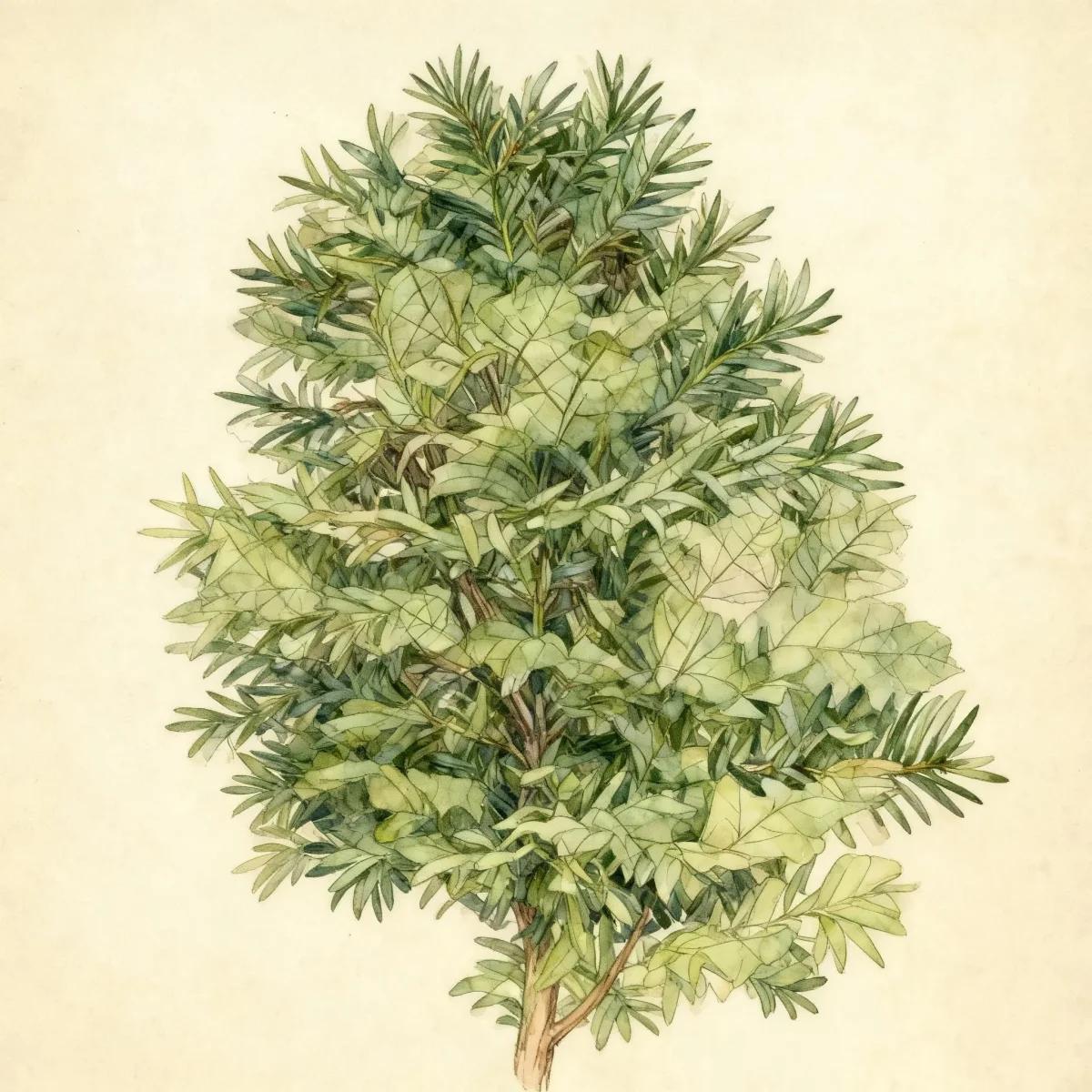
Japanese yew
Taxus cuspidata 'Capitata'
- USDA zones
- 4–7
- Light
- Full sun to part shade
- Water
- Medium
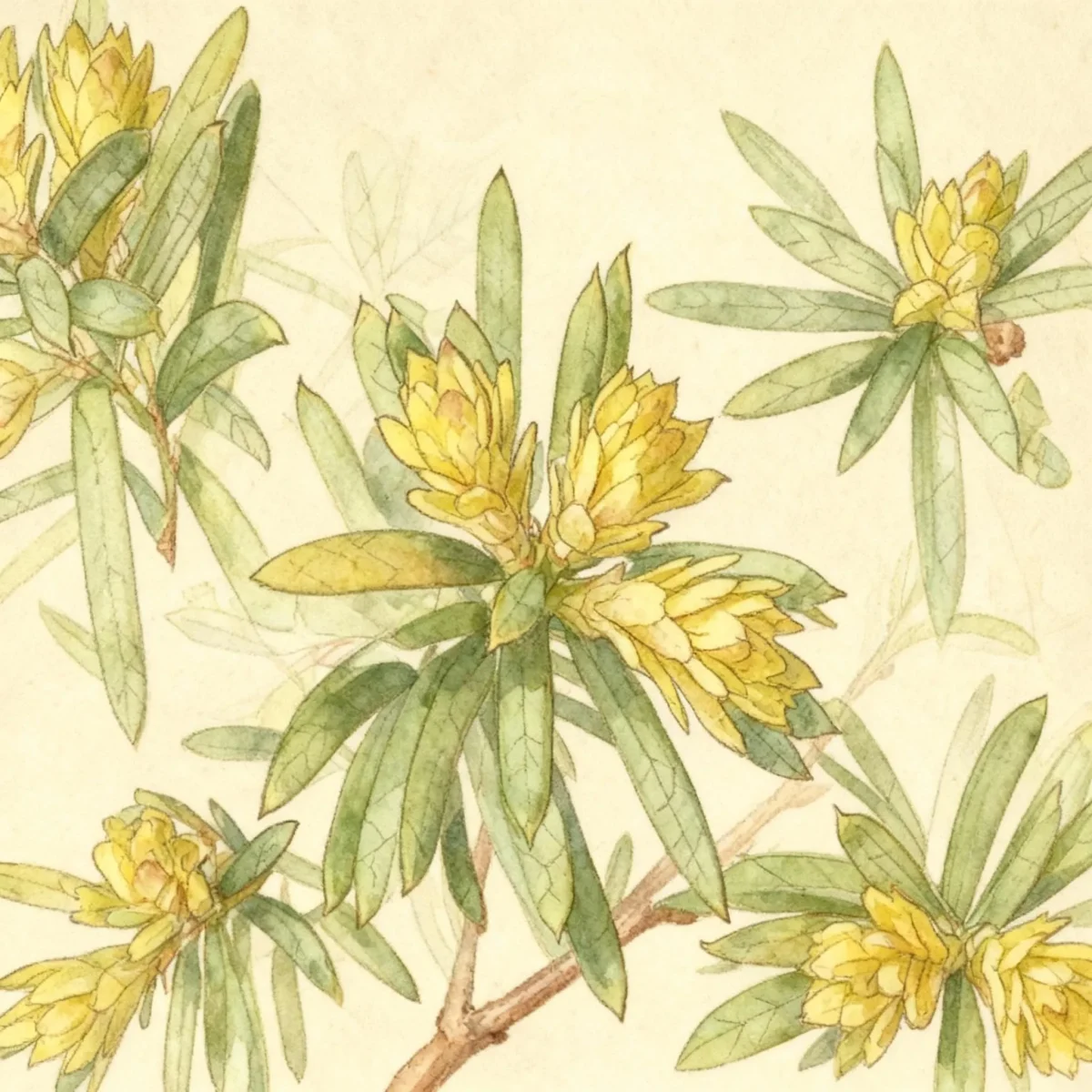
Japanese yew
Taxus cuspidata 'Nana Aurescens'
- USDA zones
- 4–7
- Light
- Full sun to part shade
- Water
- Medium
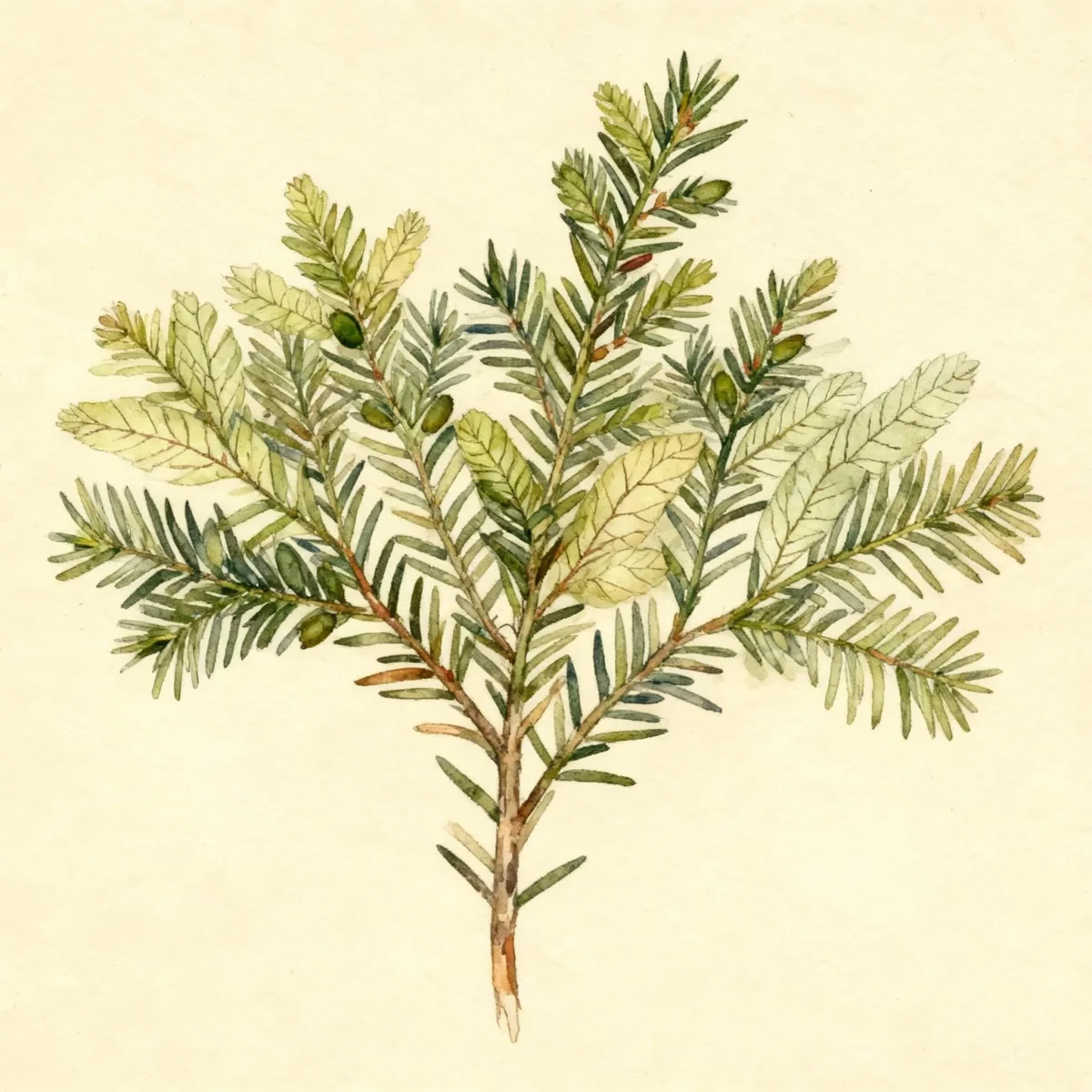
Japanese yew
Taxus cuspidata 'Monloo' EMERALD SPREADER
- USDA zones
- 4–7
- Light
- Full sun to part shade
- Water
- Medium
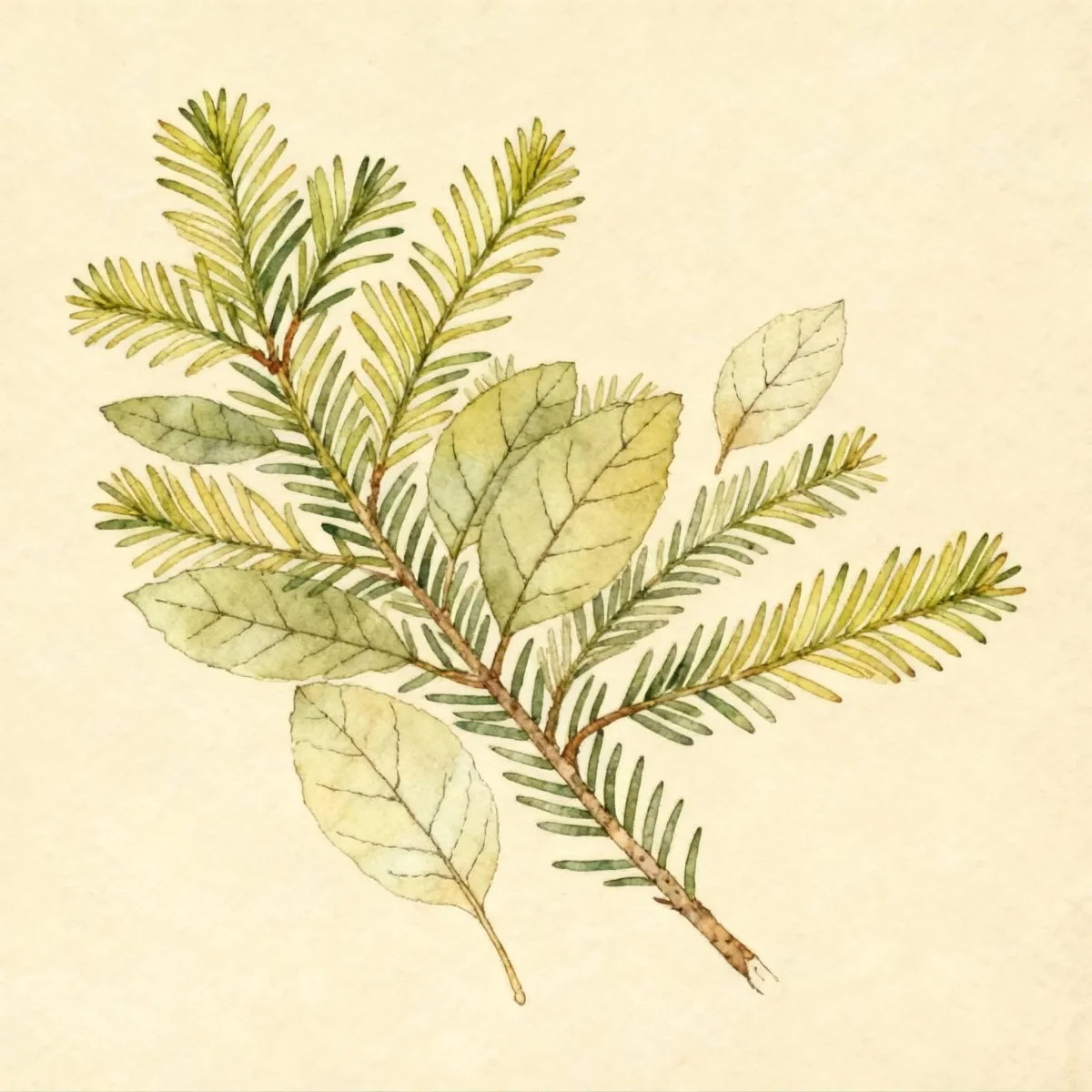
Japanese yew
Taxus cuspidata 'Bright Gold'
- USDA zones
- 4–7
- Light
- Full sun to part shade
- Water
- Medium
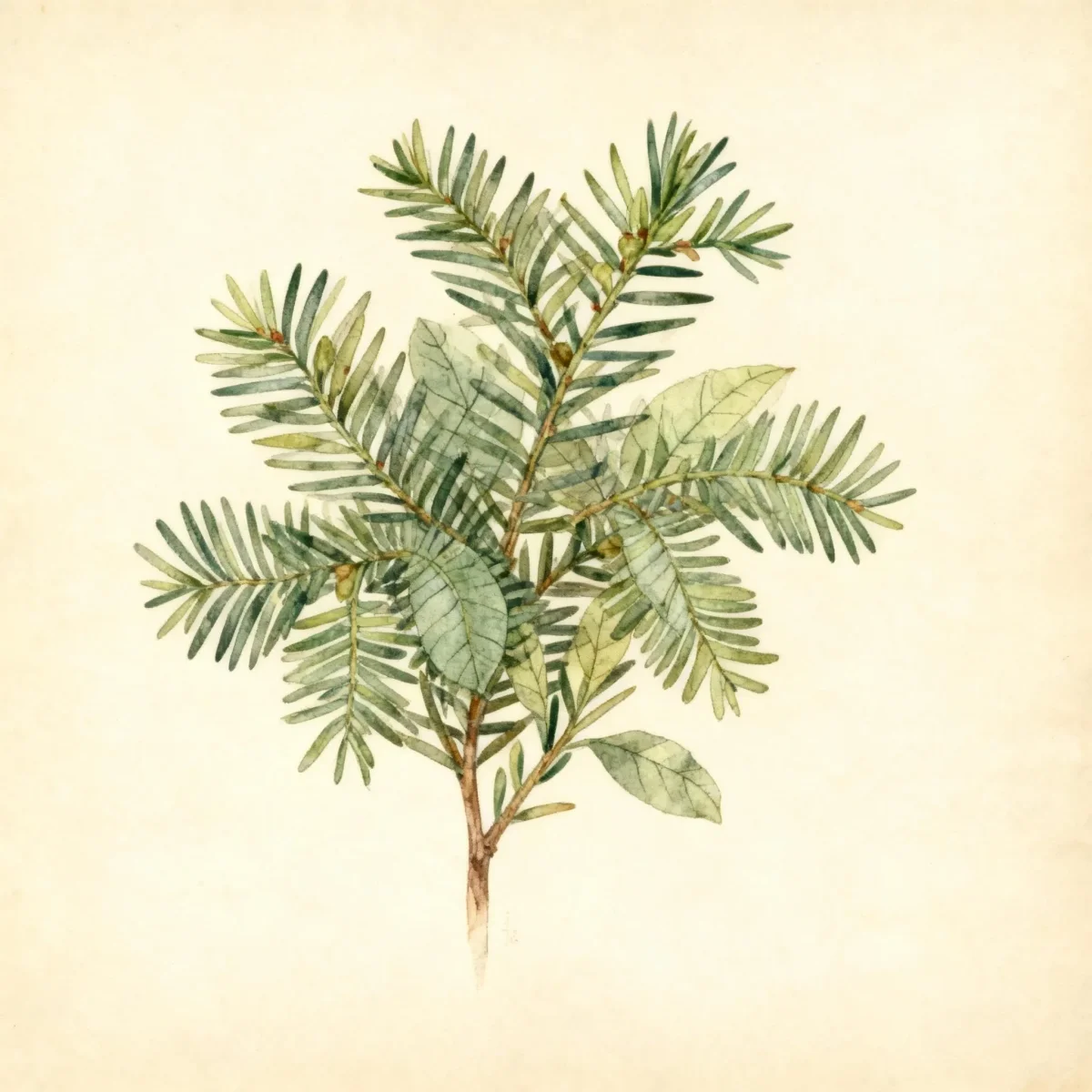
Japanese yew
Taxus cuspidata
- USDA zones
- 4–7
- Light
- Full sun to part shade
- Water
- Medium
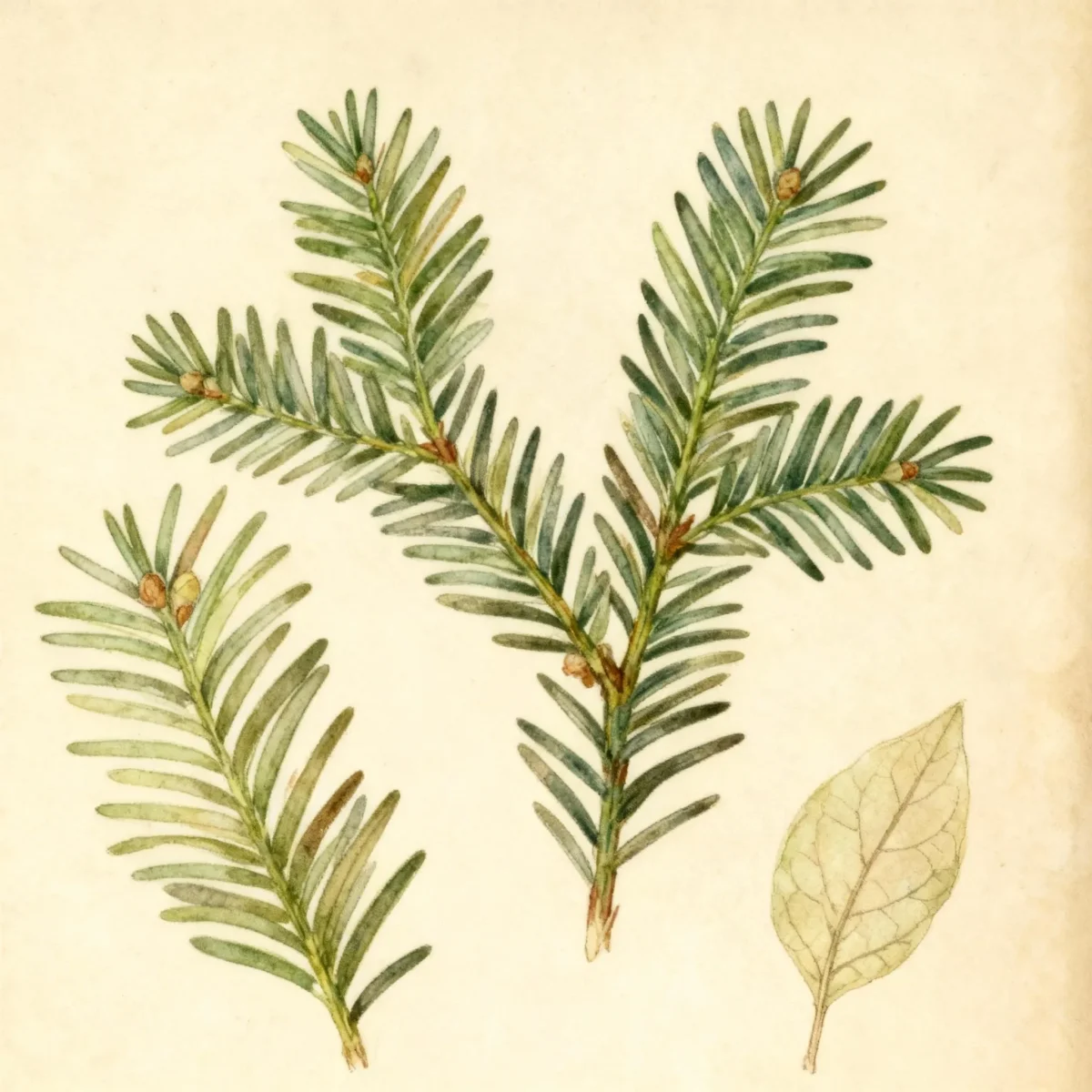
Yew
Taxus × media
- USDA zones
- 4–7
- Light
- Full sun to part shade
- Water
- Medium
Keep Learning
Test what you know with a garden quiz
You have the plant facts and care notes. Continue with a related challenge, or browse the complete quiz library.

Can You Identify These Common Garden Plants? Test Your Plant Knowledge
Think you know your roses from your peonies? Test your plant identification skills with our comprehensive garden plant quiz featuring 10 challenging questions.
Start quiz
Wild Garlic Quiz: Foraging & Facts
Think you know your wild garlic? Take this quiz to test your foraging knowledge and learn safe identification tips.
Start quizBrowse the full quizzes section
Explore plant identification, zone strategy, and seasonal gardening challenges.
View all quizzes