Red mosaic plant(Fittonia albivenis (Verschaffeltii Group))
Grow mosaic plant (Fittonia albivenis Verschaffeltii Group): vivid pink/red nerve netting, high-humidity terrarium care, non-toxic pet safety, and indoor tips.

Complete Plant Information
- Hardiness zones
- USDA 11–12
- Plant type
- Herbaceous perennial
- Plant family
- Acanthaceae
- Sun exposure
- Part shade to bright indirect light
- Water needs
- High moisture / High humidity
- Maintenance
- Medium
- Height
- 0.25–0.5 ft (8–15 cm)
- Spread
- 0.5–1 ft (15–30 cm)
- Bloom time
- Intermittent / Inconspicuous
- Flower color
- Small white to pale yellow tubular flowers on short spikes (usually pinched off)
- Flower qualities
- Insignificant
- Fruit qualities
- Not recorded
- Tolerances
- Heavy Shade
- Garden uses
- Terrarium, indoor tabletop dish garden, humid greenhouse
- Native range
- Tropical South America (Peru, Colombia, Ecuador, Brazil)
Field Guide Continues
Ready for care notes, companion picks, and planting tips?
The map is just the start. The full guide below covers growth habits, seasonal performance, and landscape uses.
Overview
Mosaic plant (Fittonia albivenis, specifically selections within the Verschaffeltii Group, commonly called nerve plant or red mosaic plant) is a low-creeping evergreen tropical perennial in the acanthus family (Acanthaceae). Native to the warm, perpetually humid rainforest floors of tropical South America, it grows just 3 to 6 inches high and spreads 6 to 12 inches wide. Famous for its dark olive-green leaves intricately netted with vivid carmine-red or deep pink veins, it is one of the most popular houseplant and enclosed terrarium selections in cultivation.
In horticultural searches, two completely unrelated plants share the common name “mosaic plant”: the terrestrial houseplant Fittonia albivenis featured here, and the floating aquatic plant Ludwigia sedoides.
How to Grow
- Indoor Light: Bright, filtered indirect sunlight or medium shade. Direct afternoon sun immediately scorches thin foliage and bleaches the vivid vein coloration. Thrives exceptionally well under household fluorescent or LED grow lights.
- High Ambient Humidity: Requires elevated ambient relative humidity (ideally 60% or higher). In dry, heated winter rooms, leaf margins quickly crisp and curl. Mist regularly or grow in an enclosed glass container.
- Moisture & “Fainting” Recovery: Keep the potting mix consistently damp to the touch, but never waterlogged. Fittonias dramatically wilt (“faint”) flat against the pot rim when the soil dries out; if soaked promptly, stems typically rebound within several hours without permanent damage.
- Temperature Requirements: Maintain temperatures above 60°F (15°C) at all times; sensitive to cold drafts.
Landscape Uses
- Enclosed Glass Terrariums: The ideal microclimate plant for bottle gardens, wardian cases, and glass terrariums where humidity stays naturally high.
- Tabletop Dish Gardens: Adds brilliant, fine-textured color contrast to mixed indoor tropical foliage bowls.
- Tropical Groundcover (Zones 11–12): In frost-free tropical gardens, it functions as a delicate creeping groundcover in deep, sheltered shade.
Potential Problems
- Crisping Leaf Margins: Caused by low ambient household humidity. Use a pebble tray or room humidifier.
- Overwatering & Root Rot: Yellowing leaves that drop while soil is wet indicate soggy roots and poor drainage.
- Fainting from Dry Soil: Stems collapse when moisture drops; soak the root ball to rehydrate.
Frequently Asked Questions
Why is my mosaic plant wilting suddenly?
Fittonias are dramatic “fainters.” When the potting mix dries out, stems collapse completely. Water deeply, and the plant will usually revive and stand upright within a few hours.
Is Fittonia safe for dogs and cats?
Yes. The ASPCA confirms that Fittonia albivenis is completely non-toxic to cats and dogs.
Can I grow mosaic plant outdoors?
Only in tropical USDA Zones 11 and 12 where temperatures never drop below 55°F (13°C). In all other zones, grow as an indoor houseplant or terrarium specimen.
Companion Plants
Pair mosaic plant with small, humidity-loving tropicals that share its requirement for bright indirect light and damp soil:
- Terrarium Partners: Pair with miniature ferns (like lemon button fern), creeping fig (Ficus pumila), or baby’s tears (Soleirolia soleirolii).
- Contrasting Indoor Foliage: Combine in dish gardens with green nerve plants (Argyroneura Group), peacock plants (Calathea), or small peperomias.
- Moisture-Tolerant Accents: Plant alongside mosses and small jewel orchids.
Sources & Lineage
- Missouri Botanical Garden PlantFinder: Record taxon 260587 (Fittonia albivenis Verschaffeltii Group) — species background, morphological characteristics, and culture.
- Kew Plants of the World Online (POWO): Fittonia albivenis (Lindl. ex Veitch) Brummitt (POWO: 49457-1) — botanical taxonomy, synonyms, and Neotropical distribution.
- ASPCA Animal Poison Control: Fittonia Toxicity Status — pet safety certification (non-toxic to cats and dogs).
Recommended Companion Plants
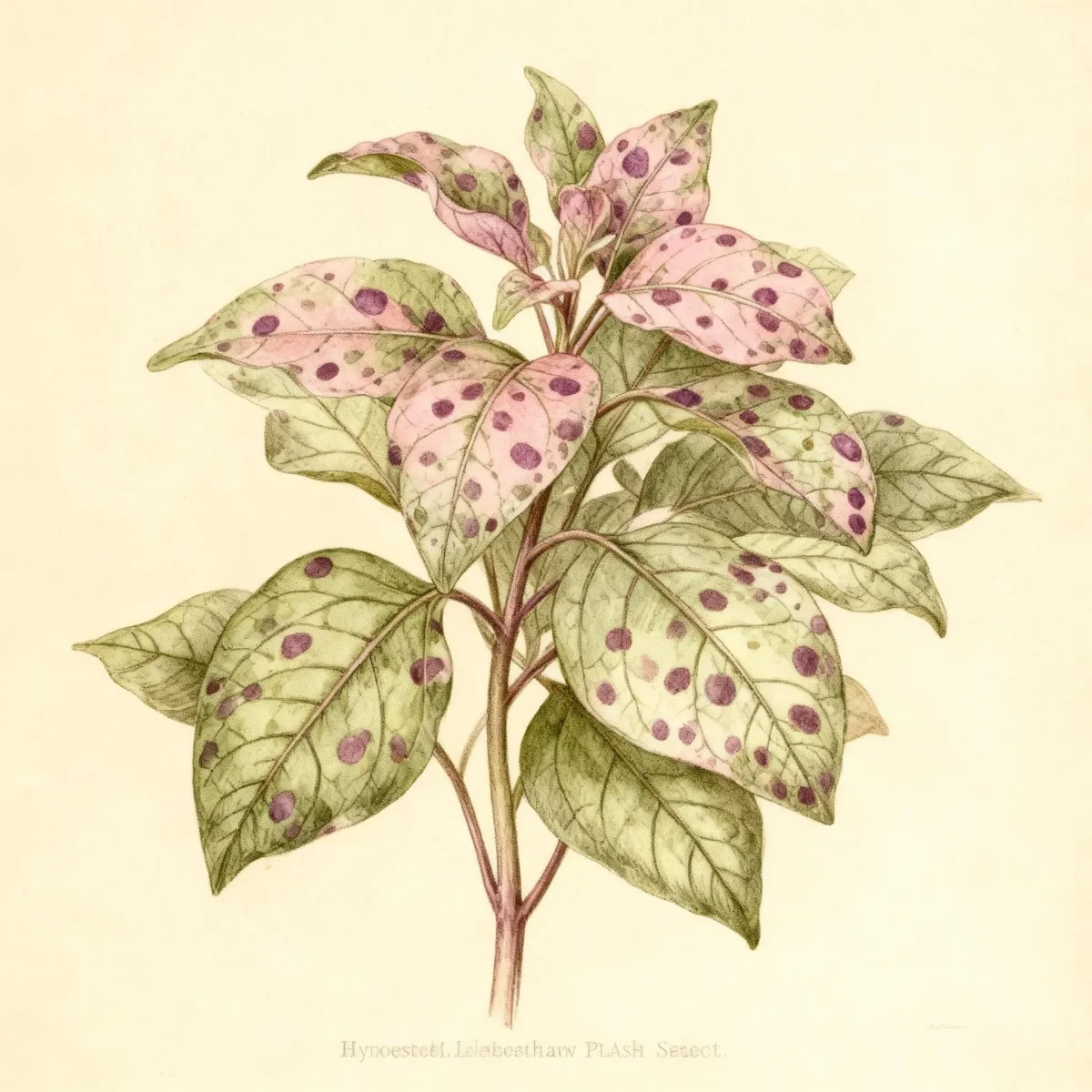
Polka dot plant
Hypoestes phyllostachya SPLASH SELECT PINK
- USDA zones
- 10–11
- Light
- Part shade
- Water
- Medium
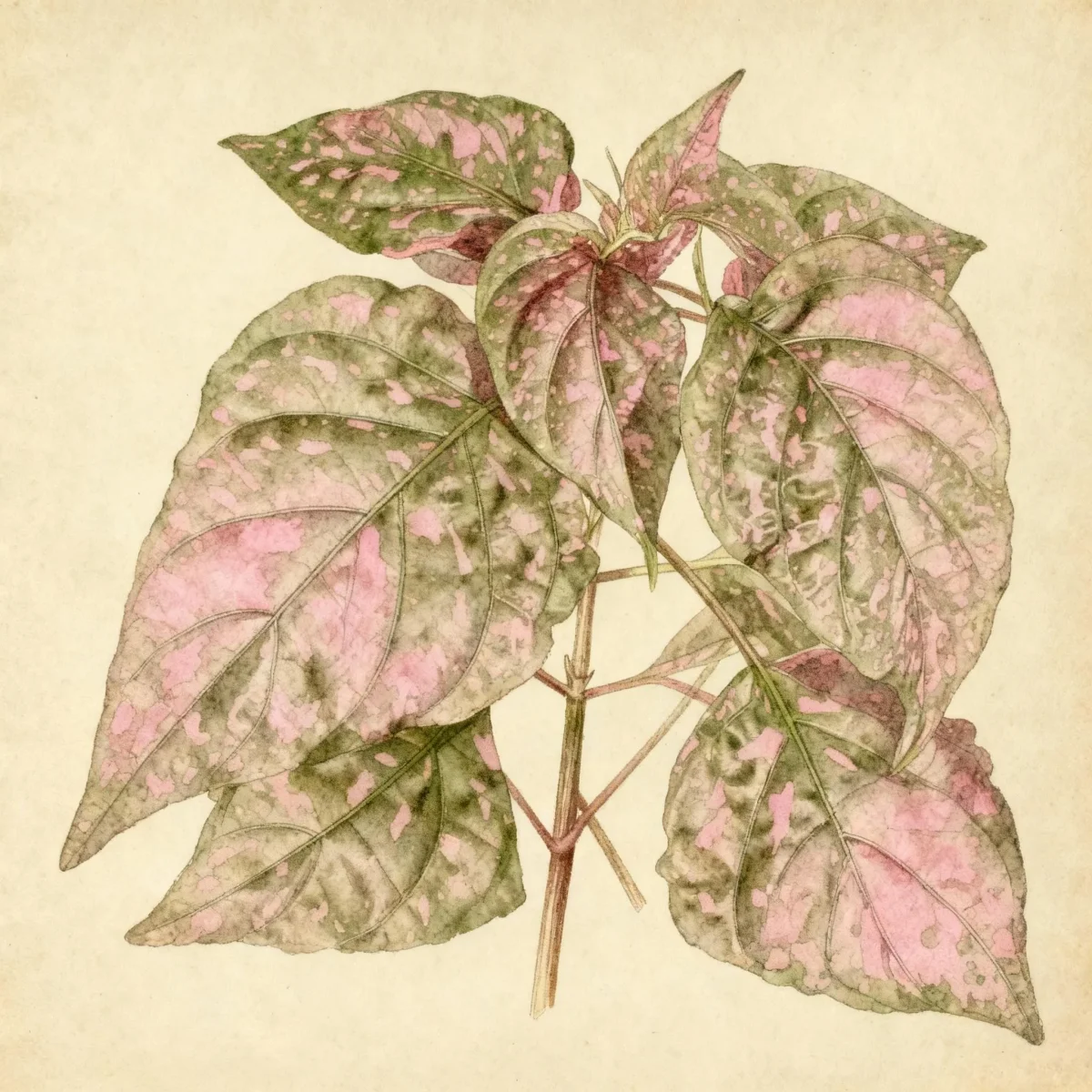
Polka dot plant
Hypoestes phyllostachya
- USDA zones
- 10–11
- Light
- Part shade
- Water
- Medium
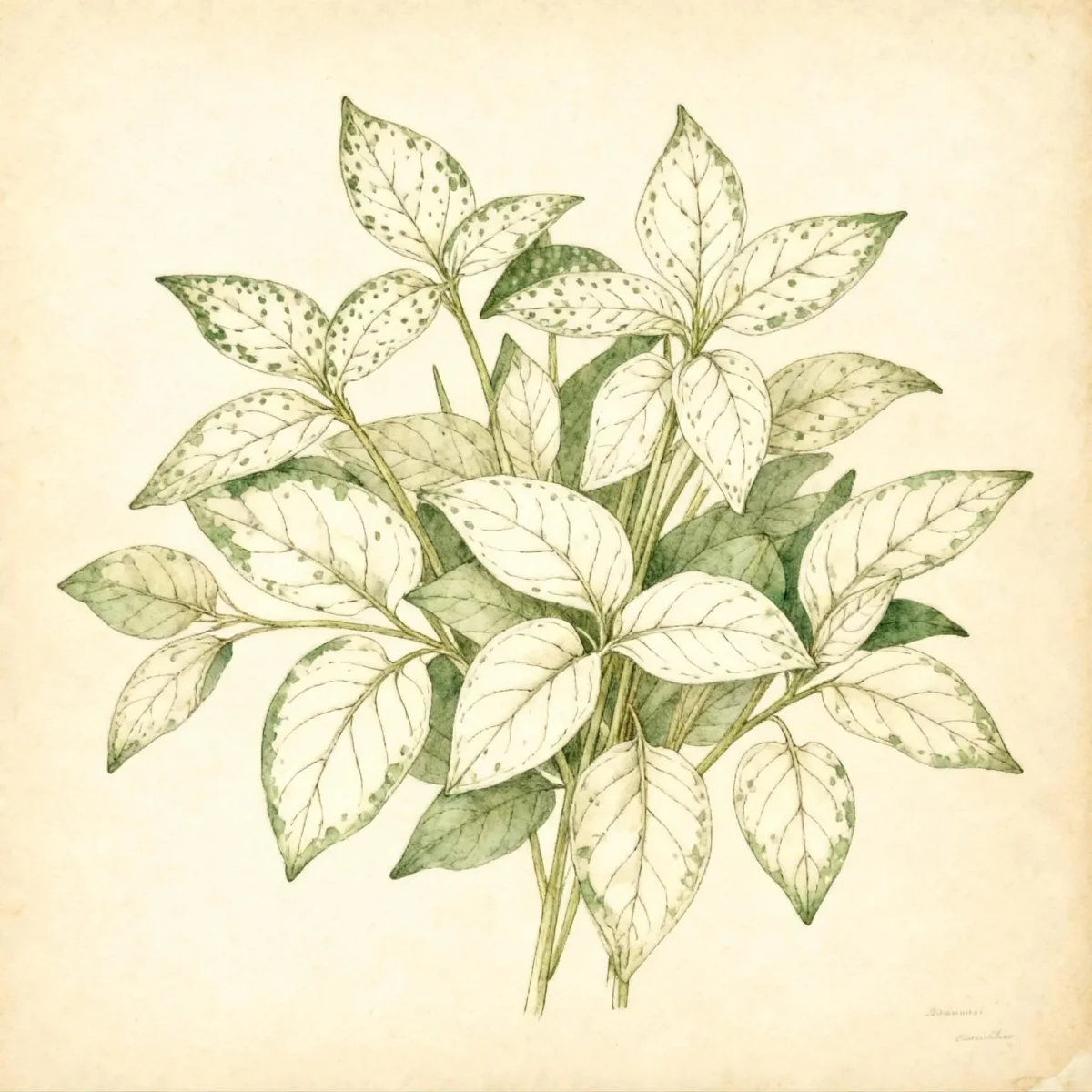
Polka dot plant
Hypoestes phyllostachya 'Confetti Compact White'
- USDA zones
- 10–11
- Light
- Part shade
- Water
- Medium
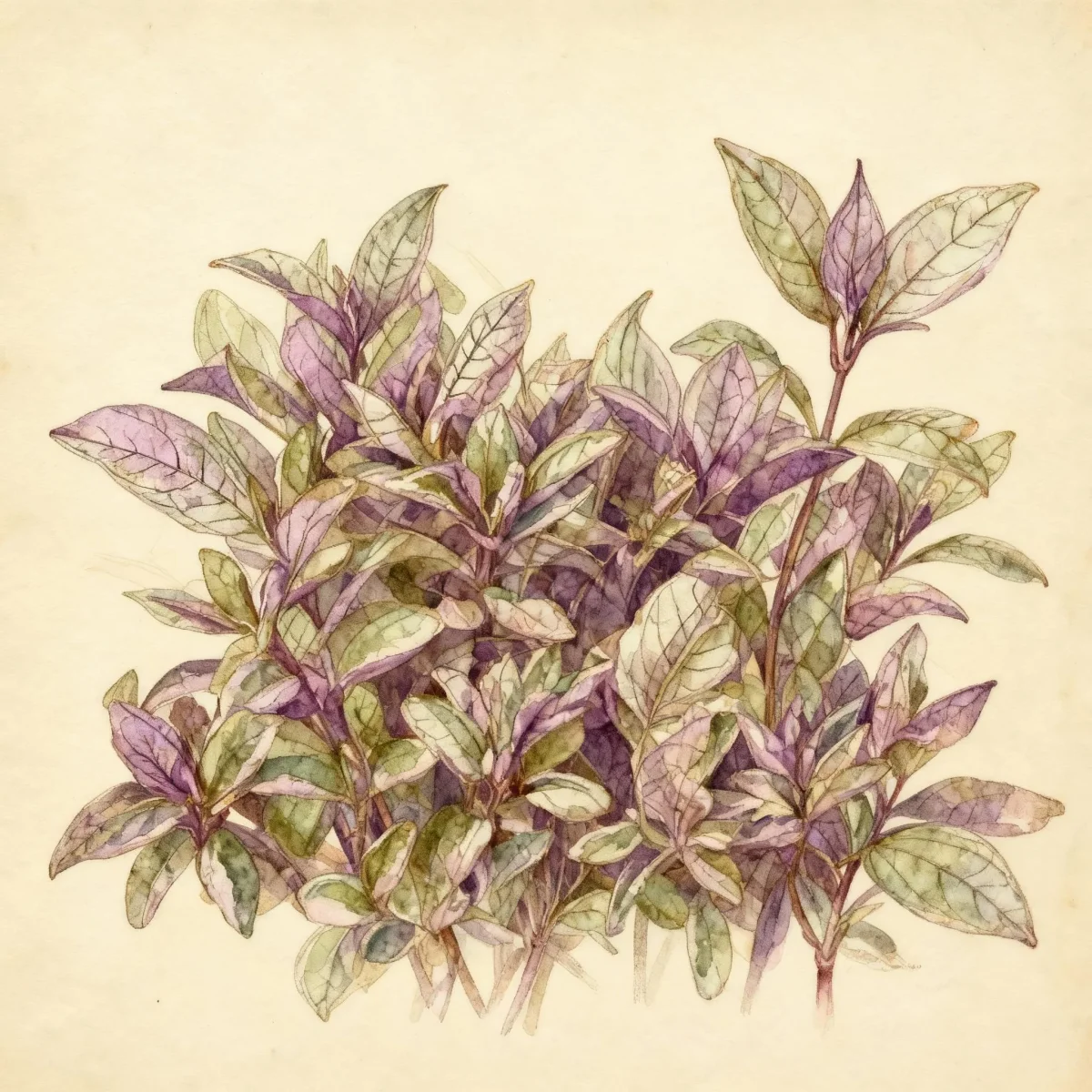
Hemigraphis
Hemigraphis 'Exotica'
- USDA zones
- 10–11
- Light
- Full sun to part shade
- Water
- Medium
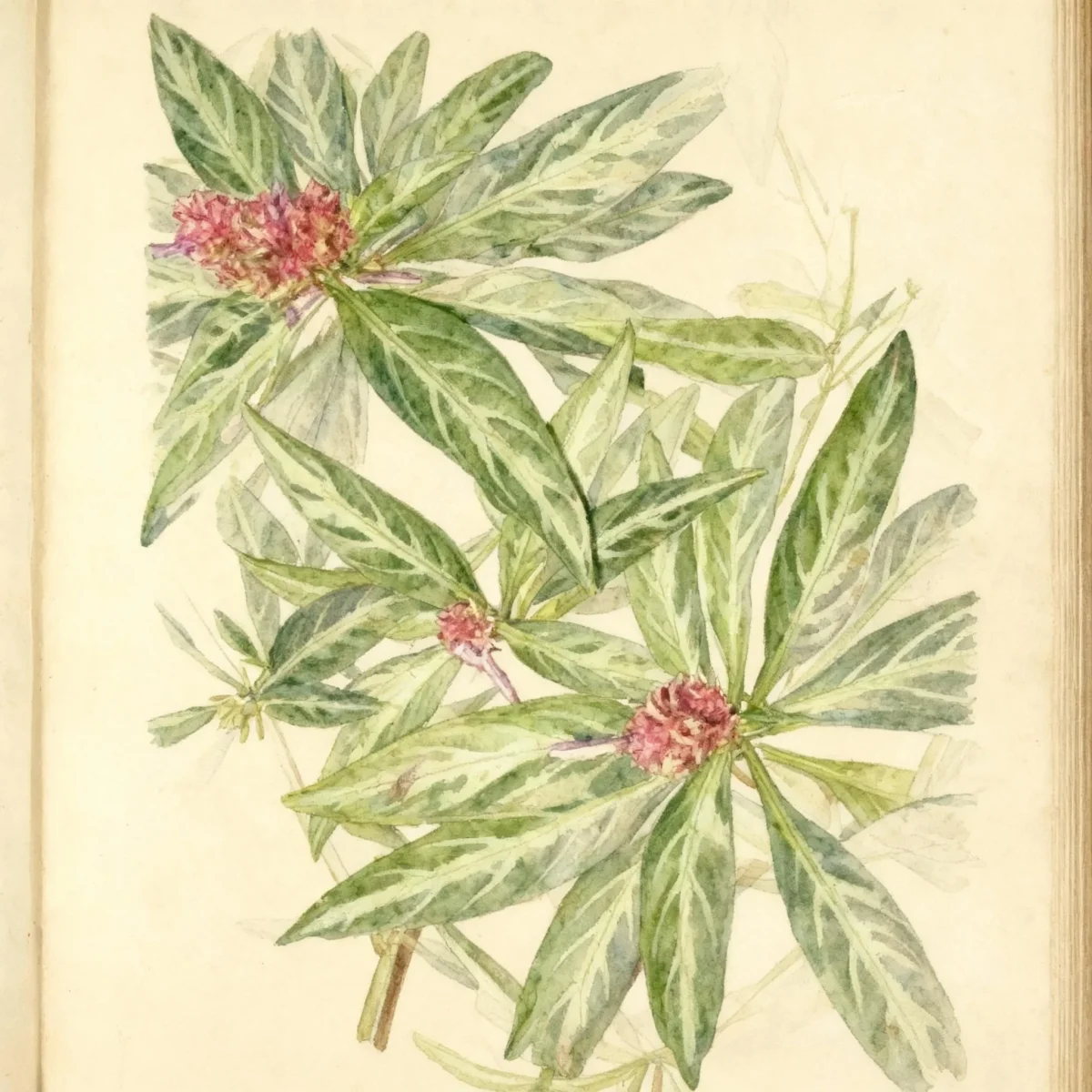
Purple shrimp plant
Justicia scheidweileri
- USDA zones
- 10–11
- Light
- Part shade to full shade
- Water
- Medium
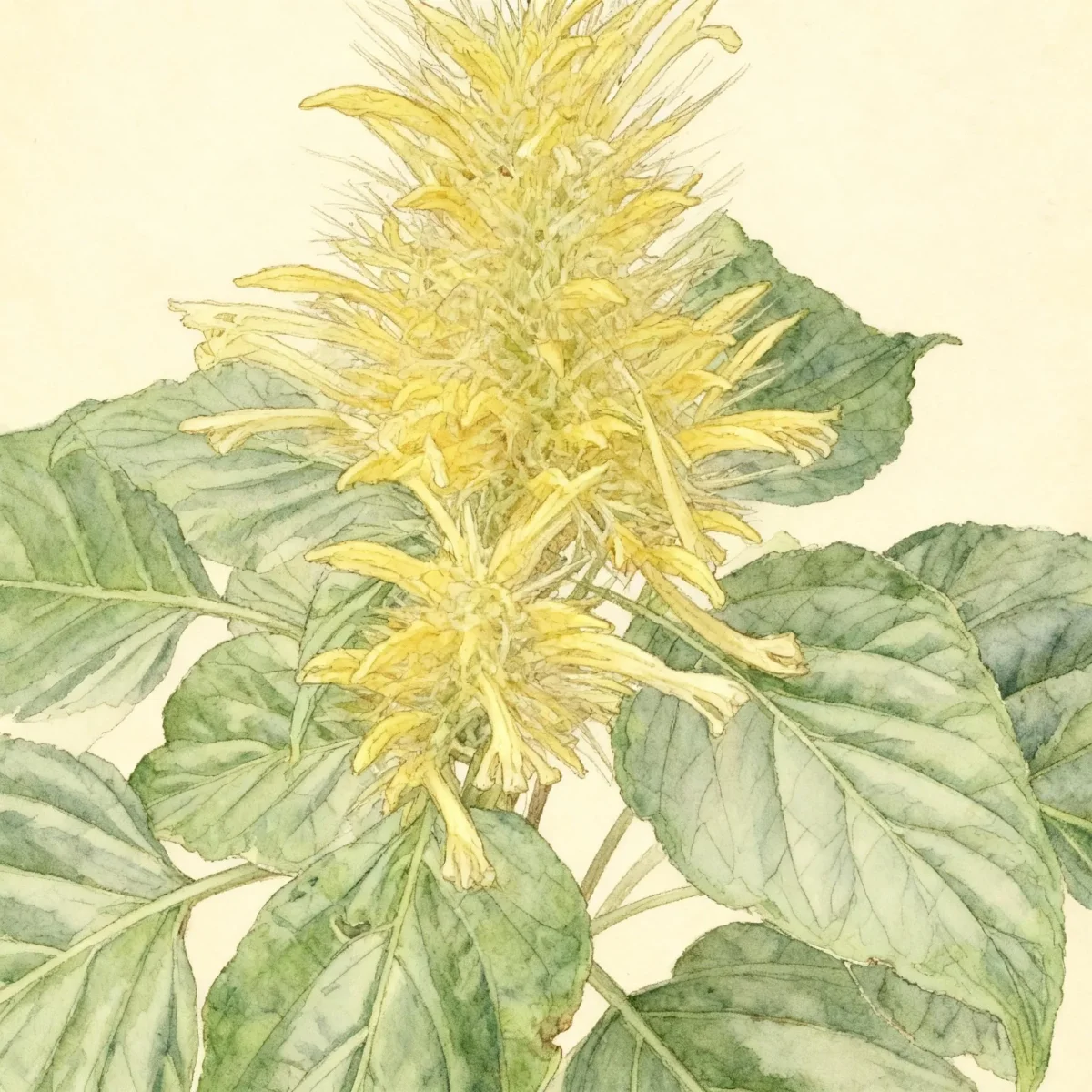
Schavleria
Schaueria flavicoma
- USDA zones
- 10–12
- Light
- Full sun to part shade
- Water
- Medium
Keep Learning
Test what you know with a garden quiz
You have the plant facts and care notes. Continue with a related challenge, or browse the complete quiz library.

Can You Identify These Common Garden Plants? Test Your Plant Knowledge
Think you know your roses from your peonies? Test your plant identification skills with our comprehensive garden plant quiz featuring 10 challenging questions.
Start quiz
USDA Garden Zone Map Quiz
Use this USDA garden zone map quiz to check whether you can read hardiness zones and choose plants with more confidence.
Start quizBrowse the full quizzes section
Explore plant identification, zone strategy, and seasonal gardening challenges.
View all quizzes