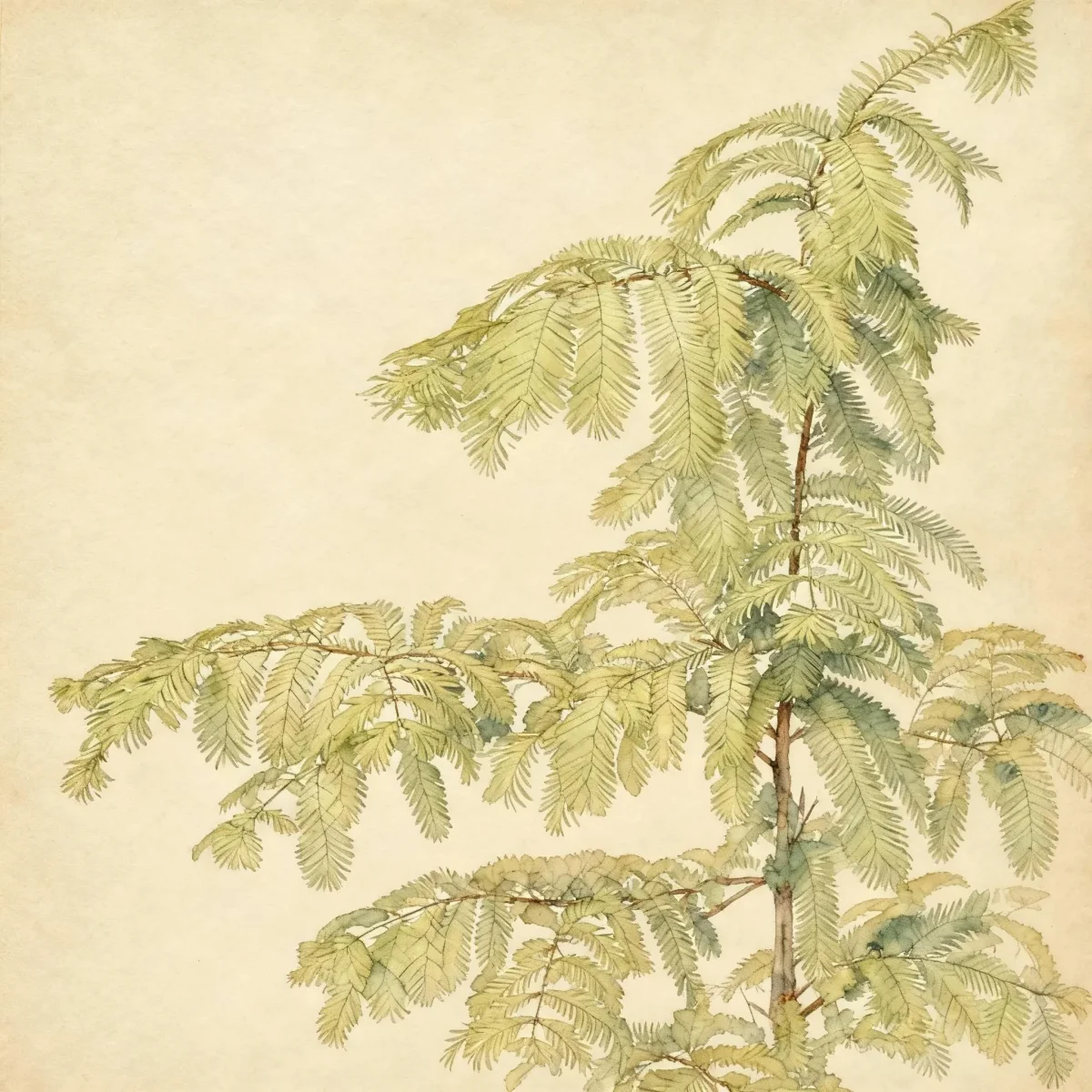
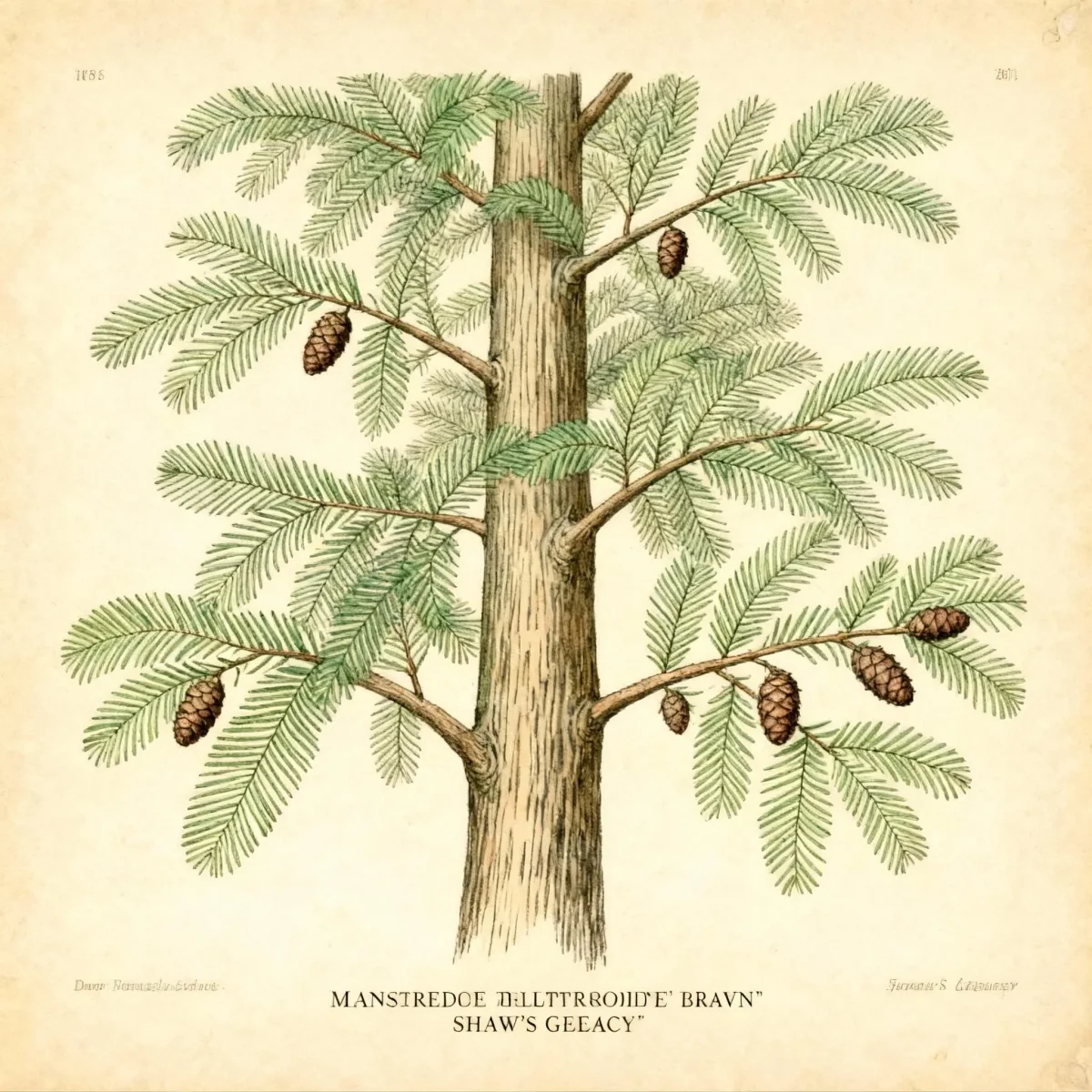
Bald cypress (Taxodium distichum 'Mickelson' SHAWNEE BRAVE)
Discover Taxodium distichum 'Mickelson' SHAWNEE BRAVE, a narrow Bald cypress cultivar ideal for wet soils, featuring striking orange-brown fall color.

Bloom Boldly, No Matter the Season - Sweatshirt
Cozy organic cotton sweatshirt featuring our exclusive Purple Coneflower design. Perfect for gardeners who bloom year-round.
Inspired by the beautiful Bald cypress
Limited first batch (50) — join the waitlist for early access
Waitlist closes Feb 15, 2026.
Complete Plant Information
Field Guide Continues
Ready for care notes, companion picks, and planting tips?
The map is just the start. The full guide below covers growth habits, seasonal performance, and landscape uses.
Overview
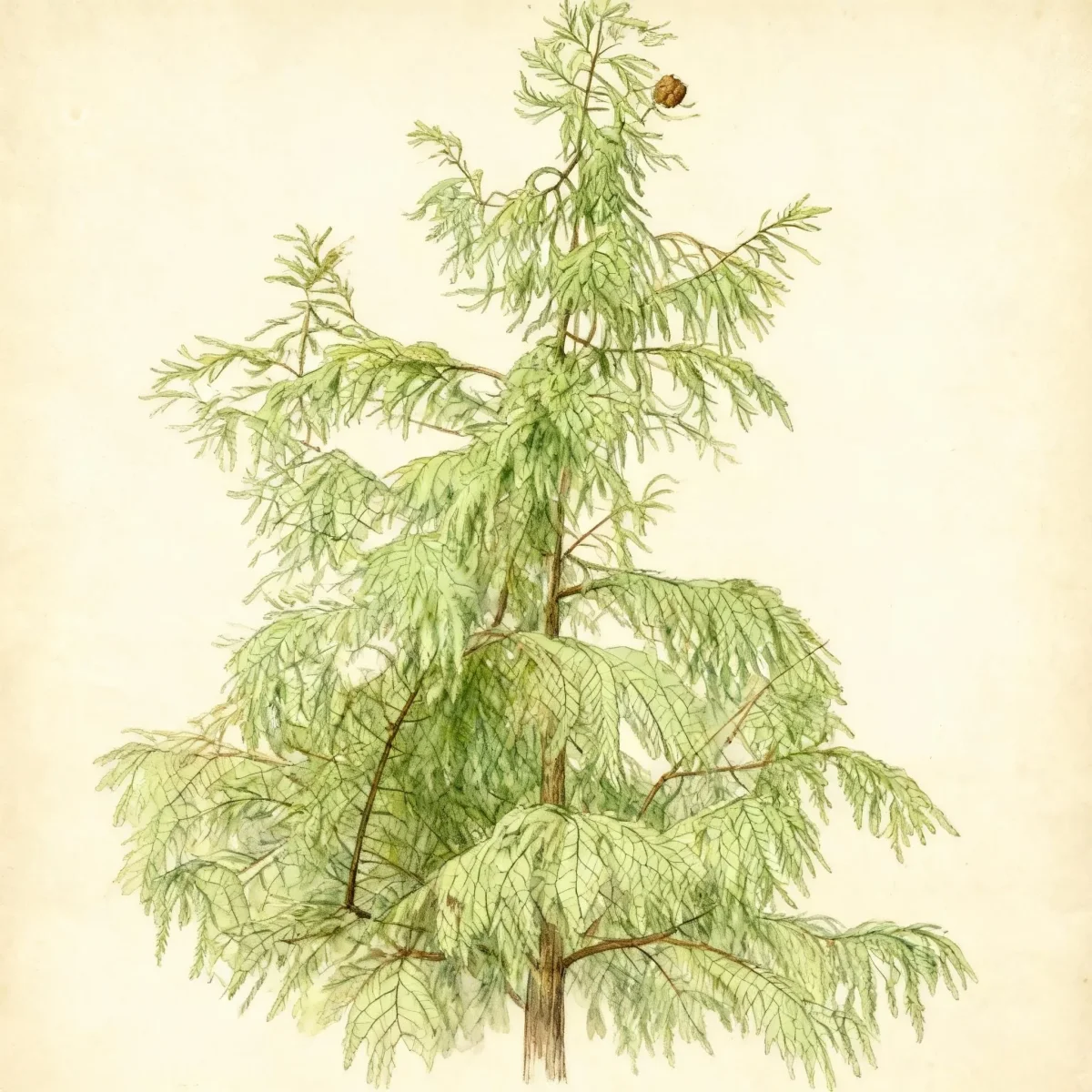
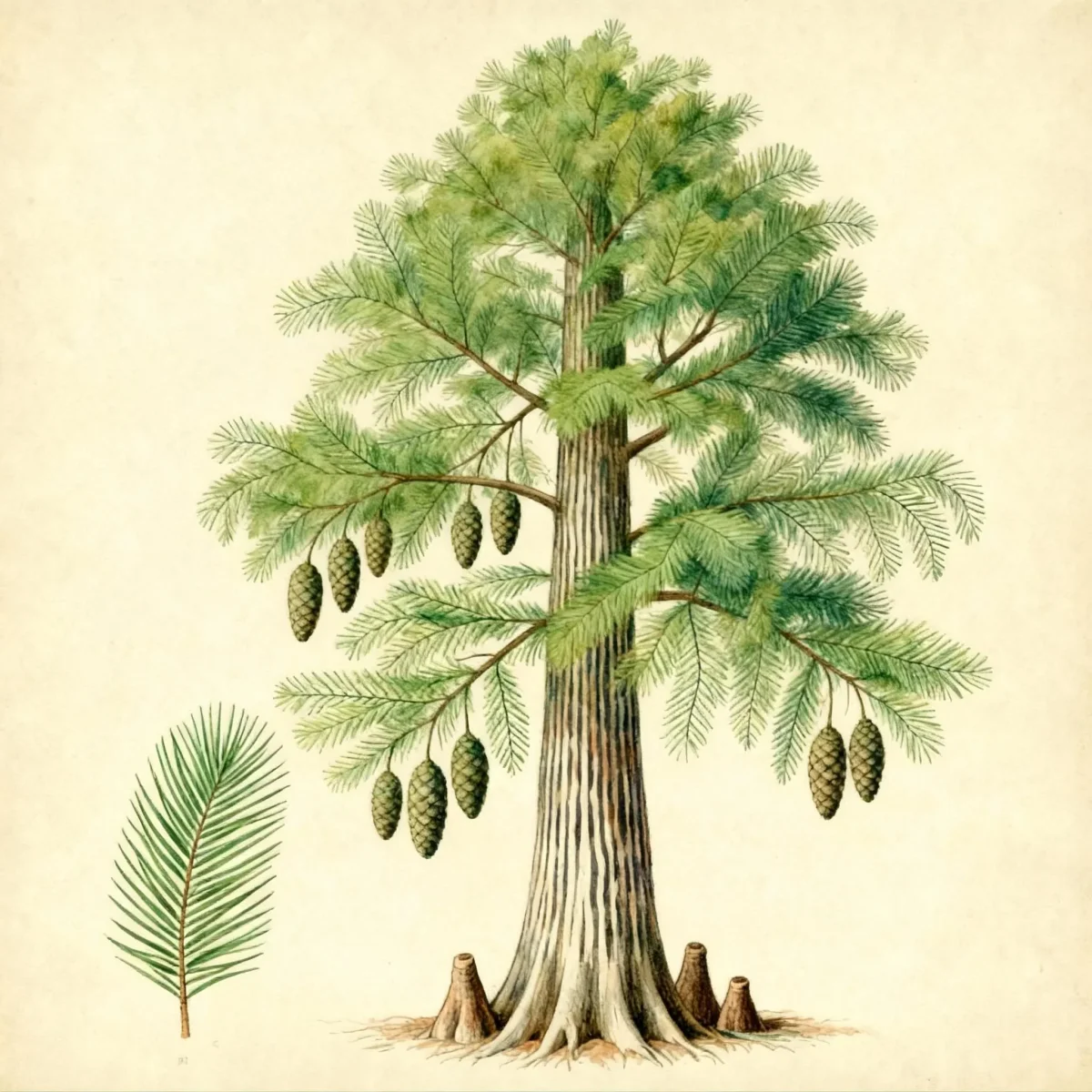
The Bald cypress (Taxodium distichum), particularly the cultivar Taxodium distichum ‘Mickelson’ SHAWNEE BRAVE, offers gardeners a unique, stately conifer that uniquely drops its needles in winter. This deciduous habit distinguishes it from typical evergreens, providing spectacular seasonality through its soft, feathery foliage that transforms to an attractive orange/cinnamon-brown in autumn. Its pyramidal shape, especially pronounced in the SHAWNEE BRAVE selection, makes it a powerful vertical accent in the landscape.
Originally native to southern swamps, the Bald cypress is remarkably adaptable, tolerating both periods of drought and extended immersion in waterlogged conditions thanks to its ability to develop “knees” for stability. This resilience, combined with its relatively low maintenance demands, makes it an excellent choice for large landscape specimens where moisture can be variable. The cultivar Taxodium distichum ‘Mickelson’ SHAWNEE BRAVE maintains this strength while offering a narrower, denser form suitable for more confined spaces than the wild species.
Gardeners value the Bald cypress for its historical significance—it is the State tree of Louisiana—and its impressive growth rate for a large specimen tree. Whether anchoring a rain garden or serving as a long-lived street tree, this species provides scale, texture, and unparalleled performance in wet or clay soils.
Fast Facts
- Plant Family: Cupressaceae
- Plant Type: Tree
- Hardiness Zones: USDA Zones 4-9
- Size at Maturity:
- Height: 50-75 ft
- Spread: 15-20 ft
- Bloom Time: Non-flowering
- Bloom Description: Non-flowering
- Sun Exposure: Full sun
- Water Needs: Medium to wet
- Maintenance Level: Low
How to Grow
Planting Bald cypress is best accomplished in spring or early fall, allowing the plant time to establish its roots before facing temperature extremes. Choose a location receiving full sun, as adequate light fosters the dense foliage characteristic of Taxodium distichum ‘Mickelson’ SHAWNEE BRAVE. While this tree thrives in average, moisture-retentive soils, it performs exceptionally well in wet sites, acidic sandy loams, or heavy clay. Site selection is crucial due to the tree’s eventual height, ensuring clearance from structures and utility lines.
Maintenance for established Bald cypress is surprisingly low. While it tolerates drier conditions once mature, ensure regular watering, especially during establishment, keeping the soil consistently moist or wet as preferred. Little to no fertilization is typically required unless the soil is severely deficient. Pruning should be minimal; focus only on removing crossing or damaged limbs, as the natural growth habit of the central leader on Taxodium distichum is highly desirable.
Seasonal care centers on the tree’s deciduous nature. In autumn, observe the dramatic color change before the needles drop. Clean-up may be necessary if planted near walkways, although the fallen needles break down quickly. Winter preparation requires no specialized effort in its hardy zones; the tree requires no protection from cold once established.
Landscape Uses
The robust structure and moisture tolerance make the Bald cypress versatile in landscape design. Its suggested use as a Street Tree is well-supported by its low maintenance needs and tolerance for urban stresses like air pollution. The narrow profile of the Taxodium distichum ‘Mickelson’ SHAWNEE BRAVE cultivar is particularly beneficial when space along avenues or property lines is limited.
Furthermore, the Bald cypress excels in functional planting schemes, specifically as a component in a Rain Garden. Its ability to absorb significant amounts of water makes it excellent for managing runoff in low-lying areas of the landscape. For a dramatic focal point, planting a single, large specimen provides long-term architectural interest, particularly near water features where its natural habitat can be mimicked.
Standout Features
Fruit Qualities
- Showy
Noteworthy Characteristics
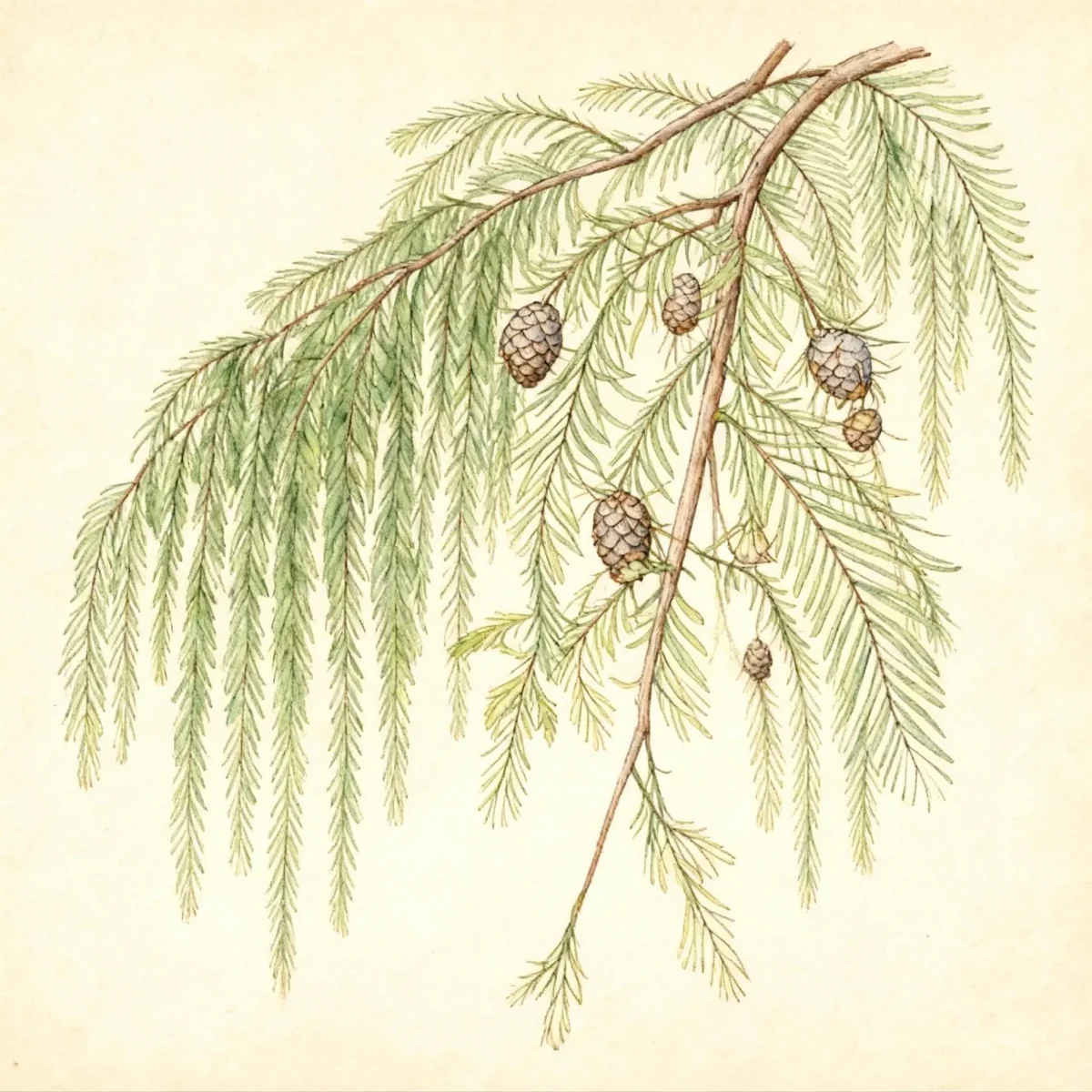
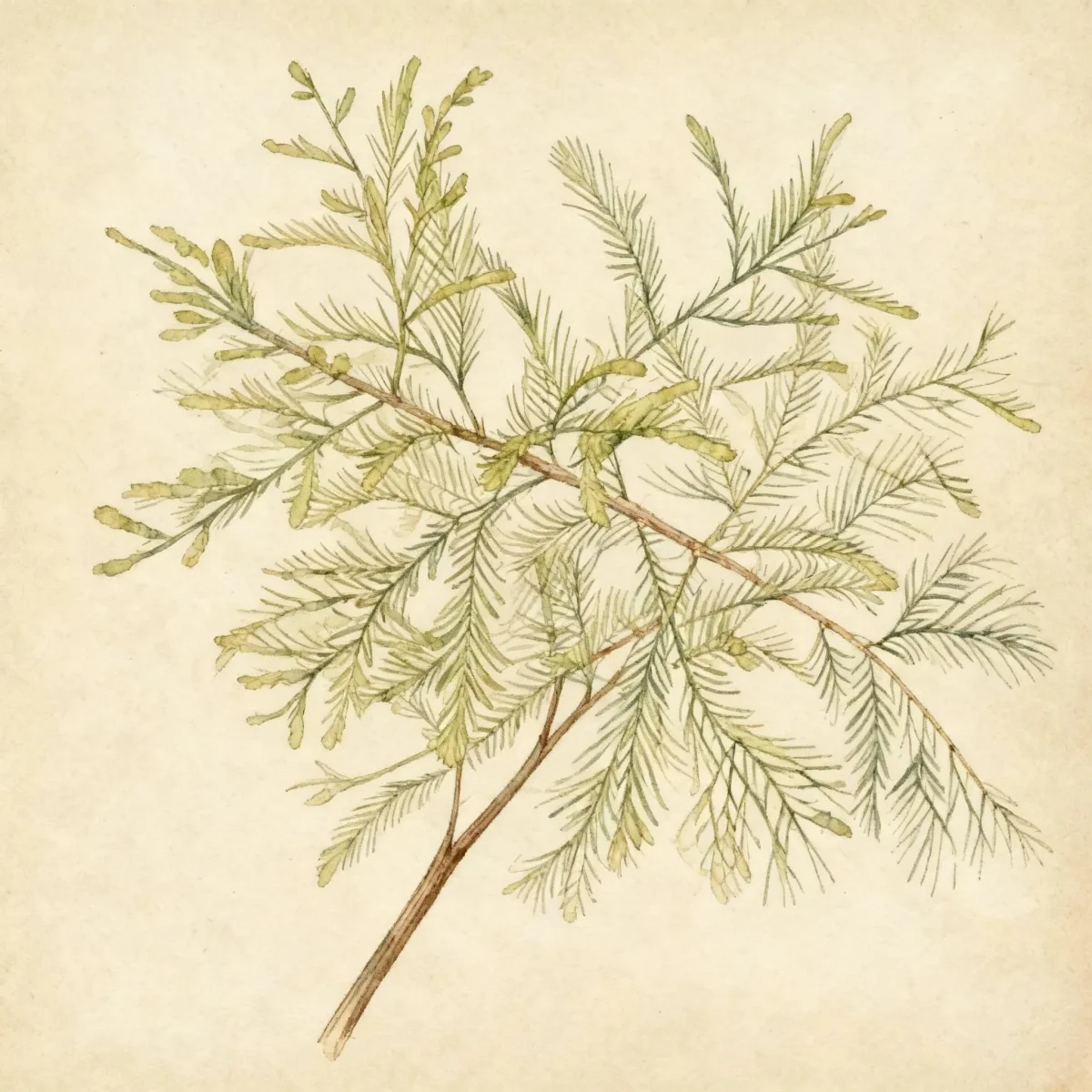
The Bald cypress is a long-lived, pyramidal conifer that, despite its needle-like foliage, is deciduous. The cultivar Taxodium distichum ‘Mickelson’ SHAWNEE BRAVE is noted for having a narrower shape and denser foliage than standard species trees, reaching 50-75 feet tall with a restricted 15-20 foot spread. In fall, its soft, feathery needles turn attractive shades of orange/cinnamon-brown before dropping.
Tolerances
- Deer
- Erosion
- Clay Soil
- Wet Soil
- Air Pollution
Potential Problems
Healthy, well-maintained specimens of Bald cypress typically present very few issues when grown in appropriate conditions favoring Taxodium distichum ‘Mickelson’ SHAWNEE BRAVE. The primary concerns are usually related to fungal or pest pressures exacerbated by poor air circulation or overly stressful, unsuitable sites. Twig blight and various root rots may occur, often signaling underlying soil or moisture management issues. Gardeners should monitor for spider mites, though infestations are uncommon outside of very dry, hot years where supplemental lower-story watering might be beneficial.
If blight is identified, promptly prune out affected twigs, ensuring cuts are made well into healthy wood to slow the spread. Always avoid overhead watering, especially in humid conditions, to discourage fungal development. The tree’s natural resistance usually keeps minor issues in check.
Frequently Asked Questions
What hardiness zones is Bald cypress suitable for?
The Bald cypress is hardy across a wide range, thriving in USDA Zones 4 through 9.
How large does Taxodium distichum ‘Mickelson’ SHAWNEE BRAVE grow?
This cultivar typically reaches heights between 50 and 75 feet tall, maintaining a relatively narrow spread of 15 to 20 feet wide.
What sun exposure does Bald cypress need?
This tree requires Full sun exposure for optimal growth and dense foliage development.
When does Bald cypress bloom?
Taxodium distichum ‘Mickelson’ SHAWNEE BRAVE is categorized as Non-flowering.
Conclusion
The Bald cypress, specifically the upright cultivar Taxodium distichum ‘Mickelson’ SHAWNEE BRAVE, provides exceptional low-maintenance beauty coupled with unmatched tolerance for wet, challenging soils. Its seasonal appeal, marked by brilliant fall color, ensures year-round landscape interest. Before integrating this magnificent tree, confirm that your site falls within USDA Zones 4-9 and can accommodate its eventual 75-foot height.
Companion Planting
Due to its preference for moist to wet conditions, select companion plants that share a similar high water need or can tolerate periodic saturation. Shrubs adapted to boggy environments, such as various species of Ilex (Winterberry) or native moisture-loving evergreens, pair well beneath the canopy of the Bald cypress. In drier upland soils that are amended for moisture retention, consider planting shade-tolerant perennials near the drip line that appreciate rich soil, provided they are not competing heavily with the young root system.
Wildlife Benefits
While primarily ornamental, the Bald cypress provides habitat and structure for various wildlife, particularly in a naturalized setting. Its cone production, while not showy, provides food sources. More significantly, the dense branching and large stature offer crucial overwintering shelter and nesting sites for songbirds. Planting this native species helps support local ecosystems, especially when placed near ponds or ditches that mimic its natural bayou habitat.